
Namgyal Monastery
#3of 8 places to visit in DharamshalaDharamshala, Himachal Pradesh
Also known as Namgyal Dratsang · Phende Lekshe Ling
Quick answer
Opening hours: 05:00–20:00. Entry is free. Allow 1 hr. Best time: 08:00 – 10:00 or 15:00 – 17:00.
Updated · Compiled by Traveliac, AI-assisted · 4 min read
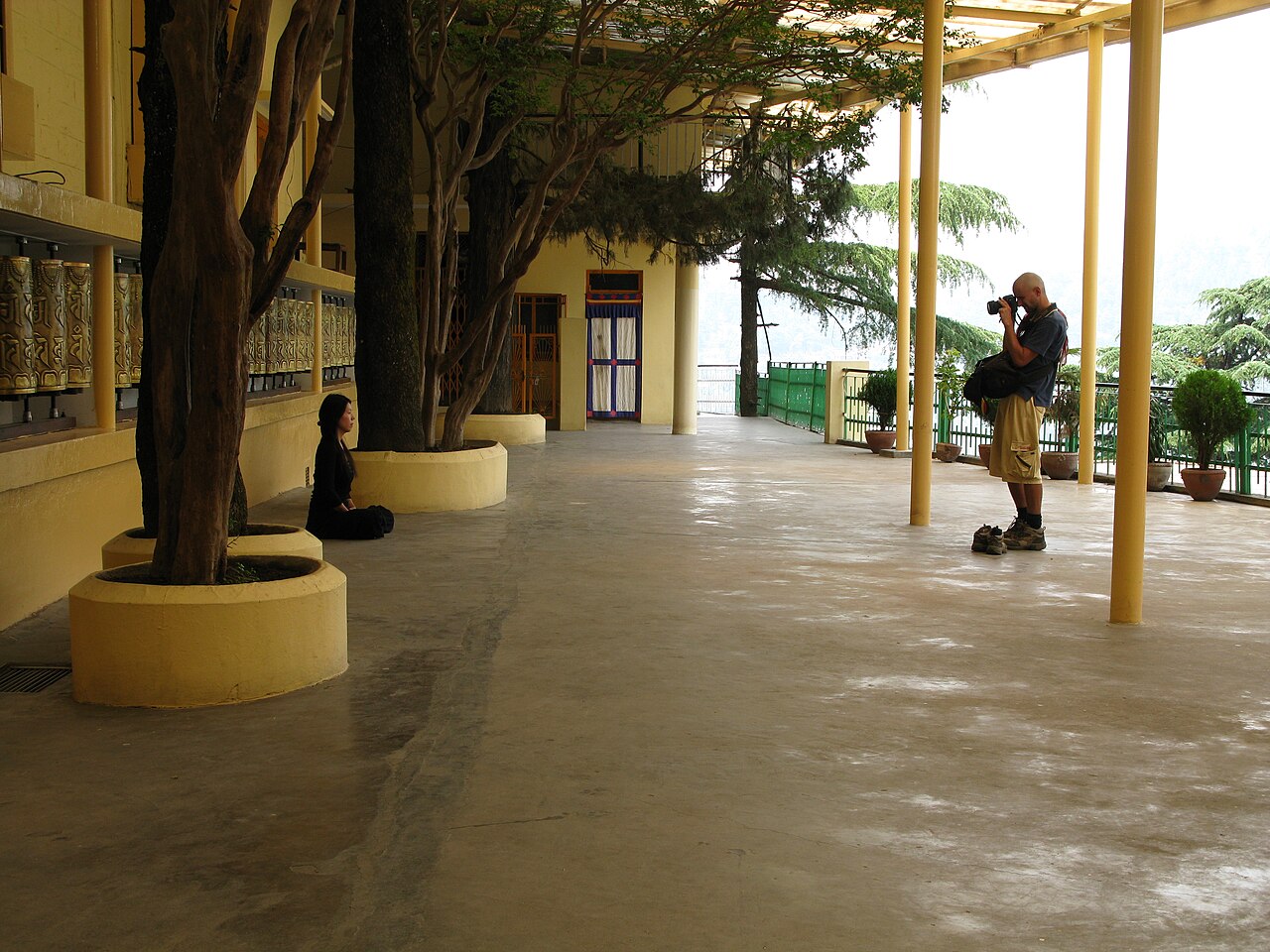
- Opening hours
- 05:00–20:00
- 05:00 – 20:00 daily; the main prayer hall is most active during morning puja between 08:00 and 10:00
- Entry fee
- Free
- Time needed
- 1 hr
- Best time of day
- 08:00 – 10:00 or 15:00 – 17:00
- Best months
- Mar – Jun, Sep – Nov
- Address
- Temple Road, McLeod Ganj, Dharamshala, Kangra district, Himachal Pradesh 176219
About Namgyal Monastery
Namgyal Monastery re-established itself in McLeod Ganj in 1959–60 as the personal monastery of the 14th Dalai Lama, after the Second Dalai Lama first founded it in Lhasa in 1564–65 under the name Phende Lekshe Ling. The monastic community numbered around 55 monks on arrival in India and now trains close to 200, drawn from all four major schools of Tibetan Buddhism — Gelug, Kagyu, Nyingma, and Sakya — a deliberately non-sectarian composition unusual for a single monastery. The monks' core responsibility is ritual support for the Dalai Lama personally: tantric cycles including Kalachakra, Yamantaka, Chakrasamvara, Guhyasamaja, and Vajrakilaya are maintained here on a rotating liturgical calendar, alongside the daily prayer sessions open to any visitor who steps into the courtyard.
Best time of day: 08:00 – 10:00 or 15:00 – 17:00. For the morning puja chanting, or 15:00 – 17:00 on weekdays for the monks' philosophical debate sessions in the courtyard.
Namgyal Monastery timings
Namgyal Monastery opens at 05:00 and closes at 20:00. The weekend is no different: Saturday and Sunday follow the same times.
- Opening hours
- 05:00–20:00
Mon–Sun 05:00–20:00 - 05:00 – 20:00 daily; the main prayer hall is most active during morning puja between 08:00 and 10:00
- Closed on
- Open every day
Good to know: Access to parts of the courtyard is restricted during the Dalai Lama's public teachings and during the Kalachakra initiation ceremonies, which the monastery hosts on an irregular multi-year cycle.
Opening hours compiled from namgyalmonastery.org and public records, last updated . They change without notice — confirm before you travel. How we write these guides
Namgyal Monastery ticket price
| Ticket | Price |
|---|---|
| Indian visitors | Free |
| Foreign visitors | Free |
| Children | Free |
| Camera | Free |
Entry to the monastery courtyard, debate ground, and main prayer hall is free for all visitors as of 2026. The monastery does not sell tickets of any kind; donation boxes near the prayer hall entrance are optional.
Prices compiled from namgyalmonastery.org and public records, last updated . They change without notice — confirm before you travel. How we write these guides
Best time to visit Namgyal Monastery
- Quiet
- Moderate
- Busy
05:00 – 08:00
Dawn PrayersBest time to go
Resident monks gather for the earliest prayer session; very few outside visitors are present, and the courtyard is silent apart from chanting from within the hall.
Quiet08:00 – 10:00
Morning Puja
The main morning chanting session draws the largest number of lay visitors and pilgrims of the day, standing respectfully at the hall's open doors.
Moderate10:00 – 15:00
Study Hours
Monks are largely in class or private study; the courtyard is quiet and the hall is open for individual viewing without a service in progress.
Quiet15:00 – 17:00
Debate Sessions
Formal philosophical debate practice fills the courtyard with paired and grouped monks; this is the most-photographed and most-visited window of the day on weekdays.
Busy
History of Namgyal Monastery
Namgyal Monastery took its present name in 1571, honouring the long-life deity Namgyälma, and was historically housed within the red-walled Potala Palace section built in Lhasa by the Fifth Dalai Lama in the 17th century. For roughly three centuries it functioned as the Dalai Lama's private monastic staff inside the Potala itself, distinct from Tibet's large public teaching monasteries.
Following the 1959 Tibetan uprising and the Dalai Lama's flight into India, a group of Namgyal monks made the same journey and re-established the monastery in McLeod Ganj alongside his new residence. The community has since expanded well beyond Dharamshala: an American branch, the Namgyal Monastery Institute of Buddhist Studies, opened in Ithaca, New York, in 1992; a subsidiary monastery in Bodhgaya was incorporated in 1998 and now houses around 45 monks; and the order also maintains a presence in Kushinagar and an elderly-care home in Shimla.
Rules & etiquette at Namgyal Monastery
The debate courtyard is a working teaching space, not a performance staged for tourists — the loud clapping gesture monks use to punctuate a philosophical point is part of formal Buddhist logic training (a codified system called Rigpa Tsöpa), and visitors are welcome to watch quietly from the courtyard edge without stepping into the debate space itself.
Shoes are removed before entering the prayer hall, and photography inside the hall during active chanting is generally discouraged — check with the monk stationed at the door rather than assuming permission. Modest dress covering shoulders and knees is expected throughout the monastery grounds, and the monastery asks that visitors keep mobile phones silent near the hall entrance.
Tips for visiting Namgyal Monastery
- 1
Time a visit for a weekday afternoon between 15:00 and 17:00 specifically for the debate sessions — weekends and monastic holidays often see reduced or cancelled debate practice. The monastery shares its compound wall with the Tsuglagkhang temple and Tibet Museum, so the three are easily combined into a single 2–3 hour visit without retracing your steps.
- 2
For a deeper look at the monastic curriculum, the monastery's own English-language website lists the current academic-year schedule and any public events, which is more reliable than third-party listings that quote outdated debate-session times. Avoid visiting during a scheduled Kalachakra ceremony week unless specifically attending — the courtyard capacity is limited and casual sightseeing is not encouraged during those periods.
How to reach Namgyal Monastery
The red star is Namgyal Monastery; the numbered pins are the 5 nearest places in our guides, each showing its rank in its city. Tap a pin for details.
Temple Road, McLeod Ganj, Dharamshala, Kangra district, Himachal Pradesh 176219Directions in Google Maps
From McLeod Ganj main square
1 km · 10–15 min walk
Free (walking)
From Dharamshala Bus Stand (lower town)
₹15–₹2010 km · 35–45 min
Bus) plus a 10-minute walk
From Kangra Airport, Gaggal (DHM)
₹700–₹95019 km · 40–50 min
Prepaid taxi
Nearest airport
From Kangra Airport, Gaggal (DHM)
approximately 19 km, 40–50 minutes by road.
Nearest railway station
From Chamunda Marg, Kangra Valley narrow-gauge line
approximately 22 km. Nearest broad-gauge station: Pathankot Junction – approximately 90 km.
Namgyal Monastery FAQs
Is Namgyal Monastery the same building as the Dalai Lama Temple?
No, they are separate structures inside the same Temple Road compound. Namgyal Monastery is the resident monks' prayer hall and debate courtyard; the Tsuglagkhang temple next door is the larger public assembly hall and museum wing.
Can tourists watch the monks' debate sessions?
Yes, weekday afternoon debate sessions in the courtyard, typically between 15:00 and 17:00, are open to quiet observation from the courtyard edge at no charge.
How old is Namgyal Monastery?
The monastery dates to 1564–65, when the Second Dalai Lama founded it in Lhasa as Phende Lekshe Ling; it took the name Namgyal in 1571 and re-established itself in McLeod Ganj in 1959–60 after the Tibetan exodus.
Does Namgyal Monastery belong to one school of Tibetan Buddhism?
No. Its nearly 200 monks are drawn from all four major schools — Gelug, Kagyu, Nyingma, and Sakya — making it deliberately non-sectarian, a structure tied to its role serving the Dalai Lama rather than a single monastic lineage.
Compiled with AI assistance from official sources and public records, and published only after the checks in How we write these guides. Nobody from Traveliac has visited this place. Last updated . How we rank and check places
Places to visit near Namgyal Monastery
Straight-line distances from our map; times are estimates.
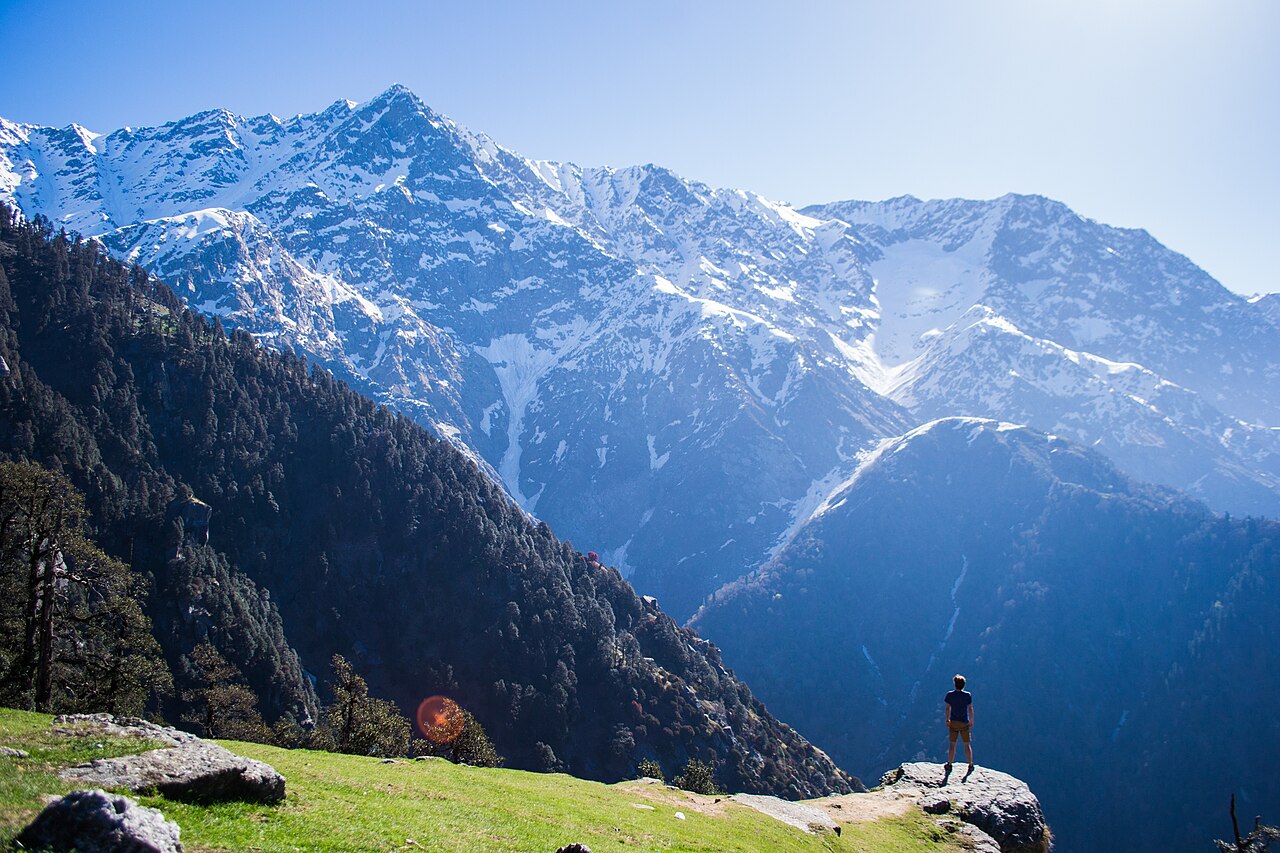 #1 in DharamshalaFree entry
McLeod Ganj
Buddhist site · 700 m · about 11 min walk
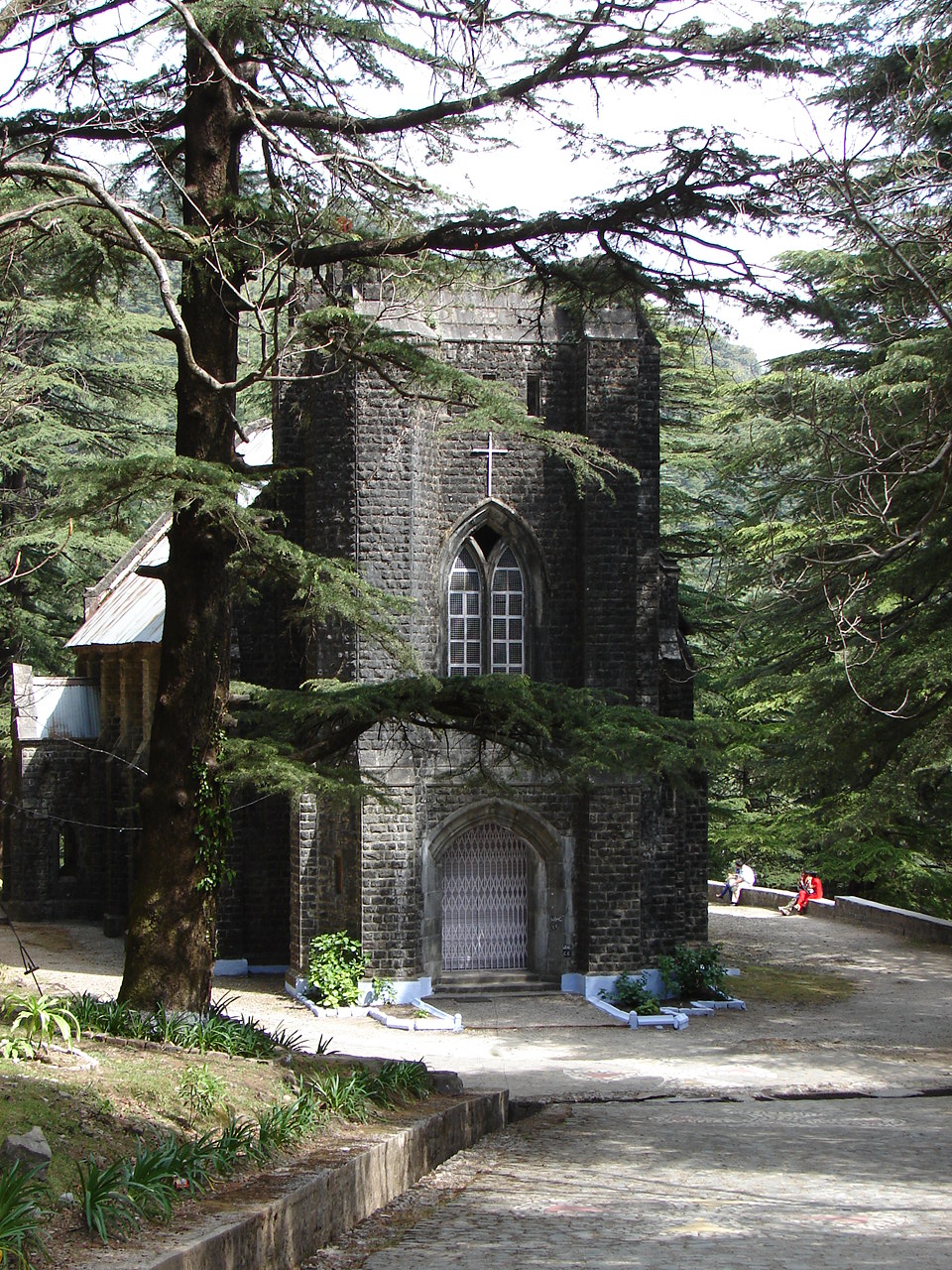 #5 in DharamshalaFree entry
St. John in the Wilderness Church
Church · 2.1 km · about 34 min walk
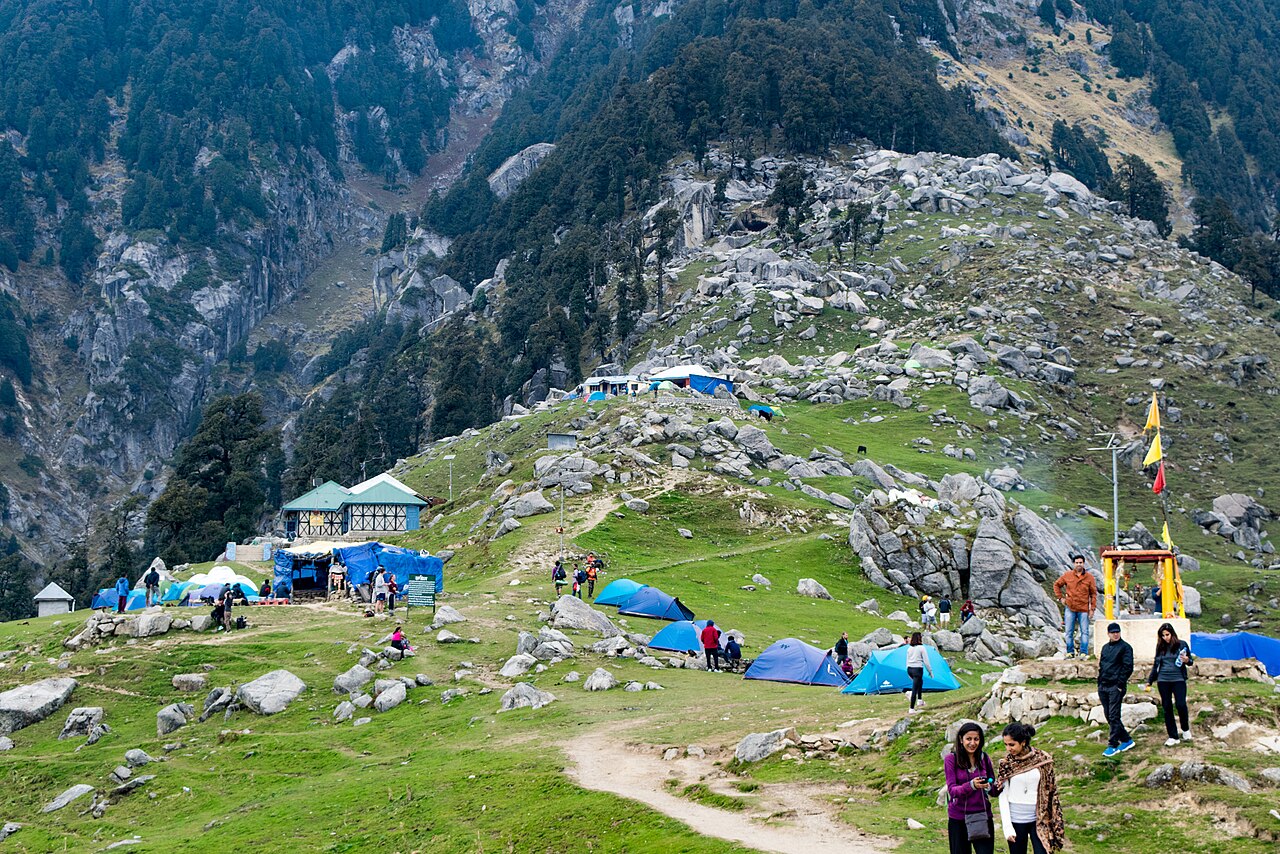 #4 in Dharamshala
Triund Trek
Nature · 2.1 km · about 34 min walk
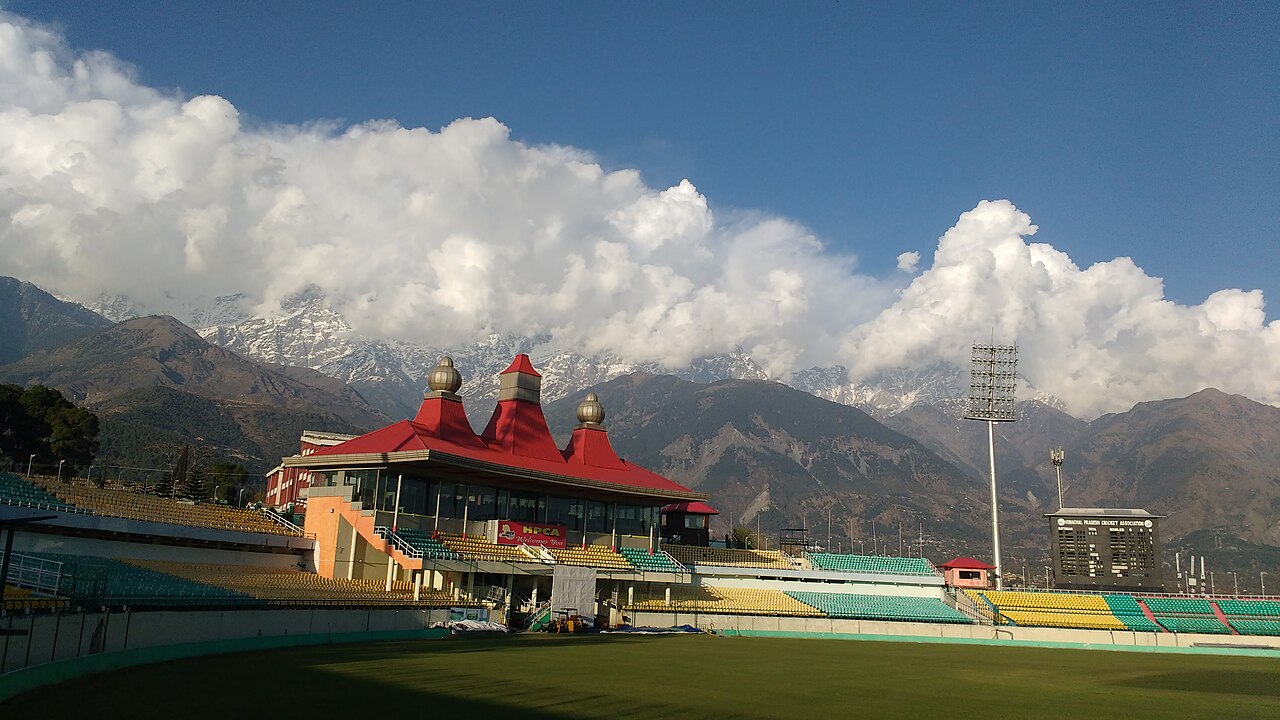 #7 in Dharamshala
Dharamshala Cricket Stadium
Heritage · 4 km · about 10 min by road