
Banjhakri Falls & Energy Park
#7de 7 lugares para visitar en GangtokGangtok, Sikkim
También conocido como Ban Jhakri Falls · Banjhakri Waterfall Park
Respuesta rápida
Horario: 08:30–17:30. Entrada: ₹30 indios · ₹40 extranjeros. Calcula 1.5 hrs. Mejor momento: 10:00 – 13:00.
Actualizado el · Redactado por Traveliac, con ayuda de IA · 4 min de lectura
- Horario
- 08:30–17:30
- Precio de entrada
- ₹30 indios
- Entrada desde
- Tiempo necesario
- 1.5 hrs
- Mejor momento del día
- 10:00 – 13:00
- Mejores meses
- Mar – May, Oct – Dec
- Dirección
- Ranka Road, Sichey, near Ranka Monastery, Gangtok, East Sikkim 737135, approximately 7 km from central Gangtok
Sobre Banjhakri Falls & Energy Park
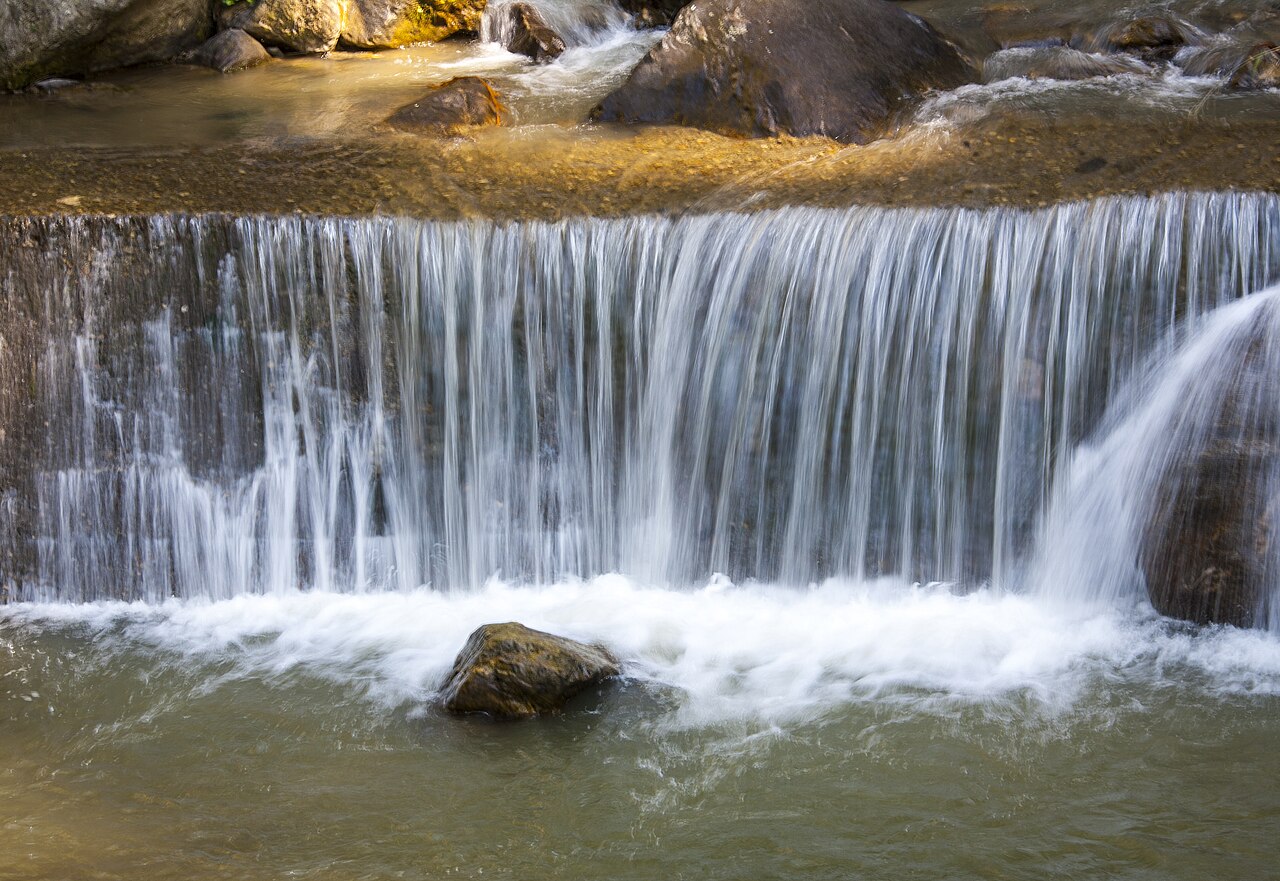
Banjhakri Falls & Energy Park is a themed recreation ground built around a genuine forest waterfall roughly 7 kilometres from central Gangtok, its statuary and walkways given over almost entirely to depicting the Ban Jhakri — the traditional shamanic forest healer of Sikkimese folk belief, distinct from the region's institutional Buddhist and Hindu religious traditions. It is a deliberately hybrid site: half nature park built around the falls and a small hydro-fed pond, half open-air museum of folk shamanism, with a modest renewable-energy exhibition hall attached that reflects the state government's parallel interest in promoting Sikkim's hydro and solar power programmes to visitors.
Mejor momento del día: 10:00 – 13:00. When the park's fountains and water features are running at full capacity and before the late-afternoon dip in light through the forest canopy.
Fotografía
₹20 por cámara
Horario de Banjhakri Falls & Energy Park
- Horario
- 08:30–17:30
Mon–Sun 08:30–17:30 - Cierra los
- Abierto todos los días
Horario recopilados de sikkimtourism.gov.in y registros públicos, última actualización el . Pueden cambiar sin previo aviso — confírmalos antes de viajar. Cómo escribimos estas guías
Precio de entrada de Banjhakri Falls & Energy Park
| Entrada | Precio |
|---|---|
| Visitantes indios | ₹30 |
| Visitantes extranjeros | ₹40 |
| Niños | ₹15 |
| Cámara | ₹20 |
Modest entry fee at the gate; a separate small camera fee applies for still photography. Rides and specific exhibits inside the park (aerial cable rides, boating on the small pond) are charged individually, typically ₹50–₹150 each.
Precios recopilados de sikkimtourism.gov.in y registros públicos, última actualización el . Pueden cambiar sin previo aviso — confírmalos antes de viajar. Cómo escribimos estas guías
Mejor época para visitar Banjhakri Falls & Energy Park
- Quiet
- Moderate
- Busy
08:30 – 10:00
Early OpeningBest time to go
Park quiet just after opening; good for unhurried photographs of the falls and statuary before ride queues form.
Quiet10:00 – 13:00
Family Peak
Families and school groups arrive in volume, particularly on weekends. Aerial ride and boating queues at their longest.
Busy13:00 – 15:30
Afternoon Lull
Some groups depart for lunch or onward to Ranka Monastery. Falls area remains pleasant with reduced congestion.
Moderate15:30 – 17:30
Late Afternoon
Crowds thin toward closing; forest light dims earlier under the canopy than in open areas of Gangtok.
Quiet
Historia de Banjhakri Falls & Energy Park
The park was conceived after Sikkim's then Chief Minister, Pawan Kumar Chamling, visited the falls in September 2004 while travelling to the nearby Ranka Monastery, and was struck enough by the site to commission its development into a themed public park. Construction proceeded over the following years and the park was formally inaugurated on 5 January 2008, again under Chamling's tenure.
The folkloric theming is deliberate rather than incidental: 'Ban' means forest and 'Jhakri' refers to a shamanic healer figure who, in Sikkimese and broader Himalayan animist tradition, communes with spirits believed to inhabit caves and forest features like this waterfall. The park's statues, cave installations, and healer figures were built specifically to document and popularise this pre-Buddhist, pre-Hindu belief system, which otherwise receives little formal institutional space in a state whose public religious life is dominated by monasteries and temples. The energy component was added with support from the Sikkim Renewable Energy Development Agency, and the park itself was made self-sufficient with a small 7-kilowatt micro-hydel plant installed in 2008, drawing power from the same river that feeds the falls.
Normas y etiqueta en Banjhakri Falls & Energy Park
This is a family recreation park rather than a religious site, so the etiquette is considerably more relaxed than at Gangtok's monasteries — no footwear removal or dress code beyond ordinary decorum. The aerial cable ride and boating facilities have posted capacity and safety limits; follow staff instructions on these rather than assuming self-service.
The walkways down to the falls involve a genuine, moderately steep descent and an equivalent climb back up — manageable for most fitness levels but worth pacing for visitors unused to the elevation, and not straightforward for anyone with significant mobility limitations.
Consejos para visitar Banjhakri Falls & Energy Park
- 1
The park sits directly on the road to Ranka Monastery (Palchen Choeling Monastic Institute), a large, relatively modern and less-visited Buddhist monastery a further short drive away, which makes an easy pairing for a half-day out of central Gangtok that avoids the more heavily trafficked Rumtek circuit.
- 2
Go earlier in the day if travelling with children — the aerial rides and boating queue up quickly once school-holiday tour groups arrive around midday, and the waterfall's spray and cooler forest air are more pleasant before the afternoon sun reaches its highest point. This is a genuinely family-oriented stop rather than a heritage or devotional one, and works well as a lower-key alternative to a second monastery visit on an itinerary already heavy with gompas.
Cómo llegar a Banjhakri Falls & Energy Park
La estrella roja es Banjhakri Falls & Energy Park; los pines numerados son los 2 lugares más cercanos de nuestras guías, cada uno con su clasificación en su ciudad. Toca un pin para ver más detalles.
Ranka Road, Sichey, near Ranka Monastery, Gangtok, East Sikkim 737135, approximately 7 km from central GangtokCómo llegar en Google Maps
Desde MG Marg, Gangtok
₹250–₹3507 km · 20–25 min
One-way by taxi; combined half-day trip with Ranka Monastery ₹500–₹700.
Desde Bagdogra Airport (IXB)
₹3,500–₹4,500128 km · 4–4.5 hours
Private car to Gangtok; the park is a short add-on once in town.
Aeropuerto más cercano
Desde Pakyong Airport (PYG)
approximately 28 km, 1–1.25 hours. Bagdogra Airport (IXB) – approximately 128 km, 4–4.5 hours, the reliable year-round gateway.
Estación de tren más cercana
Desde New Jalpaiguri (NJP)
approximately 128 km, 4–4.5 hours by road. Sikkim has no railway of its own.
Preguntas frecuentes sobre Banjhakri Falls & Energy Park
What does 'Ban Jhakri' mean and why is the park themed around it?
Ban means forest and Jhakri refers to a traditional shamanic healer figure in Sikkimese folk belief who communes with spirits inhabiting forest features such as caves and waterfalls. The park's statuary and installations were built specifically to document this pre-Buddhist, pre-Hindu animist tradition, which otherwise has little formal public presence in the state.
When was the park built and by whom?
It was conceived after Sikkim's then Chief Minister Pawan Kumar Chamling visited the falls in September 2004 en route to Ranka Monastery, and was formally inaugurated on 5 January 2008 under his tenure.
Is the park suitable for children?
Yes — it is explicitly designed as a family recreation park, with an aerial cable ride, small-pond boating, and easier walking paths alongside the waterfall viewing areas, distinct from Gangtok's more devotionally focused monastery visits.
Can Banjhakri Falls be combined with a monastery visit?
Yes — it sits directly on the road to Ranka Monastery (Palchen Choeling Monastic Institute), a large and relatively less-visited monastery a short further drive away, making an easy half-day pairing away from the busier Rumtek circuit.
Redactado con ayuda de IA a partir de fuentes oficiales y registros públicos, y publicado solo tras las comprobaciones descritas en Cómo escribimos estas guías. Nadie de Traveliac ha visitado este lugar. Última actualización el . Cómo clasificamos y verificamos los lugares
Lugares para visitar cerca de Banjhakri Falls & Energy Park
Distancias en línea recta según nuestro mapa; los tiempos son estimados.
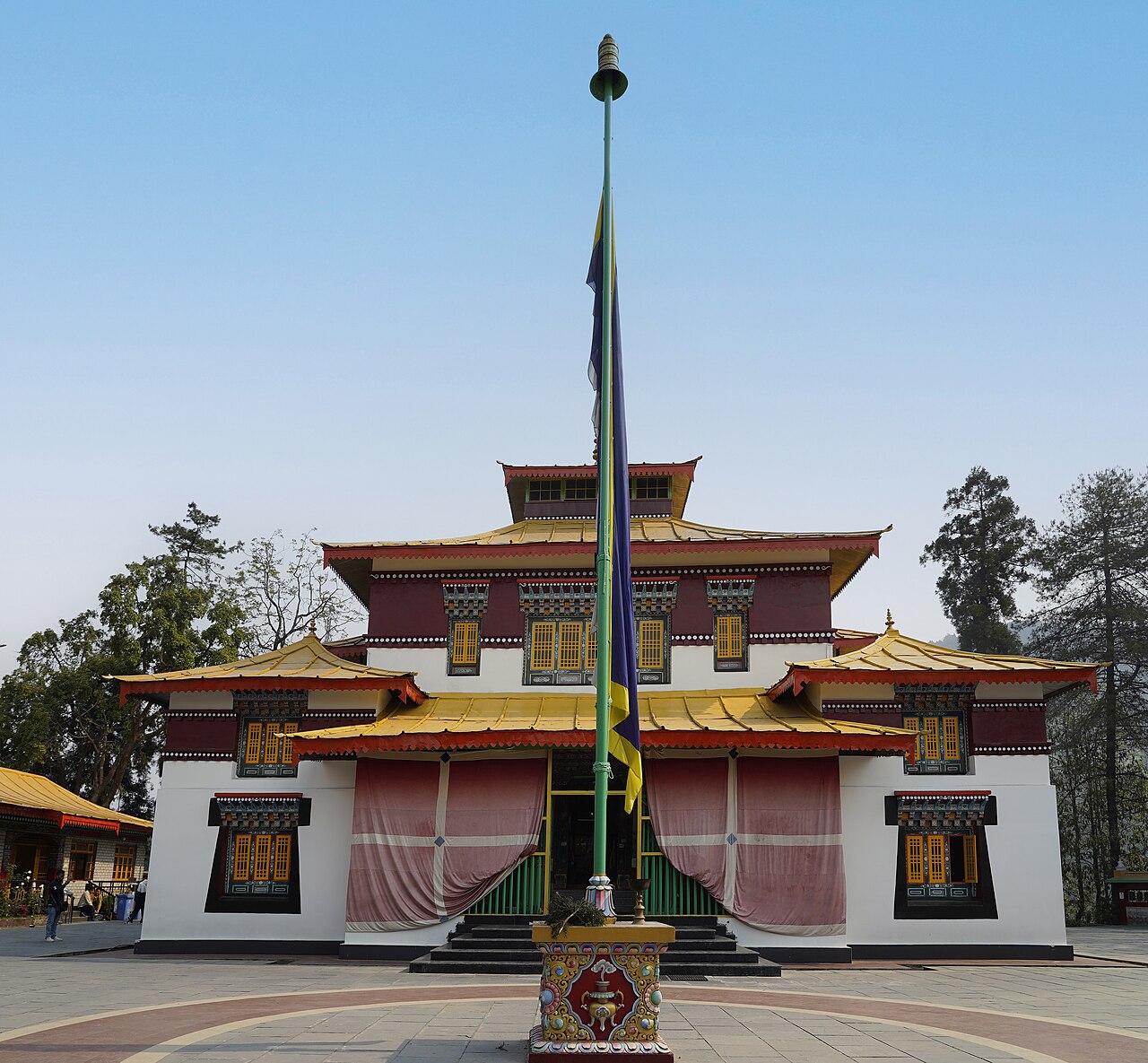 #5 in GangtokEntrada gratuita
Enchey Monastery
Monasterio · 2.3 km · about 37 min walk
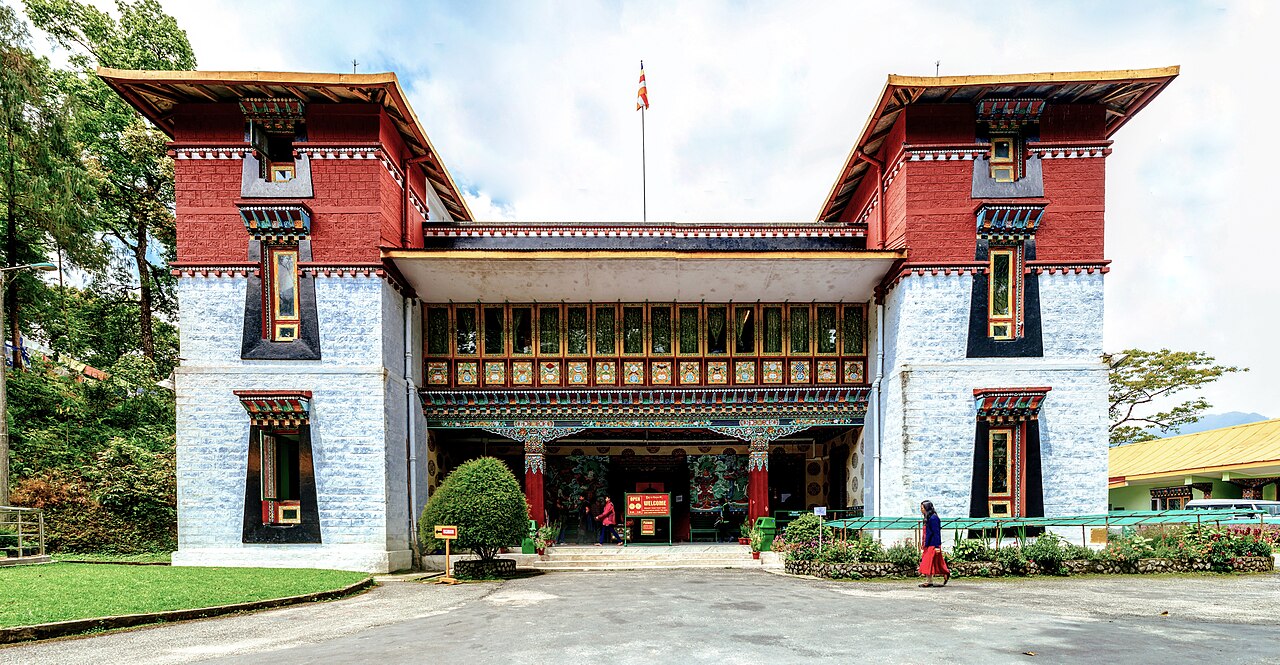 #4 in Gangtok
Namgyal Institute of Tibetology
Museo · 4 km · about 10 min by road
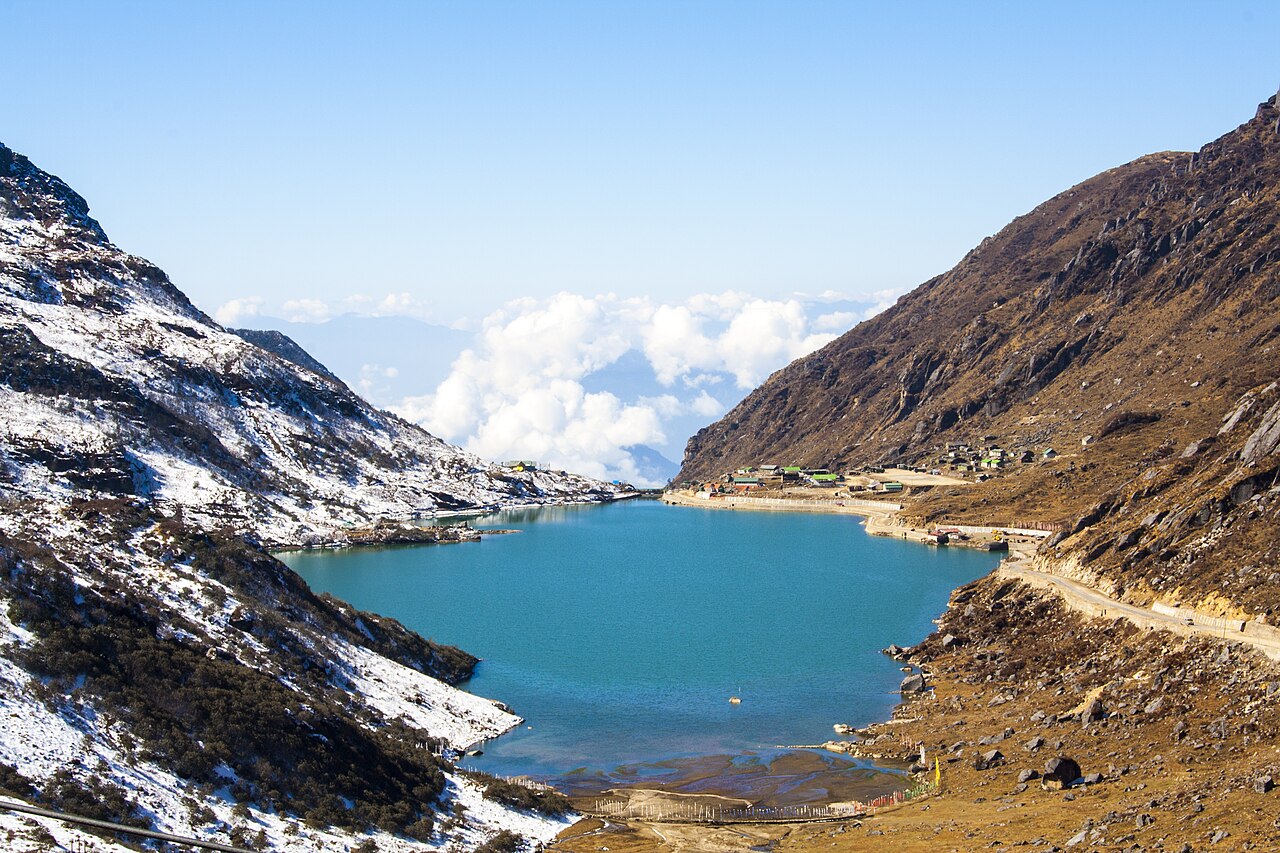 #1 in GangtokEntrada gratuita
Tsomgo Lake
Lago · 16 km · about 50 min by road
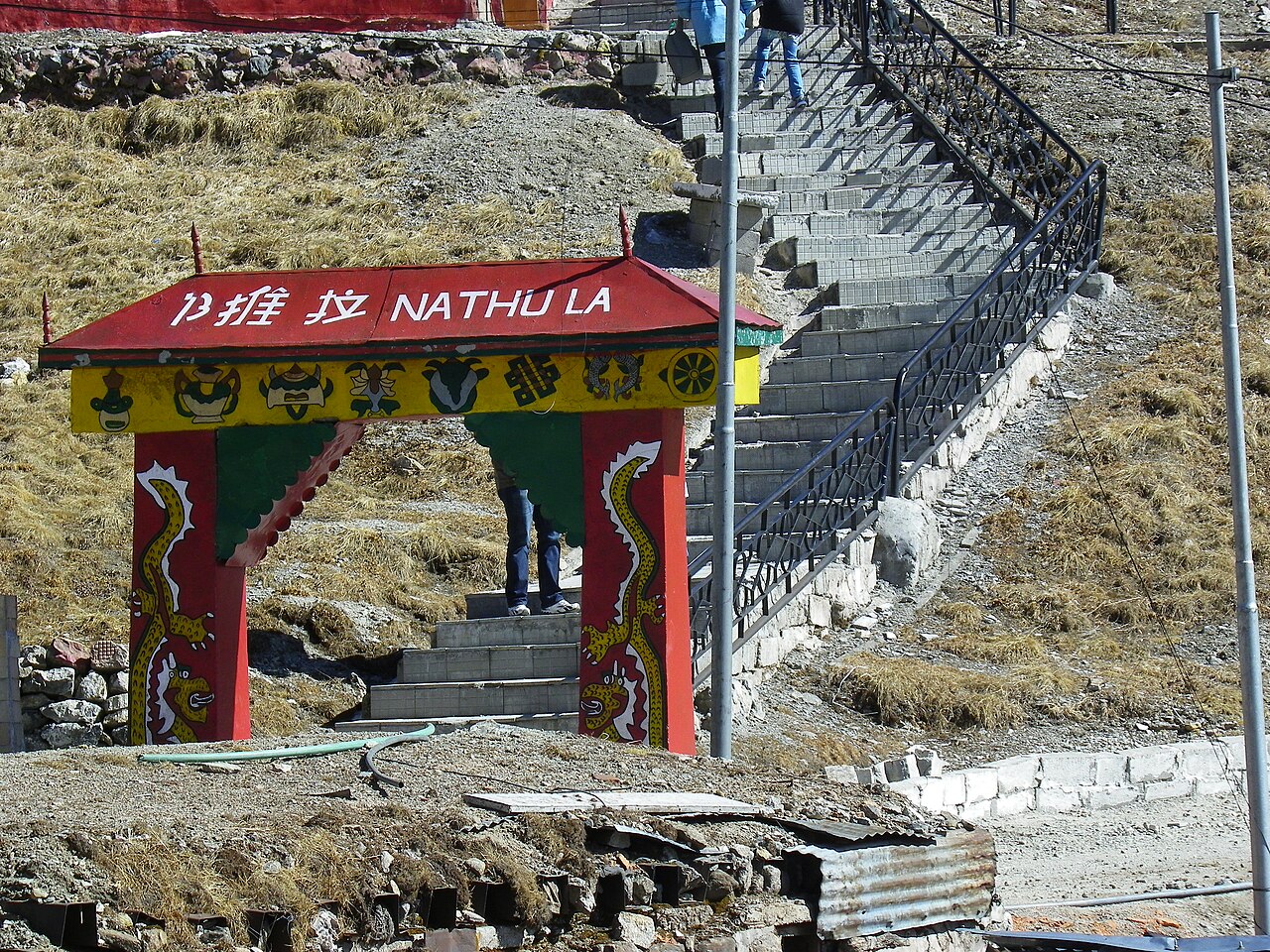 #3 in GangtokEntrada gratuita
Nathu La Pass
Puerto de montaña · 23 km · about 70 min by road