
Ramesseum (Mortuary Temple of Ramesses II)
#8sur 10 lieux à visiter à LuxorLuxor, Luxor Governorate, Egypt
Aussi appelé House of Millions of Years of Usermaatra-Setepenra
L'essentiel
Horaires d'ouverture : 06:00–17:00 and 06:00–18:00. Entrée : EGP 220. Comptez 1.5 hrs. Meilleure période : 06:00 - 08:30.
Mis à jour le · Rédigé par Traveliac, avec assistance IA · 4 min de lecture
- Horaires d'ouverture
- 06:00–18:00
- Daily 06:00-17:00 per the Ministry price list; some operators report 06:00-18:00 in summer (May to September).
- Prix d'entrée
- EGP 220
- Billet à partir de
- Durée nécessaire
- 1.5 hrs
- Meilleur moment de la journée
- 06:00 - 08:30
- Meilleurs mois
- Oct – Mar
- Adresse
- Ramesseum, Al-Qurna, West Bank, Luxor, Luxor Governorate, Egypt (near the Tombs of the Nobles, at the edge of the cultivation)
À propos de Ramesseum (Mortuary Temple of Ramesses II)
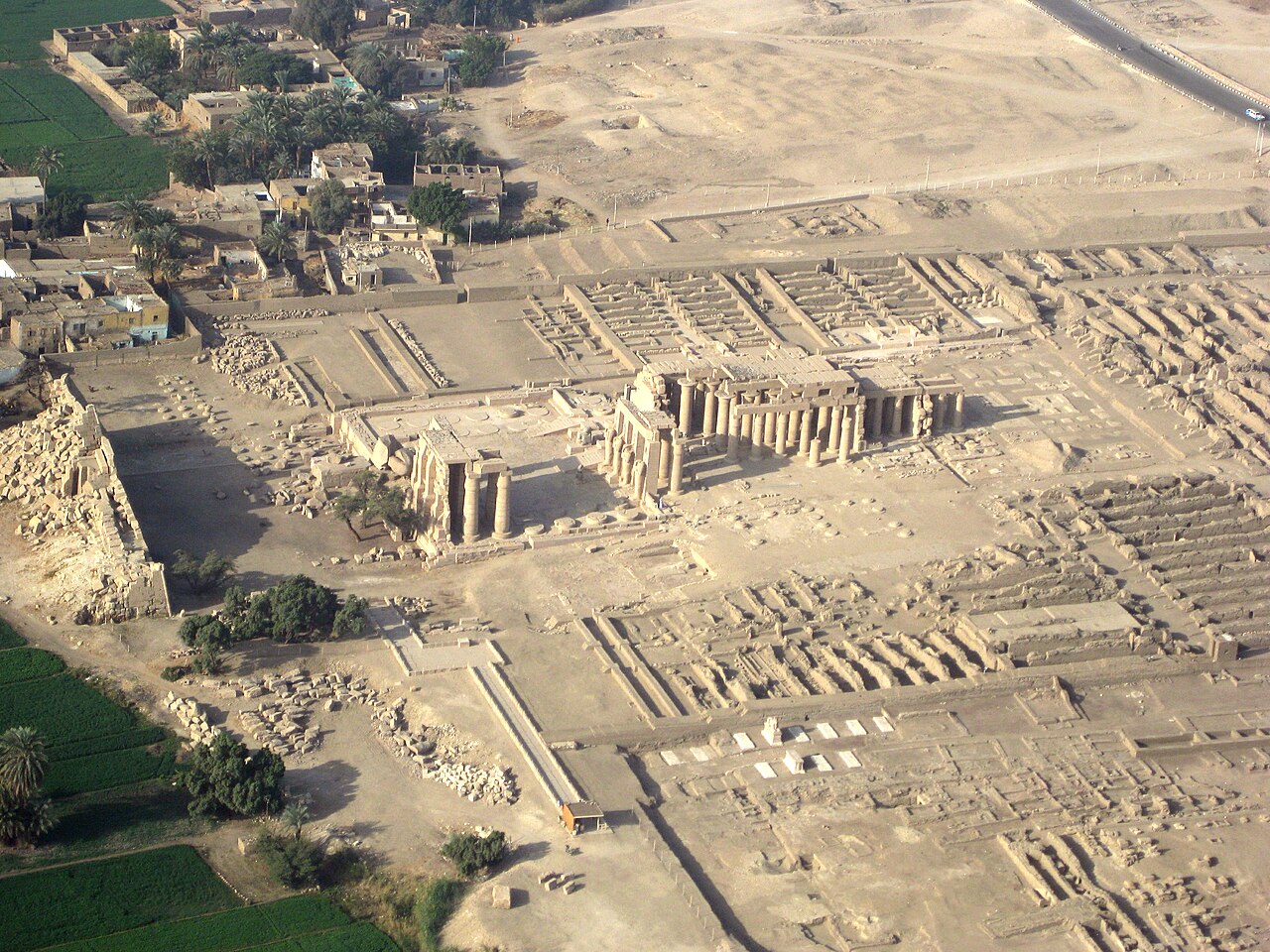
The Ramesseum charges foreign adults EGP 220 as of 2026 and is the mortuary temple of Ramesses II, on Luxor's west bank. The complex covers about 10 hectares and was built in the 13th century BC, with a 48-column hypostyle hall of which 39 columns still stand. Its fallen colossus of the seated pharaoh weighed about 1,000 tonnes, one of the largest statues ever attempted in ancient Egypt. The Ramesseum is a ruin, so it gives more to visitors who have read about it first, and it takes about 75 minutes. Much of the pylon relief and the seated colossus is broken, and the site is better read as a plan than as a standing building.
Meilleur moment de la journée : 06:00 - 08:30. When the light is soft and the fallen colossus is easy to photograph without groups.
Horaires de Ramesseum (Mortuary Temple of Ramesses II)
- Horaires d'ouverture
- 06:00–18:00
Mon–Sun 06:00–17:00 and 06:00–18:00 - Daily 06:00-17:00 per the Ministry price list; some operators report 06:00-18:00 in summer (May to September).
- Fermé le
- Ouvert tous les jours
Horaires d'ouverture établis à partir de egymonuments.gov.eg et de sources publiques, mis à jour le . Ils peuvent changer sans préavis — vérifiez avant de partir. Comment nous rédigeons ces guides
Prix d'entrée de Ramesseum (Mortuary Temple of Ramesses II)
| Billet | Prix |
|---|---|
| Billet standard | EGP 220 |
| Tarif réduit (étudiant / senior) | EGP 110 |
| Enfants | Gratuit |
Foreign adults pay EGP 220 and foreign students EGP 110 as of 2026, per the Ministry of Tourism and Antiquities price list; Egyptian adults pay EGP 20 and Egyptian students EGP 10. Children under 6 are generally free; verify. One travel site quotes about EGP 180 for foreign adults, which conflicts with the ministry list, so verify at the official site or the ticket office. Card payment is standard.
Tarifs établis à partir de egymonuments.gov.eg et de sources publiques, mis à jour le . Ils peuvent changer sans préavis — vérifiez avant de partir. Comment nous rédigeons ces guides
Meilleure période pour visiter Ramesseum (Mortuary Temple of Ramesses II)
- Quiet
- Moderate
06:00 - 08:30
Early OpeningBest time to go
Soft light and empty courts; the fallen colossus can be photographed without groups.
Quiet08:30 - 11:30
Tour Groups
Small groups on west-bank circuits stop for 20-30 minutes; the hypostyle hall is the busiest spot.
Moderate11:30 - 15:00
Midday Heat
Hot and quiet; very little shade outside the hall.
Quiet15:00 - 17:00
Late Light
Warm, low light on the columns and few visitors; time is short before closing.
Quiet
Histoire de Ramesseum (Mortuary Temple of Ramesses II)
The Ramesseum was commissioned by Ramesses II as his 'House of Millions of Years', and work continued for about two decades after the start of his reign. The temple follows the standard New Kingdom plan: two stone pylons, courts, a hypostyle hall and sanctuaries, aligned north-west to south-east. The pylon reliefs depict the Battle of Kadesh, fought around 1274 BC.
The seated colossus of Ramesses II was carved from syenite, weighed about 1,000 tonnes and stood roughly 16-19 metres high, transported some 220 km from its quarry. The statue now lies in pieces. The Ramesseum is the usual link to Shelley's poem 'Ozymandias', a Greek rendering of Ramesses II's throne name Usermaatre. The site was damaged by the annual Nile flood, and early Christians reused part of it as a church. A joint French-Egyptian team has excavated the surrounding area since 1991, finding kitchens, bakeries, a scribal school and administrative buildings.
Règles et étiquette à Ramesseum (Mortuary Temple of Ramesses II)
Ramesseum visitors may not climb on the fallen colossus or the columns, and guards enforce this. Drones are banned, and tripods need a permit. Touching the surviving reliefs and the remaining paint is not allowed.
Ramesseum has no formal dress code, but cover shoulders and knees against the sun. The ticket office is at the site entrance and cards are the usual method of payment. Guards inside the hall may show you reliefs or offer to take a photo and expect EGP 20-50; a polite decline is acceptable. Bring water because shade exists only in the hypostyle hall. Watch your footing on uneven sandstone blocks and worn ground.
Conseils pour visiter Ramesseum (Mortuary Temple of Ramesses II)
- 1
Ramesseum visitors should start at the second court and the fallen colossus, which is the standout, then walk to the hypostyle hall. Read a short primer on Ramesses II before you go, because on-site interpretation is limited and the ruined state makes the layout hard to read.
- 2
Ramesseum is a short drive from the Tombs of the Nobles at Sheikh Abd el-Qurna, and the pair combine into an easy 2.5-hour circuit. Late morning is quiet because tour groups favour Karnak and the Valley of the Kings. The sandstone gets hot underfoot in summer, so wear closed shoes. The mudbrick storerooms behind the temple show how the Ramesseum functioned as a working estate. Restaurants near the Ramesseum serve simple lunches, but agree the prices before ordering.
Comment se rendre à Ramesseum (Mortuary Temple of Ramesses II)
L'étoile rouge indique Ramesseum (Mortuary Temple of Ramesses II) ; les repères numérotés sont les 7 lieux les plus proches de nos guides, chacun avec son classement dans sa ville. Touchez un repère pour plus de détails.
Ramesseum, Al-Qurna, West Bank, Luxor, Luxor Governorate, Egypt (near the Tombs of the Nobles, at the edge of the cultivation)Itinéraire sur Google Maps
Depuis Tombs of the Nobles (Sheikh Abd el-Qurna)
1 km · 5 min by car; 15 min on foot
Roughly EGP 30-80 (estimate; verify)
Depuis Luxor city (east bank)
8 km · 25-40 min
Ferry about EGP 10-20 for foreigners plus roughly EGP 100-250 by taxi (estimate; verify)
Depuis Medinet Habu
3 km · 8 min by car
Roughly EGP 50-120 (estimate; verify)
Aéroport le plus proche
Depuis Luxor International Airport (LXR)
about 20 km by road, 30-40 minutes.
Gare la plus proche
Depuis Luxor railway station on the east bank
about 9 km plus a Nile crossing, 30-40 minutes.
FAQ — Ramesseum (Mortuary Temple of Ramesses II)
How much does it cost to enter the Ramesseum?
EGP 220 for foreign adults and EGP 110 for foreign students as of 2026. Egyptian adults pay EGP 20. One site quotes EGP 180, so verify at the ticket office.
What is left of the Ramesseum?
Two ruined pylons, parts of the courts, 39 of the original 48 hypostyle columns and the broken colossus of Ramesses II. The rest has been lost to flooding and reuse.
What is the connection between the Ramesseum and Ozymandias?
The Ramesseum is the usual link to Shelley's poem, since Ozymandias is a Greek rendering of Ramesses II's throne name Usermaatre. The fallen colossus is often associated with the poem's shattered statue.
How long does the Ramesseum take?
About 75 minutes. Allow more time if you want to walk the mudbrick storerooms and the excavated area behind the temple.
Rédigé avec l'assistance de l'IA à partir de sources officielles et de registres publics, et publié seulement après les vérifications décrites dans Comment nous rédigeons ces guides. Personne chez Traveliac ne s'est rendu sur place. Mis à jour le . Comment nous classons et vérifions les lieux
Lieux à visiter près de Ramesseum (Mortuary Temple of Ramesses II)
Distances à vol d'oiseau, depuis notre carte ; les durées sont estimées.
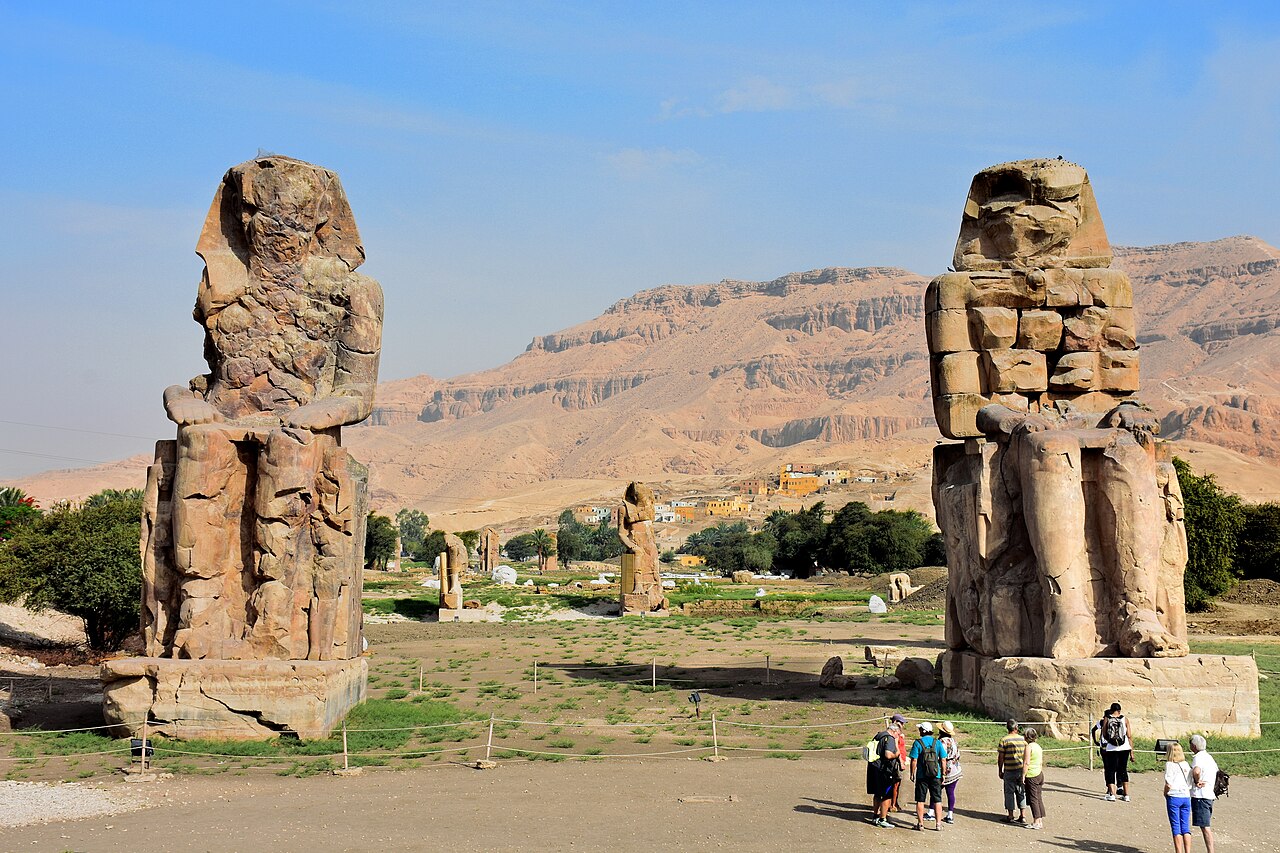 #6 in LuxorEntrée gratuite
Colossi of Memnon
Patrimoine · 800 m · about 13 min walk
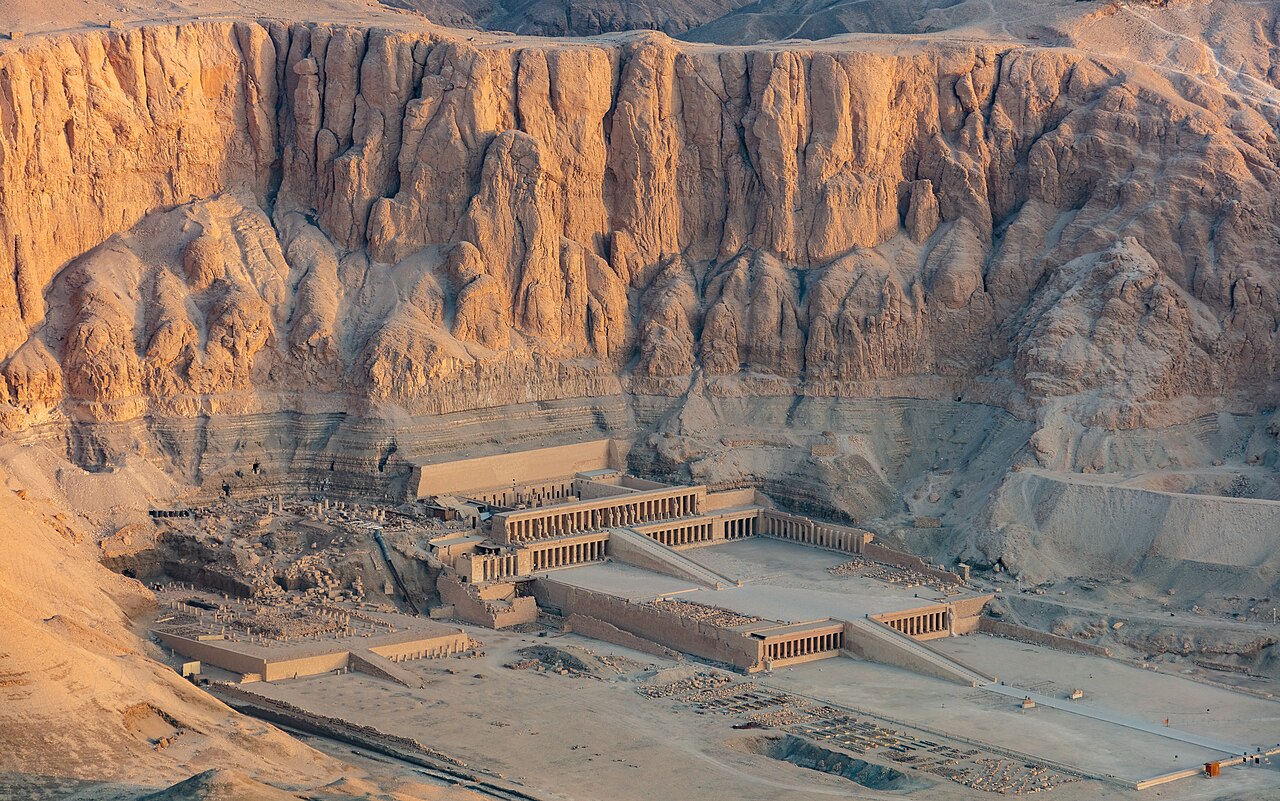 #5 in Luxor
Temple of Hatshepsut (Deir el-Bahari)
Temple · 1.2 km · about 20 min walk
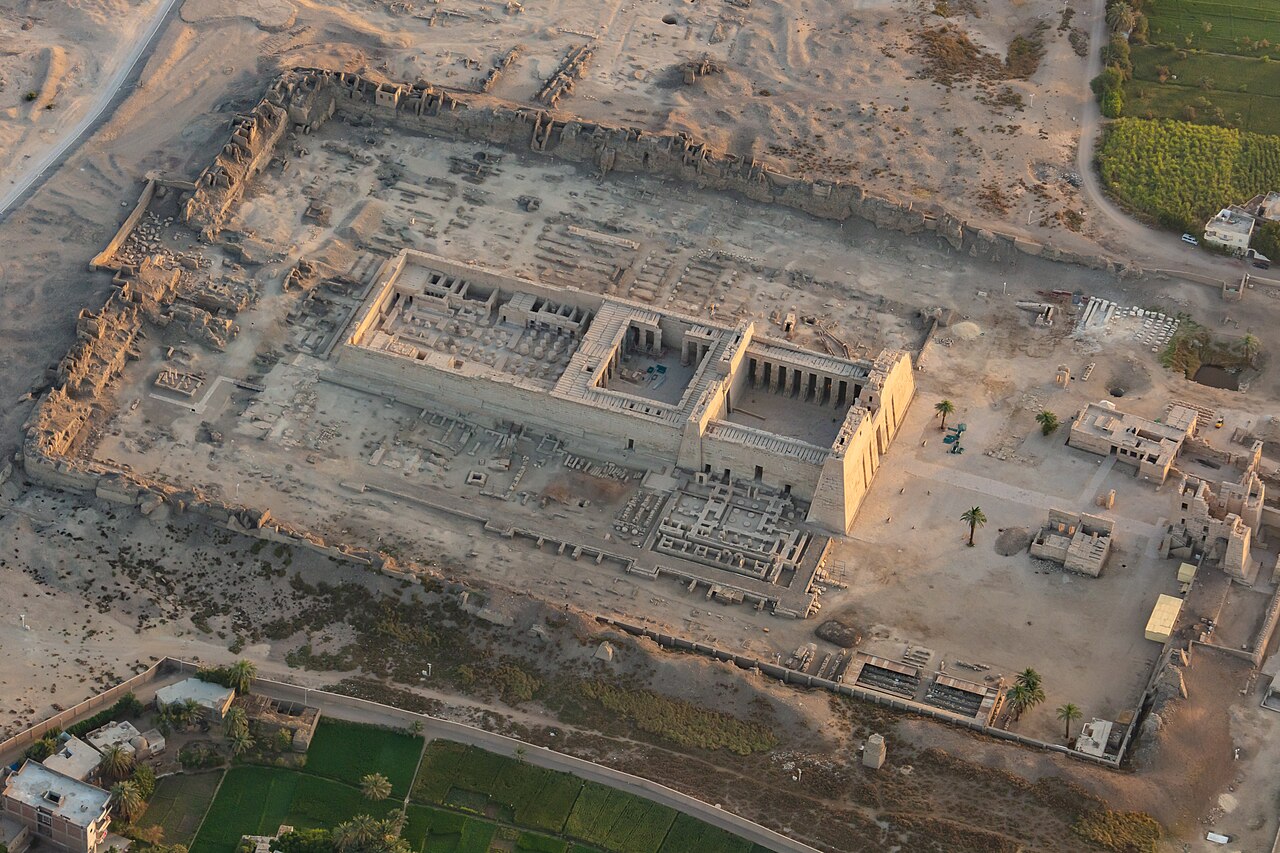 #7 in Luxor
Medinet Habu (Mortuary Temple of Ramesses III)
Temple · 1.3 km · about 22 min walk
 #4 in Luxor
Valley of the Kings
Mausolée · 1.7 km · about 27 min walk