
Ancient Agora of Athens
#3sur 10 lieux à visiter à AthensAthens, Attica, Greece
Aussi appelé Archaia Agora Athinon
L'essentiel
Horaires d'ouverture : 08:00–19:30 and 08:00–17:00, last entry 19:10. Entrée : €10. Comptez 1.5 hrs. Meilleure période : Early morning before 09:30.
Mis à jour le · Rédigé par Traveliac, avec assistance IA · 4 min de lecture
- Horaires d'ouverture
- 08:00–17:00
- Summer (April–October): 08:00–19:30 daily, last entry 19:10. Winter (November–March): 08:00–17:00 daily, last entry 16:30; Tuesdays open at 10:00 in winter
- Prix d'entrée
- €10
- Billet à partir de
- Durée nécessaire
- 1.5 hrs
- Meilleur moment de la journée
- Early morning before 09:30
- Meilleurs mois
- Apr – Jun, Sep – Oct
- Adresse
- Adrianou 24, 10555 Athens, Greece (entrance near Thiseio and Monastiraki)
À propos de Ancient Agora of Athens
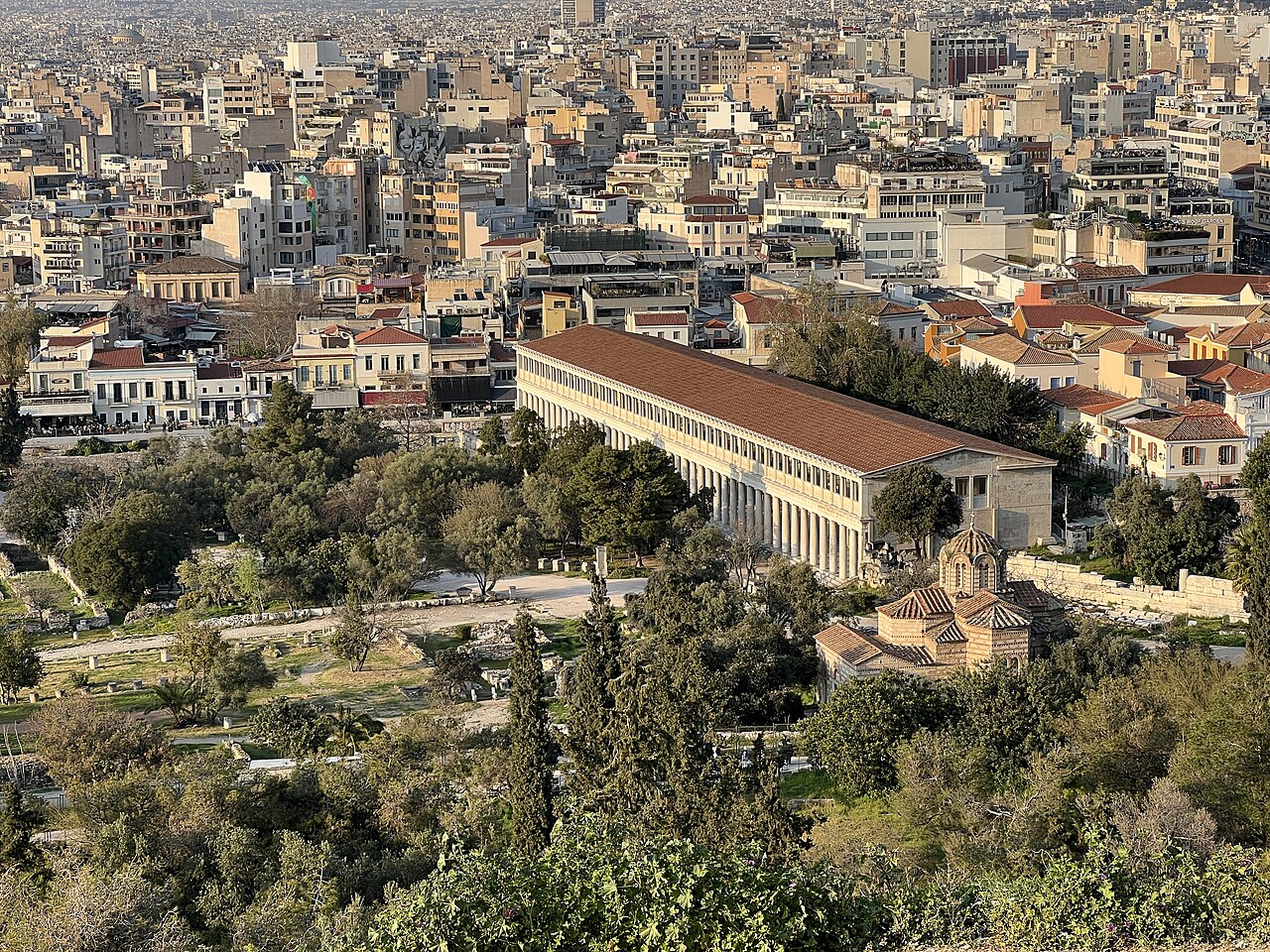
The Ancient Agora of Athens functioned as the city's civic, commercial, and administrative centre from roughly the 6th century BCE through the Roman period, and its best-preserved structure, the Temple of Hephaestus, stands nearly intact on a low rise at the site's western edge — the result of its conversion into a Greek Orthodox church in the 7th century CE, which spared it the systematic stone-robbing that reduced most Agora buildings to foundation courses. The site's other landmark, the Stoa of Attalos, is not ancient at all in its visible form: it is a mid-20th-century reconstruction, completed in 1956 by the American School of Classical Studies using ancient building techniques and Pentelic marble, and now houses the Agora Museum.
Meilleur moment de la journée : Early morning before 09:30. When the site is quiet and the Temple of Hephaestus casts long shadows across the excavated foundations of the old civic buildings.
Horaires de Ancient Agora of Athens
- Horaires d'ouverture
- 08:00–17:00
Mon–Sun 08:00–19:30 and 08:00–17:00 - Summer (April–October): 08:00–19:30 daily, last entry 19:10. Winter (November–March): 08:00–17:00 daily, last entry 16:30; Tuesdays open at 10:00 in winter
- Fermé le
- 1 January, 25 March, 1 May, Orthodox Easter Sunday, 25 December, 26 December
Horaires d'ouverture établis à partir de tickets.hh.gr et de sources publiques, mis à jour le . Ils peuvent changer sans préavis — vérifiez avant de partir. Comment nous rédigeons ces guides
Prix d'entrée de Ancient Agora of Athens
| Billet | Prix |
|---|---|
| Billet standard | €10 |
| Tarif réduit (étudiant / senior) | €5 |
| Enfants | Gratuit |
Standalone adult ticket €10, reduced €5, as of 2026. The Ancient Agora is also one of the sites covered by the Athens multi-site archaeological ticket where offered; availability of that combined product has fluctuated, so confirm at tickets.hh.gr whether it is currently sold alongside the standalone option.
Tarifs établis à partir de tickets.hh.gr et de sources publiques, mis à jour le . Ils peuvent changer sans préavis — vérifiez avant de partir. Comment nous rédigeons ces guides
Meilleure période pour visiter Ancient Agora of Athens
- Quiet
- Moderate
08:00 – 09:30
Early OpeningBest time to go
Site staff and a handful of early visitors; the Temple of Hephaestus area is nearly empty.
Quiet09:30 – 12:30
Mid-Morning Groups
Guided groups arrive after the Acropolis; the Stoa of Attalos colonnade sees the heaviest foot traffic.
Moderate12:30 – 15:30
Midday Lull
Heat and lunch breaks thin the crowd noticeably; a good window for photography without people in frame.
Quiet15:30 – 18:00
Afternoon Return
A second, smaller wave of visitors arrives for cooler late-afternoon light on the Temple of Hephaestus.
Moderate
Histoire de Ancient Agora of Athens
Athenian democracy conducted much of its daily business here rather than in a single grand chamber: the Agora hosted the law courts, the mint, market stalls, and open-air philosophical teaching, and Socrates is recorded by his students as having debated in its colonnades before his trial and execution in 399 BCE. The Tholos, a round building whose foundations survive near the site's centre, served as the headquarters of the fifty-member executive committee (the prytaneis) who ran daily government business and dined there at public expense. The Persians destroyed the Agora's buildings in 480 BCE during their invasion of Attica, and the site was rebuilt over the following decades as part of the same Periclean building programme that produced the Parthenon. The Stoa of Attalos, from which the Agora Museum operates today, was originally a gift from King Attalos II of Pergamon around 150 BCE, a Hellenistic-era instance of a foreign ruler funding Athenian civic infrastructure to cultivate goodwill.
Règles et étiquette à Ancient Agora of Athens
Much of the site is uneven ancient paving and gravel paths without handrails, so flat, sturdy shoes matter more here than at the more manicured Acropolis above. Shade is limited outside the pine-grove sections near the Temple of Hephaestus, making a hat and water worth carrying in summer. Photography is unrestricted for personal use throughout the grounds and inside the Stoa of Attalos museum, though tripods require the same advance Ministry of Culture permit as elsewhere on Athenian state archaeological sites. The site connects directly to the Roman Agora a short walk northeast, but that is a separate ticketed site, not an included extension.
Conseils pour visiter Ancient Agora of Athens
- 1
Entering from the Thiseio metro exit rather than the busier Monastiraki side gives a quieter first half-hour and a more logical route that finishes near the Stoa of Attalos museum. The Agora Museum inside the reconstructed Stoa holds everyday objects — voting tokens, ostraca (potsherds used to exile citizens by vote), children's toys — that convey daily Athenian life more directly than the Acropolis's monumental sculpture does, and it is included in the site ticket at no extra cost. Combining a visit with the adjacent Kerameikos site, a 10-minute walk northwest, makes sense on the same morning since both sites deal with the working, civic side of ancient Athens rather than its religious monuments. Stray cats living around the Tholos foundations are a known site feature and generally ignored by staff; visitors should avoid feeding them, per posted signage.
Comment se rendre à Ancient Agora of Athens
L'étoile rouge indique Ancient Agora of Athens ; les repères numérotés sont les 8 lieux les plus proches de nos guides, chacun avec son classement dans sa ville. Touchez un repère pour plus de détails.
Adrianou 24, 10555 Athens, Greece (entrance near Thiseio and Monastiraki)Itinéraire sur Google Maps
Depuis Athens International Airport (ATH)
32 km · 45-55 min
€9 single airport fare
Depuis Syntagma Square
1 km · 15 min walk
Free (walking)
Depuis Piraeus Port
9 km · 25 min
€1.20 standard metro fare
Aéroport le plus proche
Depuis Athens International Airport Eleftherios Venizelos (ATH)
32 km, approximately 45–55 minutes via metro Line 3 then Line 1.
Gare la plus proche
Depuis Thiseio metro station (Line 1, green line)
200 m from the western entrance; Monastiraki station (Lines 1 and 3) – 350 m from the northern entrance.
FAQ — Ancient Agora of Athens
Is the Temple of Hephaestus the same building visitors see today, or a reconstruction?
It is the original 5th-century BCE structure, not a reconstruction. Its survival in near-complete form is due to its conversion into the Church of Saint George in the 7th century CE, which kept it in continuous use and protected it from stone-robbing.
Is the Stoa of Attalos ancient?
No, in its current form it is a 1950s reconstruction. The American School of Classical Studies rebuilt it between 1953 and 1956 on the original 2nd-century BCE foundations using period-accurate materials and methods; it now houses the Agora Museum.
Does the Ancient Agora ticket include the Roman Agora?
No, the Roman Agora a few hundred metres northeast is a separate archaeological site with its own ticket, though both are covered together if a multi-site Athens ticket is purchased.
How much time is needed to see the Ancient Agora properly?
Ninety minutes covers the outdoor site and the Stoa of Attalos museum at a comfortable pace; history-focused visitors reading all site panels should allow closer to two hours.
Rédigé avec l'assistance de l'IA à partir de sources officielles et de registres publics, et publié seulement après les vérifications décrites dans Comment nous rédigeons ces guides. Personne chez Traveliac ne s'est rendu sur place. Mis à jour le . Comment nous classons et vérifions les lieux
Lieux à visiter près de Ancient Agora of Athens
Distances à vol d'oiseau, depuis notre carte ; les durées sont estimées.
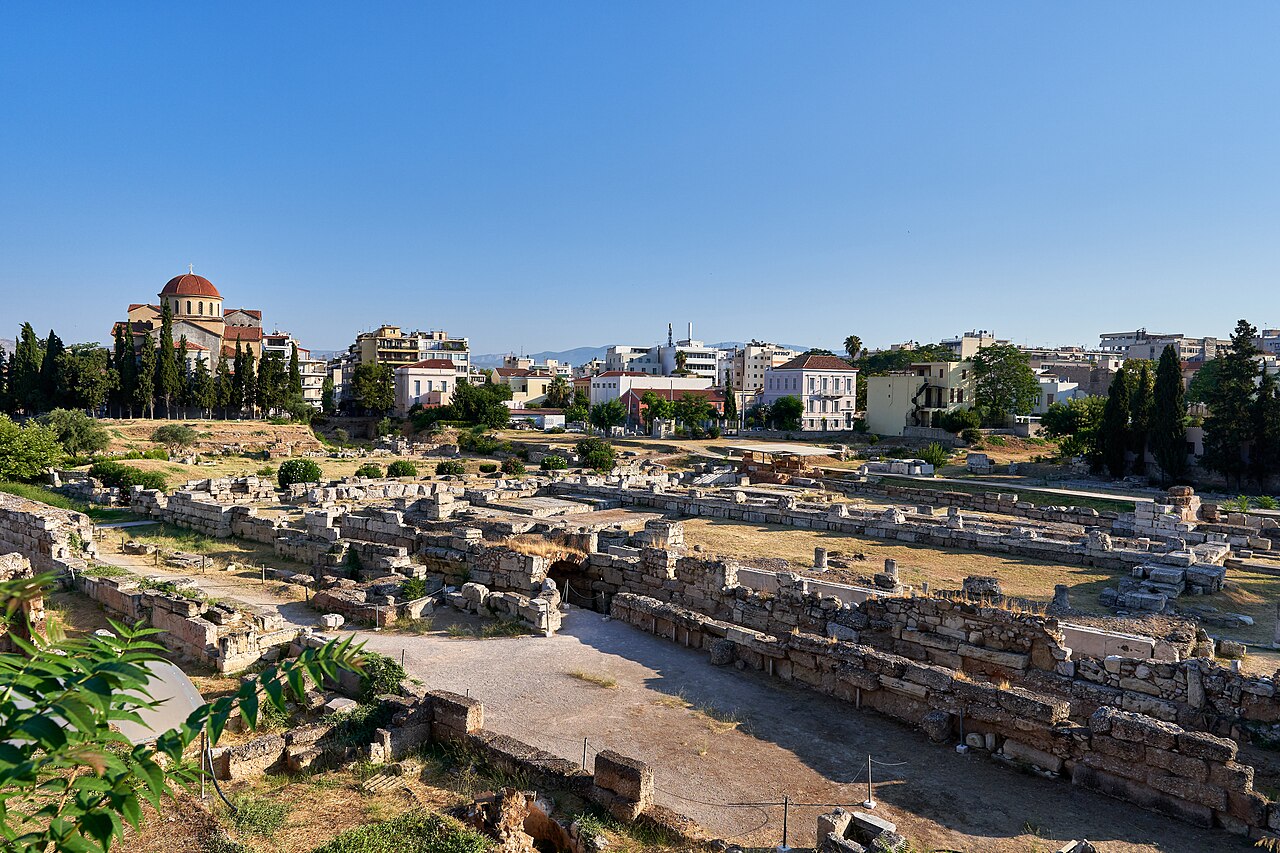 #10 in Athens
Kerameikos
Patrimoine · 500 m · about 8 min walk
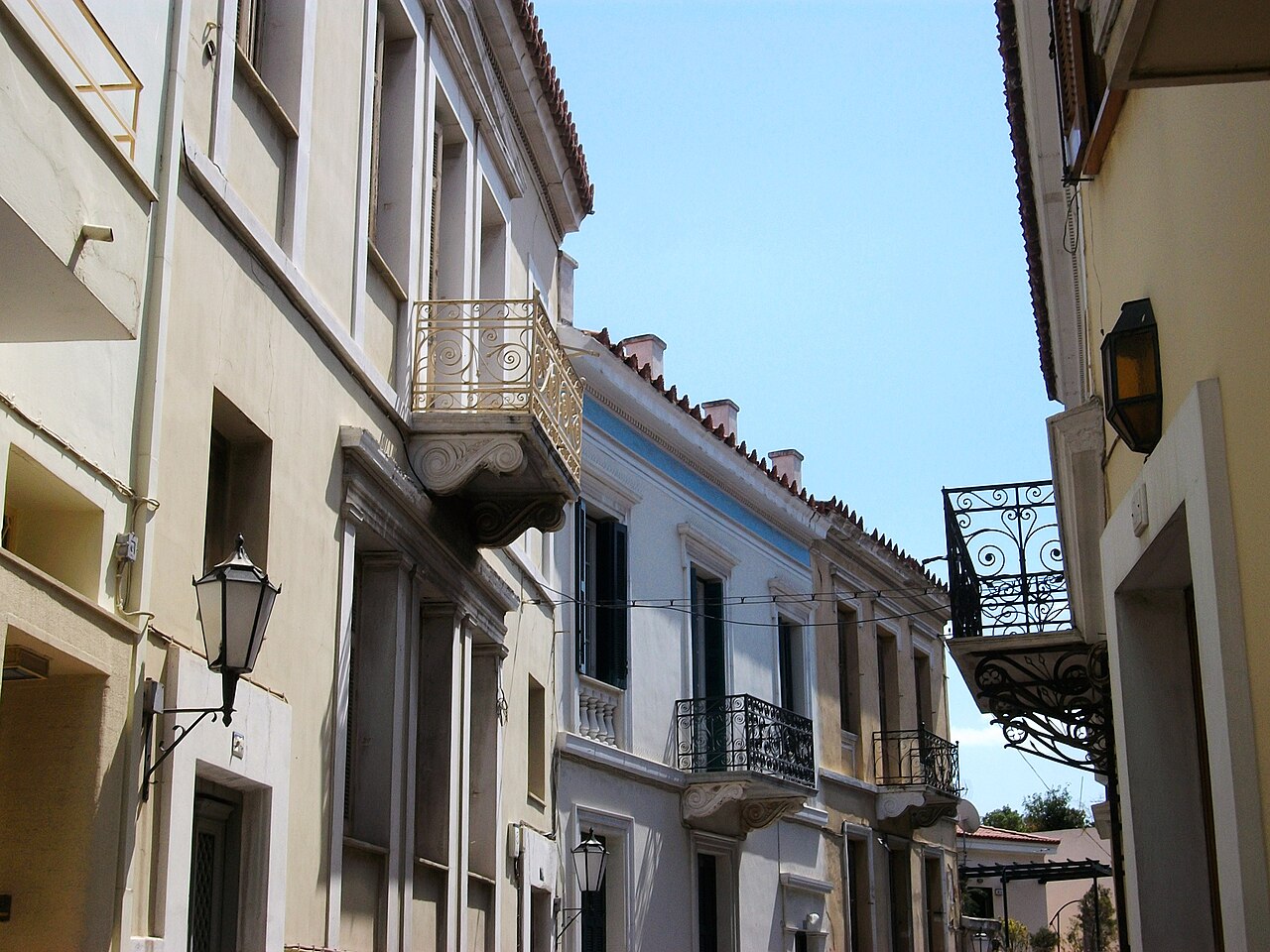 #6 in AthensEntrée gratuite
Plaka
Patrimoine · 750 m · about 13 min walk
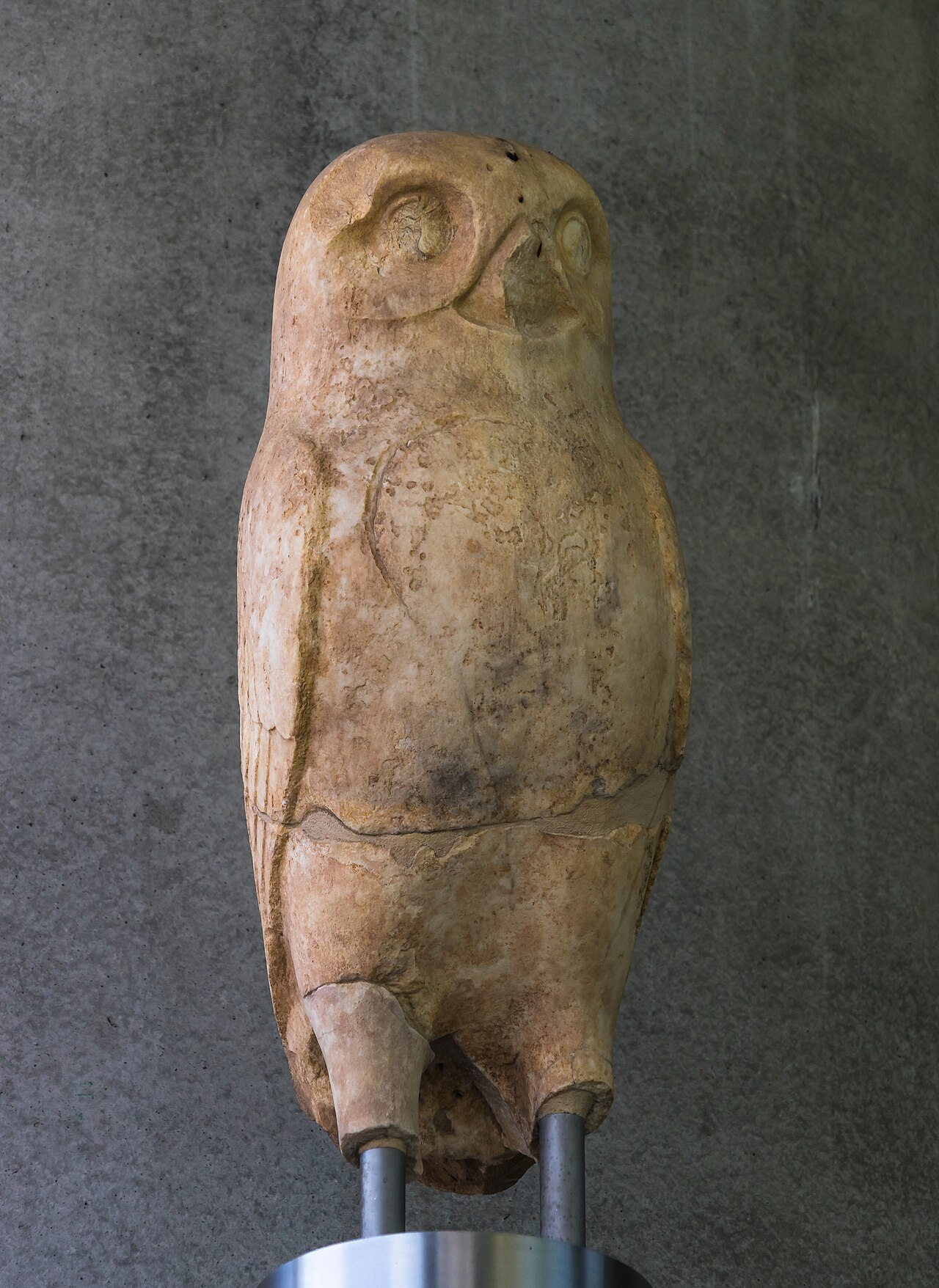 #2 in Athens
Acropolis Museum
Musée · 850 m · about 13 min walk
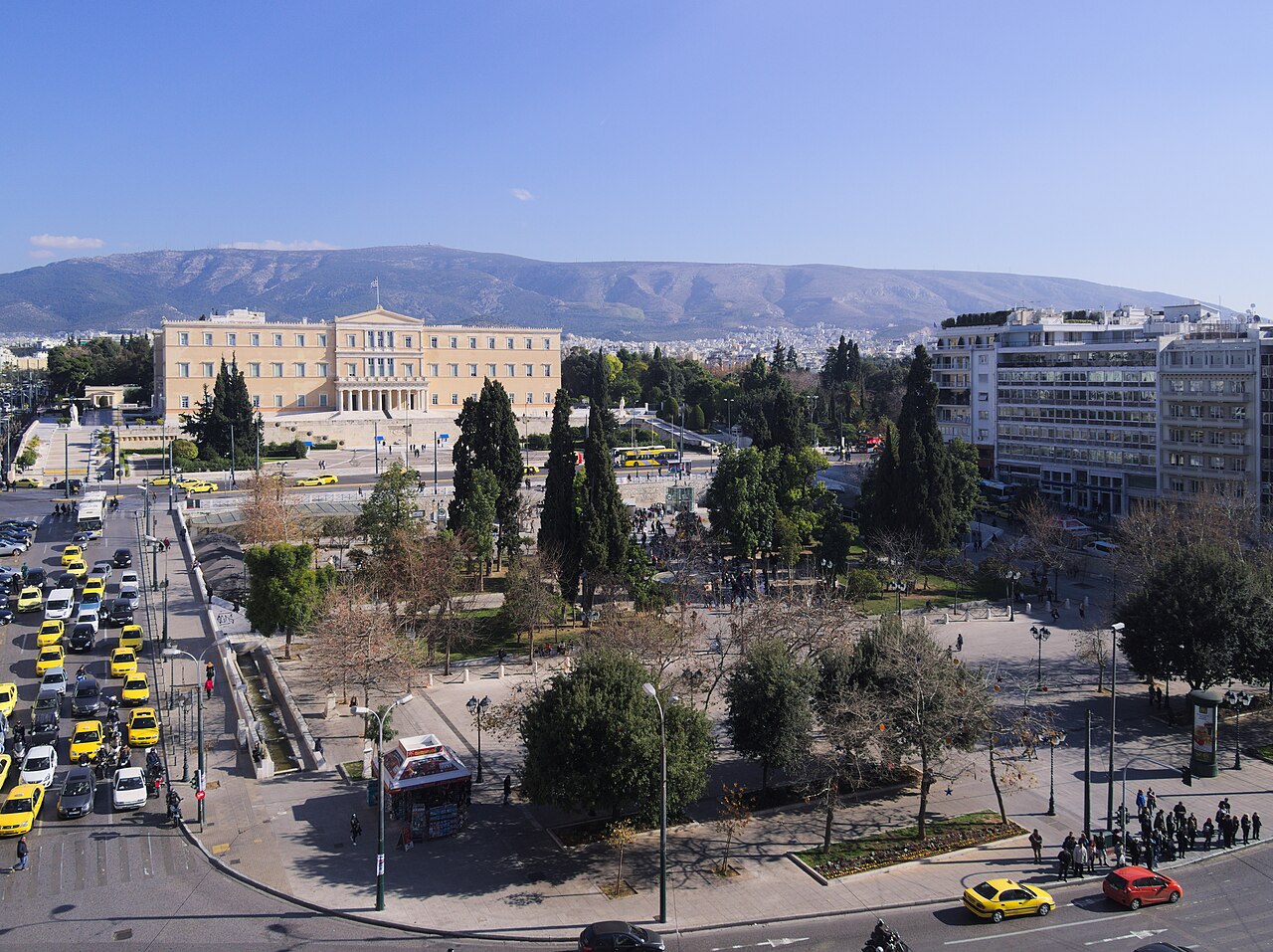 #9 in AthensEntrée gratuite
Syntagma Square & Changing of the Guard
Patrimoine · 1.1 km · about 17 min walk