
Panathenaic Stadium
#5sur 10 lieux à visiter à AthensAthens, Attica, Greece
Aussi appelé Kallimarmaro · Panathinaiko Stadio
L'essentiel
Horaires d'ouverture : 08:00–19:00 and 08:00–17:00, last entry 19:00. Entrée : €12. Comptez 45 min. Meilleure période : Morning.
Mis à jour le · Rédigé par Traveliac, avec assistance IA · 4 min de lecture
- Horaires d'ouverture
- 08:00–17:00
- March–October: 08:00–19:00 daily, last entry 19:00. November–February: 08:00–17:00 daily, last entry 17:00
- Prix d'entrée
- €12
- Billet à partir de
- Durée nécessaire
- 45 min
- Meilleur moment de la journée
- Morning
- Meilleurs mois
- Apr – Jun, Sep – Oct
- Adresse
- Leoforos Vasileos Konstantinou, 11635 Athens, Greece
À propos de Panathenaic Stadium
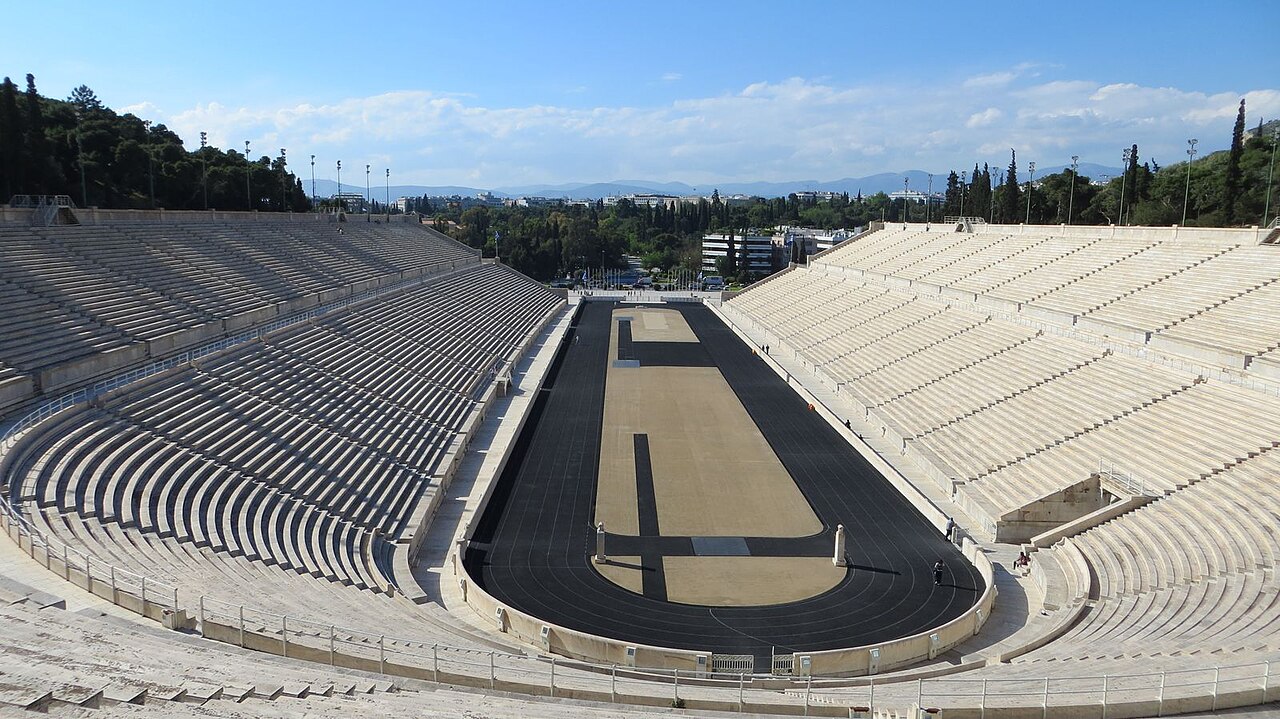
The Panathenaic Stadium is built entirely of Pentelic marble — the same quarry that supplied the Parthenon — and is the only stadium in the world constructed from this material, which is why locals call it Kallimarmaro, meaning 'beautifully marbled.' The current structure dates from a wholesale 1895–1896 reconstruction on the exact footprint of a 4th-century BCE stadium, funded largely by wealthy Greek diaspora benefactor Georgios Averoff, whose statue stands outside the entrance. The horseshoe-shaped track holds roughly 45,000 spectators on tiered marble seating and was the venue for the first modern Olympic Games in 1896.
Meilleur moment de la journée : Morning. When the white marble is not yet in full glare and the tunnel entrance to the track is less crowded.
Horaires de Panathenaic Stadium
- Horaires d'ouverture
- 08:00–17:00
Mon–Sun 08:00–19:00 and 08:00–17:00 - March–October: 08:00–19:00 daily, last entry 19:00. November–February: 08:00–17:00 daily, last entry 17:00
- Fermé le
- Ouvert tous les jours
Horaires d'ouverture établis à partir de panathenaicstadium.gr et de sources publiques, mis à jour le . Ils peuvent changer sans préavis — vérifiez avant de partir. Comment nous rédigeons ces guides
Prix d'entrée de Panathenaic Stadium
| Billet | Prix |
|---|---|
| Billet standard | €12 |
| Tarif réduit (étudiant / senior) | €6 |
| Enfants | Gratuit |
Adult ticket €12, reduced €6 for students with ID, as of 1 October 2025 pricing confirmed on the official site. Children under 6 and disabled visitors with one companion enter free. Ticket includes an audio guide in ten languages. Verify at panathenaicstadium.gr before visiting.
Tarifs établis à partir de panathenaicstadium.gr et de sources publiques, mis à jour le . Ils peuvent changer sans préavis — vérifiez avant de partir. Comment nous rédigeons ces guides
Meilleure période pour visiter Panathenaic Stadium
- Quiet
- Moderate
08:00 – 10:00
Morning OpeningBest time to go
Light footfall; a good window to walk the track itself with minimal interruption.
Quiet10:00 – 13:00
Mid-Morning Groups
Coach tours combining the stadium with the Temple of Olympian Zeus arrive in this window.
Moderate13:00 – 16:00
Midday
Heat on the exposed marble reduces numbers noticeably in summer months.
Quiet16:00 – 19:00
Late Afternoon
A second wave arrives for cooler temperatures and better photographic light on the white marble.
Moderate
Histoire de Panathenaic Stadium
Athenian statesman Lycurgus commissioned the original stadium around 330 BCE on a natural ravine between two hills, a site chosen because its topography already formed a horseshoe basin suited to spectator seating for the Panathenaic Games, Athens's premier athletic and religious festival. Roman senator Herodes Atticus rebuilt it in white marble around 144 CE, giving it the material identity it retains today, though this Roman-era stadium fell into disuse and was stripped for building material over the following centuries, leaving only earthworks visible by the 19th century. When Greece won the right to host the first modern Olympics, Georgios Averoff funded a full marble reconstruction completed just in time for the 1896 Games, using stone from the same Pentelic quarries as the ancient structure. The stadium has since hosted the finish of the marathon and archery events at the 2004 Athens Olympics, and it remains the ceremonial starting point for the Olympic flame's handover to each new host country ahead of the Games.
Règles et étiquette à Panathenaic Stadium
The marble seating is original in sections and can be slippery when wet; visitors are asked to stay on marked paths during rain. The stadium is fully open-air, so summer midday visits mean direct exposure on white marble that reflects heat strongly — sunglasses are more than a comfort item here. Running on the actual competition track is permitted for visitors during open hours, a rare allowance not offered at most historic stadiums, though organised groups should coordinate with staff to avoid overlap with official events. Flash photography is unrestricted; tripods for personal use are generally tolerated given the outdoor setting, unlike the state archaeological sites nearby.
Conseils pour visiter Panathenaic Stadium
- 1
The stadium sits a short walk from the Temple of Olympian Zeus and the National Garden, making it a natural final or opening stop on a walking route through classical Athens. The included audio guide covers the 1896 Olympics story in useful depth and is worth using even for a brief visit, since on-site signage is sparse compared to the archaeological sites. Climbing to the top tier of seating, accessible via a stone stairway on the eastern curve, gives the clearest full view of the horseshoe shape and a decent skyline view toward Lycabettus Hill. The stadium occasionally closes to visitors for ceremonial Olympic torch events; checking the official site's news section before a planned visit avoids a wasted trip.
Comment se rendre à Panathenaic Stadium
L'étoile rouge indique Panathenaic Stadium ; les repères numérotés sont les 8 lieux les plus proches de nos guides, chacun avec son classement dans sa ville. Touchez un repère pour plus de détails.
Leoforos Vasileos Konstantinou, 11635 Athens, GreeceItinéraire sur Google Maps
Depuis Athens International Airport (ATH)
28 km · 45-55 min
€9 single airport fare
Depuis Syntagma Square
1.3 km · 16 min walk
Free (walking)
Depuis Akropoli metro station
0.9 km · 12 min walk
Free (walking)
Aéroport le plus proche
Depuis Athens International Airport Eleftherios Venizelos (ATH)
28 km, approximately 40–50 minutes via metro Line 3 to Syntagma then a 20-minute walk or tram.
Gare la plus proche
Depuis Akropoli metro station (Line 2)
900 m, roughly a 12-minute walk via Vasilissis Olgas Avenue.
FAQ — Panathenaic Stadium
Why is the Panathenaic Stadium called Kallimarmaro?
Kallimarmaro means 'beautifully marbled' in Greek, a reference to the fact that the entire stadium — seating, track surrounds, and entrance — is built from solid Pentelic marble, making it the only stadium in the world constructed this way.
Can visitors walk or run on the actual Olympic track?
Yes, walking and running on the track is permitted during open visiting hours, a rare allowance among historic Olympic venues; the stadium occasionally restricts access for ceremonial torch events, so checking the official site beforehand is worthwhile.
Was the current stadium built for the 1896 Olympics or is it ancient?
The visible marble structure dates from an 1895-1896 reconstruction funded by Georgios Averoff, built on the footprint of a 4th-century BCE stadium that Roman senator Herodes Atticus had earlier rebuilt in marble around 144 CE.
How long does a visit take?
About 45 minutes covers the seating tiers, the track, and the included audio guide at a relaxed pace; visitors combining it with the small on-site Olympic history exhibit should allow closer to an hour.
Rédigé avec l'assistance de l'IA à partir de sources officielles et de registres publics, et publié seulement après les vérifications décrites dans Comment nous rédigeons ces guides. Personne chez Traveliac ne s'est rendu sur place. Mis à jour le . Comment nous classons et vérifions les lieux
Lieux à visiter près de Panathenaic Stadium
Distances à vol d'oiseau, depuis notre carte ; les durées sont estimées.
 #4 in Athens
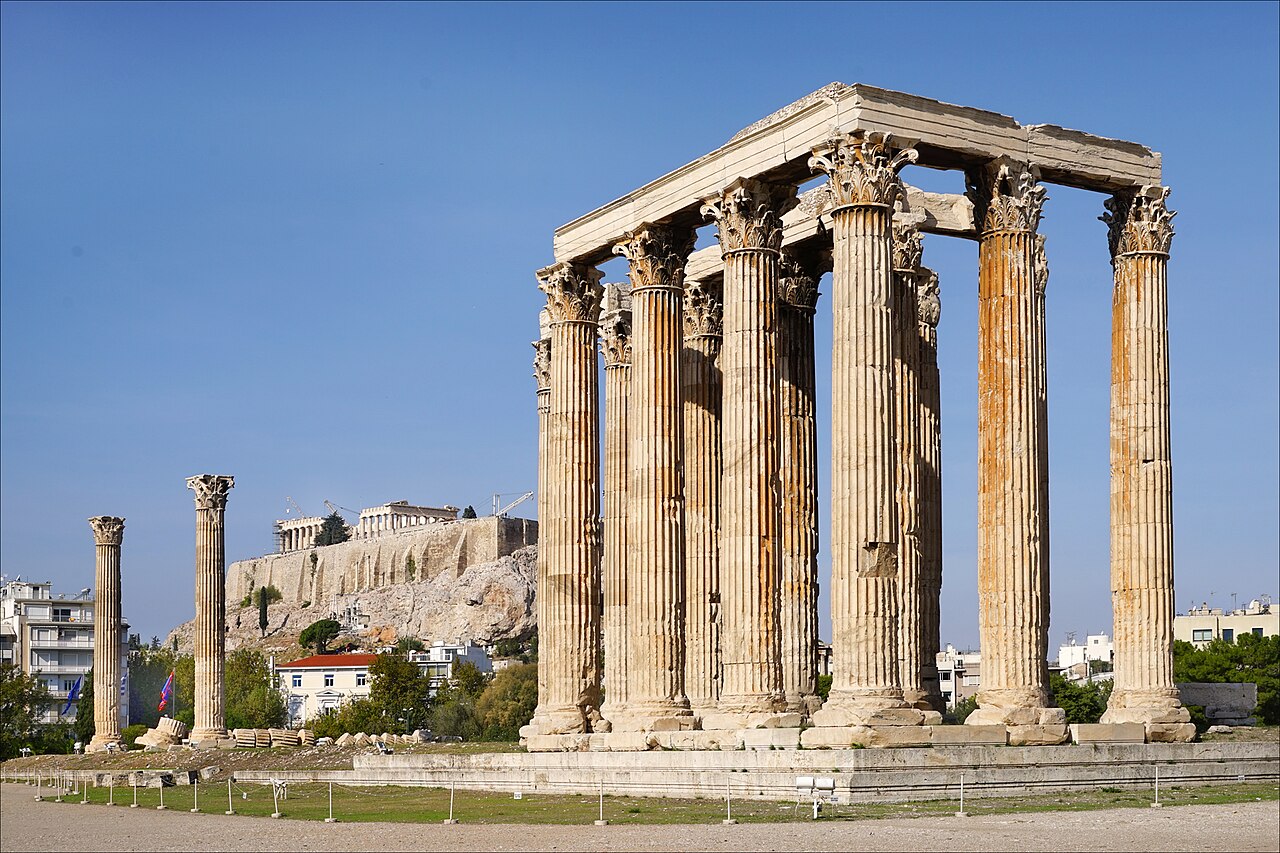
Temple of Olympian Zeus
Temple · 700 m · about 12 min walk
 #9 in AthensEntrée gratuite
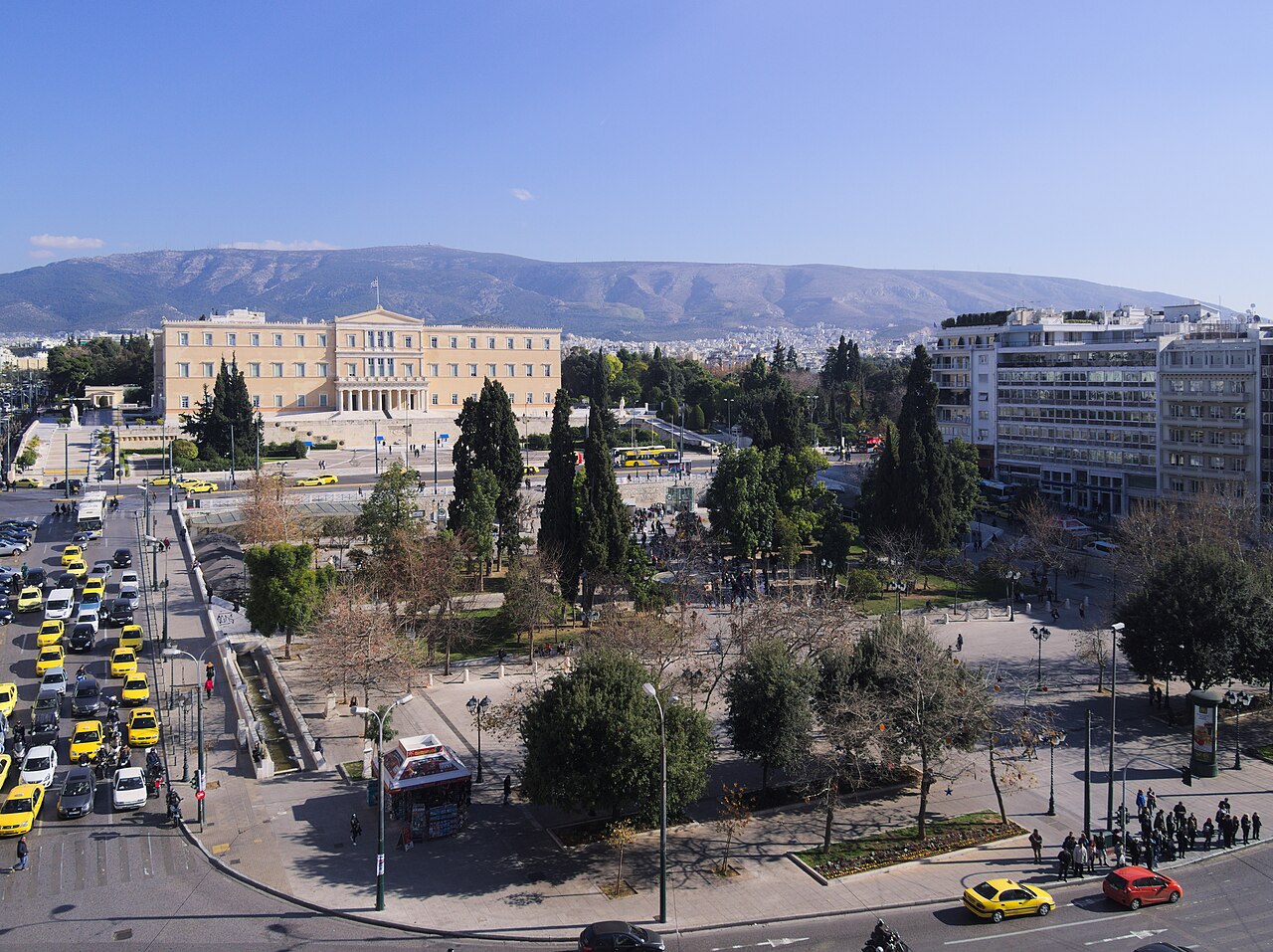
Syntagma Square & Changing of the Guard
Patrimoine · 1000 m · about 16 min walk
 #6 in AthensEntrée gratuite
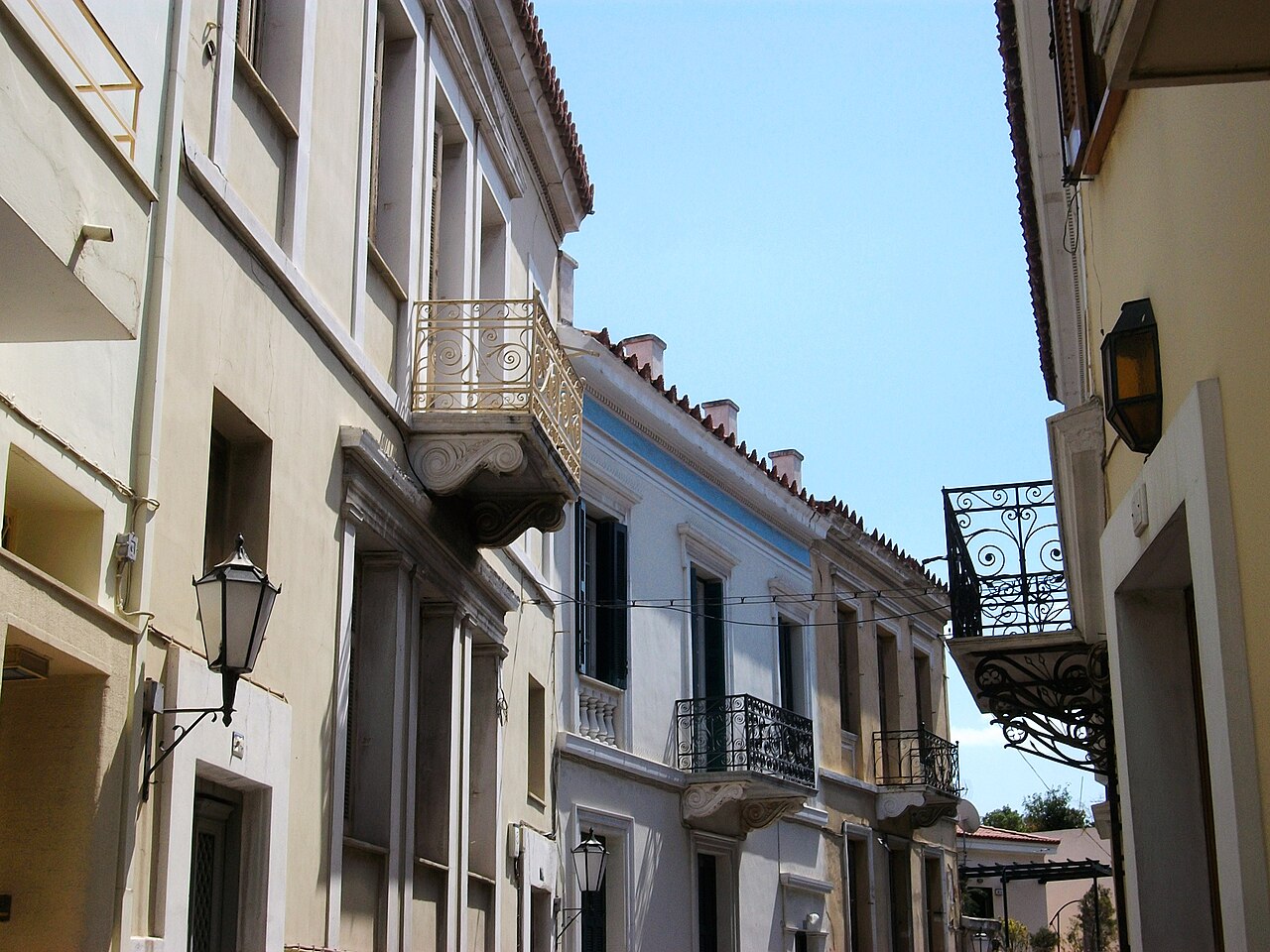
Plaka
Patrimoine · 1.0 km · about 17 min walk
 #8 in AthensEntrée gratuite
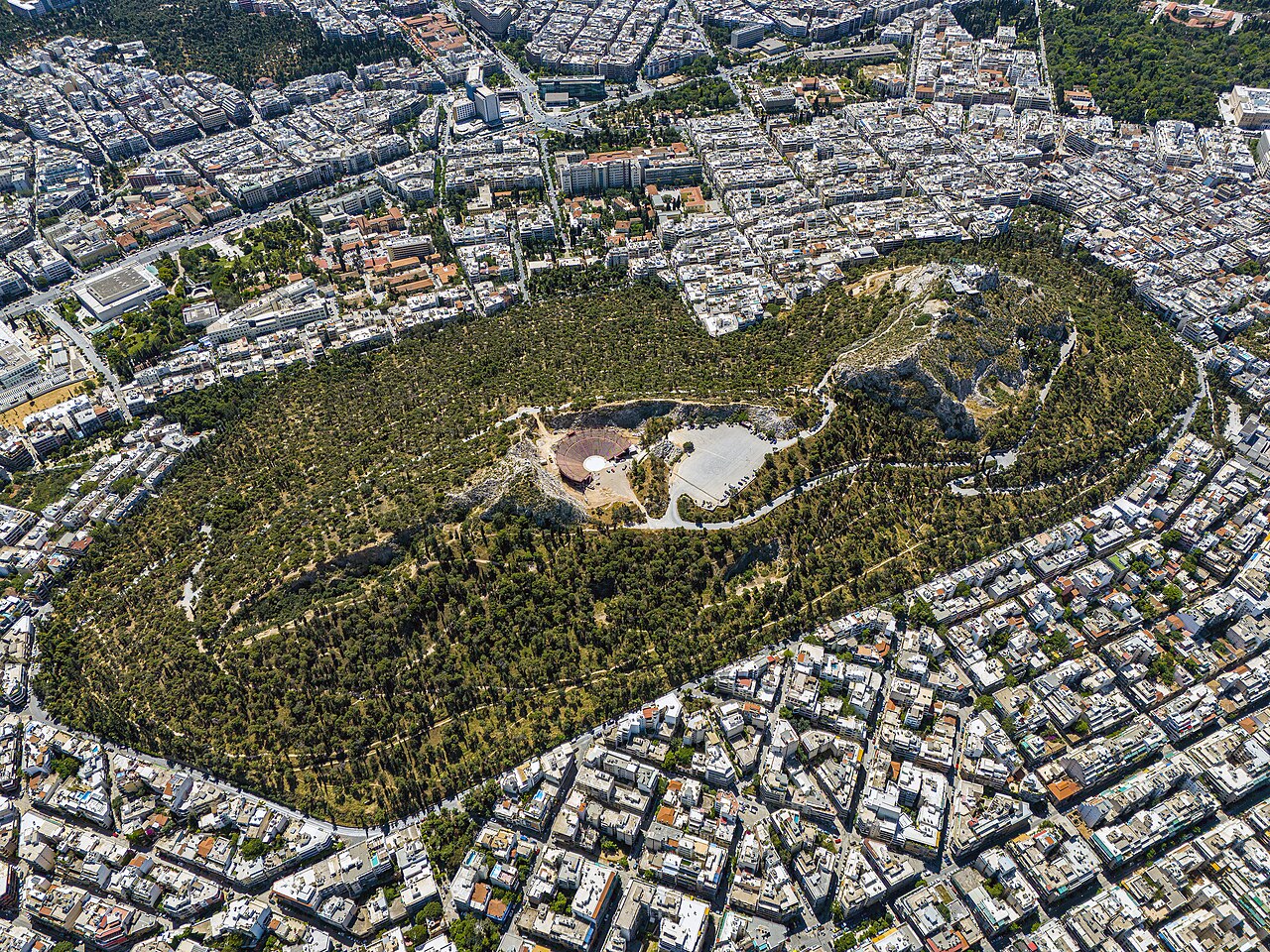
Mount Lycabettus
Nature · 1.1 km · about 17 min walk