
Lieux à visiter en/au Sikkim
7lieux classésSikkim, India
L'essentiel
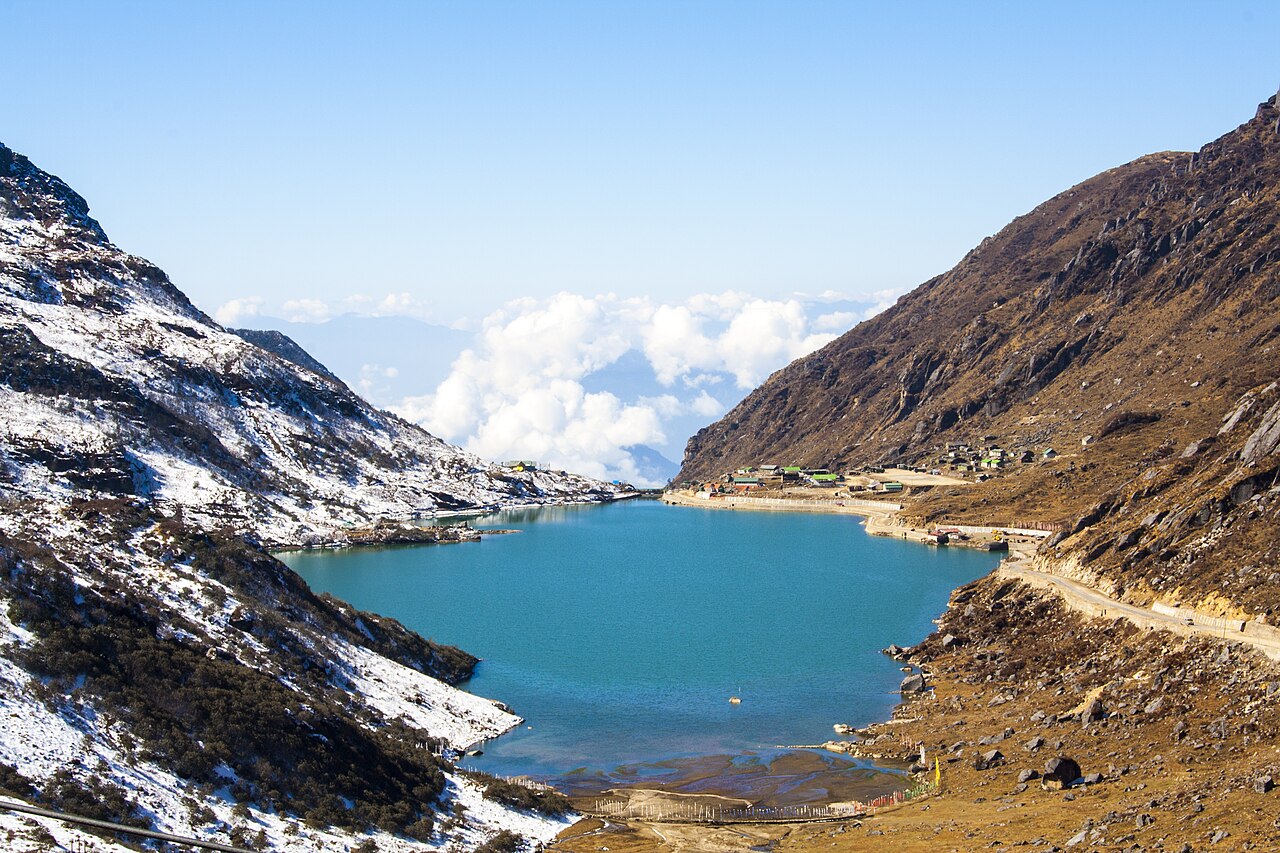
The best places to visit in Sikkim are Tsomgo Lake, Rumtek Monastery, Nathu La Pass, Namgyal Institute of Tibetology and Enchey Monastery. Allow about 1 day. The best months are March to May and October to December.
Mis à jour le · Rédigé par Traveliac, avec assistance IA · 3 min de lecture
Sikkim en un coup d'œil
- Meilleurs mois
- Mar–May, Oct–Dec
- Jours nécessaires
- 1 day
- Lieux gratuits
- 5 sur 7
- sans frais d'entrée
- Aéroport
- Pakyong Airport (PYG)
- Gare la plus proche
- New Jalpaiguri
- pour la plupart des lieux
À propos de Sikkim
Sikkim became India's 22nd state only in 1975, following a referendum that ended the monarchy of the Chogyal — a word meaning 'righteous ruler' in Tibetan. Before that absorption, it had existed for three centuries as a Buddhist kingdom under the Namgyal dynasty, its culture forged from the collision of Lepcha indigenous traditions, Tibetan Buddhist migration, and Nepali settlement waves. That compressed, layered identity still defines the state: gompa bells compete with Hindi film music from roadside shops, and cardamom fields cover the lower valleys while rhododendron forests — Sikkim's state tree — cap the mid-elevation ridges.
The geography is extreme by any measure. The state rises from around 280 metres in the south to Kangchenjunga's 8,586 metres on the western border with Nepal — the world's third-highest peak and a mountain that Sikkimese tradition holds sacred, believing it to be a repository of hidden religious treasures. In between, roads switchback through cloud forest, past glacial lakes, and over passes where wind strips sound from your ears. The Trans-Himalayan Highway connecting Gangtok to the Nathu La Pass was a Silk Road corridor and later a military supply route in the 1962 Sino-Indian war — it was sealed to civilian traffic for decades before partial reopening to Indian tourists.
Travel in Sikkim requires advance paperwork. The Inner Line Permit is mandatory for most areas beyond Gangtok and can be obtained at the border checkposts or Gangtok tourism offices. Additional protected area permits are needed for Nathu La and the North Sikkim circuit, issued by the District Magistrate's office in Gangtok. The best months are March to May for rhododendron bloom and October to December for sharp mountain views; the monsoon from June to September brings landslides that regularly close mountain roads. Hire a registered local taxi and driver — shared jeeps exist but routes are unpredictable after rain.
Meilleurs lieux à visiter en/au Sikkim
Les 7 lieux, classés, avec prix d'entrée, durée nécessaire, meilleurs mois et gare la plus proche.
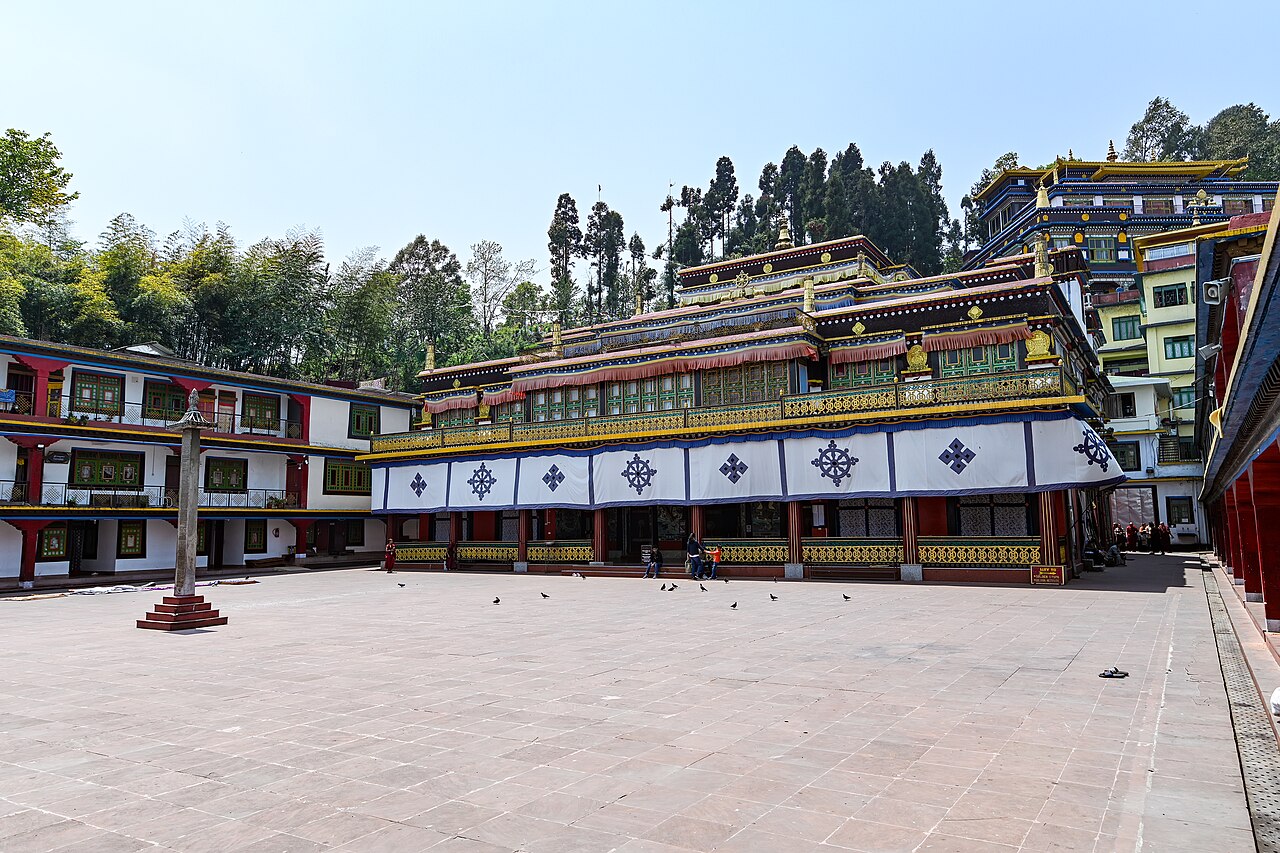
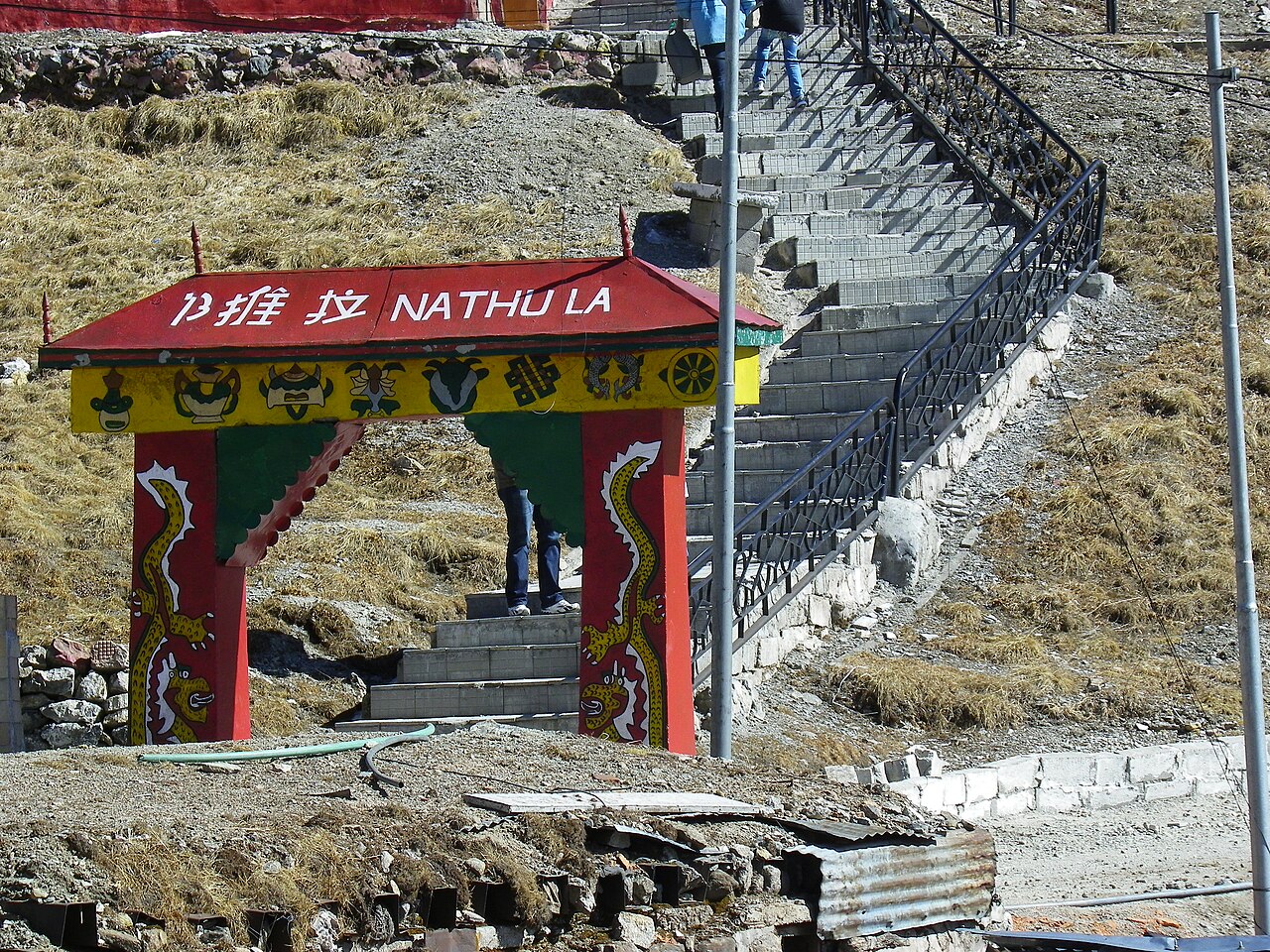
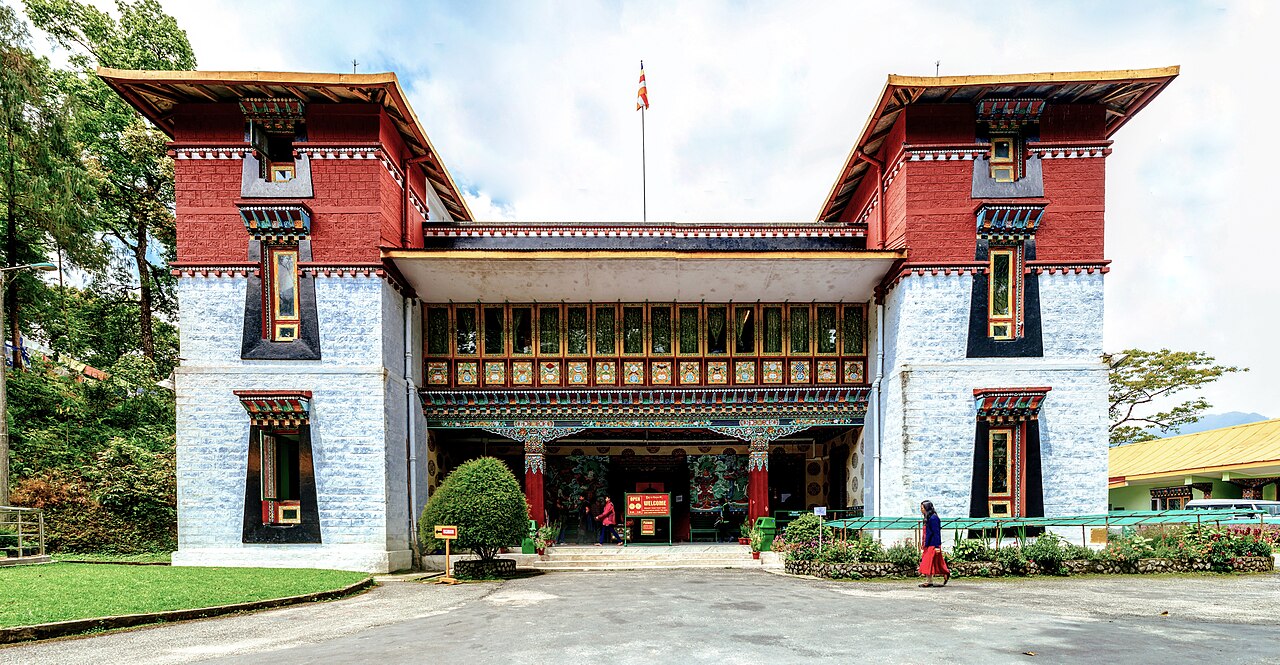
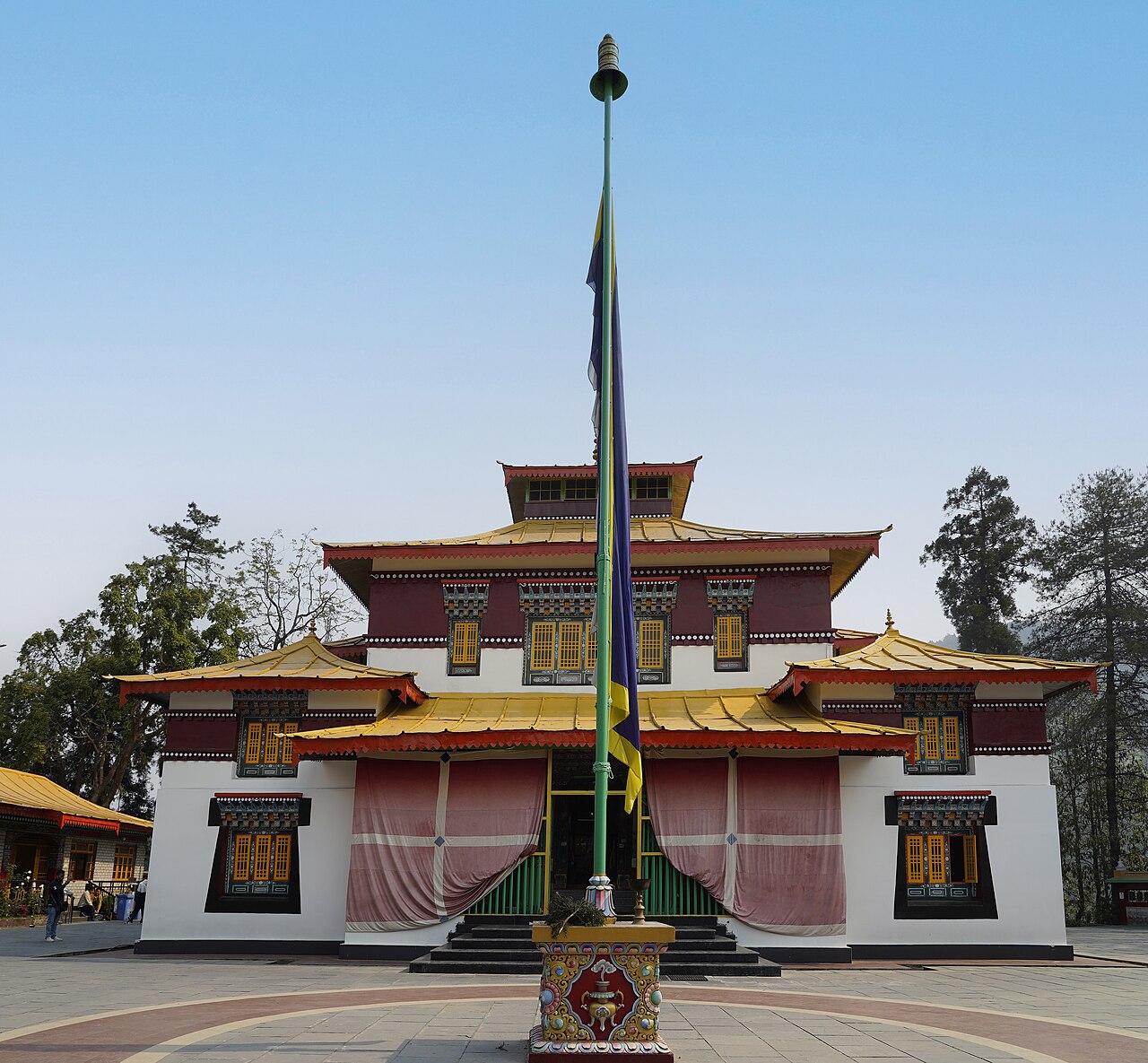
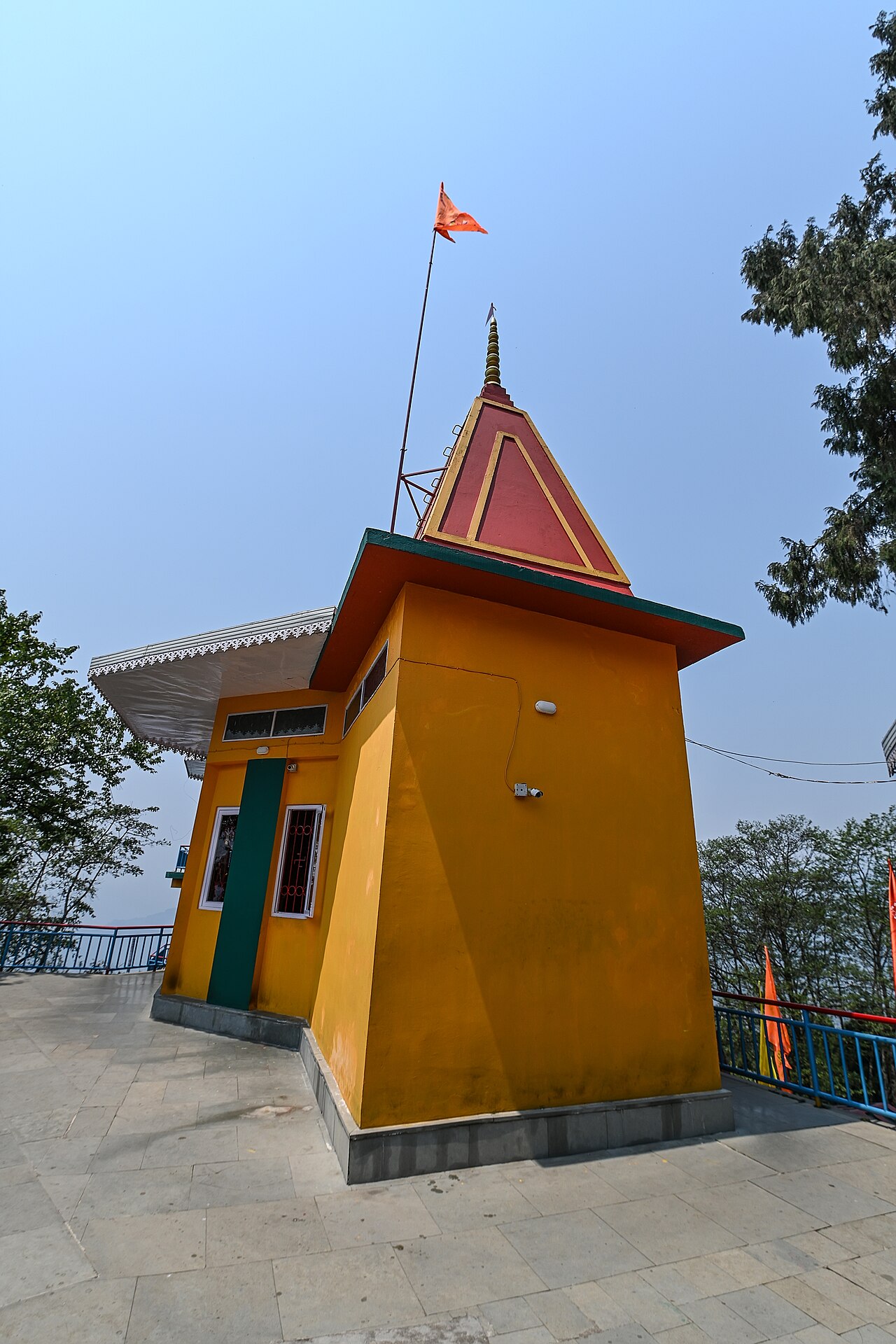
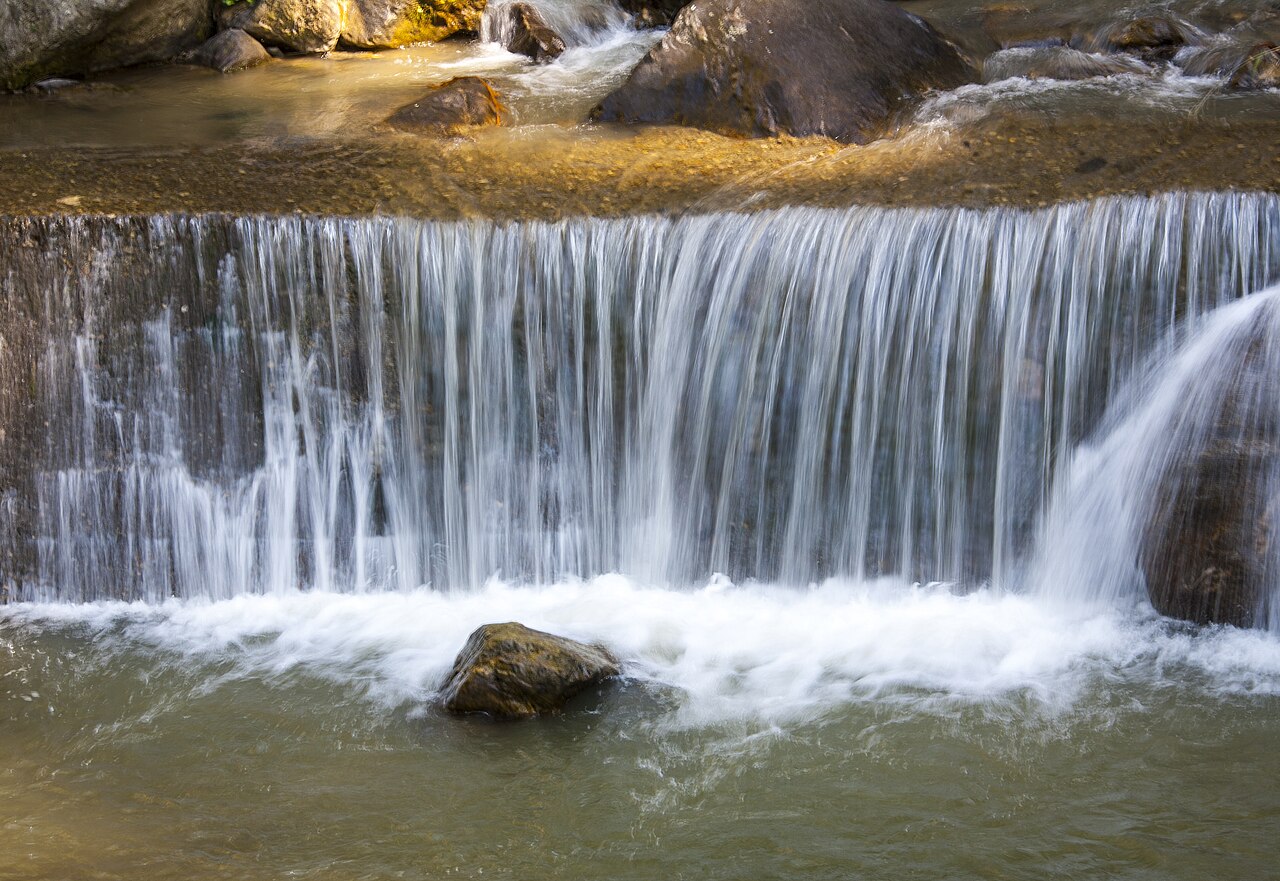
Carte des lieux à visiter à Sikkim
Les numéros correspondent au classement ; le top 3 est en orange. Touchez un repère pour plus de détails.
Meilleure période pour visiter Sikkim
Jan
Cold
Feb
Cold
Mar
Best time
Apr
Best time
May
Best time
Jun
Monsoon
Jul
Monsoon
Aug
Monsoon
Sep
Monsoon
Oct
Best time
Nov
Best time
Dec
Best time
Each place’s guide gives its own best months and time of day.
Combien de jours prévoir en/au Sikkim ?
Gangtok
Environ 1 jour
8 heures de visite pour 7 lieux. Commencez par Tsomgo Lake, Rumtek Monastery, Nathu La Pass. Guide de Gangtok
Avec plus de temps
Ajoutez une excursion
Namchi or Pelling valent chacun une journée de plus. Voir Excursions d'une journée ci-dessous.
Gares les plus proches des incontournables de Sikkim
La gare ou station de métro la plus proche pour chaque lieu. Temps de marche, tarifs de taxi et transferts aéroport figurent sur le guide de chaque lieu.
| Lieu | Gare la plus proche |
|---|---|
| Tsomgo Lake | New Jalpaiguri |
| Rumtek Monastery | New Jalpaiguri |
| Nathu La Pass | New Jalpaiguri |
| Namgyal Institute of Tibetology | New Jalpaiguri |
| Enchey Monastery | New Jalpaiguri |
| Ganesh Tok & Hanuman Tok | New Jalpaiguri |
| Banjhakri Falls & Energy Park | New Jalpaiguri |
Excursions au départ de Sikkim
Namchi, South Sikkim
78 km · 2.5 hours
Home to a 36-metre statue of Guru Padmasambhava atop Samdruptse hill, visible from much of South Sikkim, and the Char Dham complex — a scaled recreation of India's four principal Hindu pilgrimage sites on Solophok hill, built with unusual pink granite cladding.
Pelling, West Sikkim
115 km · 4–5 hours
Direct sightline to Kangchenjunga's southern face and access to the Pemayangtse Monastery, one of Sikkim's oldest and most important gompas, established in the late 17th century by Lhatsun Chempo. The seven-storey wooden Sangdokpalri model of the celestial abode of Guru Rinpoche is inside the monastery's top floor.
Yumthang Valley, North Sikkim
148 km · 5–6 hours
A high-altitude river valley at 3,564 metres, famous for rhododendron blooms in April and May covering hillsides in purple, pink, and red. A Protected Area Permit from Gangtok DM office is mandatory. The road beyond Lachung is a jeep-only track that closes in heavy snowfall.
Distances par la route ; les durées varient selon le trafic.
FAQ voyage — Sikkim
How many days do you need in Sikkim?
About 1 day covers the 7 places in our Gangtok guide, about 8 hours of sightseeing. Add a day for each day trip.
Which places in Sikkim are free to visit?
5 of the 7 places in this guide have no entry fee: Tsomgo Lake, Rumtek Monastery, Nathu La Pass, Enchey Monastery and Ganesh Tok.
Which Sikkim sights are closed on Mondays?
Nathu La Pass is closed on Mondays. Check each guide for other closing days.
Which airport is closest to Gangtok?
Pakyong Airport (PYG). Each place’s guide has taxi times and fares from the airport and the railway station.
Rédigé avec l'assistance de l'IA à partir de sources officielles et de registres publics ; voir Comment nous rédigeons ces guides. Mis à jour le . Comment nous classons et vérifions les lieux