
Bihar यात्रा गाइड
Bodh Gaya में घूमने की 5 जगहें
इन्हें भी कहा जाता है Bodhgaya · Uruvela · Sambodhi
Bodh Gaya is not a city in any conventional sense — it is a pilgrimage node that happens to have accumulated a town around it.
अपडेट किया गया ·तैयार किया गया Traveliac, AI की मदद से ·हम कैसे रैंक करते हैं
- सबसे अच्छा समय
- Oct – Feb
- आवश्यक समय
- लगभग 1 दिन
- घूमने के 3 घंटे
- निकटतम हवाई अड्डा
- Gaya International Airport (GAY)
- नज़दीकी स्टेशन
- Gaya Junction Railway Station
- निःशुल्क प्रवेश
- 5 में से 5
Bodh Gaya में करने के लिए टॉप चीज़ें
पांच प्रकाशित मानदंडों पर रैंक किया गया- 1निःशुल्क प्रवेश
बौद्ध स्थल
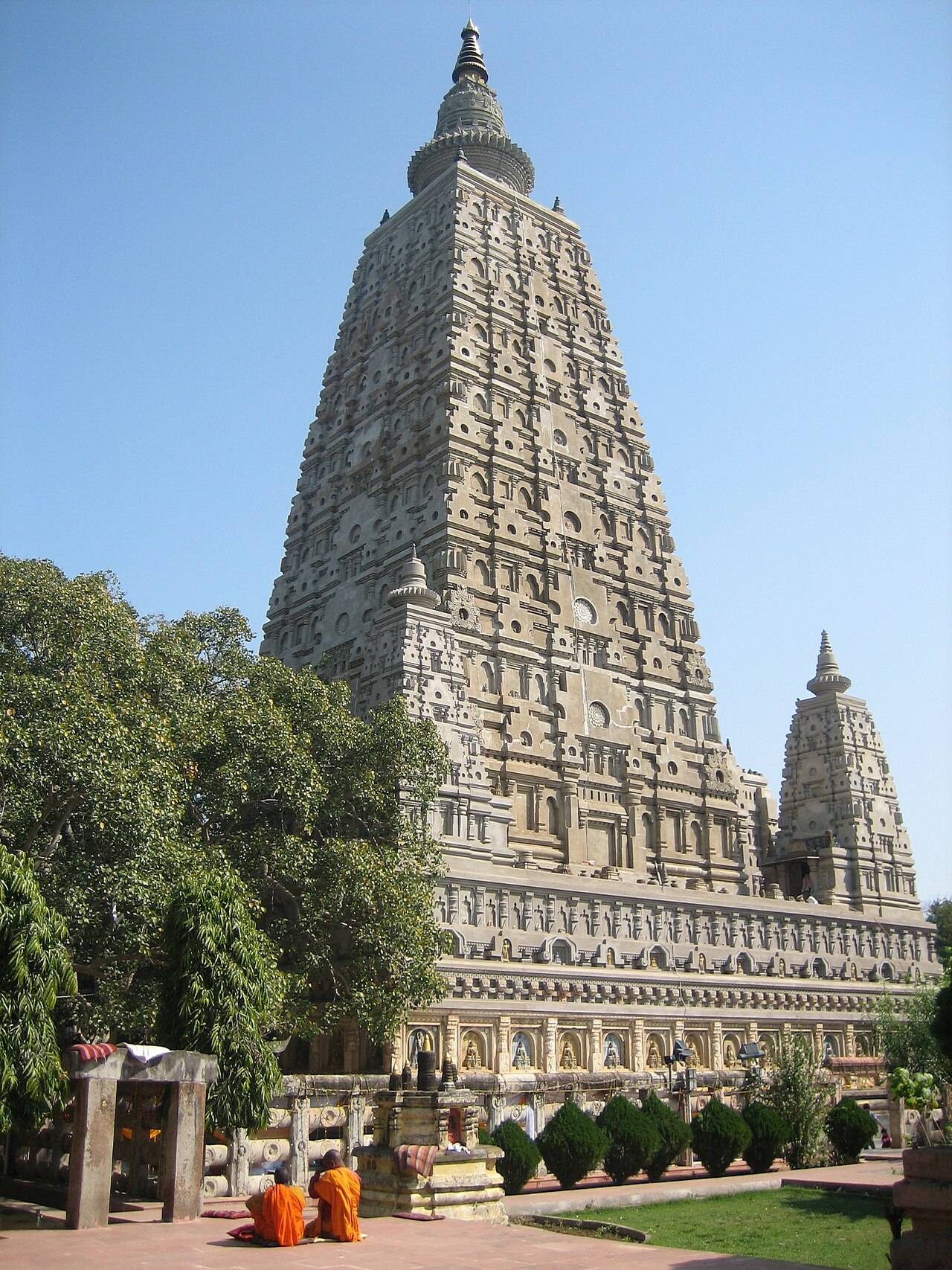
Mahabodhi Temple Complex
The Mahabodhi Temple Complex rises 55 metres above the flat Bihar plains in a tapering pyramidal tower of honey-coloured Chunar sandstone, its…
1.5 hrs
 2निःशुल्क प्रवेश
झील
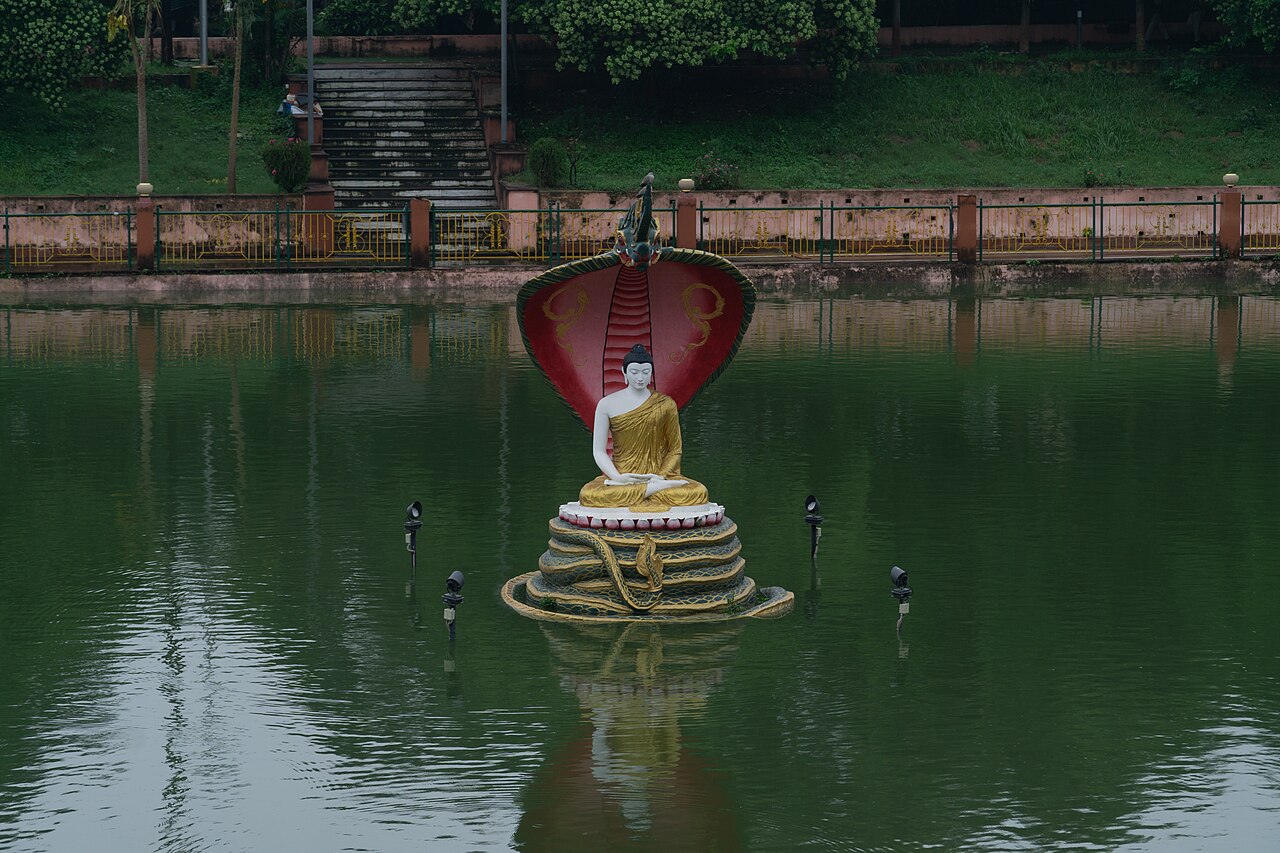
Muchalinda Lake
Muchalinda Lake sits in the southern quarter of the Mahabodhi Temple Complex, a modest rectangular pond whose still surface holds a statue placed at…
15 min
 3निःशुल्क प्रवेश
बौद्ध स्थल
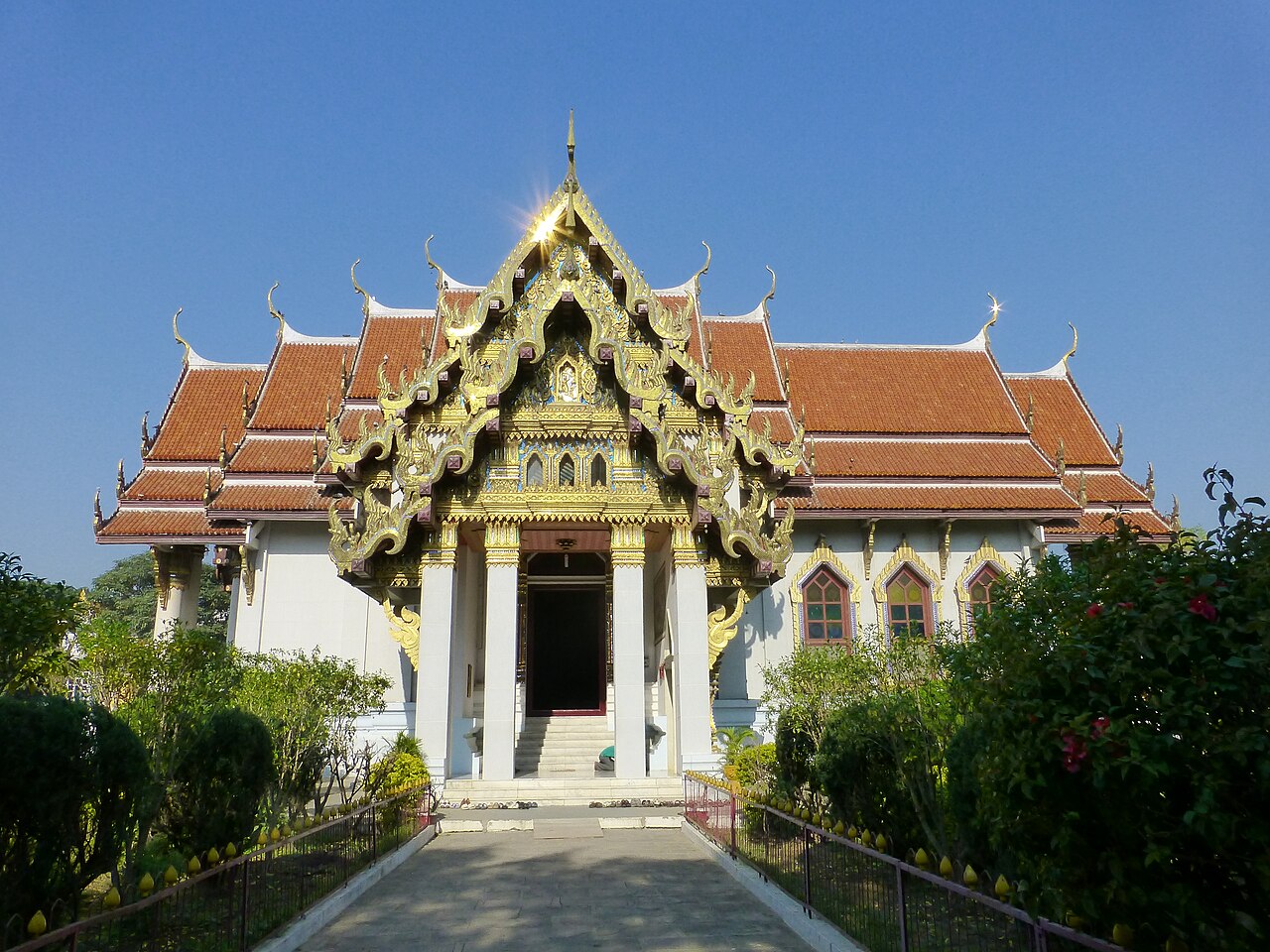
Wat Thai Buddhagaya
Wat Thai Buddhagaya announces itself from the road with a triple-tiered, steeply raked roof sheathed in green ceramic tile and gold trim, its ridge…
30 min
 4निःशुल्क प्रवेश
बौद्ध स्थल
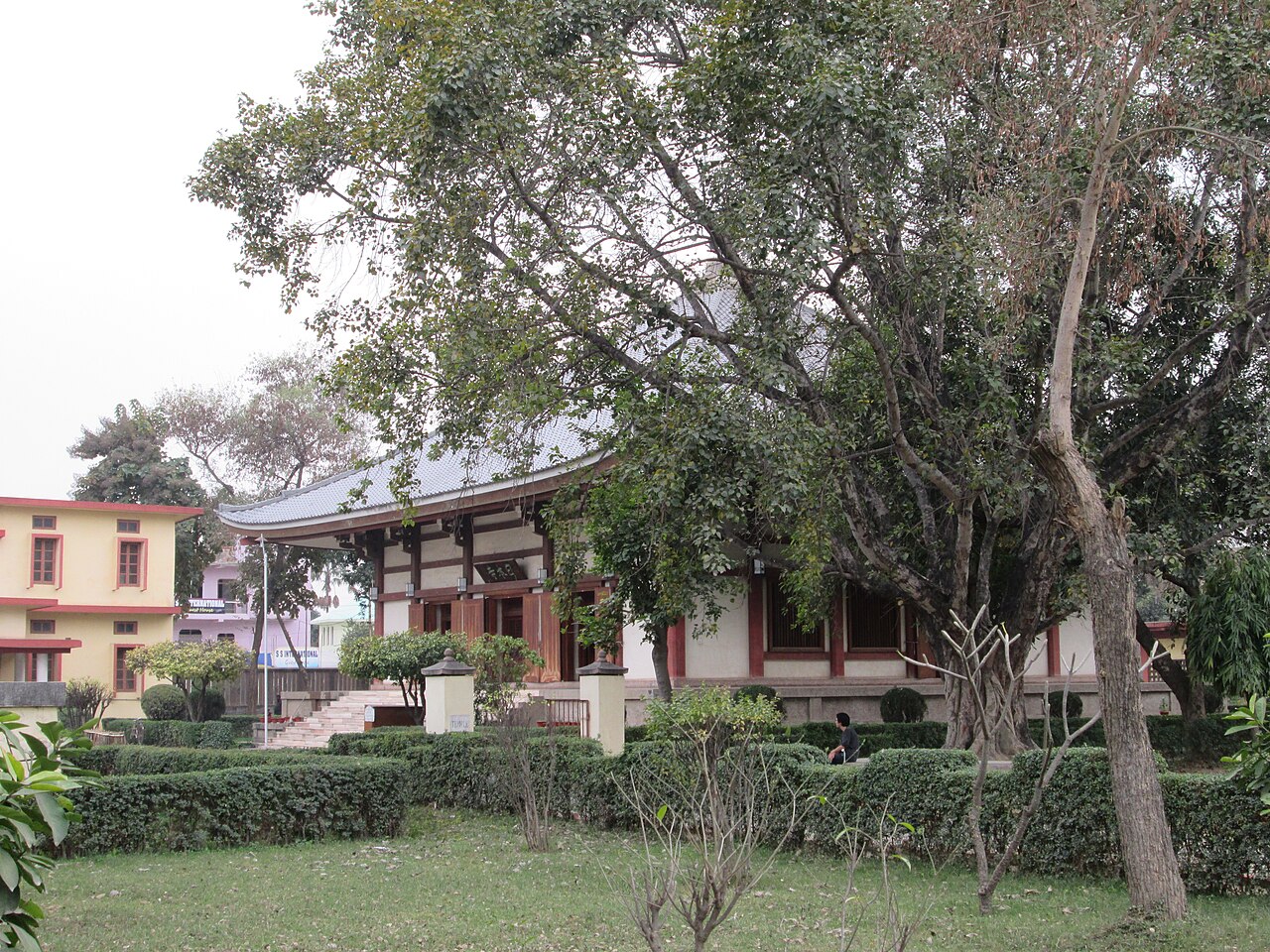
Indosan Nipponji Japanese Temple
Indosan Nipponji is the deliberate opposite of the gilded, high-colour temples that dominate Bodh Gaya's monastery belt — a plain dark-timber…
30 min
 5निःशुल्क प्रवेश
स्तूप
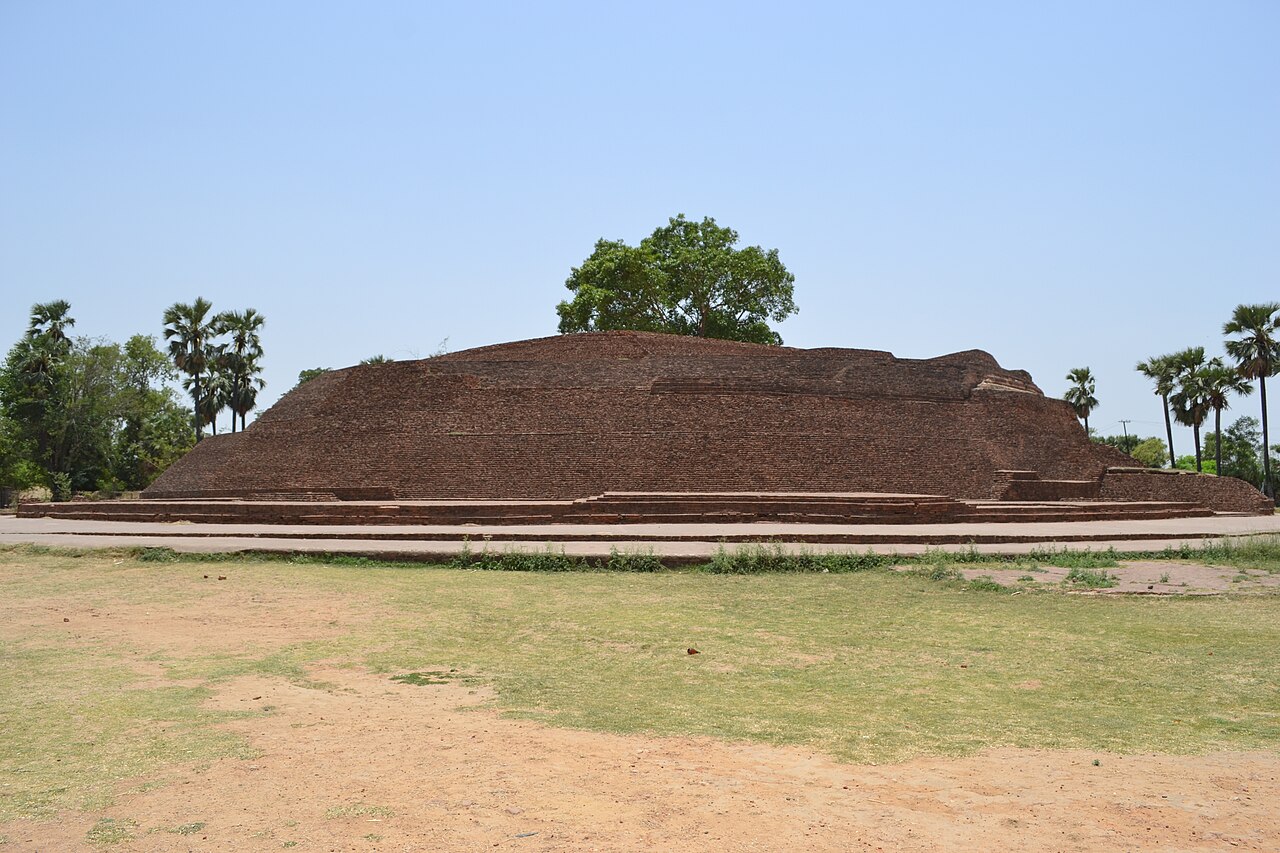
Sujata Stupa
Sujata Stupa is a low, weathered mound of exposed brick rising in stepped, concentric terraces on the far bank of the Niranjana river from Bodh Gaya…
40 min
Bodh Gaya में घूमने की जगहों का मानचित्र
संख्याएं रैंकिंग दर्शाती हैं; टॉप 3 नारंगी रंग में हैं। गाइड के लिए किसी पिन पर टैप करें। 2 जगह(ओं) की मानचित्र स्थिति अभी उपलब्ध नहीं है।
Bodh Gaya से डे ट्रिप
अगर एक दिन बचा हो तो घूमने लायक, सबसे नज़दीक वाला पहले।
13 km · 25 minutes
Gaya (Vishnupad Temple)
The Vishnupad Temple on the Phalgu riverbank marks the footprint of Vishnu in basalt rock. Central to the Hindu Pitru Paksha rites performed for deceased ancestors, which draw over a million pilgrims annually in September–October. Non-Hindus may not enter the inner sanctum.
55 km · 1.5–2 hours
Barabar Caves
The oldest surviving rock-cut caves in India, commissioned by Emperor Ashoka in the 3rd century BCE for the ascetic Ajivika sect. The Lomas Rishi cave's polished granite interior and carved chaitya-arch doorway — engineered to a mirror-smooth finish without metal tools — predate similar Buddhist cave architecture at Ajanta by several centuries.
78 km · 2 hours
Rajgir
Ancient Rajagriha, capital of the Magadha kingdom and the Buddha's monsoon retreat for years. Includes the Griddhakuta (Vulture's Peak) hilltop, Saptaparni Cave, hot springs at Brahmakund, and a Japanese-built peace pagoda visible from the valley.
95 km · 2.5–3 hours
Nalanda University Ruins
The excavated ruins of the world's first residential university, operating from the 5th to 12th centuries CE, including the Great Stupa of Sariputta and 11 monasteries in baked-brick construction. UNESCO World Heritage Site since 2016.
Bodh Gaya के बारे में
Situated in the Gaya district of Bihar on the banks of the Phalgu river, the settlement orbits a single gravitational fact: this is where Siddhartha Gautama, after years of wandering and asceticism, seated himself beneath a pipal tree and attained enlightenment around 528 BCE. That moment produced one of the world's three largest religions, and the ground where it happened has been a pilgrimage destination ever since.
The modern town — population roughly 40,000, swelling to several times that during peak pilgrimage season — is extraordinary in its religious plurality. Within two kilometres of the Mahabodhi Temple Complex, you will find monasteries built and operated by communities from Japan, Thailand, Bhutan, Tibet, China, Vietnam, Sri Lanka, Taiwan, South Korea, and Myanmar. Each has its own architectural idiom: the Japanese temple uses dark wood and raked gravel, the Tibetan monastery blazes with painted wooden thangka-style murals, the Thai complex is ringed by white-stucco Buddha images in the Theravada style. Walking the circuit of these temples on a November morning, with fog still sitting on the fields outside town, provides a concentrated survey of Buddhist architecture across Asia that no museum could replicate.
Logistically, Bodh Gaya is straightforward to reach but requires adjustment on arrival. Gaya Junction railway station is 13 kilometres away — auto-rickshaws from the station to the temple complex should cost ₹80–₹120; prepaid taxis from the station booth run ₹200–₹250. The closest airport, Gaya International Airport (GAY), sits 8 kilometres from town and receives direct flights from Bangkok and Colombo during the high pilgrimage season (November–February), as well as connections from Delhi and Kolkata year-round. Within Bodh Gaya itself, the distances are walkable — the Mahabodhi Temple to the Great Buddha Statue is approximately 3 kilometres on a flat road — but cycle-rickshaws (₹20–₹30 per short hop) are a sensible option in the heat. The town has no reliable metered transport; all fares require negotiation.
कुछ गलत लगा, या कोई जगह छूट गई?
हमें बताएं, एक संपादक आधिकारिक स्रोतों से जांच कर पेज ठीक करेगा।