
Hutheesing Jain Temple
#6Ahmedabad में घूमने की 10 जगहों में सेAhmedabad, Gujarat
इन्हें भी कहा जाता है Hathisingh Jain Temple · Dharmanatha Temple, Ahmedabad
संक्षिप्त उत्तर
खुलने का समय: 06:00–19:00 and 12:00–13:00. प्रवेश निःशुल्क है। 45 min का समय रखें। सबसे अच्छा समय: 07:00–09:00।
अपडेट किया गया · तैयार किया गया Traveliac, AI की मदद से · 5 मिनट का पठन
- खुलने का समय
- 06:00–13:00
- 06:00–19:00 daily, with a brief midday closure (roughly 12:00–13:00) at some sections for temple ritual and cleaning
- प्रवेश शुल्क
- निःशुल्क
- आवश्यक समय
- 45 min
- दिन का सबसे अच्छा समय
- 07:00–09:00
- सबसे अच्छे महीने
- Oct – Mar
- पता
- Outside Delhi Darwaza, Hutheesing Jain Temple Road, Ahmedabad, Gujarat 380004
Hutheesing Jain Temple के बारे में
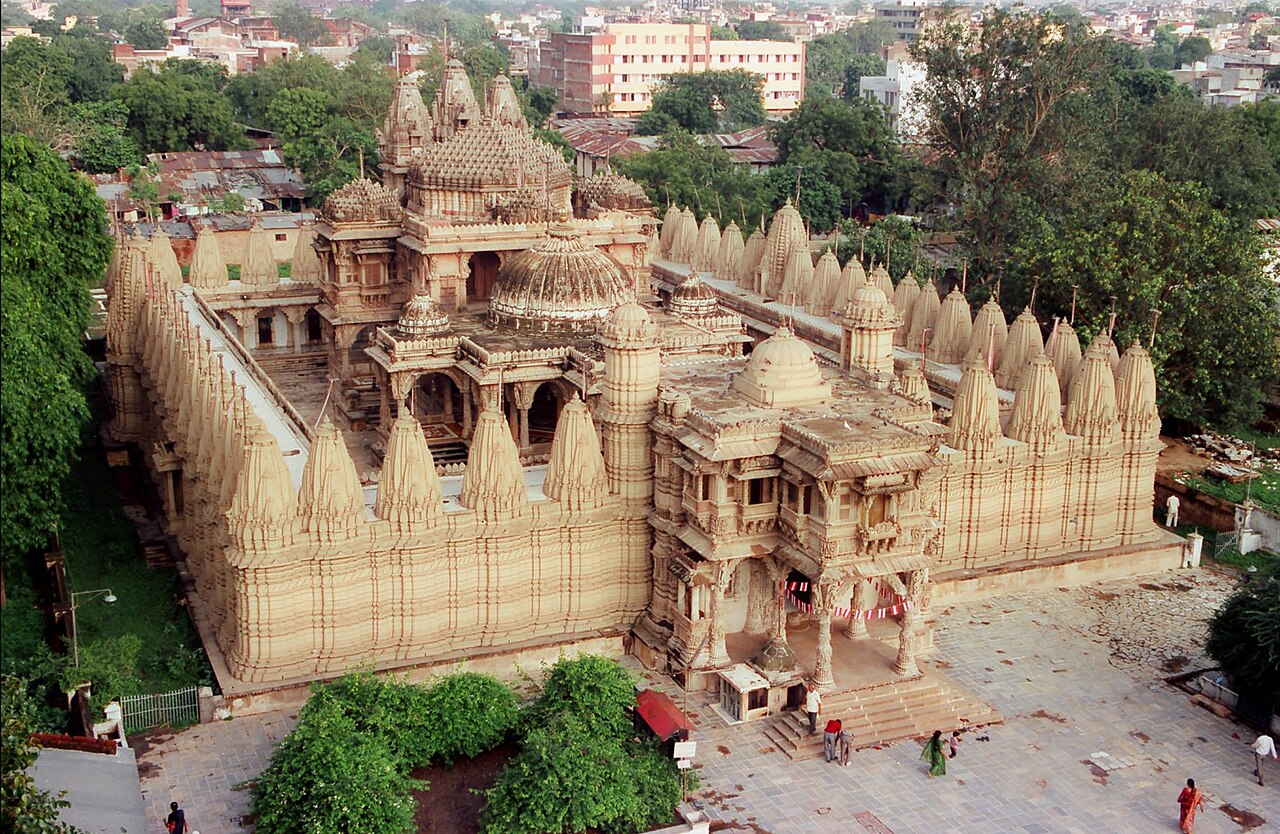
Just outside the Delhi Darwaza gate of the old walled city, a wealthy Ahmedabad textile merchant named Sheth Hutheesing Kesarisingh commissioned this temple in 1848, dedicating it to Dharmanatha, the fifteenth Jain Tirthankara. He died before its completion; his widow, Harkunvar Sethani, oversaw the temple's finishing and consecration, a fact still commemorated within the temple complex. Built almost entirely in white marble on a raised plinth, the temple follows a two-storey plan with a central shrine surrounded by a colonnaded cloister of 52 subsidiary devkulikas (small shrines), each housing its own Tirthankara image — a layout deliberately modelled on the older and grander Jain temple traditions of Mount Abu and Ranakpur in neighbouring Rajasthan, scaled to an urban Ahmedabad setting rather than a pilgrimage-mountain one.
दिन का सबसे अच्छा समय: 07:00–09:00। During the morning puja (ritual worship) when the temple's ceremonial bells and incense are most active, and before the marble courtyard heats up under direct sun.
Hutheesing Jain Temple का समय
- खुलने का समय
- 06:00–13:00
Mon–Sun 06:00–19:00 and 12:00–13:00 - 06:00–19:00 daily, with a brief midday closure (roughly 12:00–13:00) at some sections for temple ritual and cleaning
- बंद रहता है
- हर दिन खुला
खुलने का समय gujarattourism.com और सार्वजनिक रिकॉर्ड से तैयार किया गया, आख़िरी बार को अपडेट किया गया. ये बिना सूचना के बदल सकते हैं — यात्रा से पहले पुष्टि करें। हम ये गाइड कैसे लिखते हैं
Hutheesing Jain Temple टिकट मूल्य
| टिकट | कीमत |
|---|---|
| भारतीय आगंतुक | Free |
| विदेशी आगंतुक | Free |
| बच्चे | निःशुल्क |
| कैमरा | निःशुल्क |
Entry is free. The temple is an active Jain place of worship, and access rules follow standard Swetambar Jain temple practice: no leather items may be carried inside, and visitors who have consumed non-vegetarian food or alcohol on the same day are traditionally asked to enter only after washing and changing, though this is rarely policed strictly for casual foreign visitors.
कीमतें gujarattourism.com और सार्वजनिक रिकॉर्ड से तैयार किया गया, आख़िरी बार को अपडेट किया गया. ये बिना सूचना के बदल सकते हैं — यात्रा से पहले पुष्टि करें। हम ये गाइड कैसे लिखते हैं
Hutheesing Jain Temple घूमने का सही समय
- Quiet
- Moderate
06:00–09:00
Morning puja
The temple's most ritually active period, with local Jain worshippers arriving for morning puja. Chanting, bell-ringing, and incense create the temple's most characteristic atmosphere of the day.
Moderate09:00–12:00
Late morningBest time to go
Worship activity eases after the main morning rush. A comparatively calm window for close viewing of the marble carving in the cloister.
Quiet13:00–17:00
Afternoon
Generally quiet, with occasional small groups of visitors combining the temple with a walled-city walking circuit via the adjacent Delhi Darwaza.
Quiet17:00–19:00
Evening aarti
A second, smaller wave of worshippers arrives for evening ritual before the temple's approximate 19:00 closing.
Moderate
Hutheesing Jain Temple का इतिहास
Sheth Hutheesing Kesarisingh, a prominent member of Ahmedabad's Jain merchant community and a major figure in the city's nineteenth-century textile trade, commissioned the temple in the 1840s as both a devotional act and a public statement of his family's status — a pattern common among wealthy Jain merchant patrons across Gujarat and Rajasthan, for whom temple-building functioned simultaneously as religious merit-making and civic architecture. Kesarisingh died in 1845, three years before the temple's completion in 1848, and his widow, Harkunvar Sethani, took on responsibility for finishing the construction and its formal consecration — an unusually well-documented instance of a woman's direct patronage role in a major nineteenth-century Indian religious building.
The temple's architectural plan draws directly on the courtyard-cloister model established centuries earlier at the Jain temple complexes of Dilwara (Mount Abu) and Ranakpur, both major pilgrimage sites in Rajasthan built by earlier generations of Jain merchant patrons: a central sanctum dedicated to the principal deity, surrounded by an arcaded gallery of smaller shrines, each with its own carved marble Tirthankara figure, arranged around an open courtyard. At Hutheesing, this classical plan is executed at an urban scale appropriate to a working city temple rather than a remote pilgrimage destination, with 52 devkulikas lining the surrounding cloister.
A freestanding memorial tower within the complex, added in the decades after the main temple's completion, commemorates soldiers and community members connected to later historical events — a layer of nineteenth- and twentieth-century civic memory added onto the original devotional structure, reflecting how actively the temple has remained integrated into the life of Ahmedabad's Jain community rather than becoming a purely historical monument.
Hutheesing Jain Temple के नियम व शिष्टाचार
Leather items — belts, wallets, bags, and shoes, obviously — must not be carried into the temple precinct; this is standard and strictly observed Jain temple practice rooted in the faith's core principle of ahimsa (non-violence), since leather is an animal product. Footwear is removed at a rack near the outer gate.
Visitors who have eaten non-vegetarian food or consumed alcohol are traditionally expected to avoid entering the inner sanctum on the same day, and menstruating women are traditionally asked to refrain from entering the sanctum area, in keeping with conventional Jain temple practice; enforcement toward casual foreign visitors is generally light but the expectation exists and should be respected where reasonably practicable.
Photography is generally permitted in the outer courtyard and cloister but is typically restricted inside the inner sanctum itself, particularly during active ritual worship — check with temple attendants on arrival, as practice can vary by time of day. Modest dress covering shoulders and knees is expected throughout.
Gujarat's dry-state alcohol prohibition applies generally across the city; it is of no particular relevance at this site beyond the temple's own separate and stricter traditional expectation regarding same-day alcohol consumption before entry.
Hutheesing Jain Temple जाने के लिए टिप्स
- 1
The white marble carving throughout the cloister — figures, floral scrollwork, and the ceiling brackets of the ambulatory — repays slow, close viewing rather than a quick pass-through; budget at least 30 minutes purely for the surrounding devkulika gallery in addition to the central shrine.
- 2
The temple sits directly outside Delhi Darwaza, making it a natural bookend to a walled-city walking circuit that also takes in the Jama Masjid, Bhadra Fort, and the pols — plan it as either the first stop before entering the old city through the gate, or the last stop on the way out.
- 3
Morning visits coincide with the most active ritual atmosphere — chanting, bell-ringing, and incense — which most visitors find adds considerably to the experience compared with a quiet midday visit when the temple is functionally open but ritually inactive.
- 4
Unlike several of Ahmedabad's other heritage sites, this is a genuinely living devotional space with a resident and highly engaged local Jain community; visitors are welcome but should carry themselves with the awareness that they are guests in an active place of worship rather than tourists at a museum.
Hutheesing Jain Temple कैसे पहुंचें
लाल तारा Hutheesing Jain Temple है; नंबर वाले पिन हमारी गाइड की 8 सबसे नज़दीकी जगहें हैं, हर एक अपने शहर में अपनी रैंक के साथ. विवरण के लिए पिन पर टैप करें।
Outside Delhi Darwaza, Hutheesing Jain Temple Road, Ahmedabad, Gujarat 380004Google Maps में दिशा-निर्देश
Sardar Vallabhbhai Patel International Airport (AMD) से
₹250–38011 km · 25–35 min
Ahmedabad Junction Railway Station (ADI) से
₹50–802.5 km · 10–15 min
Jama Masjid, Ahmedabad से
₹30–501.5 km · 8–20 min
By auto; free on foot
नज़दीकी हवाई अड्डा
Sardar Vallabhbhai Patel International Airport, Ahmedabad (AMD) से
approximately 11 km northwest
नज़दीकी रेलवे स्टेशन
Ahmedabad Junction, Kalupur (ADI) से
approximately 2.5 km southeast
Hutheesing Jain Temple — अक्सर पूछे जाने वाले सवाल
Who built the Hutheesing Jain Temple and when?
The temple was commissioned in the 1840s by Sheth Hutheesing Kesarisingh, a wealthy Ahmedabad Jain textile merchant, and completed in 1848 — three years after his death in 1845. His widow, Harkunvar Sethani, oversaw the temple's completion and consecration.
What are the rules around leather items and dress inside the temple?
Leather items — belts, bags, wallets, and footwear — are not permitted inside the temple precinct, in keeping with the Jain principle of non-violence toward animals. Footwear is removed at a rack near the outer gate, and modest dress covering shoulders and knees is expected throughout.
Which Tirthankara is the temple dedicated to?
The main shrine is dedicated to Dharmanatha, the fifteenth of the twenty-four Tirthankaras in Jain tradition. The surrounding cloister houses 52 subsidiary shrines (devkulikas), each with its own Tirthankara image, following a layout modelled on the Jain temple complexes of Dilwara at Mount Abu and Ranakpur in Rajasthan.
Can this temple be combined with other walled-city sites in one visit?
Yes, easily. It sits directly outside the Delhi Darwaza gate, making it a natural first or last stop on a walking circuit that also includes the Jama Masjid and Bhadra Fort inside the old city walls, all within a roughly 1.5-kilometre radius.
आधिकारिक स्रोतों और सार्वजनिक रिकॉर्ड से AI की मदद से तैयार किया गया, और इसमें दी गई जांच के बाद ही प्रकाशित किया गया हम ये गाइड कैसे लिखते हैं. Traveliac से किसी ने भी इस जगह का दौरा नहीं किया है। आख़िरी बार को अपडेट किया गया। हम जगहों को कैसे रैंक और जांच करते हैं
Hutheesing Jain Temple के पास घूमने की जगहें
दूरियां हमारे मानचित्र से सीधी-रेखा में हैं; समय अनुमानित है।
 #5 in Ahmedabadनिःशुल्क प्रवेश
Calico Museum of Textiles
संग्रहालय · 1.4 km · about 23 min walk
 #3 in Ahmedabadनिःशुल्क प्रवेश
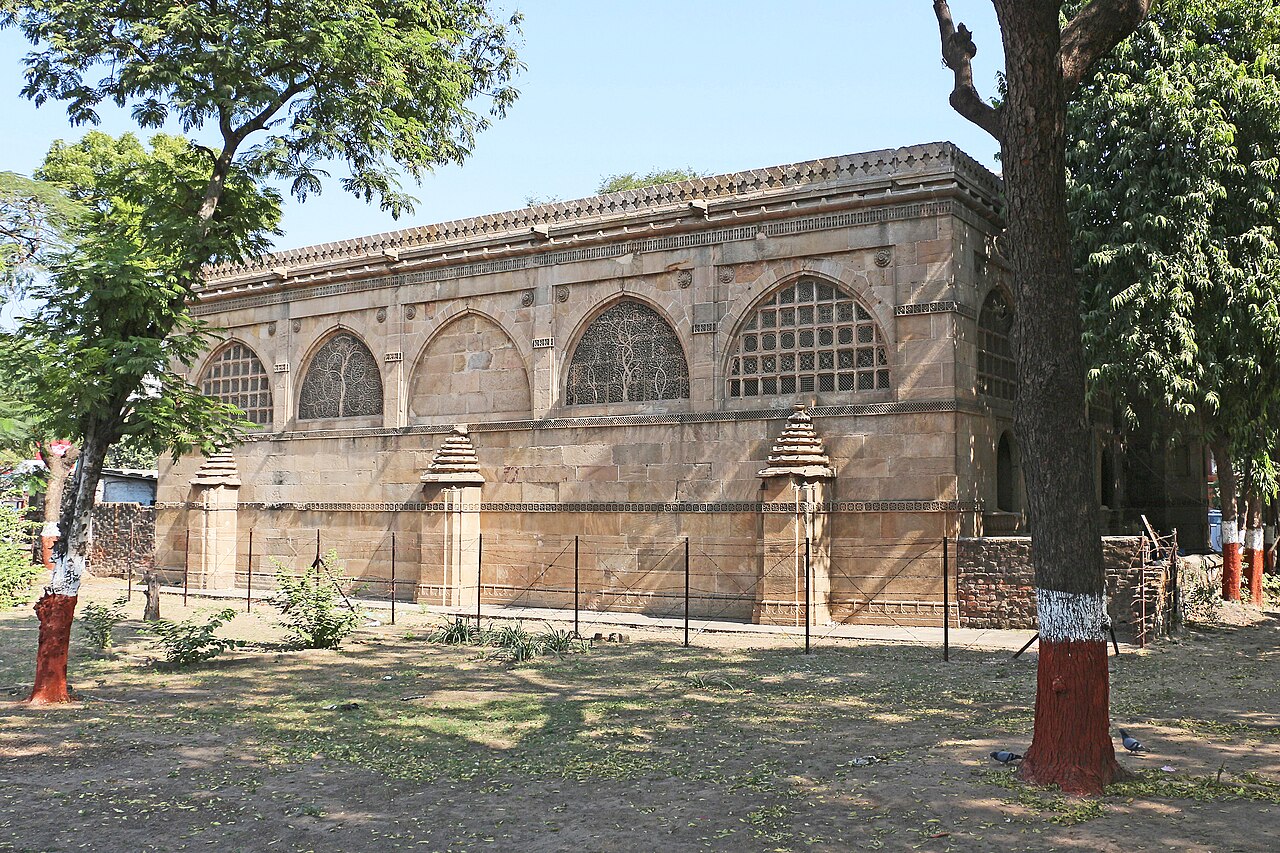
Sidi Saiyyed Mosque
मस्जिद · 1.8 km · about 29 min walk
 #7 in Ahmedabadनिःशुल्क प्रवेश
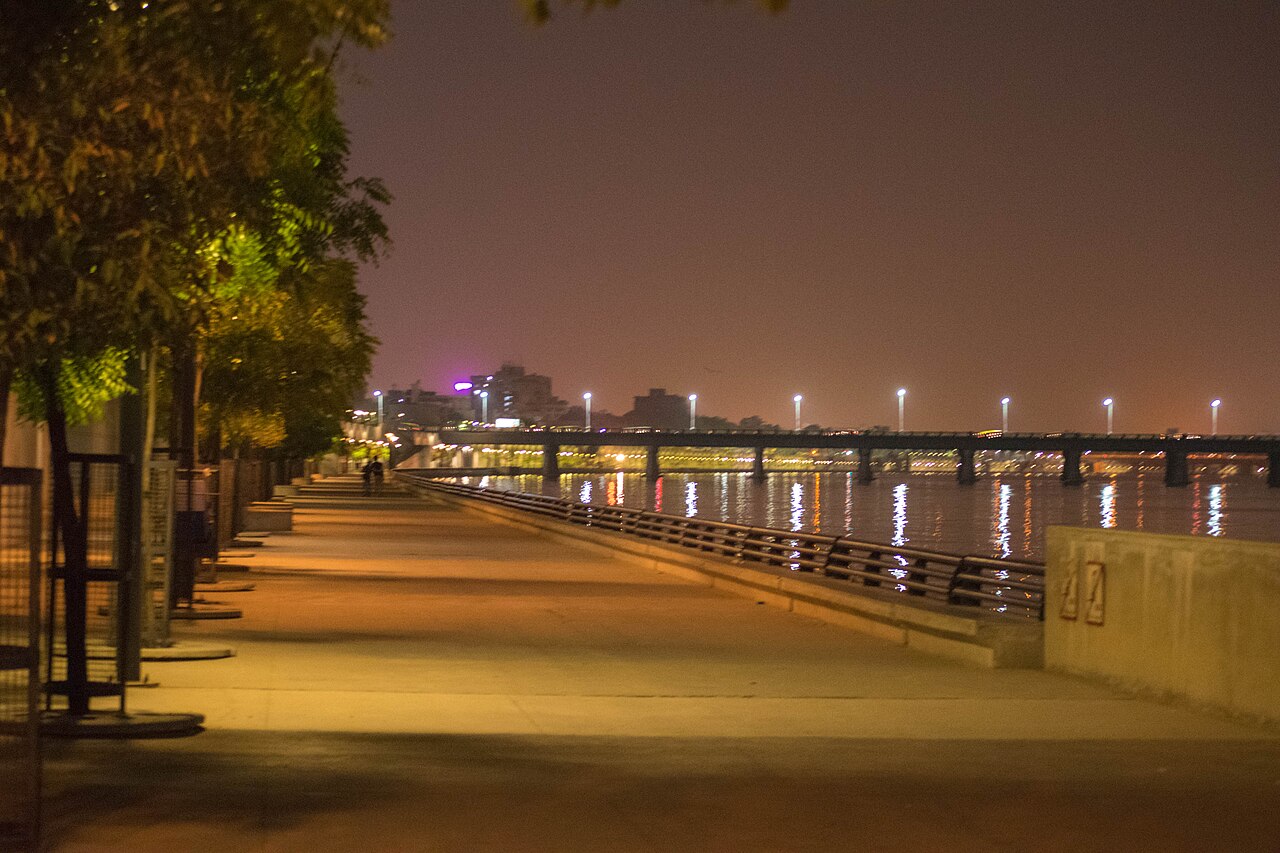
Sabarmati Riverfront
विरासत · 1.9 km · about 31 min walk
 #4 in Ahmedabadनिःशुल्क प्रवेश
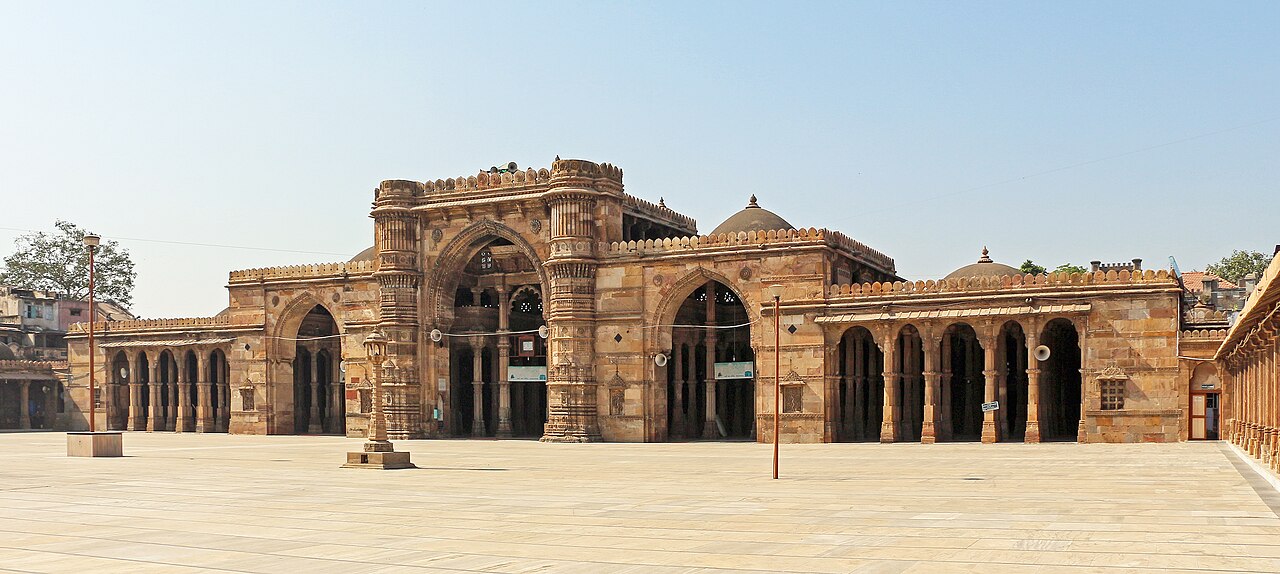
Jama Masjid, Ahmedabad
मस्जिद · 1.9 km · about 31 min walk