
Konark Sun Temple
#2من أصل 7 مكانًا للزيارة في PuriPuri, Odisha
يُعرف أيضًا باسم Black Pagoda · Surya Deula · Konarka Temple
إجابة سريعة
ساعات العمل: 06:00–20:00. رسوم الدخول: ₹40 للهنود · ₹600 للأجانب. خصّص 2 hrs. أفضل وقت: Sunrise.
آخر تحديث · أعدّه Traveliac، بمساعدة الذكاء الاصطناعي · 7 دقيقة قراءة
- ساعات العمل
- 06:00–20:00
- 06:00–20:00 daily (site); light-and-sound show runs at 19:00 in Hindi and 20:00 in English during October–March; timings may shift in summer months — confirm locally
- رسوم الدخول
- ₹40 للهنود
- التذكرة تبدأ من
- الوقت اللازم
- 2 hrs
- أفضل وقت في اليوم
- Sunrise
- أفضل الأشهر
- Oct – Mar
- العنوان
- Konark Sun Temple, Konark, Puri District – 752111, Odisha. The site is managed by the Archaeological Survey of India (ASI).
عن Konark Sun Temple
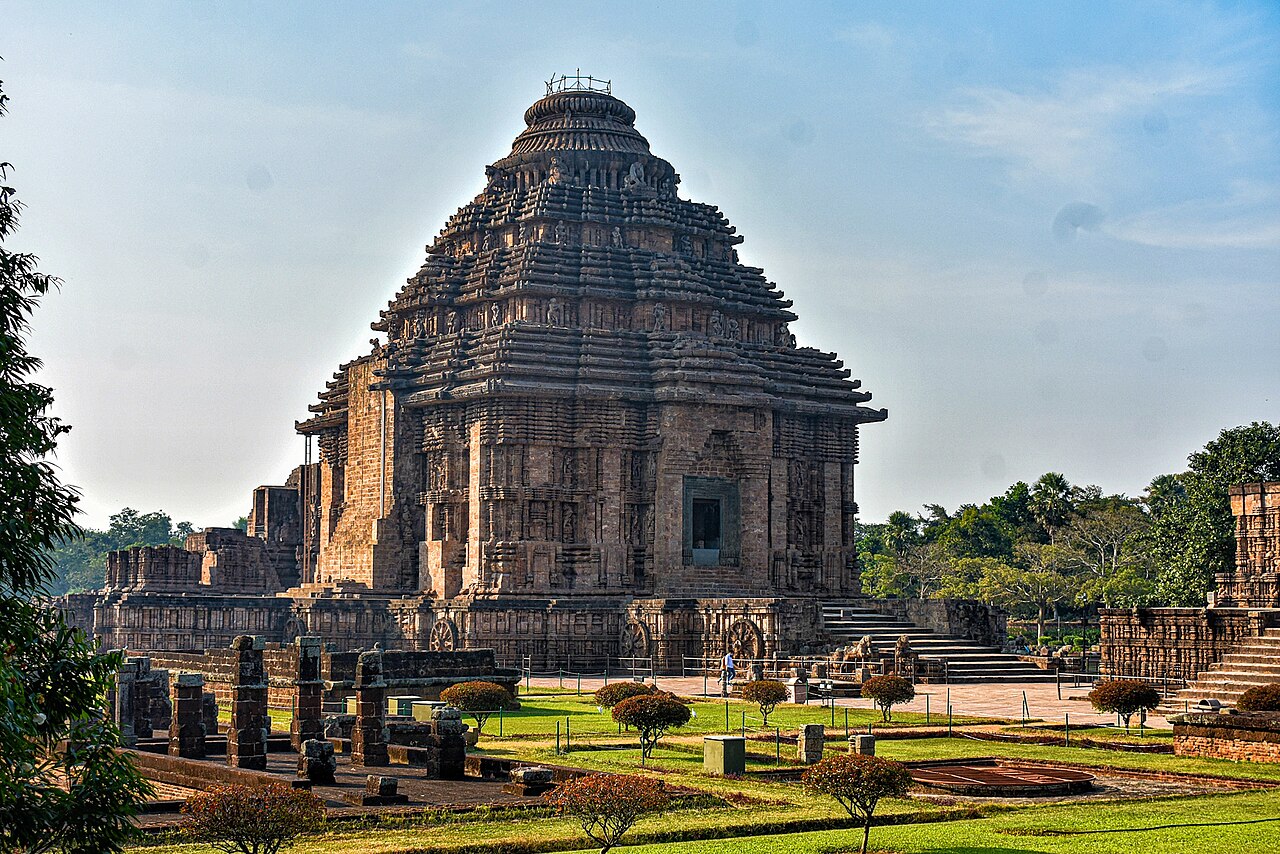
The Konark Sun Temple is what remains of a 13th-century ambition to build a temple so vast, so technically complex, and so saturated with carved imagery that it would function as a model of the cosmos itself. The scale of that ambition is still visible in the ruins: 24 elaborately carved stone wheels, each 3 metres in diameter with 8 spokes, designed as the chariot wheels of Surya's solar vehicle; 7 stone horses straining forward (two survive in their original position) as if pulling the entire structure across the sky; and kilometre upon kilometre of carved chlorite schist depicting erotic couples (mithuna), celestial musicians (gandharvas), hunting scenes, military processions, and the full taxonomy of early medieval Odishan court life. No priests perform rituals here. No incense burns at the sanctum. The Archaeological Survey of India administers it as a secular heritage site, and the main sanctum has been sealed with stone and sand fill since the 19th century to prevent structural collapse. What remains is architecture as frozen theatre — and it remains extraordinary.
أفضل وقت في اليوم: Sunrise. 06:00–08:00, when the eastern face of the Jagamohana receives direct light and the chlorite schist carvings read with maximum shadow depth. The crowds are thinnest in the first hour of opening.
مواعيد Konark Sun Temple
- ساعات العمل
- 06:00–20:00
Mon–Sun 06:00–20:00 - 06:00–20:00 daily (site); light-and-sound show runs at 19:00 in Hindi and 20:00 in English during October–March; timings may shift in summer months — confirm locally
- يُغلق يوم
- مفتوح كل يوم
من المفيد معرفته: Open year-round. Monsoon months (July–September) see heavy rain but the site remains open. The Konark Dance Festival, held in the third week of November, takes place on an outdoor stage at the monument and draws major classical dance performances.
تم جمع ساعات العمل من السجلات العامة؛ لا يوجد لهذا المكان موقع إلكتروني رسمي مُدرَج، وآخر تحديث في . قد تتغيّر دون إشعار مسبق — تأكد منها قبل السفر. كيف نكتب هذه الأدلة
سعر تذكرة Konark Sun Temple
| التذكرة | السعر |
|---|---|
| الزوار الهنود | ₹40 |
| الزوار الأجانب | ₹600 |
| الأطفال | مجاني |
| الكاميرا | مجاني |
Children under 15 years free. Ticket windows are located at the main entrance gate 300 metres north of the temple itself. Foreign nationals pay ₹600 per person; tickets are available only at the Archaeological Survey of India (ASI) counter — no online booking currently available for walk-in entry. Photography of the monument exterior and surrounding grounds is freely permitted; no additional camera fee. Photography inside the Jagamohana (audience hall) is allowed but tripods are not permitted without prior written permission from ASI.
تم جمع الأسعار من السجلات العامة؛ لا يوجد لهذا المكان موقع إلكتروني رسمي مُدرَج، وآخر تحديث في . قد تتغيّر دون إشعار مسبق — تأكد منها قبل السفر. كيف نكتب هذه الأدلة
أفضل وقت لزيارة Konark Sun Temple
- Quiet
- Moderate
- Busy
06:00–09:00
Sunrise openingBest time to go
The best window of the day. Soft directional light reads the carvings beautifully from the east. Few visitors; the ASI guards are present but the grounds feel spacious.
Quiet09:00–13:00
Mid-morning buildup
Tour buses from Bhubaneswar and Puri begin arriving. School groups common on weekdays. Manageable but noticeably busier.
Moderate13:00–16:00
Afternoon heat
Crowds thin during the hottest hours (October–May). The site is at its quietest but the harsh overhead light is poor for appreciating carved surfaces.
Quiet16:00–20:00
Evening and light-and-sound
The site fills again before closing. Visitors arriving for the light-and-sound show overlap with late-afternoon tourists. Evening light on the west face of the jagamohana is warm and atmospheric.
Busy
تاريخ Konark Sun Temple
The Konark Sun Temple was constructed during the reign of Narasimhadeva I (1238–1264 CE) of the Eastern Ganga dynasty, the same royal lineage that built the Jagannath Temple in Puri. The historical chronicle Madala Panji attributes the commission to Narasimhadeva I following his military victories over the Delhi Sultanate's forces under Tughan Khan in 1243 CE — the temple, in this reading, was as much a political statement of Odishan power as a devotional act.
Construction is estimated to have taken twelve years, employing craftsmen and labourers from across the Ganga kingdom. The chief architect is named in tradition as Bisu Maharana (also rendered as Vishu Mahasutra), a master silpashastra practitioner. The temple was designed in the form of the sun god Surya's colossal chariot: the deul (main sanctum tower), originally approximately 70 metres tall, was the chariot body; the jagamohana (audience hall), 39 metres tall and the only major structure still substantially intact, served as the chariot cab; 24 wheels representing the 24 fortnights of the year were carved in pairs along the plinth; and the 7 horses (representing the 7 days of the week, or the 7 colours of light) were positioned facing east. The temple was oriented precisely to allow the rising sun's first light to strike the principal idol in the sanctum.
The primary building material is khondalite (a local metamorphic stone sometimes loosely called chlorite schist), used for the structural core, with sections of the exterior carved in a darker, harder chlorite schist imported from a different quarry — accounting for the colour differentiation visible today between lighter structural stone and the darker carved panels. The plinth and much of the lower decoration employ a fine-grained laterite.
The temple's decline is documented but its causes remain partly debated. The main sanctum deul had collapsed by the early 19th century, when British surveyor Andrew Stirling found it in ruins in 1805. The sand and stone fill of the jagamohana was carried out by the ASI's predecessor bodies to prevent its collapse. The magnet theory — that a powerful magnet at the temple's apex caused ships to alter course, earning it the 'Black Pagoda' name from Portuguese sailors — is almost certainly apocryphal. UNESCO inscribed the Konark Sun Temple on the World Heritage List in 1984 under Criterion i (human creative genius) and Criterion iii (bearing unique testimony to a cultural tradition).
القواعد والآداب في Konark Sun Temple
The Konark Sun Temple is an ASI-managed archaeological site, not a functioning place of worship. There is no shoe removal requirement (unlike pilgrimage temples), no dress code restriction, and no prohibition on any visitors by religion or nationality. All visitors pay the applicable ASI entry fee at the ticket counter near the main gate.
The ticket counter opens at 06:00 along with the site. Do not attempt to enter without a ticket — ASI security personnel check tickets at the gate and periodically within the grounds. Touts offering 'guide services' at the gate are numerous; licensed ASI guides wear a government-issued badge and charge a regulated rate of approximately ₹200–₹500 for a two-hour tour. An unlicensed guide may know a great deal — or nothing — and you have no recourse if the service is poor.
Climbing on the carved wheels, navaranga platform elements, or any sculptural element is prohibited and actively enforced. The wheels are structurally fragile; ASI has placed protective barriers around several of the more detailed ones. Do not touch carved surfaces — skin oils accelerate stone deterioration.
The site covers approximately 4 hectares; sturdy footwear is advisable as the pathway surfaces are uneven laterite and stone. In monsoon season, the ground is slippery. Mobile phone reception is variable inside the grounds but generally available at the site perimeter.
نصائح لزيارة Konark Sun Temple
- 1
The most common route from Puri is by bus (OSRTC or private operators from Puri Bus Stand, ₹40–₹60 per person, departures every 30–40 minutes from 06:00, journey approximately 50 minutes) or by hired auto-rickshaw (₹600–₹800 for a return trip with 2-hour wait). Taxis from Puri run ₹900–₹1,300 return. From Bhubaneswar, direct buses to Konark depart from the Baramunda Bus Terminal (₹80–₹100, 1 hour 30 minutes).
- 2
Allocate a minimum of two hours at the site; three hours is more realistic if you want to examine the erotic carvings on the lower registers of the jagamohana, the Nata Mandir (dancing hall) columns, and the rear of the complex where a large standing Surya sculpture remains largely intact. The museum on site (included with entry ticket) holds several original sculptures removed for preservation, including a small but remarkable collection of mithuna panels and the original chlorite Surya idol found during excavation.
- 3
The Konark Dance Festival in November is worth planning around: major exponents of Bharatanatyam, Odissi, Kuchipudi, Kathak, and Manipuri perform over five evenings against the floodlit south face of the jagamohana. Book tickets through the Odisha Tourism Development Corporation (OTDC) well in advance — the 2,500-capacity outdoor auditorium sells out.
- 4
Food options within 500 metres of the site are limited to basic dhabas serving rice and curry; a better meal awaits back in Puri or at the few mid-range restaurants near the bus stand. Carry water — the site has one drinking water point near the ticket counter, which may or may not be functioning.
كيفية الوصول إلى Konark Sun Temple
النجمة الحمراء تمثّل Konark Sun Temple. اضغط على أي دبوس لمزيد من التفاصيل.
Konark Sun Temple, Konark, Puri District – 752111, Odisha. The site is managed by the Archaeological Survey of India (ASI).الاتجاهات في خرائط Google
من Puri Bus Stand
₹40–₹6035 km · 50–60 min
Per person
من Puri (various pickup points)
₹600–₹90035 km · 50–60 min
Return
من Bhubaneswar Baramunda Bus Terminal
₹80–₹12065 km · 90–110 min
Per person
من Biju Patnaik Airport, Bhubaneswar
₹1,400–₹2,00064 km · 75–90 min
أقرب مطار
من Biju Patnaik International Airport, Bhubaneswar (BBI)
approximately 64 km via NH-316, 1 hour 15 minutes by road
أقرب محطة قطار
من Puri Railway Station
35 km, 50 minutes by road. No railway station at Konark itself.
الأسئلة الشائعة عن Konark Sun Temple
Is Konark Sun Temple an active place of worship?
No. The Konark Sun Temple has not been an active place of worship for several centuries. It is administered by the Archaeological Survey of India (ASI) as a secular heritage monument. There are no priests, no rituals, no religious services, and no restrictions on entry based on religion. All visitors are welcome.
Why is the main sanctum sealed and unavailable to enter?
The main sanctum deul (shikhara tower) collapsed centuries ago, leaving only its plinth. The jagamohana (audience hall) was filled with sand and rubble by British-era conservation engineers in the 19th century to prevent its own collapse under structural stress. ASI has maintained this fill and continues to monitor the structure. Entry to the interior of the jagamohana is not possible for structural safety reasons.
What are the carved erotic panels and where are they located?
The mithuna (erotic couple) carvings are located on the exterior walls of the jagamohana and the natamandira (dance hall), primarily in the middle register between the plinth level and the upper wall sections. They represent a well-documented tradition of tantric cosmological symbolism in medieval Indian temple architecture and constitute a fraction of the total carved imagery, which also includes celestial musicians, deities, animals, and court scenes.
How far is Konark from Puri and what is the easiest way to get there?
Konark is 35 kilometres northeast of Puri, approximately 50 minutes by bus or hired vehicle. The most economical option is the OSRTC or private bus from Puri Bus Stand (₹40–₹60 per person, every 30–40 minutes from 06:00). Hired auto-rickshaws offer the flexibility to stop at Chandrabhaga beach en route; negotiate ₹700–₹900 for a return trip with a 2-hour wait at the temple.
أُعدّ بمساعدة الذكاء الاصطناعي من مصادر رسمية وسجلات عامة، ونُشر فقط بعد عمليات التحقق الموضحة في كيف نكتب هذه الأدلة. لم يزر أحد من فريق Traveliac هذا المكان شخصيًا. آخر تحديث في . كيف نصنّف الأماكن ونتحقق منها
أماكن للزيارة قرب Konark Sun Temple
المسافات خط مستقيم حسب خريطتنا؛ الأوقات تقديرية.
 #5 in Puriالدخول مجاني
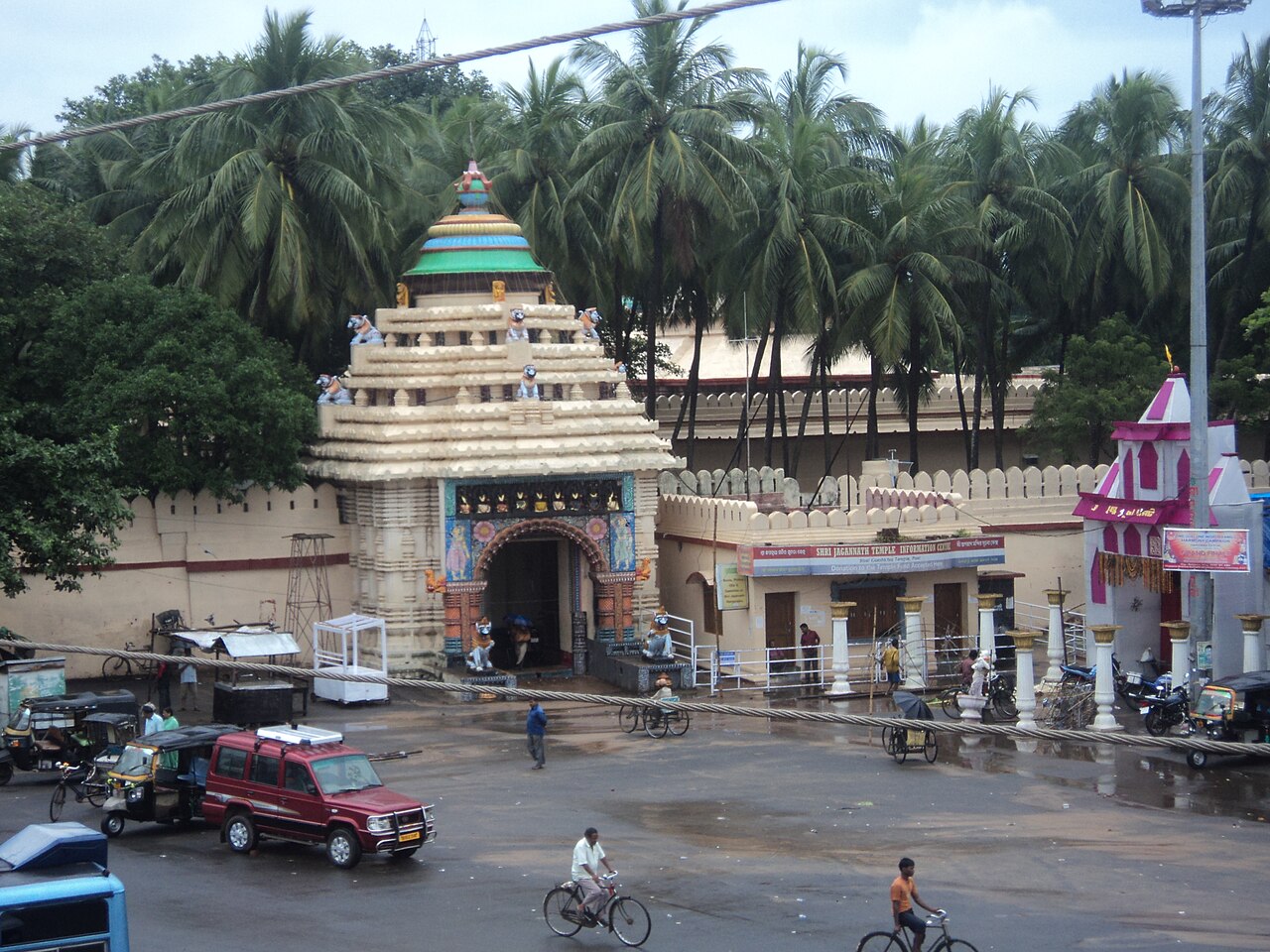
Gundicha Temple
معبد · 28 km · about 85 min by road
 #1 in Puriالدخول مجاني
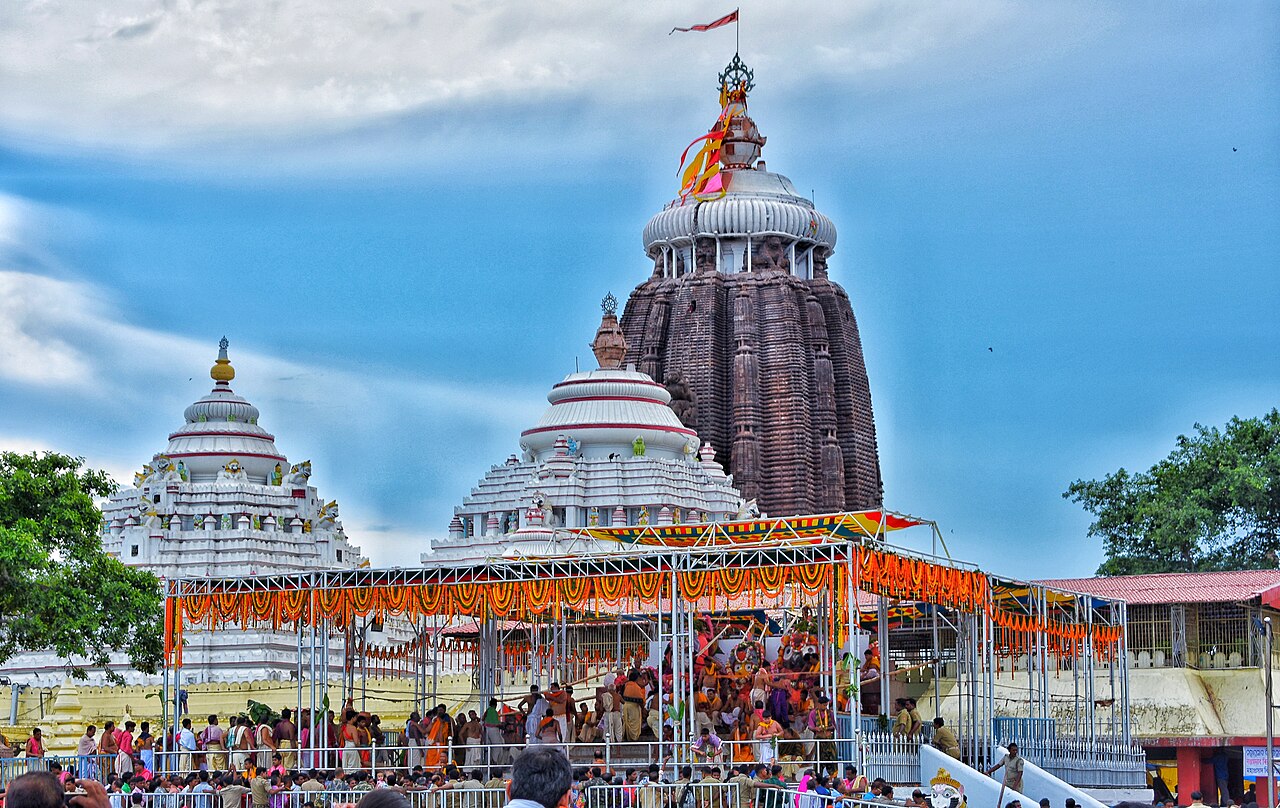
Jagannath Temple, Puri
معبد · 30 km · about 95 min by road
 #7 in Puriالدخول مجاني
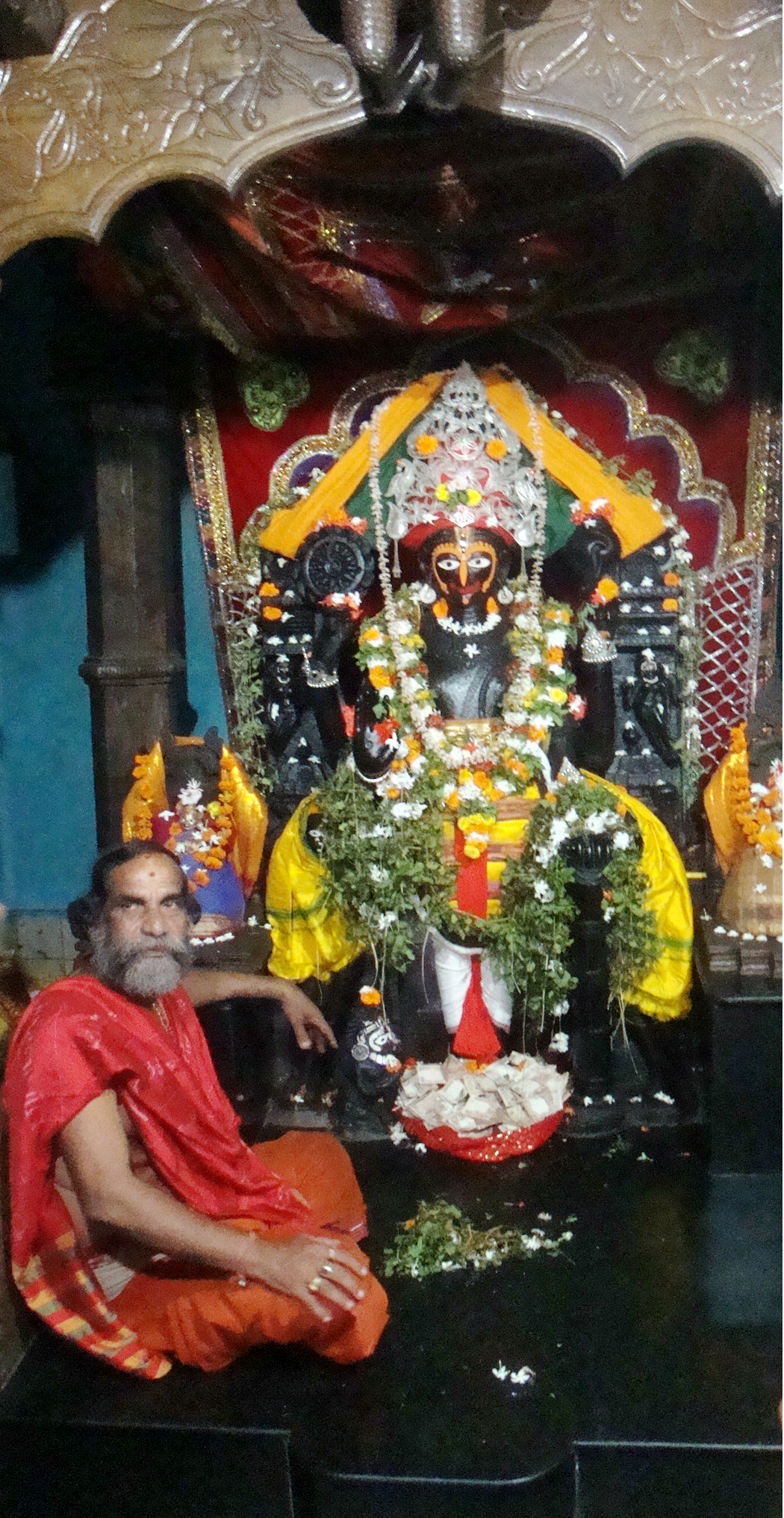
Alarnath Temple
معبد · 48 km · about 150 min by road
 #4 in Puriالدخول مجاني
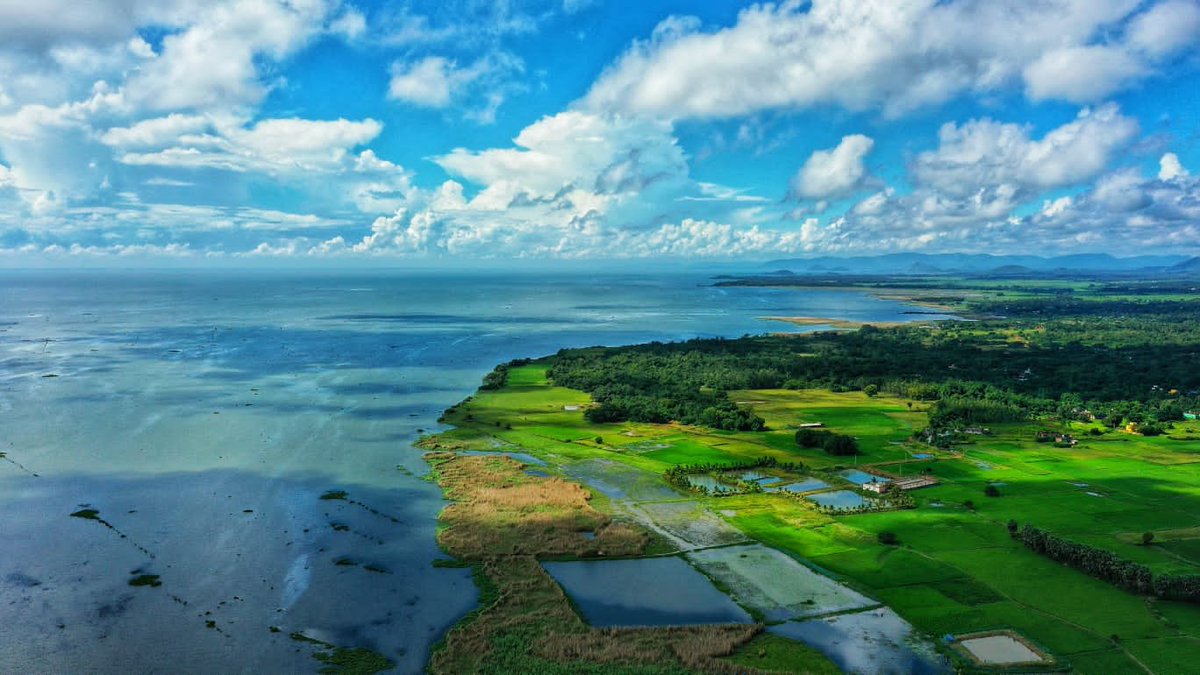
Chilika Lake – Satapada
بحيرة · 84 km · about 260 min by road