
Széchenyi Chain Bridge
#3von 9 Orten zum Besuchen in BudapestBudapest, Central Hungary, Hungary
Auch bekannt als Széchenyi Lánchíd · Lánchíd
Kurz gesagt
Öffnungszeiten: No fixed opening hours. Der Eintritt ist kostenlos. Plane 30 min ein. Beste Zeit: Sunrise for empty pavements.
Aktualisiert am · Erstellt von Traveliac, KI-unterstützt · 4 Min. Lesezeit
- Öffnungszeiten
- No fixed hours
- Open to pedestrians 24 hours a day, all year.
- Eintrittspreis
- Kostenlos
- Benötigte Zeit
- 30 min
- Beste Tageszeit
- Sunrise for empty pavements
- Beste Monate
- Apr – Jun, Sep – Oct
- Adresse
- Széchenyi lánchíd, 1051 Budapest, Hungary (Széchenyi István tér, Pest side, to Clark Ádám tér, Buda side)
Über Széchenyi Chain Bridge
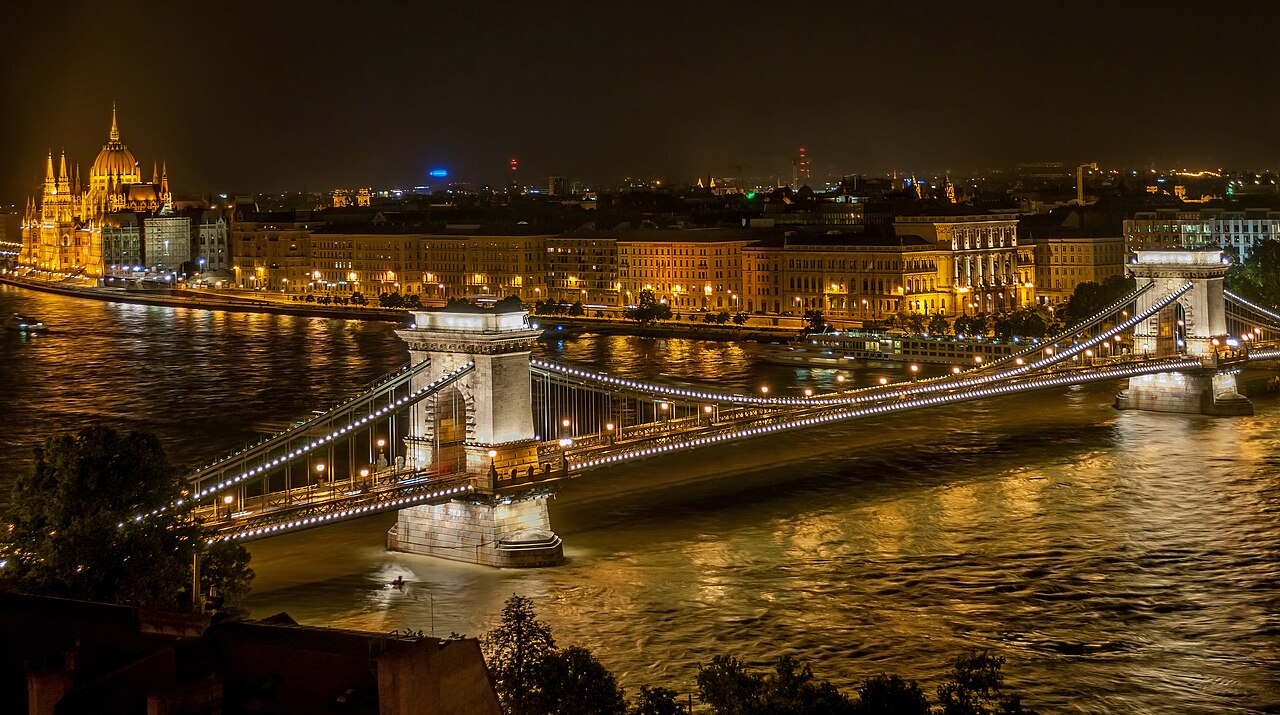
The Széchenyi Chain Bridge spans 202 metres over the Danube and opened on 20 November 1849, making it the first permanent bridge across the river in Budapest. William Tierney Clark of England designed the wrought-iron suspension bridge, and the Scottish engineer Adam Clark supervised its construction, for which reason the Buda-side square is named Clark Ádám tér. Two pairs of stone lions guard the bridge entrances, and crossing on foot is free, as of 2026. Széchenyi Chain Bridge connects Széchenyi István tér on the Pest bank, near the Gresham Palace, to the funicular terminus and the tunnel under Castle Hill on the Buda bank.
Beste Tageszeit: Sunrise for empty pavements. Or dusk to midnight when the bridge outline is lit, and the Buda Castle and Parliament are illuminated across the river.
Öffnungszeiten von Széchenyi Chain Bridge
- Öffnungszeiten
- No fixed hours
Mon–Sun No fixed hours - Open to pedestrians 24 hours a day, all year.
- Geschlossen an
- Täglich geöffnet
Gut zu wissen: Events and works can close the bridge temporarily; verify current closures at BKK.
Öffnungszeiten zusammengestellt aus budapestinfo.hu und öffentlichen Quellen, zuletzt aktualisiert am . Sie können sich ohne Vorankündigung ändern — vor der Reise bitte bestätigen. Wie wir diese Reiseführer schreiben
Eintrittspreis für Széchenyi Chain Bridge
| Ticket | Preis |
|---|---|
| Standardticket | Kostenlos |
| Ermäßigt (Studenten / Senioren) | Kostenlos |
| Kinder | Kostenlos |
Crossing the Széchenyi Chain Bridge on foot costs nothing, as of 2026. The bridge is open around the clock to walkers; road and bus access rules have changed since the 2021-2023 renovation, so verify closures, traffic-free days and events at the Budapest transport authority (BKK) site before assuming vehicle access.
Preise zusammengestellt aus budapestinfo.hu und öffentlichen Quellen, zuletzt aktualisiert am . Sie können sich ohne Vorankündigung ändern — vor der Reise bitte bestätigen. Wie wir diese Reiseführer schreiben
Beste Reisezeit für Széchenyi Chain Bridge
- Quiet
- Moderate
- Busy
- Very busy
05:00 - 08:00
SunriseBest time to go
Empty pavements, runners and photographers; soft light on the Buda hills.
Quiet08:00 - 11:00
Morning Commute
Commuter traffic on the roadway and a steady stream of early visitors on the pavements.
Moderate11:00 - 17:00
Daytime Peak
Tour groups stop mid-span for photographs and pavements are congested at both ends.
Very busy18:00 - 24:00
Evening Lights
Sunset and lit-bridge photographers fill the pavements; the busiest window is around golden hour.
Busy
Geschichte von Széchenyi Chain Bridge
The Széchenyi Chain Bridge was championed by Count István Széchenyi, whose name it carries, and the traditional account says that a delay crossing the Danube in 1820 showed him how badly the city needed a permanent link between Buda and Pest; the anecdote is widely repeated but not independently documented. Construction ran from 1840 to 1849, and the bridge is widely credited as the first crossing where the nobility also paid a toll, though the precise rules are not documented in the sources read. The stone lions were carved by János Marschalkó and installed in 1852; an urban legend says the sculptor was mocked for leaving them without tongues, but the tongues are simply hidden from view and the story is not documented.
The Széchenyi Chain Bridge was destroyed by retreating German forces in the 1944-45 siege of Budapest and rebuilt to its original design, reopening in 1949. An extensive renovation ran from March 2021 to August 2023, a full restoration of the structure, and the bridge visible today follows the 1849 design as rebuilt after the war.
Regeln & Etikette in Széchenyi Chain Bridge
The Széchenyi Chain Bridge is a public road bridge with pavements on both sides, and pedestrians should keep to the marked walkways and stay clear of the roadway. Vehicle and bus routes, and any traffic-free days, change with events and BKK planning, so check before assuming the roadway is closed to cars.
The Széchenyi Chain Bridge is a well-known spot for photographers and wedding shoots, and the pavements can be crowded with visitors stopping for pictures, so stand aside to let others pass. Tripods on the narrow walkways are best avoided in the middle of the day. Pickpockets operate in crowds on both ends of the bridge, so keep phones and wallets in zipped pockets. Drones are restricted in the central city, and flying one over the Danube corridor needs permission.
Tipps für den Besuch von Széchenyi Chain Bridge
- 1
The Széchenyi Chain Bridge is best crossed on foot from Pest to Buda in the late afternoon, ending at Clark Ádám tér for the Castle Hill Funicular or the walk up to Buda Castle. Sunrise gives empty pavements, while dusk lights the bridge and the palace above it.
- 2
The Széchenyi Chain Bridge lions guard the Buda and Pest abutments, and the most photographed view is from the Pest embankment looking toward Buda Castle. For a wide shot of the bridge with the castle behind it, walk along the Pest embankment near Vigadó tér. Restaurants on Széchenyi István tér charge tourist prices, so eat in the streets behind Vörösmarty tér. Combine the bridge with Buda Castle, Fisherman's Bastion and Matthias Church in one loop, or continue along the Pest embankment north to Parliament.
Anreise nach Széchenyi Chain Bridge
Der rote Stern zeigt Széchenyi Chain Bridge; die nummerierten Markierungen sind die 8 nächstgelegenen Orte aus unseren Reiseführern, jeweils mit ihrem Rang in der eigenen Stadt. Für Details auf eine Markierung tippen.
Széchenyi lánchíd, 1051 Budapest, Hungary (Széchenyi István tér, Pest side, to Clark Ádám tér, Buda side)Route in Google Maps
Ab Deák Ferenc tér
0.7 km · 9 min
Free on foot
Ab Budapest Ferenc Liszt Airport (BUD)
20 km · 50-60 min
HUF 2,500 for the 100E (as of 2026, third-party listing; verify at BKK)
Ab Clark Ádám tér
0.1 km · 2-10 min
HUF 500 single ticket for the bus (as of 2026, third-party listing; verify at BKK)
Nächster Flughafen
Ab Budapest Ferenc Liszt International Airport (BUD), about 20 km; 100E bus to Deák Ferenc tér, then a 10-minute walk.
Nächste Station
Ab Deák Ferenc tér (metro M1, M2, M3), about 700 m from the Pest end; Vörösmarty tér (M1) is a similar distance.
Häufige Fragen zu Széchenyi Chain Bridge
Is the Széchenyi Chain Bridge free to cross?
Yes. Crossing the Széchenyi Chain Bridge on foot is free at any hour, as of 2026, with pavements on both sides.
When was the Széchenyi Chain Bridge built?
It opened on 20 November 1849 after construction from 1840, and it was the first permanent bridge across the Danube in Budapest. It was destroyed in the 1944-45 siege and rebuilt, reopening in 1949.
Who designed the Széchenyi Chain Bridge?
William Tierney Clark designed it, and Adam Clark supervised construction; the two were unrelated, and the Buda-side square Clark Ádám tér is named for Adam Clark.
Do the Chain Bridge lions have tongues?
Yes. The story that the lions were carved without tongues is a legend, and the tongues are hidden from ground level, so the claim is not documented fact.
Mit KI-Unterstützung aus offiziellen Quellen und öffentlichen Aufzeichnungen erstellt und erst nach den Prüfungen veröffentlicht, die beschrieben sind unter Wie wir diese Reiseführer schreiben. Niemand von Traveliac war persönlich vor Ort. Zuletzt aktualisiert am . Wie wir Orte bewerten und prüfen
Orte in der Nähe von Széchenyi Chain Bridge
Luftlinien-Entfernungen laut unserer Karte; Zeiten sind Schätzwerte.
 #6 in BudapestFreier Eintritt
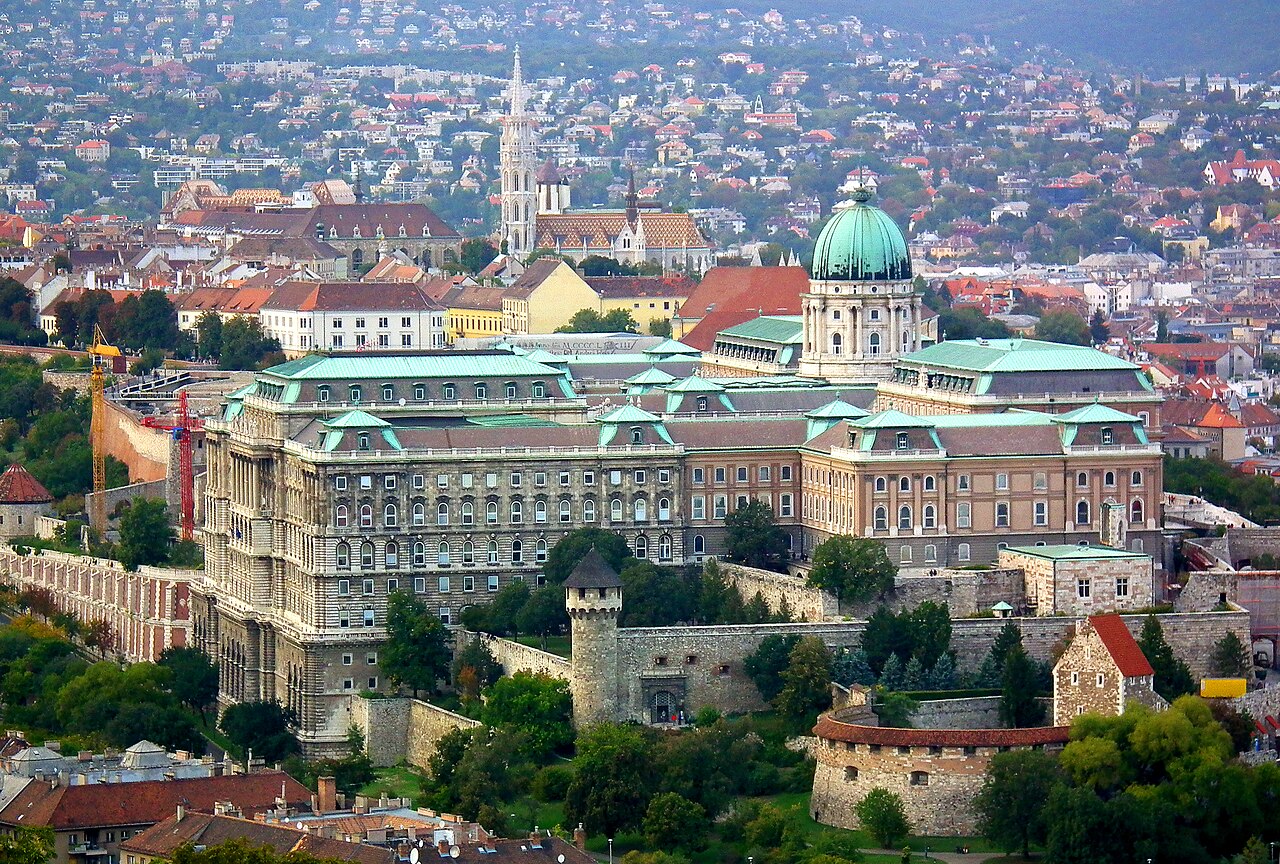
Buda Castle (Royal Palace)
Palast · 450 m · about 7 min walk
 #2 in BudapestFreier Eintritt
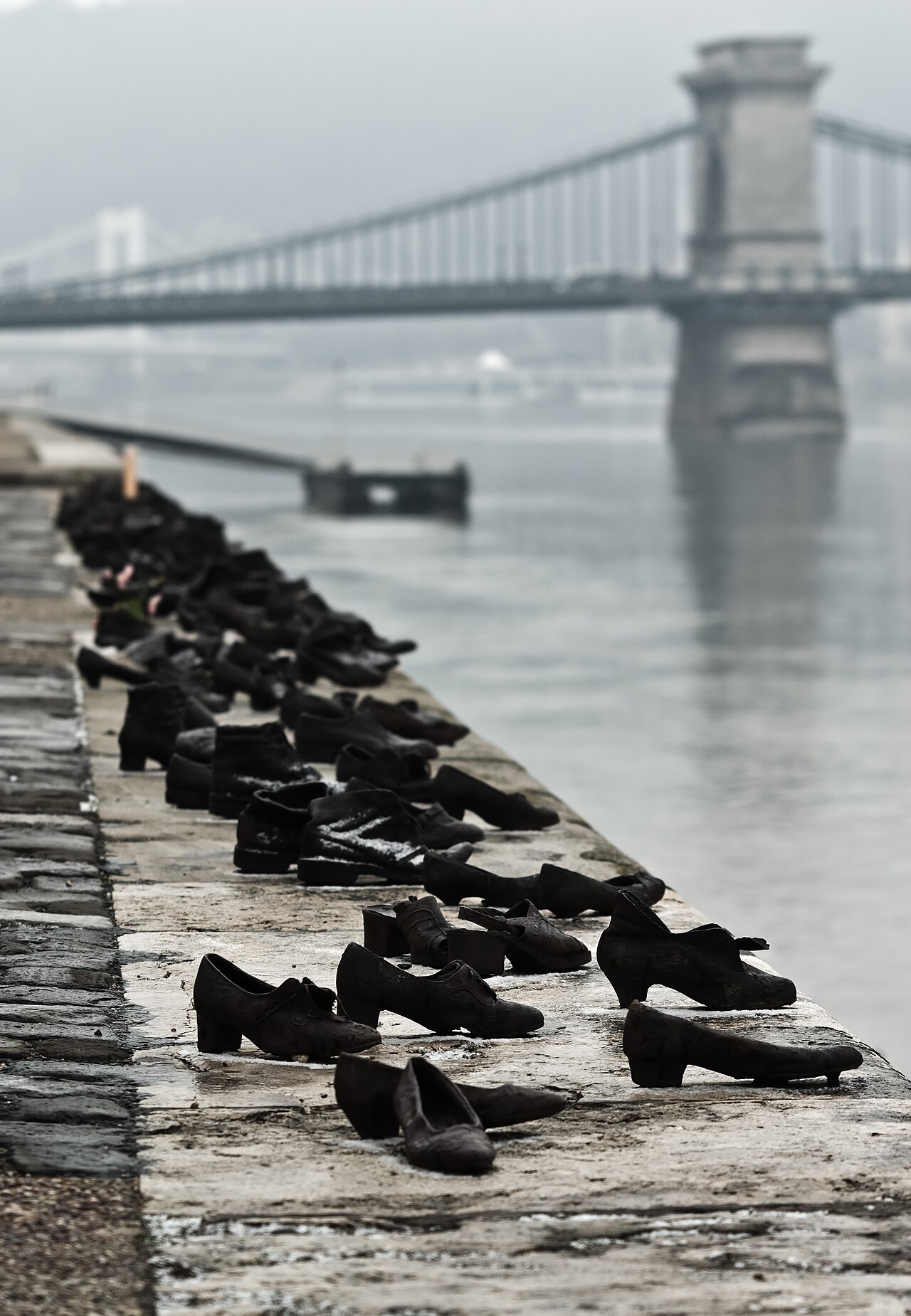
Shoes on the Danube Bank
Gedenkstätte · 550 m · about 9 min walk
 #8 in Budapest
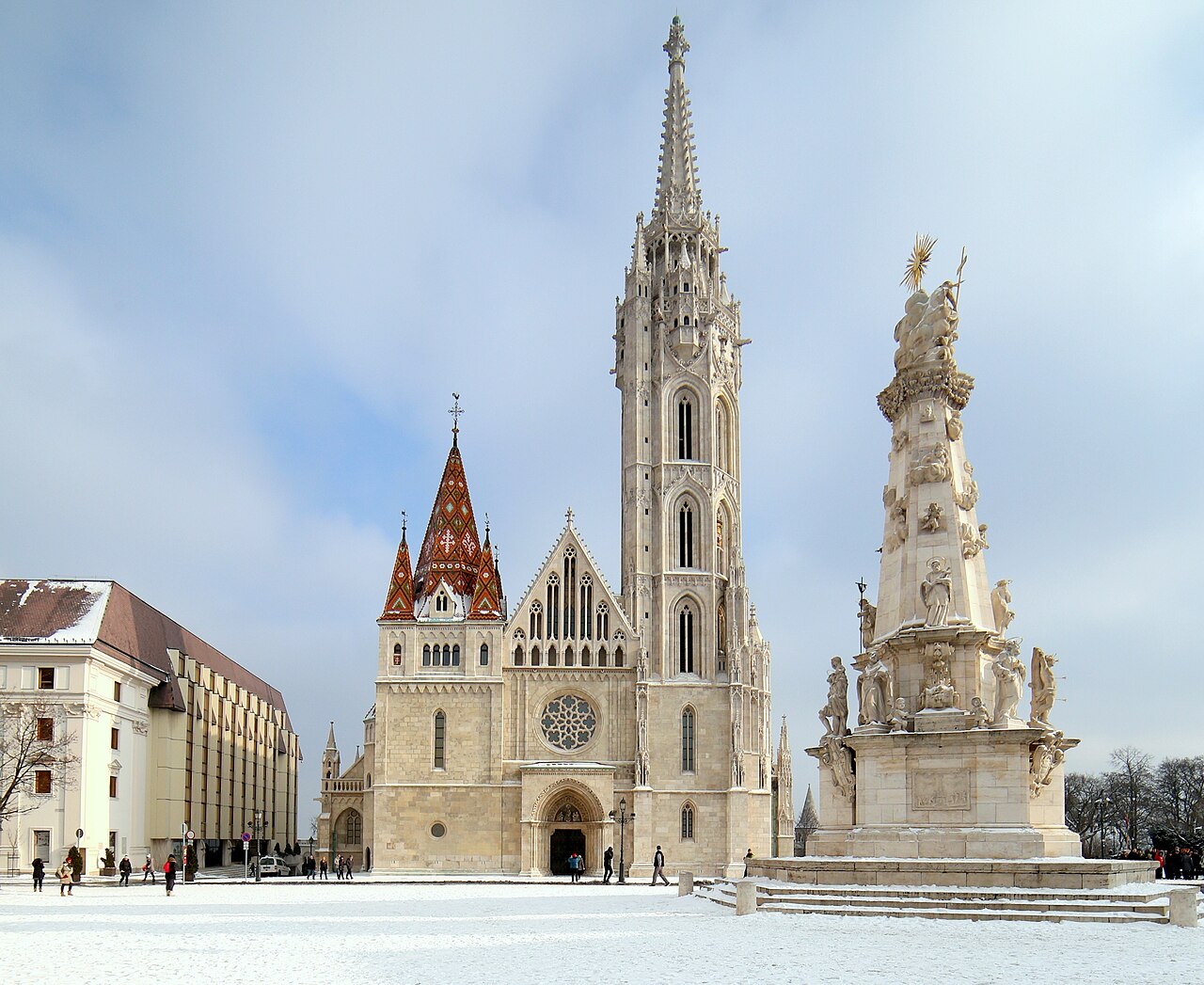
Matthias Church
Kirche · 800 m · about 13 min walk
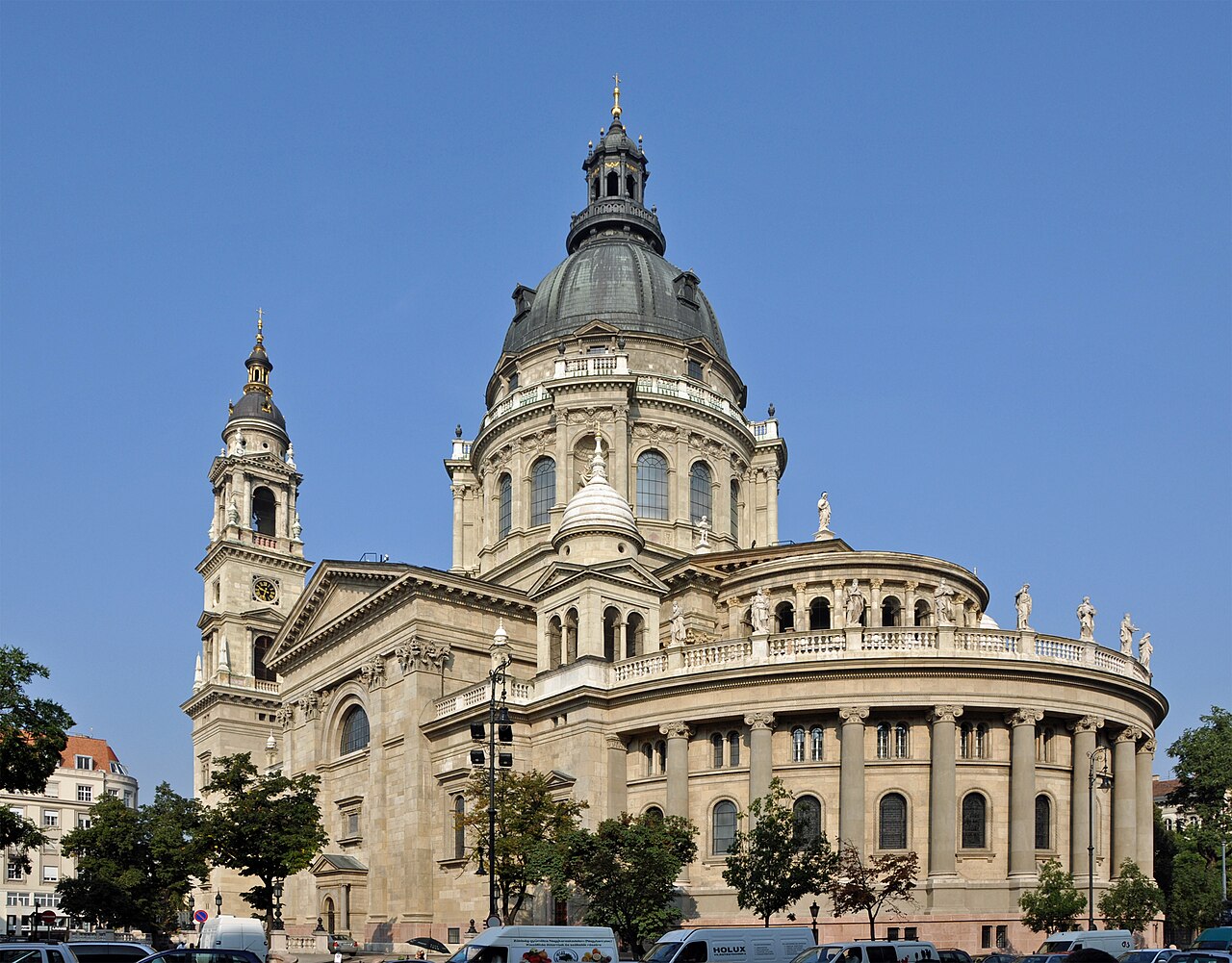 #4 in Budapest
St. Stephen's Basilica
Kirche · 800 m · about 13 min walk