
Kerameikos
#10de 10 lugares para visitar en AthensAthens, Attica, Greece
También conocido como Ceramicus · Kerameikos Archaeological Site and Museum
Respuesta rápida
Horario: 08:00–19:00 and 08:00–15:00, last entry 18:30. Entrada: €8. Calcula 1.5 hrs. Mejor momento: Weekday mornings.
Actualizado el · Redactado por Traveliac, con ayuda de IA · 4 min de lectura
- Horario
- 08:00–15:00
- Summer (April–October): 08:00–19:00 daily, last entry approx. 18:30. Winter (November–March): 08:00–15:00 daily, last entry approx. 14:30
- Precio de entrada
- €8
- Entrada desde
- Tiempo necesario
- 1.5 hrs
- Mejor momento del día
- Weekday mornings
- Mejores meses
- Apr – Jun, Sep – Oct
- Dirección
- Ermou 148, 10435 Athens, Greece
Sobre Kerameikos
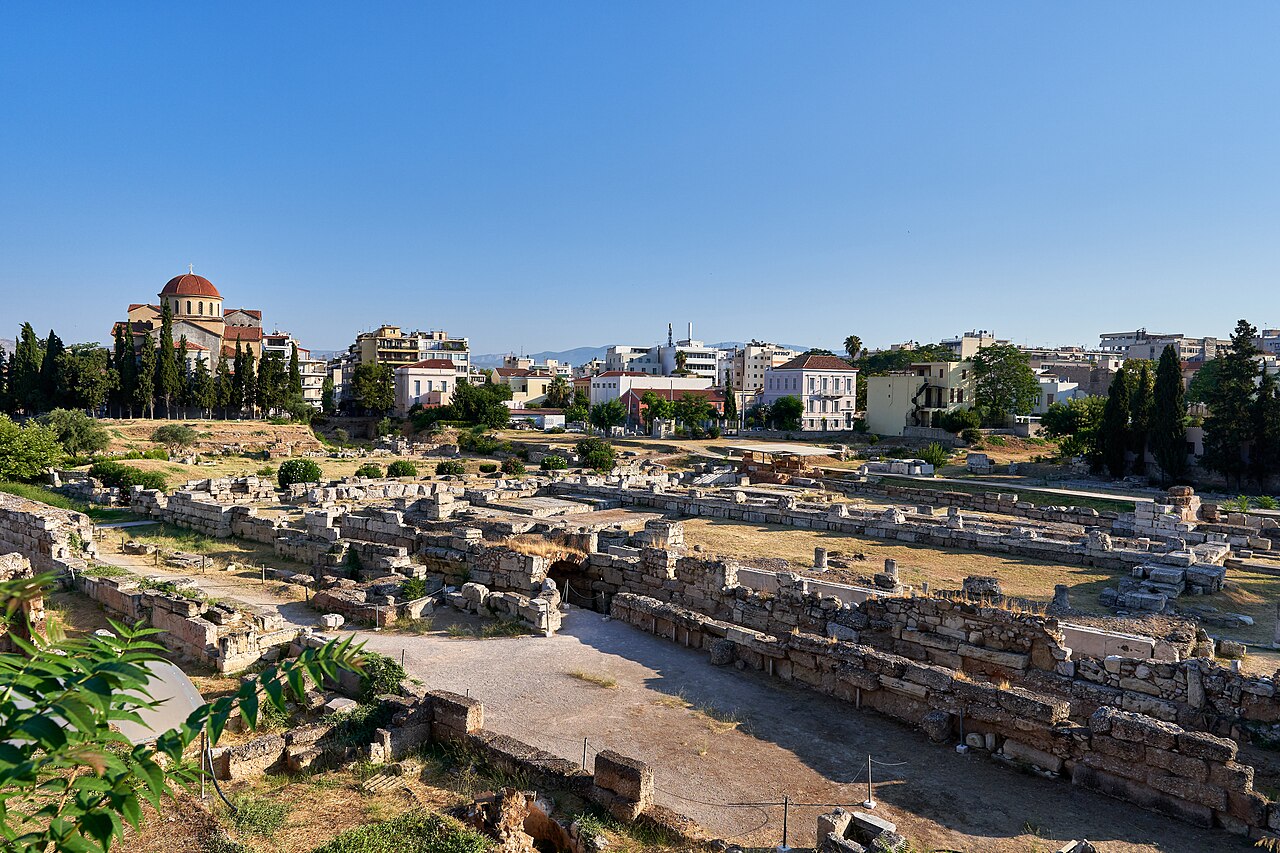
Kerameikos was ancient Athens's main cemetery and the district that gave the English word 'ceramic' its root, since potters historically worked the clay along the banks of the Eridanos stream that still runs, partly exposed, through the site. The area functioned continuously as a burial ground from the 12th century BCE through the Roman period, and its surviving grave markers — carved marble stelae showing the deceased in quiet domestic or farewell scenes rather than heroic poses — represent one of the largest collections of ancient Greek funerary sculpture still standing in its original outdoor context rather than relocated to a museum interior. In September 2026, Greek authorities reopened the site following a roughly €4 million EU Recovery and Resilience Facility-funded project that added about 4.5 stremmata (0.45 hectares) of newly accessible ground, exposing previously unseen Hellenistic and Roman-era house and workshop remains.
Mejor momento del día: Weekday mornings. Kerameikos draws a fraction of the Acropolis or Agora's visitor numbers even after its 2026 reopening, and the site's shaded riverside sections stay cool longer into the morning.
Horario de Kerameikos
- Horario
- 08:00–15:00
Mon–Sun 08:00–19:00 and 08:00–15:00 - Summer (April–October): 08:00–19:00 daily, last entry approx. 18:30. Winter (November–March): 08:00–15:00 daily, last entry approx. 14:30
- Cierra los
- 1 January, 25 March, 1 May, Orthodox Easter Sunday, 25 December, 26 December
Bueno saber: Hours reflect the pre-2025-closure schedule and should be reconfirmed given the September 2026 reopening after major site works; the newly enlarged grounds may carry revised visiting hours.
Horario recopilados de tickets.hh.gr y registros públicos, última actualización el . Pueden cambiar sin previo aviso — confírmalos antes de viajar. Cómo escribimos estas guías
Precio de entrada de Kerameikos
| Entrada | Precio |
|---|---|
| Entrada estándar | €8 |
| Tarifa reducida (estudiante / mayor) | €4 |
| Niños | Gratis |
Last confirmed pre-closure pricing was €8 adult / €4 reduced in summer, roughly half that in winter. The site reopened around 16 September 2026 after a multi-year, EU Recovery Fund-financed accessibility and presentation upgrade; ticket pricing had not been independently reconfirmed post-reopening at the time of writing. Verify current fees at tickets.hh.gr or the site entrance before visiting, as of 2026.
Precios recopilados de tickets.hh.gr y registros públicos, última actualización el . Pueden cambiar sin previo aviso — confírmalos antes de viajar. Cómo escribimos estas guías
Mejor época para visitar Kerameikos
- Quiet
08:00 – 10:00
Morning OpeningBest time to go
Minimal visitor numbers; a good window for unhurried viewing of the funerary stelae along the Sacred Way.
Quiet10:00 – 13:00
Mid-Morning
Even at its busiest, Kerameikos sees far fewer visitors than the Acropolis or Agora, though post-reopening interest in the newly expanded grounds may raise numbers somewhat through 2026.
Quiet13:00 – 16:00
Midday
Shaded sections near the Eridanos streambed offer relief from direct sun during the hottest hours.
Quiet16:00 – 18:30
Late Afternoon
Consistently quiet through closing; a reliable choice for a calm final stop in a day of sightseeing.
Quiet
Historia de Kerameikos
The site's two great gates, the Sacred Gate and the Dipylon Gate, marked the western entrance to the walled city of Athens and the starting point of the Panathenaic Way, the ceremonial road along which the Panathenaic procession travelled to the Acropolis each year. Wealthy Athenian families lined this road with elaborate funerary monuments through the Classical period, and several of the finest surviving examples — the Stele of Hegeso, showing a seated woman examining jewellery handed to her by a servant, is among the most reproduced in textbooks — remain displayed at or near their original find spots. Athenian law required public burial at state expense for soldiers killed in war, and Kerameikos held the Demosion Sema, the public cemetery for war dead, where the historian Thucydides records Pericles delivered his funeral oration honouring the fallen of the war's first year, a speech that survives as one of the foundational texts of Western political rhetoric. The 2023-2026 restoration project, beyond expanding the excavated area, focused on step-free accessibility routes and a new visitor entrance, addressing long-standing complaints that the site's gravel paths and uneven ancient paving were difficult for visitors with mobility limitations.
Normas y etiqueta en Kerameikos
The Eridanos streambed crossing near the Sacred Gate can be slippery when the water table is high after rain; marked crossing points should be used rather than improvised routes across exposed stones. The on-site museum, a small neoclassical building housing grave stelae and burial goods, keeps its own more limited hours within the site's overall opening window, so checking both schedules before a planned museum visit is worthwhile. Photography is unrestricted for personal use throughout the outdoor site and museum galleries alike. Given the site's much lower visitor volume compared to the Acropolis, guides and staff are more available for informal questions, though formal tours still require advance booking through a licensed operator.
Consejos para visitar Kerameikos
- 1
Kerameikos pairs naturally with the Ancient Agora, a 10-minute walk southeast, since both sites illuminate the working and civic dimensions of ancient Athenian life that the Acropolis's religious monuments do not cover. Given the 2026 reopening added substantial new excavated ground, even visitors who saw the site before its closure will find genuinely new material to see, particularly the Hellenistic-Roman residential quarter on the site's northern expansion. The museum's small scale — a handful of rooms — makes it an easy add-on rather than a separate half-day commitment. Because crowd levels remain consistently low relative to Athens's headline sites, Kerameikos is a reasonable choice for visitors seeking a calmer archaeological experience during the busiest summer weeks, when the Acropolis and Agora queues run longest.
Cómo llegar a Kerameikos
La estrella roja es Kerameikos; los pines numerados son los 8 lugares más cercanos de nuestras guías, cada uno con su clasificación en su ciudad. Toca un pin para ver más detalles.
Ermou 148, 10435 Athens, GreeceCómo llegar en Google Maps
Desde Athens International Airport (ATH)
32 km · 45-55 min
€9 single airport fare
Desde Monastiraki metro station
0.9 km · 12 min walk
Free (walking)
Desde Thiseio metro station
0.7 km · 9 min walk
Free (walking)
Aeropuerto más cercano
Desde Athens International Airport Eleftherios Venizelos (ATH)
32 km, approximately 45–55 minutes via metro Line 3 to Monastiraki then Line 3 branch or a short taxi.
Estación más cercana
Desde Kerameikos metro station (Line 3, blue line)
400 m, a 5-minute walk; Thiseio station (Line 1) – 700 m.
Preguntas frecuentes sobre Kerameikos
Is Kerameikos currently open to visitors?
Yes, the site reopened around 16 September 2026 following a multi-year accessibility and presentation upgrade funded partly by the EU Recovery and Resilience Facility. It had been closed since May 2025 for these works.
What does the name Kerameikos mean, and why does it matter to English speakers?
Kerameikos was the potters' quarter of ancient Athens, named for the clay-working craftsmen (kerameis) who worked along the Eridanos stream here; the word is the direct root of the modern English word 'ceramic'.
What is the Demosion Sema?
It was the public cemetery within Kerameikos reserved for Athenian soldiers who died in war, buried at state expense. The historian Thucydides records that Pericles delivered his famous funeral oration here honouring the war dead of the first year of the Peloponnesian War.
Is Kerameikos less crowded than the Acropolis?
Yes, significantly. Even accounting for renewed interest following its September 2026 reopening, Kerameikos draws a fraction of the visitor volume of the Acropolis, Ancient Agora, or Acropolis Museum, making it one of the calmer major sites in central Athens.
Redactado con ayuda de IA a partir de fuentes oficiales y registros públicos, y publicado solo tras las comprobaciones descritas en Cómo escribimos estas guías. Nadie de Traveliac ha visitado este lugar. Última actualización el . Cómo clasificamos y verificamos los lugares
Lugares para visitar cerca de Kerameikos
Distancias en línea recta según nuestro mapa; los tiempos son estimados.
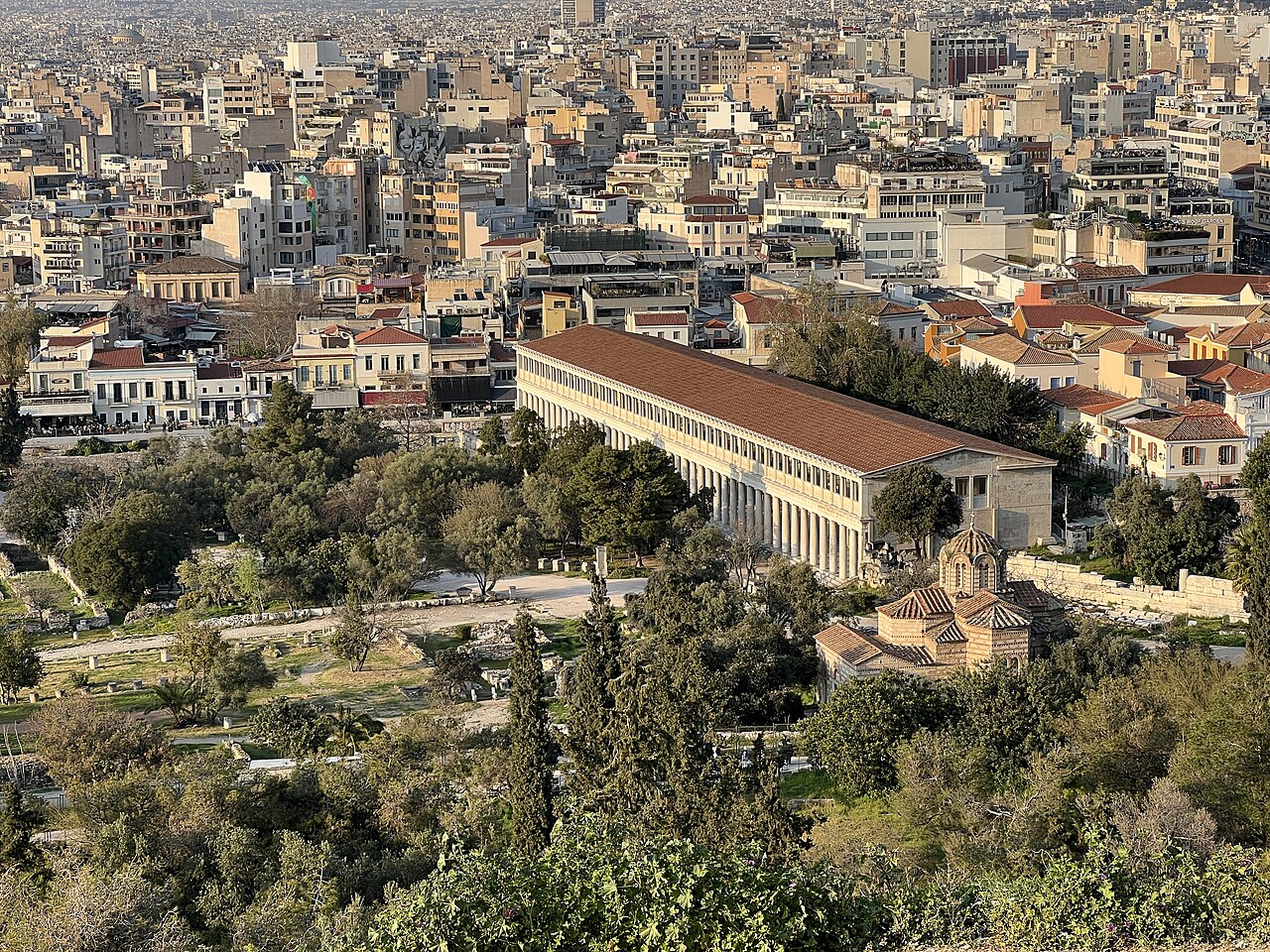 #3 in Athens
Ancient Agora of Athens
Patrimonio · 500 m · about 8 min walk
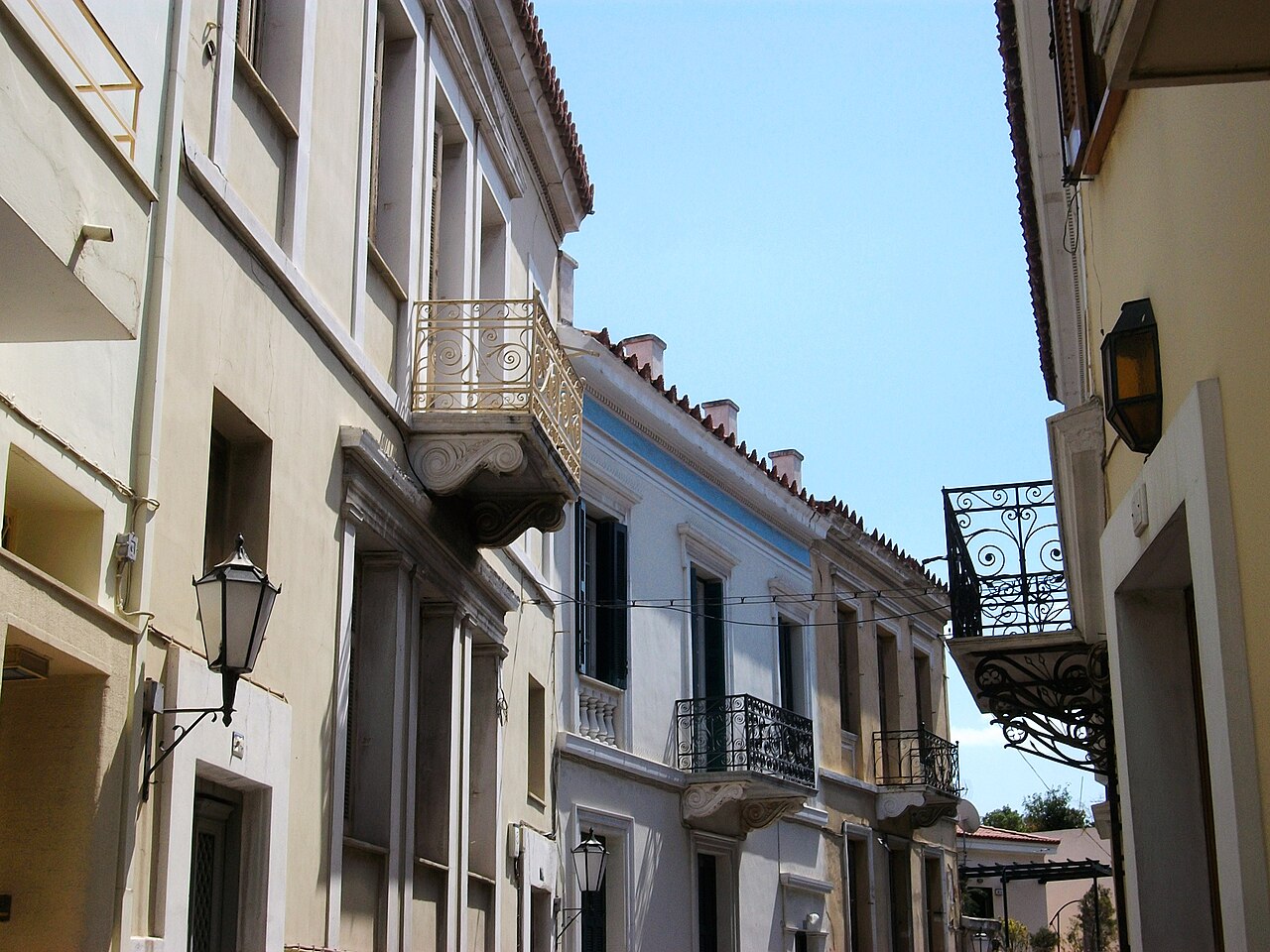 #6 in AthensEntrada gratuita
Plaka
Patrimonio · 1.2 km · about 20 min walk
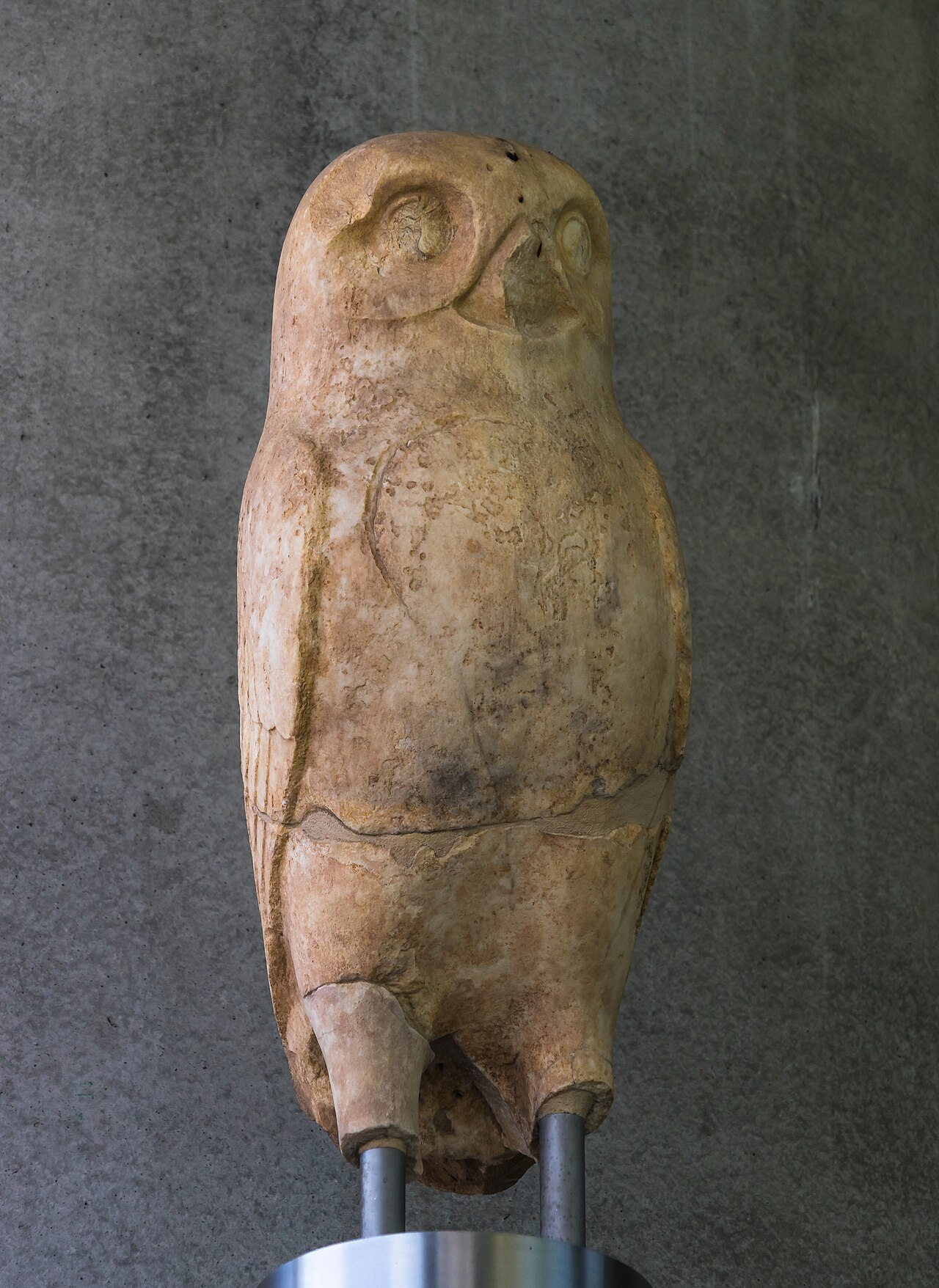 #2 in Athens
Acropolis Museum
Museo · 1.3 km · about 21 min walk
 #9 in AthensEntrada gratuita
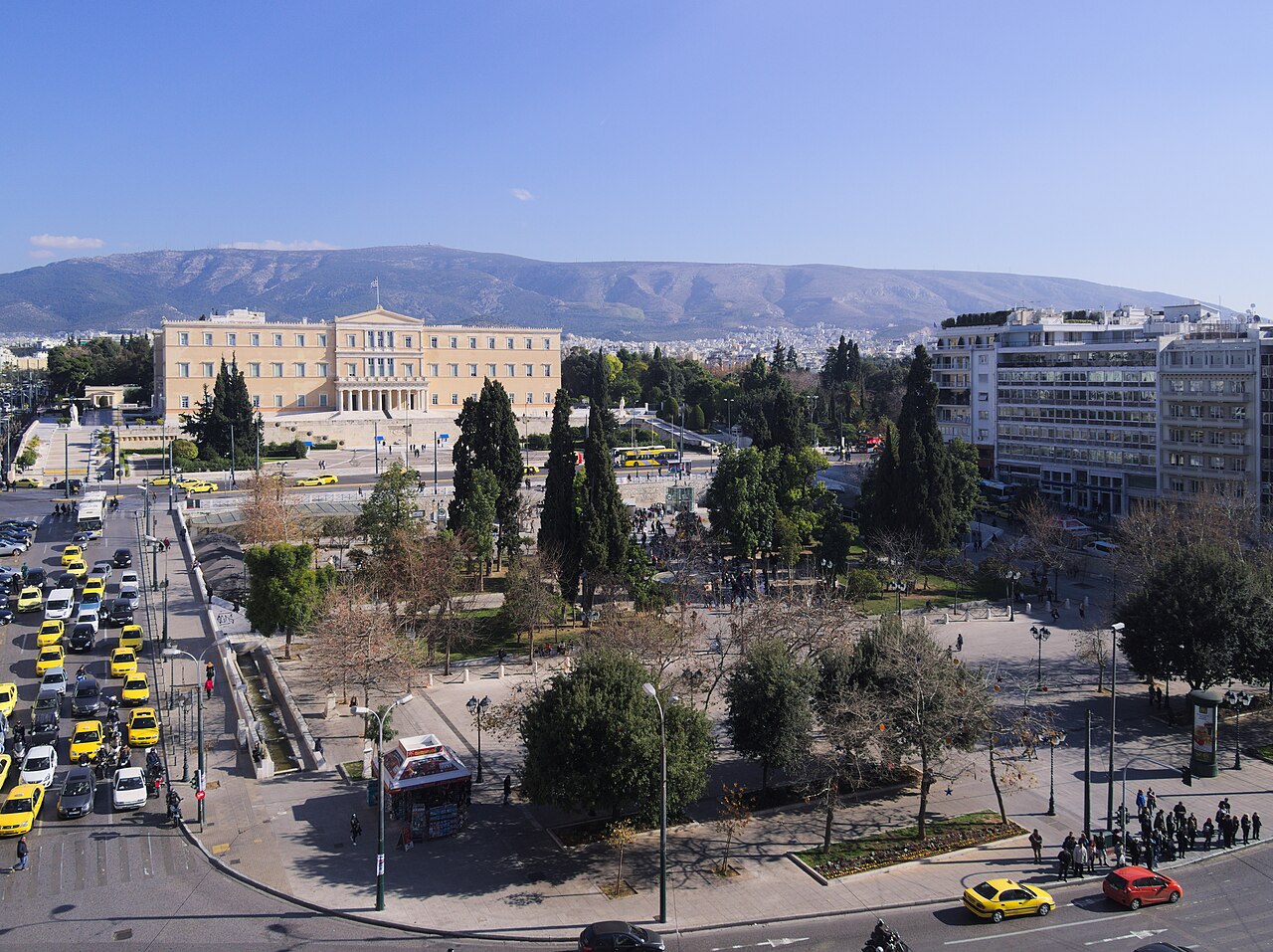
Syntagma Square & Changing of the Guard
Patrimonio · 1.4 km · about 23 min walk