
Guía de viaje de Lazio
8 lugares para visitar en Rome
También conocido como Roma · The Eternal City
Rome spans both banks of the Tiber River across seven historic hills, with roughly 2,800 years of continuous habitation layered into a single walkable centro storico.
Actualizado el ·Redactado por Traveliac, con ayuda de IA ·Cómo clasificamos
- Mejor momento
- Apr – Jun, Sep – Oct
- Tiempo necesario
- Unos 2 días
- 10 horas de visitas
- Aeropuerto de llegada
- Rome Fiumicino (FCO)
- Estación más cercana
- Colosseo (Metro Line B)
- Entrada gratuita
- 3 de 8
Lo mejor para hacer en Rome
Clasificado según cinco criterios publicados- 1
Patrimonio
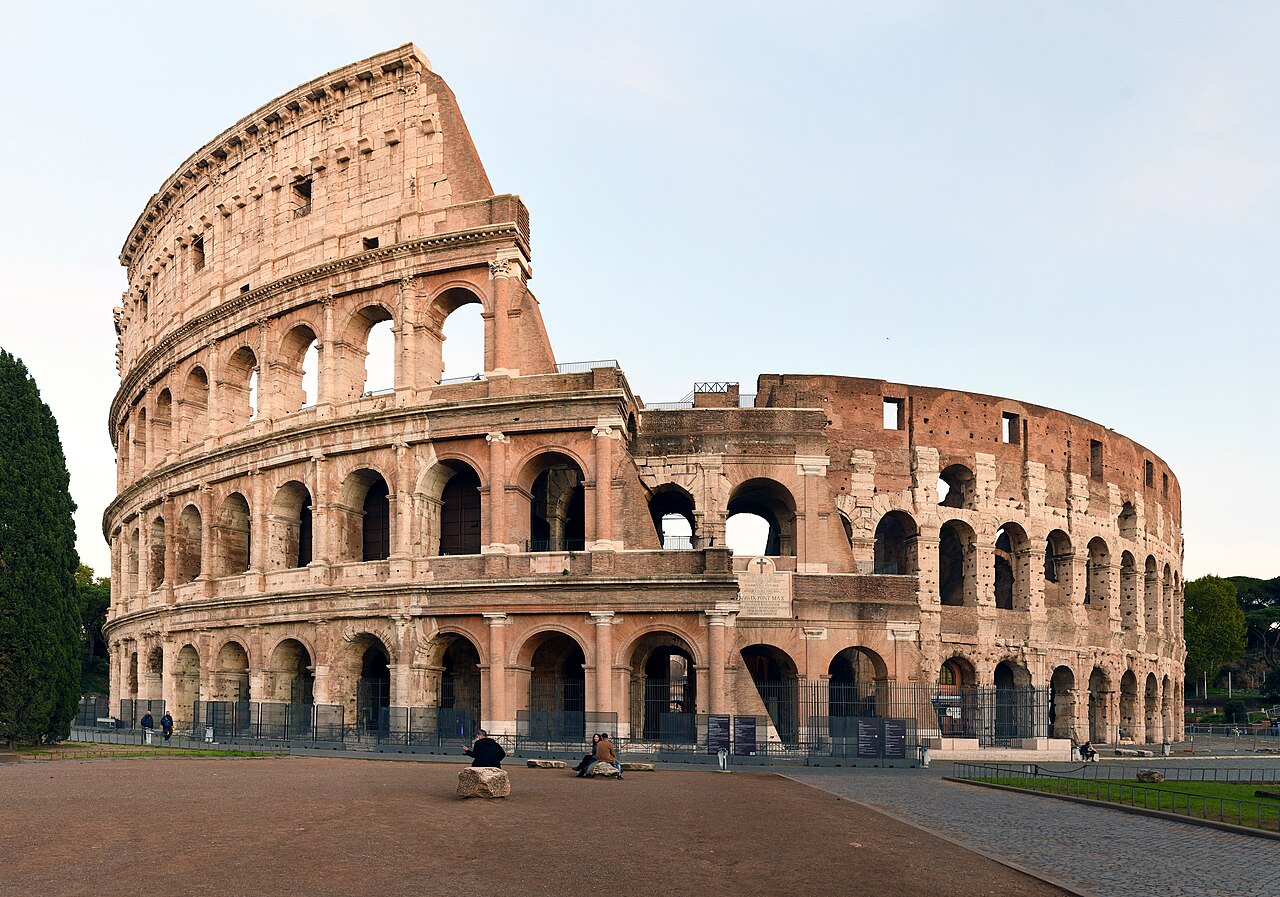
Colosseum
The Colosseum charges €18 for the combined Colosseum–Forum–Palatine ticket and opens at 08:30 year-round, as of 2026.
2 hrs€18
 2
2Mirador
Roman Forum & Palatine Hill
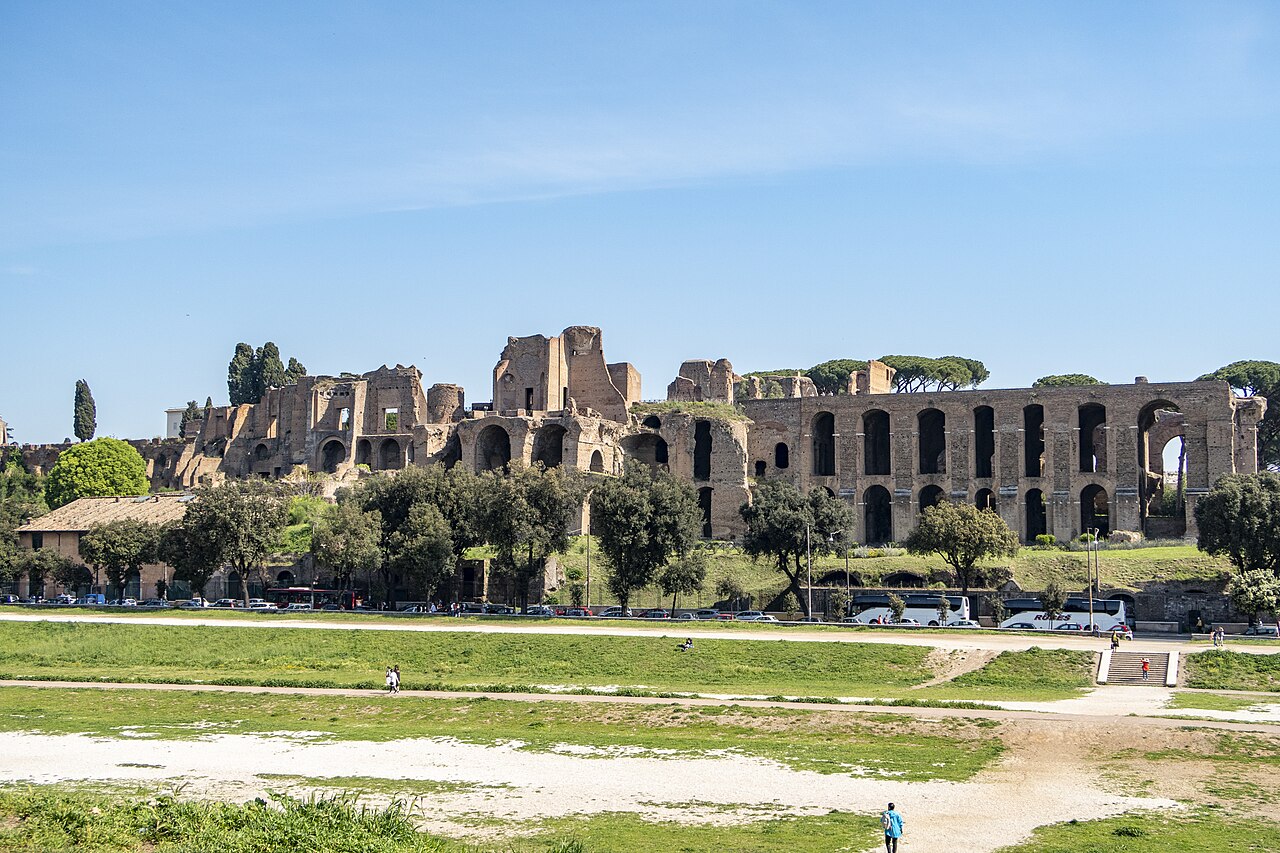
The Roman Forum and Palatine Hill sit on the same €18 combined ticket as the Colosseum and cover roughly 250,000 square metres of excavated ruins, as…
2.5 hrs€18
 3
3Templo
Pantheon
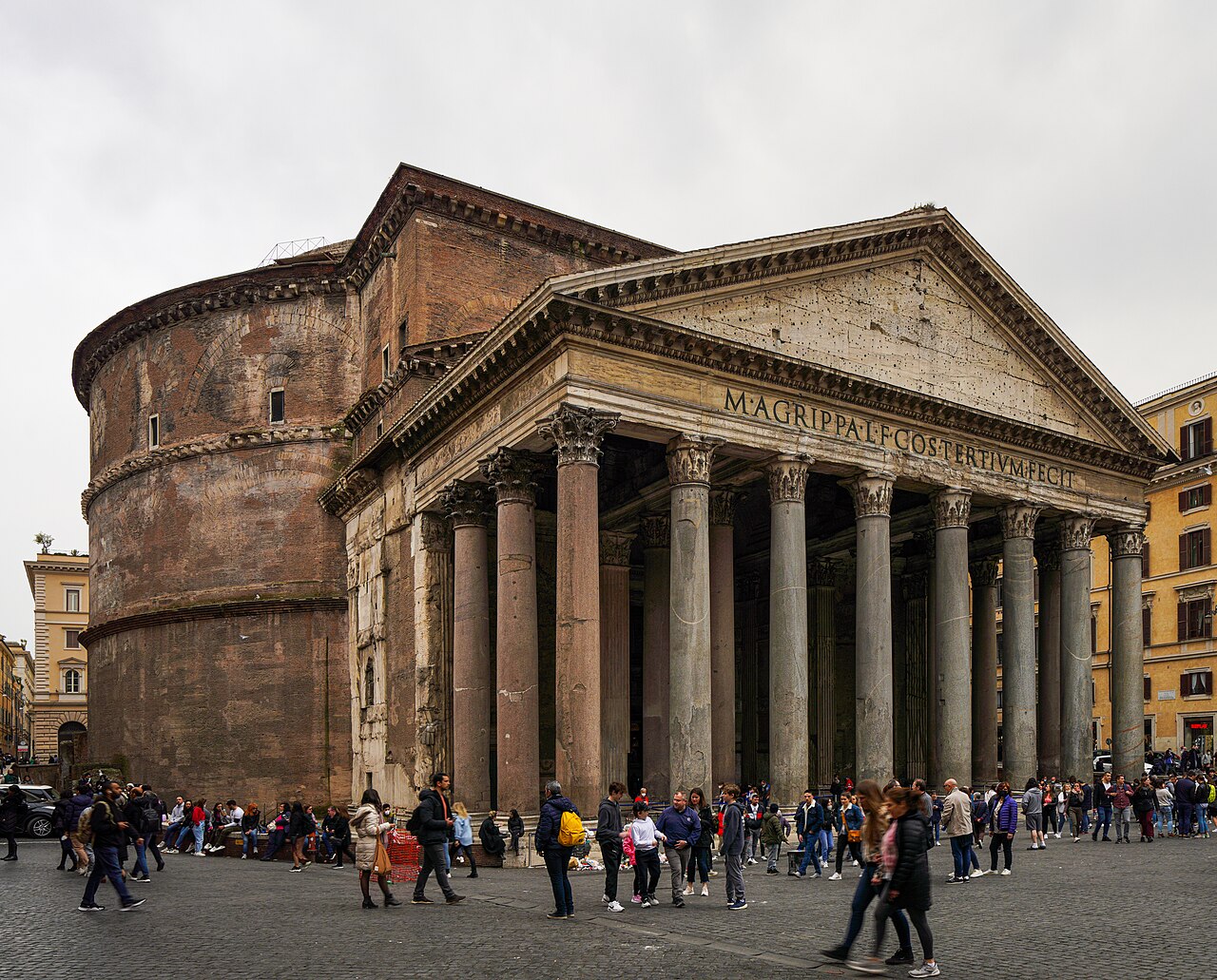
The Pantheon charges €7 for adult entry as of July 2026 and remains, at 43.3 metres in both diameter and height, the largest unreinforced concrete…
45 min€7
 4Entrada gratuita
Patrimonio
Piazza Navona
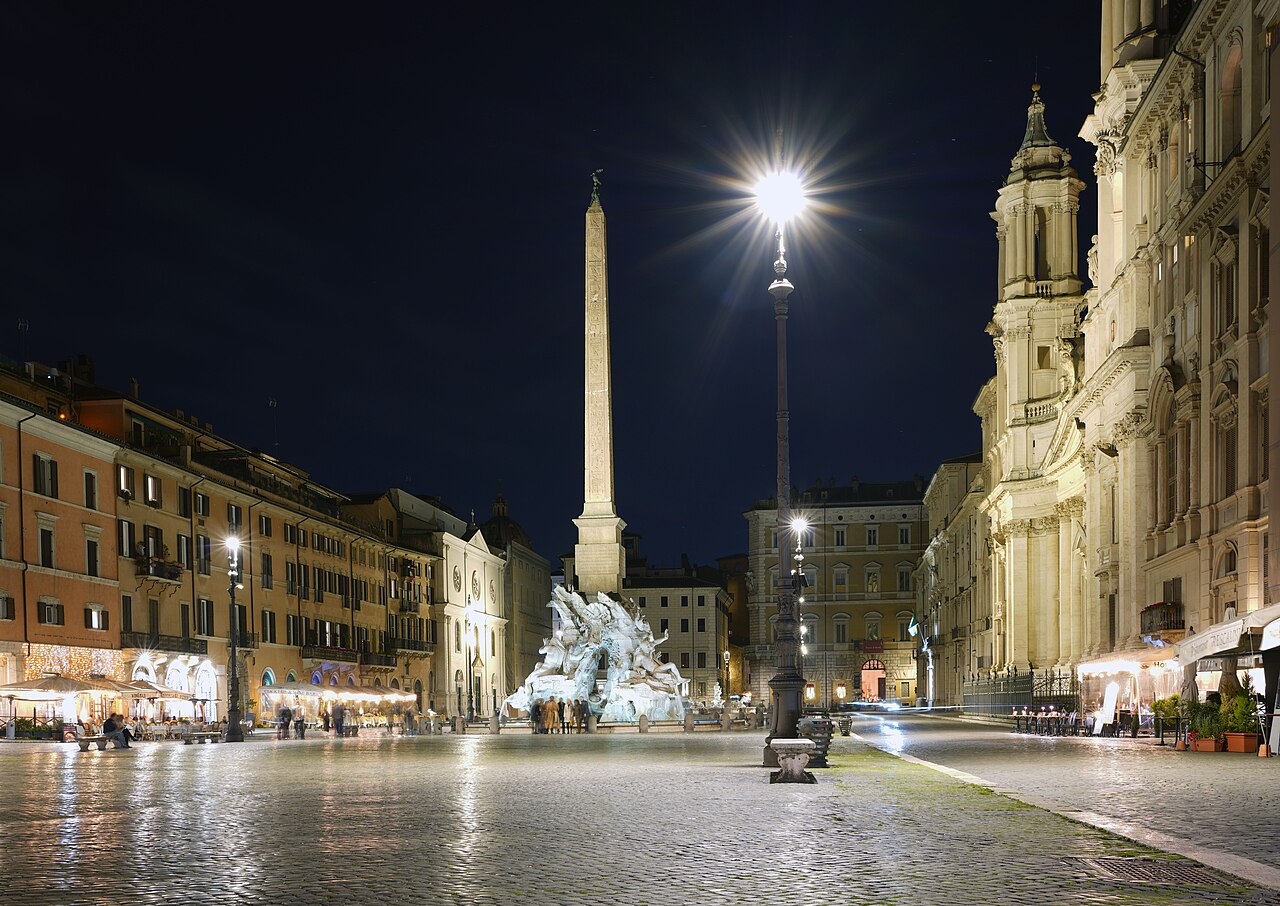
Piazza Navona costs nothing to visit and traces its elongated, rounded-end shape directly to the Stadium of Domitian, an athletics arena built in 86…
45 min
 5
5Patrimonio
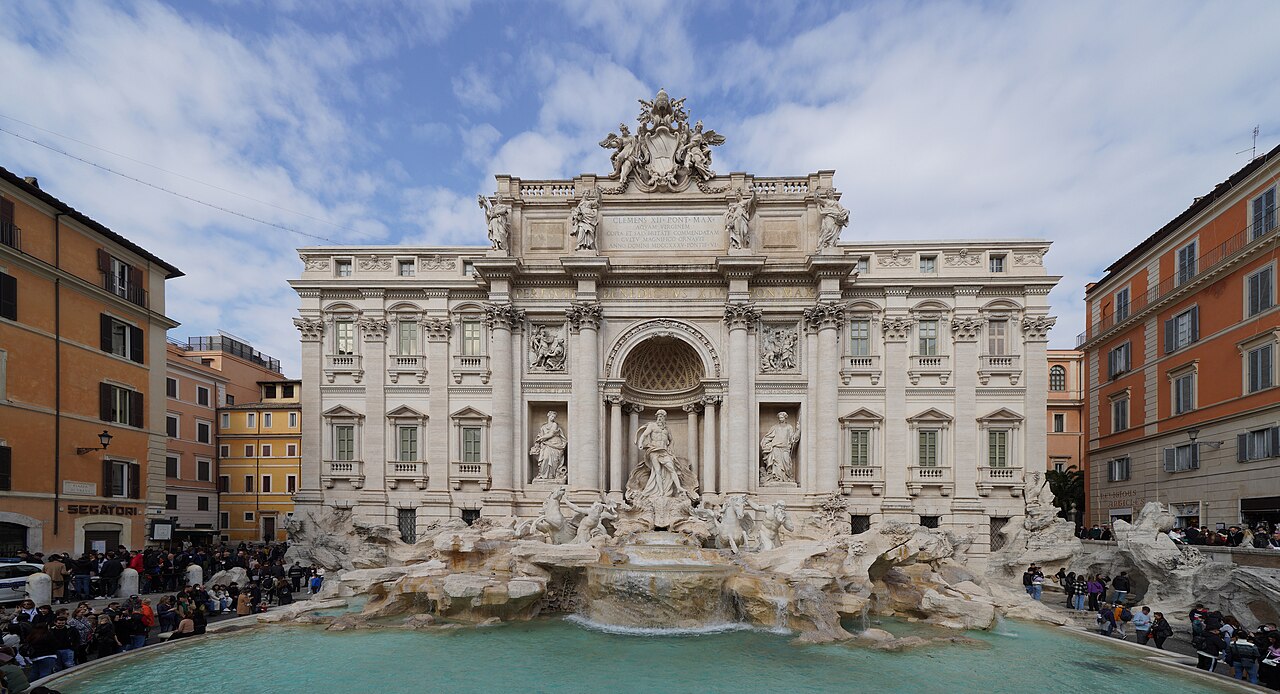
Trevi Fountain
The Trevi Fountain is free to view from the piazza at any hour and has required a €2 ticket for entry to the lowered basin-edge viewing area since 2…
30 min€2
 6Entrada gratuita
Patrimonio
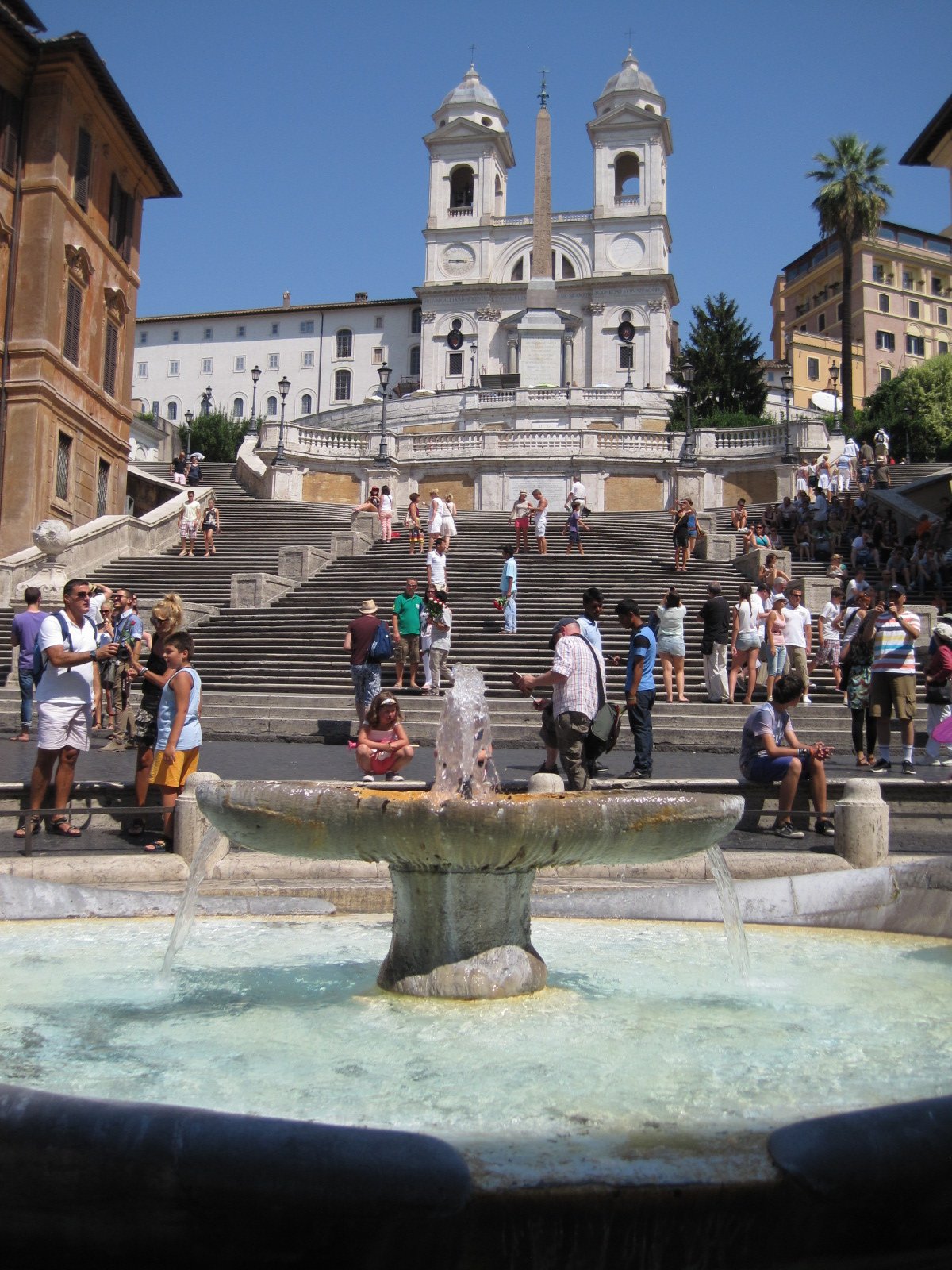
Spanish Steps
The Spanish Steps rise 135 travertine and peperino-stone steps between Piazza di Spagna and the church of Trinità dei Monti and cost nothing to…
30 min
 7Entrada gratuita
Iglesia
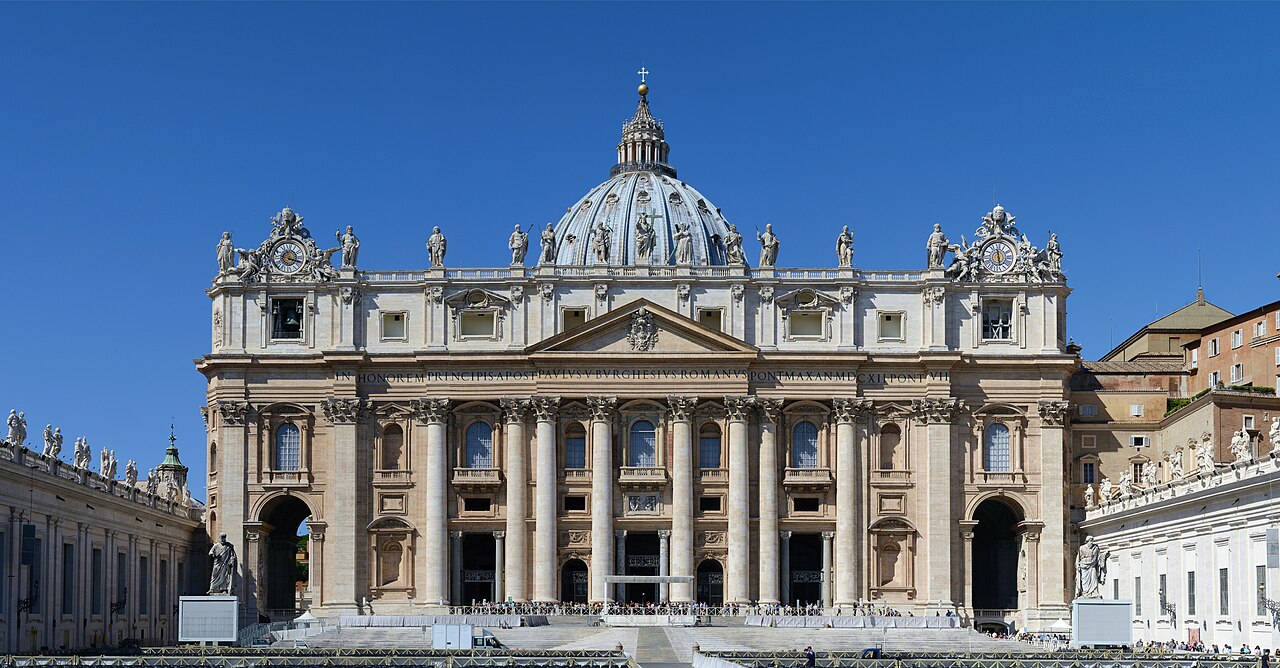
St. Peter's Basilica
St. Peter's Basilica has free general admission and stands as the largest church interior in the world by volume, its nave running 187 metres from…
1.5 hrs
 8
8Museo
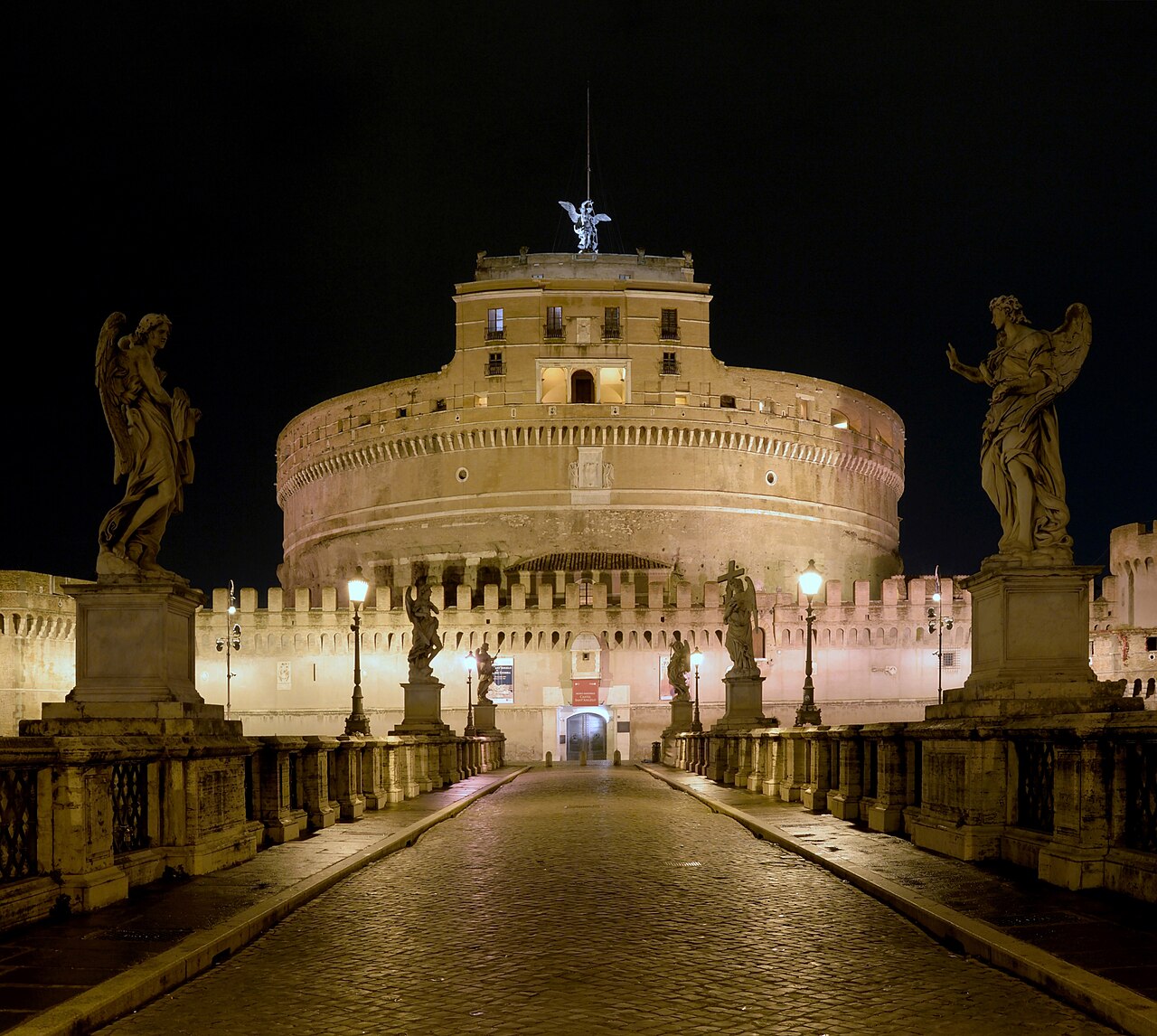
Castel Sant'Angelo
Castel Sant'Angelo charges €16 for adult admission, as of 2026, and began as Emperor Hadrian's personal mausoleum, completed in 139 CE, a year after…
1.5 hrs€16
Excursiones desde Rome
Vale la pena si te sobra un día, empezando por los más cercanos.
25 km · 35m (or 40m by direct train from Piramide station)
Ostia Antica
A far less crowded ancient Roman port city than Pompeii, with intact multi-storey apartment blocks (insulae), mosaic-floored baths, and a working theatre, reachable on a standard Rome public transport ticket.
25 km · 35-45m by car or regional train to Frascati
Castelli Romani (Frascati & Castel Gandolfo)
Hill towns southeast of Rome known for white wine production and porchetta, plus the Pope's former summer residence and gardens at Castel Gandolfo overlooking Lake Albano.
36 km · 50m by car, or 1h by regional train from Tirburtina/Termini plus local bus
Tivoli (Villa d'Este & Hadrian's Villa)
Two separate UNESCO World Heritage sites in one town: Villa d'Este's Renaissance terraced water gardens with hundreds of fountains, and the sprawling ruins of Emperor Hadrian's 2nd-century imperial retreat.
50 km · 50m by car, or 1h by regional train from Termini
Cerveteri (Necropoli della Banditaccia)
A UNESCO-listed Etruscan necropolis with hundreds of tumulus tombs carved to resemble domestic interiors, offering a pre-Roman counterpoint to the classical sites inside the city.
Sobre Rome
The ancient core — Colosseum, Roman Forum, Palatine Hill — sits east of the river, while the Vatican, an independent sovereign state under the Holy See rather than Italian territory, occupies the west bank around St. Peter's Basilica and the Vatican Museums. Between them, the compact Renaissance and Baroque centre holds the Pantheon, Piazza Navona, and the Trevi Fountain within a roughly one-kilometre radius, making most of the city's headline sites reachable on foot without relying on the metro, which only runs two full lines (A and B) skirting the historic centre rather than crossing it directly.
Roma Termini functions as the city's rail and long-distance bus hub, connected to Fiumicino Airport by the direct Leonardo Express train (about 32 minutes) and to the smaller Ciampino Airport by bus. Fiumicino remains the primary international gateway; Ciampino serves mostly low-cost European carriers. Traffic-restricted zones (ZTL) cover much of the historic centre, so walking, metro, and buses are more practical than driving or even taxis for short hops between major sites.
April through June and September through October bring the most workable balance of mild temperatures and manageable crowds; July and August combine intense heat, often exceeding 35°C, with peak tourist volume, while some family-run restaurants close for several weeks around mid-August (Ferragosto). Winter is quieter and cooler but several major sites reduce opening hours, and the Vatican closes on ordinary Sundays outside the free last-Sunday-of-the-month window.
¿Ves algo incorrecto, o un lugar que falta?
Avísanos y un editor lo verificará con fuentes oficiales y corregirá la página.