
Jagannath Temple, Puri
#1sur 7 lieux à visiter à PuriPuri, Odisha
Aussi appelé Shri Jagannath Temple · Srimandir · Puri Dham
L'essentiel
Horaires d'ouverture : 05:00–23:00. L'entrée est gratuite. Comptez 1.5 hrs. Meilleure période : Early morning.
Mis à jour le · Rédigé par Traveliac, avec assistance IA · 7 min de lecture
- Horaires d'ouverture
- 05:00–23:00
- 05:00–23:00 daily; various rituals (pahuda, mailam, abakasha, etc.) are performed at fixed intervals throughout the day and may temporarily close the sanctum to general darshan
- Prix d'entrée
- Gratuit
- Durée nécessaire
- 1.5 hrs
- Meilleur moment de la journée
- Early morning
- Meilleurs mois
- Oct – Mar
- Adresse
- Shri Jagannath Temple, Grand Road (Badadanda), Puri – 752001, Odisha
À propos de Jagannath Temple, Puri
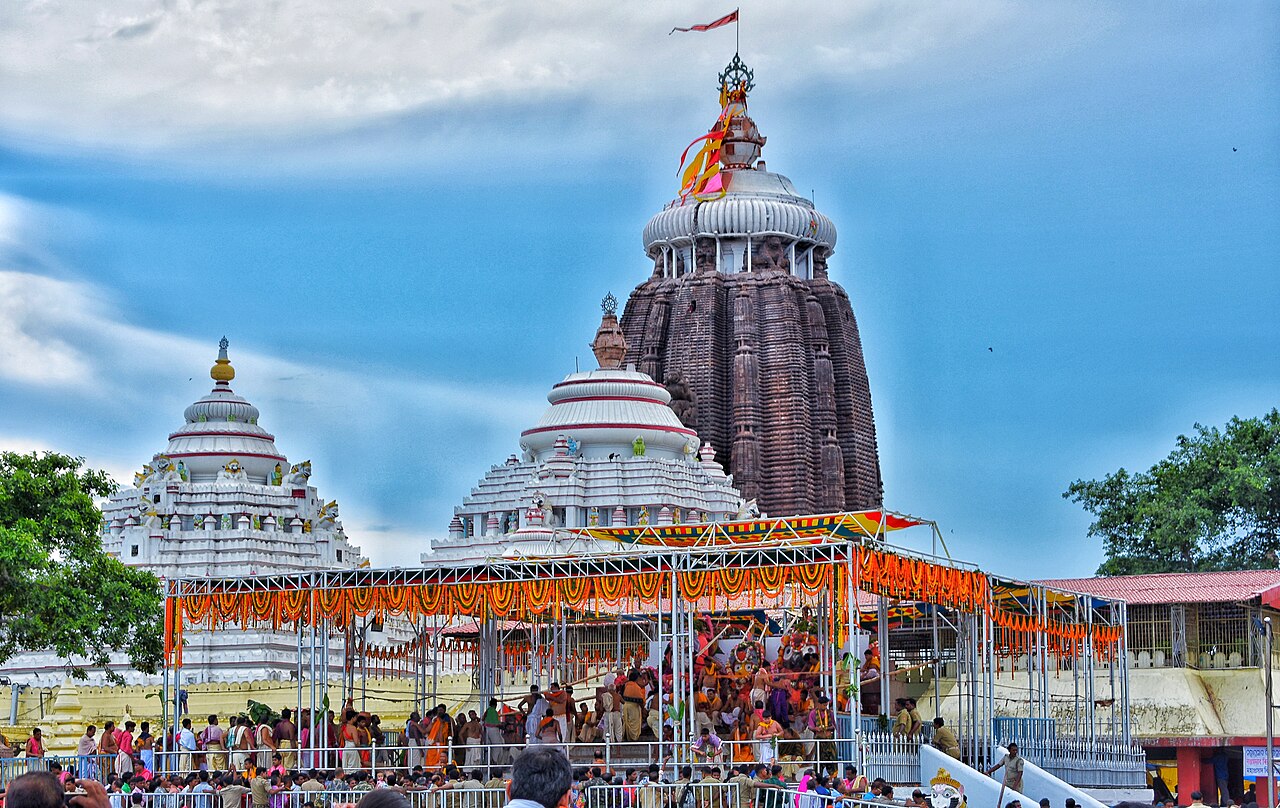
The four gates of the Jagannath Temple open onto one of the most charged religious atmospheres in India — the smell of burning ghee and marigold water, the percussion of ritual bells, the chanting of Sanskrit slokas by pandas who have memorized genealogical records of pilgrims' families going back fifteen generations. The 65-metre shikhara, its top crowned by the Sudarshana Chakra (Neelachakra) and the Patitapabana flag that flies perpetually regardless of wind direction — a tradition that priests vigorously maintain — dominates the Puri skyline the way cathedrals dominated medieval European towns: as an organizing principle, a reference point, a claim on the sky. For Hindus making one of their four dham pilgrimages, arrival here carries a weight of obligation and devotion that no amount of tourist literature can adequately convey. The temple is not a monument. It is a living institution with 6,000 registered sevayats, 36 categories of hereditary service, and a kitchen that produces Mahaprasad — cooked in 752 clay pots stacked in nine tiers — for an estimated 10,000 to 100,000 people daily, held sacred because it is believed that Goddess Mahalakshmi herself supervises the cooking.
Meilleur moment de la journée : Early morning. 05:30–07:30, for the Mailam ritual and the relative calm before the mid-morning pilgrim surge. The evening Badasinghara ritual (around 22:00) is also significant but crowds peak again.
Horaires de Jagannath Temple, Puri
- Horaires d'ouverture
- 05:00–23:00
Mon–Sun 05:00–23:00 - 05:00–23:00 daily; various rituals (pahuda, mailam, abakasha, etc.) are performed at fixed intervals throughout the day and may temporarily close the sanctum to general darshan
- Fermé le
- Ouvert tous les jours
Bon à savoir : During Rath Yatra (typically June–July), the deities depart the temple for ten days to reside at the Gundicha Temple, 3 kilometres north on Grand Road; the main sanctum darshan is unavailable for this period but the temple itself remains open for worship
Horaires d'ouverture établis à partir de sources publiques ; ce lieu n'a pas de site officiel référencé, mis à jour le . Ils peuvent changer sans préavis — vérifiez avant de partir. Comment nous rédigeons ces guides
Prix d'entrée de Jagannath Temple, Puri
| Billet | Prix |
|---|---|
| Visiteurs indiens | Free |
| Visiteurs étrangers | Free |
| Enfants | Gratuit |
| Caméra | Gratuit |
Entry is free of charge for all permitted visitors. However, entry is STRICTLY RESTRICTED to Hindus only. Non-Hindus — regardless of nationality, ethnicity, or religious sympathy — are prohibited from entering the temple complex by temple trust rules enforced at all four gates. This prohibition is absolute and has been in place for centuries. There are no exceptions for dignitaries, researchers, journalists, or holders of special permissions. Identity is not checked by official document, but temple sevayats (hereditary servitors) and security personnel at the gates will question and turn away visitors who are clearly not Hindu. Non-Hindu visitors may observe the temple's exterior and its 65-metre Neelachakra-topped shikhara from the rooftop viewing platform of the Raghunandan Library, located directly opposite the Lion Gate (Singhadwara) on Grand Road. The library rooftop is accessible to all; the view across the 4-hectare temple compound is unobstructed and architecturally informative.
Tarifs établis à partir de sources publiques ; ce lieu n'a pas de site officiel référencé, mis à jour le . Ils peuvent changer sans préavis — vérifiez avant de partir. Comment nous rédigeons ces guides
Meilleure période pour visiter Jagannath Temple, Puri
- Quiet
- Moderate
- Busy
05:00–07:30
Early rituals
Pilgrims for the Mailam and morning rituals. Queues form but move steadily. The spiritual atmosphere at this hour is qualitatively different from midday — quieter, more concentrated devotion.
Moderate07:30–12:00
Morning peak
The largest volume of day pilgrims arrives by 09:00. Queue times at the Lion Gate can reach 60–90 minutes. Interior corridors are congested.
Busy12:00–16:00
Afternoon lull
Many pilgrims lunch and rest. Queues reduce to 20–40 minutes. Some ritual closures during this period; check the daily schedule posted at the Singhadwara.
Moderate16:00–20:00
Evening surge
Post-siesta pilgrims return. Evening rituals attract large congregations. The ambience is animated and devotional rather than orderly.
Busy20:00–23:00
Night ritualsBest time to go
Attendance drops significantly. The Badasinghara ritual around 22:00 draws a dedicated minority of devotees. Atmosphere is calm and intimate.
Quiet
Histoire de Jagannath Temple, Puri
The origins of Jagannath worship are among the most contested in Indian religious historiography. The presiding deity — Lord Jagannath (Lord of the Universe), depicted as a stylized, large-eyed wooden figure without fully formed limbs — has no parallel in mainstream Hindu iconography and is widely believed by scholars to represent a syncretism of pre-Vedic tribal worship of a wooden forest deity (associated with the Shabar tribe) with Vaishnava theology. The Skanda Purana's Utkala Khanda describes the deity's origin myth: King Indradyumna discovers a self-manifested wooden log (daru brahma) in the sea and installs the carved deities within it, a narrative that encodes the absorption of indigenous deity worship into Brahmanical Vaishnavism.
The current temple structure was commissioned by Anantavarman Chodaganga Deva (1078–1147 CE) of the Eastern Ganga dynasty around 1135 CE. Chodaganga, originally a Shaiva king, converted to Vaishnavism and built the temple as a political and spiritual act of consolidation over the Kalinga region. The deul (sanctum tower) rises 65 metres in the characteristic Nagara-Rekha style of Odishan temple architecture, with curvilinear tapering sides and the Amla (amalaka sila) cap at its apex. Subsequent rulers added the jagamohan (audience hall), natamandapa (dancing hall), and bhogamandapa (offerings hall), creating the current four-structure alignment along an east–west axis.
The temple survived the Afghan Sultanate's raid by Kalapahar in 1568, who reportedly desecrated the complex and removed the sacred Brahmapadartha (the inner divine essence installed inside the deities). The deities were saved by being carried out of Puri and hidden in Bankimundi forest near Chilika Lake. The Brahmapadartha — a small object whose nature is kept secret even from most priests and is transferred from old to new deity images during the Navakalevara ceremony — returned when Mughal emperor Akbar's general Man Singh captured Odisha and the temple was restored.
The Navakalevara, the ritual replacement of the wooden deity images (made from Neem wood, Margosa), occurs when astrological conditions produce an intercalary month (Adhika Ashadha) in the Hindu calendar — approximately every 12 to 19 years. The old images are buried with full funerary rites at Koilibaikuntha within the temple compound. This ceremony was last performed in 2015.
The temple's kitchen, Ananda Bazaar, is the largest religious kitchen in the world by volume of production. The cooking uses no onion or garlic; no metal utensils touch the clay pots; and the pots are discarded after a single use. The Mahaprasad — rice, dal, curries, and khichdi prepared in this kitchen — is sold at fixed rates at the Ananda Bazaar stalls outside the temple and is considered equally sacred regardless of whether purchased by a wealthy devotee or a destitute pilgrim.
Règles et étiquette à Jagannath Temple, Puri
The restriction on non-Hindu entry is the defining logistical fact of the Jagannath Temple. Non-Hindus must accept that they cannot enter the compound and plan accordingly. The Raghunandan Library rooftop (free entry, open during library hours, approximately 08:00–17:00 Monday–Saturday) provides a clear aerial view of the inner compound, including the shikhara, jagamohan, and Ananda Bazaar area. This is not a compromise; it is a genuinely useful vantage.
For Hindu visitors: footwear must be removed before entering through any of the four gates — Lion Gate (east), Horse Gate (south), Elephant Gate (north), and Tiger Gate (west). Shoe counters operate outside all gates at no fixed charge, though a small tip (₹10–₹20) is expected. Leather items — belts, wallets, bags — are technically prohibited within the complex, a rule inconsistently enforced but worth observing to avoid friction at the gate.
Dress code: modest clothing is required. Bare shoulders and shorts above the knee are inappropriate. Lungi or dhoti is ideal for men; saree or salwar kameez for women. Vests and sleeveless garments are likely to be refused entry.
Pandas (hereditary priests) will approach pilgrims at the gate offering to be guides and to perform puja on behalf of families. This is a legitimate and ancient system — pandas maintain pilgrimage registers (tirtho-panjika) and know which pandas are ancestrally connected to which regional communities. However, negotiate the dakshina (fee) explicitly before proceeding; quoted prices for rituals range from ₹200 to ₹2,000+ depending on complexity. Photography inside the sanctum is strictly prohibited. Mobile phones may be carried but using them for photography in the main temple hall risks confiscation.
Conseils pour visiter Jagannath Temple, Puri
- 1
The Lion Gate on Grand Road is the most crowded entry point throughout the day. The Elephant Gate on the northern side (Uttara Dwara) typically has shorter queues from 08:00–10:00. Queue times at peak pilgrim periods (weekends, Ekadashi, festival days) can exceed 90 minutes at the Lion Gate.
- 2
For Mahaprasad, go directly to the Ananda Bazaar stalls immediately after your darshan rather than waiting until exit — the freshest batches sell earliest. A full meal of rice, dal, curries, and kheer runs ₹40–₹80 per person.
- 3
Auto-rickshaws from Puri station to the temple area run ₹60–₹100 for a shared ride, ₹150–₹200 for a private hire. Drivers stationed near the Lion Gate entrance often quote ₹300+ for the return journey; walk 200 metres north along Grand Road to find less tourist-inflated rates.
- 4
The Srimandir Heritage Corridor — a government infrastructure project completed in 2023 — has cleared encroachments around the temple perimeter, creating a formal promenade. While this has improved pedestrian access and sightlines of the exterior walls, it has displaced longtime street vendors; some relocated stalls now operate on the side streets. The Sunabesha (golden attire) ritual, performed on the full moon of Ashadha, Kartika, and on Vijaya Dashami, shows the deities dressed in gold filigree — if timing permits, this is one of the more visually extraordinary darshan opportunities of the Hindu calendar.
Comment se rendre à Jagannath Temple, Puri
L'étoile rouge indique Jagannath Temple, Puri ; les repères numérotés sont les 1 lieux les plus proches de nos guides, chacun avec son classement dans sa ville. Touchez un repère pour plus de détails.
Shri Jagannath Temple, Grand Road (Badadanda), Puri – 752001, OdishaItinéraire sur Google Maps
Depuis Puri Railway Station
₹150–₹2002.5 km · 10–15 min
Depuis Puri Railway Station
₹20–₹402.5 km · 15–20 min
Per person
Depuis Biju Patnaik Airport, Bhubaneswar
₹1,200–₹1,80065 km · 75–90 min
Depuis Bhubaneswar Railway Station
₹120–₹16060 km · 80–95 min
Aéroport le plus proche
Depuis Biju Patnaik International Airport, Bhubaneswar (BBI)
approximately 65 km, 1 hour 15 minutes by road
Gare la plus proche
Depuis Puri Railway Station
2.5 km, 10 minutes by auto-rickshaw
FAQ — Jagannath Temple, Puri
Can non-Hindus enter the Jagannath Temple?
No. The prohibition on non-Hindu entry is absolute and enforced at all four gates. This applies regardless of nationality, profession, or purpose of visit. There are no exceptions and no special passes. Non-Hindu visitors — including foreign tourists and Indian citizens of non-Hindu faiths — are directed to observe the temple exterior from Grand Road or from the rooftop of the Raghunandan Library directly opposite the Lion Gate, which offers a clear view into the compound without restriction.
What is the Raghunandan Library viewing platform and how do I access it?
The Raghunandan Library is a public library located directly opposite the Lion Gate on Grand Road. Its rooftop terrace is the only publicly accessible point from which non-Hindu visitors can see into the temple compound. Entry to the library is free; climb to the rooftop (stairs inside the building, no lift). The view covers the shikhara, jagamohan, and parts of the inner courtyard. Library opening hours are approximately 08:00–17:00, Monday through Saturday.
Is Mahaprasad available to non-Hindus?
Yes. The Mahaprasad sold at the Ananda Bazaar stalls outside the temple gates can be purchased and eaten by anyone regardless of faith. It is considered equally sacred to all who receive it. The stalls are located just outside the temple walls on the north and south sides.
When does Rath Yatra happen and how does it affect visits?
Rath Yatra falls on the second day of Shukla Paksha (bright fortnight) of Ashadha in the Hindu calendar, typically June or July. The festival runs for ten days. During this period, the deities leave the temple on wooden chariots pulled down Grand Road to the Gundicha Temple. The main sanctum darshan is unavailable, but non-Hindu visitors can witness the chariot procession on Grand Road — one of the few occasions when the deities are accessible to all observers. The city becomes extremely congested; book accommodation months in advance.
What dress code is required inside the temple?
Modest clothing covering shoulders and knees is required. Shorts, vest tops, and sleeveless garments are likely to be refused entry. Traditional attire — dhoti or lungi for men, saree or salwar kameez for women — is preferred. Leather goods (belts, bags) are technically prohibited inside the compound.
Rédigé avec l'assistance de l'IA à partir de sources officielles et de registres publics, et publié seulement après les vérifications décrites dans Comment nous rédigeons ces guides. Personne chez Traveliac ne s'est rendu sur place. Mis à jour le . Comment nous classons et vérifions les lieux
Lieux à visiter près de Jagannath Temple, Puri
Distances à vol d'oiseau, depuis notre carte ; les durées sont estimées.
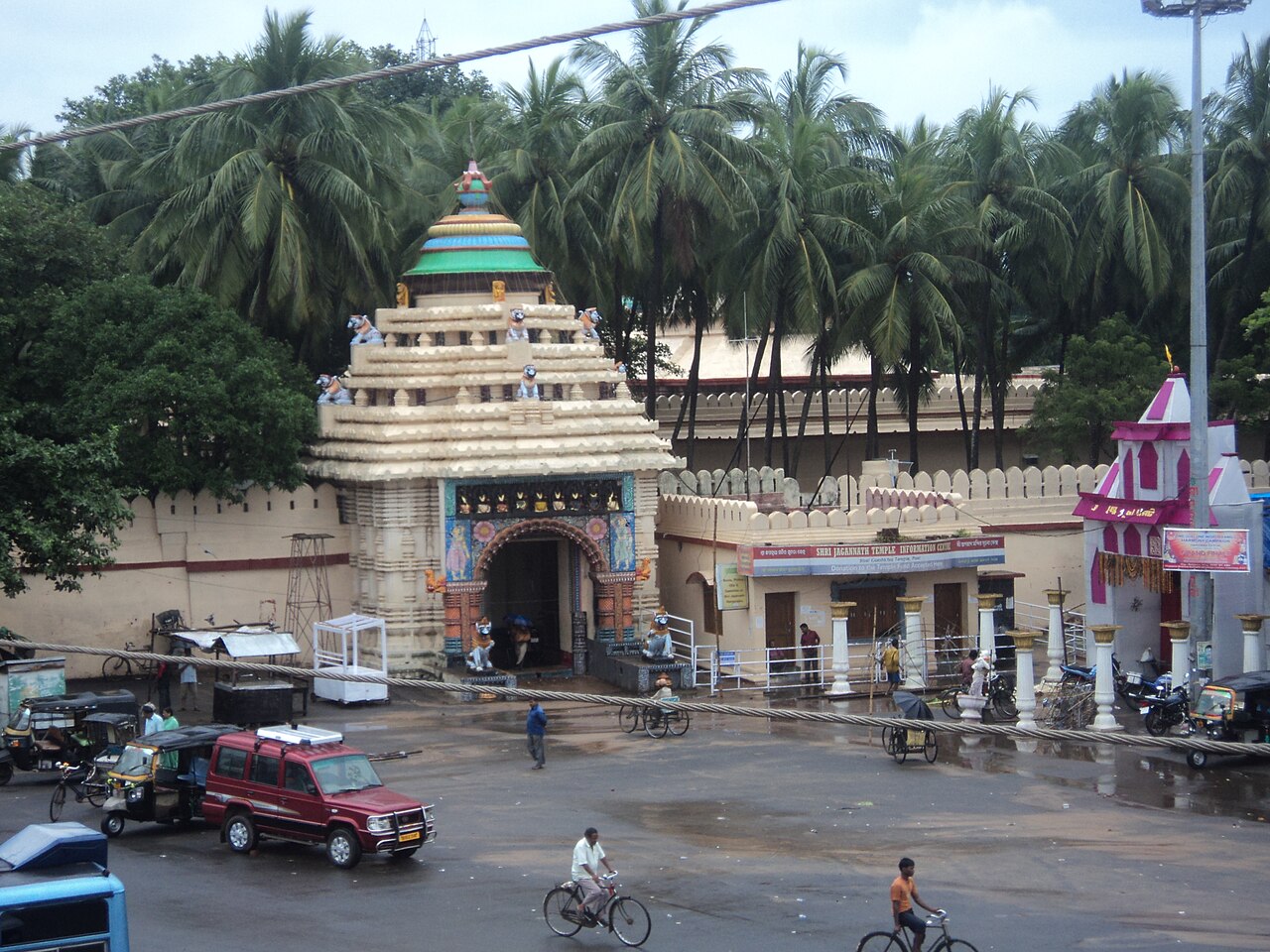 #5 in PuriEntrée gratuite
Gundicha Temple
Temple · 3 km · about 10 min by road
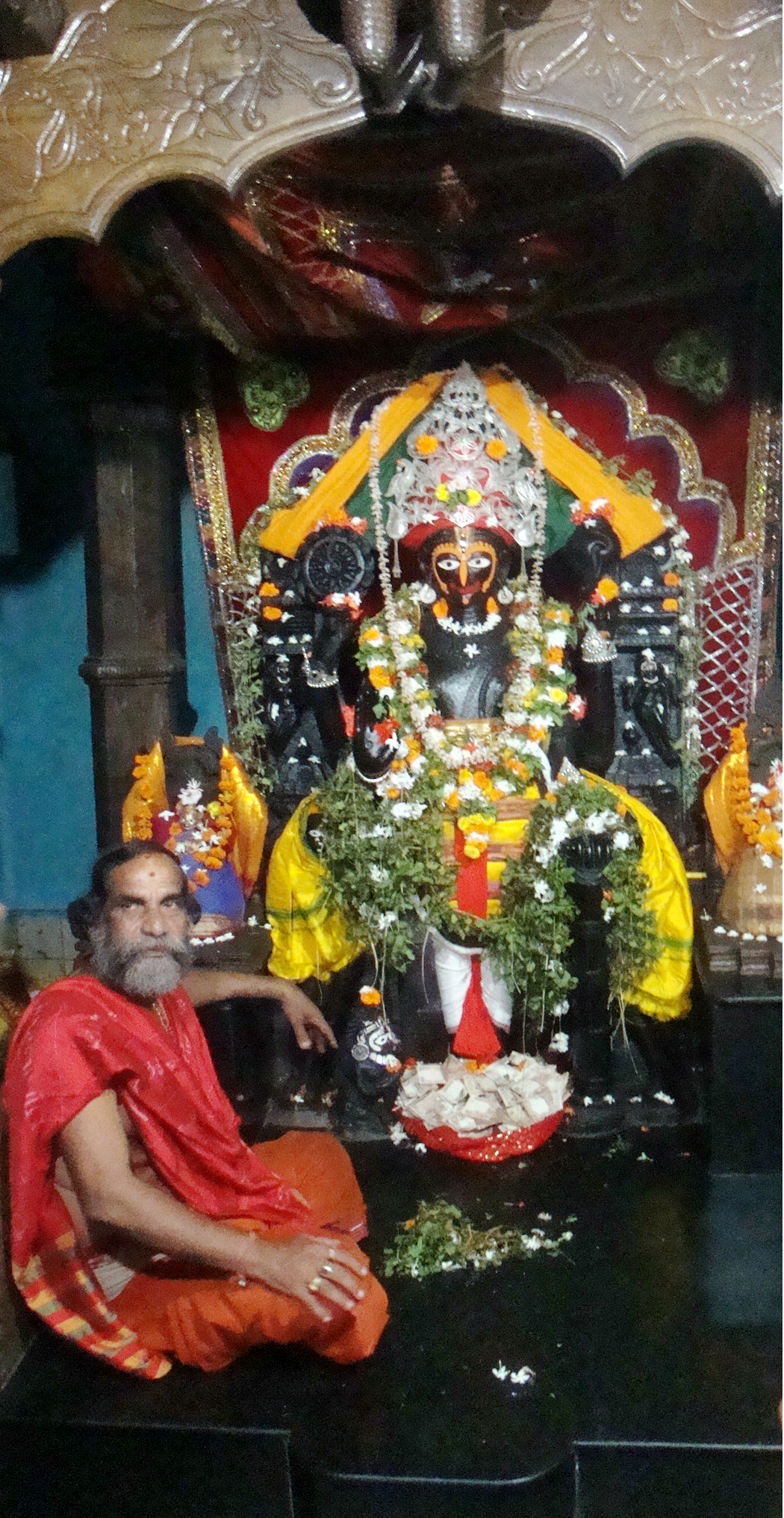 #7 in PuriEntrée gratuite
Alarnath Temple
Temple · 18 km · about 55 min by road
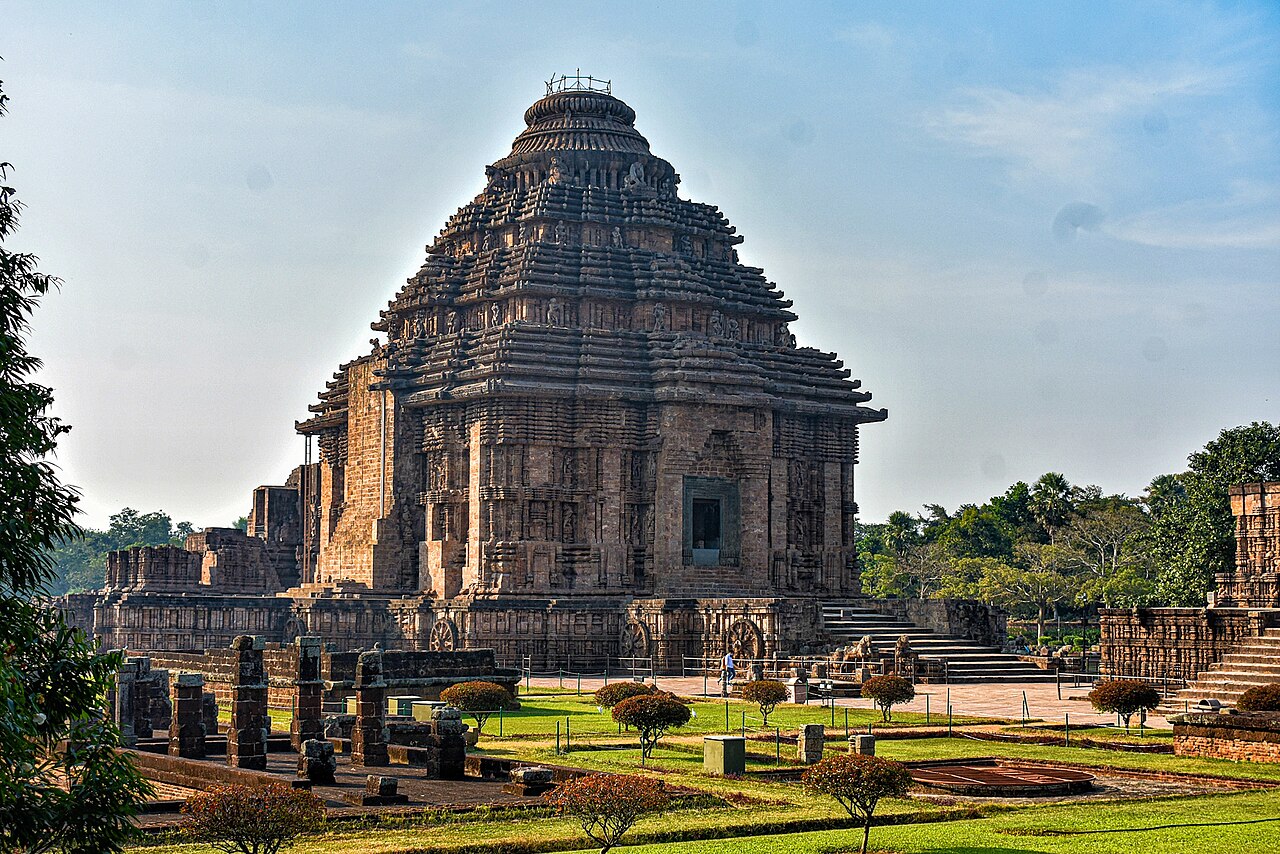 #2 in Puri
Konark Sun Temple
Temple · 30 km · about 95 min by road
 #4 in PuriEntrée gratuite
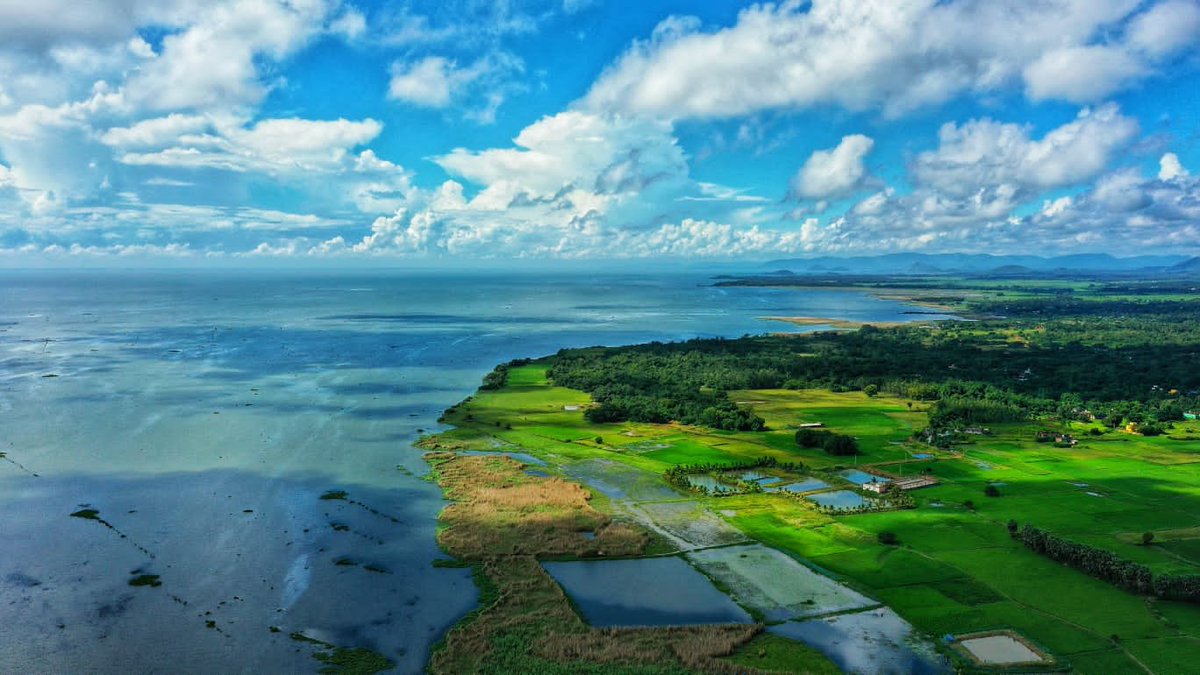
Chilika Lake – Satapada
Lac · 53 km · about 165 min by road