
دليل سفر Madhya Pradesh
9 أماكن للزيارة في Khajuraho
يُعرف أيضًا باسم Kharjuravahaka · Khajuravaho
Khajuraho is a small town in Madhya Pradesh's Chhatarpur district whose medieval significance so vastly outstrips its present scale as to produce a peculiar cognitive dissonance.
آخر تحديث ·أعدّه Traveliac، بمساعدة الذكاء الاصطناعي ·كيف نصنّف
- أفضل وقت
- Oct – Mar
- الوقت اللازم
- نحو 1 يوم
- 7 ساعة من الجولات
- مطار الوصول
- Khajuraho Airport (HJR)
- أقرب محطة
- Khajuraho Railway Station
- الدخول مجاني
- 4 من 9
أفضل الأنشطة في Khajuraho
مُصنّفة وفق خمسة معايير منشورة- 1
معبد
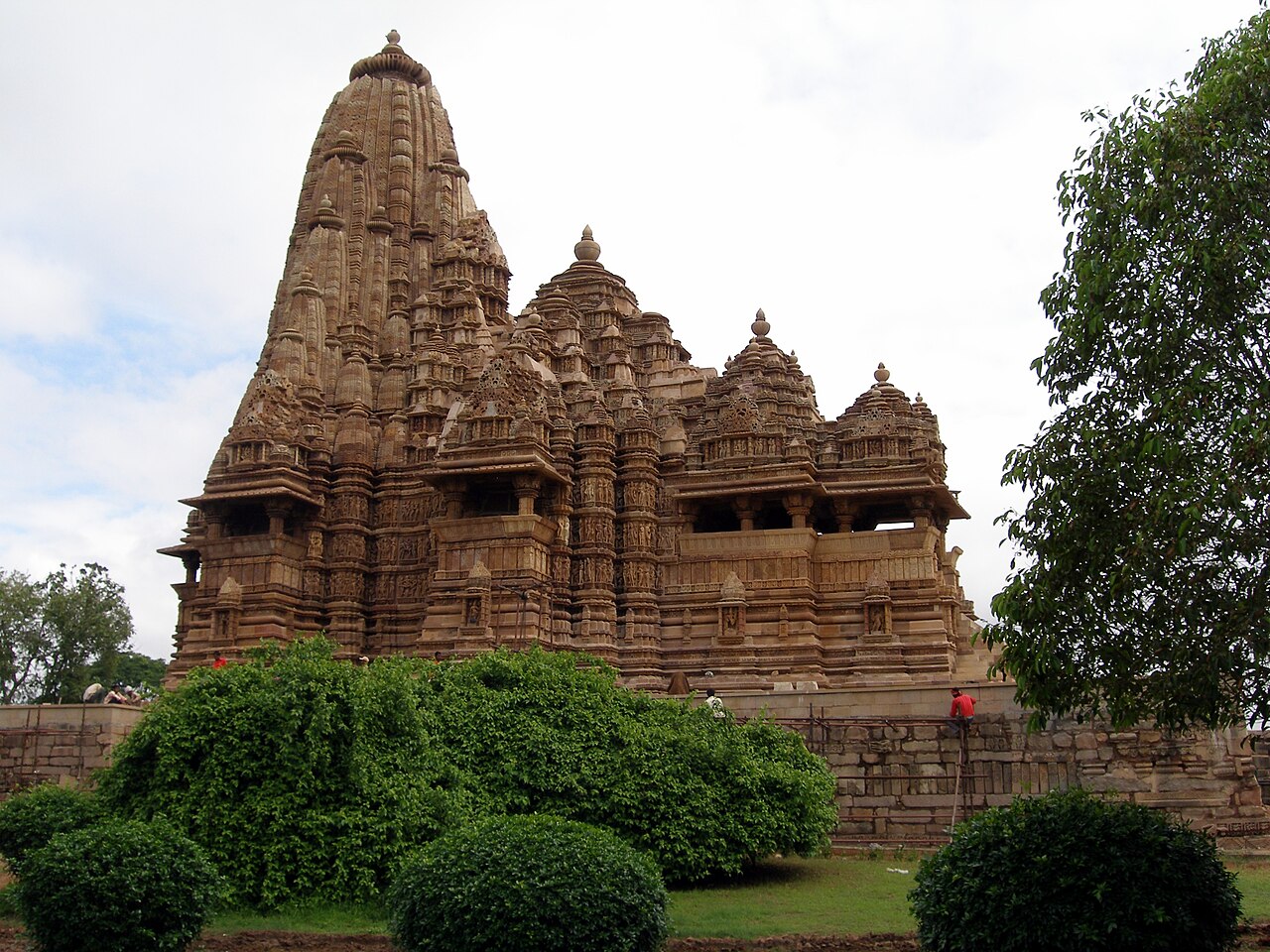
Kandariya Mahadeva Temple
The Kandariya Mahadeva Temple rises 30.5 metres above the Khajuraho plain on a high jagati platform of buff-coloured Vindhyan sandstone, its shikhara…
1.5 hrs₹40 للهنود
 2
2معبد
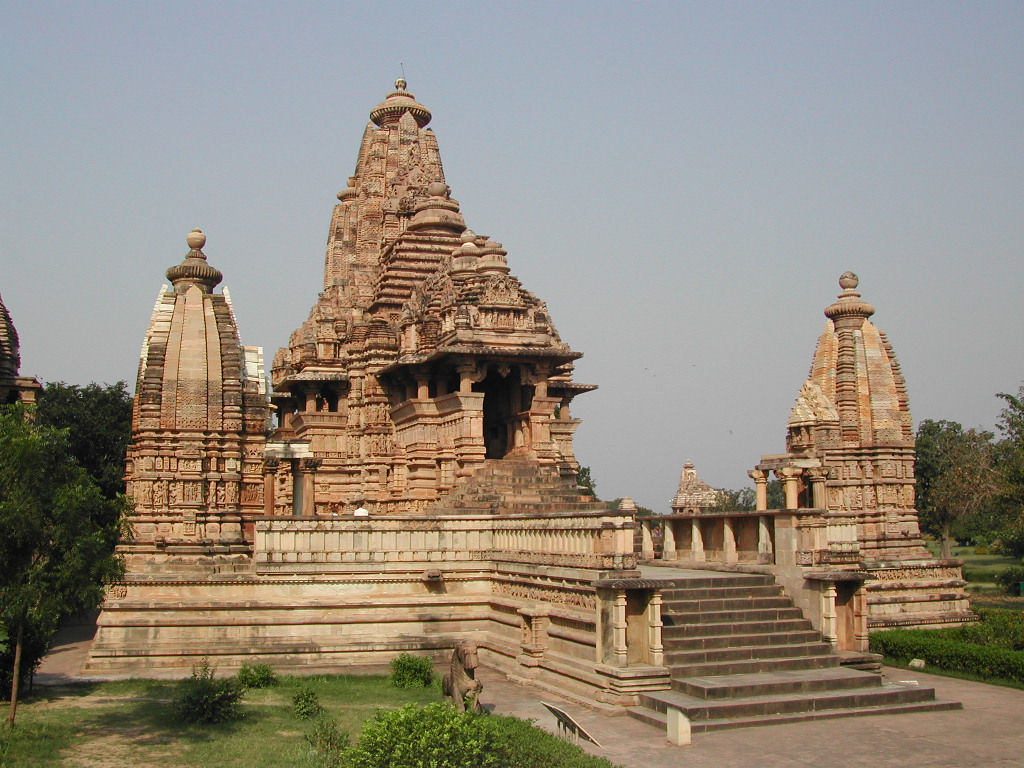
Lakshmana Temple
Among the temples of the Khajuraho Western Group, the Lakshmana Temple occupies a particular historical position: it is the earliest of the major…
1 hr₹40 للهنود
 3
3معبد
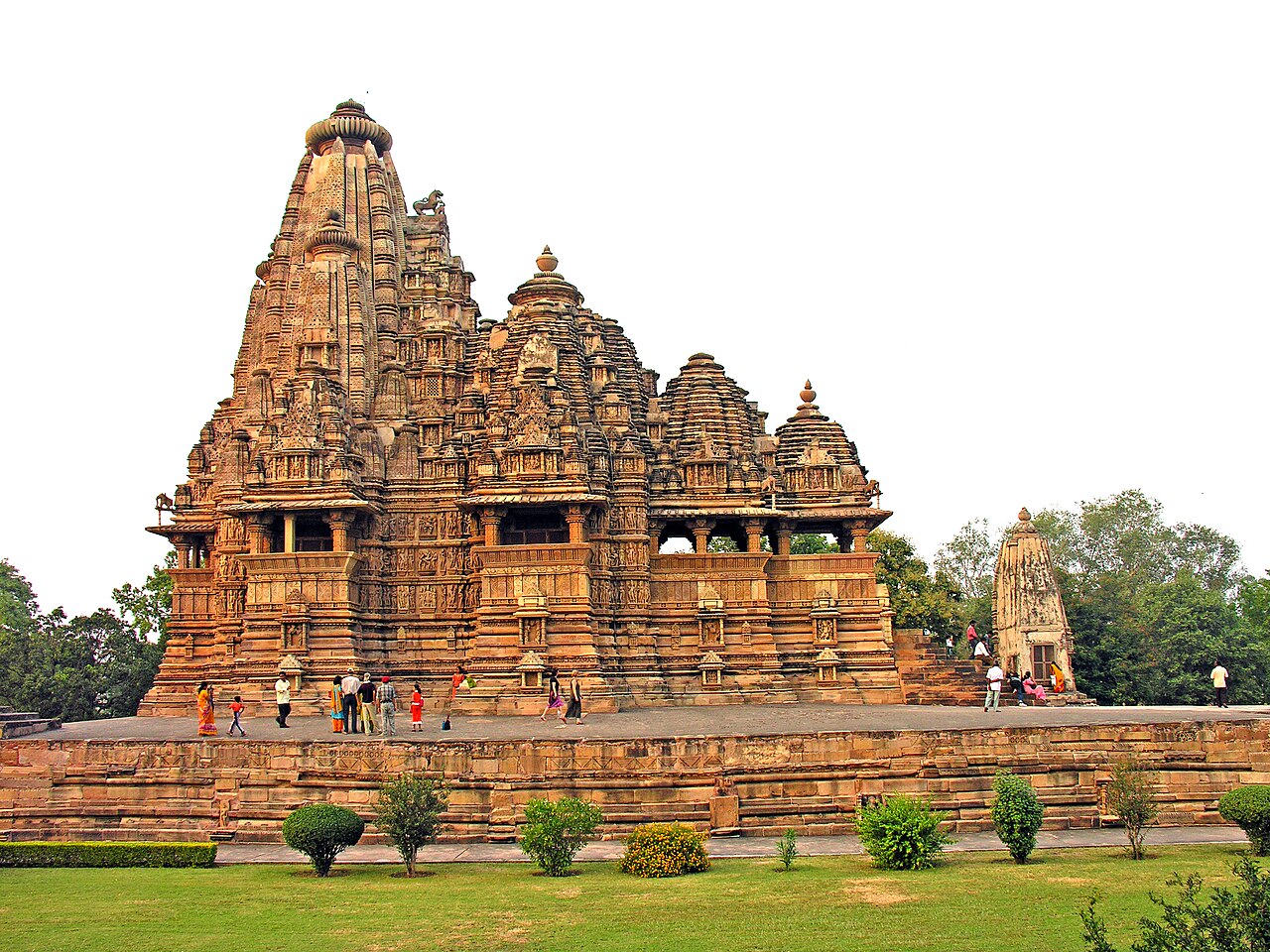
Vishvanatha Temple
The Vishvanatha Temple stands at the northern edge of the Western Group compound and is one of the few Khajuraho temples whose construction date is…
45 min₹40 للهنود
 4
4معبد
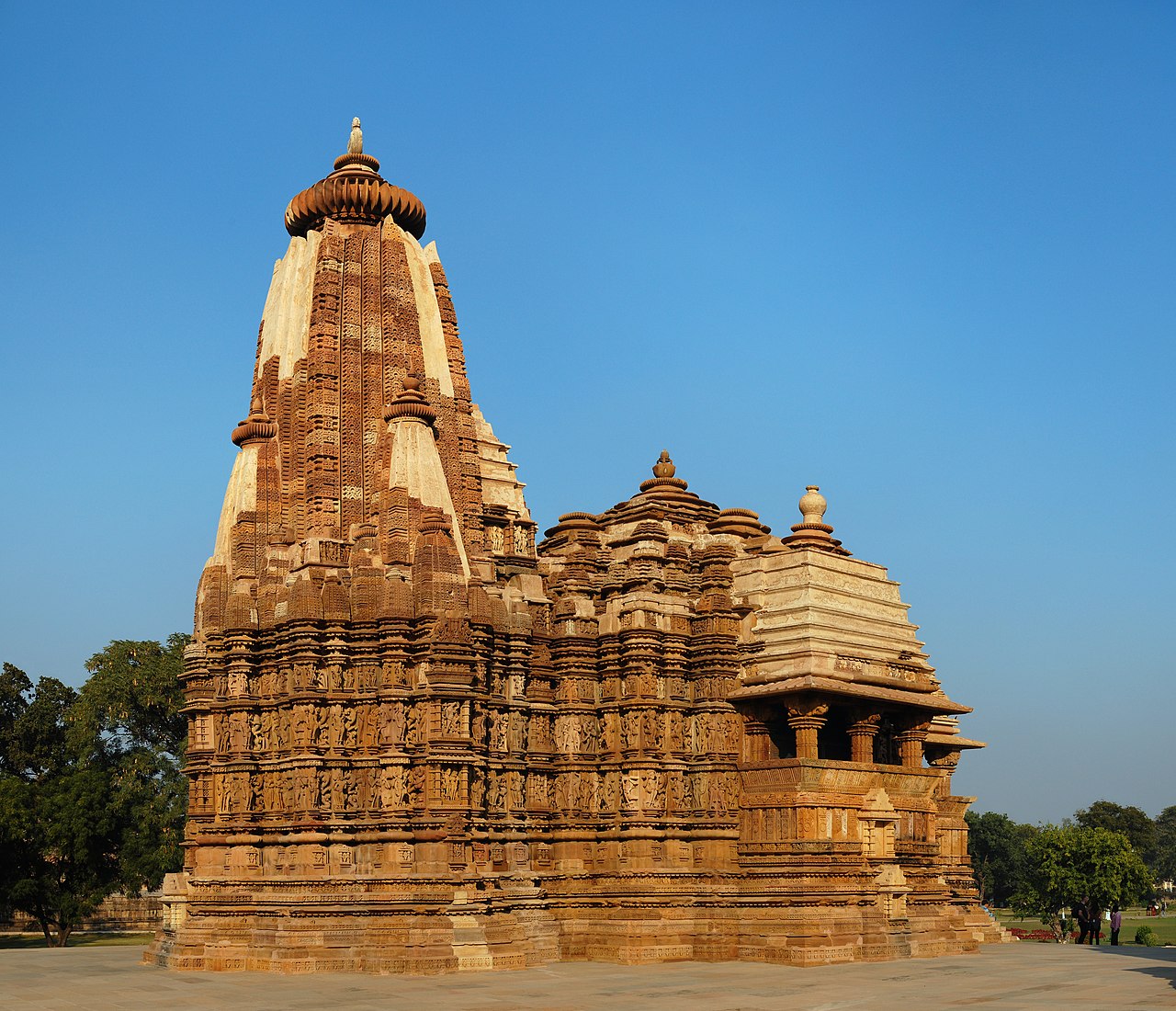
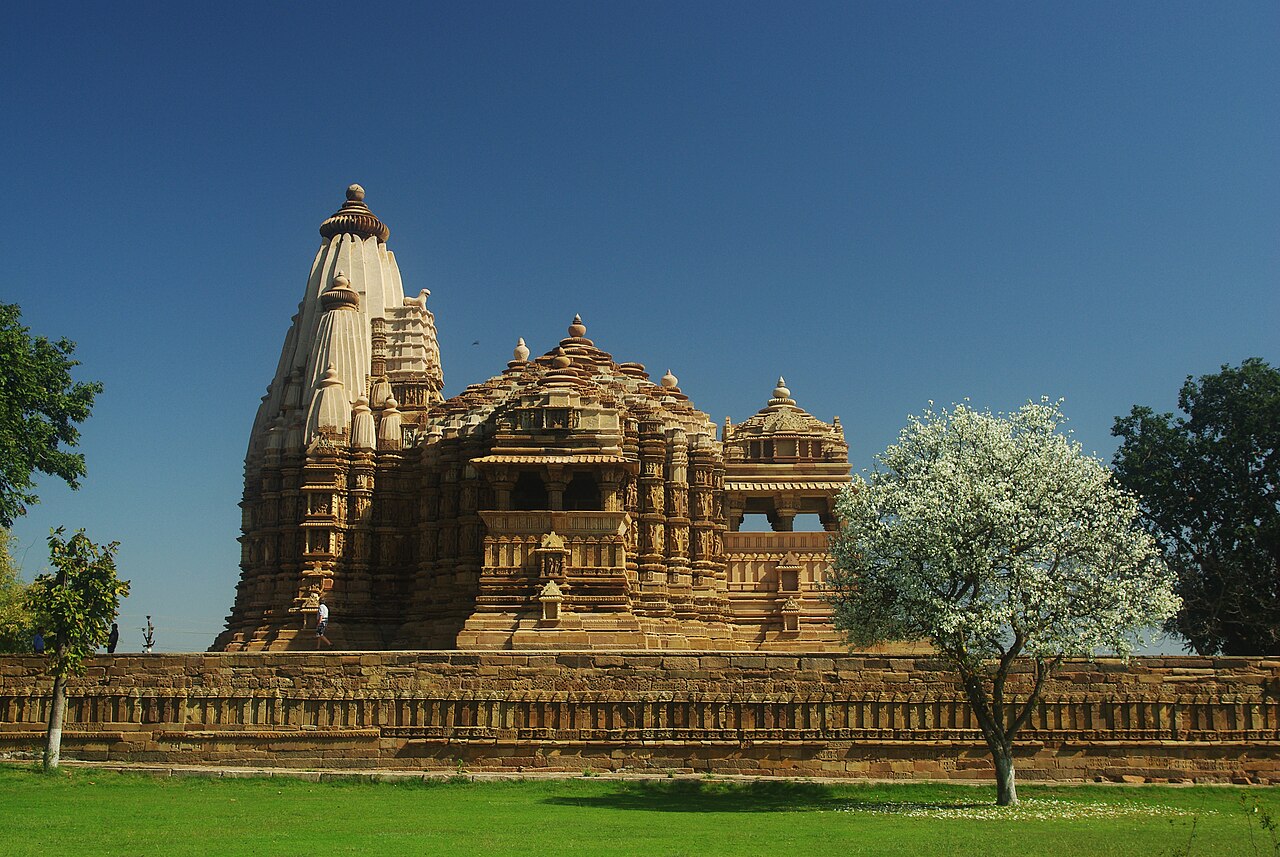
Devi Jagadambi Temple
The Devi Jagadambi Temple stands close enough to the Kandariya Mahadeva that the two structures share a near-continuous platform edge, and the…
45 min₹40 للهنود
 5
5معبد
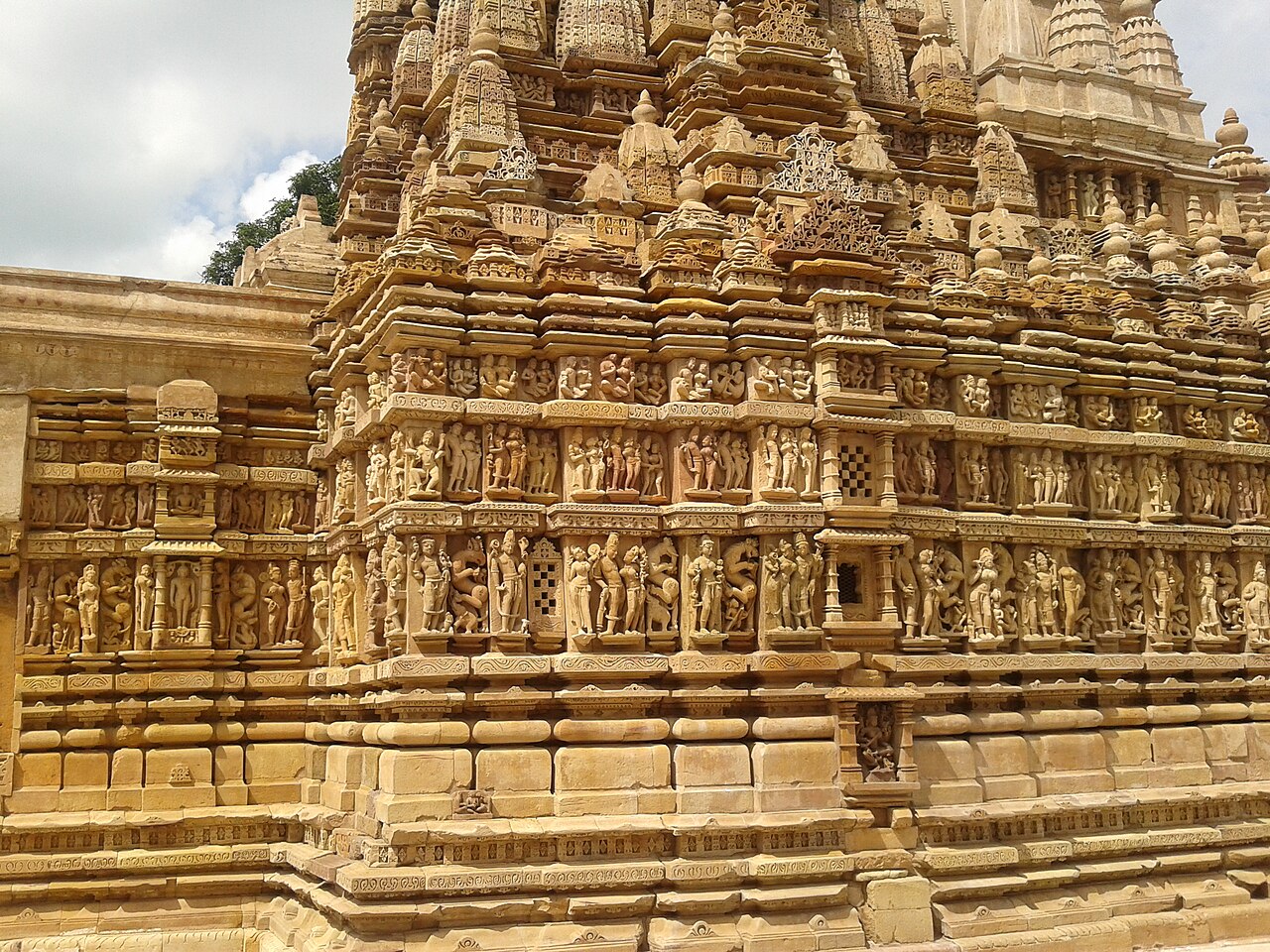
Chitragupta Temple
The Chitragupta Temple is dedicated to Surya, the sun god, and its sanctum holds one of the few substantially intact sun-deity images surviving…
40 min₹40 للهنود
 6الدخول مجاني
معبد جايني
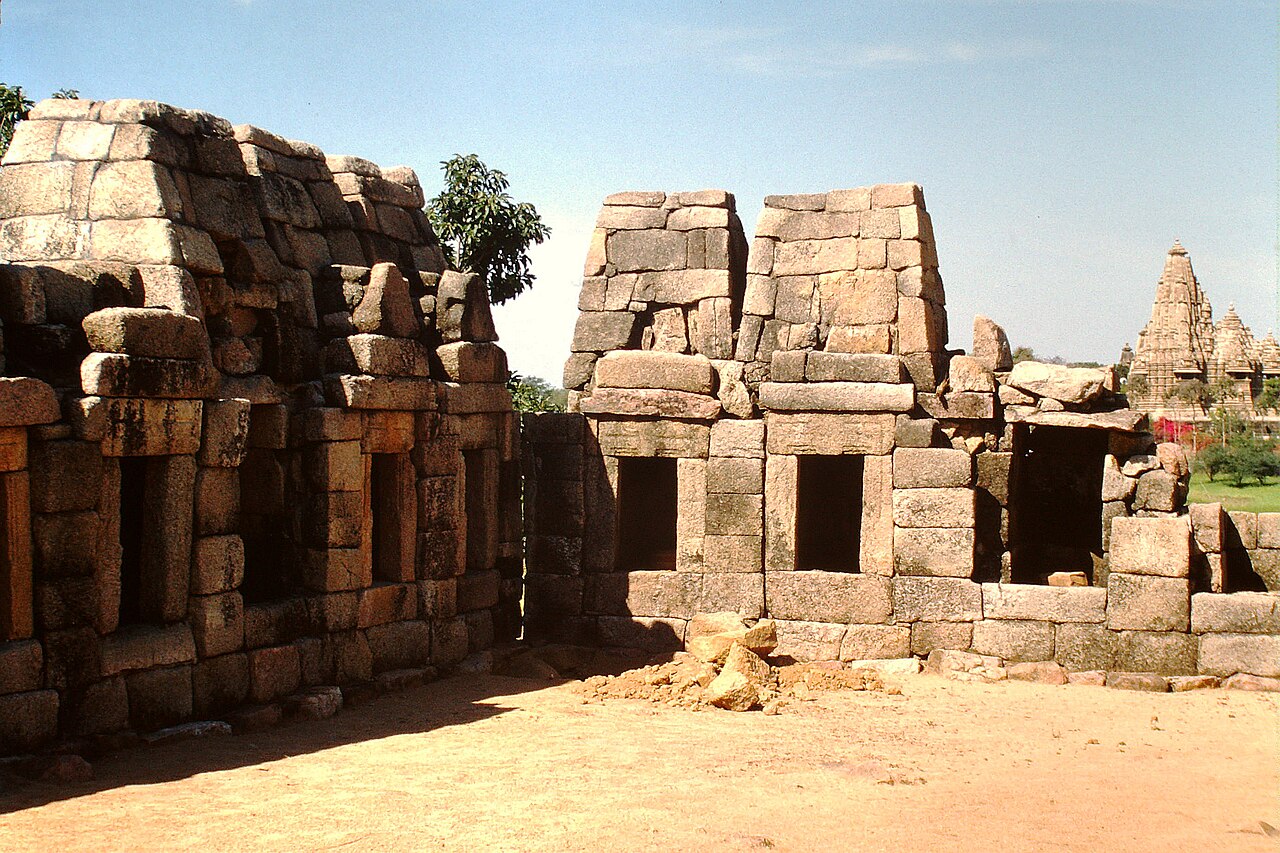
Parsvanatha Temple
Parsvanatha is the largest and most architecturally accomplished of Khajuraho's Jain temples, and its existence is a useful corrective to the common…
45 min
 7الدخول مجاني
معبد
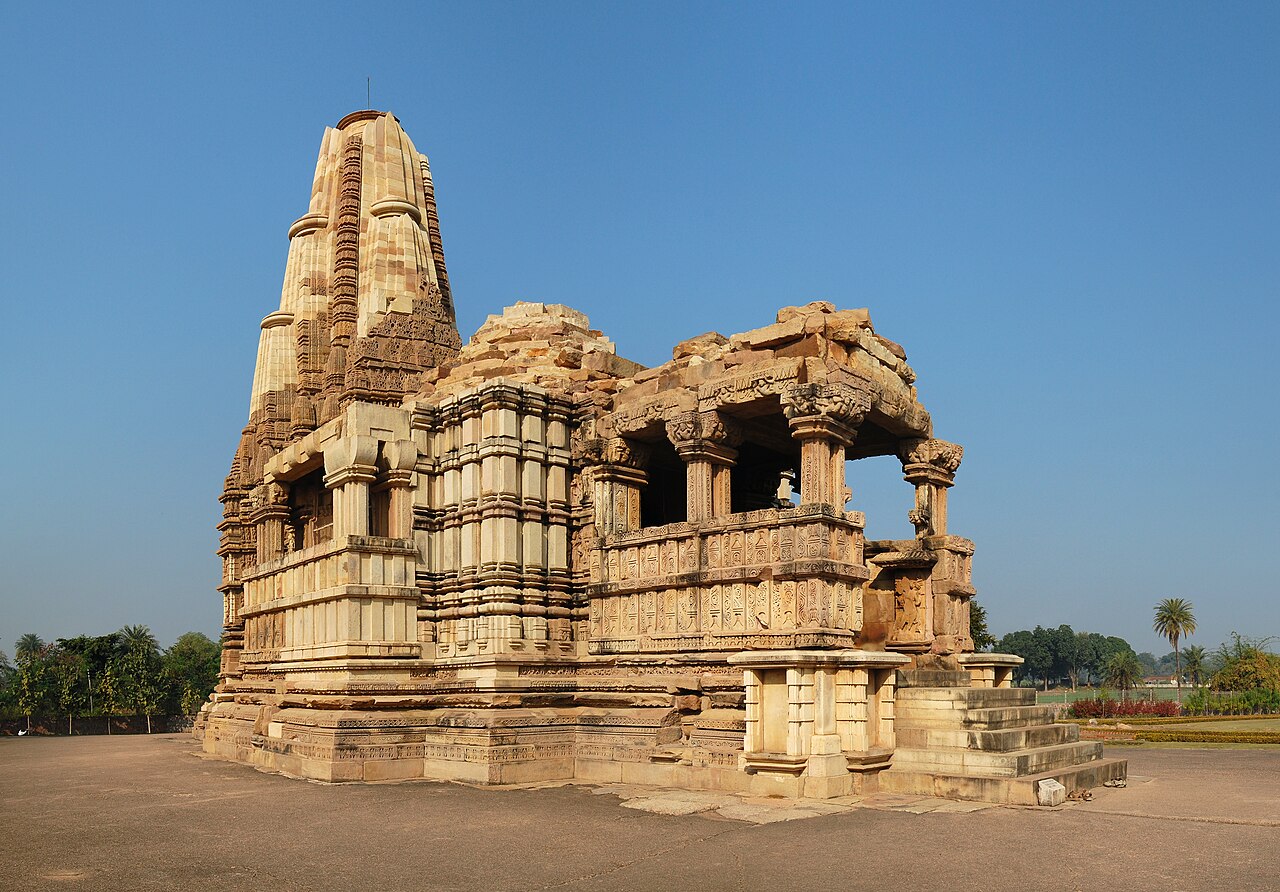
Chausath Yogini Temple
The Chausath Yogini Temple is the oldest surviving structure at Khajuraho, generally dated to around 885 CE — more than a century before the…
30 min
 8الدخول مجاني
معبد
Duladeo Temple
Duladeo is generally regarded as the last substantial temple built at Khajuraho, dated to the final phase of significant Chandela patronage, roughly…
45 min
 9الدخول مجاني
معبد
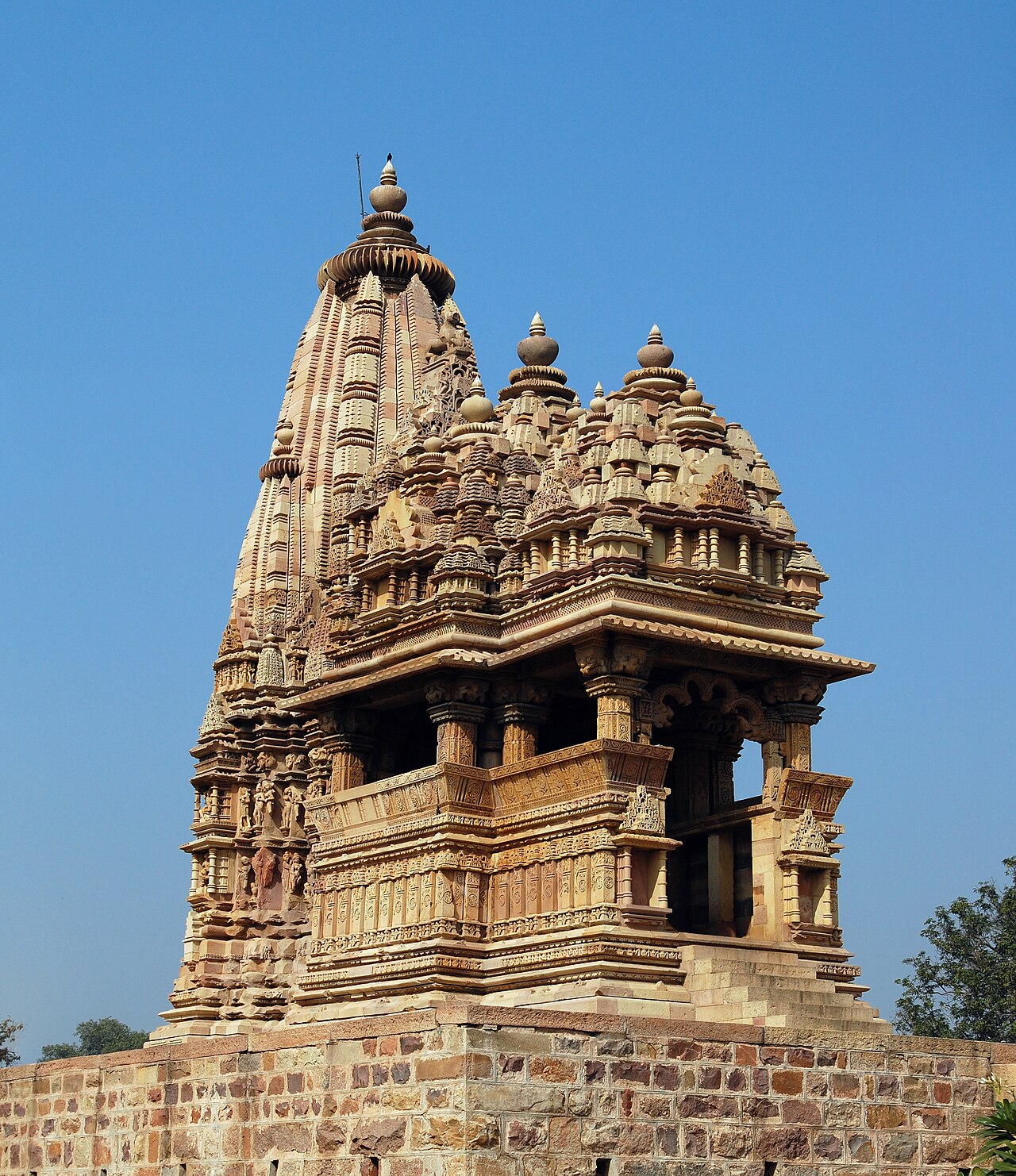
Javari Temple
Javari is among the smallest fully finished Vaishnava shrines in the Khajuraho corpus, and its modest scale tells its own story about the arc of…
30 min
خريطة الأماكن السياحية في Khajuraho
الأرقام تطابق الترتيب؛ أفضل 3 أماكن باللون البرتقالي. اضغط على أي دبوس لعرض دليله. لا يزال 1 مكان (أماكن) بلا موقع على الخريطة.
رحلات يومية من Khajuraho
تستحق التخصيص إن تبقّى لديك يوم إضافي، الأقرب أولًا.
20 km · 35–40 minutes
Raneh Falls
A dramatic gorge on the Ken River where the water has cut through pink, grey, and red granite in a series of cataracts. Crocodile populations visible in the pools. Best visited October to January.
20 km · 35–45 minutes
Ken Gharial Sanctuary
A protected stretch of the Ken River gorge established for the critically endangered gharial and the mugger crocodile. Boat rides pass beneath the same granite cataracts as Raneh Falls; sightings are best in the cooler, low-water months of November to February.
45 km · 1–1.5 hours
Panna National Park
A tiger reserve with successful reintroduction programme along the Ken River gorge. Boat safaris available in addition to jeep zones. Fewer visitors than Kanha or Bandhavgarh.
80 km · 2 hours
Ajaigarh Fort
A Chandela-period hilltop fort with 360-degree views across the Vindhya plateau, largely unexcavated and rarely visited. The climb is steep but the isolation is genuine.
عن Khajuraho
A settlement of fewer than 25,000 people is the site of India's most internationally recognised medieval temple complex — a group of sandstone shrines whose sculptural programme, executed between approximately 950 and 1050 CE under the Chandela Rajput dynasty, remains without parallel in its ambition and craft.
The town takes its name from the khajur (date palm) trees that once grew densely around the temple tanks. At its height under the Chandelas, Khajuraho is believed to have contained 85 temples arranged across an area of roughly 20 square kilometres. Twenty-five survive, preserved at varying levels of completeness. The Archaeological Survey of India divides them into Western, Eastern, and Southern groups; the Western Group — enclosed within a manicured ASI compound and ticketed — contains the highest concentration of the most elaborate temples, including the Kandariya Mahadeva, which is the largest and most technically accomplished of all.
The erotic sculptures that cover portions of the temples' exterior bands have generated a disproportionate share of the scholarly and popular attention. Their precise iconographic meaning is still debated — theories range from tantric initiation imagery to auspicious protective decoration — but they constitute roughly ten percent of the total sculptural output. The other ninety percent comprises celestial apsaras in intimate detail, surasundaris (divine beauties), vyalas (lion-warriors), military friezes, and devotional images of startling technical delicacy. Visitors who arrive expecting pornography often leave astonished by the quality of the craft.
Khajuraho is accessible by a small domestic airport (2 km from the Western Group), by overnight train from Jhansi (175 km), and by road from Satna (120 km). The town has a functioning tourism infrastructure, with several mid-range and one or two upscale properties. The nightly Sound and Light show at the Western Group is worth attending for the spatial orientation it provides, though the narration is theatrical. October through March is optimal; April through June is punishing heat on open stone surfaces.
لاحظت خطأ، أو مكانًا فاتنا؟
أخبرنا، وسيتحقق أحد المحررين من المصادر الرسمية ويصحّح الصفحة.