
Chitragupta Temple
#5of 9 places to visit in KhajurahoKhajuraho, Madhya Pradesh
Also known as Surya Temple Khajuraho
Quick answer
Opening hours: 06:00–18:00. Entry: ₹40 Indian · ₹600 foreign. Allow 40 min. Best time: 06:00–07:30.
Updated · Compiled by Traveliac, AI-assisted · 5 min read
- Opening hours
- 06:00–18:00
- Entry fee
- ₹40 Indian
- Ticket from
- Time needed
- 40 min
- Best time of day
- 06:00–07:30
- Best months
- Oct – Mar
- Address
- Western Group of Temples, Khajuraho, Chhatarpur District, Madhya Pradesh 471606 (northern row, adjacent to Devi Jagadambi Temple)
About Chitragupta Temple
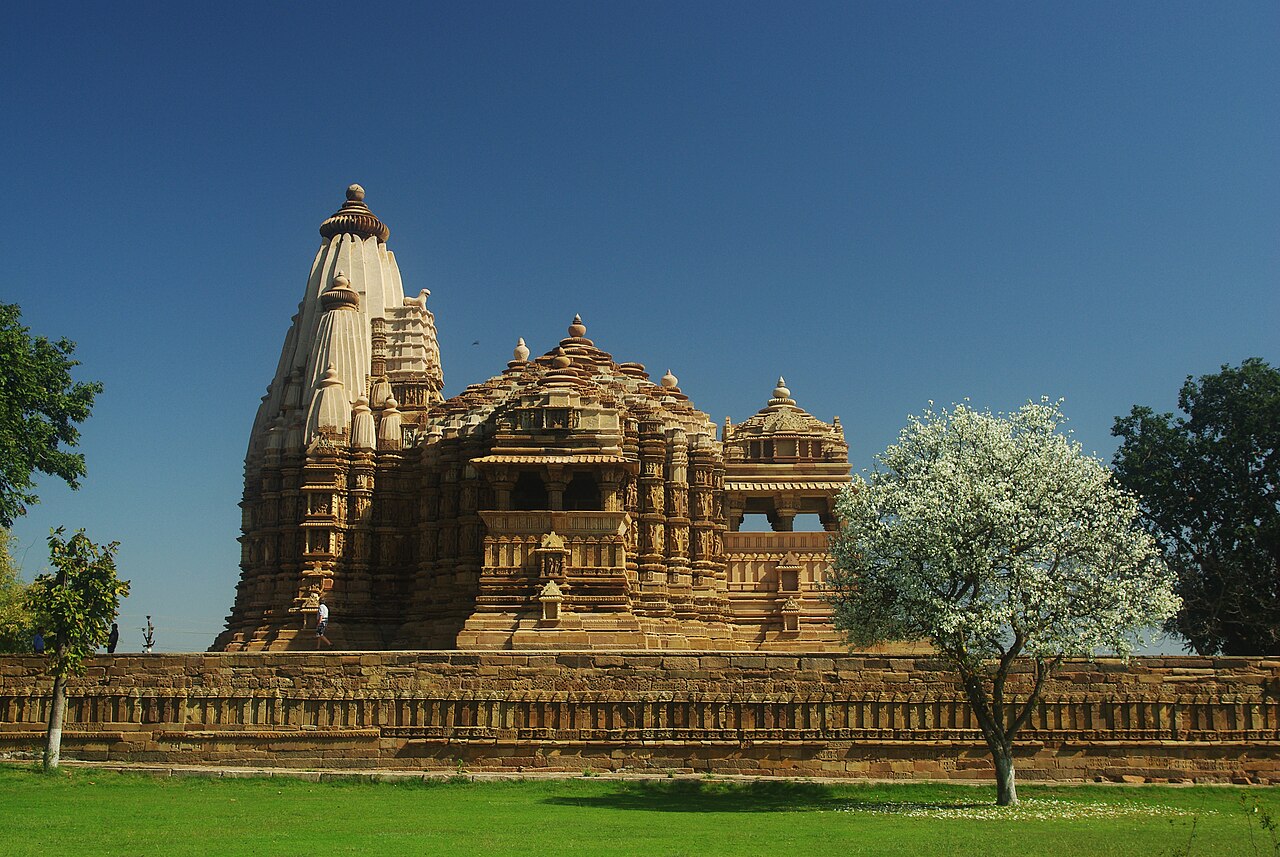
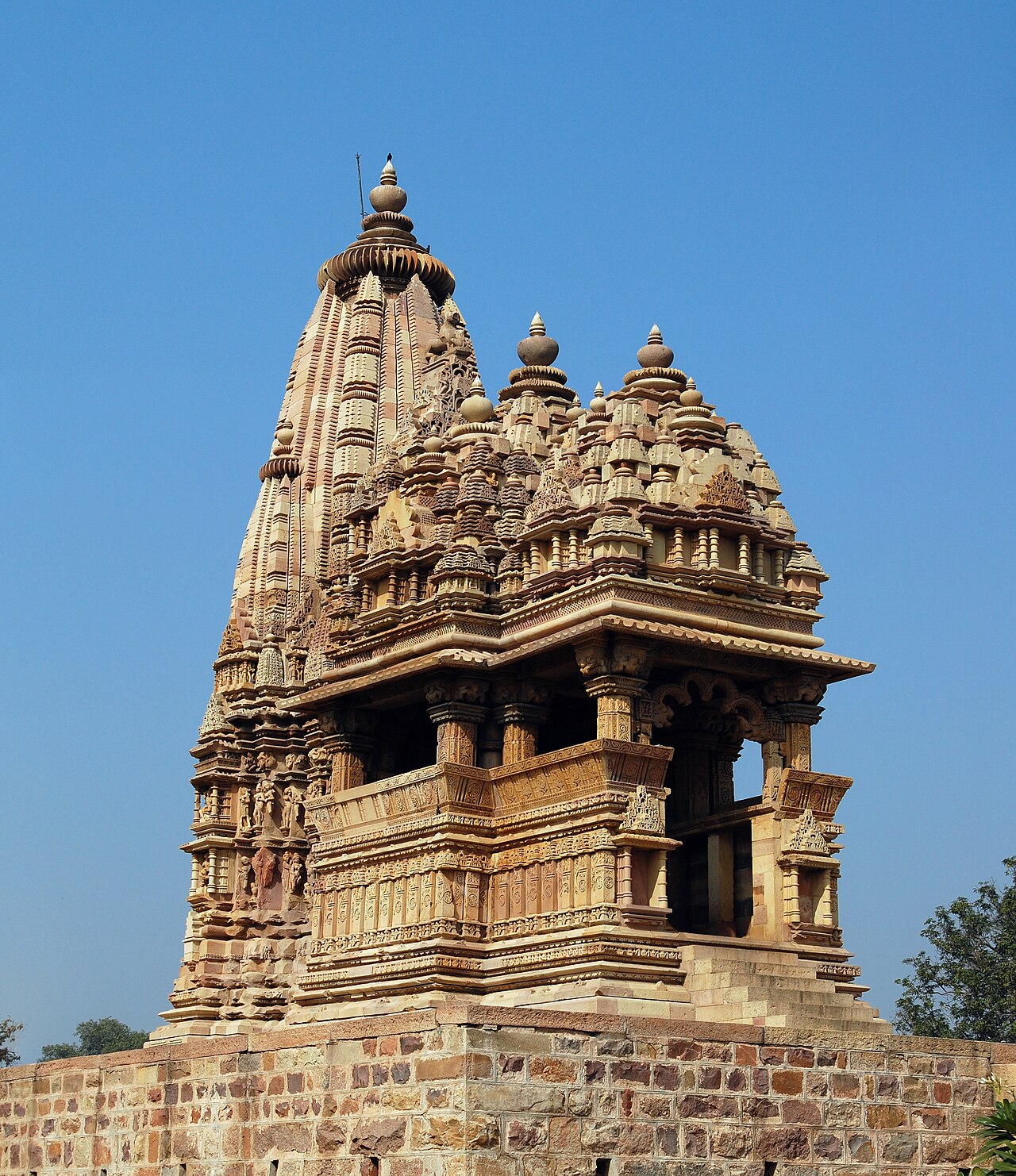
The Chitragupta Temple is dedicated to Surya, the sun god, and its sanctum holds one of the few substantially intact sun-deity images surviving anywhere in northern India from before the celebrated Konark Sun Temple in Odisha, which followed roughly two centuries later. The image is carved at approximately 1.7 metres in height and shows Surya standing in a chariot drawn by seven horses, with the diminutive charioteer Aruna positioned at the horses' feet — an iconographic scheme drawn from the Puranic account of the sun's daily transit across the sky. Solar temples are comparatively rare in the Hindu architectural record, which makes Chitragupta one of the more historically significant structures at Khajuraho despite receiving considerably less popular attention than the Kandariya Mahadeva a short walk to its south. Architecturally it follows the same tri-ratha platform arrangement as its neighbours in the northern row, with exterior sculptural bands depicting hunting scenes, royal processions, and celestial figures rendered with the same technical fluency found across the Western Group.
Best time of day: 06:00–07:30. Close to the equinoxes (mid-March and late September) if timing allows. The sanctum's east-facing doorway is oriented to let the rising sun's light travel directly onto the Surya image inside, a solar-alignment detail shared with other Chandela and pre-Konark sun shrines — a striking effect for visitors who arrive at first light.
Chitragupta Temple timings
Chitragupta Temple opens at 06:00 and closes at 18:00. The weekend is no different: Saturday and Sunday follow the same times.
- Opening hours
- 06:00–18:00
Mon–Sun 06:00–18:00 - Closed on
- Open every day
Good to know: Open year-round within the ASI-administered Western Group compound; no seasonal closures.
Opening hours compiled from asi.nic.in and public records, last updated . They change without notice — confirm before you travel. How we write these guides
Chitragupta Temple ticket price
| Ticket | Price |
|---|---|
| Indian visitors | ₹40 |
| Foreign visitors | ₹600 |
| Children | Free |
| Camera | Free |
Covered by the single Western Group compound ticket (₹40 Indian / ₹600 foreign, valid one day), the same ticket that admits visitors to Kandariya Mahadeva, Lakshmana, Devi Jagadambi, and Vishvanatha temples. The Sound and Light show is a separate evening ticket (₹100 Indian / ₹250 foreign).
Prices compiled from asi.nic.in and public records, last updated . They change without notice — confirm before you travel. How we write these guides
Best time to visit Chitragupta Temple
- Quiet
- Moderate
06:00–08:00
SunriseBest time to go
Very few visitors reach the northern row this early. The equinox sunrise alignment, when applicable, is best experienced in this window with the temple essentially to yourself.
Quiet08:00–11:30
Morning tour groups
Guided groups reach Chitragupta after the more heavily prioritised Kandariya Mahadeva and Lakshmana temples, so crowding here is noticeably lighter than at the compound's southern end.
Moderate11:30–15:00
Midday
One of the quieter stops in the compound throughout the middle of the day. Interior sanctum light is dim regardless of exterior conditions.
Quiet15:00–18:00
Afternoon and closing
Consistently calm. A good final stop before exiting the compound at closing time.
Quiet
History of Chitragupta Temple
Chitragupta was constructed during the same concentrated building phase as the adjacent Devi Jagadambi and Vishvanatha temples, roughly 1000–1025 CE, under Chandela royal or aristocratic patronage. The temple's name is something of a puzzle: Chitragupta is properly the name of the scribe-deity who records human deeds for judgment in the court of Yama, the god of death, and has no direct iconographic connection to Surya. The most widely accepted explanation is that the name was attached to the temple at some later, undocumented point — possibly a confusion or a local naming convention that outlasted the original dedication — since the sanctum image is unambiguously solar rather than judicial in character.
Sun worship in India has ancient Vedic roots, and a small number of monumental sun temples were built across the medieval period, including the 8th-century Martand Sun Temple in Kashmir and the 13th-century Konark Sun Temple. Chitragupta sits chronologically and geographically between these two better-known examples, and its comparatively well-preserved sanctum image gives scholars one of the clearer windows into how the solar iconographic tradition was rendered in 11th-century central India. The temple, like the rest of the Western Group, was rediscovered by T.S. Burt's 1838 jungle-clearing survey and inscribed as part of the 1986 UNESCO listing.
Rules & etiquette at Chitragupta Temple
Access is via the single Western Group ticket, checked once at the main gate; no separate ticket or queue applies at Chitragupta itself. Footwear is permitted on the compound's paved paths; some visitors remove shoes before mounting the temple's own platform. The sanctum is not in regular active worship, so no puja etiquette applies, though visitors should still avoid raised voices near the inner chamber out of respect for other visitors examining the Surya image closely.
Photography of the sanctum image and exterior sculptural bands is unrestricted; the image is set back from the doorway in relatively dim interior light, so a camera with reasonable low-light performance or a brief pause for the eyes to adjust improves the view considerably. Licensed guides working the Western Group circuit (Ministry of Tourism green card, stationed at the main gate) can point out the seven-horse chariot detail, which is not obvious from a casual glance given the image's weathering.
Tips for visiting Chitragupta Temple
- 1
Chitragupta is the temple in the Western Group most worth visiting specifically at sunrise, and specifically close to the March or September equinox if your travel dates allow — the alignment between the rising sun and the sanctum doorway is a rare piece of functional astronomy built directly into an 11th-century structure, and it rewards deliberate timing far more than most other stops on the standard circuit.
- 2
Most guided itineraries prioritise Kandariya Mahadeva and give Chitragupta a cursory five minutes; resist this pacing. The seven-horse chariot image is one of the more unusual and historically important single sculptures at the entire site and deserves a slower look, ideally with the aid of a guide who can point out the charioteer Aruna at the horses' feet, easily missed in the lower relief.
- 3
Because Chitragupta sits in the same northern row as Devi Jagadambi and Vishvanatha, it is efficiently combined with both in a single 45–60 minute sub-loop, leaving the more heavily trafficked southern temples for either the opening or closing hour of the day.
How to reach Chitragupta Temple
The red star is Chitragupta Temple; the numbered pins are the 7 nearest places in our guides, each showing its rank in its city. Tap a pin for details.
Western Group of Temples, Khajuraho, Chhatarpur District, Madhya Pradesh 471606 (northern row, adjacent to Devi Jagadambi Temple)Directions in Google Maps
From Khajuraho Airport (HJR)
₹80–1202.5 km · 10–15 min
From Khajuraho Railway Station
₹150–2008 km · 20–25 min
From Devi Jagadambi Temple
0.1 km · 2–3 min
Free
Nearest airport
From Khajuraho Airport (HJR)
approximately 2.5 km south of the Western Group compound
Nearest railway station
From Khajuraho Railway Station
approximately 8 km southeast
Chitragupta Temple FAQs
Why is a sun-god temple named Chitragupta, a name usually associated with the god of death's scribe?
The sanctum image is unambiguously Surya, the sun god, shown in a chariot drawn by seven horses — there is no iconographic connection to Chitragupta, the scribe-deity of Yama's court. The name appears to have been attached to the temple at some later, undocumented point, and the mismatch remains unresolved in the scholarly literature.
How does Chitragupta compare to the Konark Sun Temple?
Chitragupta predates the famous 13th-century Konark Sun Temple in Odisha by roughly two centuries and is considerably smaller in scale, but its sanctum image — Surya in a seven-horse chariot with the charioteer Aruna — is one of the better-preserved sun-deity images from this earlier period of Indian solar-temple architecture, making it historically significant despite receiving far less visitor attention than Konark.
Is the equinox sunrise alignment verified, or is it a claim made only for tourists?
The temple's east-facing doorway is oriented so that morning sunlight reaches the sanctum image directly, a design feature that recurs at other Chandela and pre-Konark sun shrines and is consistent with known solar-temple orientation conventions in medieval Indian architecture. The effect is most pronounced close to the equinoxes and is best experienced by arriving at first light.
Is Chitragupta covered by the same ticket as the other Western Group temples?
Yes. The single Western Group compound ticket (₹40 Indian / ₹600 foreign) covers Chitragupta along with Kandariya Mahadeva, Lakshmana, Devi Jagadambi, and Vishvanatha. No separate entry fee applies at Chitragupta itself.
Compiled with AI assistance from official sources and public records, and published only after the checks in How we write these guides. Nobody from Traveliac has visited this place. Last updated . How we rank and check places
Places to visit near Chitragupta Temple
Straight-line distances from our map; times are estimates.
 #4 in Khajuraho
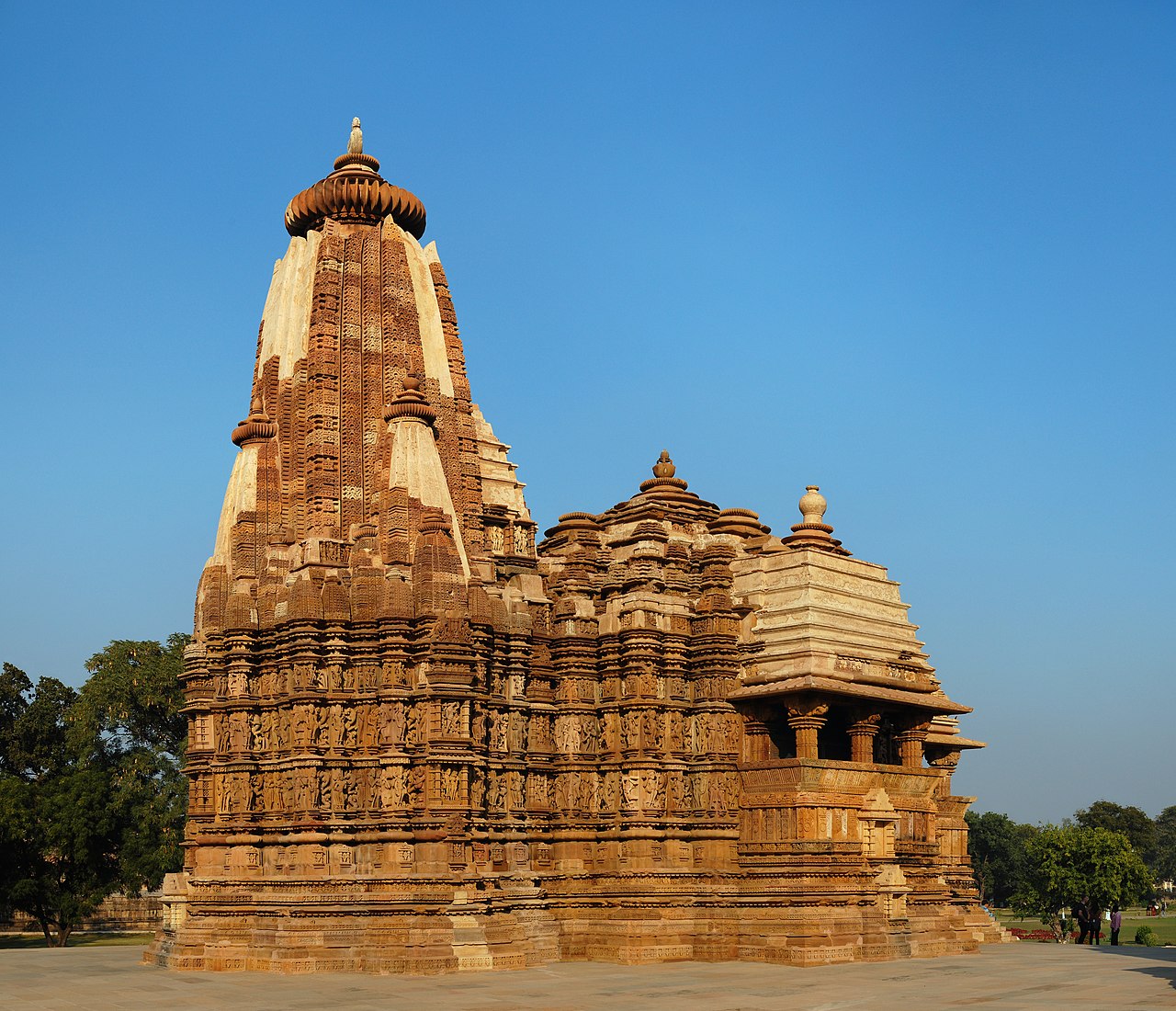
Devi Jagadambi Temple
Temple · 100 m · about 2 min walk
 #1 in Khajuraho
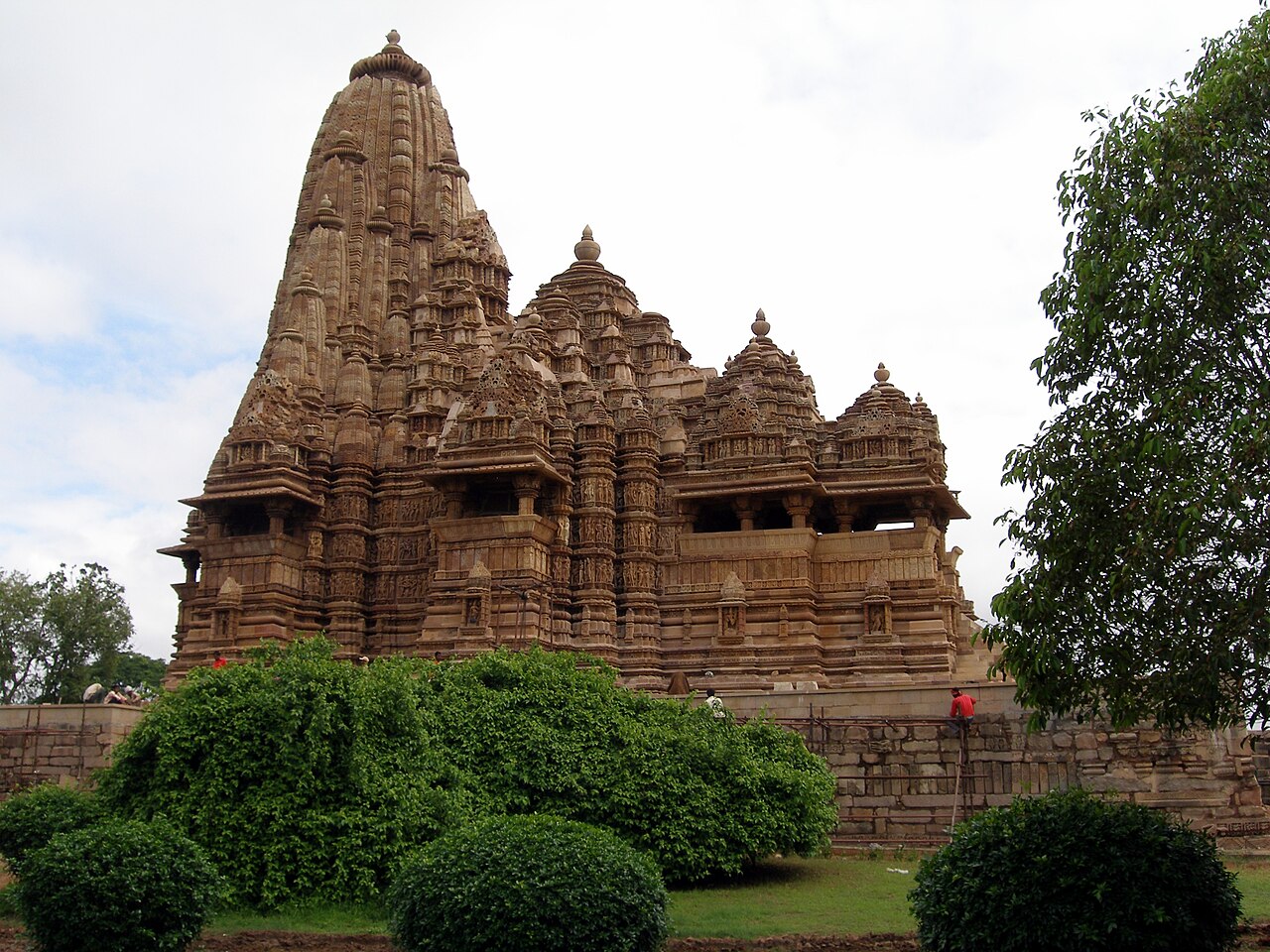
Kandariya Mahadeva Temple
Temple · 150 m · about 3 min walk
 #8 in KhajurahoFree entry
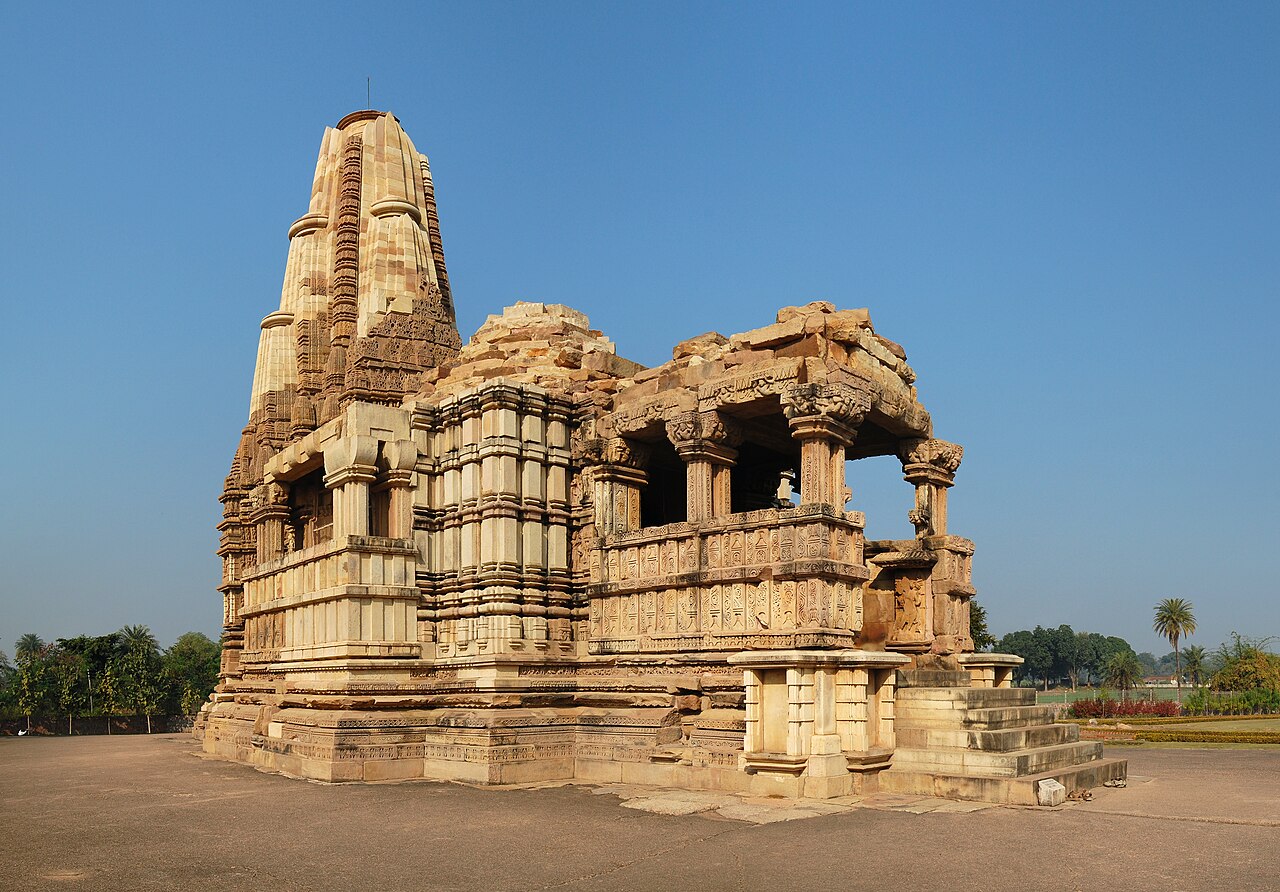
Duladeo Temple
Temple · 150 m · about 3 min walk
 #9 in KhajurahoFree entry
Javari Temple
Temple · 150 m · about 3 min walk