
Devi Jagadambi Temple
#4of 9 places to visit in KhajurahoKhajuraho, Madhya Pradesh
Also known as Kali Temple Khajuraho
Quick answer
Opening hours: 06:00–18:00. Entry: ₹40 Indian · ₹600 foreign. Allow 45 min. Best time: 06:30–09:00.
Updated · Compiled by Traveliac, AI-assisted · 5 min read
- Opening hours
- 06:00–18:00
- Entry fee
- ₹40 Indian
- Ticket from
- Time needed
- 45 min
- Best time of day
- 06:30–09:00
- Best months
- Oct – Mar
- Address
- Western Group of Temples, Khajuraho, Chhatarpur District, Madhya Pradesh 471606 (immediately north of, and sharing a platform with, the Kandariya Mahadeva Temple)
About Devi Jagadambi Temple
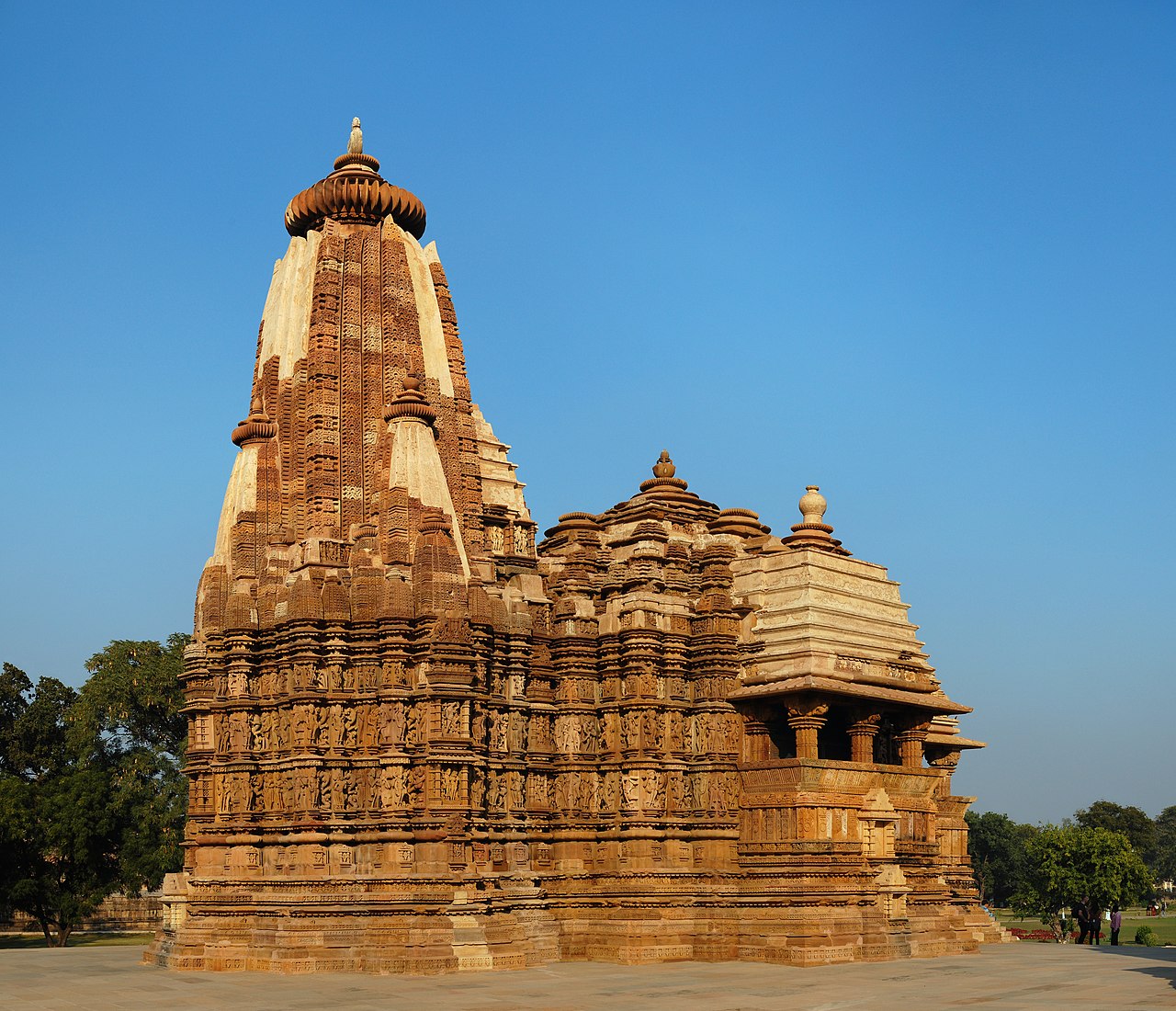
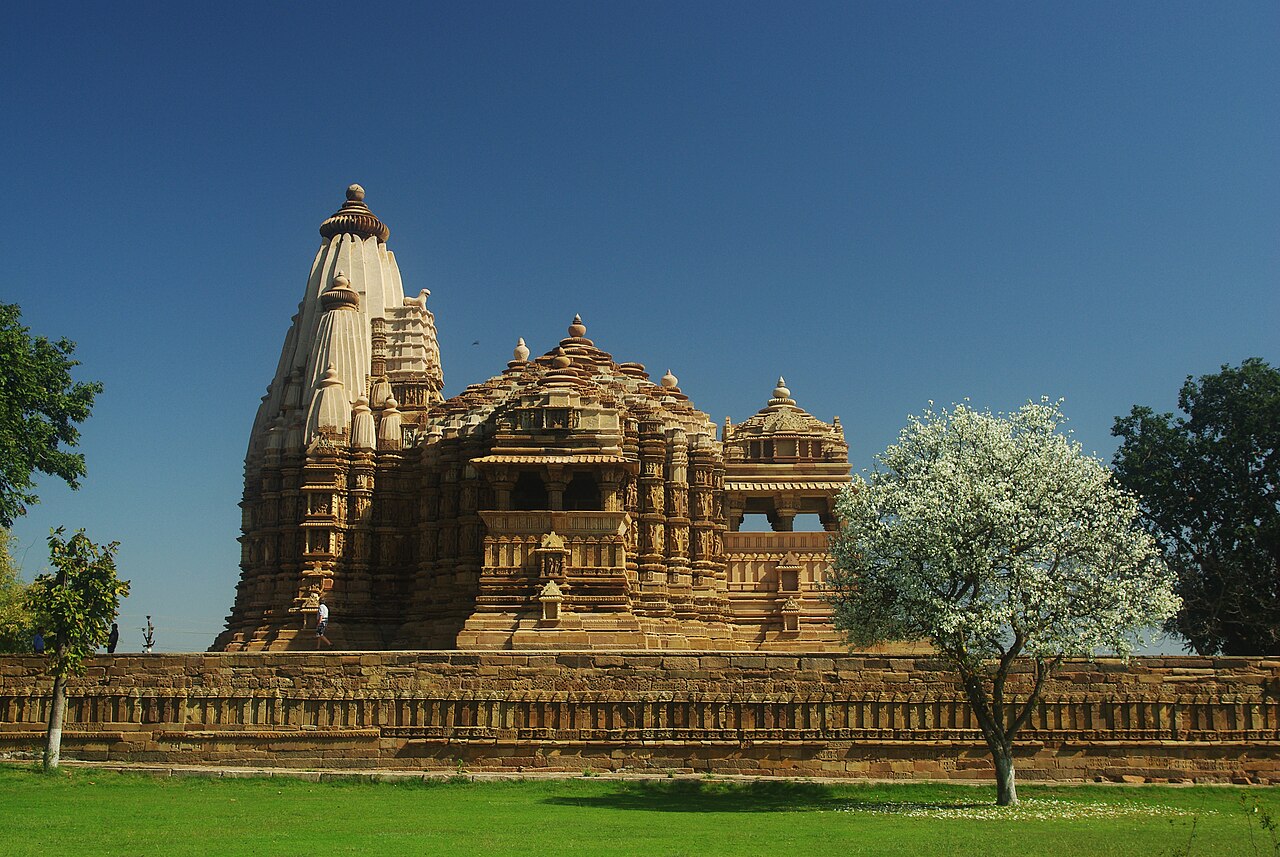
The Devi Jagadambi Temple stands close enough to the Kandariya Mahadeva that the two structures share a near-continuous platform edge, and the pairing is instructive: Jagadambi is built to a similar tri-ratha plan and comparable scale but lacks the interior ambulatory passage that circles Kandariya's sanctum, a feature generally read by architectural historians as a mark of the slightly more developed design next door. What makes the temple unusual is its dedication history. A carved image of Vishnu in his Lakshmi-Narayana form still survives on the lintel directly above the sanctum entrance — clear evidence that the temple was originally consecrated to Vishnu. The image inside the sanctum today, however, is a large black stone figure of the goddess Jagadambi, an epithet under which she is worshipped locally as a form of Kali or Parvati, and it is this later image that gives the temple its current name and its continuing, if intermittent, devotional use. The exterior sculptural bands include one of the most frequently reproduced erotic panels at Khajuraho, a three-figure composition on the south wall that appears in nearly every academic survey of the site's iconography.
Best time of day: 06:30–09:00. The temple faces east and shares its platform edge with the Kandariya Mahadeva, so early light reaches both simultaneously — a useful window for comparing the two temples' sculptural registers side by side before crowds build.
Devi Jagadambi Temple timings
Devi Jagadambi Temple opens at 06:00 and closes at 18:00. Those hours hold on Saturday and Sunday too.
- Opening hours
- 06:00–18:00
Mon–Sun 06:00–18:00 - Closed on
- Open every day
Good to know: Open year-round as part of the ASI-administered Western Group compound. The sanctum sees periodic devotional activity, most visibly during Navratri, when small offerings appear at the threshold despite the site's monument status.
Opening hours compiled from asi.nic.in and public records, last updated . They change without notice — confirm before you travel. How we write these guides
Devi Jagadambi Temple ticket price
| Ticket | Price |
|---|---|
| Indian visitors | ₹40 |
| Foreign visitors | ₹600 |
| Children | Free |
| Camera | Free |
Covered by the single Western Group compound ticket (₹40 Indian / ₹600 foreign, valid one day), shared with the Kandariya Mahadeva temple immediately to its south — the two structures sit on a near-continuous platform. The nightly Sound and Light show is a separate ticket (₹100 Indian / ₹250 foreign).
Prices compiled from asi.nic.in and public records, last updated . They change without notice — confirm before you travel. How we write these guides
Best time to visit Devi Jagadambi Temple
- Quiet
- Moderate
- Busy
06:00–08:30
SunriseBest time to go
Quiet alongside Kandariya Mahadeva at this hour. Early light reaches the shared platform's east face first, picking out the sanctum entrance and lintel image.
Quiet08:30–11:30
Morning tour peak
Tour groups visiting Kandariya Mahadeva spill directly onto Jagadambi's shared platform; the two are almost always visited together, so crowd levels track each other closely.
Busy11:30–15:00
Midday
Groups thin out for lunch. Overhead light is flat but the erotic panel on the south wall is well lit for close inspection.
Moderate15:00–18:00
Afternoon and closing
A second wave of independent travellers and photographers arrives for late-afternoon light. Crowds ease again in the final closing hour.
Moderate
History of Devi Jagadambi Temple
Devi Jagadambi was built during the same intensive construction phase as its neighbour, roughly 1000–1025 CE, under the patronage that culminated in King Vidyadhara's Kandariya Mahadeva. The two temples' shared platform strongly suggests a coordinated building campaign rather than two unrelated projects that happened to end up adjacent — a pattern of clustered royal commissions that recurs across the Western Group's northern row.
The rededication from Vishnu to a mother-goddess form is not documented by any surviving inscription, and its exact date is unknown; it likely occurred at some point after the Chandela dynasty's political collapse around 1200 CE, when the original cult images at many Khajuraho temples were lost, damaged, or removed, and local communities — who had never entirely abandoned the site despite its long obscurity to the wider world — installed substitute images reflecting their own devotional priorities. This pattern of rededication, visible here in unusually legible form because the original Vaishnava lintel image was left untouched even as the sanctum's primary object of worship changed beneath it, is one of the clearest physical records of how Khajuraho's temples continued to function as living religious sites long after the courtly patronage that built them had disappeared. The temple was documented along with the rest of the Western Group following T.S. Burt's 1838 survey and was included in the UNESCO inscription of 1986.
Rules & etiquette at Devi Jagadambi Temple
Because the sanctum retains an active, if modest, devotional function — unlike the fully deconsecrated Kandariya Mahadeva next door — visitors should remove footwear before stepping onto the innermost sanctum threshold even though the outer platform and compound paths do not require it. Photography is unrestricted throughout the exterior sculptural bands, including the well-known erotic panel on the south wall, but visitors should avoid photographing devotees engaged in worship at the sanctum door without permission.
The shared platform with Kandariya Mahadeva means the two temples are typically visited as a single stop; the transition between them requires no separate ticket check. Licensed guides (Ministry of Tourism green card, stationed at the main gate) commonly walk the pair together and can point out the surviving Vishnu lintel image, which is easy to miss without prompting since it sits above eye level and is not separately signed.
Tips for visiting Devi Jagadambi Temple
- 1
The most useful way to see Devi Jagadambi is comparatively — walk its platform immediately before or after Kandariya Mahadeva and look specifically for what is missing: no interior ambulatory passage around the sanctum, a slightly less elaborate multi-register scheme, and a shikhara with fewer subsidiary spires. These are not flaws but data points in how the Chandela building programme refined its own formula within the space of a single generation.
- 2
Do not skip the lintel image above the sanctum door. It is one of the few places at Khajuraho where a temple's original dedication and its current devotional identity are visible in the same field of view, a small but concrete illustration of the site's long and discontinuous religious history.
- 3
Because worship still occasionally occurs here, particularly around Navratri (typically September–October and March–April), a visit during those periods may include the sight of fresh flower offerings or vermillion at the sanctum threshold — an unusual and worthwhile contrast to the otherwise museum-like stillness of the surrounding monuments.
How to reach Devi Jagadambi Temple
The red star is Devi Jagadambi Temple; the numbered pins are the 7 nearest places in our guides, each showing its rank in its city. Tap a pin for details.
Western Group of Temples, Khajuraho, Chhatarpur District, Madhya Pradesh 471606 (immediately north of, and sharing a platform with, the Kandariya Mahadeva Temple)Directions in Google Maps
From Khajuraho Airport (HJR)
₹80–1202.5 km · 10–15 min
From Khajuraho Railway Station
₹150–2008 km · 20–25 min
From Kandariya Mahadeva Temple
0.05 km · 1–2 min
Free
Nearest airport
From Khajuraho Airport (HJR)
approximately 2.5 km south of the Western Group compound
Nearest railway station
From Khajuraho Railway Station
approximately 8 km southeast
Devi Jagadambi Temple FAQs
Was the Devi Jagadambi Temple always dedicated to a goddess?
No. A surviving carved lintel image of Vishnu in his Lakshmi-Narayana form directly above the sanctum entrance shows the temple was originally consecrated to Vishnu. The black stone image of the goddess Jagadambi (worshipped locally as a form of Kali or Parvati) currently in the sanctum was installed later, at an undocumented date, most likely after the original cult image was lost following the Chandela dynasty's decline after 1200 CE.
How does Devi Jagadambi differ architecturally from the neighbouring Kandariya Mahadeva?
The two temples share a platform and a broadly similar tri-ratha plan and construction date (roughly 1000–1025 CE), but Devi Jagadambi lacks the interior ambulatory passage that circles the Kandariya Mahadeva's sanctum, and its overall sculptural scheme is slightly less elaborate. Architectural historians generally read this as evidence that Kandariya Mahadeva represents a more developed stage of the same design formula.
Is the sanctum still used for worship?
Yes, intermittently. Unlike most of the Western Group's temples, which function purely as ASI monuments, Devi Jagadambi's sanctum sees occasional devotional activity, most visibly around Navratri, when small offerings and vermillion appear at the threshold. Visitors should be respectful of any worship in progress and avoid photographing devotees without permission.
Is the famous erotic panel at Devi Jagadambi different from those at Kandariya Mahadeva?
The Devi Jagadambi Temple's south wall carries one of the most frequently reproduced erotic panels in Khajuraho scholarship, a three-figure composition distinct from the panels found on the Kandariya Mahadeva. As at every temple in the complex, such panels form a small fraction of the total sculptural programme, which is dominated by apsaras, celestial attendants, and devotional imagery.
Compiled with AI assistance from official sources and public records, and published only after the checks in How we write these guides. Nobody from Traveliac has visited this place. Last updated . How we rank and check places
Places to visit near Devi Jagadambi Temple
Straight-line distances from our map; times are estimates.
 #8 in KhajurahoFree entry
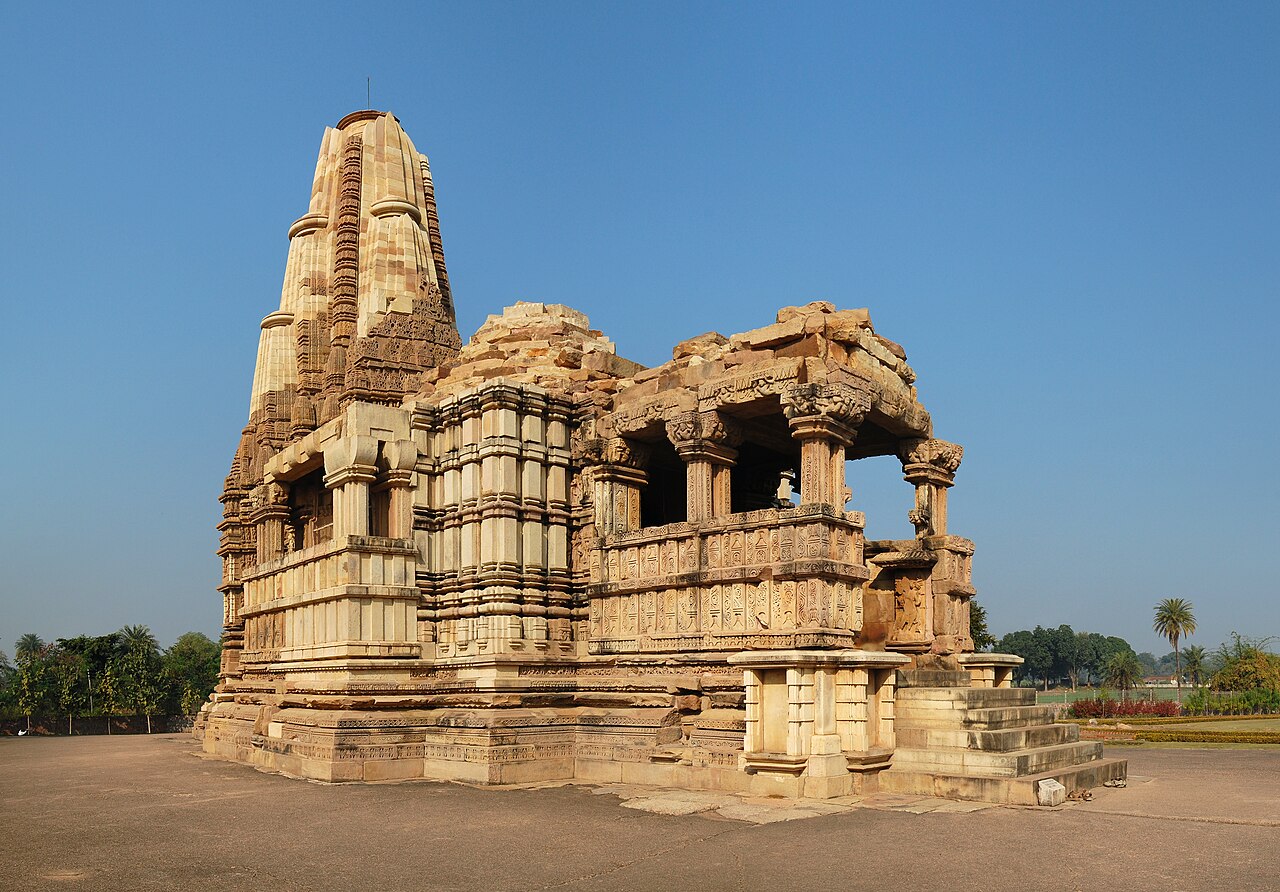
Duladeo Temple
Temple · 50 m · about 2 min walk
 #9 in KhajurahoFree entry
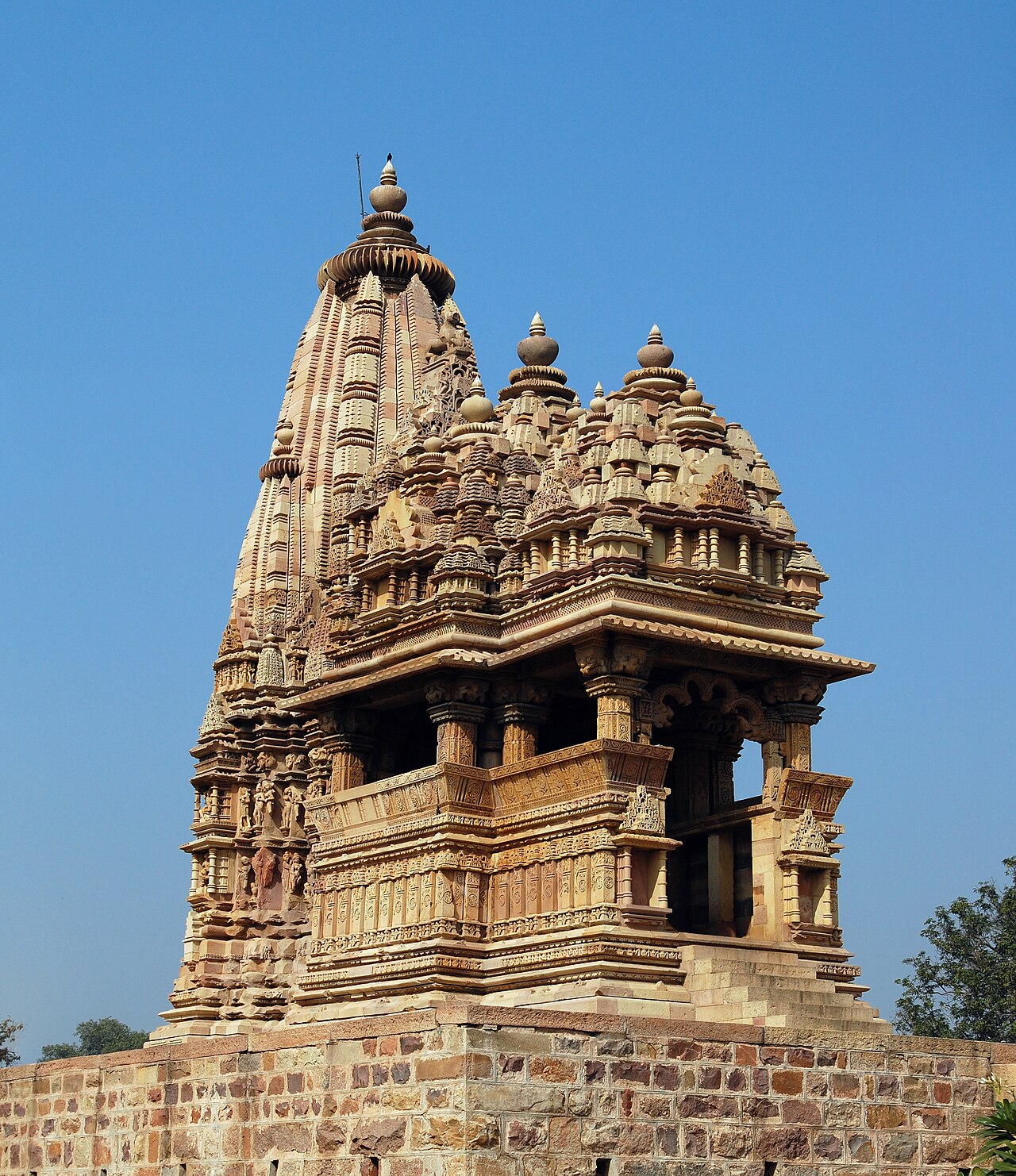
Javari Temple
Temple · 50 m · about 2 min walk
 #1 in Khajuraho
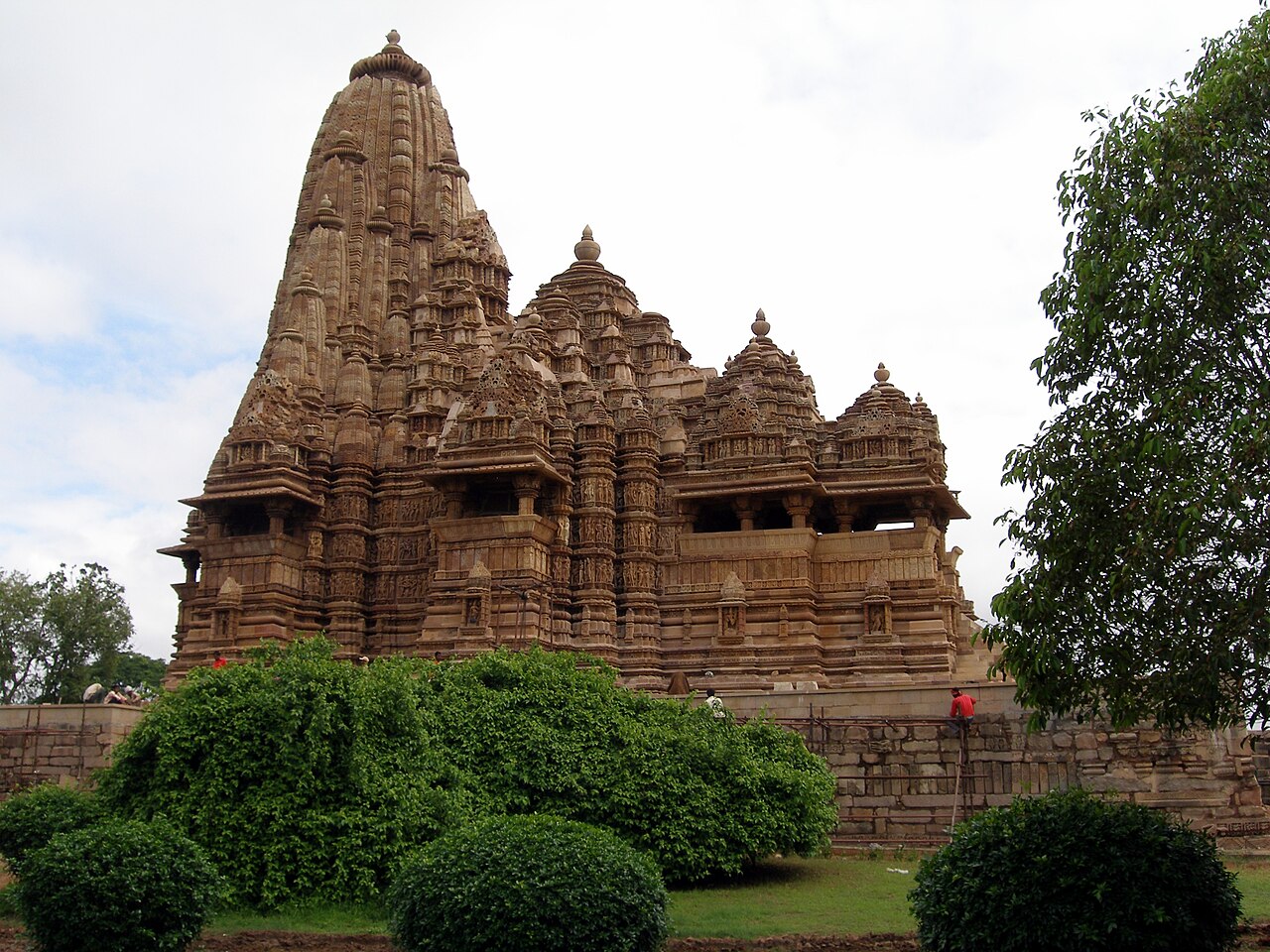
Kandariya Mahadeva Temple
Temple · 50 m · about 2 min walk
 #5 in Khajuraho
Chitragupta Temple
Temple · 100 m · about 2 min walk