
Lakshmana Temple
#2of 9 places to visit in KhajurahoKhajuraho, Madhya Pradesh
Also known as Lakshmana Temple Khajuraho · Chaturbhuj Temple · Vaikuntha Vishnu Temple
Quick answer
Opening hours: 06:00–18:00. Entry: ₹40 Indian · ₹600 foreign. Allow 1 hr. Best time: Sunrise.
Updated · Compiled by Traveliac, AI-assisted · 6 min read
- Opening hours
- 06:00–18:00
- Entry fee
- ₹40 Indian
- Ticket from
- Time needed
- 1 hr
- Best time of day
- Sunrise
- Best months
- Oct – Mar
- Address
- Western Group of Temples, Khajuraho, Chhatarpur District, Madhya Pradesh 471606
About Lakshmana Temple
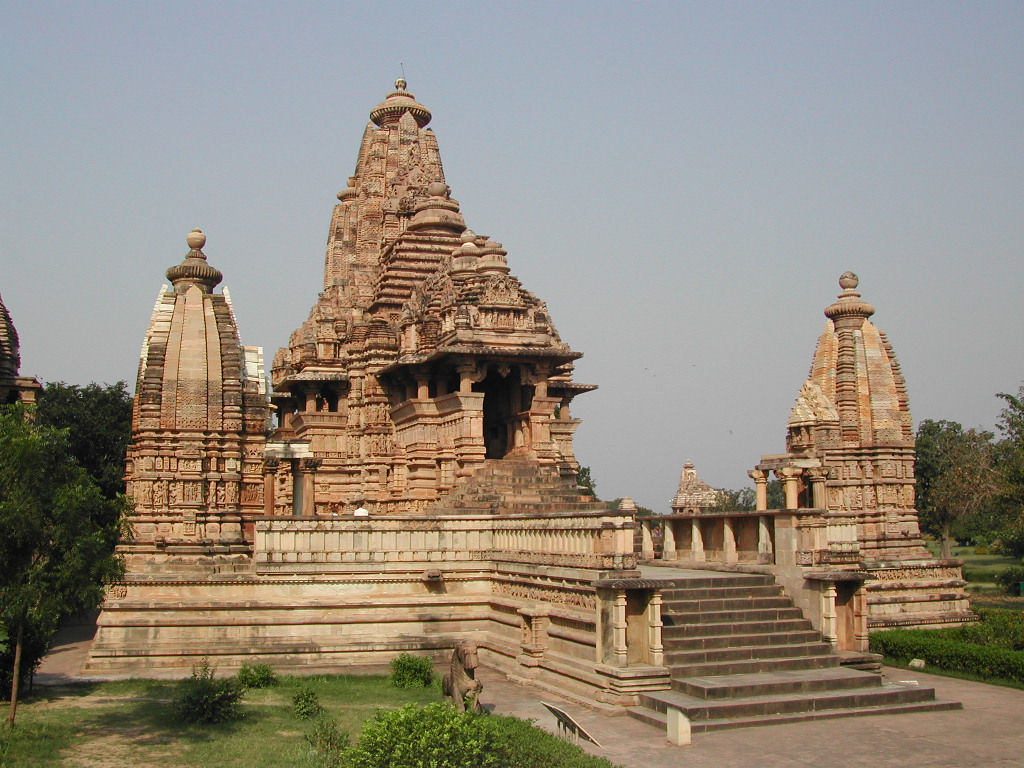
Among the temples of the Khajuraho Western Group, the Lakshmana Temple occupies a particular historical position: it is the earliest of the major surviving structures, bearing a dedicatory inscription that can be dated with confidence to 954 CE under King Yashovarman, the Chandela ruler who initiated the temple-building programme that would continue for a century after his death. Dedicated to Vishnu in his form as Vaikuntha — the four-faced emanation combining human, lion, and boar manifestations — the temple demonstrates that the Chandela architects had already arrived at the essentials of their distinctive panchayatana (five-shrine) plan from the outset: a large central sanctum raised on a high platform with four subsidiary shrines at the corners, connected by a processional terrace on which the figural sculpture is arranged in a continuous narrative band. Later temples, including the Kandariya Mahadeva, refined and amplified this template. The Lakshmana establishes it.
Best time of day: Sunrise. 06:00–08:00 when the eastern face of the temple is illuminated by direct angled light that picks out the relief depth of the figural friezes. The temple's full platform plan — with its four subsidiary shrines at the corners — is most legible in the long shadows of early morning.
Lakshmana Temple timings
Lakshmana Temple opens at 06:00 and closes at 18:00. It keeps the same hours on Saturday and Sunday.
- Opening hours
- 06:00–18:00
Mon–Sun 06:00–18:00 - Closed on
- Open every day
Good to know: Open year-round as part of the ASI-administered Western Group compound.
Opening hours compiled from public records; this place lists no official website, last updated . They change without notice — confirm before you travel. How we write these guides
Lakshmana Temple ticket price
| Ticket | Price |
|---|---|
| Indian visitors | ₹40 |
| Foreign visitors | ₹600 |
| Children | Free |
| Camera | Free |
Covered by the Western Group compound ticket (₹40 Indian / ₹600 foreign), which also provides access to the Kandariya Mahadeva, Chitragupta, and Devi Jagadambi temples within the same enclosure. Ticket valid for one day. The Sound and Light show is a separate evening ticket: ₹100 Indian / ₹250 foreign.
Prices compiled from public records; this place lists no official website, last updated . They change without notice — confirm before you travel. How we write these guides
Best time to visit Lakshmana Temple
- Quiet
- Moderate
- Busy
06:00–08:30
SunriseBest time to go
The compound is nearly empty. Eastern light on the Lakshmana's facade is raking and revealing. The base friezes are in shadow until 07:30, when light reaches the platform base.
Quiet08:30–12:00
Morning peak
Tour groups arrive. The Kandariya Mahadeva tends to draw the largest concentrations; the Lakshmana is somewhat less crowded but the compound paths become busy.
Busy12:00–15:00
Midday lull
Groups depart for lunch breaks. Individual visitors arrive. Overhead light flattens the sculptural relief but crowds are manageable. The base friezes are well-lit from directly above.
Moderate15:00–17:30
Afternoon
The western and northern faces of the temple receive good light. A reliable window for unhurried platform circuit visits.
Moderate17:30–18:00
Closing
The final 30 minutes before the compound closes are consistently quiet. Golden-hour light on the shikhara is exceptional but brief.
Quiet
History of Lakshmana Temple
The Lakshmana Temple was built by King Yashovarman of the Chandela dynasty, with its dedication recorded in a copper-plate inscription dated to Vikrama Samvat 1011 — corresponding to 954 CE in the common era. This makes it among the earliest precisely dateable temples in the Khajuraho complex. The inscription records that the image of Vaikuntha installed in the sanctum was a gift from the Pratihara king Devapala, an interesting detail that places the Chandela patronage within a broader context of dynastic gift-exchange in 10th-century northern India.
The temple is dedicated to Vishnu in his Vaikuntha form — a composite three-faced image with a human face in front, a lion face (Narasimha) to the left, and a boar face (Varaha) to the right, representing three of Vishnu's principal avatars simultaneously. The original main image is no longer in place; the sanctum now houses a later Vishnu image. An exceptional four-armed Vishnu image from the subsidiary shrines of the Lakshmana complex is now in the Khajuraho Museum.
The architectural scheme of the Lakshmana Temple introduced features that would become defining characteristics of the Chandela style: the high jagati platform on which the temple stands, raising it above the landscape and creating a processional terrace; the panchayatana arrangement with four subsidiary shrines at the corners; the continuous sculptural frieze running around the platform base and the temple walls in multiple horizontal registers; and the treatment of the shikhara as an aggregation of subsidiary spires converging at the peak. The surface decoration of the Lakshmana is somewhat less dense than the later Kandariya Mahadeva — the figural programme is slightly more spacious and the individual figures consequently more readable in isolation.
The Lakshmana also contains a particularly well-preserved band of processional friezes at the base of the platform: a sequential narrative of military processions with soldiers, horses, elephants, and camp followers that constitutes one of the most detailed representations of 10th-century Chandela military organisation in stone. These friezes, which run along the base of the jagati and are easily overlooked by visitors focused on the figural sculpture above, repay careful attention.
Rules & etiquette at Lakshmana Temple
The Lakshmana Temple is accessed via the same Western Group compound ticket and follows the same rules as the other temples in the enclosure. Footwear is permitted on the compound paths. Ascending the temple platform is permitted to the sanctum entrance vestibule. The sanctum interior houses an active Vishnu image that receives occasional puja; be respectful of devotees.
The base platform friezes are at ground level and at close reading distance — this is one of the few places in the Khajuraho compound where the figural detail can be examined without binoculars or telephoto lenses. Do not touch the stone. The surface of the Vindhyan sandstone used throughout Khajuraho is relatively soft and porous; even clean hand contact over time degrades the surface detail.
Licensed guides (Ministry of Tourism green card) are the appropriate choice for iconographic interpretation. The Lakshmana Temple's figural programme is particularly rich in mythological narrative — scenes from the Ramayana and Mahabharata, scenes of Vishnu's ten avatars — that requires knowledge of the texts to read correctly. A competent guide will add substantial value here.
Tips for visiting Lakshmana Temple
- 1
The Lakshmana Temple is frequently the second or third stop on a guided Western Group itinerary, with the Kandariya Mahadeva and Chitragupta temples receiving priority. This is an arguable sequencing. Visiting the Lakshmana first has the advantage of establishing the basic Chandela temple plan in its earliest, clearest form before the elaboration of later buildings complicates the visual logic.
- 2
The corner subsidiary shrines of the panchayatana plan are small but complete temples in themselves, each with a sanctum, vestibule, and sculptural programme. Visitors who only approach the central shrine miss approximately 40% of the available sculptural surface. Walk the full platform terrace perimeter, descending to the base frieze level at least once on each cardinal face.
- 3
The western face of the temple, which faces away from the main compound approach path, is the least visited surface and often has the best light in the afternoon. Several unusual figural compositions appear on the western and northern walls.
- 4
Combined visiting of the Western Group temples is most efficiently done in a 3–4 hour block: enter at 06:00, visit all four major temples sequentially, and exit before the midday tour group pressure. Return for the Sound and Light show at 19:30. This two-visit structure provides both the detail that daylight examination allows and the dramatic spatial impression that the evening illumination creates.
- 5
The ASI guidebook (₹75–100 at the ticket counter) has a temple-by-temple iconographic description that is accurate and compact. The photographs are small but adequate for identifying which sculptural panels the text is describing.
How to reach Lakshmana Temple
The red star is Lakshmana Temple; the numbered pins are the 7 nearest places in our guides, each showing its rank in its city. Tap a pin for details.
Western Group of Temples, Khajuraho, Chhatarpur District, Madhya Pradesh 471606Directions in Google Maps
From Khajuraho Airport (HJR)
₹80–1202.5 km · 10–15 min
From Khajuraho Railway Station
₹150–2008 km · 20–25 min
From Mahoba Junction (MHO)
₹100–15061 km · 90–120 min
Per person shared taxi + ₹80–120 auto
Nearest airport
From Khajuraho Airport (HJR)
approximately 2.5 km south
Nearest railway station
From Mahoba Junction (MHO)
approximately 61 km north; Jhansi Junction (JHS) – approximately 175 km northwest
Lakshmana Temple FAQs
How old is the Lakshmana Temple and is it older than the Kandariya Mahadeva?
Yes. The Lakshmana Temple bears a dedicatory inscription dated to 954 CE, making it the earliest of the major precisely-dated temples in the Khajuraho complex. The Kandariya Mahadeva was built approximately 70–100 years later, during the reign of King Vidyadhara (c. 1003–1035 CE). The Lakshmana effectively established the template — the panchayatana plan, the high jagati platform, the multi-register sculptural programme — that later Chandela temples elaborated.
What deity is worshipped in the Lakshmana Temple?
The temple is dedicated to Vishnu in his Vaikuntha form — a composite three-faced manifestation combining a human face (front), a lion face representing Narasimha (left), and a boar face representing Varaha (right). This iconographic form represents three of Vishnu's ten principal avatars simultaneously. The original dedicatory image is no longer in place; a later Vishnu image now occupies the sanctum.
What are the base friezes and why are they significant?
The base friezes are a series of carved panels running along the lower sections of the jagati (platform) of the Lakshmana Temple. They depict military processions with soldiers, cavalry, war elephants, camp followers, musicians, and erotic scenes — constituting one of the most detailed representations of 10th-century Chandela military and social life in stone. Unlike the more symbolic figural sculpture higher on the temple walls, the friezes have a narrative and documentary character that makes them historically interesting beyond their artistic quality.
Does the same ticket cover both the Lakshmana and Kandariya Mahadeva temples?
Yes. The single Western Group compound ticket (₹40 Indian / ₹600 foreign) covers all temples within the ASI-enclosed Western Group, including the Lakshmana Temple, Kandariya Mahadeva, Chitragupta, and Devi Jagadambi temples. The ticket is valid for one day.
Compiled with AI assistance from official sources and public records, and published only after the checks in How we write these guides. Nobody from Traveliac has visited this place. Last updated . How we rank and check places
Places to visit near Lakshmana Temple
Straight-line distances from our map; times are estimates.
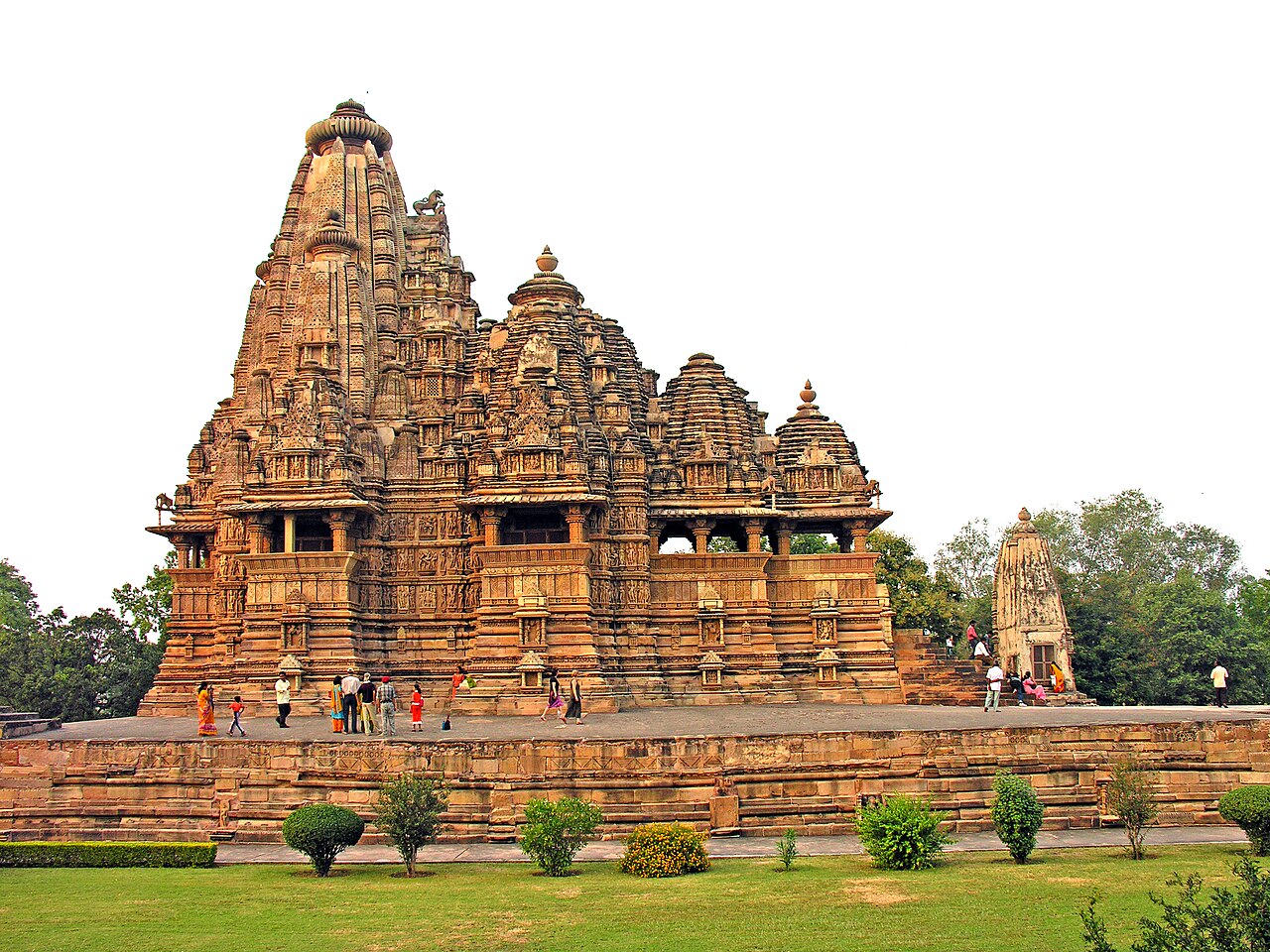 #3 in Khajuraho
Vishvanatha Temple
Temple · 150 m · about 3 min walk
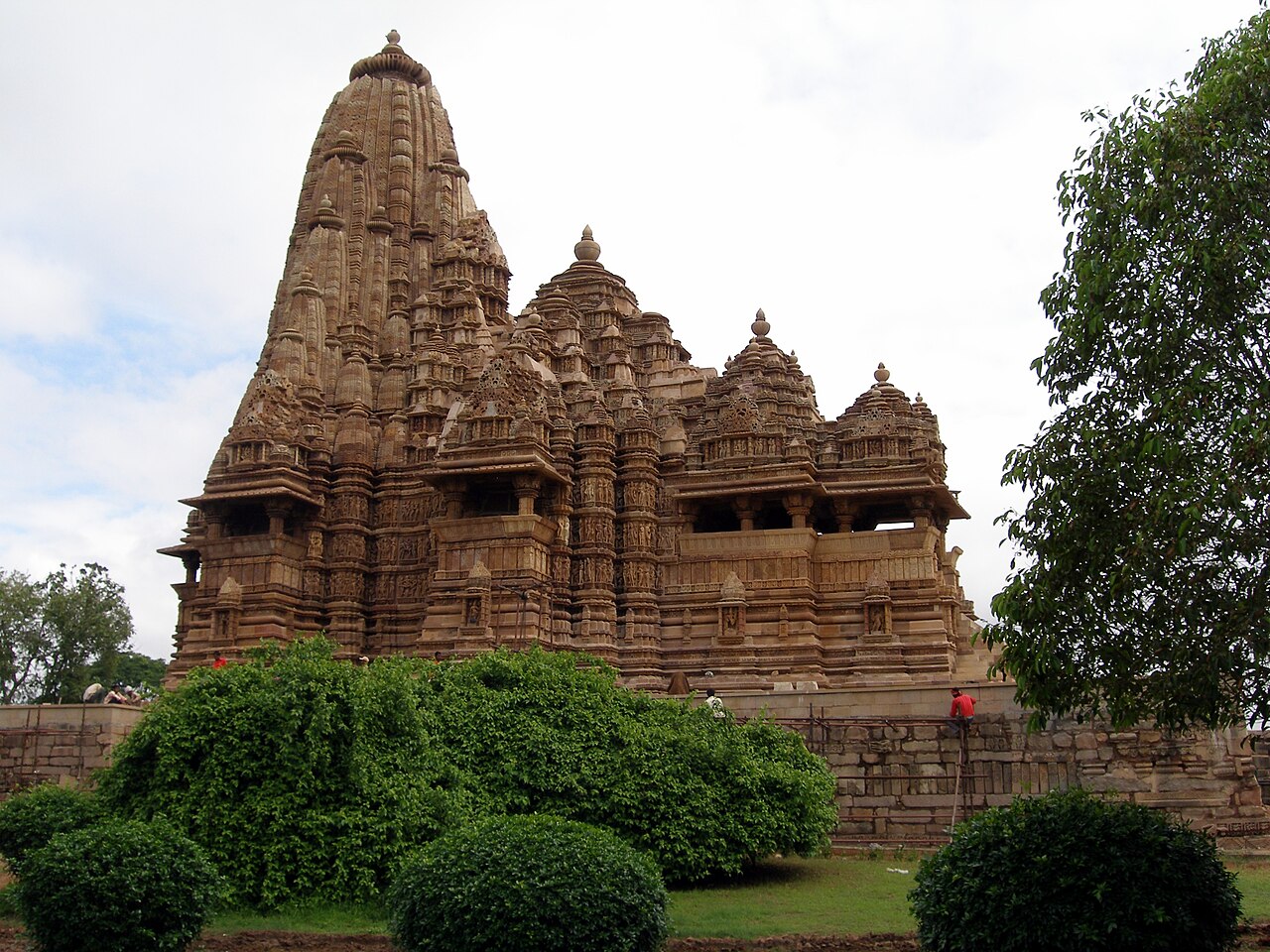 #1 in Khajuraho
Kandariya Mahadeva Temple
Temple · 200 m · about 4 min walk
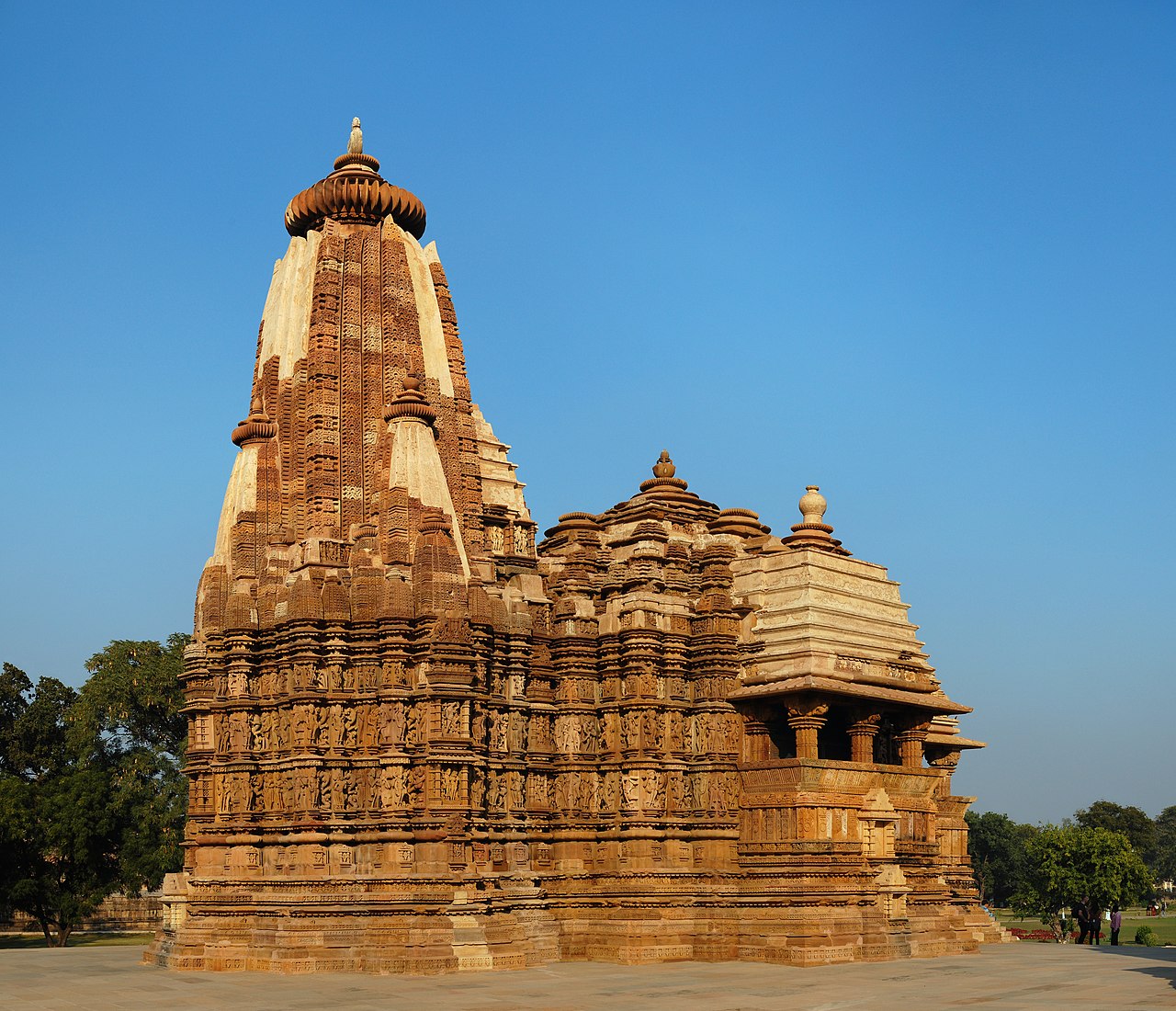 #4 in Khajuraho
Devi Jagadambi Temple
Temple · 250 m · about 4 min walk
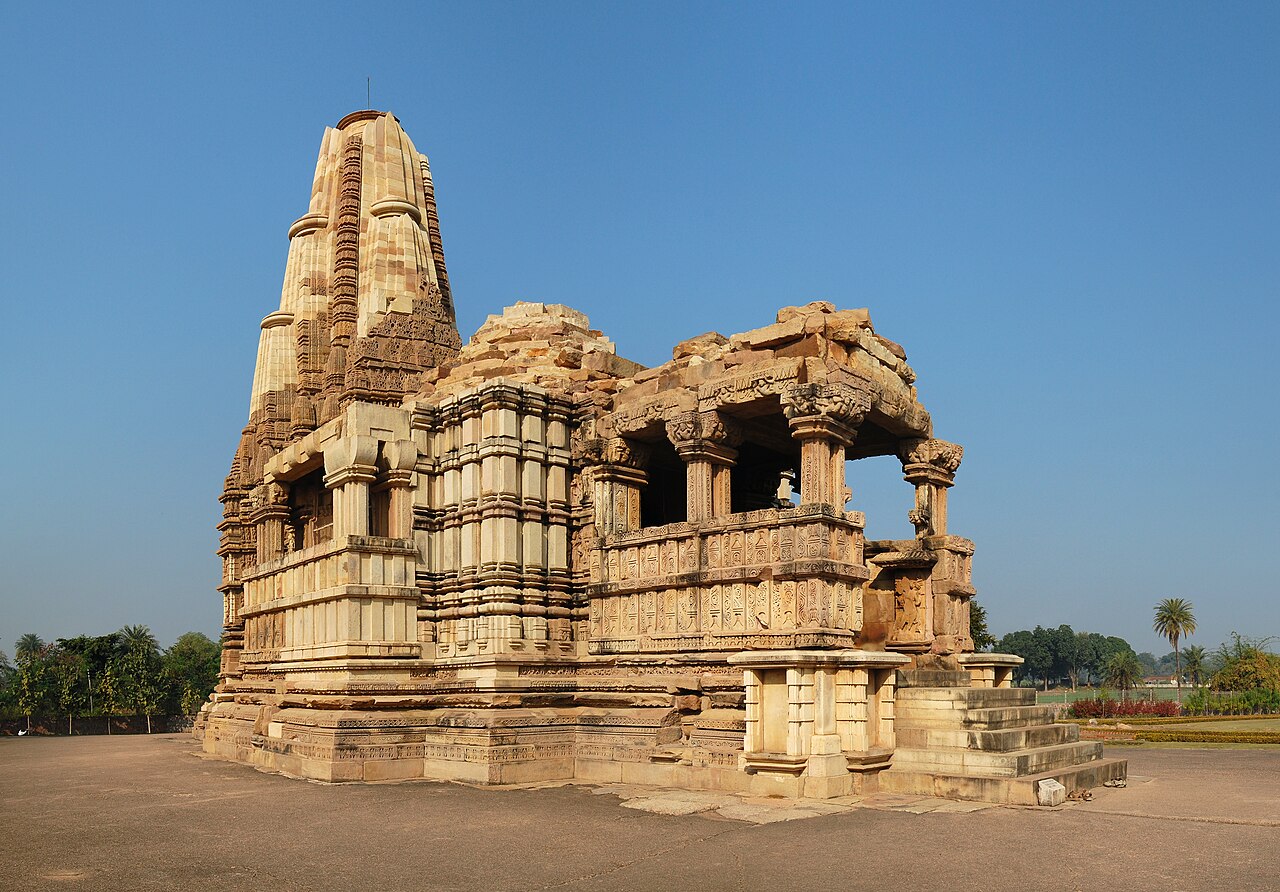 #8 in KhajurahoFree entry
Duladeo Temple
Temple · 250 m · about 4 min walk