
DakshinaChitra
#7من أصل 10 مكانًا للزيارة في ChennaiChennai, Tamil Nadu
يُعرف أيضًا باسم DakshinaChitra Heritage Museum
إجابة سريعة
ساعات العمل: 10:00–18:00, closed Tuesdays. رسوم الدخول: ₹150 للهنود · ₹300 للأجانب. خصّص 3 hrs. أفضل وقت: 10:00 – 12:30.
آخر تحديث · أعدّه Traveliac، بمساعدة الذكاء الاصطناعي · 4 دقيقة قراءة
- ساعات العمل
- 10:00–18:00
- Closed Tuesdays
- رسوم الدخول
- ₹150 للهنود
- التذكرة تبدأ من
- الوقت اللازم
- 3 hrs
- أفضل وقت في اليوم
- 10:00 – 12:30
- أفضل الأشهر
- Dec – Mar
- العنوان
- East Coast Road, Muttukadu, Chengalpattu District, Tamil Nadu 603112
عن DakshinaChitra
DakshinaChitra opened to the public on 14 December 1996 on the East Coast Road at Muttukadu, roughly 25 kilometres south of central Chennai, as a living-history museum built around 18 heritage houses relocated or faithfully reconstructed from Tamil Nadu, Andhra Pradesh, Karnataka, and Kerala. Each house uses the actual regional materials of its origin — laterite block walls from coastal Kerala, terracotta roof tiles from the Tamil delta country, carved teak pillars salvaged from demolished Chettinad mansions — rather than a single uniform building style, so walking between houses means walking between four distinct vernacular traditions in the space of an afternoon. The museum's collection runs past 4,220 artefacts, including textiles, tools, and contemporary craft pieces displayed inside the reconstructed houses rather than behind glass.
أفضل وقت في اليوم: 10:00 – 12:30. Before the East Coast Road midday heat makes the open-air walk between heritage houses uncomfortable.
مواعيد DakshinaChitra
يفتح DakshinaChitra في 10:00 ويغلق في 18:00. ولا يختلف الأمر في عطلة نهاية الأسبوع: السبت والأحد بالمواعيد نفسها.
- ساعات العمل
- 10:00–18:00
Monday 10:00–18:00 Tuesday Closed Wed–Sun 10:00–18:00 - يُغلق يوم
- Tuesday
من المفيد معرفته: Craft demonstrations and folk performances are more frequent on weekends and during the Tamil Nadu winter festival season, December to January.
تم جمع ساعات العمل من dakshinachitra.net والسجلات العامة، وآخر تحديث في . قد تتغيّر دون إشعار مسبق — تأكد منها قبل السفر. كيف نكتب هذه الأدلة
سعر تذكرة DakshinaChitra
| التذكرة | السعر |
|---|---|
| الزوار الهنود | ₹150 |
| الزوار الأجانب | ₹300 |
| الأطفال | ₹60 |
| الكاميرا | مجاني |
Prices are set by the Madras Craft Foundation, a private trust, and are booked mainly online through the museum's own portal rather than at a walk-in counter. Figures are the most reliable found, as of 2026, verify at the counter or online booking page before visiting.
تم جمع الأسعار من dakshinachitra.net والسجلات العامة، وآخر تحديث في . قد تتغيّر دون إشعار مسبق — تأكد منها قبل السفر. كيف نكتب هذه الأدلة
أفضل وقت لزيارة DakshinaChitra
- Quiet
- Moderate
10:00 – 12:00
Morning OpeningBest time to go
Craft demonstrations are just getting underway and the site is at its coolest; a good window for unhurried conversations with artisans.
Quiet12:00 – 14:30
Midday
Domestic tour groups and school visits tend to concentrate in this window; the open courtyards between houses feel exposed to the heat.
Moderate14:30 – 16:30
Afternoon Lull
Visitor numbers thin as day-trippers head back toward Chennai; craft shops near the exit stay active.
Quiet16:30 – 18:00
Late Afternoon
Weekend visitors and photographers return for the softer evening light on the terracotta and laterite façades; last entry is generally enforced before 17:30.
Moderate
تاريخ DakshinaChitra
The Madras Craft Foundation, established in 1984 by conservationist Deborah Thiagarajan, spent over a decade acquiring and relocating threatened heritage structures from across South India before opening DakshinaChitra on 10 acres leased from the Tamil Nadu government. The project responded directly to the rapid loss of vernacular architecture across the region during the late 20th century, as older agraharam houses, merchant residences, and craft workshops were being demolished faster than any single state archive could document them. Rather than building replicas, the foundation dismantled genuine structures — including sections of an actual Chettinad mansion and a Kerala tharavad house — and reassembled them on site using original materials wherever they survived transport. The foundation's library, holding more than 14,000 books and over 100,000 photographs on South Indian craft and architecture, has since made the site a working research archive alongside its role as a visitor attraction.
القواعد والآداب في DakshinaChitra
Tickets are sold primarily through the museum's own online booking portal, and walk-in availability on weekends can be limited during festival periods, so booking a day ahead is worth the extra step. The site is almost entirely open-air, with houses connected by unshaded courtyards and lanes, so visiting in the cooler morning hours avoids the worst of the midday sun common along the East Coast Road. Craft demonstrations inside individual houses are run by working artisans rather than museum staff, and buying directly from them at the small craft shops near the exit supports the same demonstrators seen earlier in the visit. Photography is generally permitted throughout the outdoor sections, though some indoor textile displays restrict flash photography to protect fragile dyes. Because DakshinaChitra sits well outside Chennai's urban core, taxi and app-cab availability for the return trip can thin out after dark, so arranging a return vehicle before sunset is sensible.
نصائح لزيارة DakshinaChitra
- 1
DakshinaChitra rewards a full half-day rather than a quick stop, since the value lies in the craft demonstrations — potters, weavers, and Kalamkari painters working inside the houses — rather than in static exhibits alone. The Kerala-style house with its steep laterite roof and the reconstructed Chettinad section with its lime-plastered pillars are usually singled out by repeat visitors as the two strongest examples of the collection's material authenticity. Combining a visit with Mahabalipuram, roughly a further 30-minute drive south along the East Coast Road, makes sense for travellers with a full day free, since both sites sit along the same coastal route. The museum's on-site café serves regional South Indian food reflecting the four states represented in the houses, a practical lunch stop given the distance back to central Chennai.
كيفية الوصول إلى DakshinaChitra
النجمة الحمراء تمثّل DakshinaChitra. اضغط على أي دبوس لمزيد من التفاصيل.
East Coast Road, Muttukadu, Chengalpattu District, Tamil Nadu 603112الاتجاهات في خرائط Google
من Chennai International Airport (MAA)
₹900–₹1,20036 km · 60–75 min
Prepaid taxi/app cab).
من Chennai Central Railway Station (MAS)
₹700–₹95028 km · 50–65 min
App cab); East Coast Road bus services run less frequently and take longer.
من Mahabalipuram
₹350–₹50015 km · 25–30 min
Auto-rickshaw or app cab) along East Coast Road.
أقرب مطار
من Chennai International Airport (MAA)
approximately 36 km, 60–75 minutes by road via OMR or ECR depending on traffic.
أقرب محطة قطار
من Chennai Central (MAS) is the nearest major railway hub, approximately 28 km away; there is no railway station within easy reach of Muttukadu itself.
الأسئلة الشائعة عن DakshinaChitra
How far is DakshinaChitra from central Chennai?
About 25 kilometres south along the East Coast Road, a drive of roughly 45–60 minutes depending on traffic. It sits close enough to Mahabalipuram to combine both in a single day trip.
Is DakshinaChitra closed on any day of the week?
Yes, it is closed every Tuesday. It otherwise opens daily from 10:00 to 18:00, Wednesday through Monday.
What states' architecture does DakshinaChitra represent?
Four South Indian states: Tamil Nadu, Andhra Pradesh, Karnataka, and Kerala, spread across 18 relocated or reconstructed heritage houses. Each house uses the original regional building materials rather than replicas built from scratch.
Can visitors watch artisans working at DakshinaChitra?
Yes, working potters, weavers, and painters demonstrate their craft inside several of the heritage houses on most open days. Demonstrations are more frequent on weekends and during the winter festival season from December to January.
أُعدّ بمساعدة الذكاء الاصطناعي من مصادر رسمية وسجلات عامة، ونُشر فقط بعد عمليات التحقق الموضحة في كيف نكتب هذه الأدلة. لم يزر أحد من فريق Traveliac هذا المكان شخصيًا. آخر تحديث في . كيف نصنّف الأماكن ونتحقق منها
أماكن للزيارة قرب DakshinaChitra
المسافات خط مستقيم حسب خريطتنا؛ الأوقات تقديرية.
 #10 in Chennai
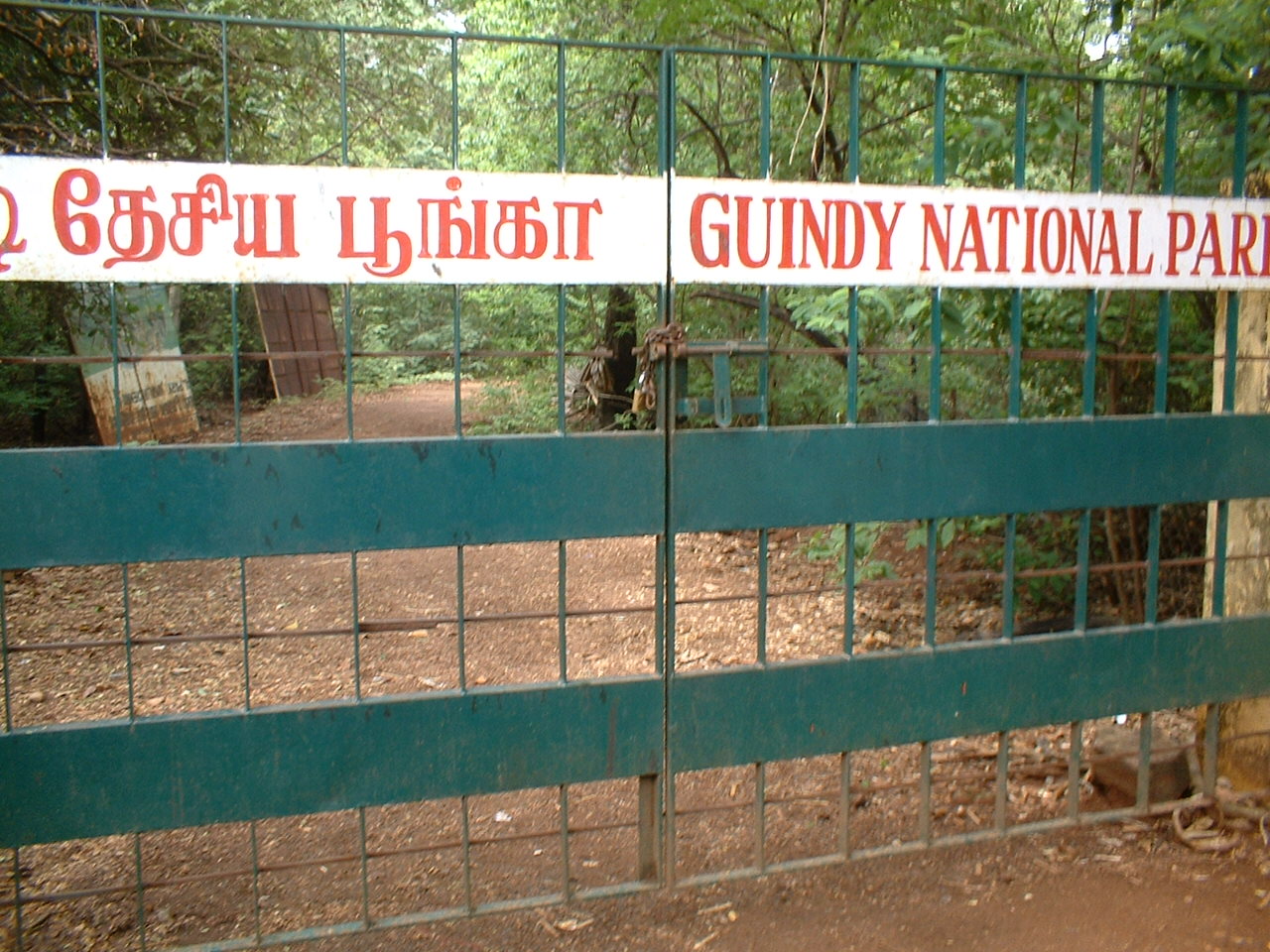
Guindy National Park
حياة برية · 20 km · about 65 min by road
 #1 in Chennaiالدخول مجاني
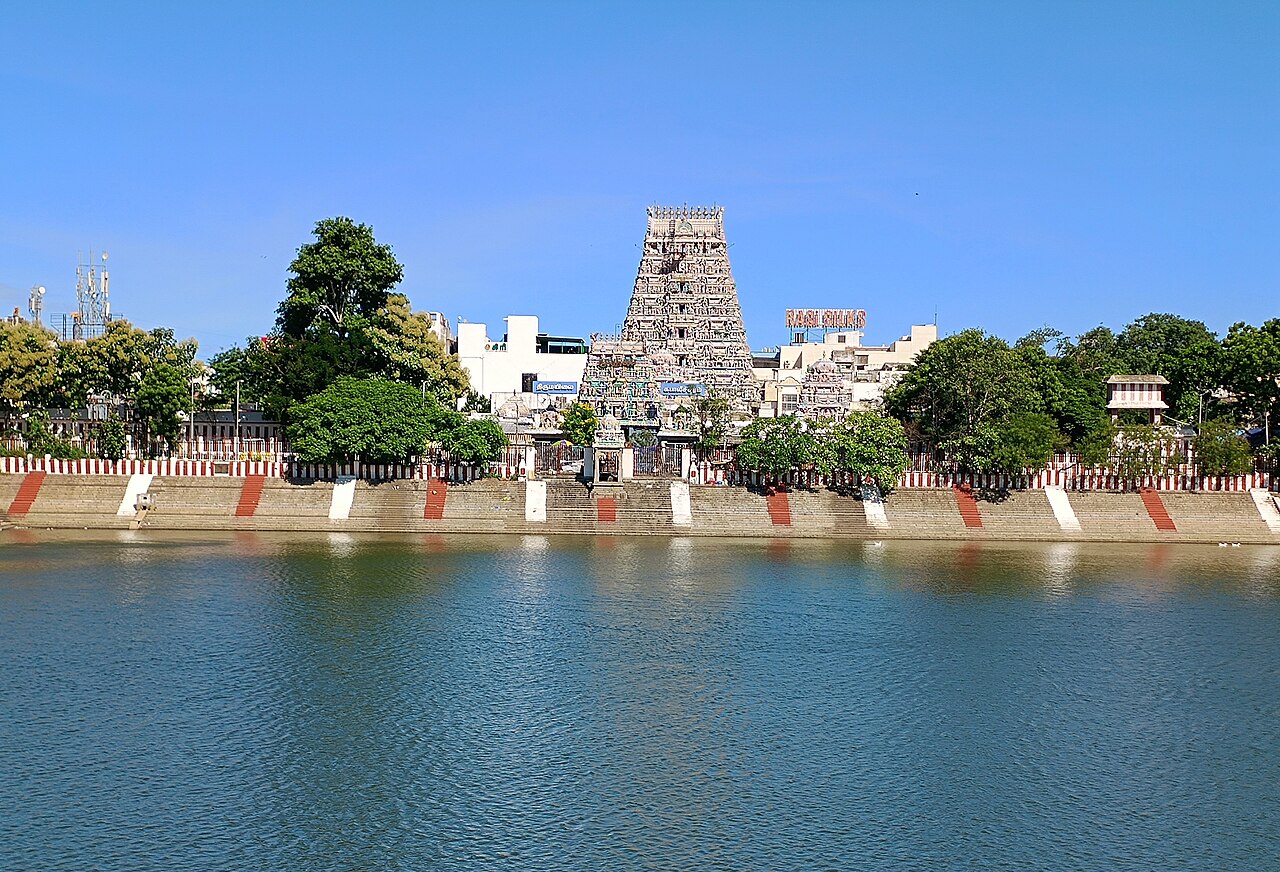
Kapaleeshwarar Temple
معبد · 24 km · about 75 min by road
 #4 in Chennaiالدخول مجاني
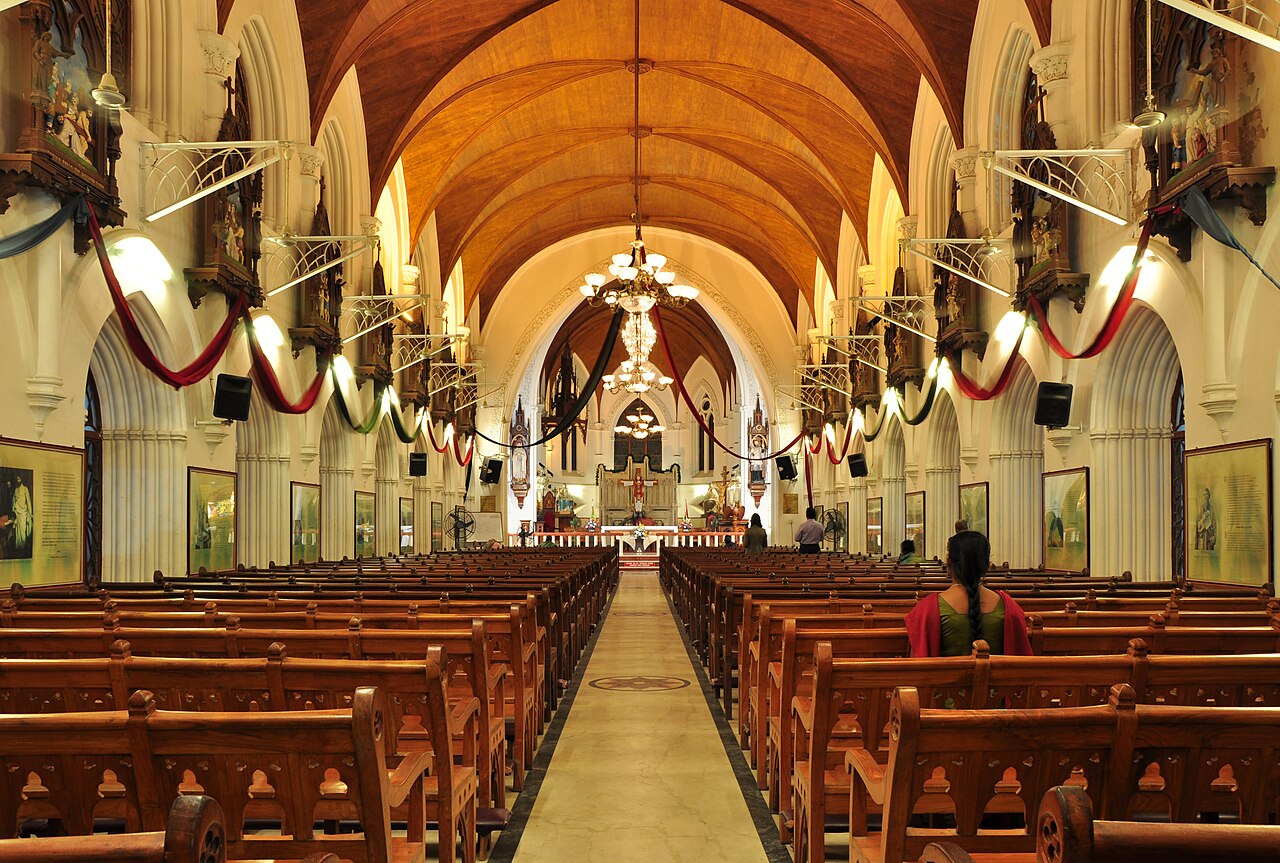
San Thome Basilica
كنيسة · 24 km · about 75 min by road
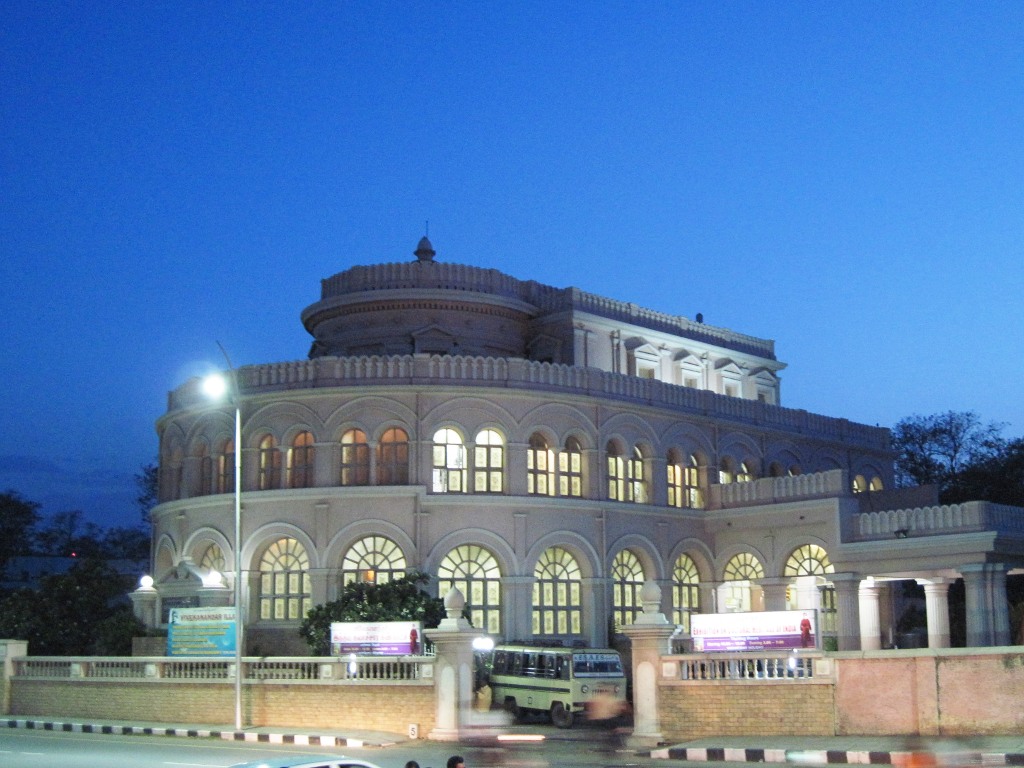 #9 in Chennai
Vivekananda House
نصب تذكاري · 25 km · about 80 min by road