
Alagar Kovil
#6de 10 lugares para visitar en MaduraiMadurai, Tamil Nadu
También conocido como Kallalagar Temple · Sri Kallalagar Perumal Temple · Azhagar Koil
Respuesta rápida
Horario: 06:00–13:00 and 16:00–20:00. La entrada es gratuita. Calcula 1.5 hrs. Mejor momento: 07:00–09:00.
Actualizado el · Redactado por Traveliac, con ayuda de IA · 4 min de lectura
- Horario
- 06:00–20:00
- Precio de entrada
- Gratis
- Tiempo necesario
- 1.5 hrs
- Mejor momento del día
- 07:00–09:00
- Mejores meses
- Oct – Mar
- Dirección
- Alagar Kovil, Madurai district, Tamil Nadu 625301 (21 km northeast of Madurai city)
Sobre Alagar Kovil
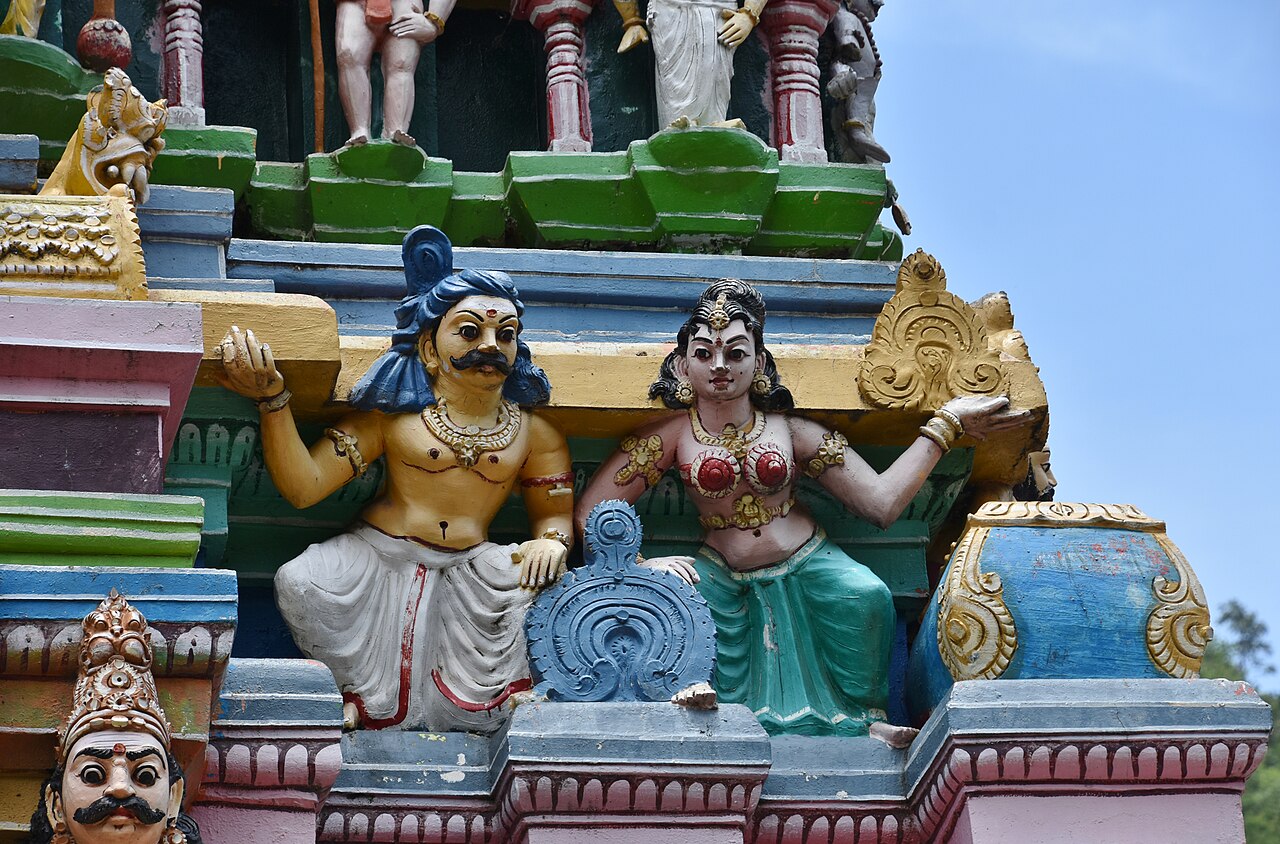
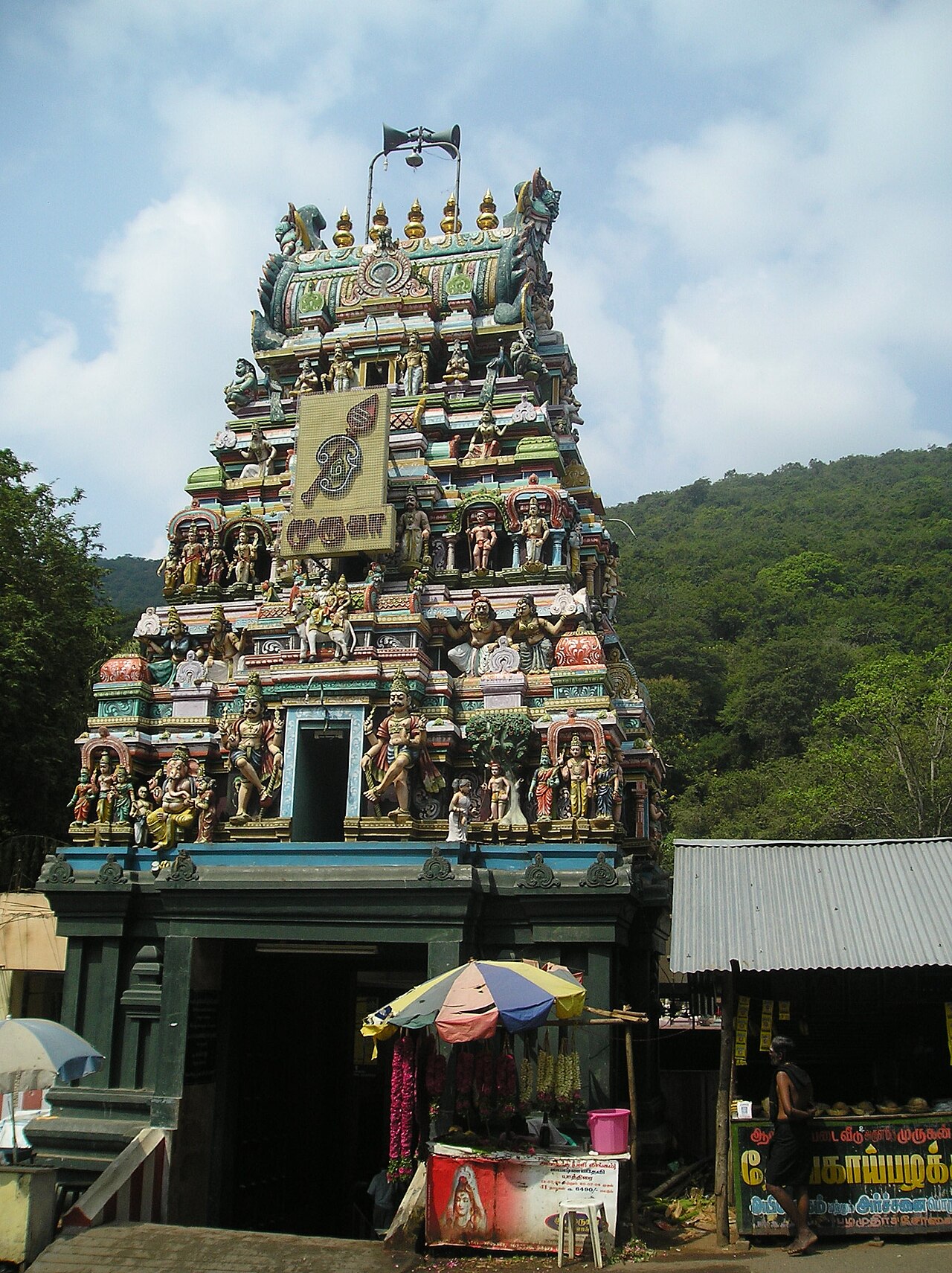
Alagar Kovil sits at the base of a forested hill range roughly 21 kilometres northeast of Madurai, its Rajagopalam gopuram rising against a backdrop of granite hills that separates it visually and atmospherically from the flat, densely built temple geography of the city centre. The presiding deity, Vishnu in his form as Kallalagar or Sundararajan, is understood in local tradition as the brother of Meenakshi, a family relationship that is not merely mythological colour but the structural basis for the temple's single most important annual event: during the Chithirai Festival, the deity is carried in procession down from these hills toward the Vaigai River in Madurai, ostensibly to attend his sister's wedding to Sundareswarar, only for the procession to halt at the riverbank without crossing — a ritually loaded non-arrival that draws crowds numbering in the hundreds of thousands to the Vaigai's banks each year.
Mejor momento del día: 07:00–09:00. For the cooler hill-foothill air and the clearest views of the Rajagopalam gopuram against the Alagar Kovil hills backdrop.
Horario de Alagar Kovil
- Horario
- 06:00–20:00
Mon–Sun 06:00–13:00 and 16:00–20:00 - Cierra los
- Abierto todos los días
Bueno saber: The temple reaches its highest annual significance during the Chithirai Festival (April–May), when the deity Kallalagar descends from the Alagar Kovil hills and proceeds toward the Vaigai riverbank in Madurai to symbolically attend the celestial wedding of Meenakshi and Sundareswarar — timings on these dates are extended through the night and are set by a separate festival schedule published by the temple annually.
Horario recopilados de tamilnadutourism.tn.gov.in y registros públicos, última actualización el . Pueden cambiar sin previo aviso — confírmalos antes de viajar. Cómo escribimos estas guías
Precio de entrada de Alagar Kovil
| Entrada | Precio |
|---|---|
| Visitantes indios | Free |
| Visitantes extranjeros | Free |
| Niños | Gratis |
| Cámara | Gratis |
No admission fee. Photography is permitted throughout the outer courtyards and Rajagopalam gopuram approach; the inner sanctum follows standard restricted-access photography rules. The adjoining elephant-shaped stone tank (Pushkarani) and museum housing temple vahanas (festival vehicles) may charge a nominal ₹5–₹10 for the museum section.
Precios recopilados de tamilnadutourism.tn.gov.in y registros públicos, última actualización el . Pueden cambiar sin previo aviso — confírmalos antes de viajar. Cómo escribimos estas guías
Mejor época para visitar Alagar Kovil
- Quiet
- Very busy
06:00–09:00
Morning OpeningBest time to go
Local devotees and early pilgrims dominate. Cooler hill-foothill air makes this the most comfortable visiting window outside festival season.
Quiet09:00–13:00
Late Morning
Steady but light footfall continues to the midday closure. Rarely crowded except on major Vishnu festival calendar dates.
Quiet16:00–20:00
Afternoon and Evening
Evening reopening draws local families; the hill backdrop is at its most atmospheric in late-afternoon light.
QuietChithirai Festival (April/May)
Festival Peak
Hundreds of thousands gather along the procession route toward the Vaigai riverbank. Vehicle restrictions apply near the temple and connecting roads on peak festival days.
Very busy
Historia de Alagar Kovil
The temple is counted among the 108 Divya Desams and receives mention in the Naalayira Divya Prabandham, placing its devotional origins within the same 6th-to-9th-century Alvar hymn tradition that also sanctifies Koodal Azhagar Temple in the city. Its physical structures, however, reflect substantial Nayak-period patronage and reconstruction, consistent with the broader 16th-and-17th-century rebuilding wave that reshaped nearly every major Madurai-region temple following the disruptions of the Delhi Sultanate incursions in the 14th century. The Rajagopalam gopuram, the temple's principal tower, displays the layered stucco figurework typical of the period, requiring periodic repainting on roughly the same twelve-year ritual cycle observed at Meenakshi Temple's own gopurams. The temple's location at the foothills, rather than the city centre, reflects an older settlement pattern in which royal and devotional geography extended outward from Madurai into the surrounding agricultural hinterland, with Alagar Kovil serving both as a pilgrimage site and as a waypoint on routes connecting Madurai to the hill country beyond, a role that persists today in its function as the gateway stop before the steeper ascent to Pazhamudircholai.
Normas y etiqueta en Alagar Kovil
Standard Tamil Nadu temple dress code applies: men should avoid shorts, women should avoid sleeveless tops and above-knee hemlines, with dhoti rental available near the entrance for non-compliant visitors. Shoes are deposited at a counter near the main gopuram. The inner sanctum is restricted to Hindu worshippers; the outer courtyards, gopuram approach, and the associated elephant-tank complex are open to all visitors. During the Chithirai Festival period specifically, crowd and traffic management around the temple and the connecting road toward Madurai becomes intensive, with vehicle restrictions in force on the festival's peak days — visitors planning to attend should confirm current road access with local authorities rather than assuming normal transport arrangements apply.
Consejos para visitar Alagar Kovil
- 1
Alagar Kovil is best treated as the first stop of a half-day hill circuit rather than an isolated excursion: the road continues past the temple up into the Alagar Kovil hills toward Pazhamudircholai, roughly 11 kilometres further and considerably steeper, so hiring a car for the full loop rather than an auto-rickshaw is the practical choice given the gradient and distance. Outside the Chithirai Festival period, the temple receives a fraction of Meenakshi Temple's footfall, making it a genuinely uncrowded stop even on weekends. If your dates align with Chithirai (April–May), budget significant extra travel time — roads into and out of Madurai toward the Vaigai riverbank are heavily congested during the festival's peak days, and same-day return to the city centre can take several times the normal 40–50 minute drive. The temple's forested hill setting also supports a resident langur monkey population; visitors carrying food should be prepared for opportunistic approaches, a practical rather than folkloric warning worth taking seriously.
Cómo llegar a Alagar Kovil
La estrella roja es Alagar Kovil; los pines numerados son los 1 lugares más cercanos de nuestras guías, cada uno con su clasificación en su ciudad. Toca un pin para ver más detalles.
Alagar Kovil, Madurai district, Tamil Nadu 625301 (21 km northeast of Madurai city)Cómo llegar en Google Maps
Desde Madurai Junction Railway Station
₹450–₹65021 km · 40–50 min
Desde Meenakshi Amman Temple
₹400–₹60020 km · 35–45 min
Desde Madurai Airport
₹650–₹90032 km · 50–60 min
Aeropuerto más cercano
Desde Madurai Airport (IXM)
32 km, 50–60 minutes
Estación de tren más cercana
Desde Madurai Junction Railway Station
21 km, 40–50 minutes
Preguntas frecuentes sobre Alagar Kovil
What is the connection between Alagar Kovil and the Chithirai Festival?
The temple's deity, Kallalagar, is regarded in local tradition as the brother of Meenakshi. During the Chithirai Festival each April or May, the deity is carried in procession from these hills toward the Vaigai riverbank in Madurai to symbolically attend his sister's wedding, halting at the river without crossing it — an event drawing hundreds of thousands of spectators.
How far is Alagar Kovil from Madurai and how should I get there?
It is approximately 21 kilometres northeast of central Madurai, a 40–50 minute drive. A hired car or app-based cab is the practical option, particularly if continuing onward to Pazhamudircholai, another 11 kilometres further up the same hill range.
Is this the same deity worshipped at Koodal Azhagar Temple in the city?
Both temples are Vishnu Divya Desams and both appear in the Naalayira Divya Prabandham hymn tradition, but they house distinct forms and murtis — Koodal Azhagar in the city centre, and Kallalagar (also called Sundararajan) at this hill-foothill site. They are related devotionally rather than identical.
Can this be combined with a Pazhamudircholai visit in one trip?
Yes, and this is the standard local approach. The road continues past Alagar Kovil further into the hills to Pazhamudircholai, roughly 11 kilometres further and considerably steeper. A hired car rather than an auto-rickshaw is recommended for the combined half-day circuit given the gradient.
Redactado con ayuda de IA a partir de fuentes oficiales y registros públicos, y publicado solo tras las comprobaciones descritas en Cómo escribimos estas guías. Nadie de Traveliac ha visitado este lugar. Última actualización el . Cómo clasificamos y verificamos los lugares
Lugares para visitar cerca de Alagar Kovil
Distancias en línea recta según nuestro mapa; los tiempos son estimados.
 #9 in MaduraiEntrada gratuita
Pazhamudircholai
Cascada · 2.4 km · about 39 min walk
 #3 in MaduraiEntrada gratuita
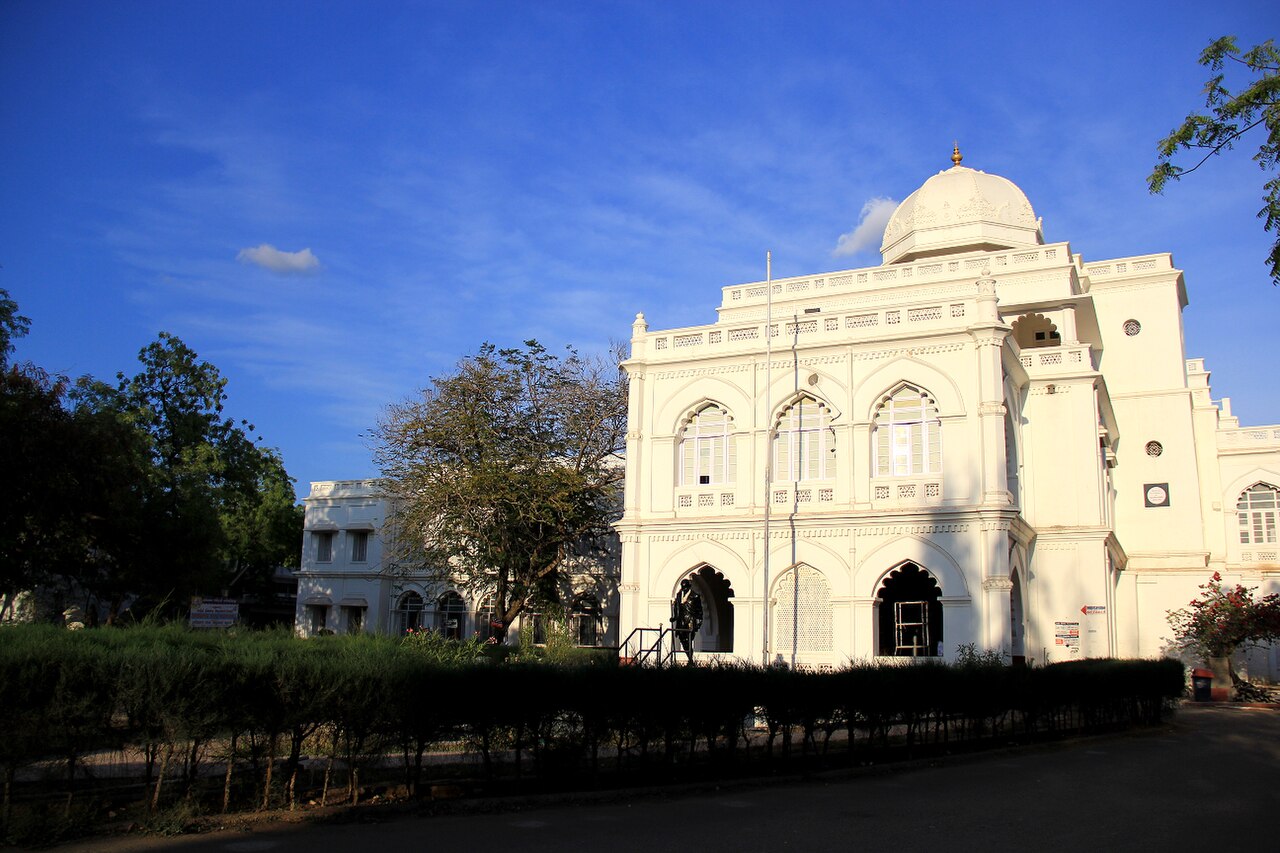
Gandhi Memorial Museum
Memorial · 18 km · about 55 min by road
 #4 in MaduraiEntrada gratuita
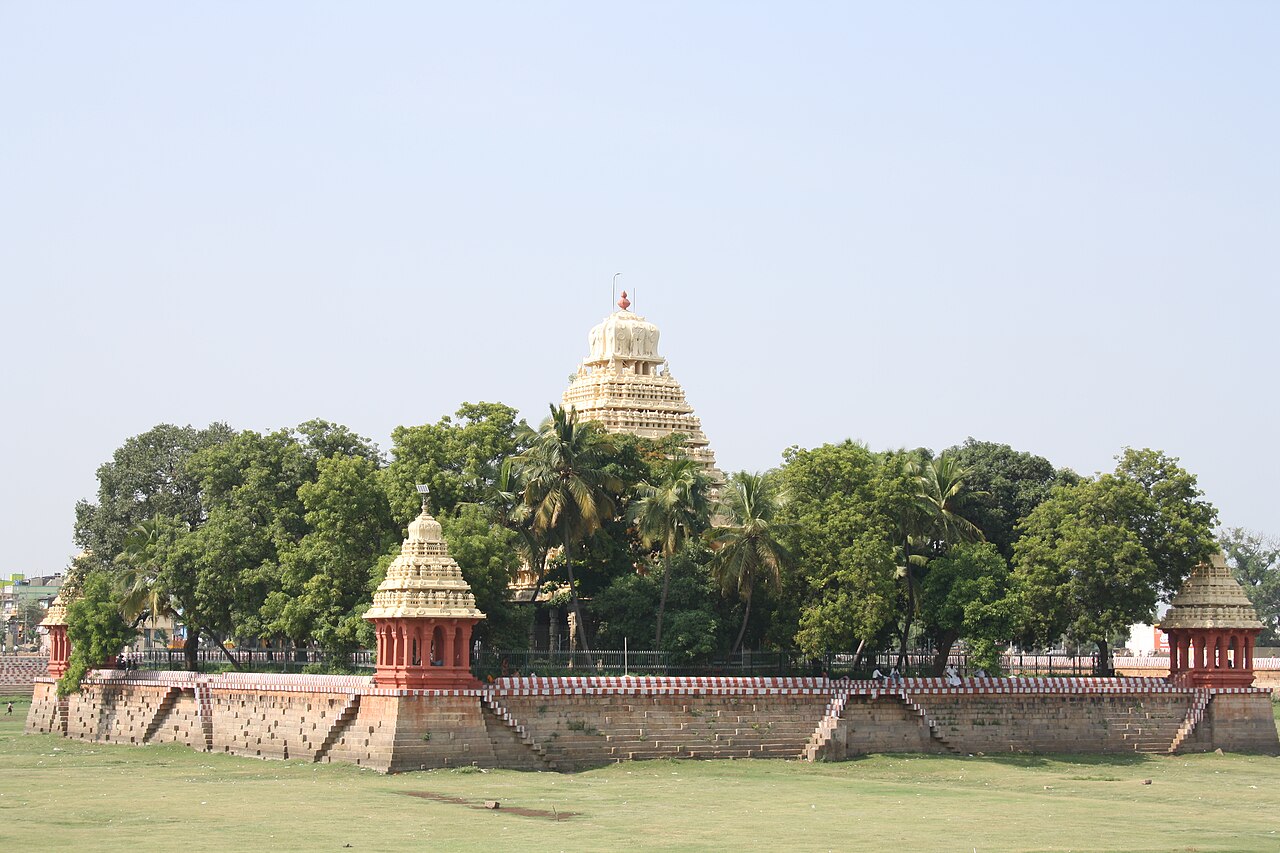
Vandiyur Mariamman Teppakulam
Templo · 20 km · about 60 min by road
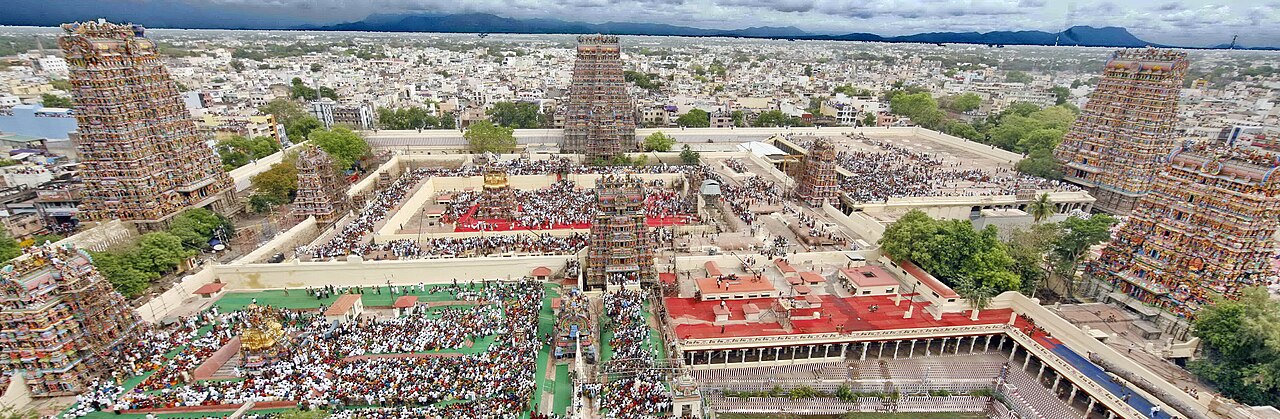 #1 in Madurai
Meenakshi Amman Temple
Templo · 20 km · about 65 min by road