
Koodal Azhagar Temple
#7of 10 places to visit in MaduraiMadurai, Tamil Nadu
Also known as Koodal Alagar Kovil · Sri Koodal Azhagar Perumal Temple
Quick answer
Opening hours: 06:00–12:00 and 16:00–20:30. Entry is free. Allow 1 hr. Best time: 06:30–08:00.
Updated · Compiled by Traveliac, AI-assisted · 4 min read
- Opening hours
- 06:00–20:30
- Entry fee
- Free
- Time needed
- 1 hr
- Best time of day
- 06:30–08:00
- Best months
- Oct – Mar
- Address
- Town Hall Road, Madurai, Tamil Nadu 625001 (1.2 km northeast of Meenakshi Amman Temple)
About Koodal Azhagar Temple
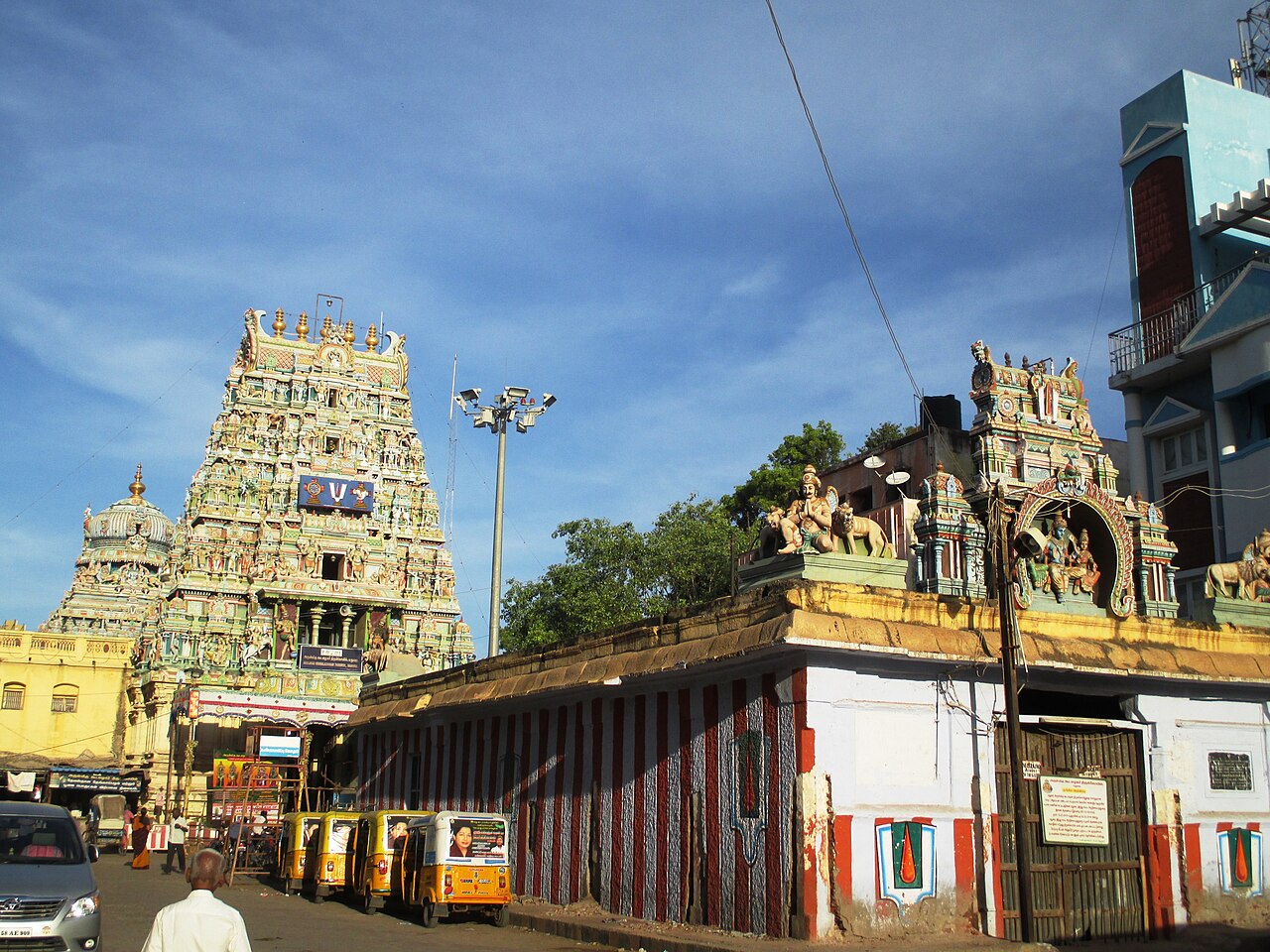
Koodal Azhagar Temple carries one of the more unusual iconographic arrangements in Tamil Vaishnavite tradition: the presiding deity, Vishnu as Koodal Azhagar, is depicted in three distinct postures stacked within the same sanctum on three separate levels — standing on the ground floor, seated above it, and reclining on the uppermost tier — a single vertical shrine narrating the god's three classical forms (sthanaka, asana, and shayana) in one architectural gesture rather than across three separate temples. The name Koodal itself is one of Madurai's oldest recorded toponyms, an ancient Sangam-era name for the city predating 'Madurai' in some literary usage, which places this modest, comparatively unphotographed temple at the semantic root of the city's own identity even though it draws a fraction of Meenakshi Temple's footfall.
Best time of day: 06:30–08:00. Shortly after opening, when the three-tiered sanctum is least crowded and morning oil-lamp light best reveals the standing, seated, and reclining forms in sequence.
Koodal Azhagar Temple timings
Koodal Azhagar Temple is open 06:00–12:00 and 16:00–20:30. Those hours hold on Saturday and Sunday too.
- Opening hours
- 06:00–20:30
Mon–Sun 06:00–12:00 and 16:00–20:30 - Closed on
- Open every day
Good to know: The temple's Vaikunta Ekadasi festival (December–January) and the annual Brahmotsavam draw the largest crowds of the year, with extended morning hours during both.
Opening hours compiled from tamilnadutourism.tn.gov.in and public records, last updated . They change without notice — confirm before you travel. How we write these guides
Koodal Azhagar Temple ticket price
| Ticket | Price |
|---|---|
| Indian visitors | Free |
| Foreign visitors | Free |
| Children | Free |
| Camera | Free |
No admission fee. Photography is permitted in the outer prakarams and pillared halls; as with most active Vaishnavite sanctums, photography of the inner garbhagriha housing the three-postured deity is not permitted. No separate camera ticket is issued or required.
Prices compiled from tamilnadutourism.tn.gov.in and public records, last updated . They change without notice — confirm before you travel. How we write these guides
Best time to visit Koodal Azhagar Temple
- Quiet
- Moderate
06:00–08:00
Morning OpeningBest time to go
Local devotees perform morning rituals including abhishekam around 07:00. Tourist visitors are rare in this window; the three-tiered sanctum is fully accessible without queuing.
Quiet08:00–12:00
Late Morning
Steady but light devotee footfall continues until the midday closure. Never approaches the density of the nearby Meenakshi Temple circuit.
Quiet16:00–18:00
Afternoon Re-Opening
The temple reopens to a quiet trickle of evening worshippers; comfortable temperatures make this a pleasant walking-circuit addition.
Quiet18:00–20:30
Evening Puja
The most active period of the day, with local families attending evening darshan. Still substantially quieter than any major Madurai temple circuit.
Moderate
History of Koodal Azhagar Temple
Koodal Azhagar Temple is counted among the 108 Divya Desams, the sacred Vishnu shrines venerated in the Naalayira Divya Prabandham, the canonical corpus of hymns composed by the twelve Alvar saints between roughly the 6th and 9th centuries CE. Nammalvar, among the most revered of the Alvars, composed verses specifically referencing this temple, anchoring its antiquity within the same broad Sangam-to-early-medieval devotional period that produced the Meenakshi Temple's earliest shrine. The temple's structural history is less thoroughly documented than its larger Shaivite neighbour, but architectural features in the surviving mandapams point to Pandyan-era origins with substantial Nayak-period additions and restoration, consistent with the pattern seen across Madurai's temple architecture broadly. The three-tiered sanctum construction is itself an engineering statement: housing three full images with distinct postures in a single vertically stacked chamber required precise structural planning uncommon even among Divya Desam sites, most of which present a single primary form per sanctum.
Rules & etiquette at Koodal Azhagar Temple
Dress code follows standard Tamil Nadu temple convention — men should avoid shorts, women should avoid sleeveless tops and above-knee hemlines — though enforcement here is markedly less rigid than at Meenakshi Temple given the lower tourist volume; conservative dress remains the respectful choice regardless. Shoes are left at a modest counter near the entrance, unstaffed by a formal token system during quiet hours, so keep track of your own placement. The inner sanctum housing the three-postured deity is reserved for Hindu worshippers, consistent with active Vaishnavite sanctum practice across Tamil Nadu; non-Hindu visitors are welcome in the outer halls and corridors. Photography is informally tolerated in outer areas but should be conducted unobtrusively given the temple's smaller scale and closer proximity between worshippers and visitors compared to Meenakshi's cavernous corridors.
Tips for visiting Koodal Azhagar Temple
- 1
This temple rewards visitors specifically because of what it lacks: queues, ticketed special-darshan lanes, and tour-bus congestion. Sixty minutes is ample for a full circuit including the three-tiered sanctum, and it pairs naturally with a walking itinerary that also covers the Meenakshi Temple's eastern gopuram and the Thirumalai Nayakkar Palace, all within roughly a kilometre of each other in central Madurai. Ask a temple volunteer (most speak functional English near the entrance) to point out the distinction between the three postures before entering the sanctum proper — without that orientation, first-time visitors often miss that they are looking at one deity across three levels rather than three separate murtis. Because the temple draws overwhelmingly local devotional traffic rather than tourist buses, it is one of the more reliable places in Madurai to observe unstaged, everyday Tamil Vaishnavite ritual practice — morning abhishekam (ritual bathing of the deity) around 07:00 is conducted with minimal spectacle for visitors, which is precisely its value.
How to reach Koodal Azhagar Temple
The red star is Koodal Azhagar Temple; the numbered pins are the 6 nearest places in our guides, each showing its rank in its city. Tap a pin for details.
Town Hall Road, Madurai, Tamil Nadu 625001 (1.2 km northeast of Meenakshi Amman Temple)Directions in Google Maps
From Meenakshi Amman Temple
1.2 km · 12–15 min
Free
From Madurai Junction Railway Station
₹60–₹902 km · 10–15 min
From Madurai Airport
₹300–₹43013 km · 25–35 min
Nearest airport
From Madurai Airport (IXM)
13 km, 25–35 minutes
Nearest railway station
From Madurai Junction Railway Station
2 km, 10–15 minutes
Koodal Azhagar Temple FAQs
What is unusual about the temple's main deity?
Koodal Azhagar is depicted in three distinct postures — standing, seated, and reclining — stacked across three levels of a single vertical sanctum, rather than the more common single-posture arrangement found at most Vishnu temples. It is one of a small number of Divya Desam sites presenting all three classical forms in one shrine.
How does this temple relate to the name Madurai?
Koodal is one of the oldest recorded names for Madurai, used in Sangam-era Tamil literature, and this temple carries that ancient toponym directly in its name. It anchors the temple's antiquity to the earliest recorded identity of the city itself.
Is it worth visiting given the short distance from Meenakshi Temple?
Yes, precisely because of the contrast: it requires no queuing, no special-darshan ticket, and no crowd navigation, offering a quieter, more observational experience of active Tamil Vaishnavite worship within a fifteen-minute walk of the city's busiest religious site.
Can non-Hindus visit the temple?
Non-Hindu visitors are welcome in the outer prakarams and pillared halls. As with most active Vaishnavite sanctums in Tamil Nadu, the inner garbhagriha housing the three-postured deity is reserved for Hindu worshippers.
Compiled with AI assistance from official sources and public records, and published only after the checks in How we write these guides. Nobody from Traveliac has visited this place. Last updated . How we rank and check places
Places to visit near Koodal Azhagar Temple
Straight-line distances from our map; times are estimates.
 #1 in Madurai
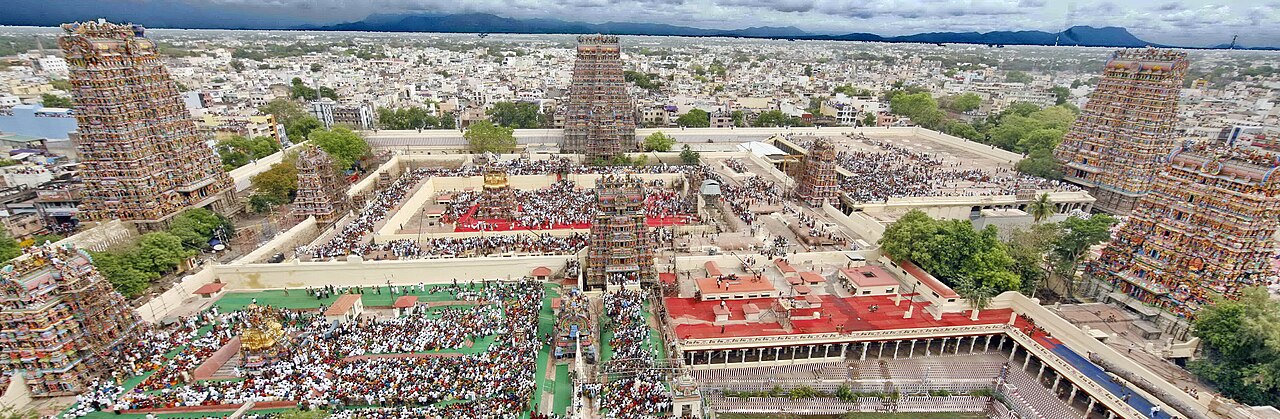
Meenakshi Amman Temple
Temple · 850 m · about 13 min walk
 #2 in Madurai
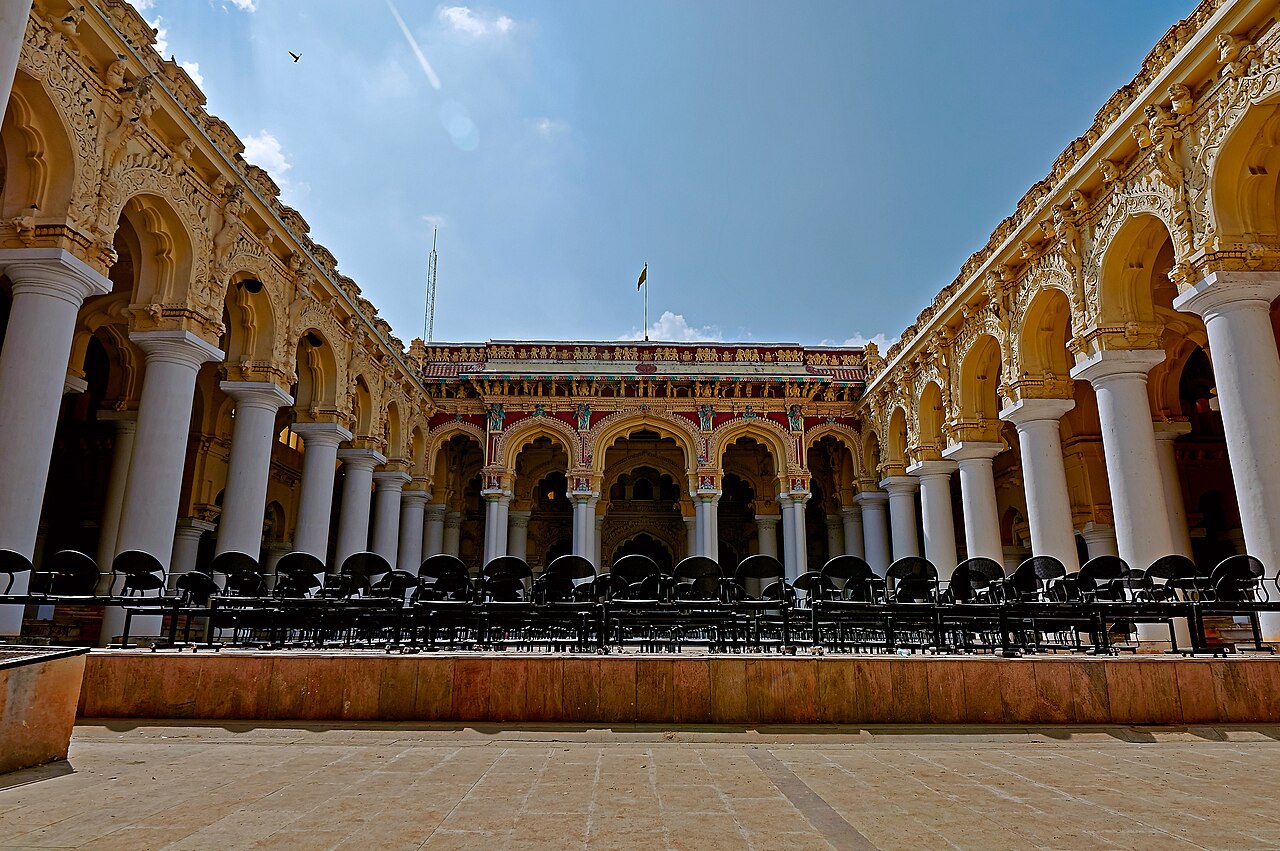
Thirumalai Nayakkar Palace
Palace · 1.1 km · about 18 min walk
 #3 in MaduraiFree entry
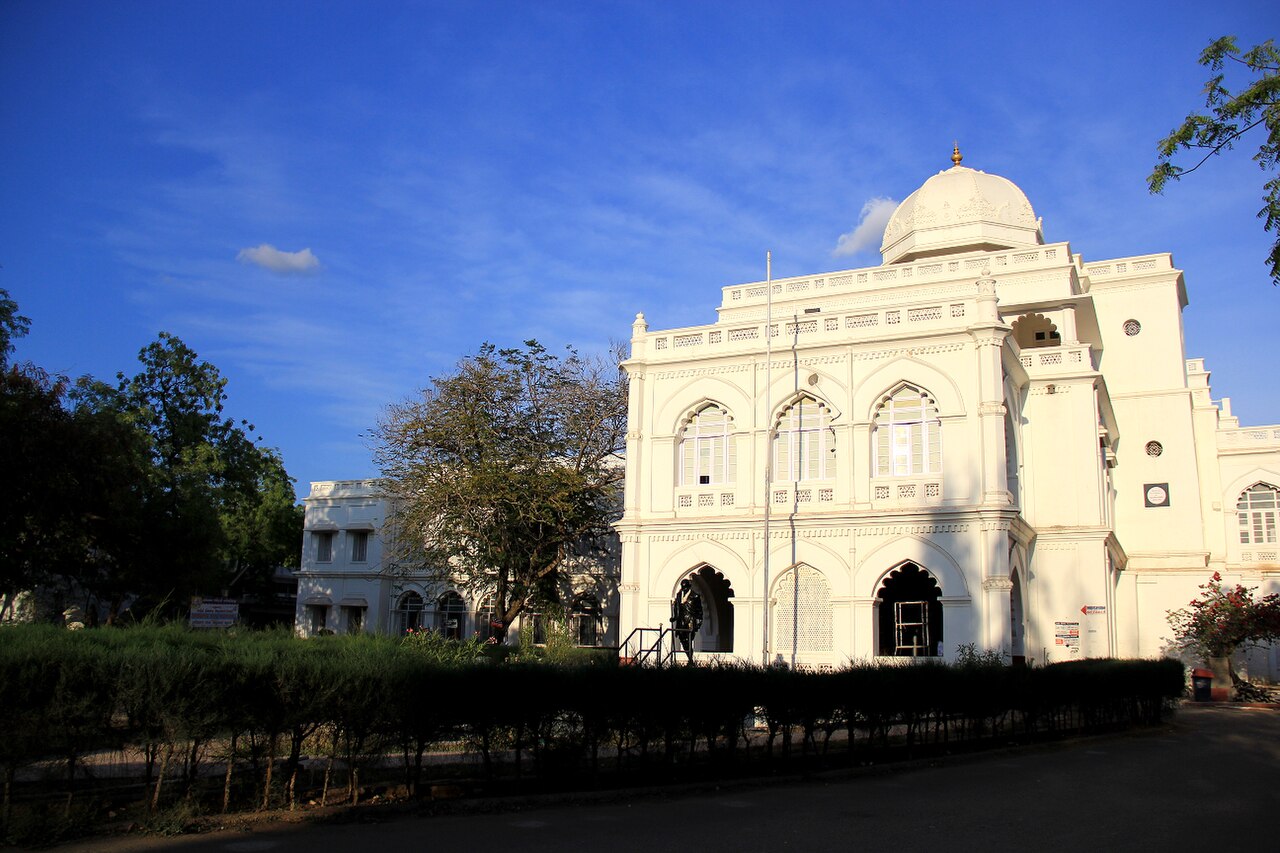
Gandhi Memorial Museum
Memorial · 3 km · about 10 min by road
 #4 in MaduraiFree entry
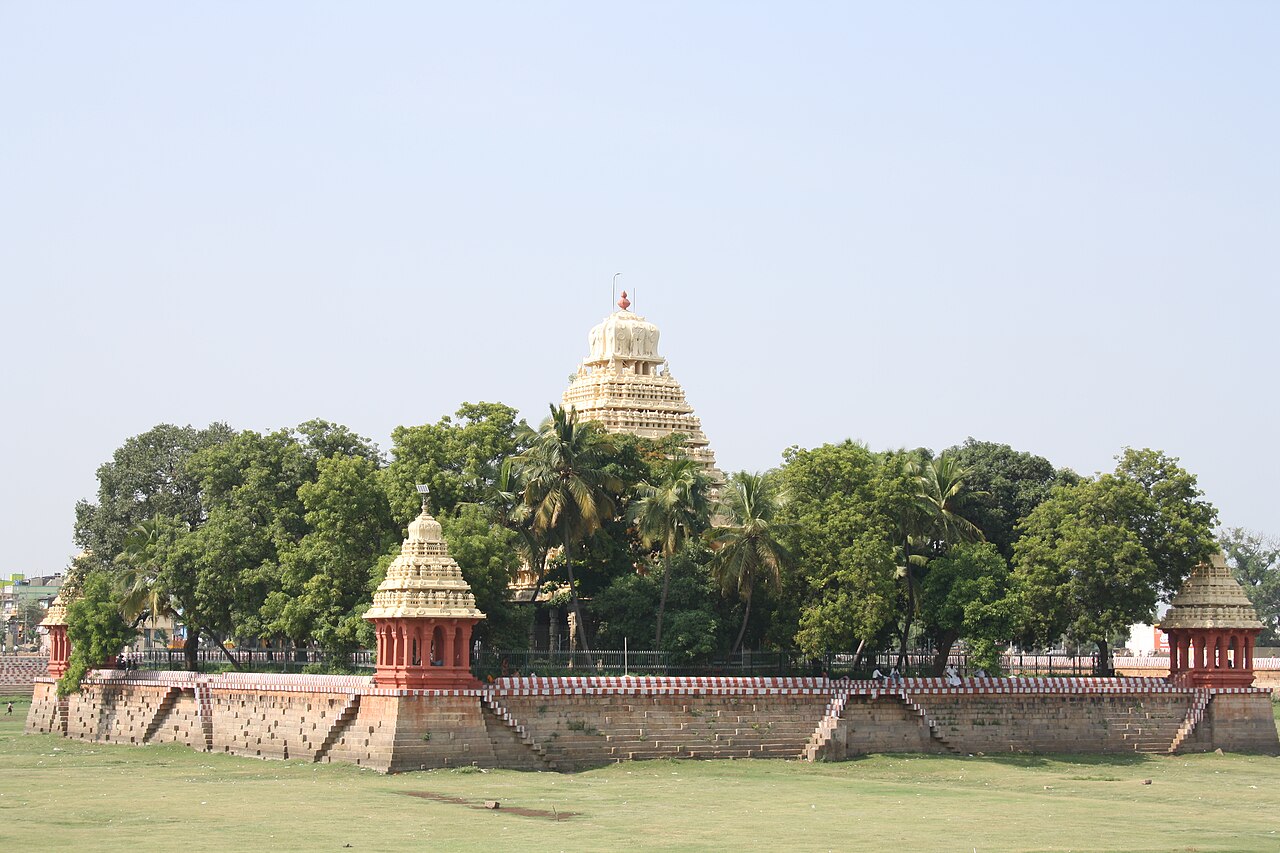
Vandiyur Mariamman Teppakulam
Temple · 4 km · about 10 min by road