
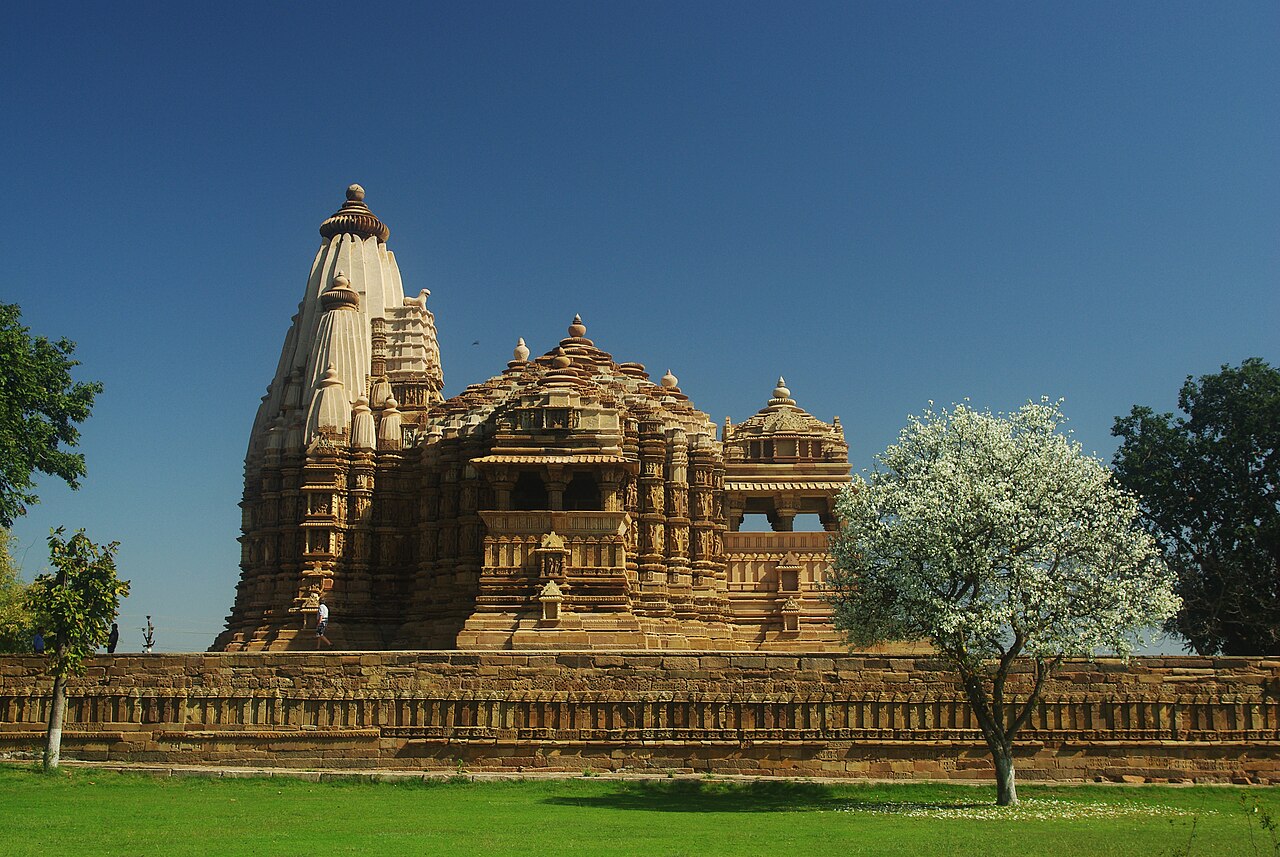
Duladeo Temple
#8sur 9 lieux à visiter à KhajurahoKhajuraho, Madhya Pradesh
Aussi appelé Dulhadeo Temple · Bridegroom's Temple
L'essentiel
Horaires d'ouverture : 06:00–18:00. L'entrée est gratuite. Comptez 45 min. Meilleure période : 07:00–09:00 or 16:00–17:30.
Mis à jour le · Rédigé par Traveliac, avec assistance IA · 5 min de lecture
- Horaires d'ouverture
- 06:00–18:00
- Sunrise to sunset (approximately 06:00–18:00) daily; unrestricted access
- Prix d'entrée
- Gratuit
- Durée nécessaire
- 45 min
- Meilleur moment de la journée
- 07:00–09:00 or 16:00–17:30
- Meilleurs mois
- Oct – Mar
- Adresse
- Southern Group, near the Khudar River, Khajuraho, Chhatarpur District, Madhya Pradesh 471606 — approximately 3 km south of the Western Group compound
À propos de Duladeo Temple
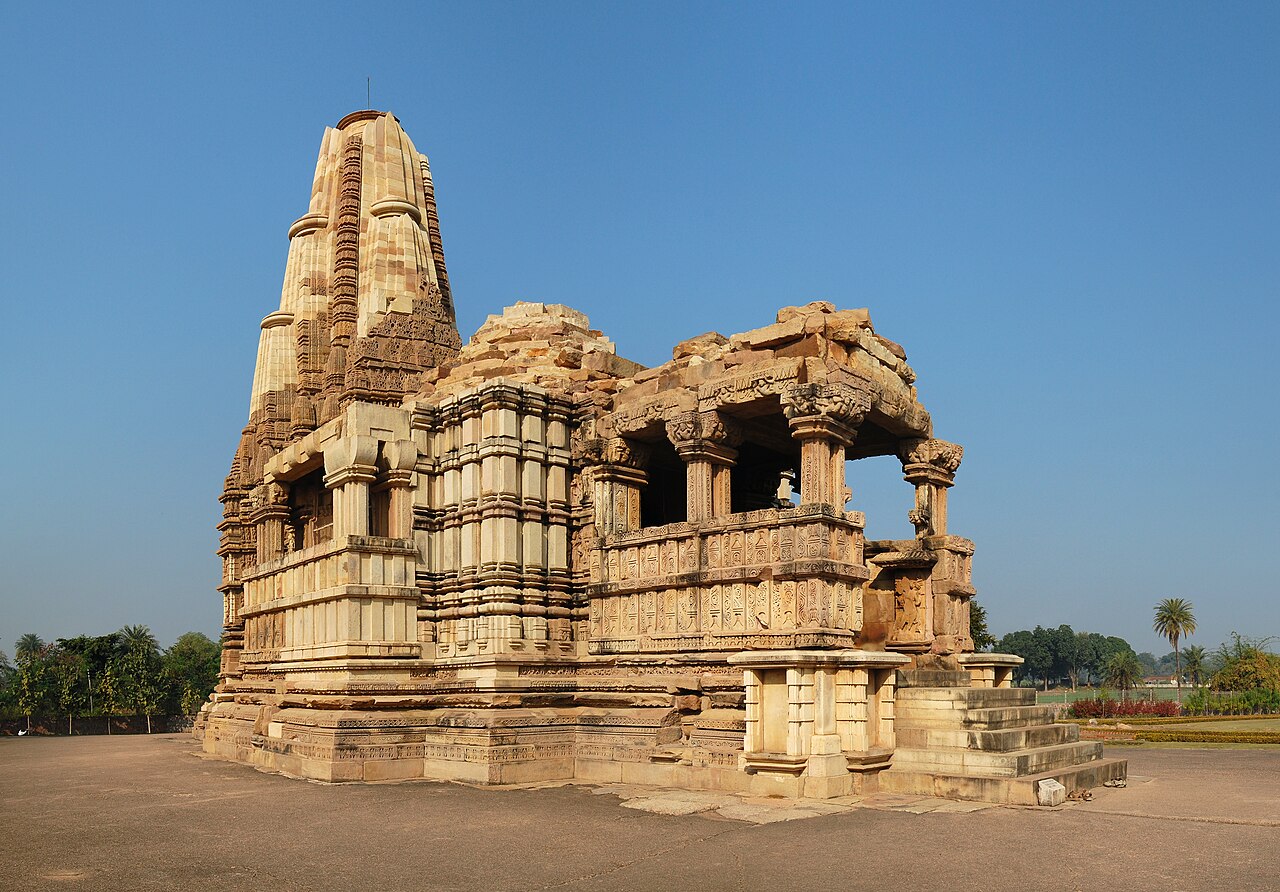
Duladeo is generally regarded as the last substantial temple built at Khajuraho, dated to the final phase of significant Chandela patronage, roughly 1100–1150 CE, under King Madanavarman or a close successor. Dedicated to Shiva, it stands alone in the Southern Group near the Khudar River, well removed from both the Western Group compound and the Eastern Group's scattered shrines, and its isolation gives it a stillness that the more heavily visited temples rarely offer. Art historians single Duladeo out as the clearest physical evidence of the building programme's terminal decline: the temple's sculptural bands are still dense and technically competent, but the figures are noticeably more repetitive and mechanically posed than the fluid, individuated bodies of the Kandariya Mahadeva or Lakshmana temples built eighty to a hundred years earlier, a shift generally read as evidence of workshops producing at greater speed and with diminishing patronage behind them. The temple's local name, meaning roughly 'Bridegroom God,' comes from a folk tradition — not any inscriptional or textual source — holding that Shiva was married from this very temple.
Meilleur moment de la journée : 07:00–09:00 or 16:00–17:30. The temple's standalone garden setting, without the shade or crowd pressure of the Western Group, is most comfortable in the cooler morning or late-afternoon hours; the low sun angle also picks out the repetitive rhythm of the exterior figural bands clearly.
Horaires de Duladeo Temple
- Horaires d'ouverture
- 06:00–18:00
Mon–Sun 06:00–18:00 - Sunrise to sunset (approximately 06:00–18:00) daily; unrestricted access
- Fermé le
- Ouvert tous les jours
Horaires d'ouverture établis à partir de asi.nic.in et de sources publiques, mis à jour le . Ils peuvent changer sans préavis — vérifiez avant de partir. Comment nous rédigeons ces guides
Prix d'entrée de Duladeo Temple
| Billet | Prix |
|---|---|
| Visiteurs indiens | Gratuit |
| Visiteurs étrangers | Gratuit |
| Enfants | Gratuit |
| Caméra | Gratuit |
Free entry — Duladeo is part of the outlying Southern Group and is not enclosed within the ticketed Western Group compound. There is no admission charge, ticket booth, or gate; the ASI maintains the grounds as a standalone landscaped plot.
Tarifs établis à partir de asi.nic.in et de sources publiques, mis à jour le . Ils peuvent changer sans préavis — vérifiez avant de partir. Comment nous rédigeons ces guides
Meilleure période pour visiter Duladeo Temple
- Quiet
07:00–09:00
MorningBest time to go
Cool temperatures and soft light on the exterior figural bands. Almost no other visitors at this hour.
Quiet09:00–13:00
Late morning
A modest number of independent travellers combining Duladeo with the nearby Chaturbhuja Temple; no tour-bus traffic reaches this far south.
Quiet13:00–16:00
Midday
Quietest period, though the open, largely unshaded lawn makes this the least comfortable time to linger, particularly October–March midday sun and April–June heat.
Quiet16:00–18:00
Late afternoon
The best light of the day for the repetitive figural registers on the exterior walls, and a comfortable temperature for an unhurried visit.
Quiet
Histoire de Duladeo Temple
Duladeo represents the closing chapter of the century and a half of intensive temple construction that began with the Chausath Yogini around 885 CE and the Lakshmana Temple in 954 CE, and reached its technical peak with the Kandariya Mahadeva around 1025–1050 CE. By the time of Duladeo's construction, Chandela royal patronage was contracting, whether due to dynastic decline, competing military pressures, or a redirection of resources elsewhere — the historical record does not specify a single cause — and the temple is the last of Khajuraho's major structures before significant building activity ceased entirely by roughly the mid-12th century.
The main hall houses a large seated Nandi figure appropriate to the temple's Shaiva dedication, and the exterior sculptural programme, while dense, shows the compositional repetition that art historians point to as characteristic of the site's final building phase: rows of figures in similar poses recur across the wall surface in a way that suggests standardised workshop production rather than the more individually considered figural compositions of the earlier Western Group temples.
The folk name 'Duladeo,' or 'Bridegroom God,' is a local tradition rather than a documented ancient attribution, and no inscription at the site supports the marriage legend directly; it is nonetheless the name by which the temple has been known for generations and by which it appears on ASI signage. Like the rest of Khajuraho, the temple fell into obscurity after the Chandela dynasty's decline around 1200 CE and was rediscovered as part of the broader 19th-century British survey of the region, ultimately being included in the 1986 UNESCO World Heritage inscription covering the entire Khajuraho Group of Monuments.
Règles et étiquette à Duladeo Temple
There is no ticket, gate, or attendant at Duladeo; access to the ASI-maintained lawn and temple platform is unrestricted during daylight hours. The grounds are quieter and less actively policed than the Western Group, so visitors should take the same care with the fragile sandstone surfaces — no touching or climbing on carved sections — without the prompting of on-site staff that the main compound provides.
The temple sees minimal devotional activity today and functions essentially as a monument rather than an active shrine, so no puja etiquette applies at the sanctum. Photography of the exterior sculptural bands and the interior Nandi figure is unrestricted.
Conseils pour visiter Duladeo Temple
- 1
Duladeo is best understood as the final data point in a chronological visit that also takes in the Chausath Yogini (c. 885 CE), the Lakshmana Temple (954 CE), and the Kandariya Mahadeva (c. 1025–1050 CE) — seen in that order, the four temples trace the entire arc of Chandela temple architecture from its earliest tantric-cult origins through its technical peak to its late, more repetitive final phase, a far more coherent way to understand the site than treating each temple as an isolated stop.
- 2
From Duladeo it is a short additional walk to the Chaturbhuja Temple (also known locally as Beejamandal), another Southern Group structure notable for housing one of the largest surviving Vishnu images at Khajuraho and for being the one major temple at the site with no erotic sculpture in its exterior programme at all — worth the extra few hundred metres for the contrast alone.
- 3
Because the Southern Group draws only a fraction of the Western Group's visitor volume, Duladeo can be visited at almost any time without crowd concerns; the main consideration is comfort, which favours the cooler morning or late-afternoon hours over the exposed midday sun on the open lawn.
Comment se rendre à Duladeo Temple
L'étoile rouge indique Duladeo Temple ; les repères numérotés sont les 7 lieux les plus proches de nos guides, chacun avec son classement dans sa ville. Touchez un repère pour plus de détails.
Southern Group, near the Khudar River, Khajuraho, Chhatarpur District, Madhya Pradesh 471606 — approximately 3 km south of the Western Group compoundItinéraire sur Google Maps
Depuis Khajuraho Airport (HJR)
₹150–2005.5 km · 18–25 min
Depuis Western Group Main Gate
₹100–1503 km · 10–15 min
Depuis Khajuraho Railway Station
₹120–1705 km · 15–20 min
Aéroport le plus proche
Depuis Khajuraho Airport (HJR)
approximately 5.5 km northwest
Gare la plus proche
Depuis Khajuraho Railway Station
approximately 5 km northeast
FAQ — Duladeo Temple
Is there an entry fee for Duladeo Temple?
No. Duladeo is part of the outlying Southern Group and is free to enter, with no ticket booth or gate, unlike the ticketed Western Group compound.
Why is Duladeo considered the 'last' Khajuraho temple?
Duladeo is generally dated to roughly 1100–1150 CE, the final phase of significant Chandela temple construction at Khajuraho before major building activity ceased by the mid-12th century. Its sculptural style — dense but noticeably more repetitive and less individually varied than the earlier Kandariya Mahadeva or Lakshmana temples — is cited by art historians as physical evidence of the building programme's terminal decline.
Where does the name 'Duladeo' come from?
The name means roughly 'Bridegroom God' and derives from a local folk tradition holding that Shiva was married from this temple. No inscription or ancient textual source supports this legend directly; it is a name that has attached to the site through oral tradition and is now used on ASI signage.
What else is nearby in the Southern Group?
The Chaturbhuja Temple (also called Beejamandal) stands a short walk from Duladeo and houses one of the largest surviving Vishnu images at Khajuraho. It is notable as the one major Khajuraho temple with no erotic sculpture at all in its exterior programme, making it a useful point of comparison after visiting Duladeo.
Rédigé avec l'assistance de l'IA à partir de sources officielles et de registres publics, et publié seulement après les vérifications décrites dans Comment nous rédigeons ces guides. Personne chez Traveliac ne s'est rendu sur place. Mis à jour le . Comment nous classons et vérifions les lieux
Lieux à visiter près de Duladeo Temple
Distances à vol d'oiseau, depuis notre carte ; les durées sont estimées.
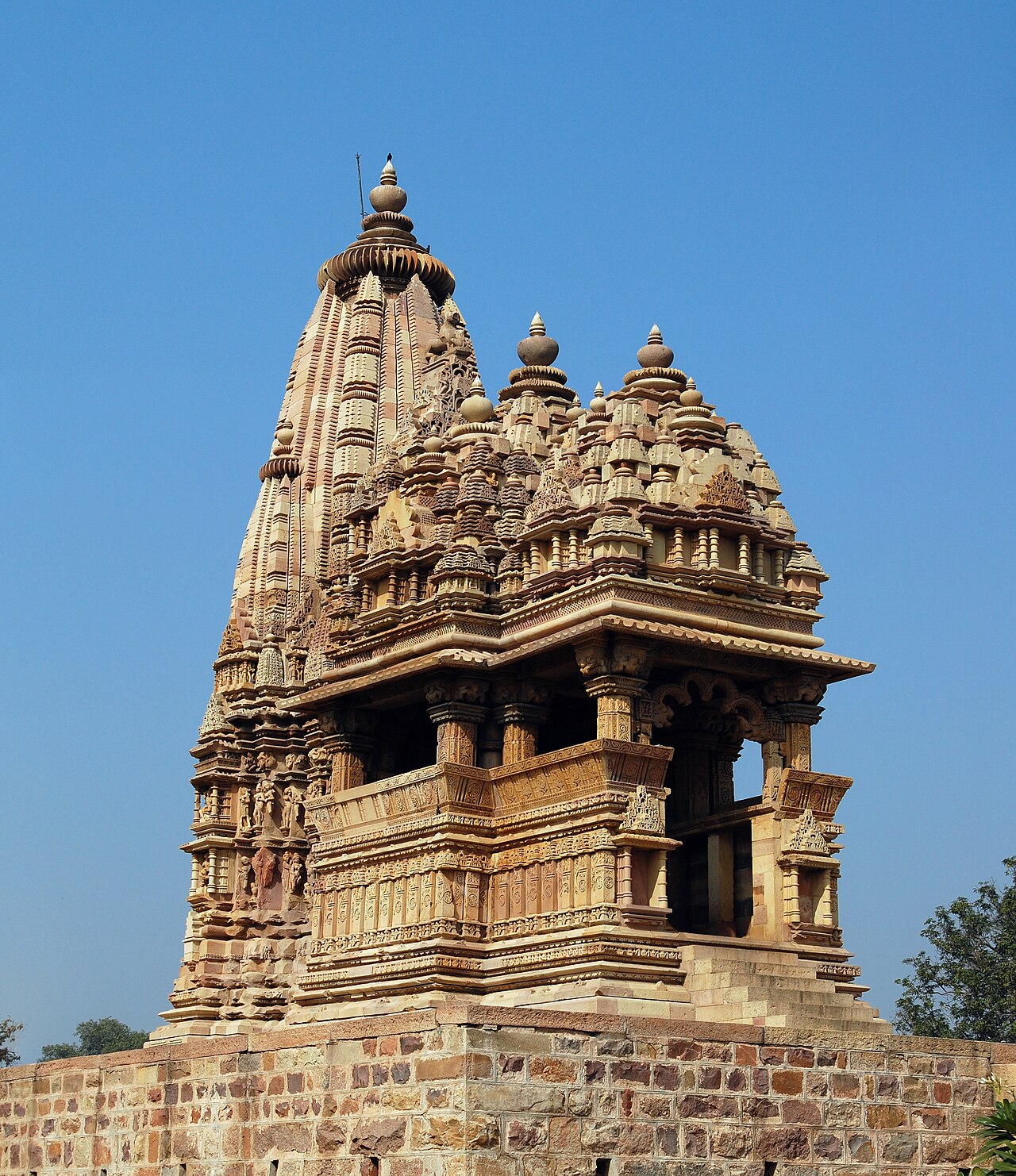 #9 in KhajurahoEntrée gratuite
Javari Temple
Temple · 50 m · about 2 min walk
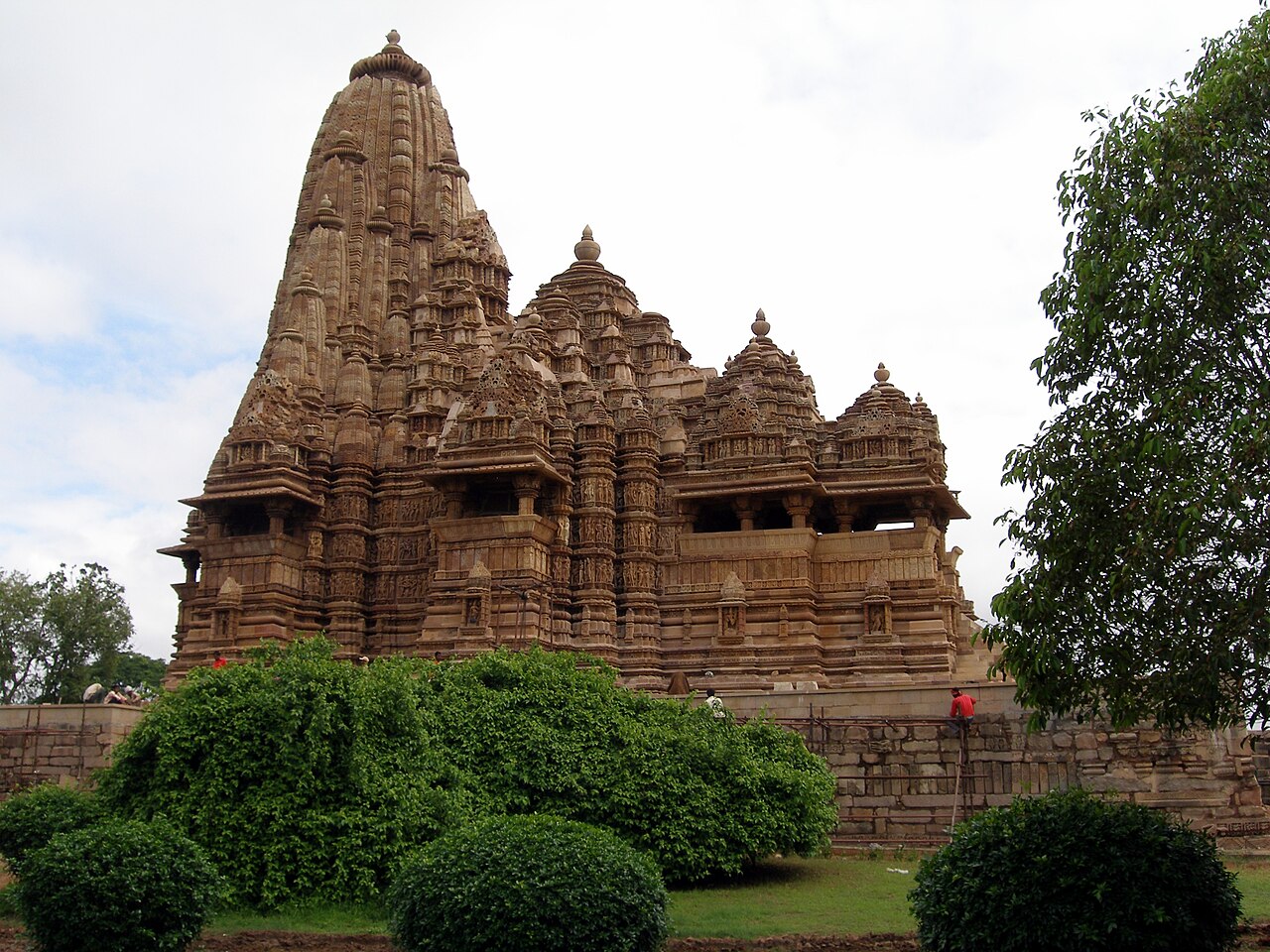 #1 in Khajuraho
Kandariya Mahadeva Temple
Temple · 50 m · about 2 min walk
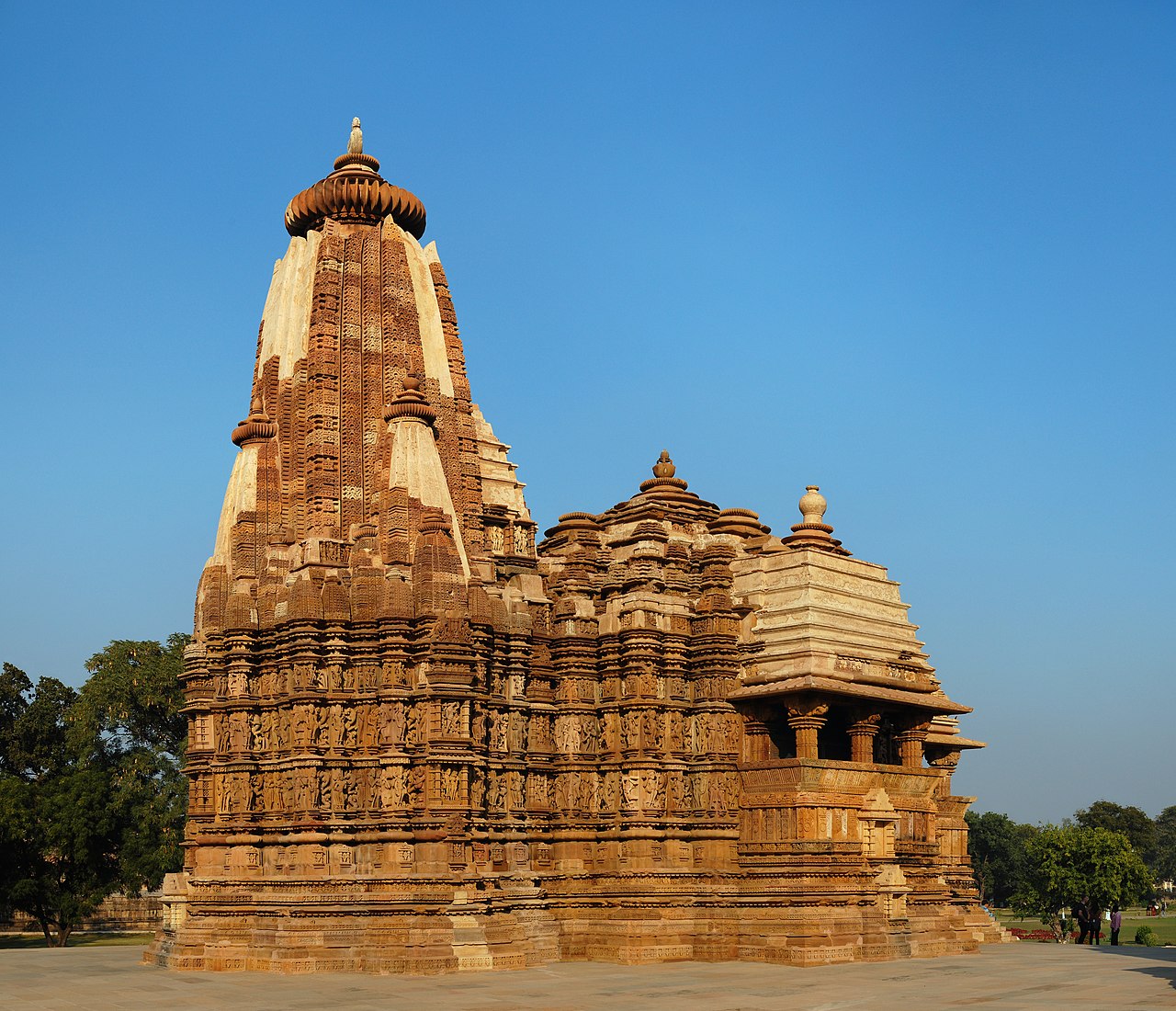 #4 in Khajuraho
Devi Jagadambi Temple
Temple · 50 m · about 2 min walk
 #5 in Khajuraho
Chitragupta Temple
Temple · 150 m · about 3 min walk