
Javari Temple
#9sur 9 lieux à visiter à KhajurahoKhajuraho, Madhya Pradesh
Aussi appelé Javeri Temple
L'essentiel
Horaires d'ouverture : 06:00–18:00. L'entrée est gratuite. Comptez 30 min. Meilleure période : 15:30–17:30.
Mis à jour le · Rédigé par Traveliac, avec assistance IA · 5 min de lecture
- Horaires d'ouverture
- 06:00–18:00
- Sunrise to sunset (approximately 06:00–18:00) daily; unrestricted access
- Prix d'entrée
- Gratuit
- Durée nécessaire
- 30 min
- Meilleur moment de la journée
- 15:30–17:30
- Meilleurs mois
- Oct – Mar
- Adresse
- Eastern Group (scattered Hindu shrines), Khajuraho village, Chhatarpur District, Madhya Pradesh 471606 — approximately 1 km east of the Western Group compound
À propos de Javari Temple
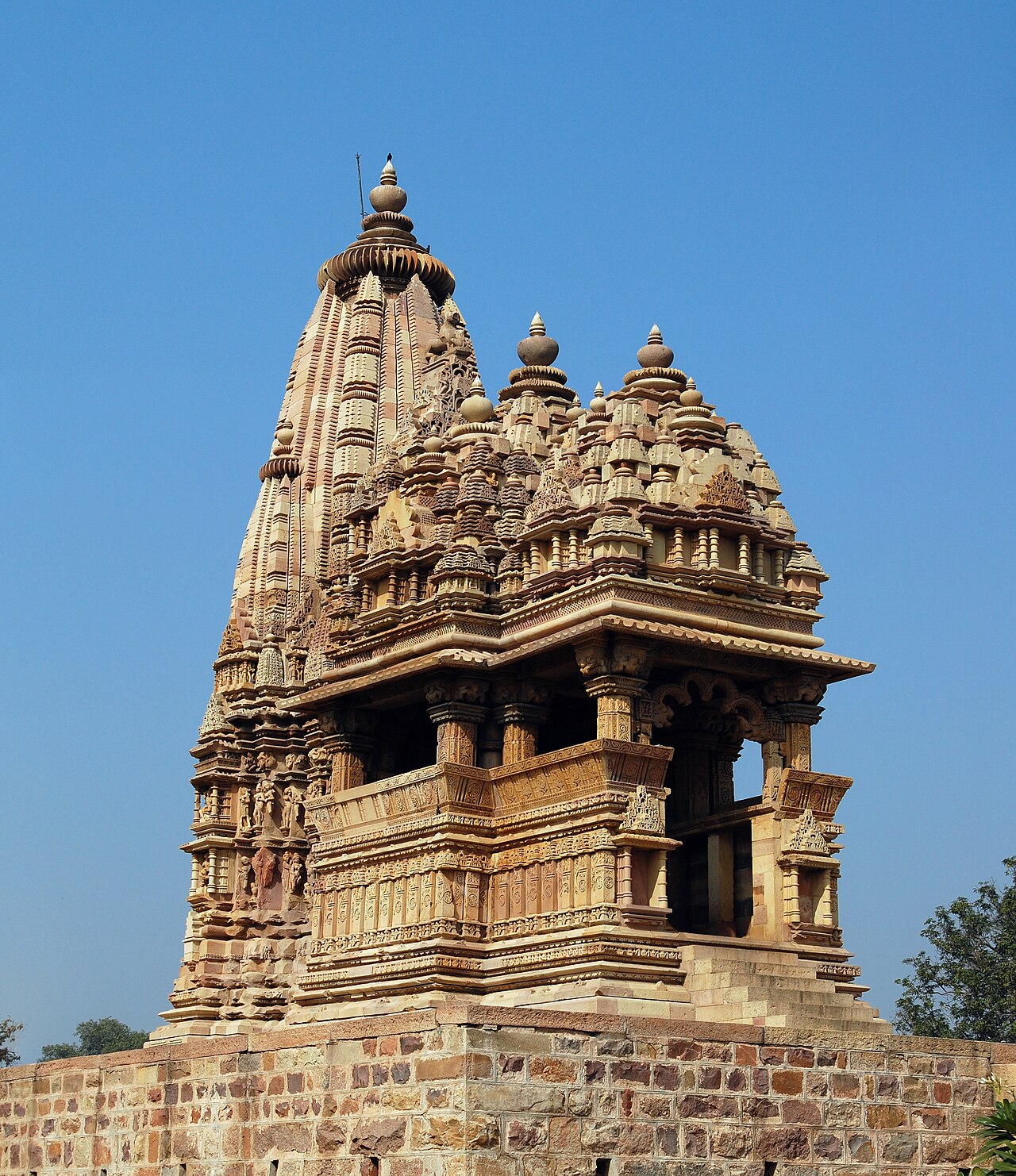
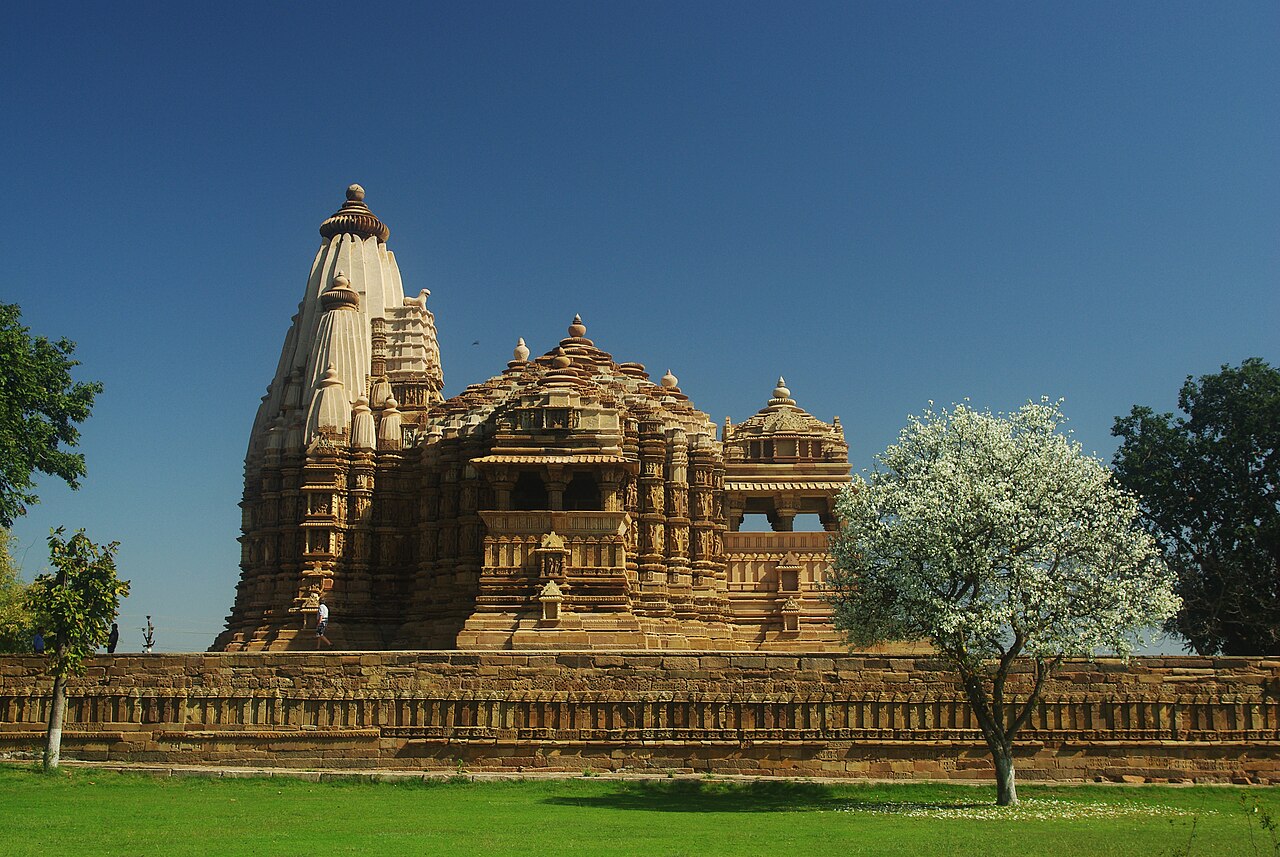
Javari is among the smallest fully finished Vaishnava shrines in the Khajuraho corpus, and its modest scale tells its own story about the arc of Chandela temple-building. Dated to the later phase of the dynasty's construction programme, roughly 1075–1100 CE — half a century or more after the Kandariya Mahadeva — it lacks the surviving corner subsidiary shrines and dense multi-register sculptural schemes of the grand Western Group temples, evidence of a building programme in its final and more modest phase rather than at its peak of royal ambition. What Javari lacks in scale, however, it makes up in refinement. Its entrance torana — a carved archway spanning the sanctum doorway, flanked by makara (crocodile-mythical-creature) brackets — is frequently singled out by architectural historians as among the most delicately worked portals anywhere at Khajuraho, and its slender, gracefully tapering shikhara is often described as more elegant in silhouette than the bulkier towers of the Western Group's largest temples, even if it is considerably smaller in overall mass.
Meilleur moment de la journée : 15:30–17:30. The temple's east-facing entrance torana is best appreciated in the raking cross-light of late afternoon, and the near-total absence of other visitors at this hour suits a slow, close look at its carved doorway.
Horaires de Javari Temple
- Horaires d'ouverture
- 06:00–18:00
Mon–Sun 06:00–18:00 - Sunrise to sunset (approximately 06:00–18:00) daily; unrestricted access
- Fermé le
- Ouvert tous les jours
Horaires d'ouverture établis à partir de asi.nic.in et de sources publiques, mis à jour le . Ils peuvent changer sans préavis — vérifiez avant de partir. Comment nous rédigeons ces guides
Prix d'entrée de Javari Temple
| Billet | Prix |
|---|---|
| Visiteurs indiens | Gratuit |
| Visiteurs étrangers | Gratuit |
| Enfants | Gratuit |
| Caméra | Gratuit |
Free entry — Javari is part of the Eastern Group's scattered, unfenced Hindu shrines and carries no admission charge, unlike the ticketed Western Group compound. There is no ticket booth, gate, or on-site attendant.
Tarifs établis à partir de asi.nic.in et de sources publiques, mis à jour le . Ils peuvent changer sans préavis — vérifiez avant de partir. Comment nous rédigeons ces guides
Meilleure période pour visiter Javari Temple
- Quiet
06:00–09:00
Early morningBest time to go
Almost always quiet. Local village activity is the main presence at this hour rather than tourist visitation.
Quiet09:00–13:00
Late morning
A modest trickle of independent travellers who have specifically added the Eastern Group to their plans; no organised tour-bus traffic.
Quiet13:00–15:30
Midday
Quietest period of the day, with overhead sun flattening the torana's fine relief — not the ideal time for photography but reliably uncrowded.
Quiet15:30–18:00
Late afternoon
Best light on the carved entrance archway. A slight uptick from visitors combining the stop with nearby Vamana, Brahma, and Parsvanatha temples.
Quiet
Histoire de Javari Temple
Javari belongs to the Eastern Group, a scattered cluster of Hindu shrines — including Vamana, Brahma, and Hanuman temples nearby — that stand unfenced amid or alongside the modern Khajuraho village, distinct from both the ticketed Western Group compound and the separately walled Jain temple enclosure elsewhere in the Eastern Group. This scattering reflects how the site actually looked before 20th-century ASI landscaping concentrated visitor attention and infrastructure on the Western Group: temples standing individually across the landscape, some close to residential compounds, rather than arranged within a single manicured park.
The temple's construction in the Chandela dynasty's later building phase — under Kirtivarman or one of his successors, in the final decades of significant royal patronage at Khajuraho before construction activity tapered off by around 1100 CE — makes it a useful counterpoint to the earlier Lakshmana Temple (954 CE) and the mid-period Kandariya Mahadeva (c. 1025–1050 CE). Read together, the three temples trace the rise, peak, and gradual contraction of Chandela architectural ambition across roughly a century and a half.
Like the rest of Khajuraho, Javari lay largely forgotten from the collapse of Chandela power around 1200 CE until the 19th-century British survey brought the wider site back to scholarly attention, and it was included in the 1986 UNESCO World Heritage inscription covering the whole Khajuraho Group of Monuments.
Règles et étiquette à Javari Temple
There is no ticket, gate, or attendant at Javari; access is unrestricted during daylight hours. Because the temple stands amid or near the modern village rather than within a landscaped monument park, visitors should be considerate of the surrounding residential setting — some of the Eastern Group's scattered shrines sit close enough to houses that ordinary neighbourly courtesy applies.
Local children in the surrounding village occasionally offer informal guiding for a small tip; this can be politely declined without offence if not wanted. As with all Khajuraho monuments, avoid touching or climbing on the carved surfaces, particularly the finely worked entrance torana, which is more delicate than it may appear.
Conseils pour visiter Javari Temple
- 1
Javari is easily combined with the nearby Vamana and Brahma temples, both within a few hundred metres, for a short walking loop through a quiet, largely residential stretch of the Eastern Group that receives a fraction of the Western Group's foot traffic. Because none of these carry an entry fee or fixed opening procedure, the loop can be worked into an itinerary at any time of day, though late afternoon light suits the carved doorway best.
- 2
Most visitors who confine themselves to the ticketed Western Group circuit never see Javari's torana, which is a genuine gap in most standard itineraries given how frequently art historians cite it as one of the finest carved doorways at the entire site. If architectural detail interests you more than sculptural narrative, prioritise this stop over a third or fourth pass through the busier Western Group temples.
- 3
There are no refreshment stalls or facilities at this end of the Eastern Group; carry water and plan the visit either before heading into town for lunch or as a late-afternoon addition on the way back from the Western Group.
Comment se rendre à Javari Temple
L'étoile rouge indique Javari Temple ; les repères numérotés sont les 7 lieux les plus proches de nos guides, chacun avec son classement dans sa ville. Touchez un repère pour plus de détails.
Eastern Group (scattered Hindu shrines), Khajuraho village, Chhatarpur District, Madhya Pradesh 471606 — approximately 1 km east of the Western Group compoundItinéraire sur Google Maps
Depuis Khajuraho Airport (HJR)
₹100–1503.5 km · 15–20 min
Depuis Western Group Main Gate
₹50–701 km · 5 min (auto) / 12–15 min (walking)
Auto); free on foot
Depuis Khajuraho Railway Station
₹120–1807 km · 18–22 min
Aéroport le plus proche
Depuis Khajuraho Airport (HJR)
approximately 3.5 km southwest
Gare la plus proche
Depuis Khajuraho Railway Station
approximately 7 km southeast
FAQ — Javari Temple
Is there an entry fee for Javari Temple?
No. Javari is part of the Eastern Group's scattered, unfenced Hindu shrines and is free to enter, with no ticket booth or attendant on site, unlike the ticketed Western Group compound.
How does Javari's age compare to the Western Group's major temples?
Javari was built later than the Western Group's principal temples, in the final phase of significant Chandela construction at Khajuraho, roughly 1075–1100 CE — around half a century or more after the Kandariya Mahadeva (c. 1025–1050 CE) and well over a century after the Lakshmana Temple (954 CE). Its smaller, simpler scale reflects the tapering of royal architectural ambition in the dynasty's later years.
What is notable about the Javari Temple's entrance doorway?
The temple's entrance torana, a carved archway flanked by makara brackets spanning the sanctum doorway, is frequently cited by architectural historians as among the most delicately worked portals at Khajuraho. Combined with the temple's slender, gracefully tapering shikhara, it demonstrates that architectural refinement continued even as the scale of Chandela temple commissions declined.
Why is Javari located among the village rather than in a landscaped compound like the Western Group?
Javari belongs to the Eastern Group, a cluster of Hindu shrines that were never enclosed within a fenced monument park the way the Western Group was. Standing amid or alongside the modern village, they preserve something closer to how the whole Khajuraho site looked before 20th-century ASI landscaping concentrated visitor infrastructure on the Western Group's temples.
Rédigé avec l'assistance de l'IA à partir de sources officielles et de registres publics, et publié seulement après les vérifications décrites dans Comment nous rédigeons ces guides. Personne chez Traveliac ne s'est rendu sur place. Mis à jour le . Comment nous classons et vérifions les lieux
Lieux à visiter près de Javari Temple
Distances à vol d'oiseau, depuis notre carte ; les durées sont estimées.
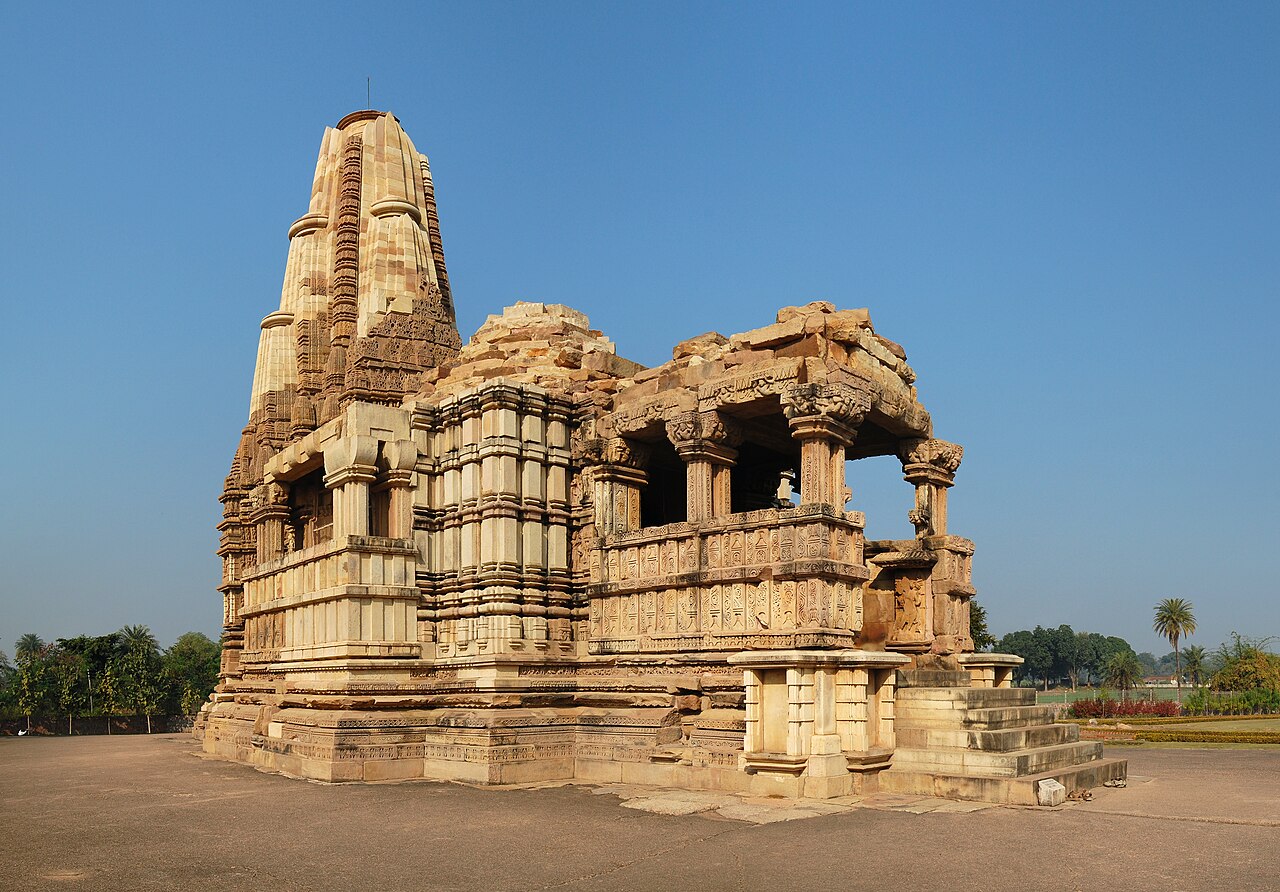 #8 in KhajurahoEntrée gratuite
Duladeo Temple
Temple · 50 m · about 2 min walk
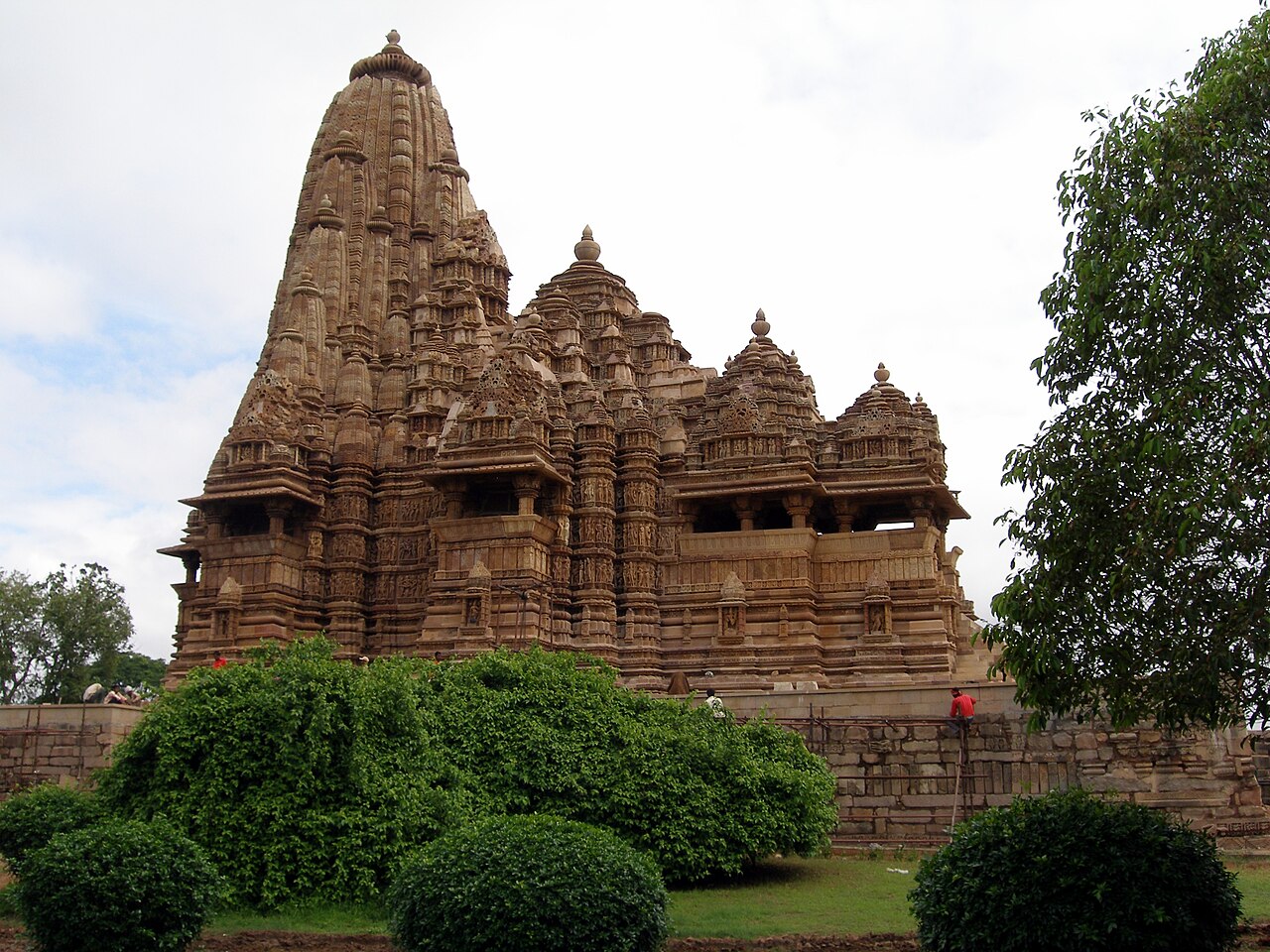 #1 in Khajuraho
Kandariya Mahadeva Temple
Temple · 50 m · about 2 min walk
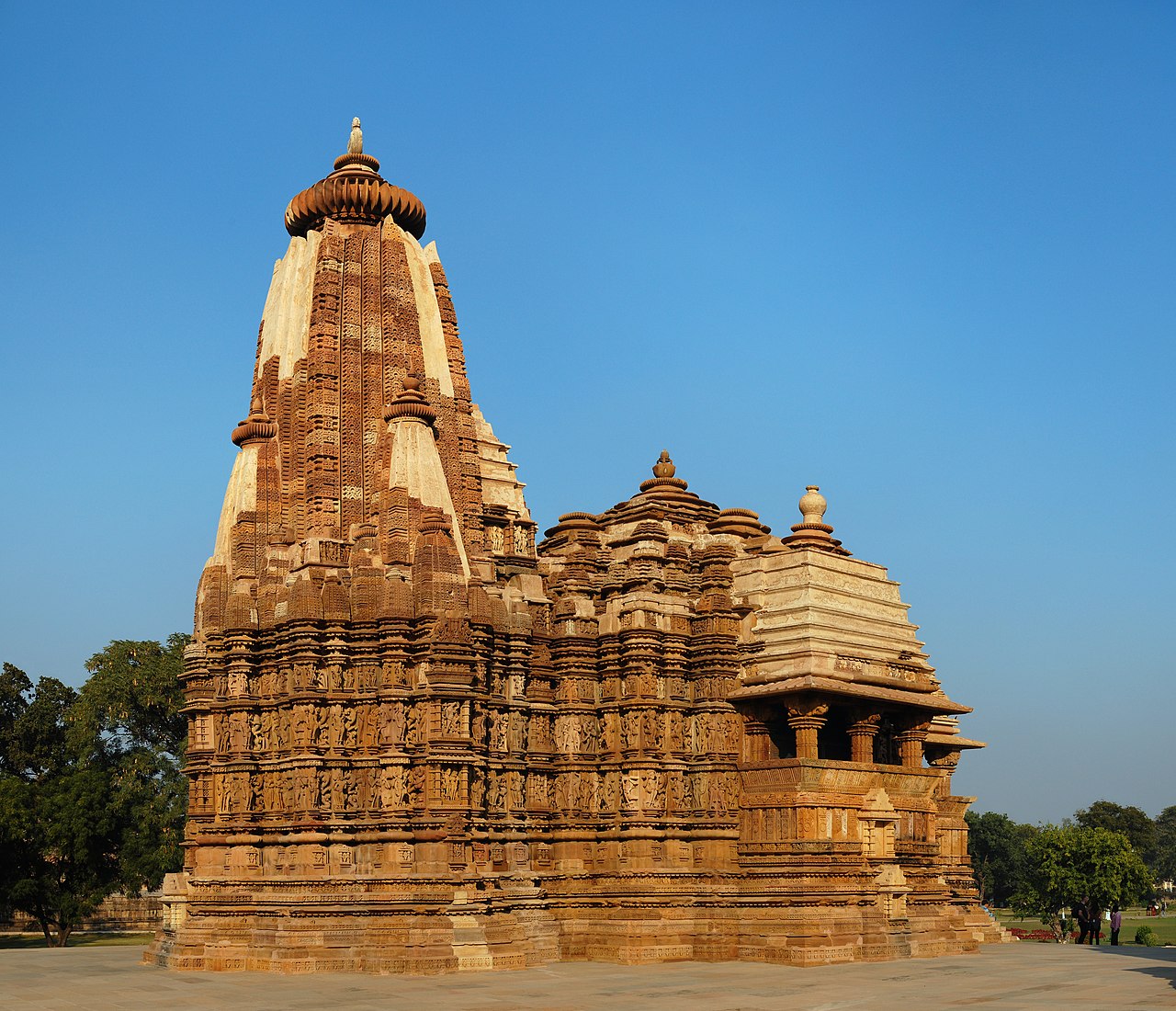 #4 in Khajuraho
Devi Jagadambi Temple
Temple · 50 m · about 2 min walk
 #5 in Khajuraho
Chitragupta Temple
Temple · 150 m · about 3 min walk