
Parsvanatha Temple
#6sur 9 lieux à visiter à KhajurahoKhajuraho, Madhya Pradesh
Aussi appelé Parshvanath Temple · Jain Temple Khajuraho
L'essentiel
Horaires d'ouverture : 08:00–17:00. L'entrée est gratuite. Comptez 45 min. Meilleure période : 15:00–17:00.
Mis à jour le · Rédigé par Traveliac, avec assistance IA · 6 min de lecture
- Horaires d'ouverture
- 08:00–17:00
- Approximately 08:00–17:00 daily, though as part of an active temple compound the walled enclosure's exact opening hours are set by the local Jain trust rather than the ASI and can vary; the ancient shrine itself is best visited in daylight
- Prix d'entrée
- Gratuit
- Durée nécessaire
- 45 min
- Meilleur moment de la journée
- 15:00–17:00
- Meilleurs mois
- Oct – Mar
- Adresse
- Jain Temple Enclosure, Eastern Group, Khajuraho village, Chhatarpur District, Madhya Pradesh 471606 — approximately 1.2 km east of the Western Group compound
À propos de Parsvanatha Temple
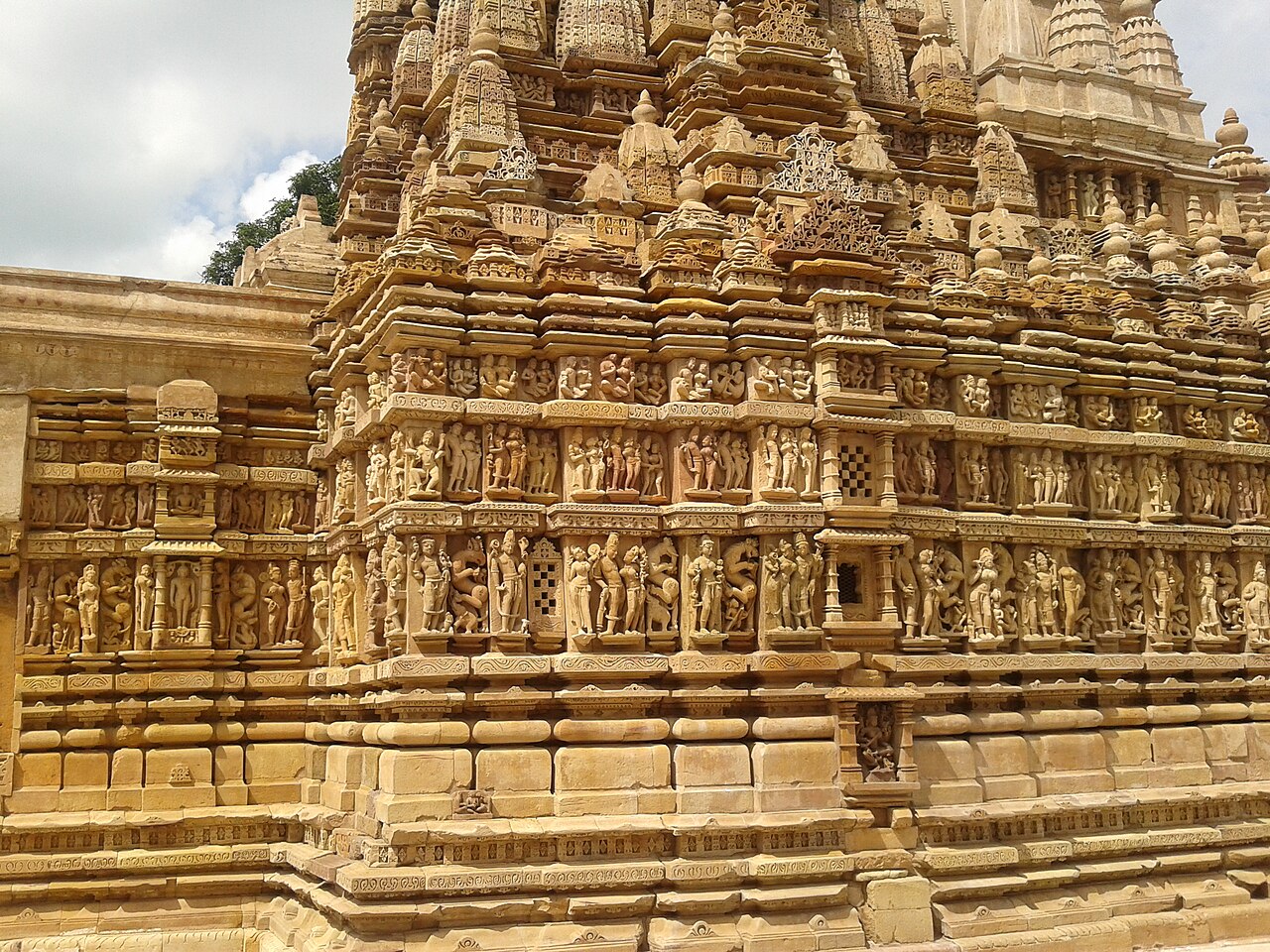
Parsvanatha is the largest and most architecturally accomplished of Khajuraho's Jain temples, and its existence is a useful corrective to the common assumption that a dynasty remembered chiefly for Shiva and Vishnu shrines built exclusively for those cults. The Chandelas, whose kings styled themselves devout Shaivas, nonetheless funded major Jain construction at Khajuraho — a reflection of the dynasty's pragmatic relationship with the region's prosperous Jain merchant and trading communities, whose wealth and patronage were worth cultivating regardless of the ruling house's own devotional affiliations. Built to a similarly high sculptural standard as the Hindu temples of the Western Group, and evidently by overlapping guilds of sandstone carvers, Parsvanatha carries exterior bands of apsaras and celestial figures that would look entirely at home on a Shaiva shrine — including a widely reproduced panel of a woman removing a thorn from her foot, a genre scene of the kind more associated with courtly Hindu iconography than with Jainism's typically stricter visual conventions. The temple lacks an interior ambulatory passage and has a simpler, more compact plan than Kandariya Mahadeva, but its wall carving is comparably fine. Its current name is not original: the earliest inscriptional evidence indicates the temple was first dedicated to Adinatha, the first Jain Tirthankara, and only rededicated to Parsvanatha, the twenty-third Tirthankara, in 1860, when a new black stone image was installed in the sanctum.
Meilleur moment de la journée : 15:00–17:00. The Jain compound draws a fraction of the Western Group's midday visitor volume, and the softer late-afternoon light suits the finer, shallower relief carving typical of the Jain sculptural tradition better than the harsh overhead sun.
Horaires de Parsvanatha Temple
- Horaires d'ouverture
- 08:00–17:00
Mon–Sun 08:00–17:00 - Approximately 08:00–17:00 daily, though as part of an active temple compound the walled enclosure's exact opening hours are set by the local Jain trust rather than the ASI and can vary; the ancient shrine itself is best visited in daylight
- Fermé le
- Ouvert tous les jours
Horaires d'ouverture établis à partir de asi.nic.in et de sources publiques, mis à jour le . Ils peuvent changer sans préavis — vérifiez avant de partir. Comment nous rédigeons ces guides
Prix d'entrée de Parsvanatha Temple
| Billet | Prix |
|---|---|
| Visiteurs indiens | Gratuit |
| Visiteurs étrangers | Gratuit |
| Enfants | Gratuit |
| Caméra | Gratuit |
Free entry — the Eastern Group's Jain temples, including Parsvanatha, are not enclosed within the ticketed Western Group compound and carry no admission charge. The temple stands inside a walled, active Digambar Jain temple complex that also contains modern shrines still used for daily worship; the ancient Parsvanatha structure itself is ASI-protected, but access to the surrounding compound follows the etiquette of a working temple rather than a monument-only site.
Tarifs établis à partir de asi.nic.in et de sources publiques, mis à jour le . Ils peuvent changer sans préavis — vérifiez avant de partir. Comment nous rédigeons ces guides
Meilleure période pour visiter Parsvanatha Temple
- Quiet
08:00–10:00
Morning openingBest time to go
Local devotees visiting the active Shantinatha shrine within the same compound are the primary presence; tourist visitation is minimal at this hour.
Quiet10:00–13:00
Late morning
Independent travellers who have added the Eastern Group to their itinerary begin arriving, but volumes remain far below the Western Group's equivalent hours.
Quiet13:00–15:00
Midday
Quietest period of the day. Good for a contemplative, unhurried visit to both the ancient structure and the active modern shrine.
Quiet15:00–17:00
Late afternoon
Softer light suits the fine, shallow Jain relief carving. A modest uptick in visitors combining this stop with Javari Temple nearby.
Quiet
Histoire de Parsvanatha Temple
Parsvanatha was built around 950–970 CE, within the same general century of Chandela patronage that produced the Lakshmana and Vishvanatha temples, and its construction reflects the Bundelkhand region's position on trade routes that brought considerable wealth to its Jain merchant population. Jain temple-building at Khajuraho was concentrated in what the ASI now designates the Eastern Group's Jain enclosure, a separate walled precinct distinct from the scattered Hindu shrines elsewhere in the Eastern Group and physically distinct from the ticketed Western Group compound.
The 1860 rededication from Adinatha to Parsvanatha is documented and gives the temple an unusually late layer of active religious history compared to most of Khajuraho's monuments, most of which ceased functioning as living shrines centuries earlier and were rediscovered purely as archaeological sites. The Jain community's continuous or renewed presence at the site through the 19th century — installing a new principal image and maintaining an active devotional complex around the ancient structure — sets Parsvanatha apart from the deconsecrated, museum-like character of most of the Western Group.
The temple's sculptural similarity to contemporary Hindu commissions is consistent with what is known generally about temple construction in this period: workshops of stone carvers were commissioned by patrons across religious lines, and a shared regional visual vocabulary — apsaras, foliate ornament, genre scenes of courtly and domestic life — appears across Hindu and Jain commissions alike, with the principal difference being the identity of the deity installed in the sanctum rather than the style of the surrounding sculptural programme. Parsvanatha and the broader Khajuraho Group of Monuments were inscribed by UNESCO in 1986.
Règles et étiquette à Parsvanatha Temple
Because Parsvanatha sits within a walled, still-active Jain temple compound rather than a monument-only enclosure, visitors are expected to remove footwear before entering the compound itself, not merely at the ancient shrine's own platform — a stricter standard than the footwear-optional approach found across the ASI-only Western Group. Leather articles, including belts, wallets, and leather-strap watches, should ideally be left outside the compound altogether; Jain religious practice places particular emphasis on non-violence (ahimsa), and leather is treated with more consistent seriousness here than at most Hindu temple sites in the region.
The adjoining modern Shantinatha temple within the same walled complex is a fully active place of worship with its own daily ritual schedule; visitors should be quiet and unobtrusive around any ongoing puja and should ask before photographing devotees. Photography of the ancient Parsvanatha structure's exterior sculptural bands is generally permitted, but visitors should check current signage at the compound entrance, since rules at actively managed religious sites can be adjusted by the local trust with less notice than ASI-only monuments.
No licensed-guide kiosk operates at this compound the way one does at the Western Group's main gate; guides who cover the Eastern Group typically arrange the visit in advance as part of a wider circuit, or can be engaged at the Western Group gate for an extended tour that includes the Eastern Group temples.
Conseils pour visiter Parsvanatha Temple
- 1
Parsvanatha rewards visitors willing to look past the site's relative lack of grandeur compared to the Western Group's manicured lawns and treat it instead as a genuine working religious compound with an unusually direct 19th-century layer of history laid over an 11th-century structure — the rededication of the sanctum image in 1860 is a rare instance at Khajuraho of a documented, comparatively recent act of religious reconsecration.
- 2
Combine the visit with the nearby Javari Temple, part of the same Eastern Group and only a short walk away, and with the more ruined Ghantai Temple close by, another Jain structure notable for pillars carved with a bell-and-chain motif. Together these form a loop through a considerably quieter and less commercialised part of Khajuraho than the Western Group.
- 3
Because the compound is walled and gated as an active temple rather than laid out as an open monument, arrival etiquette matters more here — approach the gate calmly, remove footwear where indicated, and expect a slower, more contemplative pace than the brisk photography-driven circuit of the ticketed Western Group.
Comment se rendre à Parsvanatha Temple
Nous n'avons pas encore localisé Parsvanatha Temple avec précision ; la carte montre les autres lieux de notre guide Khajuraho. Utilisez l'adresse ci-dessous ou le lien d'itinéraire.
Jain Temple Enclosure, Eastern Group, Khajuraho village, Chhatarpur District, Madhya Pradesh 471606 — approximately 1.2 km east of the Western Group compoundItinéraire sur Google Maps
Depuis Khajuraho Airport (HJR)
₹100–1503.5 km · 15–20 min
Depuis Western Group Main Gate
₹60–801.2 km · 5 min (auto) / 15–20 min (walking)
Auto); free on foot
Depuis Khajuraho Railway Station
₹120–1807 km · 18–22 min
Aéroport le plus proche
Depuis Khajuraho Airport (HJR)
approximately 3.5 km southwest
Gare la plus proche
Depuis Khajuraho Railway Station
approximately 7 km southeast
FAQ — Parsvanatha Temple
Is there an entry fee for the Parsvanatha Temple?
No. The Eastern Group's Jain temples, including Parsvanatha, are free to enter and are not part of the ticketed Western Group compound. There is no admission charge, though the temple sits within an active walled Jain compound with its own visitor etiquette.
Was Parsvanatha always the name and deity of this temple?
No. Inscriptional evidence indicates the temple was originally dedicated to Adinatha, the first Jain Tirthankara. It was rededicated to Parsvanatha, the twenty-third Tirthankara, in 1860, when a new black stone image was installed in the sanctum — a documented, comparatively recent act of reconsecration that is unusual among Khajuraho's monuments.
Why does a Jain temple have sculptures similar to Hindu temples at Khajuraho, including a famous 'thorn removal' panel?
Chandela-era stone carvers appear to have worked across religious commissions, producing a shared regional visual vocabulary of apsaras, celestial attendants, and courtly genre scenes for both Hindu and Jain patrons. Parsvanatha's exterior bands, including the widely reproduced panel of a woman removing a thorn from her foot, reflect this shared artistic idiom rather than any specifically Jain iconographic requirement.
Do I need to remove my shoes and avoid leather at this temple?
Yes. Because Parsvanatha sits within an active, walled Jain temple compound rather than a monument-only site, visitors should remove footwear before entering the compound itself and are encouraged to leave leather articles — belts, wallets, leather-strap watches — outside altogether, consistent with Jainism's emphasis on non-violence.
Rédigé avec l'assistance de l'IA à partir de sources officielles et de registres publics, et publié seulement après les vérifications décrites dans Comment nous rédigeons ces guides. Personne chez Traveliac ne s'est rendu sur place. Mis à jour le . Comment nous classons et vérifions les lieux
Autres choses à faire à Khajuraho
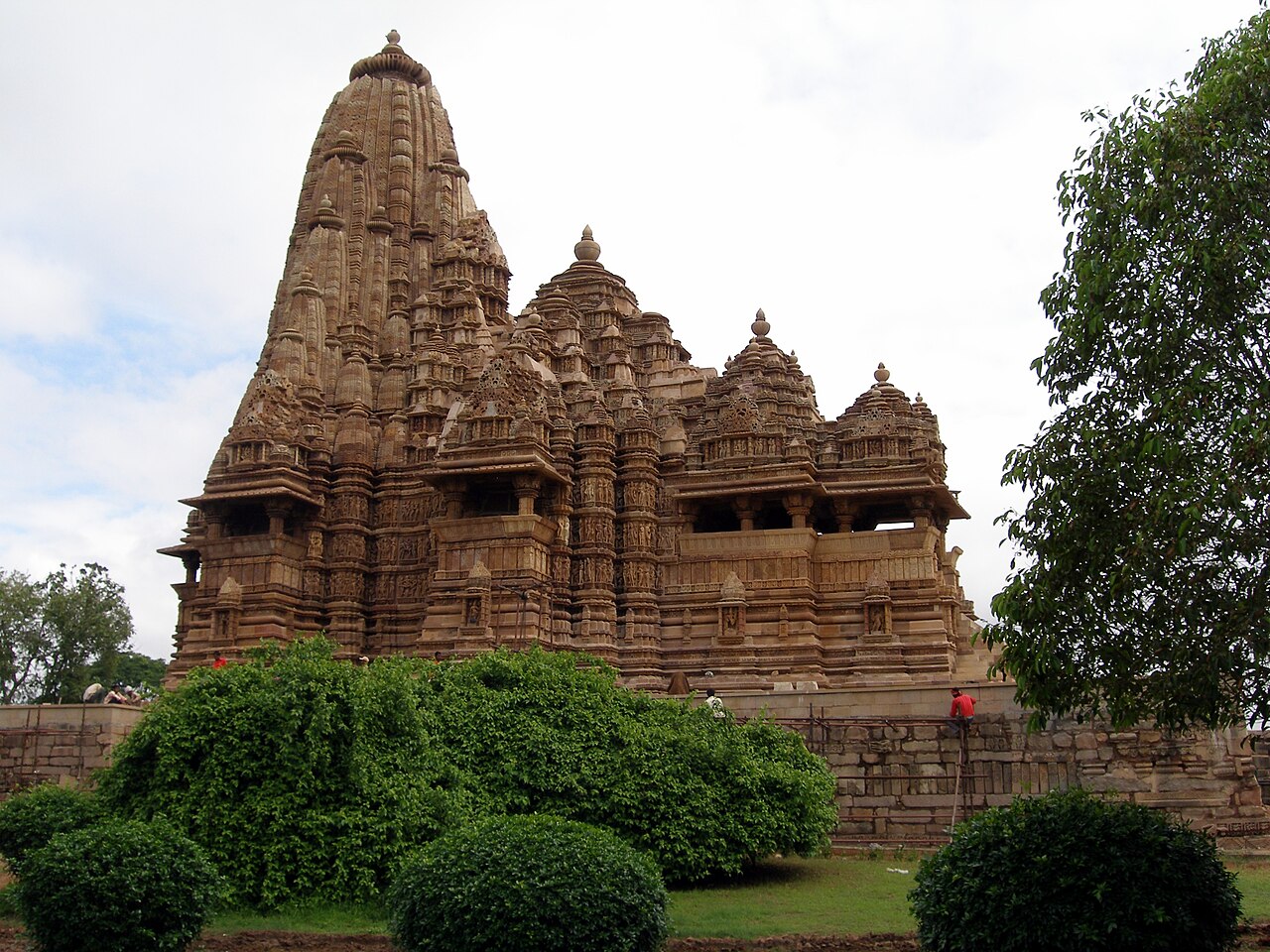 #1 in Khajuraho
Kandariya Mahadeva Temple
Temple · Khajuraho
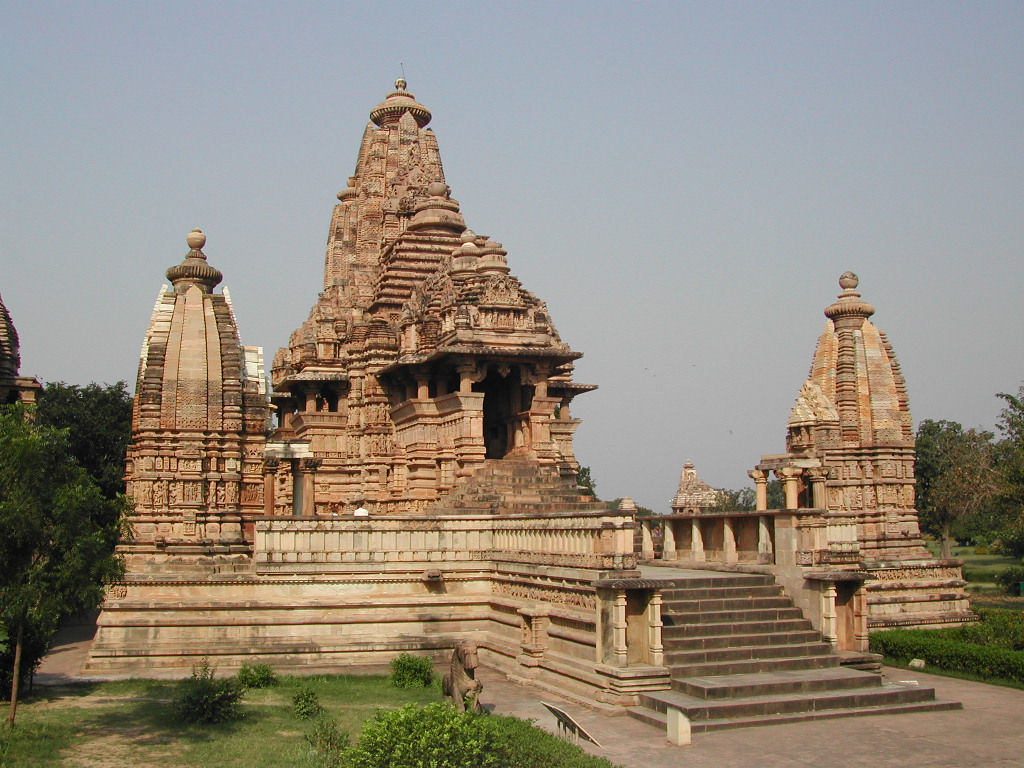 #2 in Khajuraho
Lakshmana Temple
Temple · Khajuraho
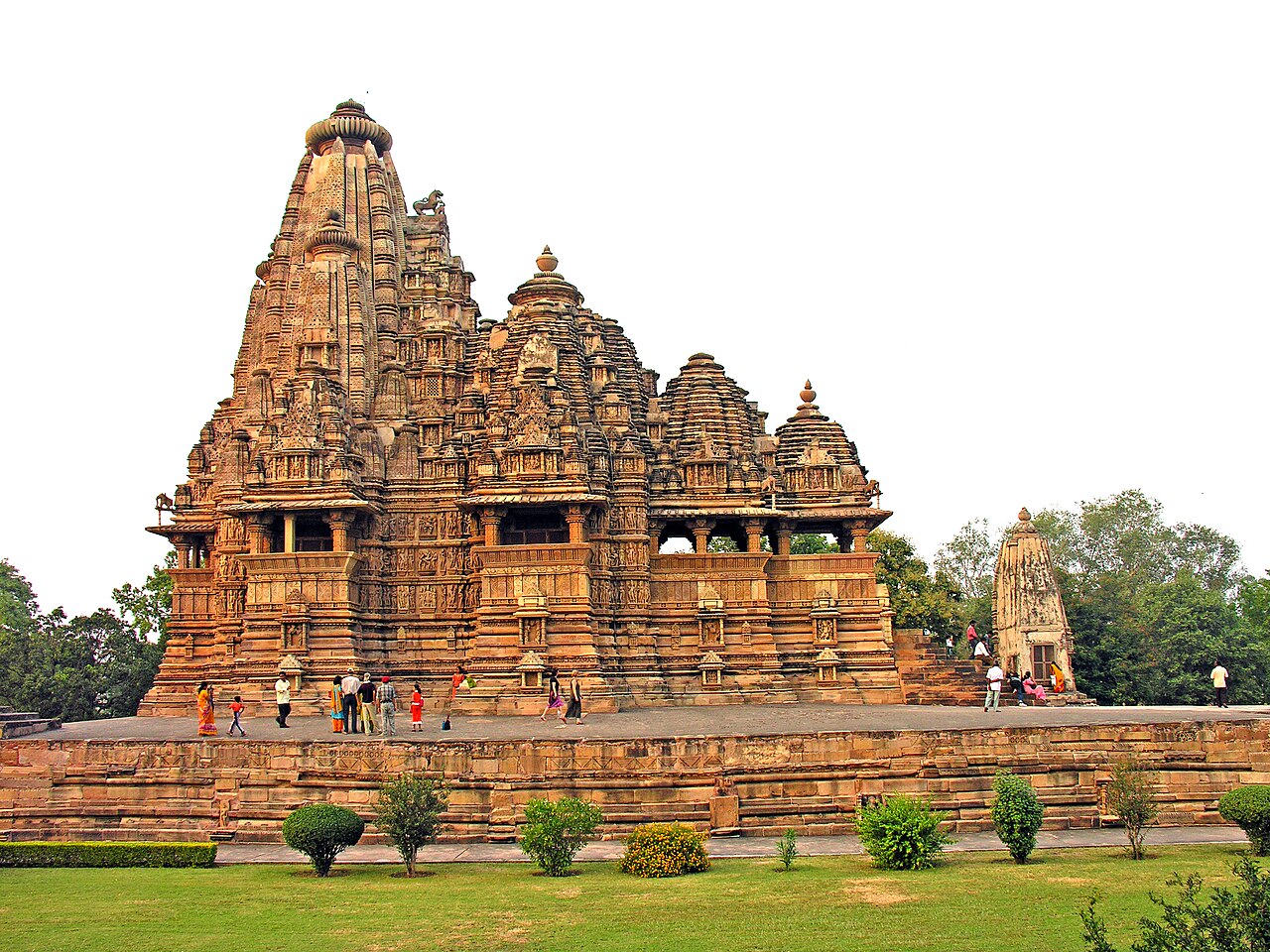 #3 in Khajuraho
Vishvanatha Temple
Temple · Khajuraho
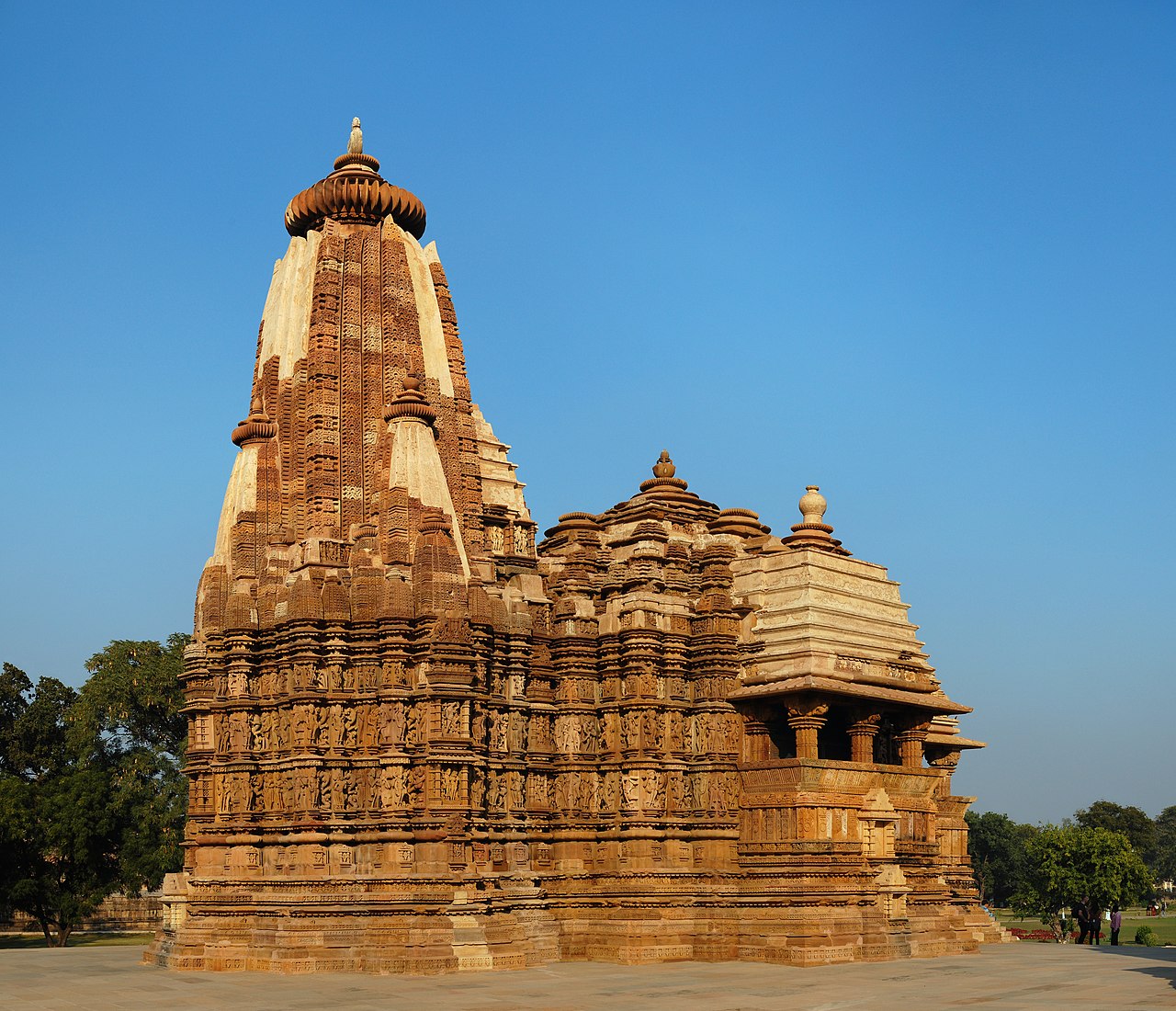 #4 in Khajuraho
Devi Jagadambi Temple
Temple · Khajuraho