
Tsomgo Lake
#1sur 7 lieux à visiter à GangtokGangtok, Sikkim
Aussi appelé Changu Lake · Tsongmo Lake
L'essentiel
Horaires d'ouverture : 07:30–09:00. L'entrée est gratuite. Comptez 1.5 hrs. Meilleure période : 09:30 – 11:30.
Mis à jour le · Rédigé par Traveliac, avec assistance IA · 5 min de lecture
- Horaires d'ouverture
- 07:30–09:00
- Permits are issued for same-day entry only, with the checkpoint typically processing from 07:30–09:00; visitors must clear the lake area and start the return descent by mid-afternoon since the permit does not allow overnight stays.
- Prix d'entrée
- Gratuit
- Durée nécessaire
- 1.5 hrs
- Meilleur moment de la journée
- 09:30 – 11:30
- Meilleurs mois
- Mar – May, Oct – Dec
- Adresse
- Tsomgo Lake, East Sikkim, approximately 40 km from Gangtok via the Nathu La highway (NH717A), inside the restricted border zone
À propos de Tsomgo Lake
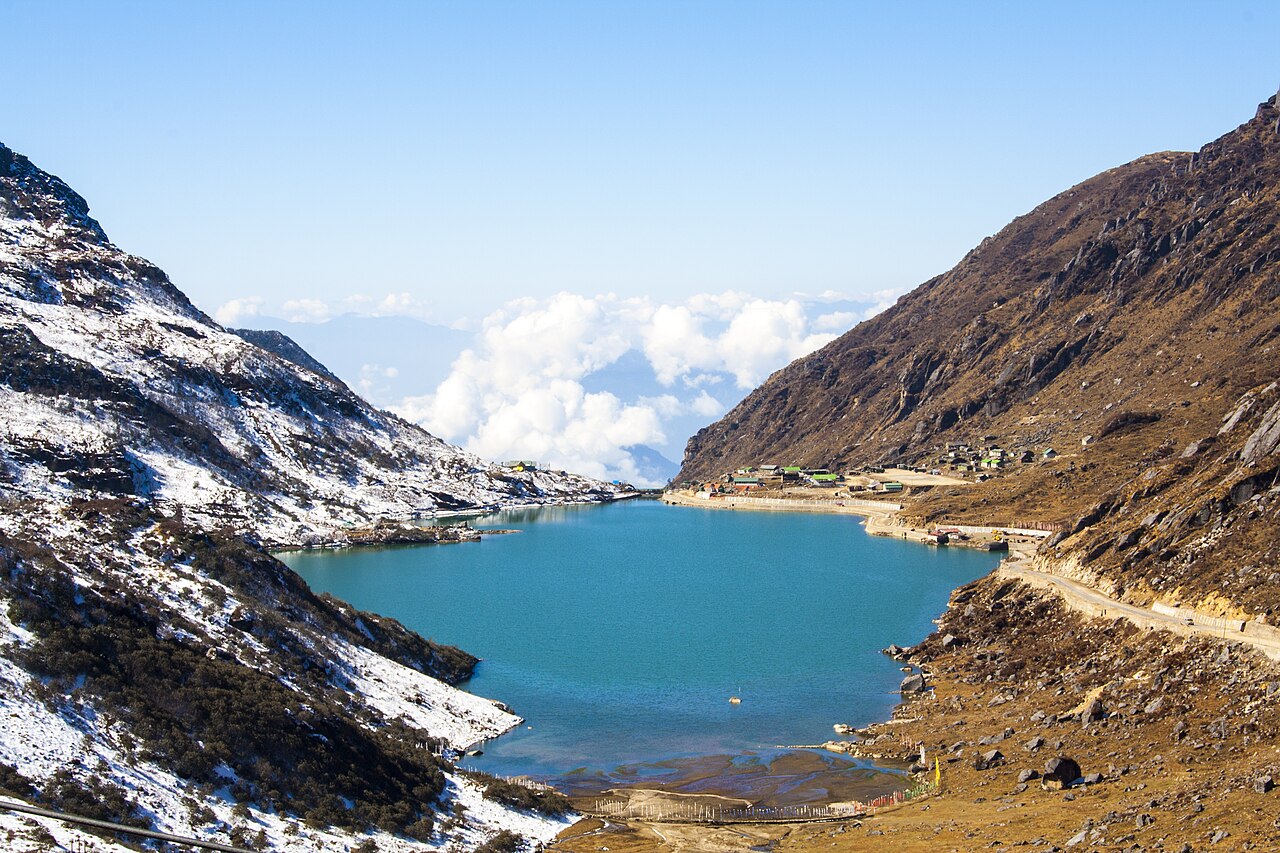
Tsomgo Lake sits at 3,753 metres, a glacial basin roughly the size of a small stadium fed by snowmelt from the surrounding peaks and framed so tightly by the mountainside that the water surface changes colour by the hour — steel grey at dawn, a hard turquoise by late morning, opaque white once winter ice takes hold. The name is Bhutia — 'tso' for lake, 'mgo' for head or source — and it is treated locally as a source lake, sacred rather than merely scenic, with a small Shiva shrine on its northern bank. For most visitors it is inseparable from the altitude itself: this is the first point on the standard Gangtok itinerary where thin air becomes a physical fact rather than a travel-guide caveat.
Meilleur moment de la journée : 09:30 – 11:30. After the morning permit-checkpoint queue clears at Ranipool but before the mid-afternoon cloud buildup that typically obscures the surrounding ridgelines by 13:00.
Horaires de Tsomgo Lake
- Horaires d'ouverture
- 07:30–09:00
Mon–Sun 07:30–09:00 - Permits are issued for same-day entry only, with the checkpoint typically processing from 07:30–09:00; visitors must clear the lake area and start the return descent by mid-afternoon since the permit does not allow overnight stays.
- Fermé le
- Ouvert tous les jours
Bon à savoir : The lake freezes over from December through February, when the road can close entirely after snowfall for days at a time. The window for a clear, ice-free surface with reliable road access is March–June and September–November; local hotels and agents in Gangtok confirm the day's open/closed status the evening before, since conditions change with each snowfall.
Horaires d'ouverture établis à partir de sikkimtourism.gov.in et de sources publiques, mis à jour le . Ils peuvent changer sans préavis — vérifiez avant de partir. Comment nous rédigeons ces guides
Prix d'entrée de Tsomgo Lake
| Billet | Prix |
|---|---|
| Visiteurs indiens | Gratuit |
| Visiteurs étrangers | Gratuit |
| Enfants | Gratuit |
| Caméra | Gratuit |
There is no ticketed entry fee to the lake itself; the cost that matters is the Protected Area Permit (PAP), which is mandatory for every visitor — Indian and foreign alike — and is arranged through a registered Sikkim travel agent, not purchased independently at the site. Yak and mule rides along the lakeside path are priced separately and negotiated on the spot, typically ₹300–₹600 depending on distance and season; agree the fare and route before mounting.
Tarifs établis à partir de sikkimtourism.gov.in et de sources publiques, mis à jour le . Ils peuvent changer sans préavis — vérifiez avant de partir. Comment nous rédigeons ces guides
Meilleure période pour visiter Tsomgo Lake
- Quiet
- Moderate
- Busy
07:00 – 09:00
Permit Checkpoint Queue
Convoys of taxis and tour vehicles queue at the Ranipool Inner Line checkpoint for document verification. This is the bottleneck of the day, not the lake itself.
Busy09:30 – 11:30
Peak Viewing Window
Most permit-holders reach the lake in this window, coinciding with the clearest light before afternoon cloud. Shoreline platform and yak-ride queue busiest here.
Busy11:30 – 13:30
Cloud Buildup
Visibility often degrades as cloud rolls up the valley. Groups continuing to Nathu La depart; those on a Tsomgo-only permit begin the return descent.
Moderate13:30 onward
Afternoon DescentBest time to go
Traffic thins as vehicles clear the checkpoint outbound. Same-day permit rules mean almost no one remains at the lake past mid-afternoon.
Quiet
Histoire de Tsomgo Lake
Tsomgo has been a waypoint on the trade and pilgrimage route toward the Nathu La pass and, beyond it, Tibet, for as long as that route has existed — traders and monks moving between the Chumbi Valley and the Sikkimese lowlands would have watered animals and rested here well before any road existed. Local Lepcha and Bhutia tradition holds the lake to be an oracle: its colour and the pattern of ice-melt were read by monks from nearby monasteries to forecast the coming year's fortunes, a practice tied specifically to the lake's role as a headwater source rather than a folkloric add-on.
Modern access dates to the construction of the Gangtok–Nathu La motorable road under Indian Army engineering command after the 1962 war with China, when the corridor's strategic value made a hardened supply route essential. The lake itself was folded into general tourist circuits only once the pass road stabilised in the following decades, and it remains today jointly read as a civilian beauty spot and a functioning segment of a militarily sensitive border corridor — the two uses run alongside each other rather than one giving way to the other.
Règles et étiquette à Tsomgo Lake
The Protected Area Permit is non-negotiable and cannot be obtained at the lake itself; apply the previous day through a registered Gangtok travel agent, who will need your original photo ID (Aadhaar for Indian nationals, passport for foreign nationals — note that foreign nationals face additional restrictions on this route and should confirm current eligibility with the agent before finalising plans) and two passport-sized photographs. The permit checkpoint at Ranipool inspects these documents against the physical traveller, so carry the original ID, not a photocopy.
Altitude effects are routine here, not exceptional: mild headache, breathlessness on short walks, and light-headedness affect a meaningful share of visitors arriving directly from Gangtok's 1,650-metre elevation. Move slowly around the lakeside path, avoid alcohol the night before, and treat any dizziness as a signal to sit rather than push on. The yak and mule handlers along the shore work animals that are, in practice, unregulated in welfare terms; if you choose to ride, keep the outing short and dismount at any sign the animal is distressed.
Conseils pour visiter Tsomgo Lake
- 1
Tsomgo is almost always visited as a single combined day trip with Nathu La and Baba Mandir, since all three sit on the same permit and the same road — plan on a 6–7 AM departure from Gangtok to clear the Ranipool checkpoint before the queue lengthens. Rental jackets and gum boots are available at stalls near the parking area for ₹100–₹150; the lake's exposed position means wind chill is often the bigger discomfort factor than the ambient temperature reading suggests.
- 2
The short circular path around the visitor-accessible portion of the shoreline takes 20–30 minutes on foot and is the most rewarding way to see the lake's colour shift, rather than staying at the main viewing platform where most tour groups cluster. Food stalls near the car park serve hot instant noodles and butter tea (₹80–₹150) — genuinely useful at this altitude rather than a tourist-trap add-on. Because the whole excursion runs on a single permit clock, do not linger past your agent's stated return time; vehicles are logged out at the checkpoint and delays cascade into the group's return schedule.
Comment se rendre à Tsomgo Lake
L'étoile rouge indique Tsomgo Lake ; les repères numérotés sont les 2 lieux les plus proches de nos guides, chacun avec son classement dans sa ville. Touchez un repère pour plus de détails.
Tsomgo Lake, East Sikkim, approximately 40 km from Gangtok via the Nathu La highway (NH717A), inside the restricted border zoneItinéraire sur Google Maps
Depuis Gangtok (MG Marg / SNT Bus Stand)
₹2,500–₹3,50040 km · 90–120 min (including checkpoint processing)
For a shared Nathu La–Tsomgo Lake–Baba Mandir day package (per vehicle, 4–5 passengers), booked through a registered agent who also files the permit paperwork.
Depuis Bagdogra Airport (IXB)
₹4,000–₹5,500165 km · 5.5–6.5 hours to Gangtok, plus the same-day Tsomgo excursion the following morning
Private car direct to Gangtok; the Tsomgo trip itself must be booked separately in Gangtok since permits require a day's notice.
Aéroport le plus proche
Depuis Pakyong Airport (PYG)
approximately 75 km, 3–3.5 hours; limited, weather-dependent flights. Bagdogra Airport (IXB) – approximately 165 km, 5.5–6.5 hours, the dependable year-round option.
Gare la plus proche
Depuis New Jalpaiguri (NJP)
approximately 165 km, 5.5–6.5 hours. Sikkim has no rail line of its own; NJP is the nearest broad-gauge terminus.
FAQ — Tsomgo Lake
Do I need a special permit to visit Tsomgo Lake, and how do I get it?
Yes — a Protected Area Permit is mandatory for every visitor, Indian or foreign, since the lake sits inside Sikkim's restricted Inner Line zone toward the China border. It must be arranged the day before through a registered Gangtok travel agent using your original ID and two passport photographs; it cannot be obtained at the lake itself.
When does Tsomgo Lake freeze, and can you visit it in winter?
The lake typically freezes from December through February. The road can close entirely for days after heavy snowfall during this period, and access is unpredictable. The most reliable ice-free window with stable road conditions is March–June and September–November.
Is altitude sickness a real risk at Tsomgo Lake?
At 3,753 metres, mild symptoms — headache, breathlessness on short walks, light-headedness — are common, especially for visitors arriving the same morning from Gangtok's 1,650-metre elevation. Move slowly, skip alcohol the night before, and treat dizziness as a reason to rest rather than continue.
Can Tsomgo Lake be combined with Nathu La Pass in one trip?
Yes, and this is how most visitors do it — a single Protected Area Permit and one taxi day-package typically covers Tsomgo Lake, Baba Mandir, and Nathu La Pass in sequence, departing Gangtok around 6–7 AM to clear the Ranipool checkpoint before queues build.
Rédigé avec l'assistance de l'IA à partir de sources officielles et de registres publics, et publié seulement après les vérifications décrites dans Comment nous rédigeons ces guides. Personne chez Traveliac ne s'est rendu sur place. Mis à jour le . Comment nous classons et vérifions les lieux
Lieux à visiter près de Tsomgo Lake
Distances à vol d'oiseau, depuis notre carte ; les durées sont estimées.
 #3 in GangtokEntrée gratuite
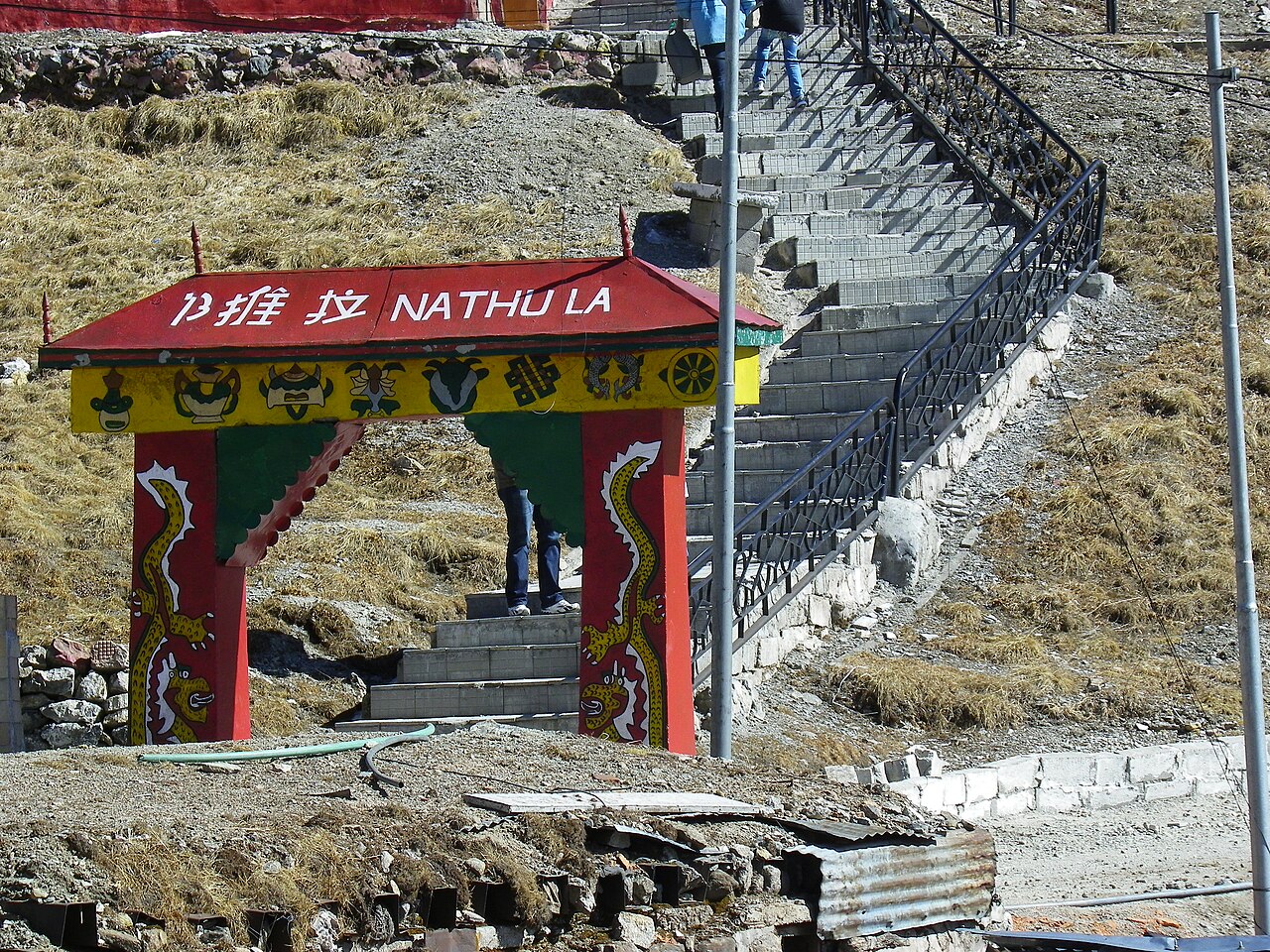
Nathu La Pass
Col de montagne · 7 km · about 20 min by road
 #5 in GangtokEntrée gratuite
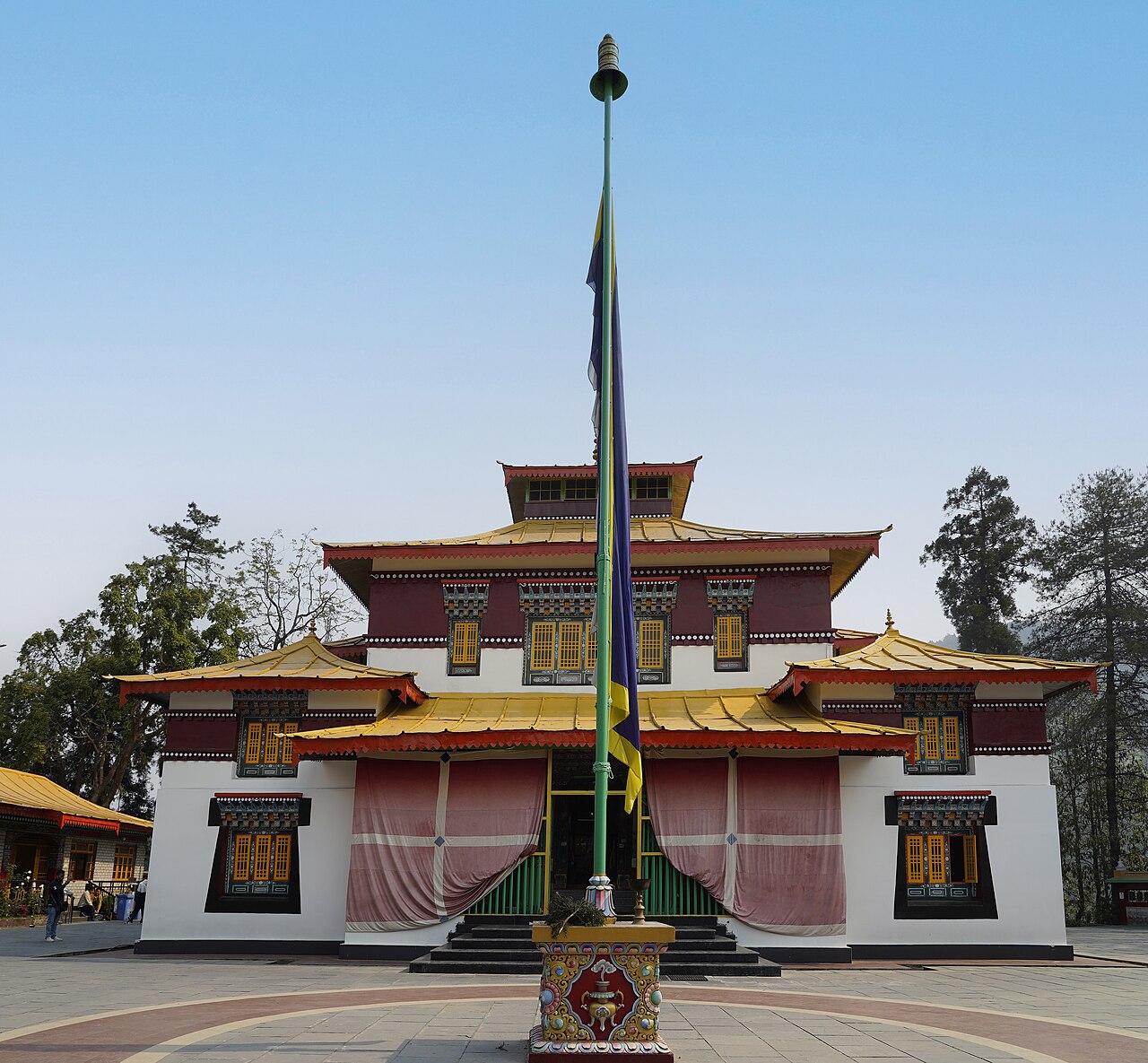
Enchey Monastery
Monastère · 15 km · about 45 min by road
 #7 in Gangtok
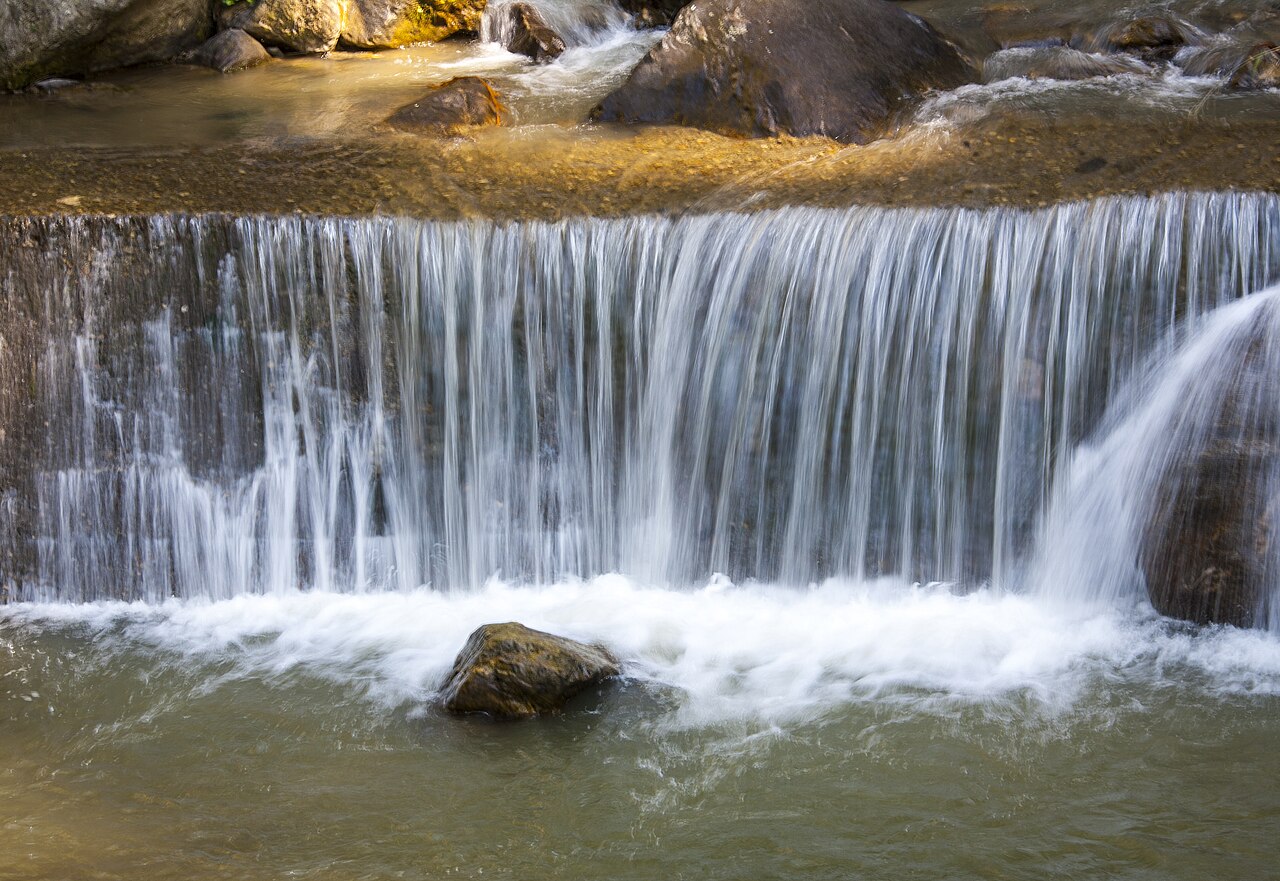
Banjhakri Falls & Energy Park
Cascade · 16 km · about 50 min by road
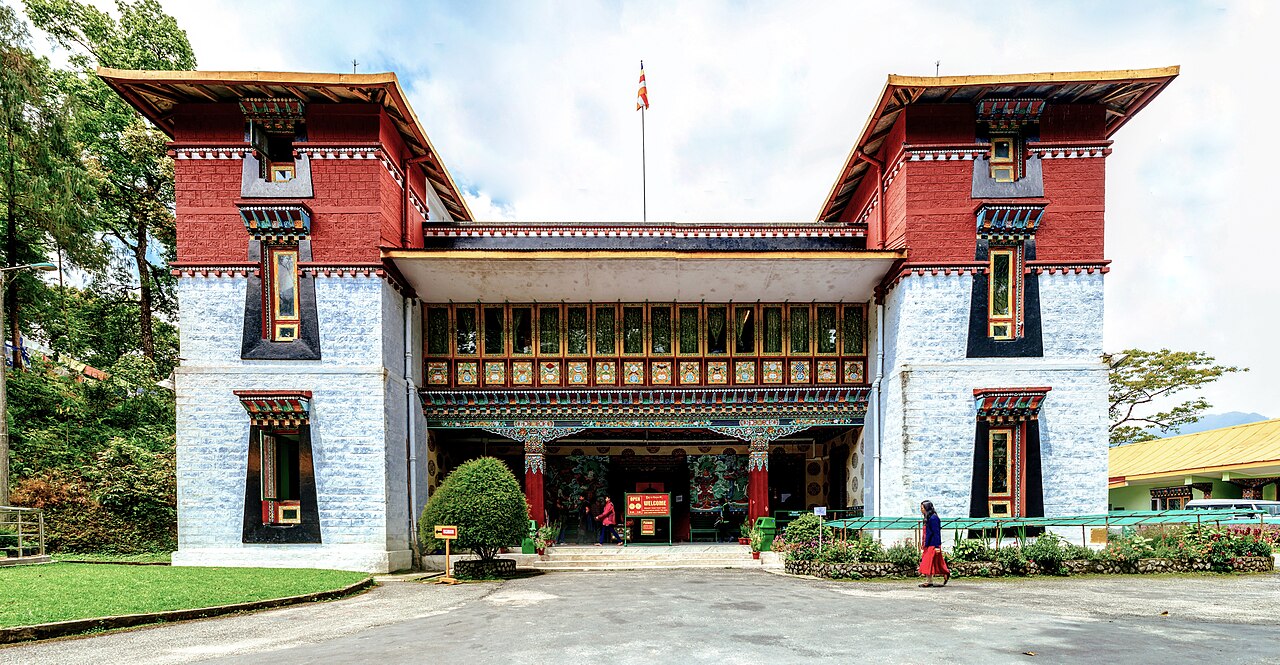 #4 in Gangtok
Namgyal Institute of Tibetology
Musée · 17 km · about 55 min by road