
Government Museum, Egmore
#5sur 10 lieux à visiter à ChennaiChennai, Tamil Nadu
Aussi appelé Madras Museum · Egmore Museum
L'essentiel
Horaires d'ouverture : 10:30–18:30, closed Fridays. Entrée : ₹15 pour les Indiens · ₹250 pour les étrangers. Comptez 2 hrs. Meilleure période : 10:30 – 12:30.
Mis à jour le · Rédigé par Traveliac, avec assistance IA · 4 min de lecture
- Horaires d'ouverture
- 10:30–18:30
- Closed Fridays
- Prix d'entrée
- ₹15 pour les Indiens
- Billet à partir de
- Durée nécessaire
- 2 hrs
- Meilleur moment de la journée
- 10:30 – 12:30
- Meilleurs mois
- Dec – Mar
- Adresse
- Pantheon Road, Egmore, Chennai, Tamil Nadu 600008
À propos de Government Museum, Egmore
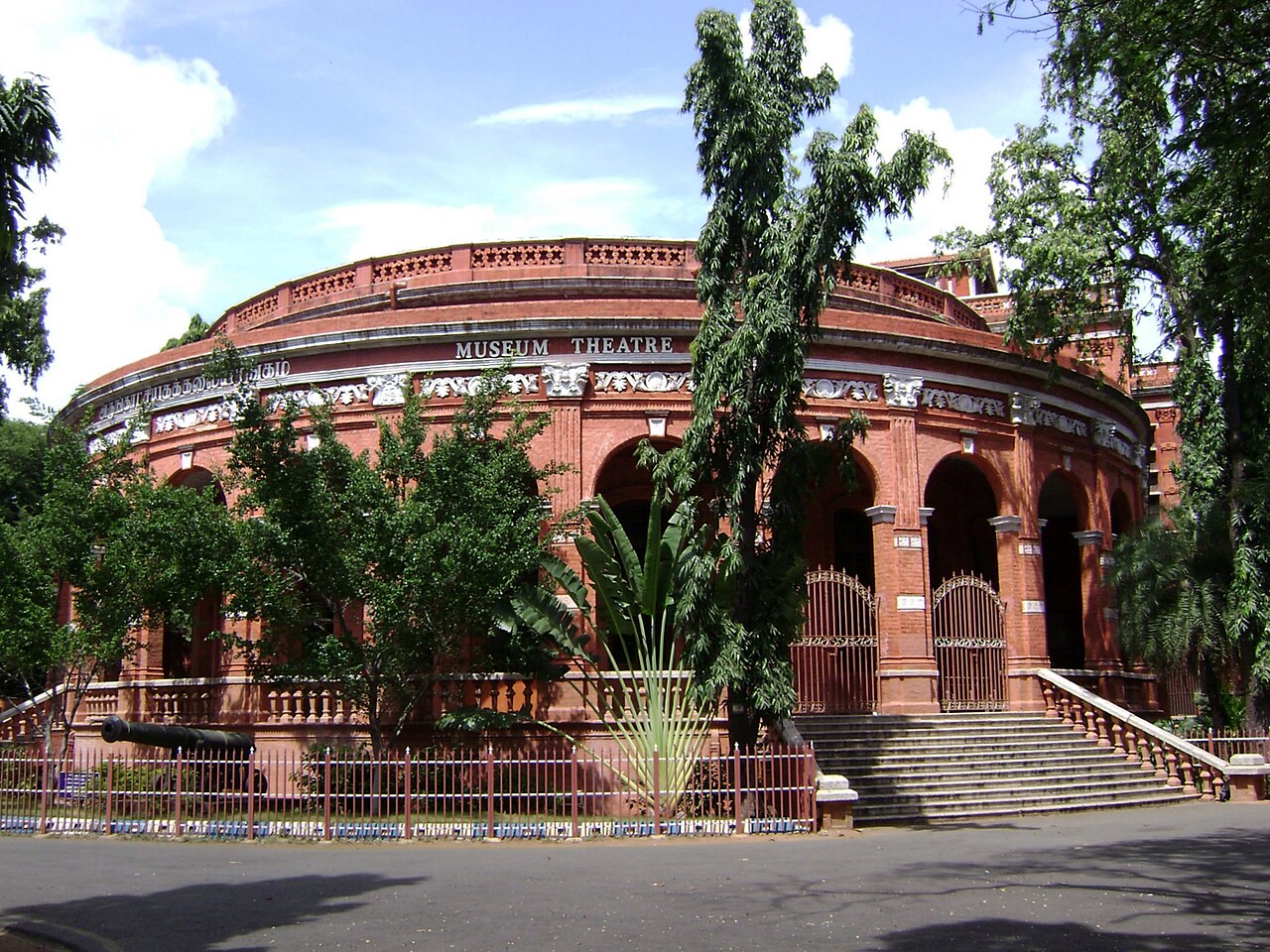
Government Museum, Egmore, opened in 1851 and is commonly described as the second-oldest museum in India after the Indian Museum in Kolkata. The complex spreads across several linked buildings rather than one hall, anchored by the red-and-buff Indo-Saracenic National Art Gallery designed by architect Henry Irwin and built between the 1860s and 1890s as part of the wider Connemara Public Library and museum precinct. Inside, the Bronze Gallery holds one of the country's most significant collections of South Indian bronze icons, cast by the lost-wax process and dating back more than a thousand years to the Chola period, alongside archaeology, zoology, and geology galleries spread through the older colonial-era wings.
Meilleur moment de la journée : 10:30 – 12:30. Immediately after opening, before school groups and coach tours arrive.
Photographie
₹200 pour la caméra
Horaires de Government Museum, Egmore
Government Museum, Egmore ouvre à 10:30 et ferme à 18:30. Le week-end ne change rien : samedi et dimanche suivent les mêmes horaires.
- Horaires d'ouverture
- 10:30–18:30
Mon–Thu 10:30–18:30 Friday Closed Sat–Sun 10:30–18:30 - Fermé le
- Friday, Republic Day, Deepavali, Pongal, other national holidays
Horaires d'ouverture établis à partir de govtmuseumchennai.org et de sources publiques, mis à jour le . Ils peuvent changer sans préavis — vérifiez avant de partir. Comment nous rédigeons ces guides
Prix d'entrée de Government Museum, Egmore
| Billet | Prix |
|---|---|
| Visiteurs indiens | ₹15 |
| Visiteurs étrangers | ₹250 |
| Enfants | Gratuit |
| Caméra | ₹200 |
Children under 12 enter free. Figures reflect the Tamil Nadu Government Museum Department's standard published rates, as of 2026, verify at the counter since fees for special exhibitions are charged separately.
Tarifs établis à partir de govtmuseumchennai.org et de sources publiques, mis à jour le . Ils peuvent changer sans préavis — vérifiez avant de partir. Comment nous rédigeons ces guides
Meilleure période pour visiter Government Museum, Egmore
- Quiet
- Moderate
- Busy
10:30 – 12:30
Morning OpeningBest time to go
Galleries are quiet immediately after opening; the Bronze Gallery in particular is easiest to view without crowding in this window.
Quiet12:30 – 15:00
School Group Peak
Coach-loads of school students arrive for guided educational visits, filling the archaeology and natural history halls.
Busy15:00 – 17:00
Afternoon Lull
School groups depart and family visitors take their place at a steadier pace through the National Art Gallery.
Moderate17:00 – 18:30
Late Afternoon
Visitor numbers thin toward closing; last entry is generally enforced around 18:00 to allow time to see the final galleries.
Quiet
Histoire de Government Museum, Egmore
The museum was established in 1851 under the Madras Presidency as a repository for archaeological, geological, and natural-history material collected across South India, predating most of the country's other state museums by decades. Henry Irwin, the architect also associated with several of Chennai's Indo-Saracenic landmarks, designed the National Art Gallery building that now anchors the complex, blending Rajput-influenced domes and jharokha-style balconies with Madras red sandstone and terracotta detailing rather than following a purely European colonial template. The Bronze Gallery's centrepiece Chola-era icons, including multiple depictions of Shiva as Nataraja, entered the collection through decades of archaeological transfers from temples across the Tamil country, and the museum's Roman coin collection is frequently cited as among the largest outside Europe, evidence of the ancient trade routes linking the Coromandel Coast to the Mediterranean.
Règles et étiquette à Government Museum, Egmore
Bags and cameras must be deposited or declared at the entrance counter, where a separate camera fee applies if photography is intended beyond a phone. The complex spans multiple buildings connected by open courtyards, and signage between them is inconsistent enough that first-time visitors often lose 15–20 minutes finding the Bronze Gallery from the main archaeology block. Some galleries operate on a rotating basis and may be closed for conservation without advance notice, so checking with staff at the ticket counter about which sections are open saves a wasted walk. Photography of the Bronze Gallery's icons is often restricted more tightly than in other sections given their fragility and religious significance; ask before raising a camera. Touts outside the Pantheon Road gate occasionally offer unofficial guide services at inflated rates — the museum's own ticket counter can direct visitors to any authorised guides.
Conseils pour visiter Government Museum, Egmore
- 1
The Bronze Gallery deserves the largest share of a visit's time, since the Chola Nataraja icons here are considered reference pieces for the entire genre of South Indian bronze casting studied worldwide. The National Art Gallery building itself, with its Indo-Saracenic façade of domes and arched verandas, is worth photographing from the courtyard even for visitors short on time inside. Chennai Egmore railway station sits an easy 10-minute walk away, making the museum a practical stop either just after arriving in the city or just before an evening train departure. The museum can feel underlit and warm in the older wings during peak summer months, so visiting between October and February, when the brief's citywide best months apply, makes for a considerably more comfortable few hours indoors.
Comment se rendre à Government Museum, Egmore
L'étoile rouge indique Government Museum, Egmore ; les repères numérotés sont les 8 lieux les plus proches de nos guides, chacun avec son classement dans sa ville. Touchez un repère pour plus de détails.
Pantheon Road, Egmore, Chennai, Tamil Nadu 600008Itinéraire sur Google Maps
Depuis Chennai International Airport (MAA)
₹480–₹65017 km · 40–50 min
Prepaid taxi/app cab).
Depuis Chennai Egmore Railway Station (MS)
0.8 km · 8–10 min
Walkable; auto-rickshaw ₹30–₹50 if needed.
Depuis Chennai Central Railway Station (MAS)
₹80–₹1203 km · 10–15 min
Auto-rickshaw, negotiated).
Aéroport le plus proche
Depuis Chennai International Airport (MAA)
approximately 17 km, 40–50 minutes by road.
Gare la plus proche
Depuis Chennai Egmore (MS)
approximately 800 m, a 10-minute walk.
FAQ — Government Museum, Egmore
What is the entry fee for Government Museum, Egmore?
₹15 for Indian nationals and ₹250 for foreign nationals as of 2026, with a separate ₹200 camera fee; children under 12 enter free. Verify at the counter since special exhibitions can carry an additional charge.
Is Government Museum, Egmore closed on any day?
Yes, the museum is closed every Friday, along with Deepavali, Pongal, and other national holidays. It otherwise opens daily from 10:30 to 18:30.
How far is the museum from Chennai Egmore railway station?
About 800 metres, an easy 8–10 minute walk. This makes the museum a practical stop before or after a train journey through Egmore station.
What is the museum's most important collection?
The Bronze Gallery's Chola-era South Indian bronzes, including multiple Nataraja icons cast by the lost-wax process over a thousand years ago. These pieces are widely used as reference examples in the study of Chola-period metal casting.
Rédigé avec l'assistance de l'IA à partir de sources officielles et de registres publics, et publié seulement après les vérifications décrites dans Comment nous rédigeons ces guides. Personne chez Traveliac ne s'est rendu sur place. Mis à jour le . Comment nous classons et vérifions les lieux
Lieux à visiter près de Government Museum, Egmore
Distances à vol d'oiseau, depuis notre carte ; les durées sont estimées.
 #8 in Chennai
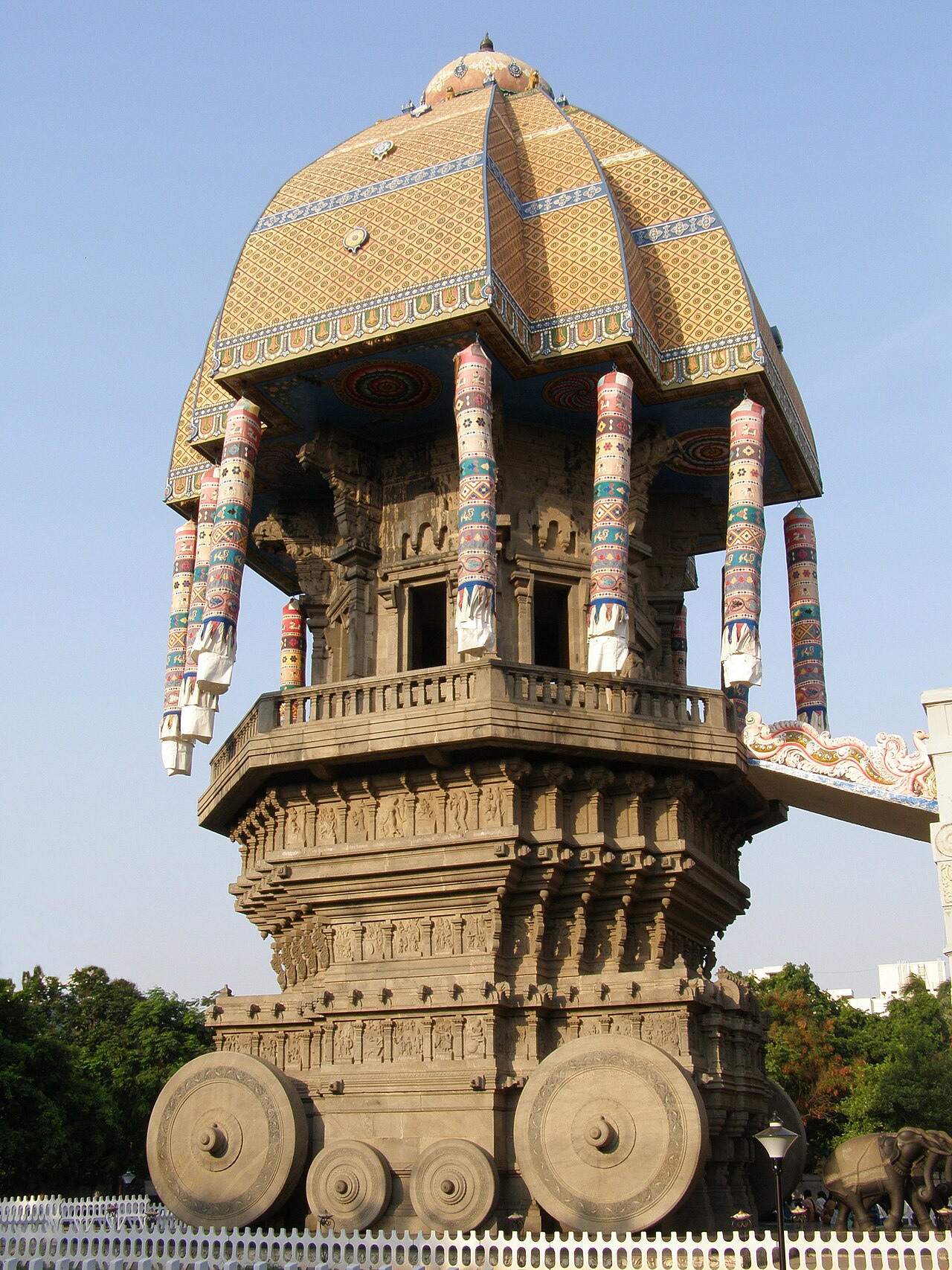
Valluvar Kottam
Patrimoine · 2.5 km · about 40 min walk
 #6 in ChennaiEntrée gratuite
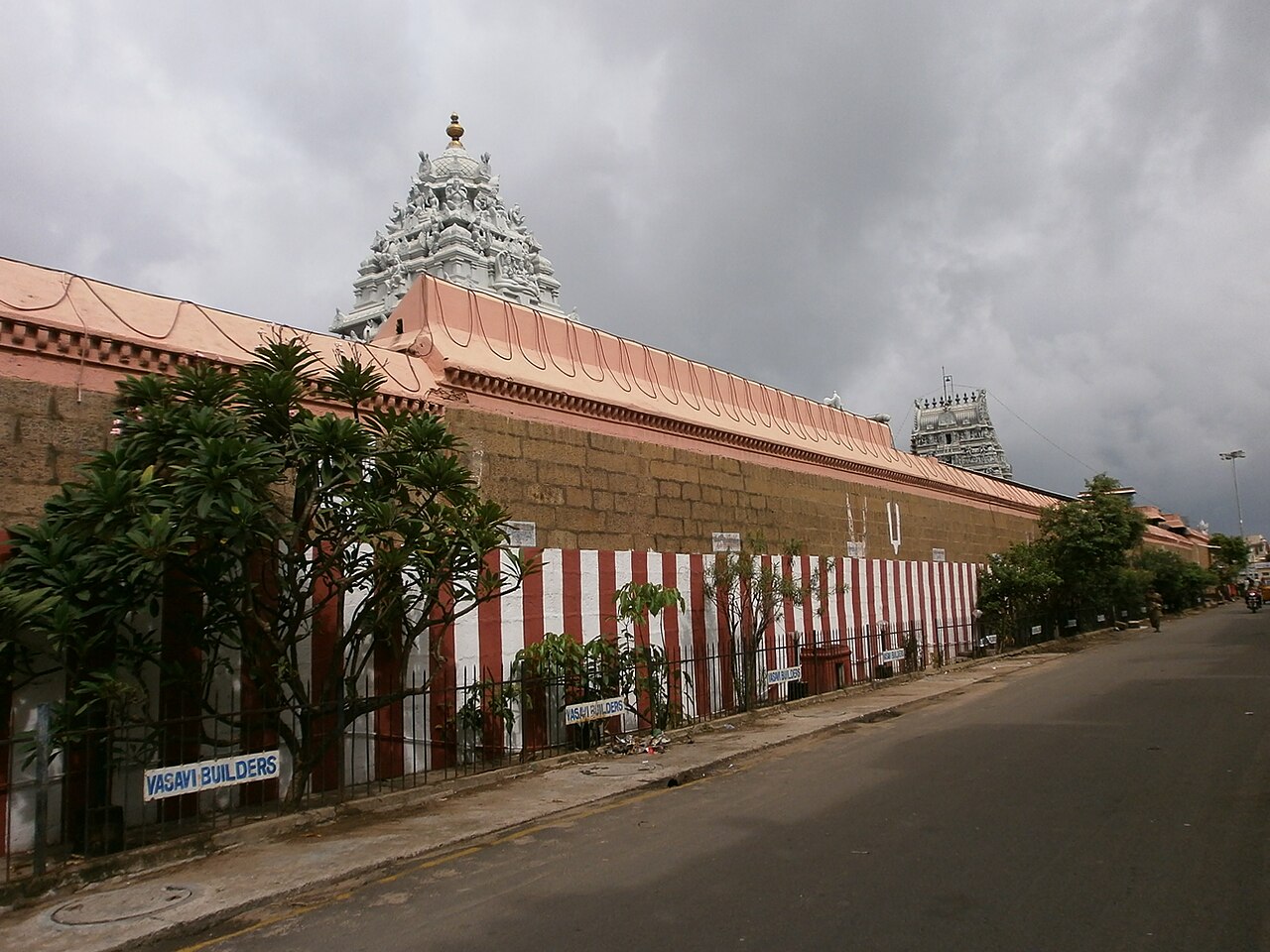
Parthasarathy Temple
Temple · 3 km · about 10 min by road
 #3 in Chennai
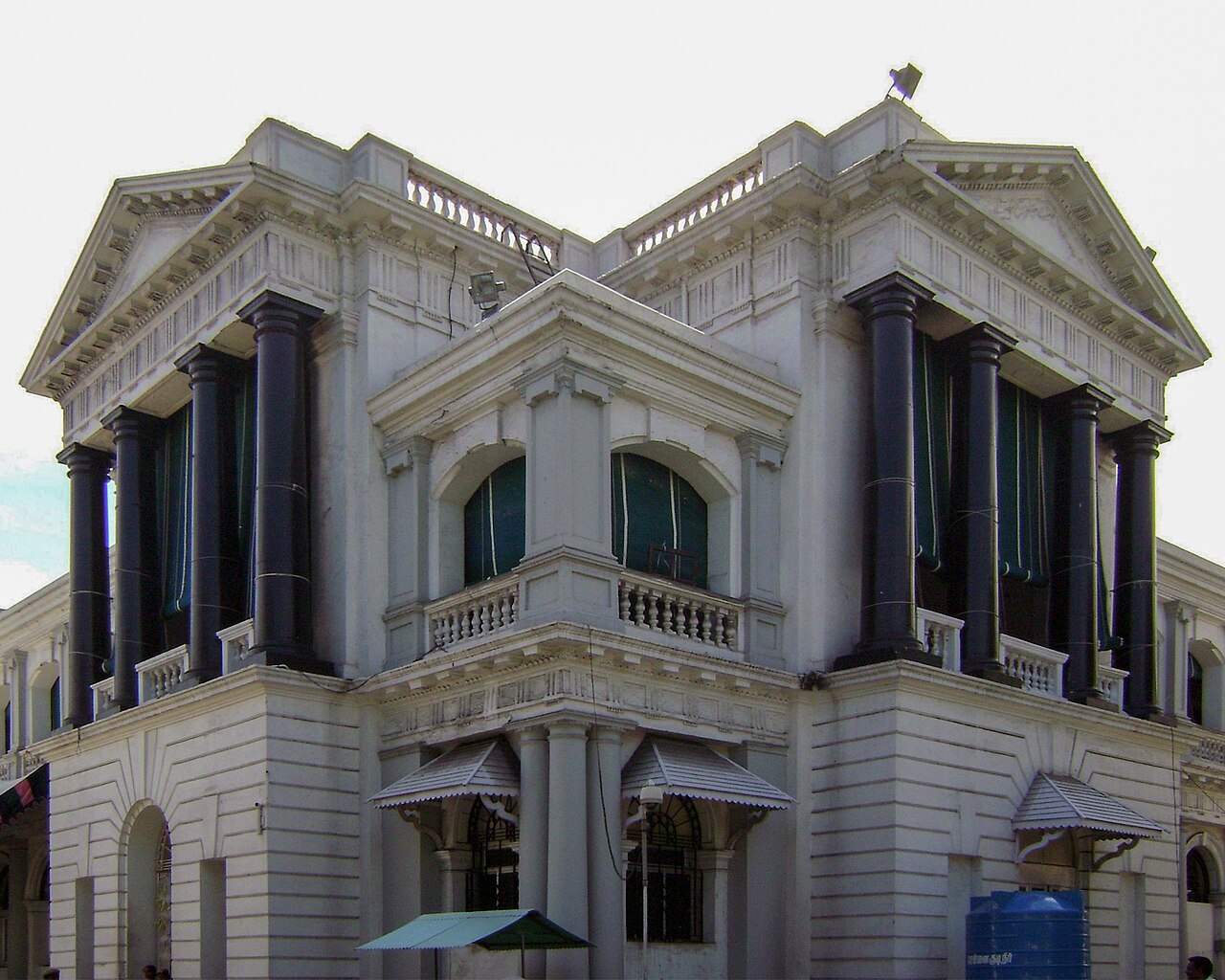
Fort St. George
Fort · 3 km · about 10 min by road
 #2 in ChennaiEntrée gratuite
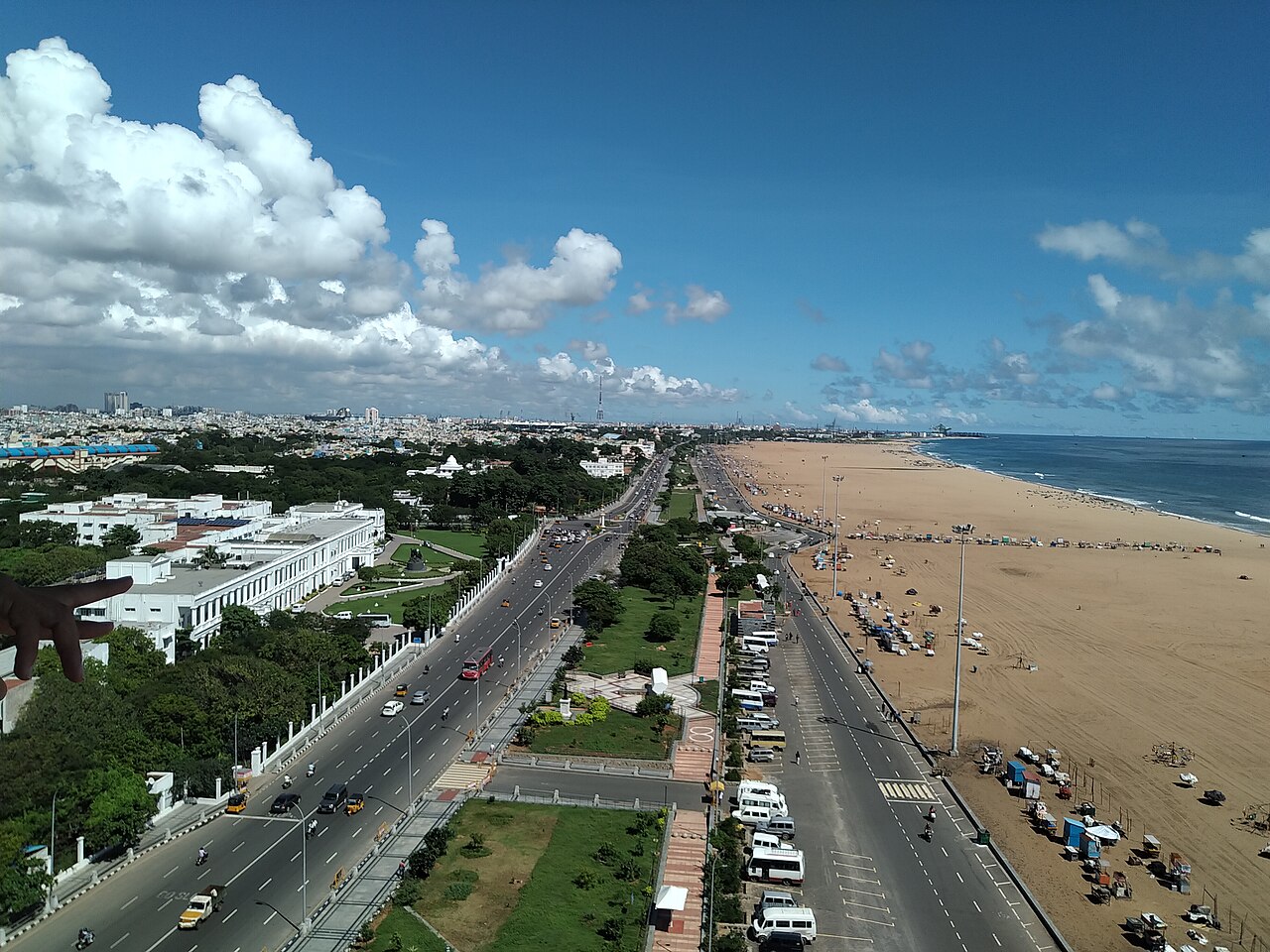
Marina Beach
Plage · 3 km · about 10 min by road