
Kapaleeshwarar Temple
#1sur 10 lieux à visiter à ChennaiChennai, Tamil Nadu
Aussi appelé Kapaleeswarar Temple · Sri Kapaleeshwarar Temple, Mylapore
L'essentiel
Horaires d'ouverture : 05:30–12:30 and 16:00–21:30. L'entrée est gratuite. Comptez 1 hr. Meilleure période : 06:00 – 08:00.
Mis à jour le · Rédigé par Traveliac, avec assistance IA · 4 min de lecture
- Horaires d'ouverture
- 05:30–21:30
- 05:30 – 12:30 and 16:00 – 21:30 daily, built around six ritual pooja times at 06:00, 09:00, 13:00, 17:00, 19:00, and 21:00, as of 2026, verify at the temple noticeboard for the current schedule.
- Prix d'entrée
- Gratuit
- Durée nécessaire
- 1 hr
- Meilleur moment de la journée
- 06:00 – 08:00
- Meilleurs mois
- Dec – Mar
- Adresse
- Kapaleeswarar Sannathi Street, Mylapore, Chennai, Tamil Nadu 600004
À propos de Kapaleeshwarar Temple
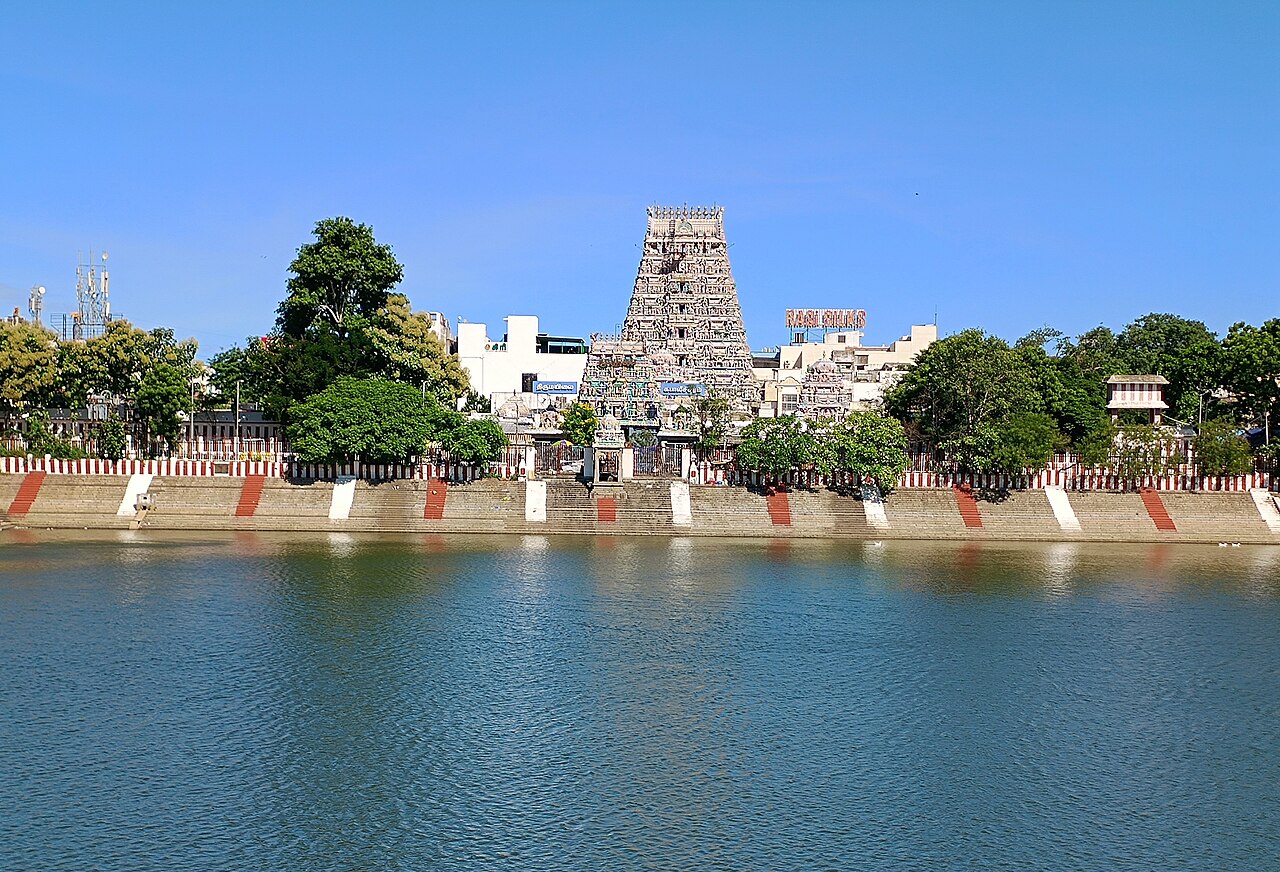
Kapaleeshwarar Temple occupies a walled compound in Mylapore built around a shrine to Shiva as Kapaleeshwarar and his consort Karpagambal, with a seven-tiered eastern gopuram rising roughly 40 metres over Kapaleeswarar Sannathi Street. The gateway tower carries hundreds of painted stucco figures depicting Puranic scenes, refreshed periodically in the same lime-plaster technique used across Tamil Nadu's Dravidian temples rather than left as bare stone. A temple tank, its granite steps worn smooth by generations of ritual bathing, sits inside the outer courtyard and still fills for the annual float festival. The current gopuram dates only to 1906, a reminder that what looks continuous from outside is in fact a layered rebuild rather than a single unbroken structure.
Meilleur moment de la journée : 06:00 – 08:00. For the quietest darshan and the best light on the gopuram's painted stucco figures.
Horaires de Kapaleeshwarar Temple
Kapaleeshwarar Temple est ouvert 05:30–12:30 and 16:00–21:30. Les horaires sont les mêmes le samedi et le dimanche.
- Horaires d'ouverture
- 05:30–21:30
Mon–Sun 05:30–12:30 and 16:00–21:30 - 05:30 – 12:30 and 16:00 – 21:30 daily, built around six ritual pooja times at 06:00, 09:00, 13:00, 17:00, 19:00, and 21:00, as of 2026, verify at the temple noticeboard for the current schedule.
- Fermé le
- Ouvert tous les jours
Bon à savoir : Hours extend at both ends during the Panguni Peruvizha festival (mid-March to mid-April), when the temple opens before dawn to manage procession crowds.
Horaires d'ouverture établis à partir de hrce.tn.gov.in et de sources publiques, mis à jour le . Ils peuvent changer sans préavis — vérifiez avant de partir. Comment nous rédigeons ces guides
Prix d'entrée de Kapaleeshwarar Temple
| Billet | Prix |
|---|---|
| Visiteurs indiens | Gratuit |
| Visiteurs étrangers | Gratuit |
| Enfants | Gratuit |
| Caméra | Gratuit |
General darshan is free. A separate, optional special-darshan ticket (typically a modest fee) lets visitors bypass the main queue during festival crowds, as of 2026, verify at the counter. Mobile phone cameras are generally tolerated in the outer courtyard but barred inside the sanctum.
Tarifs établis à partir de hrce.tn.gov.in et de sources publiques, mis à jour le . Ils peuvent changer sans préavis — vérifiez avant de partir. Comment nous rédigeons ces guides
Meilleure période pour visiter Kapaleeshwarar Temple
- Quiet
- Busy
- Very busy
05:30 – 08:00
Early DarshanBest time to go
Local regulars and early risers dominate; the queue for the sanctum rarely exceeds a few minutes and the courtyard is calm enough for unhurried photography.
Quiet08:00 – 11:30
Morning Peak
Family groups and tour visitors arrive in volume; footwear racks and the sanctum queue both see their longest waits of the morning session.
Busy12:30 – 16:00
Midday Closure
The temple is largely closed to general darshan between sessions; only the outer courtyard and tank area remain accessible to visitors passing through.
Quiet18:00 – 20:30
Evening Peak
The busiest window of the day, especially on Fridays, with evening pooja drawing the largest single crowd and queues extending onto Sannathi Street.
Very busy
Histoire de Kapaleeshwarar Temple
Kapaleeshwarar Temple's founding is generally traced to the Pallava period, with an earlier shrine believed to have stood directly on the Mylapore coastline before Portuguese colonists destroyed it in the 16th century — a widely repeated account among historians of the area rather than a precisely documented single event. The present temple was rebuilt inland on its current site, with the bulk of today's structure attributed to the later Vijayanagar and Nayak periods; inscriptions inside the complex date to as early as the 12th century, showing continuous religious use across the intervening centuries regardless of the exact rebuilding chronology. The story that the site's name comes from Parvati worshipping Shiva in the form of a peacock (mayil, giving Mylapore its name) is temple legend rather than verified history, though it remains the account priests and guides repeat to visitors. Hindu Religious and Charitable Endowments Department records place the current gopuram's construction in 1906, well after the main sanctum's medieval core.
Règles et étiquette à Kapaleeshwarar Temple
Footwear must be removed at the free rack near the main entrance on Kapaleeswarar Sannathi Street before crossing into the temple compound. Photography and mobile phone cameras are barred inside the sanctum sanctorum, though the outer courtyard and gopuram are generally fine to photograph. Men are commonly expected to remove shirts before entering the innermost shrine area, a convention enforced more strictly during major festivals than on ordinary weekdays. Access to the sanctum is generally understood to be for Hindu worshippers, while the outer prakarams, tank, and gopuram remain open to all visitors; policies can vary by season, so it is worth checking with temple staff on arrival rather than assuming either way. Touts offering VIP darshan cluster near the Sannathi Street entrance and quote prices well above the temple's own optional ticket counter — buy any special-entry ticket only from the marked counter inside.
Conseils pour visiter Kapaleeshwarar Temple
- 1
Kapaleeshwarar Temple is at its most photogenic in the 06:00 – 08:00 window, when the low sun catches the painted figures on the eastern gopuram and the courtyard is still uncrowded. The Panguni Peruvizha car festival in March–April is the single best time to see the temple's ritual life at full scale, with the ninth-day chariot procession and the Arupathimoovar procession honouring the 63 Nayanar saints drawing crowds that fill the surrounding streets — arrive well before the stated start time if attending. Mylapore's surrounding lanes, especially around the tank, hold some of Chennai's oldest filter-coffee shops and idli stalls, making a temple visit easy to combine with breakfast. The temple tank itself is usually dry outside festival periods, so visitors expecting a filled reservoir should not be surprised to find bare granite steps most of the year.
Comment se rendre à Kapaleeshwarar Temple
L'étoile rouge indique Kapaleeshwarar Temple ; les repères numérotés sont les 8 lieux les plus proches de nos guides, chacun avec son classement dans sa ville. Touchez un repère pour plus de détails.
Kapaleeswarar Sannathi Street, Mylapore, Chennai, Tamil Nadu 600004Itinéraire sur Google Maps
Depuis Chennai International Airport (MAA)
₹350–₹50012 km · 30–40 min
Prepaid taxi/app cab).
Depuis Mylapore MRTS Station
₹30–₹501 km · 5–10 min
Auto-rickshaw); walkable in 12–15 minutes.
Depuis Chennai Central Railway Station (MAS)
₹150–₹2207 km · 20–30 min
Auto-rickshaw, negotiated).
Aéroport le plus proche
Depuis Chennai International Airport (MAA)
approximately 12 km, 30–40 minutes by road.
Gare la plus proche
Depuis Mylapore MRTS station
approximately 1 km, 5–10 minutes; Thirumayilai station is a similar distance on the same line.
FAQ — Kapaleeshwarar Temple
Is entry to Kapaleeshwarar Temple free?
Yes. General darshan carries no entry fee. An optional special-darshan ticket for a shorter queue is available at a marked counter inside, priced modestly and subject to change, as of 2026, verify at the counter.
Can non-Hindu visitors enter Kapaleeshwarar Temple?
Yes, for the outer courtyard, tank area, and gopuram. Access to the innermost sanctum is generally reserved for Hindu worshippers, though practice can vary, so confirm with temple staff at the entrance on arrival.
When is the best time to see the Panguni Peruvizha festival?
The nine-day festival runs during the Tamil month of Panguni, mid-March to mid-April, with the main chariot procession and the Arupathimoovar procession of the 63 Nayanar saints falling on the eighth and ninth days. Crowds are heaviest on those two days.
Is photography allowed inside Kapaleeshwarar Temple?
Photography is permitted in the outer courtyard and around the temple tank but prohibited inside the sanctum sanctorum. Staff enforce this rule actively during festival periods when crowding is highest.
Rédigé avec l'assistance de l'IA à partir de sources officielles et de registres publics, et publié seulement après les vérifications décrites dans Comment nous rédigeons ces guides. Personne chez Traveliac ne s'est rendu sur place. Mis à jour le . Comment nous classons et vérifions les lieux
Lieux à visiter près de Kapaleeshwarar Temple
Distances à vol d'oiseau, depuis notre carte ; les durées sont estimées.
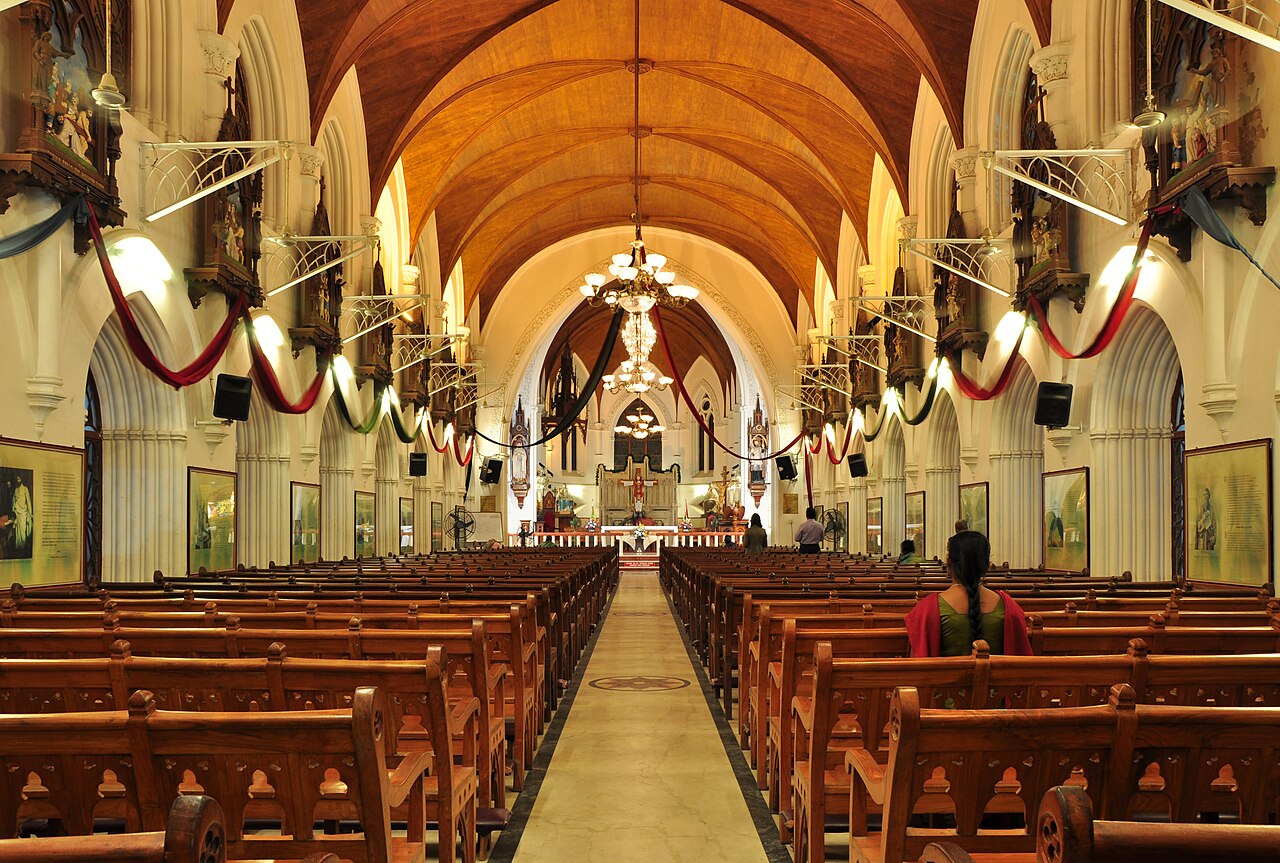 #4 in ChennaiEntrée gratuite
San Thome Basilica
Église · 850 m · about 14 min walk
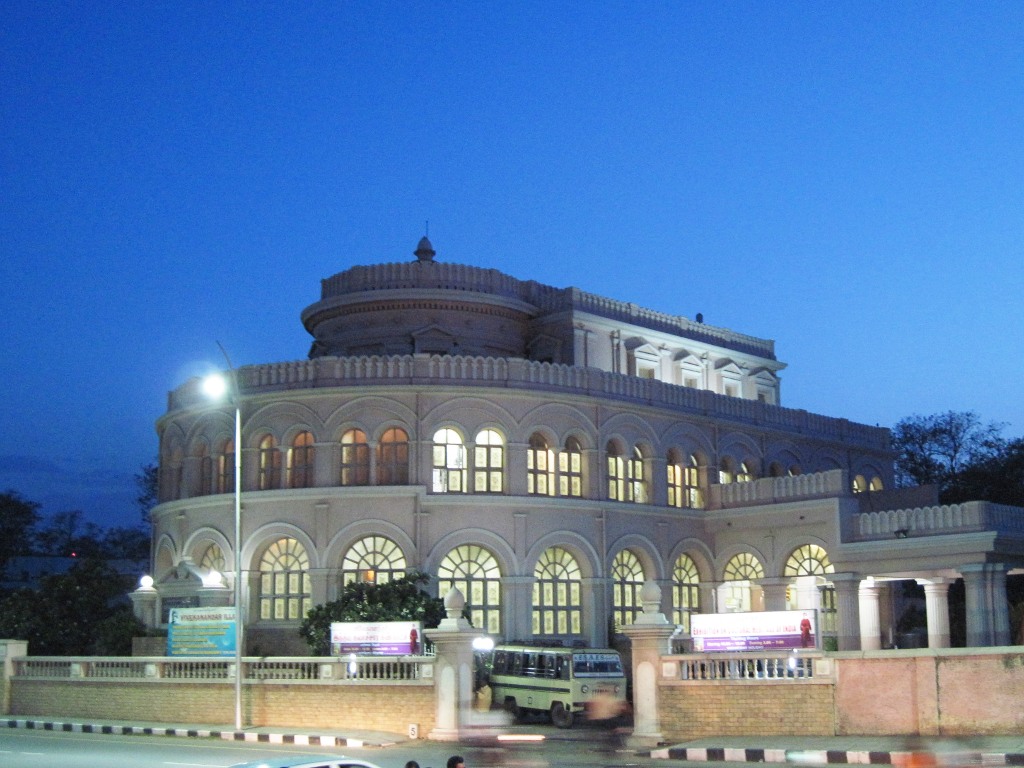 #9 in Chennai
Vivekananda House
Mémorial · 2.1 km · about 33 min walk
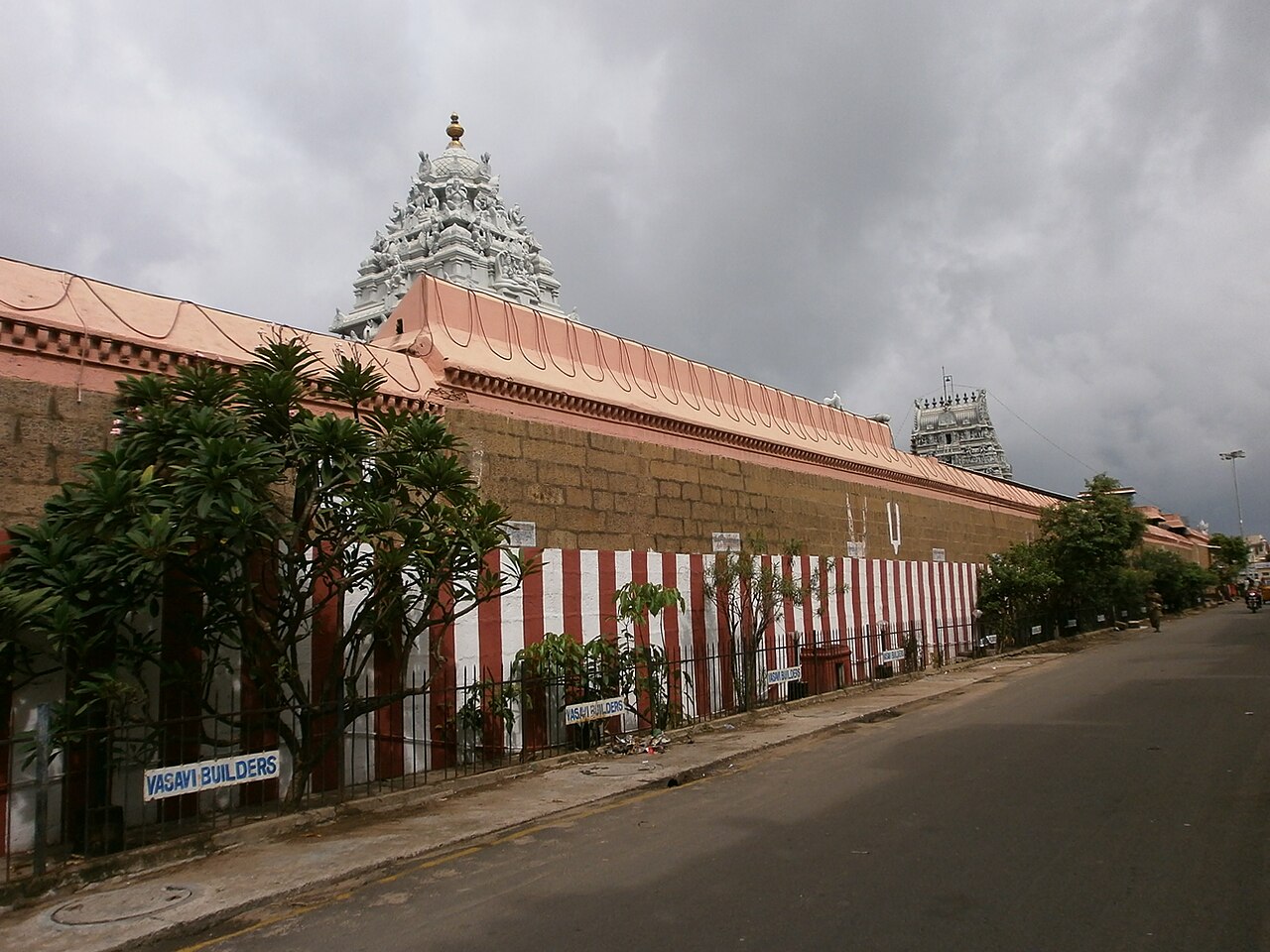 #6 in ChennaiEntrée gratuite
Parthasarathy Temple
Temple · 2.4 km · about 39 min walk
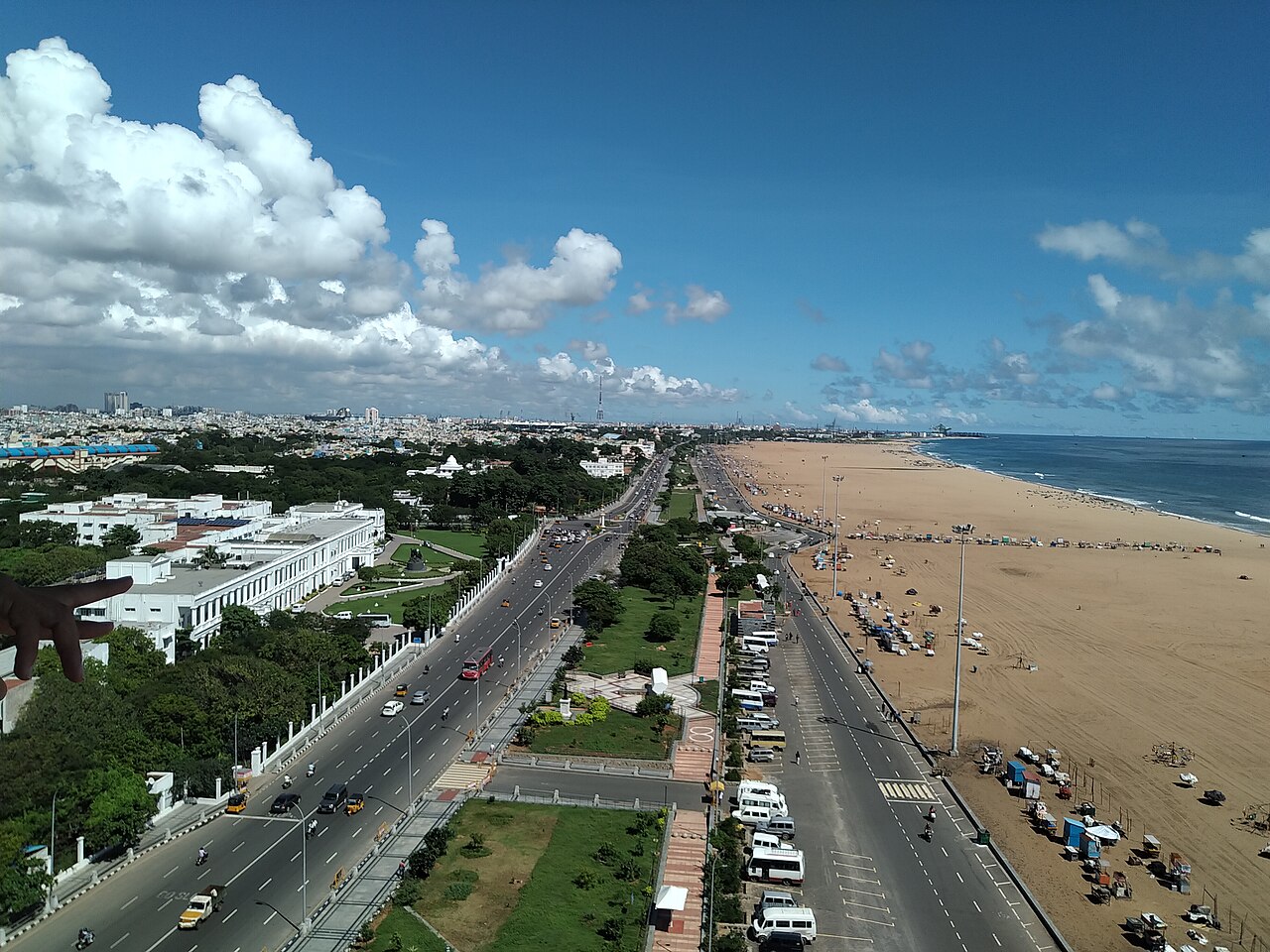 #2 in ChennaiEntrée gratuite
Marina Beach
Plage · 3 km · about 10 min by road