
Valluvar Kottam
#8sur 10 lieux à visiter à ChennaiChennai, Tamil Nadu
L'essentiel
Horaires d'ouverture : 08:00–20:00. Entrée : ₹5 pour les Indiens · ₹20 pour les étrangers. Comptez 45 min. Meilleure période : 16:00 – 18:00.
Mis à jour le · Rédigé par Traveliac, avec assistance IA · 4 min de lecture
- Horaires d'ouverture
- 08:00–20:00
- 08:00 – 20:00 daily; the auditorium keeps separate hours tied to scheduled events rather than general visiting hours.
- Prix d'entrée
- ₹5 pour les Indiens
- Billet à partir de
- Durée nécessaire
- 45 min
- Meilleur moment de la journée
- 16:00 – 18:00
- Meilleurs mois
- Dec – Mar
- Adresse
- Kodambakkam High Road at Village Road, Nungambakkam, Chennai, Tamil Nadu 600034
À propos de Valluvar Kottam
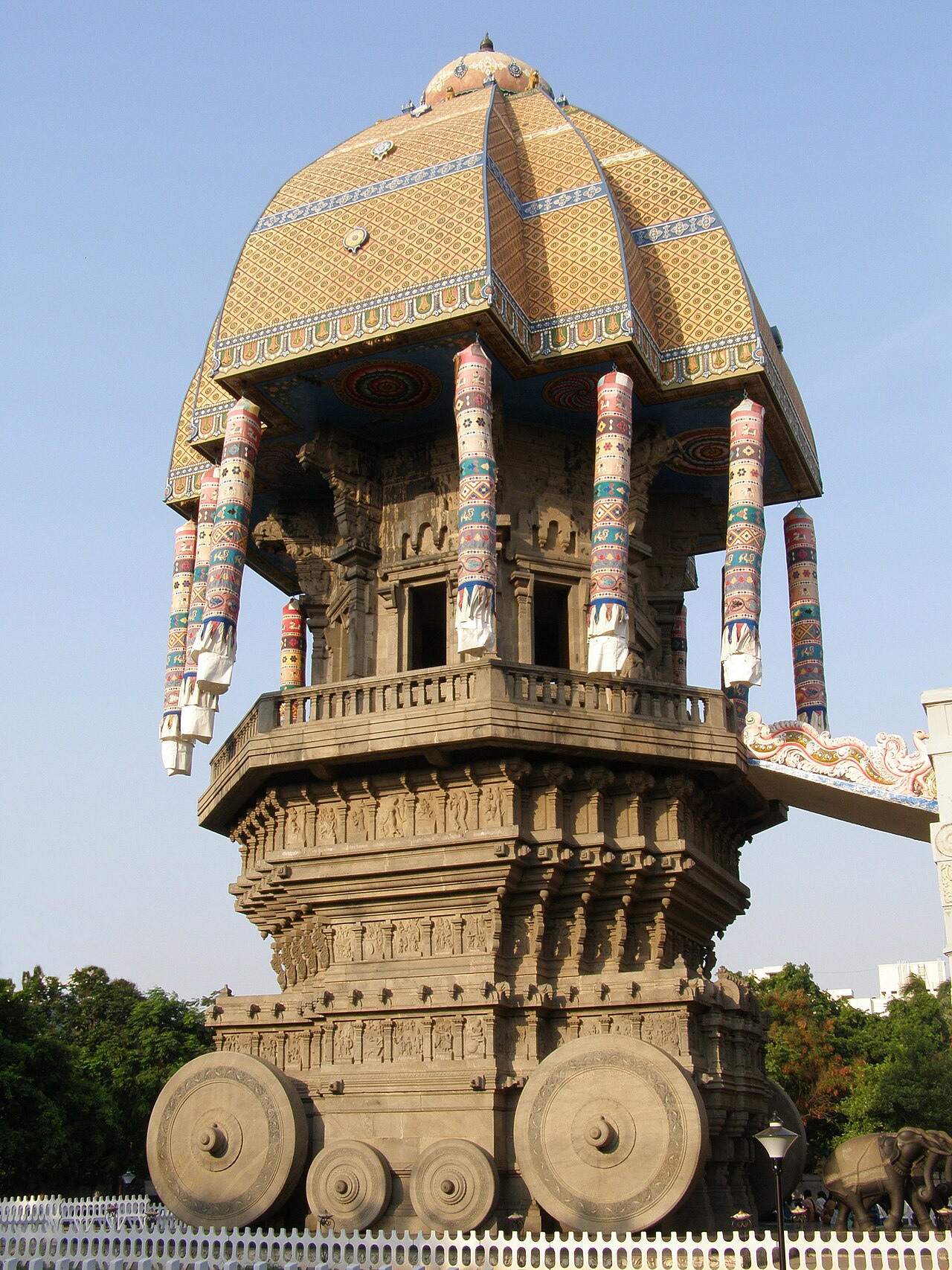
Valluvar Kottam was built in 1976 to honour Thiruvalluvar, the Tamil poet-philosopher whose Tirukkural, a work of 1,330 couplets across 133 chapters, remains one of the most quoted texts in Tamil ethical and political writing. The monument's centrepiece is a 39-metre stone chariot carved to replicate the temple ratha of the Thyagaraja Temple at Thiruvarur, built not as a working vehicle but as a static granite sculpture standing over a large auditorium capable of seating roughly 3,500 people. A colonnaded corridor surrounding the chariot carries all 1,330 Tirukkural couplets carved in bas-relief on granite panels, turning a walk around the monument into a slow read through the entire text for visitors with enough Tamil to follow it.
Meilleur moment de la journée : 16:00 – 18:00. When the granite corridor is in shade and the light suits photographing the carved chariot.
Horaires de Valluvar Kottam
Valluvar Kottam ouvre à 08:00 et ferme à 20:00. Le week-end ne change rien : samedi et dimanche suivent les mêmes horaires.
- Horaires d'ouverture
- 08:00–20:00
Mon–Sun 08:00–20:00 - 08:00 – 20:00 daily; the auditorium keeps separate hours tied to scheduled events rather than general visiting hours.
- Fermé le
- Ouvert tous les jours
Horaires d'ouverture établis à partir de tamilnadutourism.tn.gov.in et de sources publiques, mis à jour le . Ils peuvent changer sans préavis — vérifiez avant de partir. Comment nous rédigeons ces guides
Prix d'entrée de Valluvar Kottam
| Billet | Prix |
|---|---|
| Visiteurs indiens | ₹5 |
| Visiteurs étrangers | ₹20 |
| Enfants | Gratuit |
| Caméra | Gratuit |
Figures reflect a nominal fee typical of Tamil Nadu government-maintained monuments; as of 2026, verify at the counter since the exact current rate was not independently confirmed.
Tarifs établis à partir de tamilnadutourism.tn.gov.in et de sources publiques, mis à jour le . Ils peuvent changer sans préavis — vérifiez avant de partir. Comment nous rédigeons ces guides
Meilleure période pour visiter Valluvar Kottam
- Quiet
- Moderate
08:00 – 10:00
Morning OpeningBest time to go
The corridor is nearly empty at opening, with only a handful of early visitors and morning walkers using the grounds.
Quiet10:00 – 14:00
Midday
Heat and lack of shade around the chariot keep visitor numbers low through the middle of the day.
Quiet16:00 – 18:00
Late Afternoon
The busiest window of the day, when photographers and evening walkers make use of the shaded corridor and softer light.
Moderate18:00 – 20:00
Evening
Visitor numbers thin as the site approaches closing; the auditorium may show separate activity if an event is scheduled.
Quiet
Histoire de Valluvar Kottam
The Tamil Nadu government commissioned Valluvar Kottam in 1976 as part of a broader mid-20th-century movement asserting Tamil linguistic and literary identity through public monuments, a period that also produced other Dravidian-movement memorials across the state. The chariot's design deliberately references the temple ratha tradition rather than any secular monument type, positioning Thiruvalluvar's literary legacy in the same visual register as a deity's processional vehicle, even though the Tirukkural itself is a secular ethical text rather than a religious scripture. Carving all 1,330 couplets onto the corridor's granite panels was a large undertaking in itself, intended to make the monument a complete physical archive of the text rather than a symbolic tribute alone. The site's auditorium has since hosted state cultural events and functions independently of the memorial's daytime visiting hours.
Règles et étiquette à Valluvar Kottam
The corridor surrounding the chariot is entirely open-air and largely unshaded at midday, so visitors doing the full circuit to read the inscribed panels should expect direct sun exposure for much of the walk. Photography of the chariot and corridor is generally permitted, though filming for commercial purposes requires prior permission from the Information and Public Relations Department. The auditorium itself is only accessible during scheduled events rather than as part of general daytime visiting, so travellers hoping to see the interior should check the event calendar rather than assume walk-in access. Parking along Kodambakkam High Road, a busy arterial road, is limited directly outside the gate, and the junction traffic makes crossing on foot require some care.
Conseils pour visiter Valluvar Kottam
- 1
Valluvar Kottam is one of the quieter major monuments on a standard Chennai itinerary, drawing far lower footfall than the Marina Beach memorials or the city's main temples, which makes it a comfortable stop for visitors who prefer monuments without heavy crowds. The granite corridor's Tirukkural inscriptions reward slow reading even without full Tamil fluency, since many panels are accompanied by numbering that corresponds to widely available translated editions of the text. Nungambakkam railway station sits close enough to combine the visit with other Nungambakkam-area stops without needing a car for the full day. Late afternoon light works best for photographing the chariot's carved surface, since the structure faces in a direction that leaves the corridor in flat shade through most of the midday hours.
Comment se rendre à Valluvar Kottam
L'étoile rouge indique Valluvar Kottam ; les repères numérotés sont les 8 lieux les plus proches de nos guides, chacun avec son classement dans sa ville. Touchez un repère pour plus de détails.
Kodambakkam High Road at Village Road, Nungambakkam, Chennai, Tamil Nadu 600034Itinéraire sur Google Maps
Depuis Chennai International Airport (MAA)
₹520–₹70019 km · 45–55 min
Prepaid taxi/app cab).
Depuis Nungambakkam Railway Station
₹30–₹501 km · 5–10 min
Auto-rickshaw); walkable in 12–15 minutes.
Depuis Chennai Central Railway Station (MAS)
₹150–₹2207 km · 20–30 min
Auto-rickshaw, negotiated).
Aéroport le plus proche
Depuis Chennai International Airport (MAA)
approximately 19 km, 45–55 minutes by road.
Gare la plus proche
Depuis Nungambakkam railway station
approximately 1 km, 5–10 minutes.
FAQ — Valluvar Kottam
How tall is the stone chariot at Valluvar Kottam?
39 metres, carved as a static granite replica of the temple ratha at the Thyagaraja Temple in Thiruvarur. It was built in 1976 as the centrepiece of the monument.
What is inscribed on the corridor at Valluvar Kottam?
All 1,330 couplets of the Tirukkural, Thiruvalluvar's classical Tamil ethical text, carved in bas-relief across granite panels lining the corridor. The full circuit amounts to a complete physical archive of the text.
Is the auditorium at Valluvar Kottam open to general visitors?
No, not on a walk-in basis. The auditorium, which seats roughly 3,500 people, is only accessible during scheduled state cultural events, separate from the monument's general daytime visiting hours.
How far is Valluvar Kottam from Nungambakkam railway station?
About 1 kilometre, a 5–10 minute auto-rickshaw ride or an easy 12–15 minute walk. This makes it simple to combine with other stops in the Nungambakkam area.
Rédigé avec l'assistance de l'IA à partir de sources officielles et de registres publics, et publié seulement après les vérifications décrites dans Comment nous rédigeons ces guides. Personne chez Traveliac ne s'est rendu sur place. Mis à jour le . Comment nous classons et vérifions les lieux
Lieux à visiter près de Valluvar Kottam
Distances à vol d'oiseau, depuis notre carte ; les durées sont estimées.
 #5 in Chennai
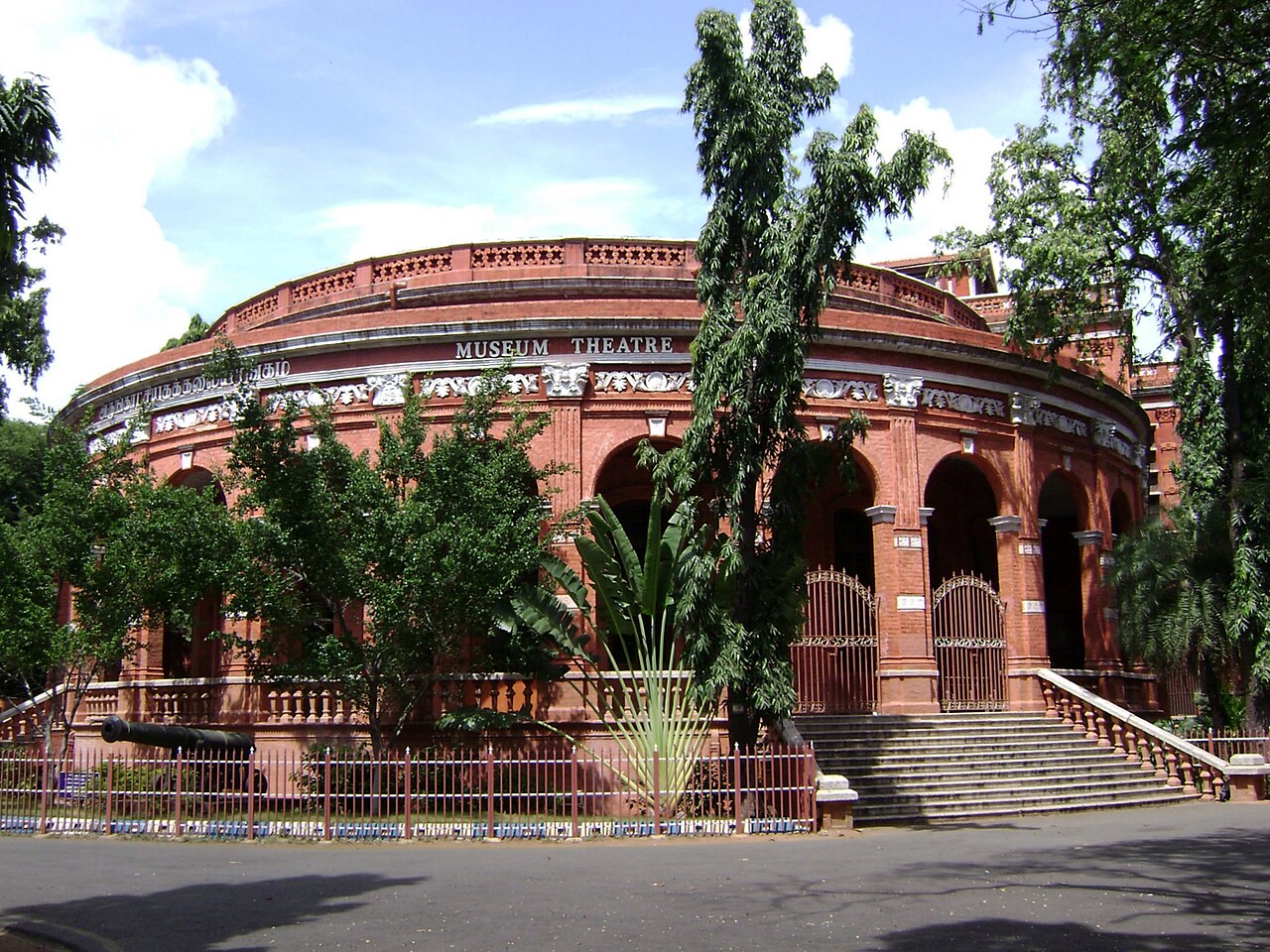
Government Museum, Egmore
Musée · 2.5 km · about 40 min walk
 #6 in ChennaiEntrée gratuite
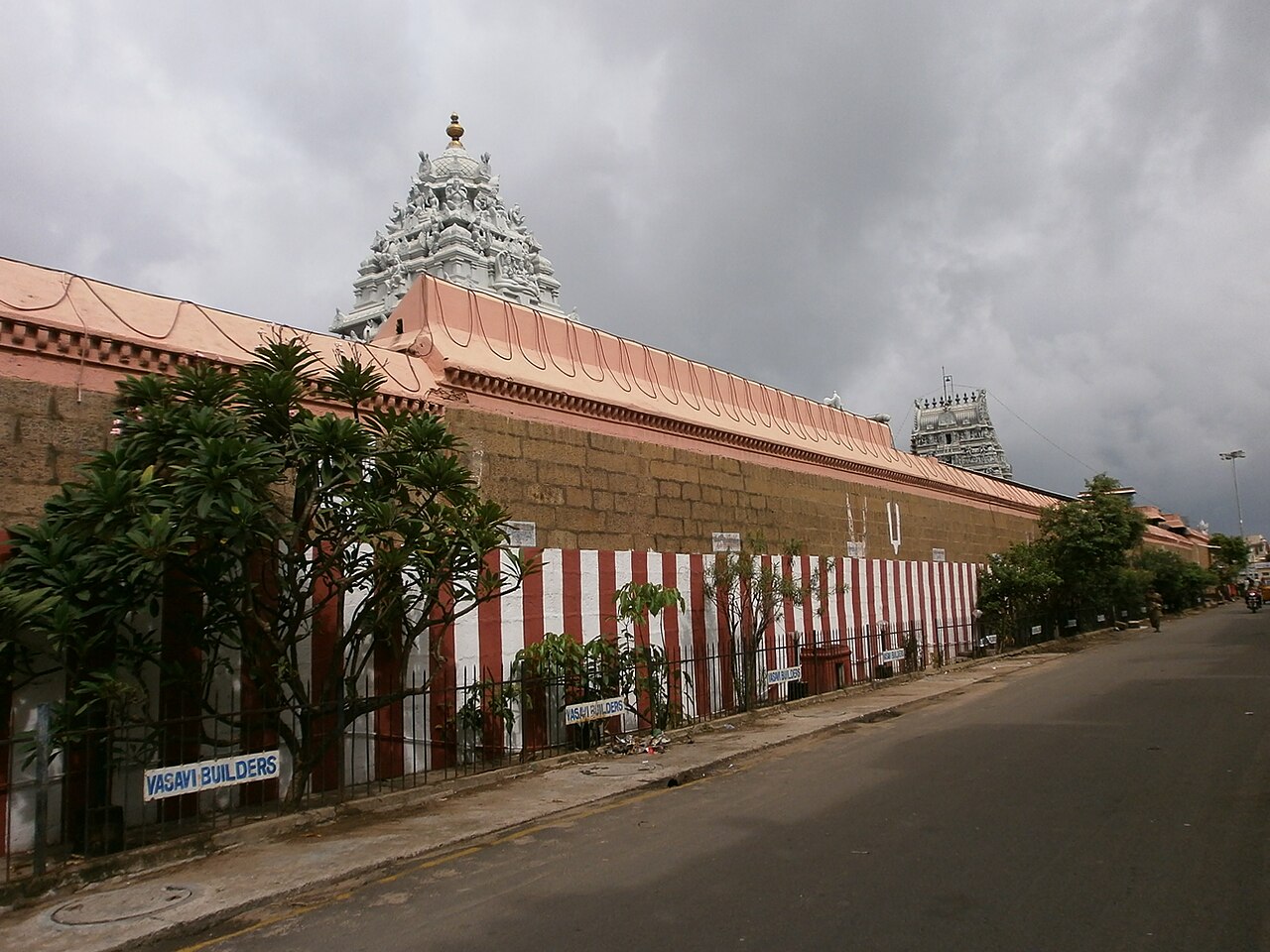
Parthasarathy Temple
Temple · 4 km · about 10 min by road
 #1 in ChennaiEntrée gratuite
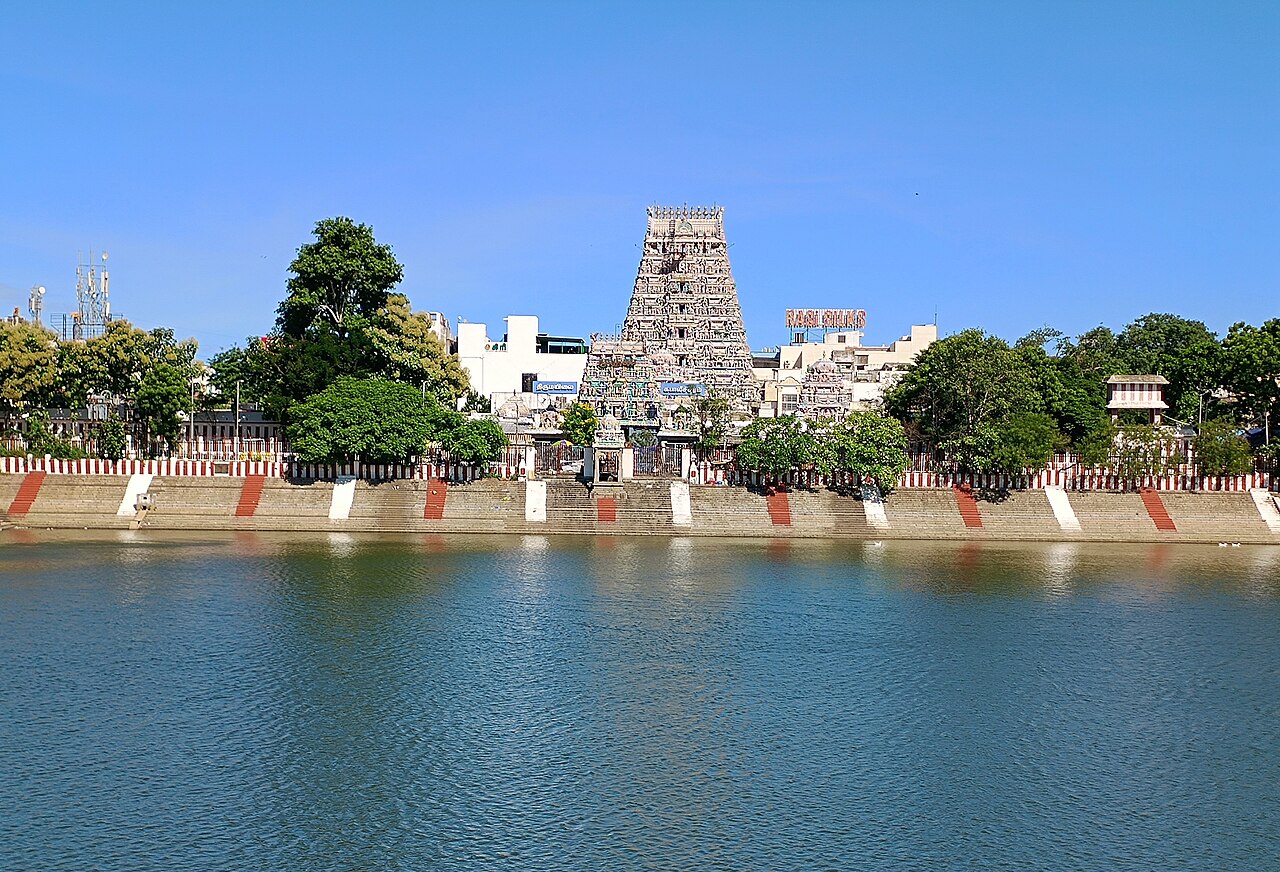
Kapaleeshwarar Temple
Temple · 4 km · about 10 min by road
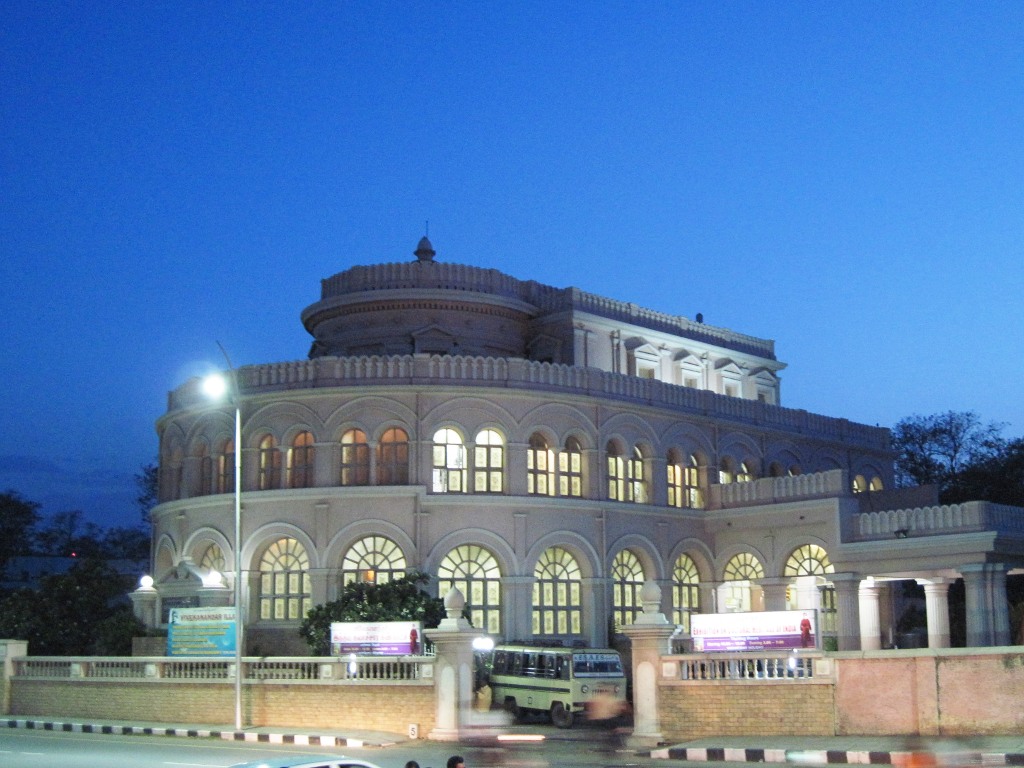 #9 in Chennai
Vivekananda House
Mémorial · 4 km · about 15 min by road