
Darjeeling Himalayan Railway
#6of 10 places to visit in DarjeelingDarjeeling, West Bengal
Also known as Toy Train · DHR
Quick answer
Opening hours: Joy ride departures run several times daily between approximately 08:00 and 16:00 from Darjeeling railway station; each round trip to Ghoom and back takes about 2 hours. Entry: ₹900. Allow 2 hrs. Best time: First departure of the day.
Updated · By Traveliac Editorial Team · 5 min read

- Opening hours
- Joy ride departures run several times daily between approximately 08:00 and 16:00 from Darjeeling railway station; each round trip to Ghoom and back takes about 2 hours
- Joy ride departures run several times daily between approximately 08:00 and 16:00 from Darjeeling railway station; each round trip to Ghoom and back takes about 2 hours
- Entry fee
- ₹900
- Ticket from
- Time needed
- 2 hrs
- Best time of day
- First departure of the day
- Best months
- Oct – Apr
- Address
- Darjeeling Railway Station, Hill Cart Road, Darjeeling, West Bengal 734101
About Darjeeling Himalayan Railway
The Darjeeling Himalayan Railway runs on a 610-millimetre narrow gauge across 88 kilometres between New Jalpaiguri and Darjeeling, climbing from around 100 metres to roughly 2,200 metres in elevation through six zigzags and five loops — Batasia being the best known. Gillanders, Arbuthnot and Company built the line between 1879 and 1881 at the proposal of Eastern Bengal Railway agent Franklin Prestage, and UNESCO inscribed it as a World Heritage Site in 1999, one of very few railways worldwide to hold that designation. Most visitors do not ride the full New Jalpaiguri–Darjeeling route today; the standard tourist experience is the shorter joy ride from Darjeeling station up to Ghoom and back, a round trip of about 14 kilometres and 2 hours that passes through Batasia Loop in both directions. Diesel-hauled NDM-6 class locomotives, built in 1997, handle the bulk of daily joy-ride services, while a small fleet of vintage B-Class steam locomotives — some dating to 1889–1925 — operate limited steam services, marketed locally as the more atmospheric option and priced accordingly higher. Ghoom station, the highest point on the line at 2,258 metres, is India's highest railway station and marks the joy ride's turnaround point.
Best time of day: First departure of the day. Typically around 08:00, for the clearest mountain visibility before afternoon cloud builds up over the ridge.
Darjeeling Himalayan Railway timings
- Opening hours
- Joy ride departures run several times daily between approximately 08:00 and 16:00 from Darjeeling railway station; each round trip to Ghoom and back takes about 2 hours
- Joy ride departures run several times daily between approximately 08:00 and 16:00 from Darjeeling railway station; each round trip to Ghoom and back takes about 2 hours
- Closed on
- Open every day
Good to know: Steam-hauled services are limited in number per day and are more frequently cancelled or substituted with diesel locomotives during the June–September monsoon due to track conditions.
Darjeeling Himalayan Railway ticket price
| Ticket | Price |
|---|---|
| Indian visitors | ₹900 |
| Foreign visitors | ₹900 |
| Children | ₹900 |
| Camera | Free |
The Darjeeling–Ghoom–Darjeeling joy ride (via Batasia Loop) is priced by locomotive and class rather than nationality: diesel-hauled joy rides run roughly ₹800–₹1,000 per seat as of 2026, while the limited steam-hauled service costs approximately ₹1,400–₹1,500 per seat. Fares are set by Indian Railways/DHR and change with class availability and season — verify current fares and book through IRCTC or the Darjeeling station booking window, since steam seats sell out first.
Prices last checked . Confirm on the official website before you go.
Best time to visit Darjeeling Himalayan Railway
- Quiet
- Moderate
- Very busy
08:00 – 09:30
First Departure
Earliest joy-ride departure of the day; platform crowds are manageable and visibility toward Kangchenjunga is typically clearest before afternoon cloud builds.
Moderate10:00 – 13:00
Peak Departures
Multiple daily services depart in this window, coinciding with the bulk of day-tour bookings; platform and ticket counter queues are longest here.
Very busy13:00 – 15:00
Midday Lull
Fewer scheduled departures; a good window for last-minute walk-up diesel joy-ride tickets when steam services are sold out.
Moderate15:00 – 16:00
Last DepartureBest time to go
Final joy ride of the day; light softens for photography on the return leg but visibility toward the peaks is more often clouded by this hour.
Quiet
History of Darjeeling Himalayan Railway
Franklin Prestage, an agent of the Eastern Bengal Railway, proposed extending rail access into the Darjeeling hills to serve the colonial hill station's growing tea trade and administrative traffic, which at the time depended on a slow cart-road connection from the plains. Gillanders, Arbuthnot and Company built the line between 1879 and 1881, engineering a route that gained nearly 2,100 metres of elevation over 88 kilometres using loops, zigzags, and reverses rather than tunnels, since the narrow-gauge steam locomotives of the period could not manage continuous steep grades.
The railway operated as a working freight and passenger line for tea estates and hill-station traffic through the colonial period and into independent India, gradually shifting toward a primarily tourist and heritage role as road transport took over freight and much daily passenger movement. UNESCO's 1999 World Heritage inscription recognised the line as an outstanding example of a hill railway achieving major elevation gain through pure engineering rather than tunnelling — a distinction shared with only a handful of railways globally. The line closed entirely during the COVID-19 pandemic from March 2020 and resumed services on 25 August 2021, introducing vistadome coaches for tourists as part of its post-reopening upgrade.
Rules & etiquette at Darjeeling Himalayan Railway
Steam joy-ride seats sell out well ahead of same-day walk-up availability during the October–December peak season; booking through IRCTC or the Darjeeling station counter at least a day in advance is standard practice for travellers who specifically want the steam experience rather than diesel haulage. Seating on the joy ride is generally open within the class booked, but the window seats facing the Kangchenjunga side fill first and are worth requesting when booking.
The train shares its right of way with Hill Cart Road for long stretches, meaning it runs at walking pace alongside moving traffic and pedestrians through parts of Darjeeling and Ghoom — passengers should not lean out of carriage windows or doors while the train is moving through these built-up sections, since the clearance from roadside stalls and parked vehicles is minimal. Photography from platforms at Ghoom and Batasia Loop stops is unrestricted, though flash near the locomotive's footplate is discouraged out of consideration for the crew.
Tips for visiting Darjeeling Himalayan Railway
- 1
Combining the joy ride with the standard Tiger Hill sunrise circuit rarely works in one morning, since the circuit's jeeps run before breakfast and the first joy-ride departure is typically around 08:00; treat the toy train as a separate later-morning activity. The steam service, when running, offers a slower pace and an older locomotive than diesel — worth the extra fare for enthusiasts, though diesel covers the identical route more cheaply.
- 2
A light jacket helps even at midday in the open-window carriages, since the climb from Darjeeling to Ghoom drops the temperature noticeably over the short 7-kilometre stretch. Pairing the return leg with a stop at Batasia Loop or Ghoom Monastery, both directly on the route, makes efficient use of the fixed 2-hour round trip.
How to reach Darjeeling Himalayan Railway
The red star is Darjeeling Himalayan Railway; the numbered pins are the 9 nearest places in our guides, each showing its rank in its city. Tap a pin for details.
Darjeeling Railway Station, Hill Cart Road, Darjeeling, West Bengal 734101Directions in Google Maps
From Darjeeling Chowk Bazaar
1 km · 5–10 min walk
Free (walking distance) or ₹30–₹50 (short taxi)
From New Jalpaiguri Railway Station (NJP)
₹2,200–₹2,80088 km · 3–3.5 hours by road (the full narrow-gauge rail journey can take 7–8 hours where operated)
Private taxi to Darjeeling town, then joy-ride ticket separately
From Bagdogra Airport (IXB)
₹2,200–₹2,80088 km · 3–3.5 hours
Private taxi to Darjeeling town
Nearest airport
From Bagdogra Airport (IXB)
approximately 88 km, 3–3.5 hours by road.
Nearest railway station
From New Jalpaiguri (NJP)
approximately 88 km, the railhead where broad-gauge trains connect to the narrow-gauge DHR line.
Darjeeling Himalayan Railway FAQs
What is the difference between the toy train joy ride and the full DHR line?
The full Darjeeling Himalayan Railway runs 88 kilometres between New Jalpaiguri and Darjeeling, but most tourists ride the shorter joy ride instead — a roughly 14-kilometre, 2-hour round trip from Darjeeling station up to Ghoom and back via Batasia Loop.
Is the steam train or diesel train better for the joy ride?
Both cover the identical route. The steam-hauled service costs more, roughly ₹1,400–₹1,500 as of 2026, and offers a slower, more atmospheric ride with a vintage locomotive; the diesel service, around ₹800–₹1,000, is faster and more frequently scheduled.
When was the Darjeeling Himalayan Railway declared a UNESCO World Heritage Site?
In 1999. UNESCO recognised the line for achieving nearly 2,100 metres of elevation gain over 88 kilometres through loops and zigzags rather than tunnels, an engineering approach shared with very few railways worldwide.
Do I need to book the toy train joy ride in advance?
Yes, particularly for steam services in the October–December peak season, which sell out ahead of same-day availability. Booking through IRCTC or the Darjeeling station counter a day ahead is standard practice.
Written by Traveliac Editorial Team (West Bengal Field & Heritage Desk); reviewed by Traveliac Standards Desk. Facts last checked . How we rank and check places
Places to visit near Darjeeling Himalayan Railway
Straight-line distances from our map; times are estimates.
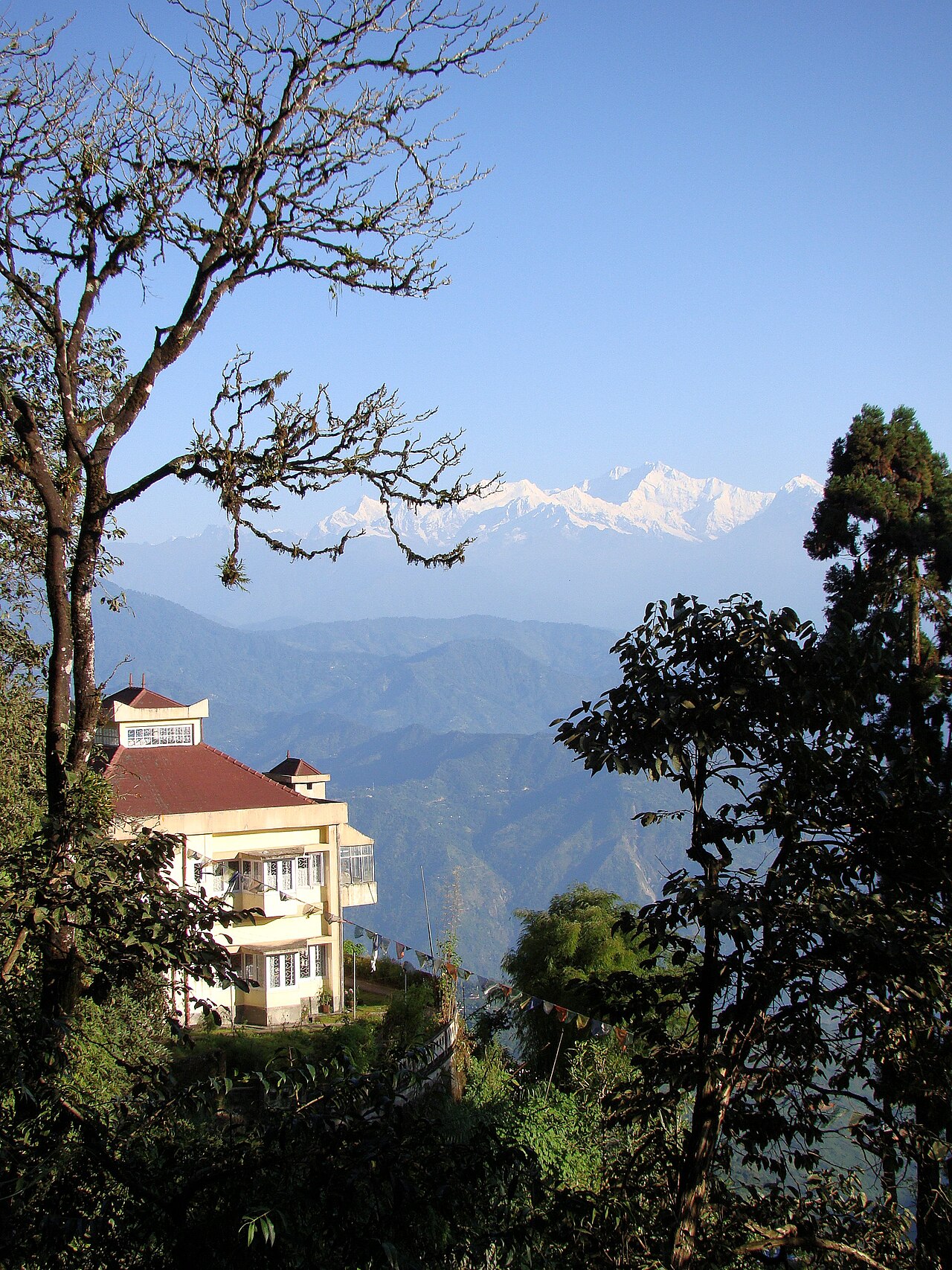 #9 in DarjeelingFree entry
Observatory Hill
Viewpoint · 1.2 km · about 19 min walk
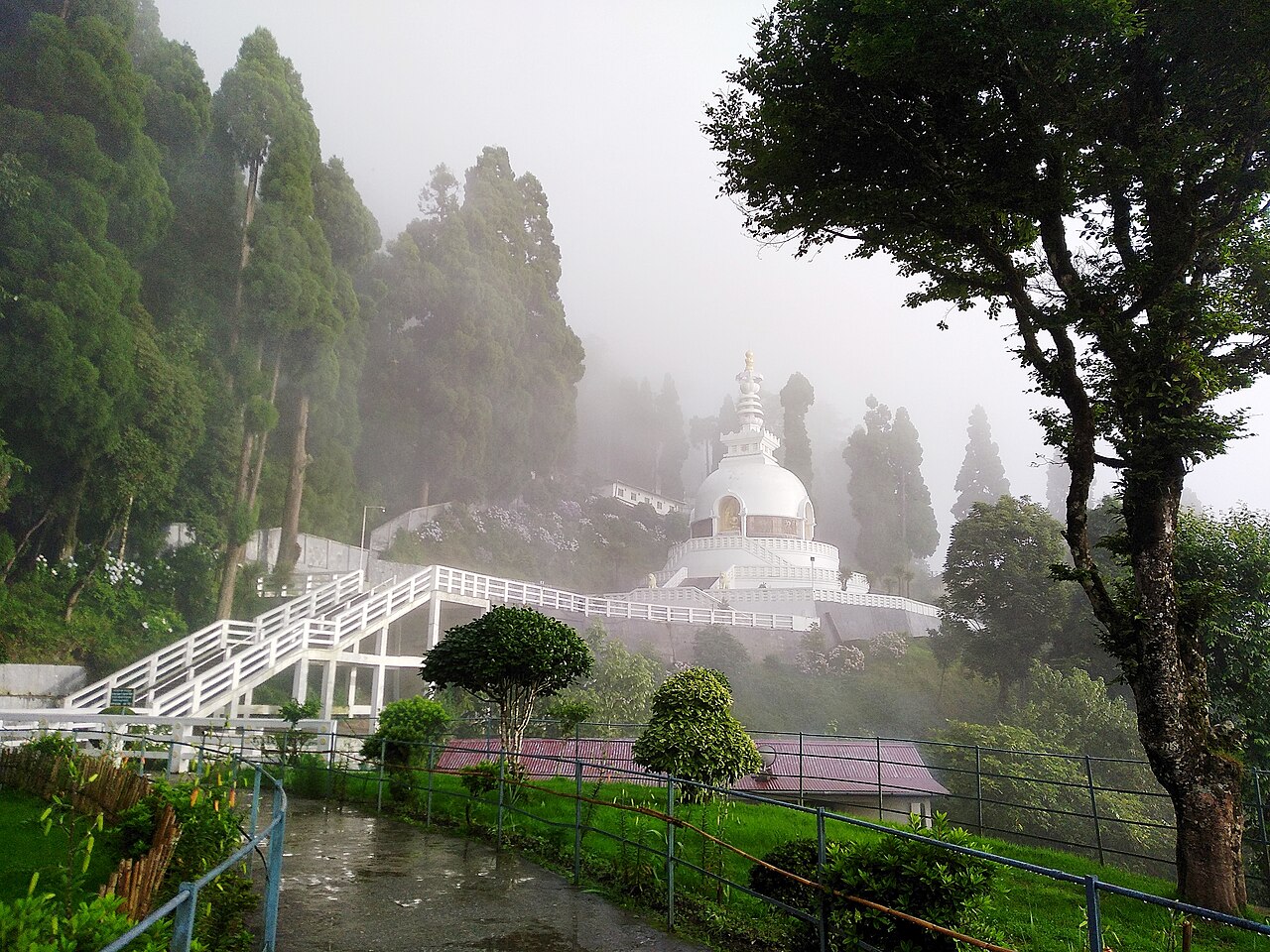 #8 in DarjeelingFree entry
Japanese Peace Pagoda
Memorial · 1.2 km · about 20 min walk
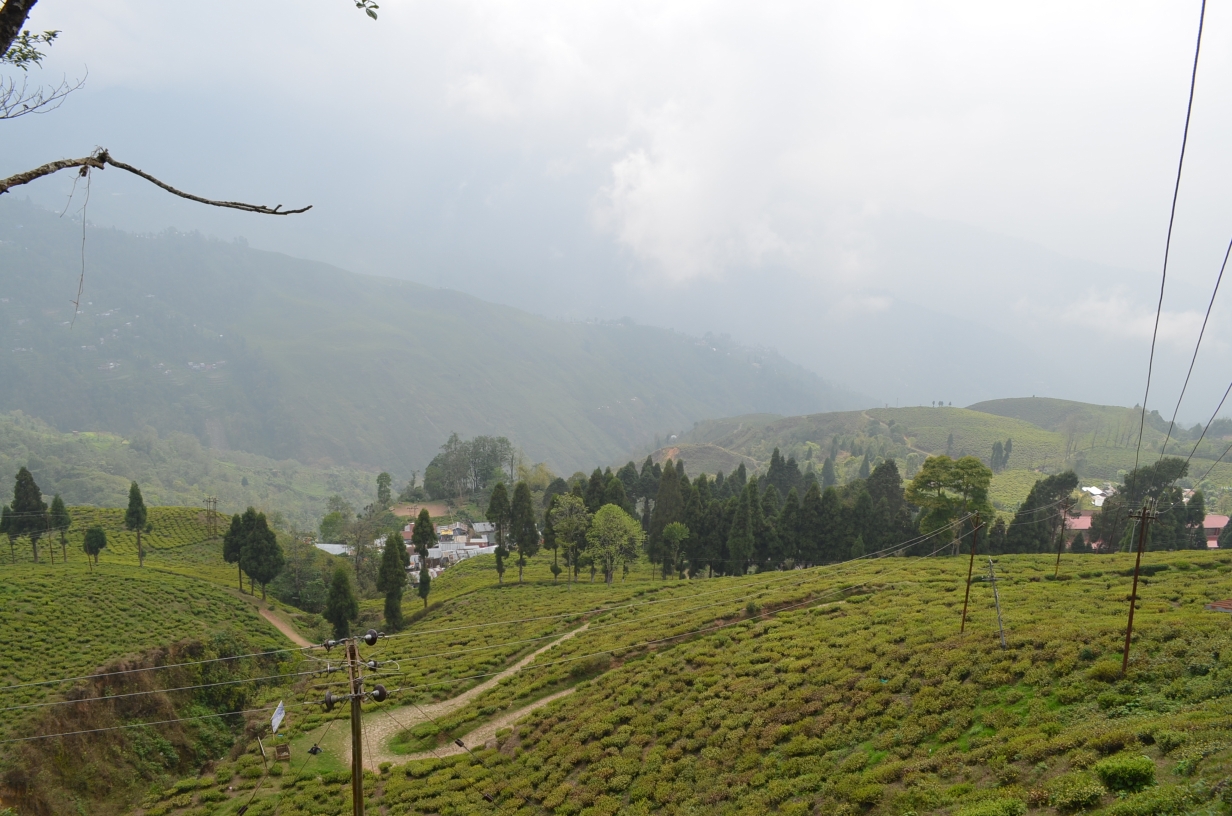 #7 in Darjeeling
Happy Valley Tea Estate
Nature · 1.6 km · about 26 min walk
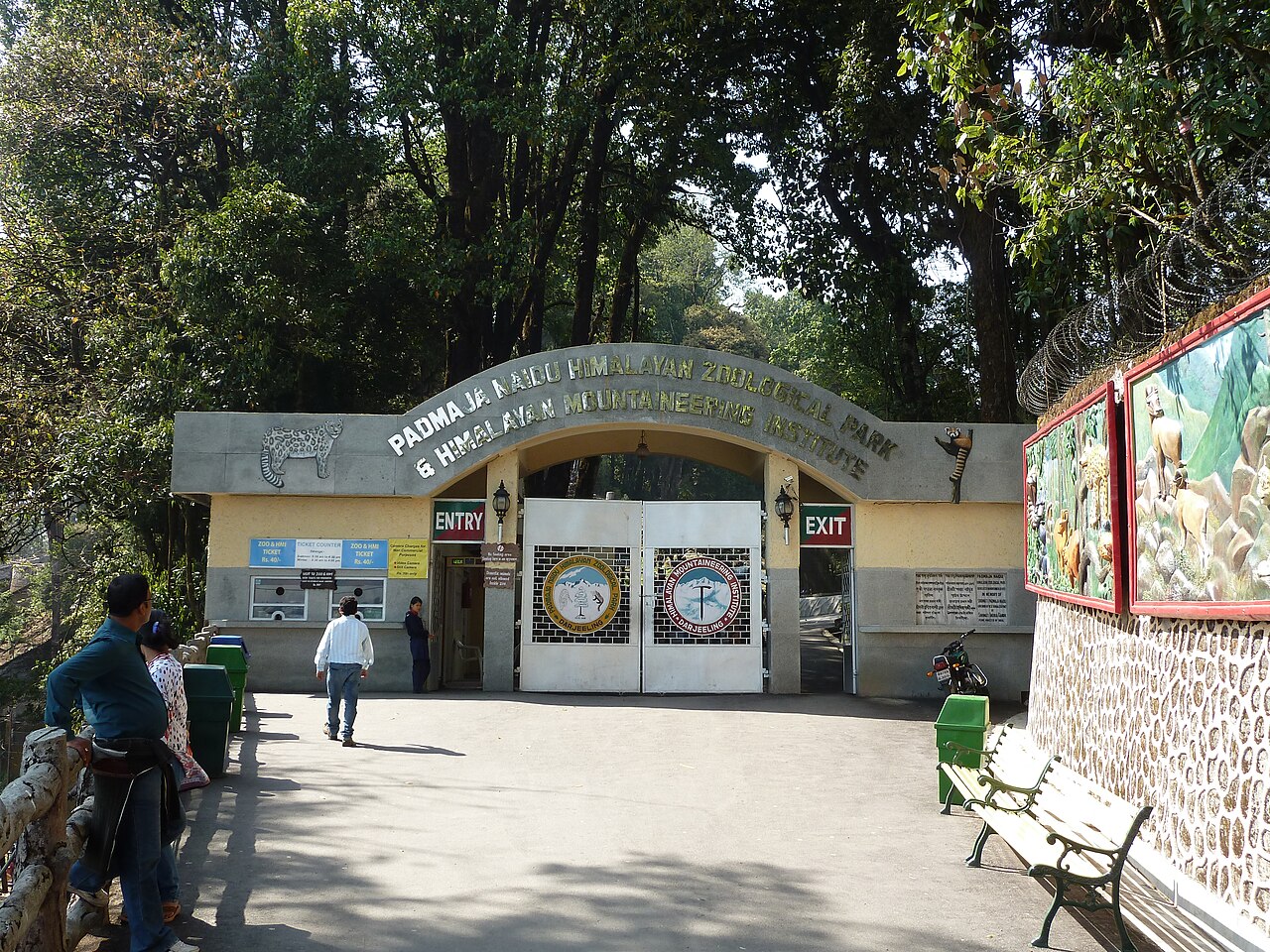 #4 in Darjeeling
Padmaja Naidu Himalayan Zoological Park
Wildlife · 2.4 km · about 40 min walk