Rajasthan travel guide
Top 10 Places to Visit in Udaipur
Also known as City of Lakes · Venice of the East · Kashmir of Rajasthan
Udaipur was founded in 1559 by Maharana Udai Singh II as a direct consequence of military failure rather than ambition: Chittorgarh, the Mewar dynasty's ancestral fort-capital, had been sacked twice by Mughal forces, most recently under Akbar, and its exposed position on the open plain made it strategically untenable.
Updated ·Compiled by Traveliac, AI-assisted ·How we rank
- Best time
- Sep – Mar
- Time needed
- About 2 days
- 13 hours of sightseeing
- Fly into
- Maharana Pratap Airport (UDR)
- Nearest station
- Udaipur City Railway Station (UDZ)
- Free to enter
- 4 of 10
Top things to do in Udaipur
Ranked on five published criteria- 1
Palace
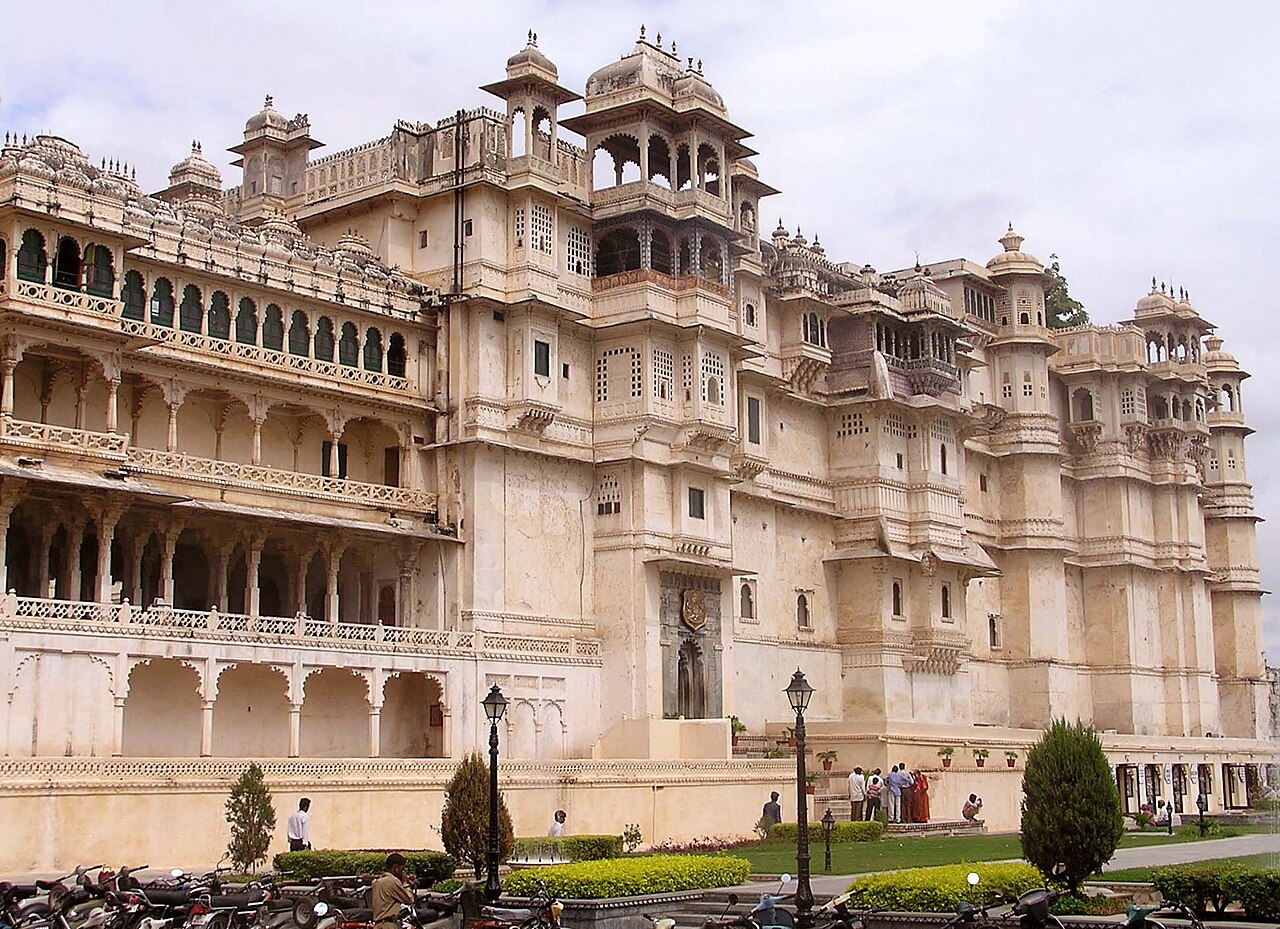
City Palace Udaipur
City Palace is not a single building but a fused sequence of eleven palaces, the largest such complex in Rajasthan, stacked along a granite ridge on…
2.5 hrs₹300 Indian
 2Free entry
Lake
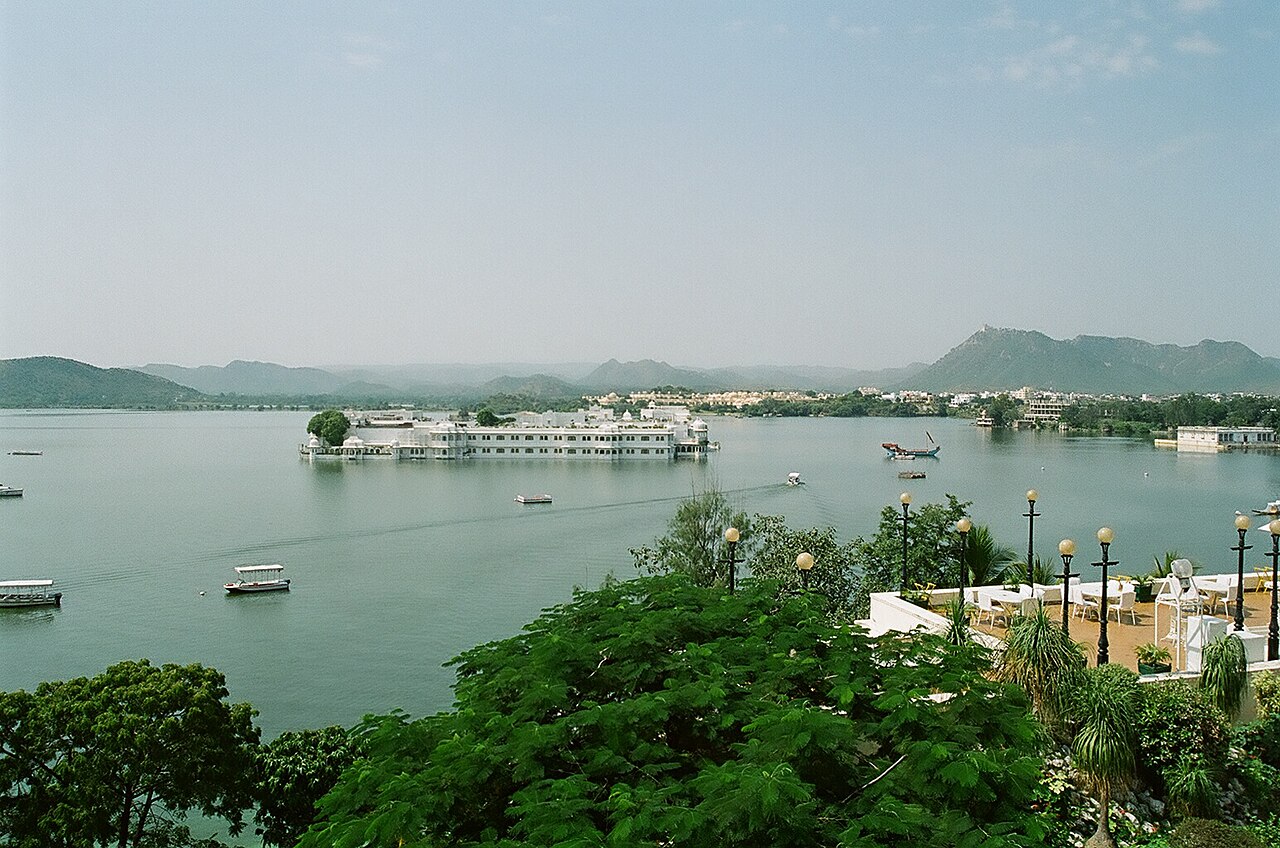
Lake Pichola
Lake Pichola is frequently described as an ancient natural lake, which understates the amount of deliberate hydraulic engineering behind it.
1.5 hrs
 3
3Temple
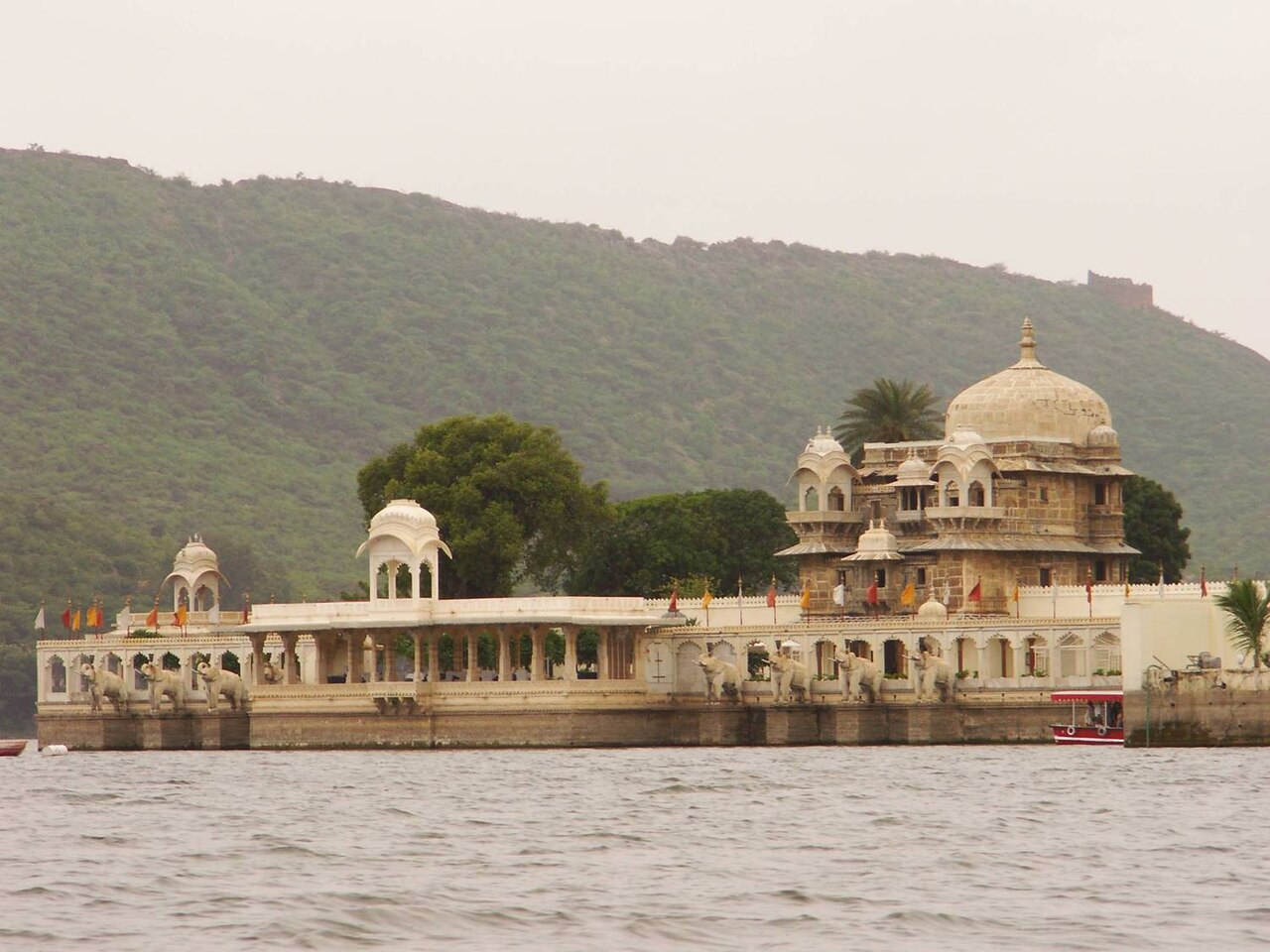
Jag Mandir
Jag Mandir sits on a natural rock outcrop near the southern end of Lake Pichola, built up over roughly forty years by three successive Maharanas…
1 hr₹200 Indian
 4Free entry
Temple
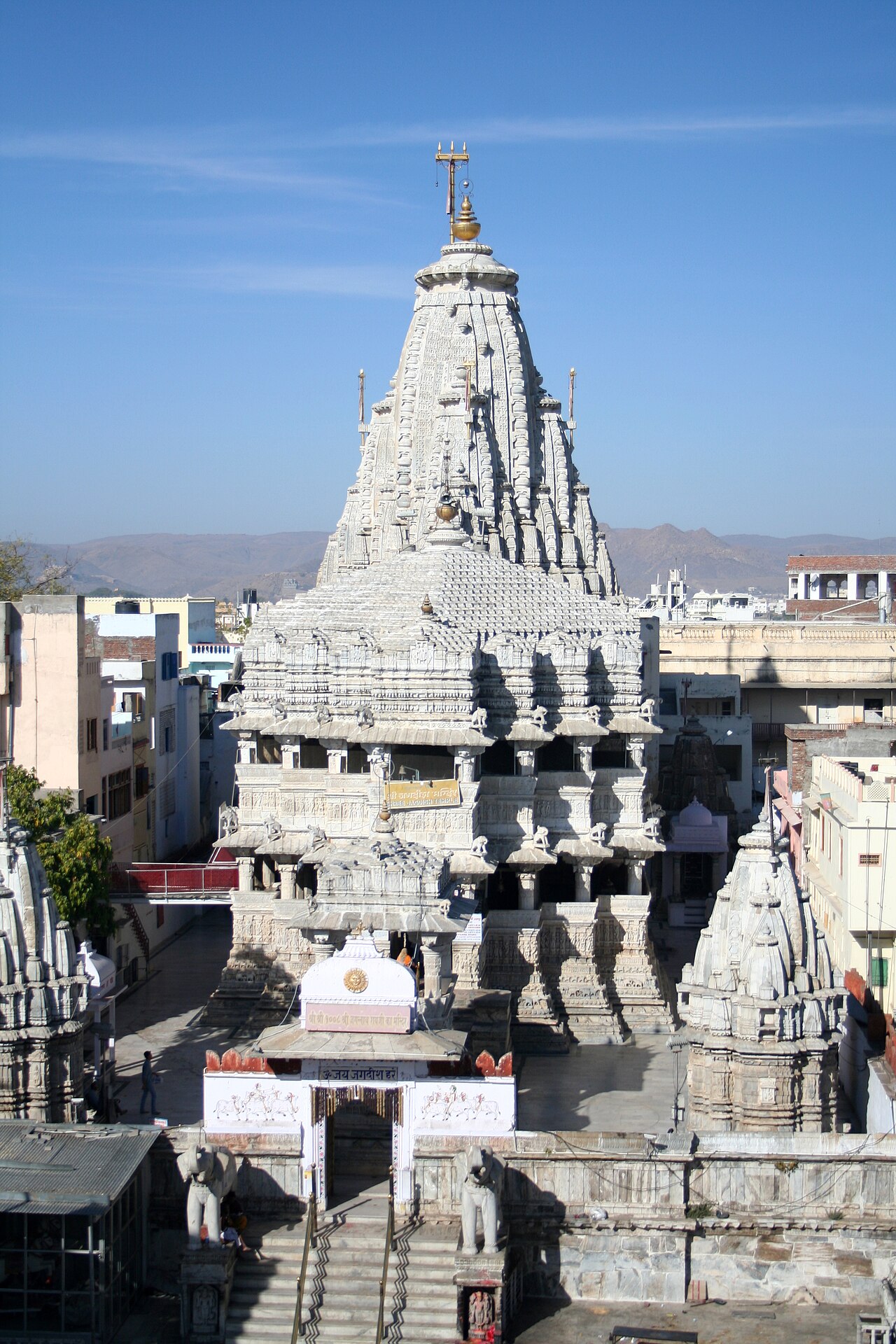
Jagdish Temple
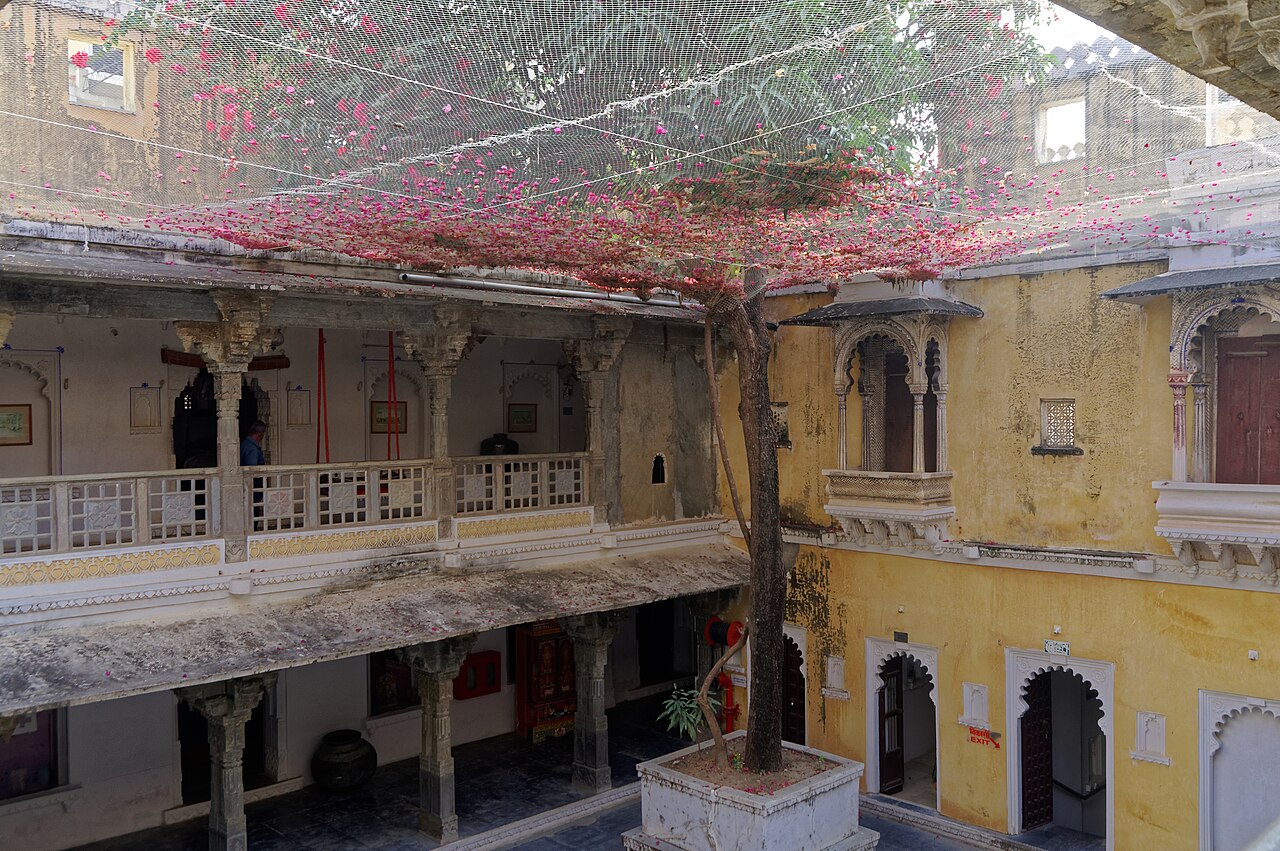
Jagdish Temple stands roughly 150 metres from City Palace's main gate, close enough that most visitors reach it on foot as an extension of a palace…
30 min
 5
5Palace
Bagore Ki Haveli
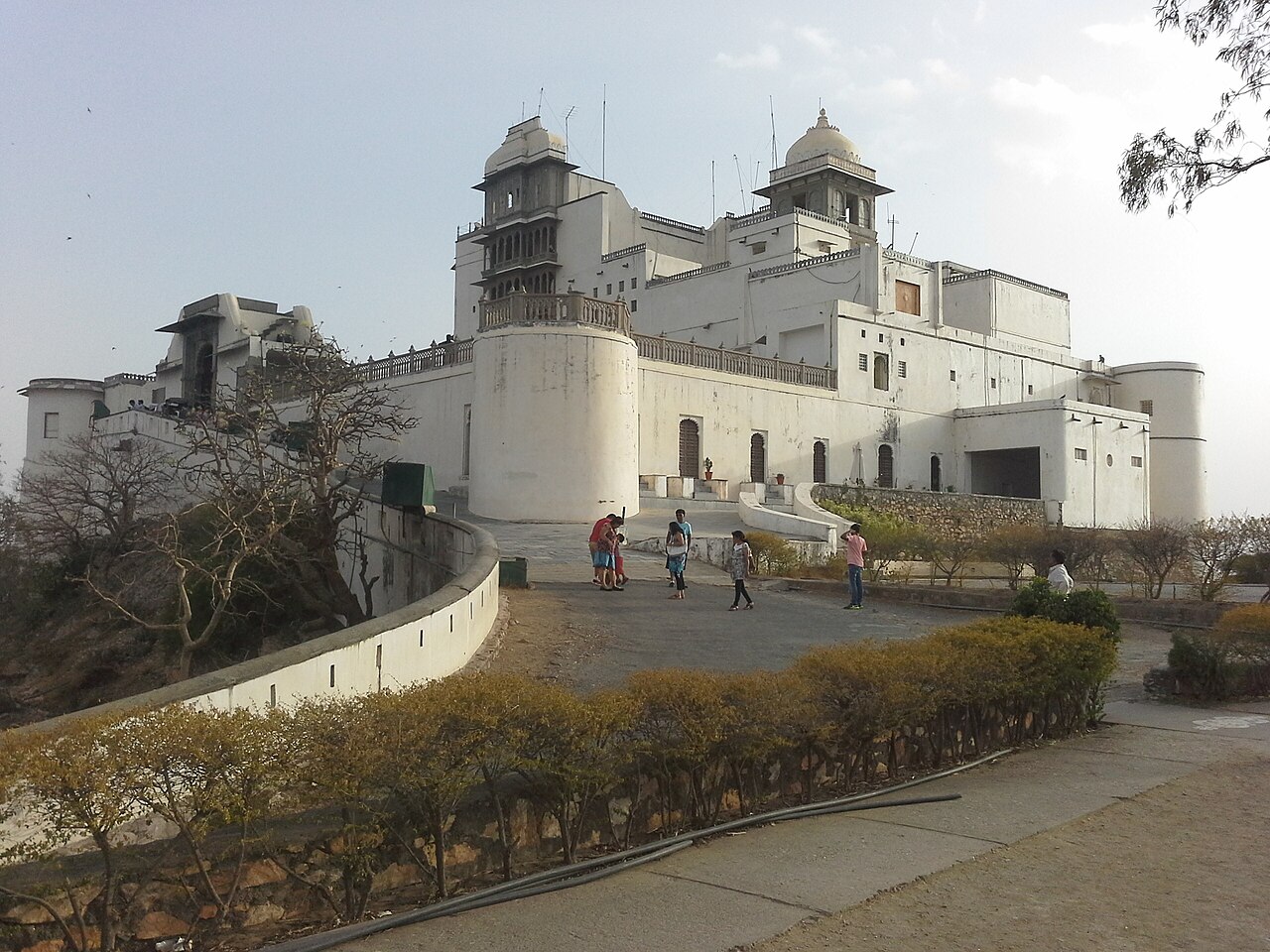
Bagore Ki Haveli sits directly on Gangori Ghat, a working stone bathing and boat-launch platform on Lake Pichola's eastern shore, which places the…
2 hrs₹60 Indian
 6
6Palace
Sajjangarh (Monsoon Palace)
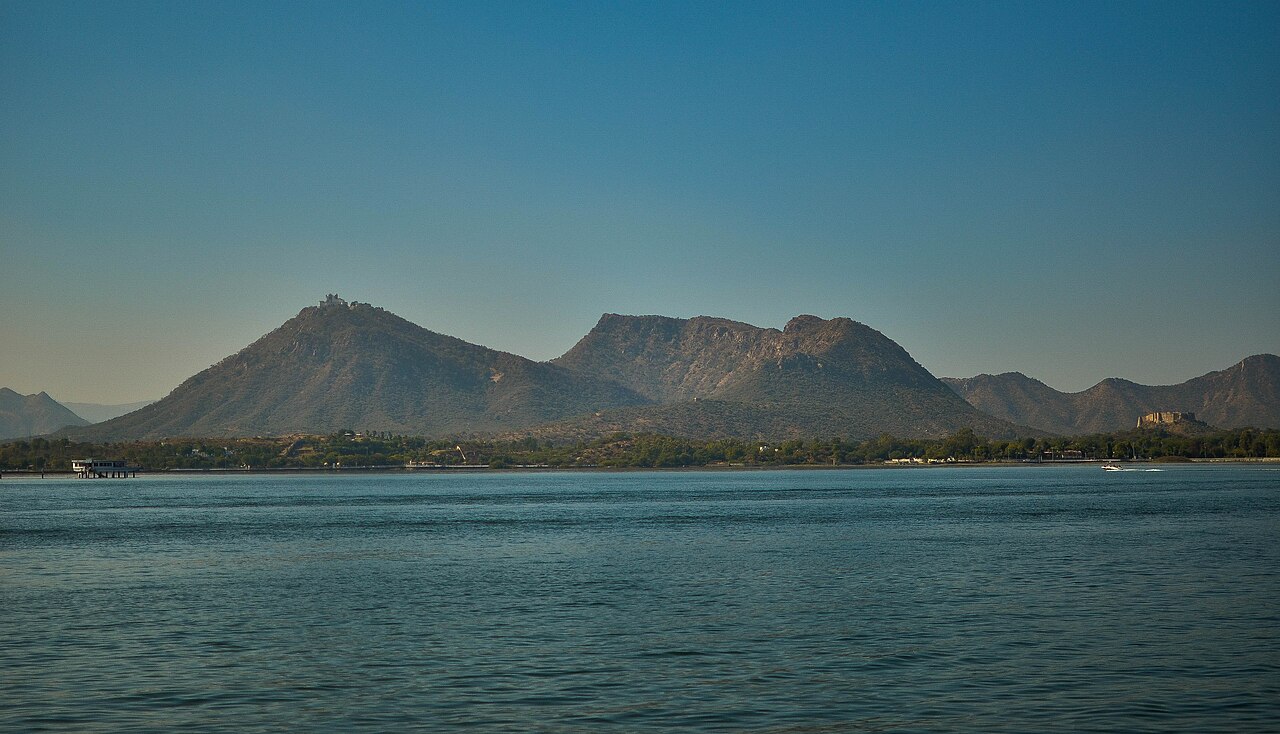
Sajjangarh sits atop Bansdara Peak, roughly 944 metres above sea level and around 350 metres above the city floor, making it the highest point in the…
1.5 hrs₹100 Indian
 7Free entry
Lake
Fateh Sagar Lake
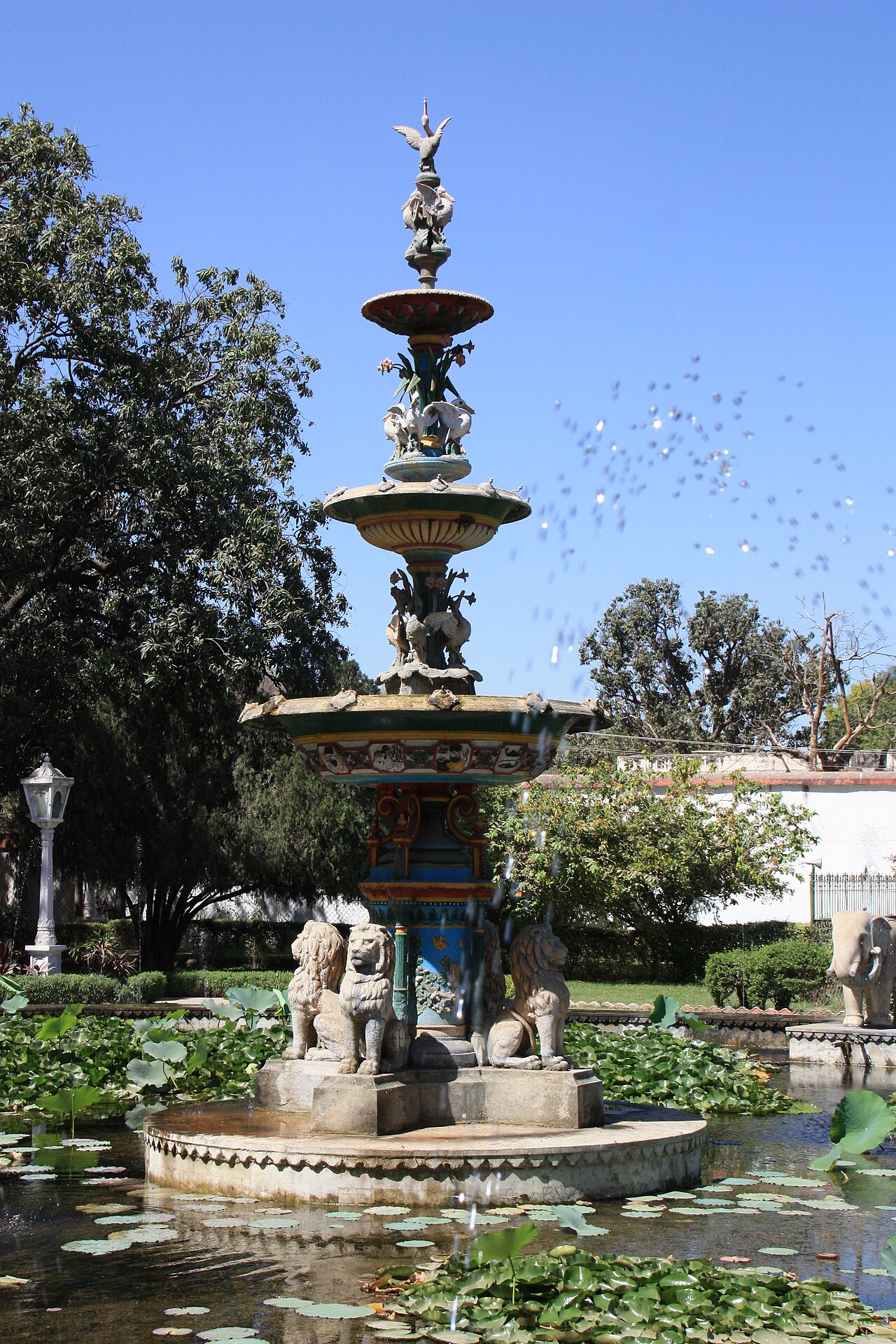
Fateh Sagar is the second of Udaipur's two central lakes and, unlike Pichola, was purpose-built as an engineered reservoir rather than an expanded…
1.5 hrs
 8
8Heritage
Saheliyon Ki Bari
Saheliyon Ki Bari is a compact formal garden built for a specific, narrow purpose: recreation for the ladies-in-waiting of the royal zenana, who…
45 min₹50 Indian
 9Free entry
Nature
Ambrai Ghat
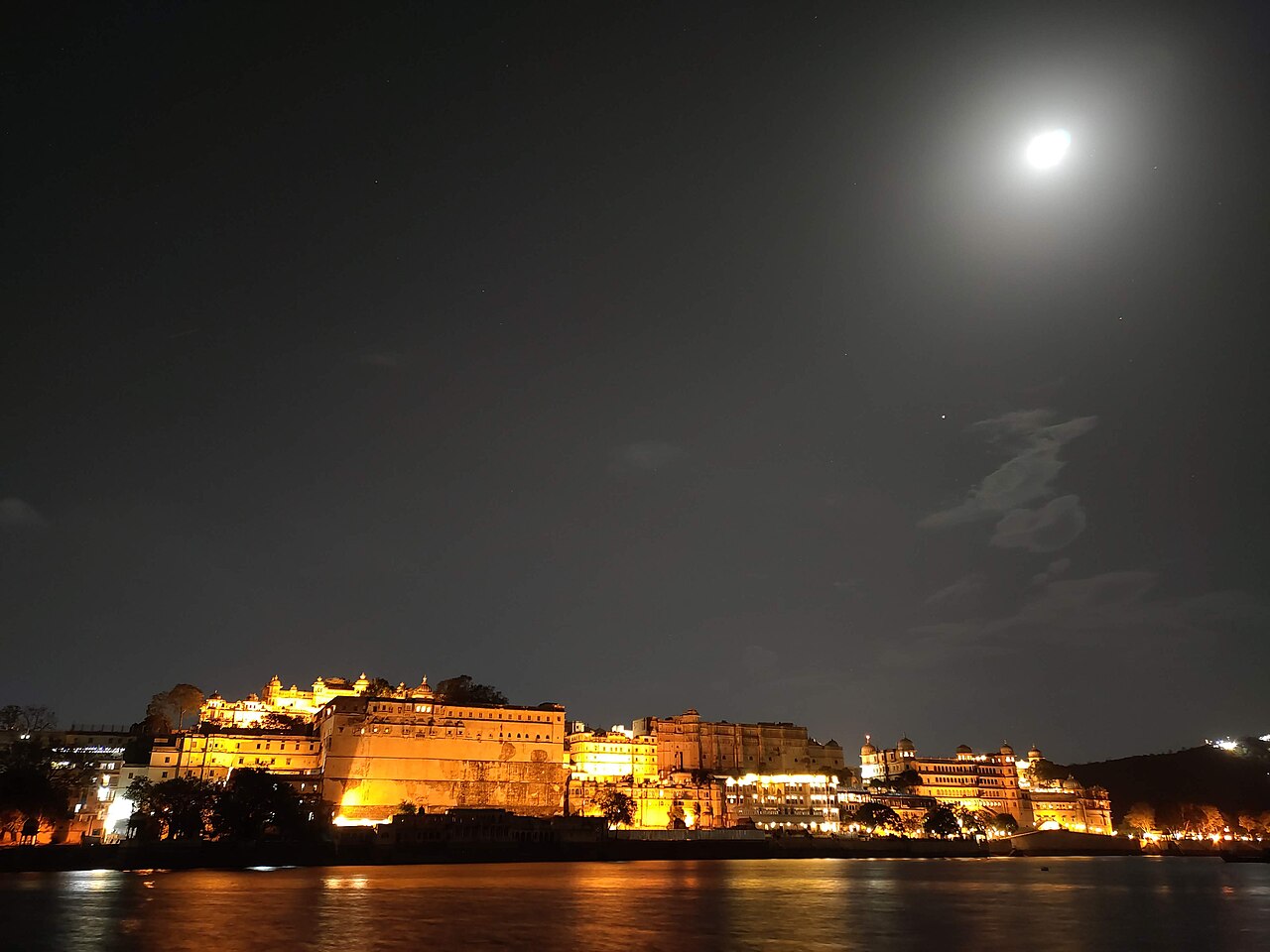
Ambrai Ghat sits on Lake Pichola's northeastern shore, directly opposite the City Palace and Jag Mandir, which places it on the correct side of the…
45 min
 10
10Museum
Vintage & Classic Car Collection
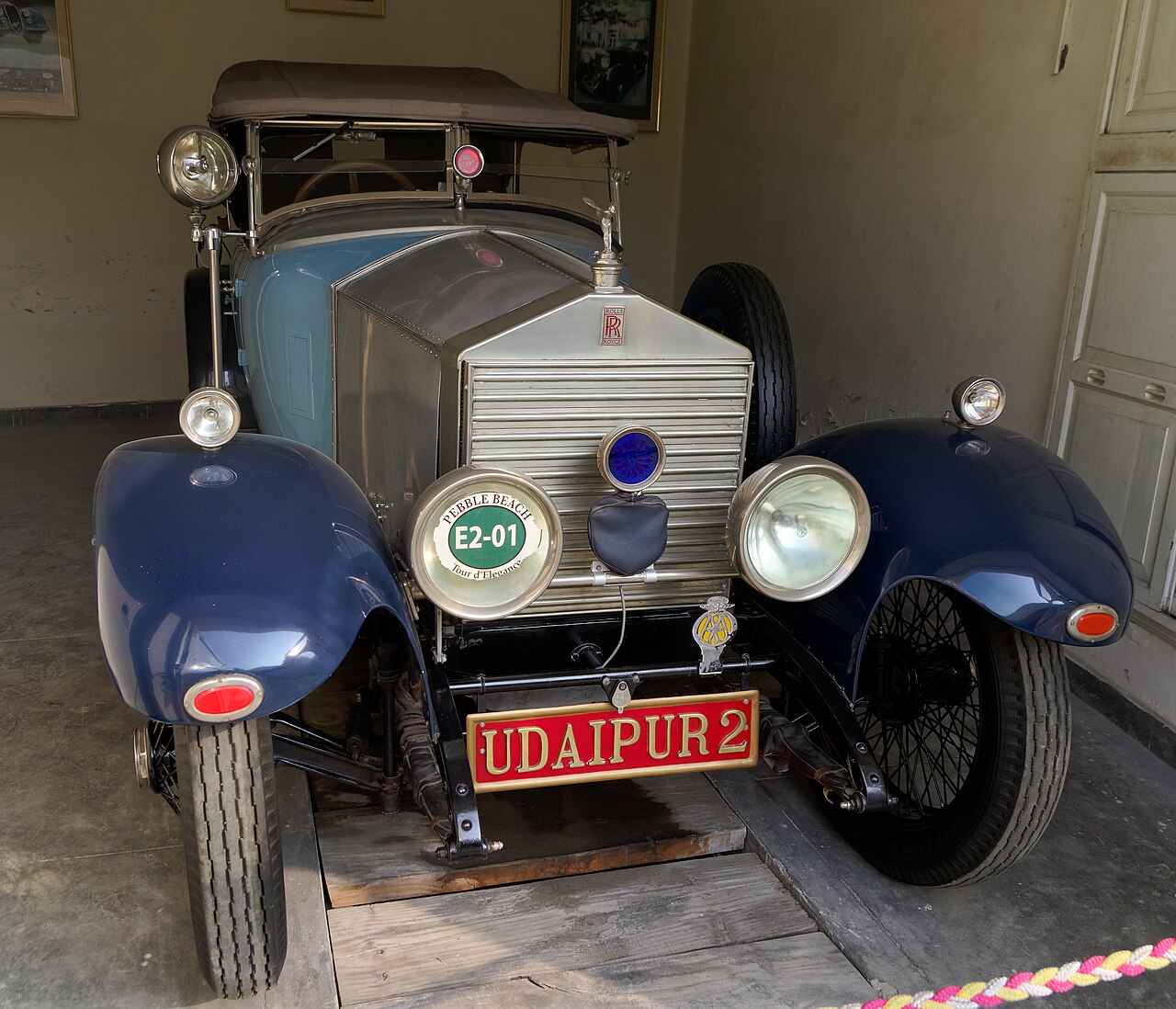
The Vintage & Classic Car Collection occupies what was originally the Mewar royal family's motor garage, a functional vehicle shed rather than a…
45 min₹200 Indian
Map of places to visit in Udaipur
Numbers match the ranking; the top 3 are orange. Tap a pin for its guide. 1 place has no map position yet.
Day trips from Udaipur
Worth a day out if you have one to spare, nearest first.
22 km · 40m
Eklingji Temple
8th-century temple complex dedicated to Eklingji, the Mewar dynasty's tutelary deity and nominal sovereign, still visited by the Maharana on ceremonial occasions.
40 km · 1h
Haldighati
Site of the 1576 battle between Maharana Pratap and Mughal forces under Man Singh I; includes a small museum and the chhatri memorial to Pratap's horse, Chetak.
85 km · 2h 15m
Kumbhalgarh Fort
15th-century Mewar fort with the second-longest continuous fortification wall in the world after the Great Wall of China, built by Maharana Kumbha and birthplace of Maharana Pratap.
95 km · 2h 30m
Ranakpur Jain Temple
15th-century Chaumukha temple with 1,444 individually carved marble pillars, no two identical, regarded as one of the finest examples of Jain temple architecture in India.
About Udaipur
Udai Singh relocated the capital west into the Girwa valley, a bowl ringed by the Aravalli hills that offered natural defensive depth, and built his new seat on a granite ridge overlooking a small existing lake, which he ordered enlarged into what is now Lake Pichola. The result is a city organised almost entirely around water and topography rather than a conventional street grid — the old city wraps the lake's eastern and northern shores in a dense knot of havelis, temples, and bazaar lanes, with City Palace anchoring the ridge above.
The city's lake system is engineered rather than incidental: Lake Pichola, Fateh Sagar Lake, and the smaller Udai Sagar and Swaroop Sagar lakes form an interconnected chain of reservoirs built and rebuilt across four centuries primarily to secure water supply for a capital sited well away from any major river. This chain of lakes, unusual in a state otherwise defined by the Thar Desert's aridity, is the source of Udaipur's 'City of Lakes' identity and its atypically green, humid microclimate relative to the rest of Rajasthan.
Modern Udaipur's transport geography centres on two hubs at the city's edge: Maharana Pratap Airport (UDR), roughly 22 kilometres east of the old city, and Udaipur City Railway Station (UDZ), a more central hub around 3 to 5 kilometres from most old-city sites and the primary arrival point for travellers connecting from Jaipur, Jodhpur, Ajmer, and Delhi. Within the old city, the core sights — City Palace, Jagdish Temple, Bagore Ki Haveli, and the Lake Pichola ghats — sit close enough for a walkable circuit, while Fateh Sagar Lake, Sajjangarh, and the surrounding hills require a short drive.
Udaipur travel FAQs
How many days do you need in Udaipur?
Plan about 2 days for Udaipur. Its top attractions take roughly 13 hours of sightseeing in total, so 2 days covers the highlights without rushing — you can move faster if you are short on time.
What is the best time to visit Udaipur?
The best time to visit Udaipur is Sep – Mar.
Is Udaipur cheap or expensive to visit?
Entry to Udaipur's top attractions ranges from ₹50 to ₹300 for Indian nationals (foreign visitors pay more — about ₹100 to ₹700), and 4 of the top 10 are free to enter. Prices are the latest checked on each place's page; always confirm current rates on the official website.
What is Udaipur famous for?
Udaipur is best known for its top sights, including City Palace Udaipur, Lake Pichola and Jag Mandir. The full ranked list of things to do is on this page.
How much time should you spend at City Palace Udaipur?
Allow about 2.5 hrs for City Palace Udaipur.
Spotted something wrong, or a place we missed?
Tell us and an editor will check it against official sources and fix the page.