
Japanese Peace Pagoda
#7of 9 places to visit in DarjeelingDarjeeling, West Bengal
Also known as Darjeeling Peace Pagoda · Nipponzan Myohoji Temple
Quick answer
Opening hours: 04:30–19:00. Entry is free. Allow 45 min. Best time: 16:00 – 18:00 or 06:30–08:00.
Updated · Compiled by Traveliac, AI-assisted · 4 min read
- Opening hours
- 04:30–19:00
- Entry fee
- Free
- Time needed
- 45 min
- Best time of day
- 16:00 – 18:00 or 06:30–08:00
- Best months
- Oct – Apr
- Address
- Jalapahar Hill, Darjeeling, West Bengal 734101
About Japanese Peace Pagoda
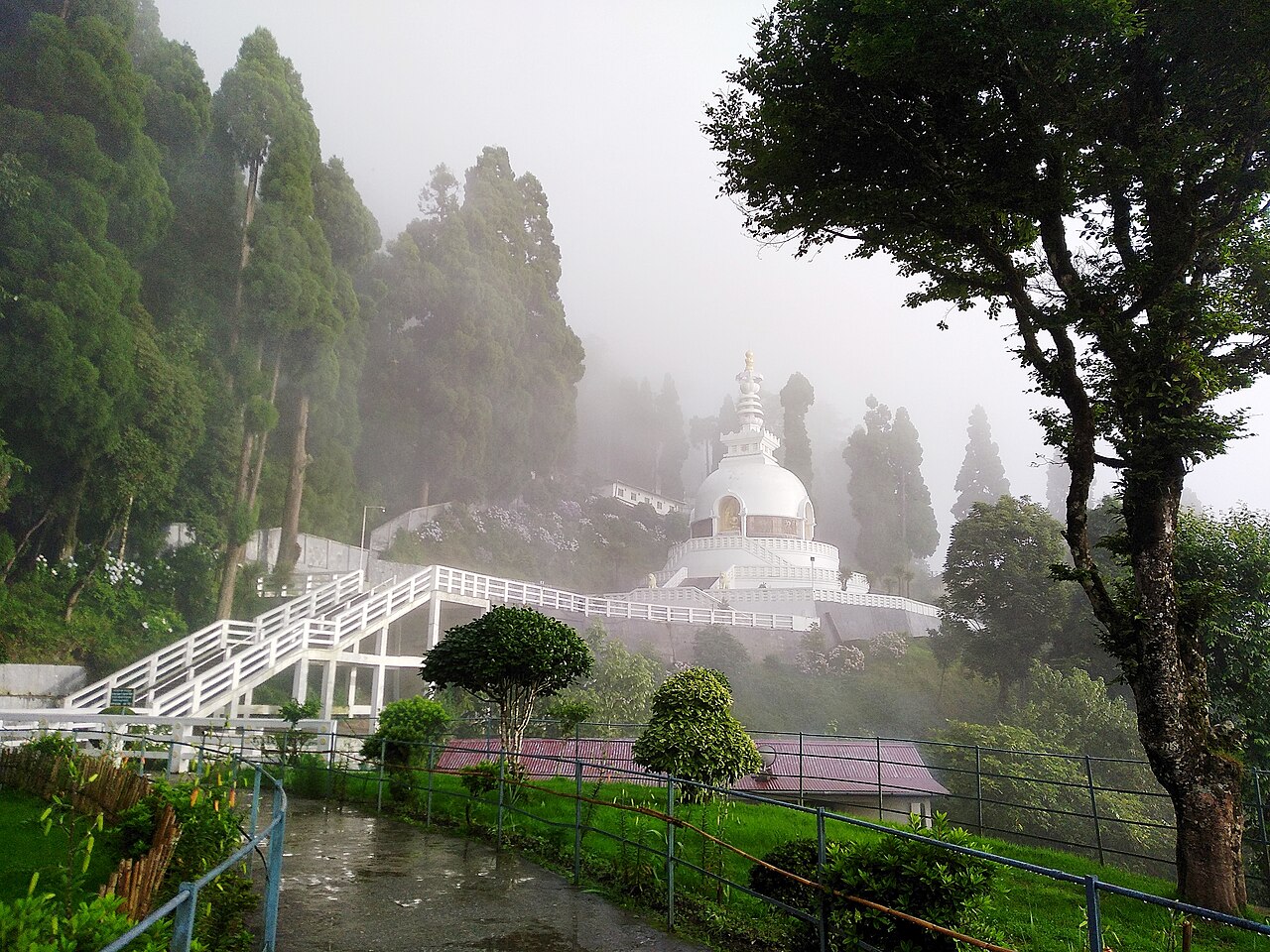
The Japanese Peace Pagoda in Darjeeling stands 28.5 metres tall with a base diameter of 23 metres on the slopes of Jalapahar hill, one of roughly 80 such pagodas built worldwide under the guidance of Nichidatsu Fujii, the Japanese Buddhist monk who founded the Nipponzan-Myōhōji order in 1917. Construction began with a foundation stone laid on 3 November 1972 and took 36 months, reaching completion for its inauguration on 1 November 1992 — a longer build than most peace pagodas of comparable scale, reflecting the site's difficult hillside access. The white stupa's dome houses four separate gilded images of the Buddha, one facing each cardinal direction, including a Maitreya Buddha facing east. The pagoda's purpose is stated plainly by the order that built it: a structure meant to give people of any race or religious background a shared focus for the pursuit of world peace, not a monument to a specific historical event or figure. The adjoining Nipponzan-Myōhōji temple building, reached by the same access path, holds twice-daily prayer sessions led by resident monks, and the sound of hand-held drums accompanying the Buddhist chant carries clearly across the pagoda grounds during these sessions.
Best time of day: 16:00 – 18:00 or 06:30–08:00. To catch the evening prayer session and the golden-hour light on the white stupa dome, or 06:30–08:00 for a quieter, cooler morning visit.
Japanese Peace Pagoda timings
Japanese Peace Pagoda opens at 04:30 and closes at 19:00. It keeps the same hours on Saturday and Sunday.
- Opening hours
- 04:30–19:00
Mon–Sun 04:30–19:00 - Closed on
- Open every day
Good to know: Prayer sessions run 04:30–06:00 and 16:30–18:30; visitors are welcome to sit in on these but should arrive quietly and remain for the full session rather than stepping in and out.
Opening hours compiled from darjeeling.gov.in and public records, last updated . They change without notice — confirm before you travel. How we write these guides
Japanese Peace Pagoda ticket price
| Ticket | Price |
|---|---|
| Indian visitors | Free |
| Foreign visitors | Free |
| Children | Free |
| Camera | Free |
No admission fee is charged as of 2026; the pagoda and adjoining temple are open to all visitors free of charge.
Prices compiled from darjeeling.gov.in and public records, last updated . They change without notice — confirm before you travel. How we write these guides
Best time to visit Japanese Peace Pagoda
- Quiet
- Moderate
04:30 – 06:30
Morning Prayer SessionBest time to go
Resident monks conduct the first daily prayer session; very few visitors are present this early, offering a quiet, meditative atmosphere.
Quiet09:00 – 12:00
Morning Sightseeing
Day-trip visitors and taxis combining the pagoda with other town sights arrive steadily through the late morning.
Moderate12:00 – 16:00
Midday
A quieter stretch between the morning and evening visitor waves; the plaza and viewpoint are calmer for unhurried photography.
Quiet16:30 – 19:00
Evening Prayer & Golden Hour
The evening prayer session draws both devotees and visitors, coinciding with the best light on the white stupa dome before the 19:00 close.
Moderate
History of Japanese Peace Pagoda
Nichidatsu Fujii, born in 1885, founded the Nipponzan-Myōhōji order in 1917 after a period of Buddhist study that included time in India, and he later devoted much of his life to building peace pagodas across Asia, Europe, and North America as physical rallying points for post-war pacifist and anti-nuclear movements. Fujii died in 1985, seven years before the Darjeeling pagoda's completion, though the project had been set in motion under his direction with the 1972 foundation stone.
Designer M. Ohka oversaw the pagoda's construction between 1972 and 1992, a 36-month active build period stretched across two decades by the practical difficulties of hillside access and funding for a religious monument built entirely through the Nipponzan-Myōhōji order's own resources rather than government backing. The Darjeeling pagoda sits within a broader network of Fujii-inspired peace pagodas that includes sites in Rajgir and Vaishali in Bihar, Wardha in Maharashtra, and internationally in Japan, the United Kingdom, and the United States — a network the order continues to expand and maintain today.
Rules & etiquette at Japanese Peace Pagoda
Shoes are removed before entering the temple building adjoining the pagoda, though the outdoor pagoda plaza itself may be walked with shoes on. Modest dress covering shoulders and knees is expected inside the temple, and photography of the resident monks during active prayer sessions should be approached with restraint — a brief respectful photograph from the back of the hall is generally tolerated, but flash and close-range photography during chanting are not.
The walk up from the main road involves a set of stone steps with a moderate but sustained incline; visitors with mobility limitations should budget extra time and expect to pause partway. Circumambulating the stupa clockwise, in keeping with general Buddhist practice, is the customary way to approach the structure, even though it is not formally enforced for casual visitors.
Tips for visiting Japanese Peace Pagoda
- 1
Timing a visit around the 16:30 evening prayer session rewards patience: the drumming and chanting inside the temple, audible from the pagoda plaza, adds a dimension that a purely visual midday visit misses. The viewpoint just beyond the pagoda gives a clear look over Darjeeling town's rooftops toward the valley below on days without low cloud, making it worth the short extra walk past the main structure.
- 2
Because entry is free and the site sits only 3 kilometres from the town centre, the pagoda combines easily with a half-day town walk that also takes in Observatory Hill and Chowrasta — all three are within a similar radius and connected by short taxi hops or a moderately strenuous walk for visitors acclimatised to the altitude.
How to reach Japanese Peace Pagoda
The red star is Japanese Peace Pagoda; the numbered pins are the 8 nearest places in our guides, each showing its rank in its city. Tap a pin for details.
Jalapahar Hill, Darjeeling, West Bengal 734101Directions in Google Maps
From Darjeeling Chowk Bazaar
₹80–₹1503 km · 10–15 min
Shared or private taxi
From Darjeeling railway station
₹80–₹1503 km · 10–15 min
Taxi
From Bagdogra Airport (IXB)
₹2,200–₹2,80095 km · 3.5 hours
Private taxi to Darjeeling town, then local transfer
Nearest airport
From Bagdogra Airport (IXB)
approximately 95 km, 3.5 hours by road.
Nearest railway station
From Darjeeling railway station
approximately 3 km.
Japanese Peace Pagoda FAQs
Is there an entry fee for the Darjeeling Peace Pagoda?
No, entry is free as of 2026. The pagoda and adjoining temple are open to all visitors without charge.
Who built the Peace Pagoda and why?
The Nipponzan-Myōhōji Buddhist order, founded by Nichidatsu Fujii in 1917, built it as one of roughly 80 peace pagodas worldwide intended to give people of any background a shared focus for pursuing world peace. Construction ran from a 1972 foundation stone to a 1992 inauguration.
Can visitors attend the prayer sessions?
Yes. Prayer sessions run daily from 04:30 to 06:00 and 16:30 to 18:30, and visitors are welcome to sit quietly at the back of the temple hall, though close-range photography during chanting is discouraged.
How difficult is the walk up to the pagoda?
Moderate. A sustained flight of stone steps leads up from the main road, and visitors with mobility limitations should budget extra time and expect to pause partway up.
Compiled with AI assistance from official sources and public records, and published only after the checks in How we write these guides. Nobody from Traveliac has visited this place. Last updated . How we rank and check places
Places to visit near Japanese Peace Pagoda
Straight-line distances from our map; times are estimates.
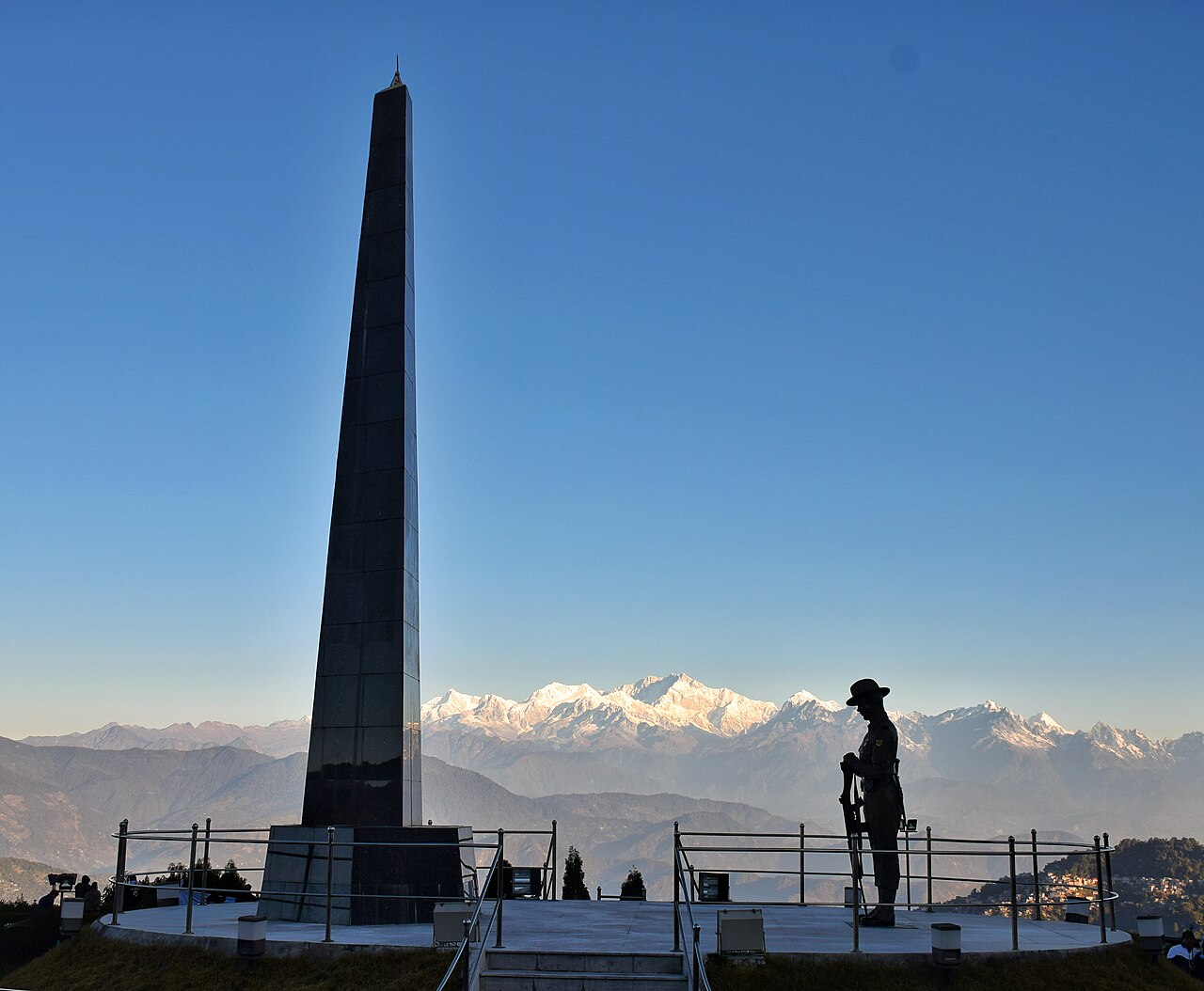 #2 in Darjeeling
Batasia Loop
Memorial · 1.7 km · about 27 min walk
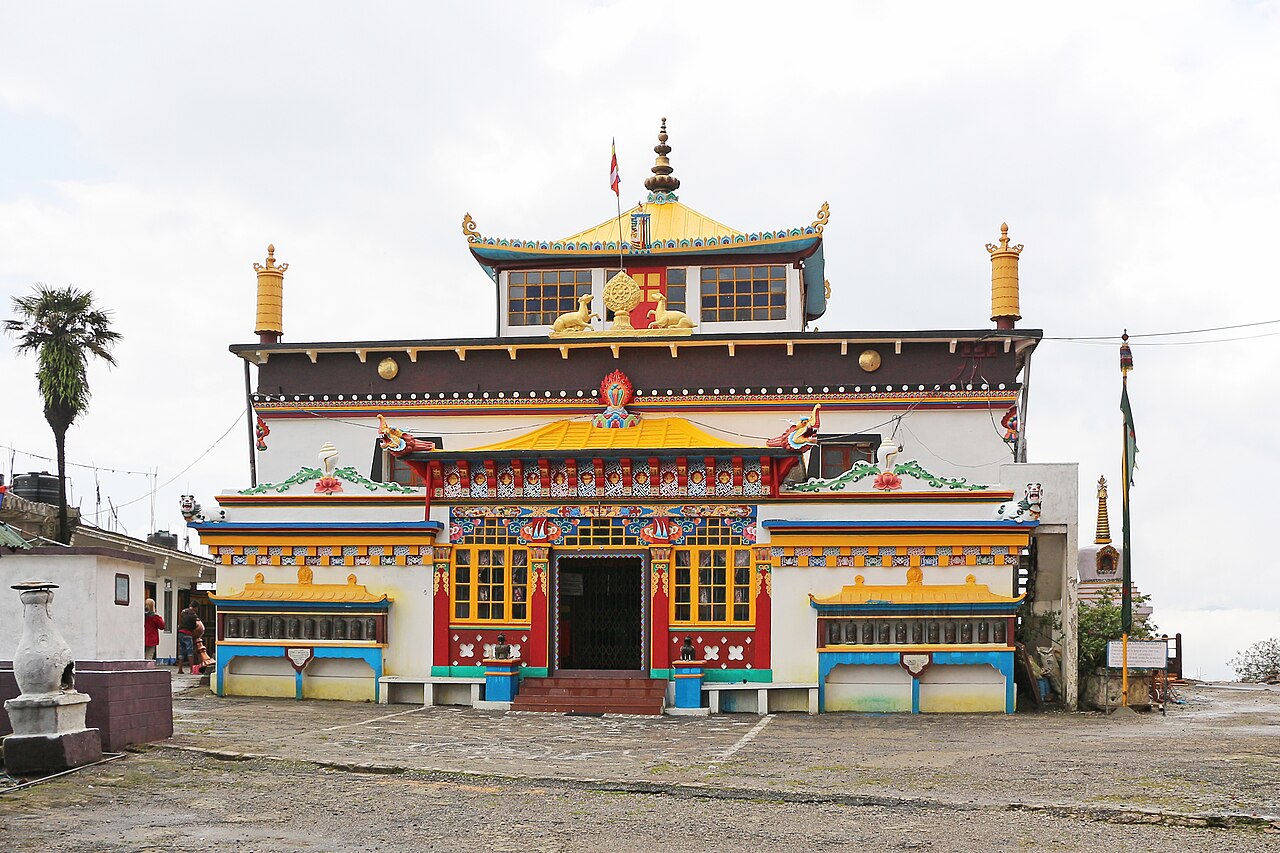 #3 in Darjeeling
Ghoom Monastery
Monastery · 2.0 km · about 32 min walk
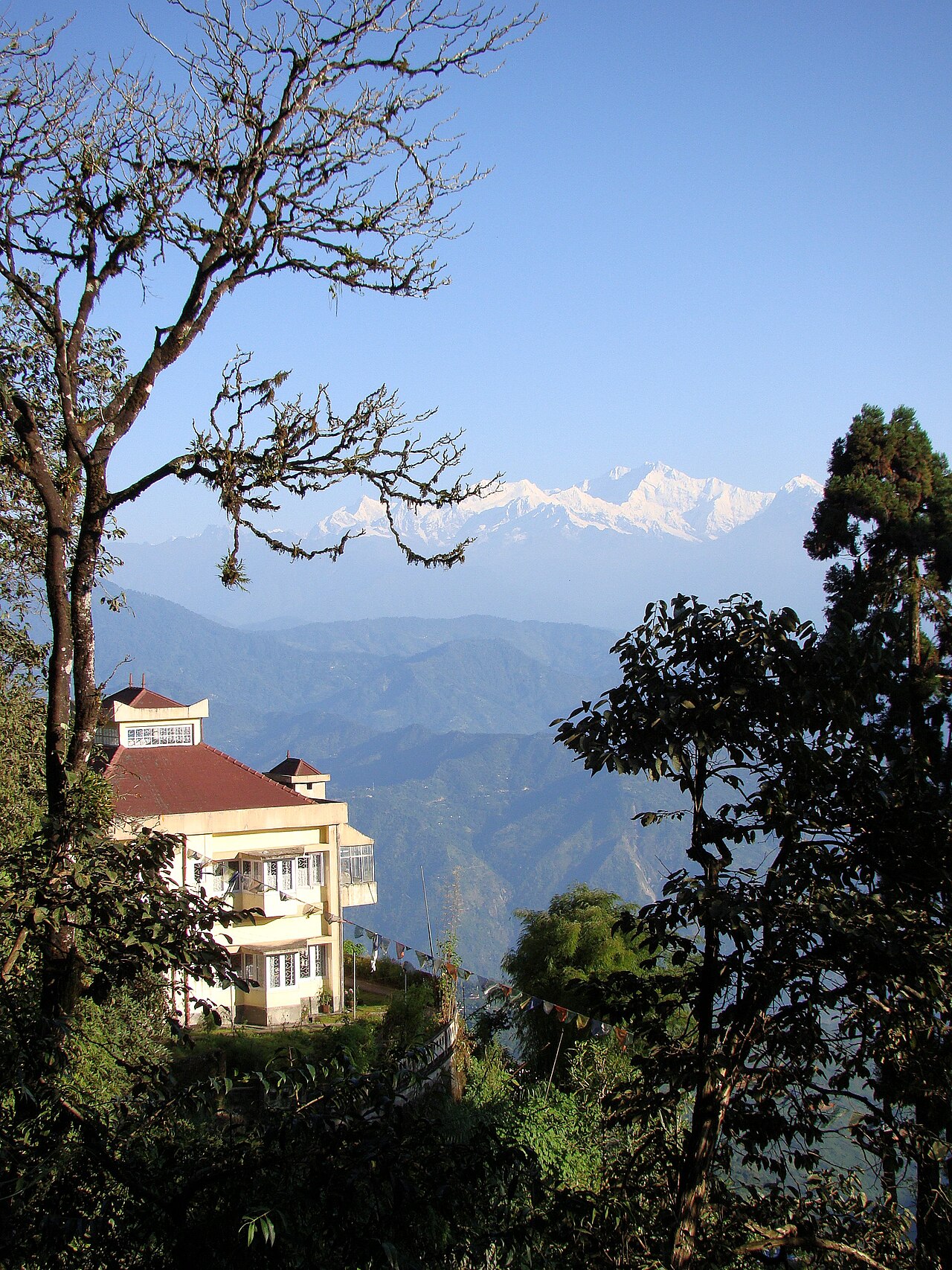 #8 in DarjeelingFree entry
Observatory Hill
Viewpoint · 2.4 km · about 39 min walk
 #6 in Darjeeling
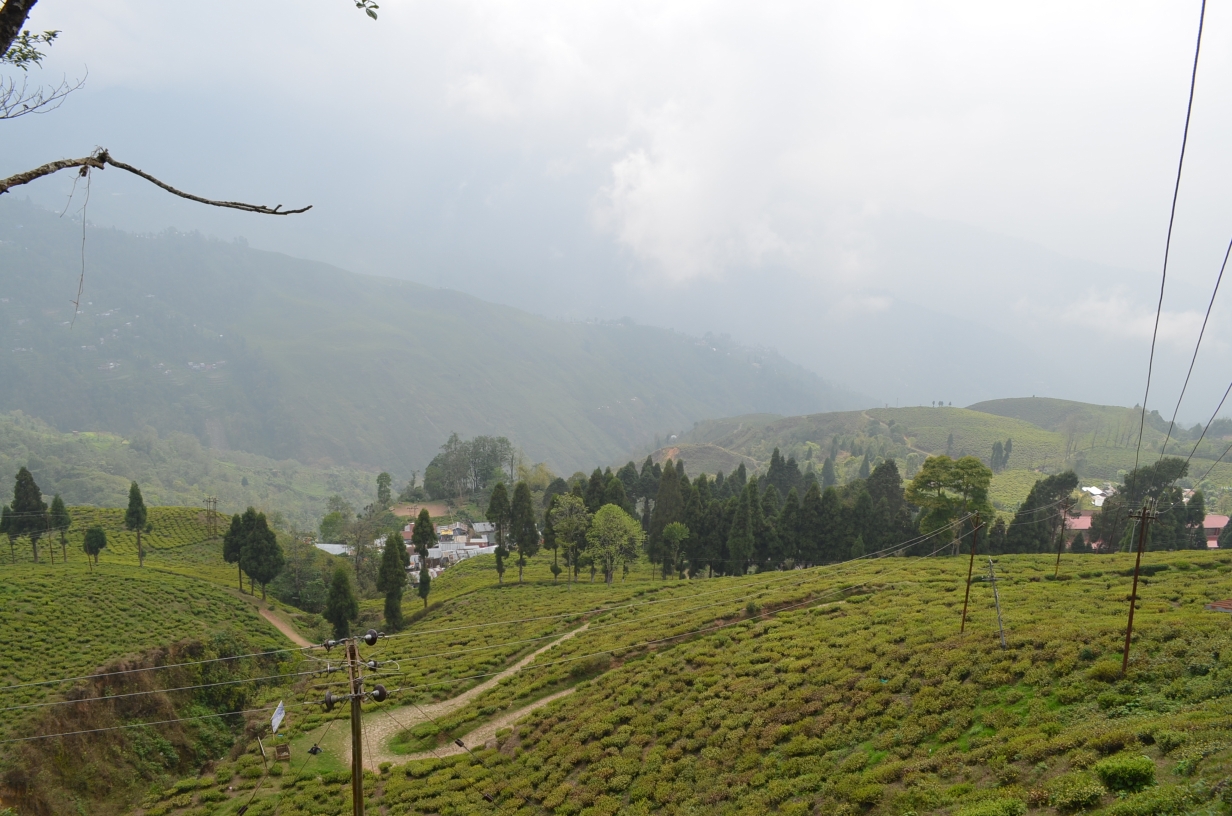
Happy Valley Tea Estate
Nature · 3 km · about 10 min by road