
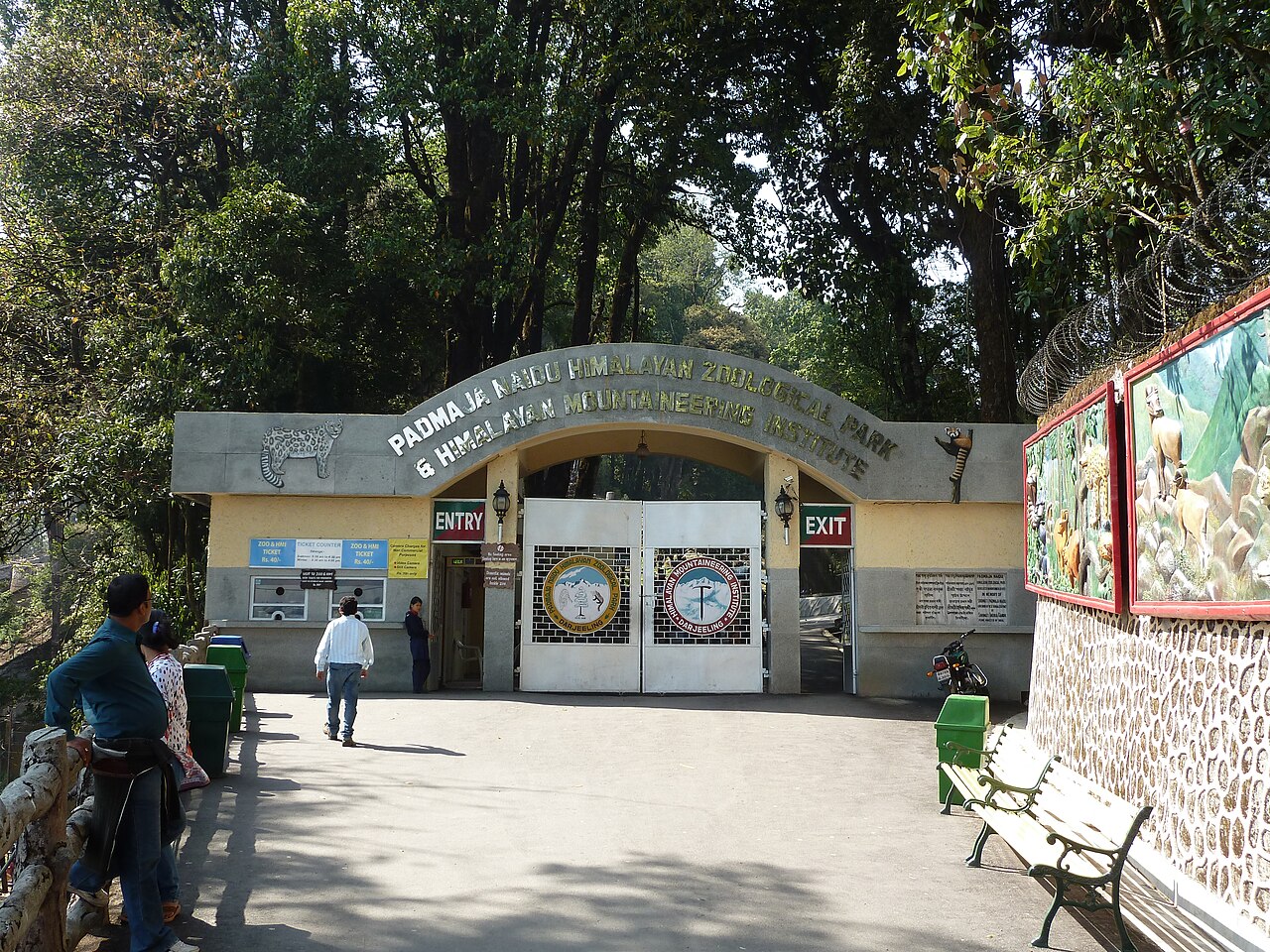
Padmaja Naidu Himalayan Zoological Park
#4of 9 places to visit in DarjeelingDarjeeling, West Bengal
Also known as Darjeeling Zoo
Quick answer
Opening hours: 08:30–16:00, closed Thursdays. Entry: ₹110 Indian · ₹180 foreign. Allow 2 hrs. Best time: 09:00 – 11:00.
Updated · Compiled by Traveliac, AI-assisted · 5 min read
- Opening hours
- 08:30–16:00
- Closed Thursdays
- Entry fee
- ₹110 Indian
- Ticket from
- Time needed
- 2 hrs
- Best time of day
- 09:00 – 11:00
- Best months
- Oct – Apr
- Address
- Birch Hill, Jawahar Parbat (West), Darjeeling, West Bengal 734101
About Padmaja Naidu Himalayan Zoological Park
Padmaja Naidu Himalayan Zoological Park spans 67.56 acres on Birch Hill at an average elevation of 2,134 metres, making it the largest high-altitude zoo in India. Founded on 14 August 1958 by Indian Forest Service officer Dilip Kumar Dey, the park was purpose-built to hold species that cannot survive at lowland zoo altitudes — snow leopards, red pandas, Himalayan wolves, and the Siberian tiger among them — rather than functioning as a general-purpose menagerie. The zoo draws roughly 300,000 visitors a year, a scale that positions it as one of West Bengal's most-visited single attractions outside Kolkata. The park's reputation rests substantially on two captive-breeding programmes run under Central Zoo Authority coordination: snow leopards, bred here since 1983 using founder animals from Zurich, the United States, and Leh-Ladakh; and red pandas, bred since 1994 with stock from Cologne, Madrid, and Rotterdam zoos. Both programmes have contributed animals to reintroduction and exchange schemes elsewhere in India, and the red panda enclosure in particular functions as a live conservation display rather than a static exhibit — information panels along the enclosure route explain the breeding programme's methodology in some detail.
Best time of day: 09:00 – 11:00. Shortly after opening, when animals are more active in the cooler morning air and before the largest tour groups arrive.
Photography
₹10 camera fee
Padmaja Naidu Himalayan Zoological Park timings
Padmaja Naidu Himalayan Zoological Park opens at 08:30 and closes at 16:00. Those hours hold on Saturday and Sunday too.
- Opening hours
- 08:30–16:00
Mon–Wed 08:30–16:00 Thursday Closed Fri–Sun 08:30–16:00 - Closed on
- Thursday
Opening hours compiled from darjeeling.gov.in and public records, last updated . They change without notice — confirm before you travel. How we write these guides
Padmaja Naidu Himalayan Zoological Park ticket price
| Ticket | Price |
|---|---|
| Indian visitors | ₹110 |
| Foreign visitors | ₹180 |
| Children | Free |
| Camera | ₹10 |
Fee as of 2026 per the official zoo administration: ₹110 for Indian and SAARC nationals, ₹180 for other foreign nationals, plus a ₹10 still-camera charge. Children below 6 years enter free. The same ticket grants access to the adjoining Himalayan Mountaineering Institute compound and Bengal Natural History Museum, since all three share the Birch Hill gate — confirm current inclusions at the counter.
Prices compiled from darjeeling.gov.in and public records, last updated . They change without notice — confirm before you travel. How we write these guides
Best time to visit Padmaja Naidu Himalayan Zoological Park
- Quiet
- Moderate
- Very busy
08:30 – 10:00
Morning OpeningBest time to go
Gates have just opened; animals are most active in the cooler air and the walkways are uncrowded, particularly on weekdays.
Quiet10:00 – 13:00
Tour Group Peak
School groups and package tours from Darjeeling and Siliguri arrive in volume; the red panda and snow leopard enclosures see the heaviest footfall of the day.
Very busy13:00 – 15:00
Midday Lull
Many groups break for lunch in town; animals are less active in the warmer midday hours and crowds thin noticeably.
Moderate15:00 – 16:00
Last Entry Window
Final visitors before the 16:00 close; staff begin ushering remaining groups toward the exit gate.
Quiet
History of Padmaja Naidu Himalayan Zoological Park
Dilip Kumar Dey, an Indian Forest Service officer, founded the park on 14 August 1958 with a specific mandate: build a zoological garden that could actually hold high-altitude Himalayan species, which lowland Indian zoos of the period could not keep alive for long. The site on Birch Hill was chosen for its elevation and existing tree cover, both suited to species adapted to cold, oxygen-thin conditions.
In January 1972, the park was formally registered as a society, with maintenance costs shared between the central and state governments — a structure that gave it more stable, dedicated funding than a typical municipal zoo. It was renamed in 1975 in memory of Padmaja Naidu, the fourth Governor of West Bengal, following a visit by then Prime Minister Indira Gandhi who dedicated the park to Naidu's memory. Administrative control passed to the West Bengal Department of Forests in May 1993, and the zoo has since become the lead institution for red panda conservation breeding programmes coordinated through India's Central Zoo Authority, alongside its long-running snow leopard programme.
Rules & etiquette at Padmaja Naidu Himalayan Zoological Park
Feeding any animal, including through enclosure mesh, is prohibited and enforced by zoo staff patrolling the walkways; visitors caught doing so are asked to move on immediately rather than fined on the spot. Tapping on glass enclosures — used for the red panda and snow leopard viewing areas — draws the same immediate correction, since keepers consider it a genuine stressor for animals already living at the edge of their preferred range in captivity.
The walking route through the park is uphill in sections and takes a minimum of 90 minutes to cover properly; visitors with mobility concerns should ask at the entrance gate about the shorter loop option, which skips the furthest enclosures. The shared compound gate with the Himalayan Mountaineering Institute means visitors continuing on to the Everest Museum should keep their zoo ticket, since it is checked again at the HMI turnstile.
Tips for visiting Padmaja Naidu Himalayan Zoological Park
- 1
Visiting soon after the 08:30 opening gives the best chance of seeing the red pandas active, since they retreat to shaded resting spots as the day warms even at this altitude. The snow leopard enclosure is elevated and shaded on its far side — worth circling to the back viewing point rather than settling for the first vantage, where the cats often rest out of direct sightline.
- 2
Combining the zoo visit with the Himalayan Mountaineering Institute immediately afterward makes practical sense, since both share the Birch Hill entrance and a single approach road; budgeting a half-day for the pair rather than treating them as separate outings avoids a second trip up the hill. Thursday closure catches a fair number of first-time visitors off guard — checking the day of the week before planning a Darjeeling itinerary around this stop is worth the ten seconds it takes.
How to reach Padmaja Naidu Himalayan Zoological Park
The red star is Padmaja Naidu Himalayan Zoological Park; the numbered pins are the 8 nearest places in our guides, each showing its rank in its city. Tap a pin for details.
Birch Hill, Jawahar Parbat (West), Darjeeling, West Bengal 734101Directions in Google Maps
From Darjeeling Chowk Bazaar
₹80–₹1503 km · 10–15 min
Shared or private taxi); walkable in 30–40 minutes uphill for the fit
From Darjeeling railway station
₹80–₹1503.5 km · 10–15 min
Taxi
From Bagdogra Airport (IXB)
₹2,200–₹2,80090 km · 3–3.5 hours
Private taxi to Darjeeling town, then local transfer
Nearest airport
From Bagdogra Airport (IXB)
approximately 90 km, 3–3.5 hours by road.
Nearest railway station
From New Jalpaiguri (NJP)
approximately 90 km; Darjeeling railway station – approximately 3 km within town.
Padmaja Naidu Himalayan Zoological Park FAQs
What is the entry fee for Padmaja Naidu Himalayan Zoological Park?
As of 2026, entry costs ₹110 for Indian and SAARC nationals and ₹180 for other foreign nationals, plus a ₹10 still-camera fee. Children under 6 years enter free.
Which day is the zoo closed?
Thursday. The park is otherwise open daily from 08:30 to 16:00.
Does the zoo ticket also cover the Himalayan Mountaineering Institute?
Yes, in practice, since the zoo and HMI share the same Birch Hill compound gate and the ticket is checked again at the HMI turnstile — but confirm current inclusions at the counter, as arrangements have varied over time.
What are the zoo's flagship conservation species?
Snow leopards, bred here since 1983, and red pandas, bred since 1994, form the two main captive-breeding programmes, run under Central Zoo Authority coordination. The zoo also holds Himalayan wolves, Siberian tigers, and several high-altitude pheasant species.
Compiled with AI assistance from official sources and public records, and published only after the checks in How we write these guides. Nobody from Traveliac has visited this place. Last updated . How we rank and check places
Places to visit near Padmaja Naidu Himalayan Zoological Park
Straight-line distances from our map; times are estimates.
 #5 in Darjeeling
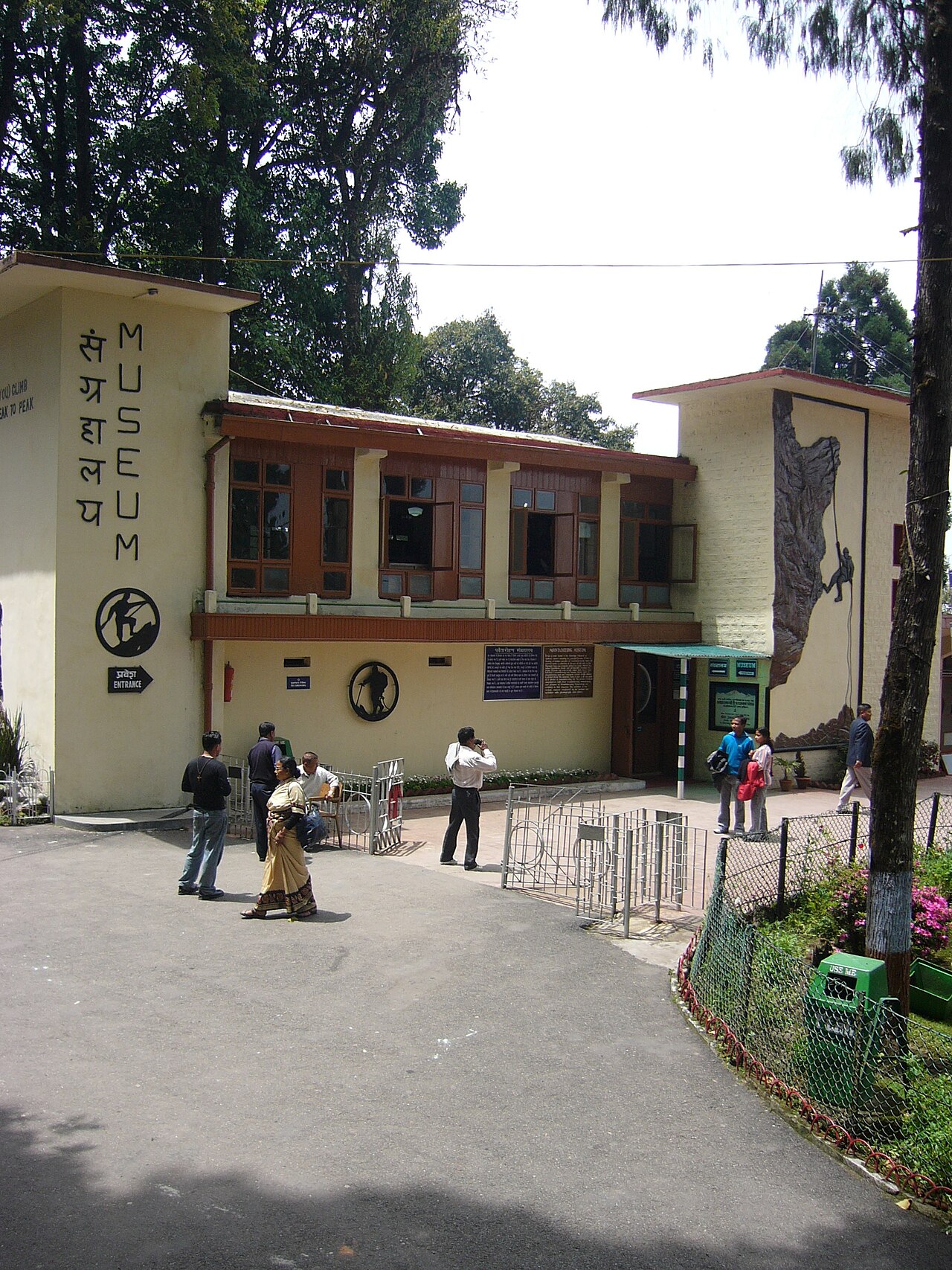
Himalayan Mountaineering Institute
Museum · 150 m · about 3 min walk
 #9 in Darjeeling
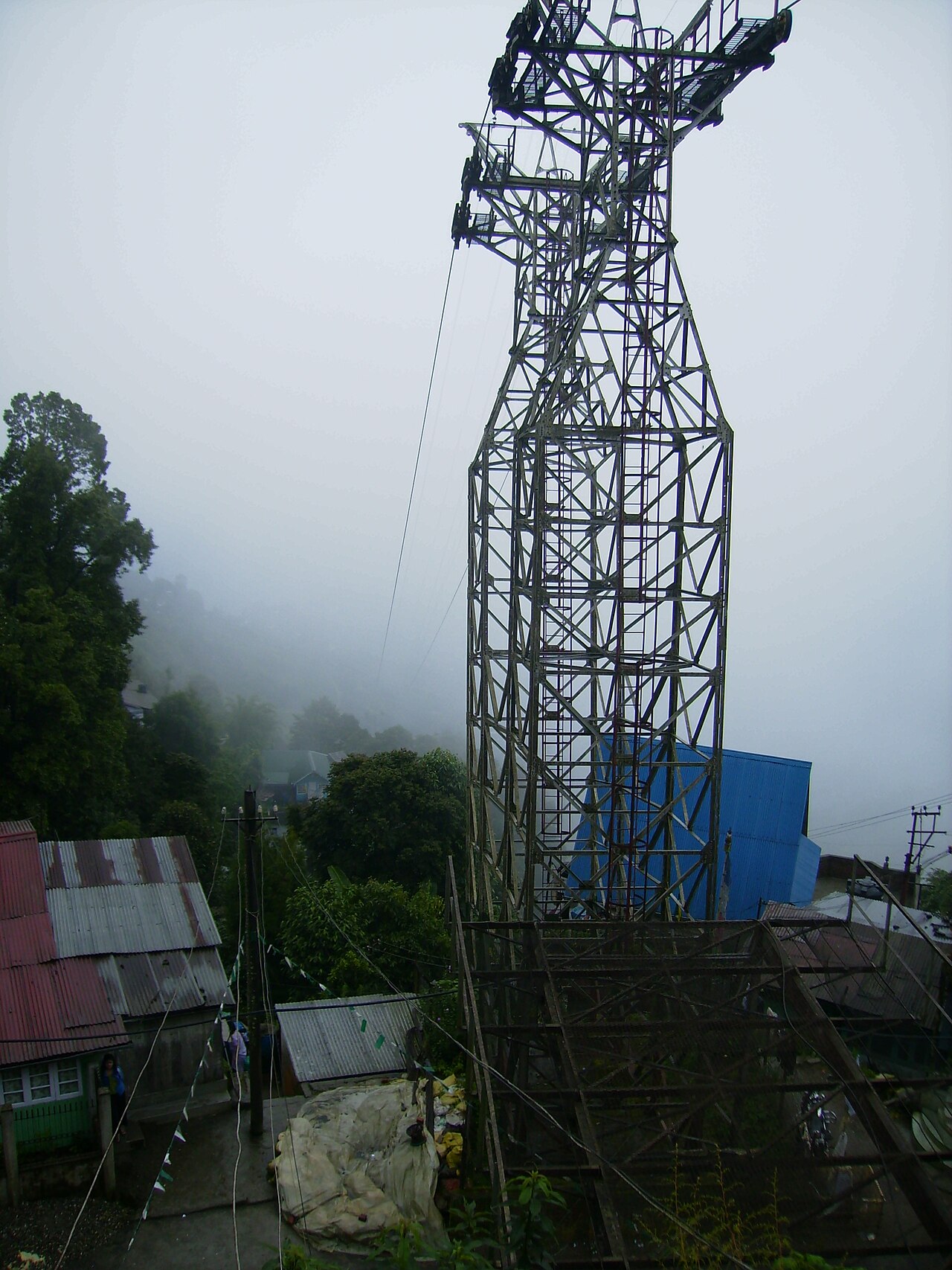
Darjeeling Ropeway
Nature · 300 m · about 5 min walk
 #6 in Darjeeling
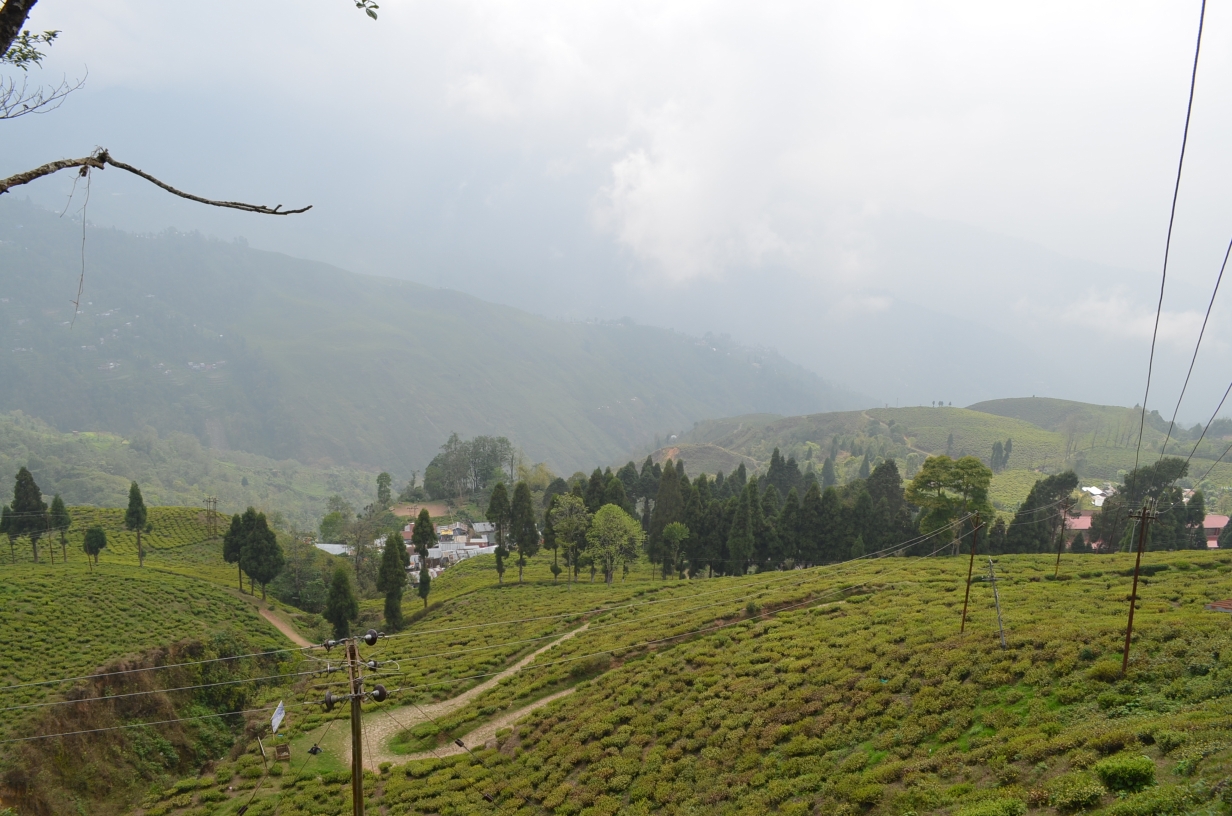
Happy Valley Tea Estate
Nature · 850 m · about 14 min walk
 #8 in DarjeelingFree entry
Observatory Hill
Viewpoint · 1.8 km · about 29 min walk