
Ghoom Monastery
#3of 9 places to visit in DarjeelingDarjeeling, West Bengal
Also known as Yiga Choeling Monastery · Old Ghoom Monastery
Quick answer
Opening hours: 06:00–18:00. Entry: ₹20. Allow 45 min. Best time: 07:30 – 09:00.
Updated · Compiled by Traveliac, AI-assisted · 5 min read
- Opening hours
- 06:00–18:00
- Entry fee
- ₹20
- Ticket from
- Time needed
- 45 min
- Best time of day
- 07:30 – 09:00
- Best months
- Oct – Apr
- Address
- Monastery Road, opposite Ghoom Post Office, Ghoom, Darjeeling district, West Bengal 734102
About Ghoom Monastery
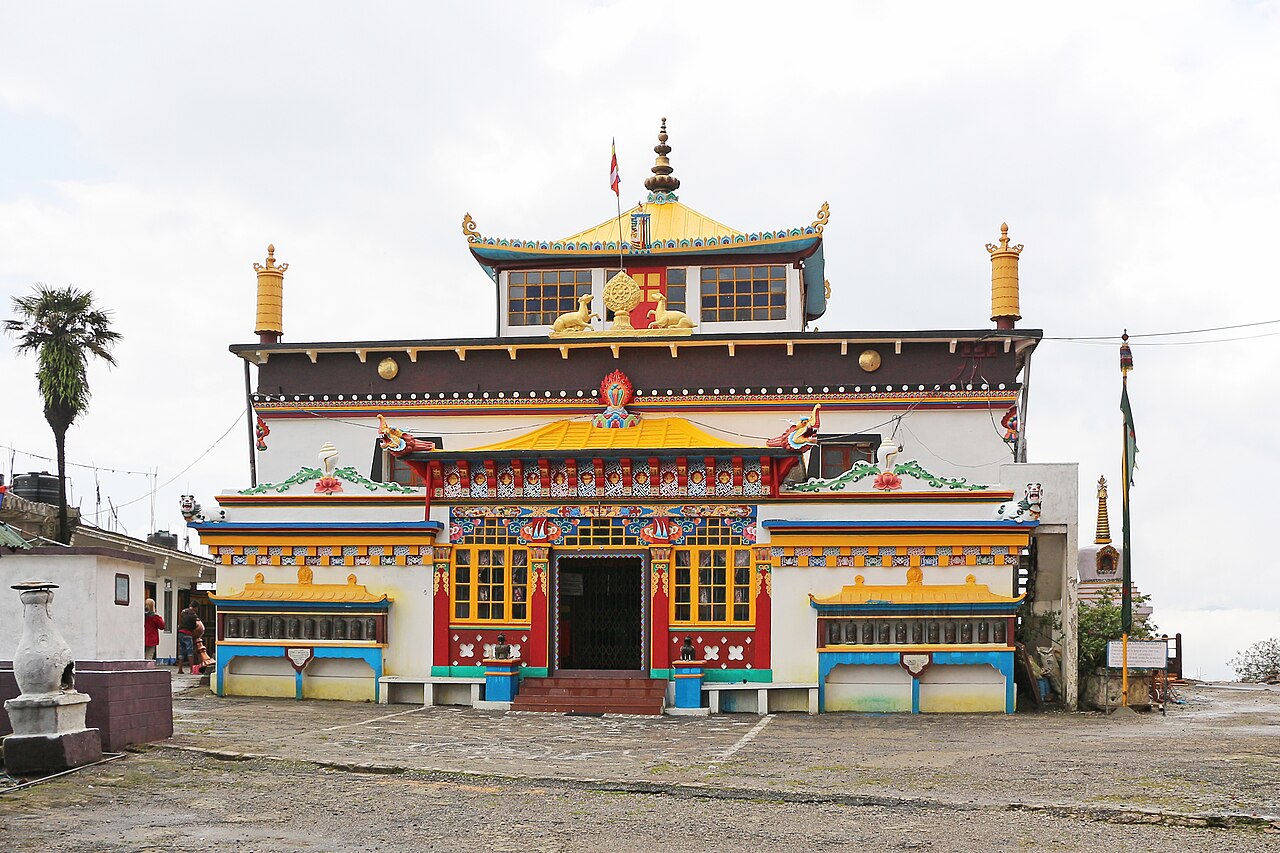
Ghoom Monastery, formally the Yiga Choeling Monastery, was founded in 1850 at Ghoom, 8 kilometres from Darjeeling town, making it the oldest Tibetan Buddhist monastery in the Darjeeling hills. The monastery is a modest single-storey structure by the standards of larger Himalayan gompas, but its interior holds a 15-foot-high seated image of Maitreya Buddha — the Buddha of the future, referred to locally as Gyalwa Shampa — gilded and set behind glass at the rear of the main prayer hall. The statue was commissioned decades after the monastery's founding, under the leadership of the Domo Geshe Rinpoche lineage, and remains the building's defining feature. Ghoom sits at roughly 2,440 metres elevation, higher than Darjeeling town itself, and the monastery's low ridge-top position gives it clear views over the surrounding tea gardens on days without cloud cover. Rows of prayer wheels line the entrance corridor, and the scent of butter lamps and juniper incense inside the hall is constant through opening hours, maintained by resident monks who continue to use the space for daily ritual rather than for tourist display alone.
Best time of day: 07:30 – 09:00. As the second or third stop on the Tiger Hill sunrise circuit, before tour groups arrive later in the morning.
Photography
₹10 camera fee
Ghoom Monastery timings
Ghoom Monastery opens at 06:00 and closes at 18:00. The weekend is no different: Saturday and Sunday follow the same times.
- Opening hours
- 06:00–18:00
Mon–Sun 06:00–18:00 - Closed on
- Open every day
Opening hours compiled from darjeeling.gov.in and public records, last updated . They change without notice — confirm before you travel. How we write these guides
Ghoom Monastery ticket price
| Ticket | Price |
|---|---|
| Indian visitors | ₹20 |
| Foreign visitors | ₹20 |
| Children | ₹10 |
| Camera | ₹10 |
Accounts differ sharply on whether Ghoom Monastery charges admission at all: several sources describe free entry with a voluntary donation box, while others cite a ₹20 adult / ₹10 child ticket plus a small camera charge. As of 2026, verify at the counter — carry small notes for either a ticket or a donation.
Prices compiled from darjeeling.gov.in and public records, last updated . They change without notice — confirm before you travel. How we write these guides
Best time to visit Ghoom Monastery
- Quiet
- Moderate
- Busy
06:00 – 07:30
Early OpeningBest time to go
Gates open with resident monks conducting early prayers; very few visitors present, offering the quietest window to view the Maitreya Buddha statue.
Quiet07:30 – 09:30
Sunrise-Circuit Arrivals
Shared jeeps from the Tiger Hill sunrise circuit arrive in waves; the prayer hall sees a steady but manageable flow of visitors.
Moderate11:00 – 15:00
Midday Tour Groups
Larger day-tour coaches and taxis from Darjeeling and Siliguri arrive; the small prayer hall can feel crowded given its modest size.
Busy15:00 – 18:00
Afternoon Wind-Down
Crowds thin substantially; resident monks resume routine duties and the courtyard is calm before the 18:00 closing.
Quiet
History of Ghoom Monastery
Sokpo Sherab Gyatso, a Mongolian astrologer and monk, founded Yiga Choeling Monastery in 1850, making it the first Tibetan Buddhist monastery established in the Darjeeling region — predating the town's development as a major hill station retreat by only a few decades. Sherab Gyatso led the monastery until 1905, building its early reputation as a centre of Gelug tradition study and astrological practice in the eastern Himalaya.
The monastery's signature Maitreya Buddha statue was commissioned under a later head of the monastery from the Domo Geshe Rinpoche lineage, a period when Ghoom's monastic community grew in stature across the region. The 1959 Chinese occupation of Tibet sent a wave of monks fleeing across the Himalaya into India, and a number of senior Tibetan Buddhist monks took refuge at Ghoom Monastery during this period, reinforcing its role as a continuing seat of Gelug practice rather than a historical relic. The monastery today functions alongside several newer monasteries in the immediate area — Samten Choeling, Sakya Choeling, and Phin — that have grown up around Ghoom's original foundation.
Rules & etiquette at Ghoom Monastery
Shoes must be removed before entering the main prayer hall, and a rack near the entrance is provided for this purpose. Photography inside the hall is generally tolerated without a flash, but a monk on duty will ask visitors to step back from the inner sanctum immediately around the Maitreya Buddha statue if a service or private ritual is underway.
Modest dress is expected — shoulders and knees covered — though the monastery does not enforce this as strictly as some larger Tibetan institutions further north. Walking clockwise around the prayer hall and any chorten in the courtyard follows standard Tibetan Buddhist practice and is appreciated by resident monks, even though it is not formally required of visitors. Loud conversation inside the hall while monks are chanting or performing puja is discouraged by the caretaker on duty.
Tips for visiting Ghoom Monastery
- 1
Ghoom Monastery is best combined with Tiger Hill and Batasia Loop as a single pre-breakfast circuit, since all three sit within a few kilometres of each other along the Hill Cart Road corridor toward Ghoom; shared jeep drivers on the sunrise route already build in a 20–30 minute stop here. Arriving independently by taxi later in the morning avoids the convoy crowds but loses the cooler, clearer light that the early circuit benefits from.
- 2
Ghoom railway station, 1 kilometre away and the highest railway station in India at 2,258 metres, is worth the short walk if time allows — it sits directly on the Darjeeling Himalayan Railway's joy-ride route and has its own small museum of railway memorabilia. Small stalls near the monastery entrance sell prayer flags, singing bowls, and woollens at negotiable prices; quality and pricing vary more than at Darjeeling town's main market stalls, so comparing two or three vendors before buying is worthwhile.
How to reach Ghoom Monastery
The red star is Ghoom Monastery; the numbered pins are the 8 nearest places in our guides, each showing its rank in its city. Tap a pin for details.
Monastery Road, opposite Ghoom Post Office, Ghoom, Darjeeling district, West Bengal 734102Directions in Google Maps
From Darjeeling Chowk Bazaar
₹100–₹1808 km · 20–30 min
Shared jeep, typically as part of the Tiger Hill sunrise circuit
From Ghoom railway station
1 km · 10–15 min walk
Free (walking distance) or ₹30–₹50 (shared auto)
From Bagdogra Airport (IXB)
₹2,200–₹2,80090 km · 3–3.5 hours
Private taxi via Darjeeling
Nearest airport
From Bagdogra Airport (IXB)
approximately 90 km, 3–3.5 hours by road.
Nearest railway station
From Ghoom railway station
approximately 1 km, the highest railway station in India on the Darjeeling Himalayan Railway at 2,258 metres elevation.
Ghoom Monastery FAQs
Is Ghoom Monastery the same as Yiga Choeling Monastery?
Yes, Ghoom Monastery and Yiga Choeling Monastery refer to the same building; Yiga Choeling is the monastery's formal name and Ghoom Monastery (or Old Ghoom Monastery) is the common local and tourist name, taken from the surrounding settlement of Ghoom.
How old is Ghoom Monastery?
It was founded in 1850 by the Mongolian monk and astrologer Sokpo Sherab Gyatso, making it the oldest Tibetan Buddhist monastery in the Darjeeling region, established roughly 175 years before 2026.
What is the main thing to see inside the monastery?
The 15-foot-high gilded statue of Maitreya Buddha, known locally as Gyalwa Shampa, seated at the rear of the main prayer hall. It was commissioned under the monastery's later Domo Geshe Rinpoche leadership and remains its defining feature.
Is there an entry fee for Ghoom Monastery?
Sources conflict: some describe free entry with a voluntary donation box, others cite a small ticket of roughly ₹20 for adults and ₹10 for children plus a camera charge. Carrying small cash for either option and confirming at the door is the practical approach as of 2026.
Compiled with AI assistance from official sources and public records, and published only after the checks in How we write these guides. Nobody from Traveliac has visited this place. Last updated . How we rank and check places
Places to visit near Ghoom Monastery
Straight-line distances from our map; times are estimates.
 #2 in Darjeeling
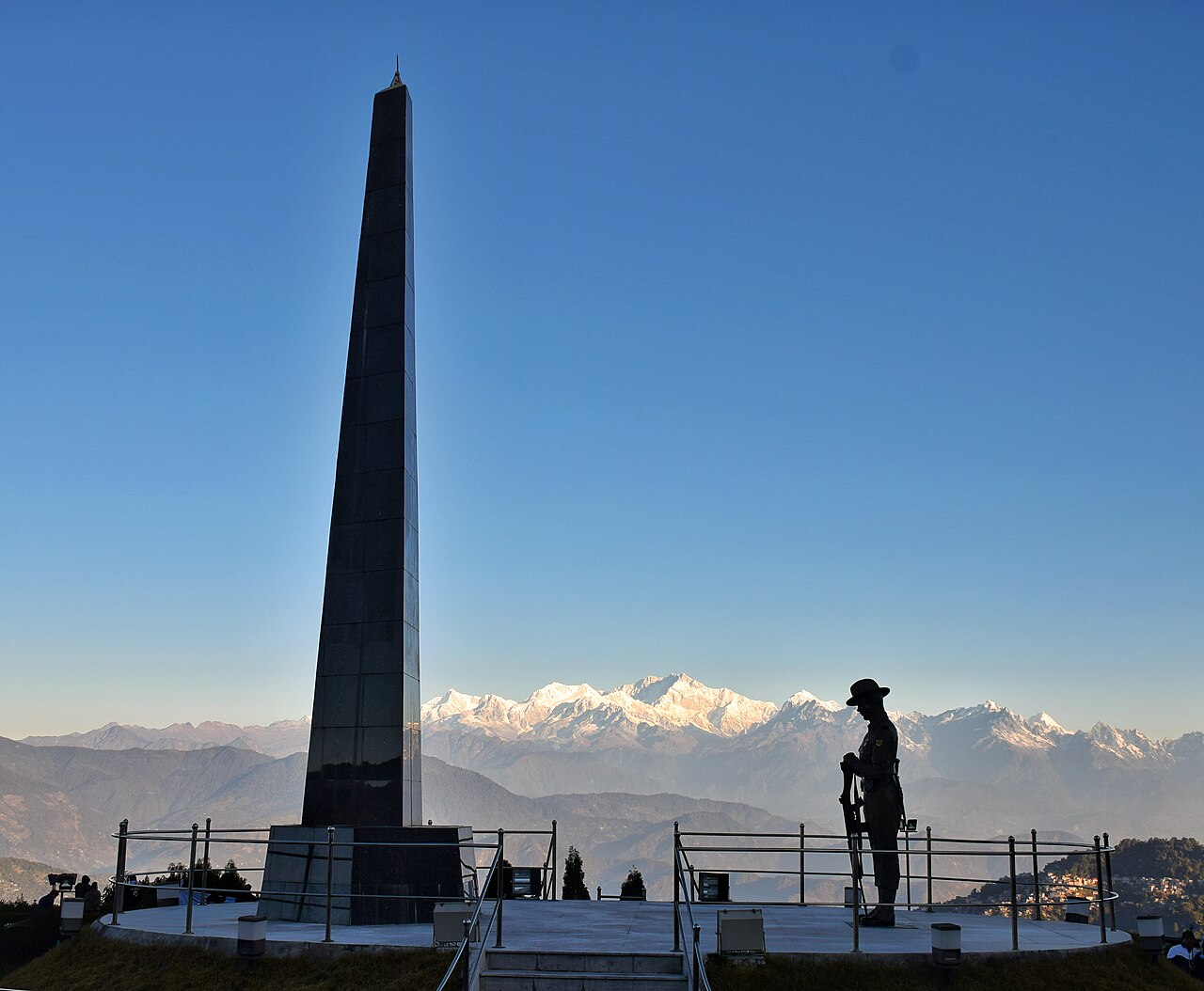
Batasia Loop
Memorial · 650 m · about 10 min walk
 #7 in DarjeelingFree entry
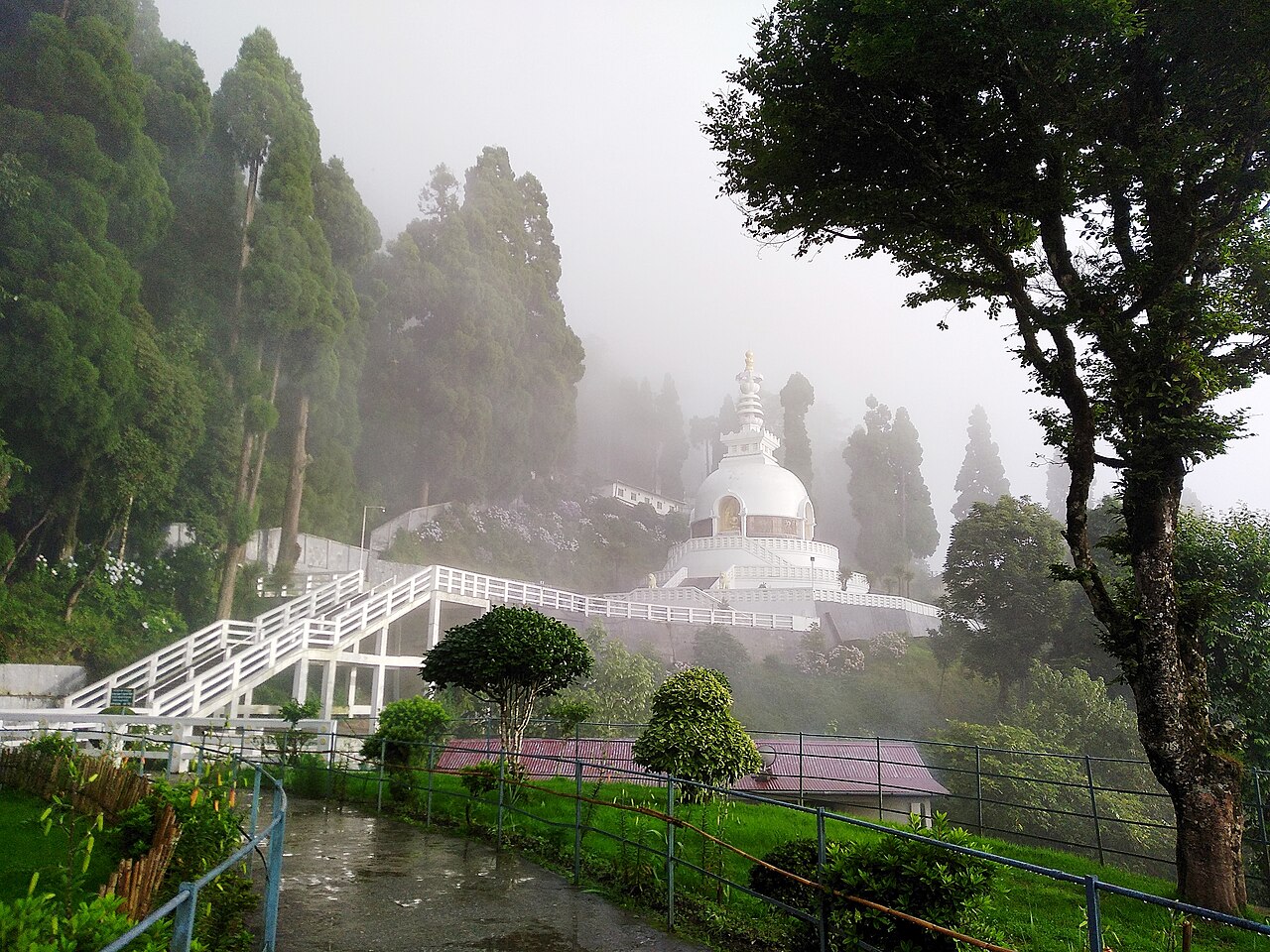
Japanese Peace Pagoda
Memorial · 2.0 km · about 32 min walk
 #1 in Darjeeling
Tiger Hill
Viewpoint · 4 km · about 10 min by road
 #8 in DarjeelingFree entry
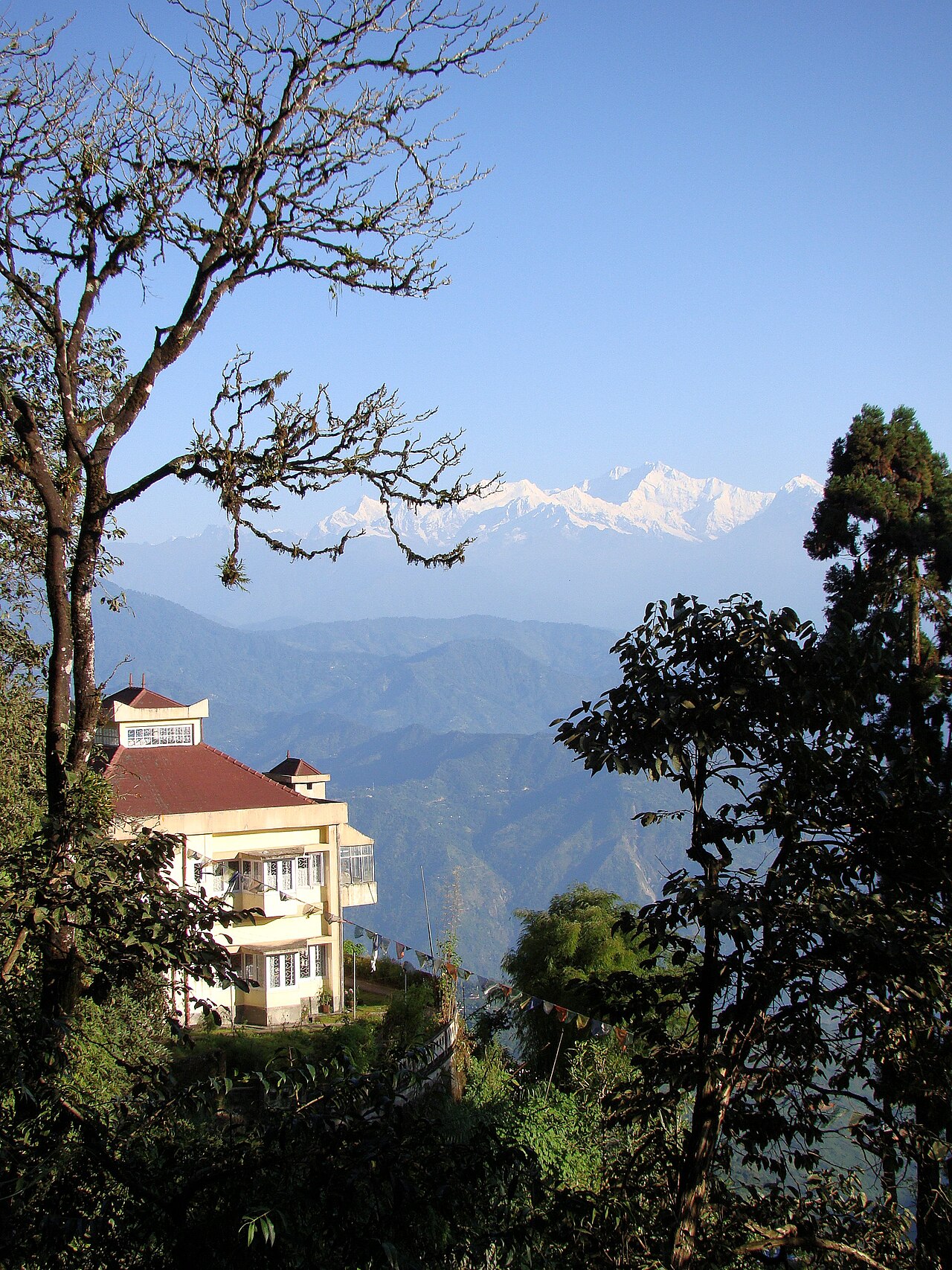
Observatory Hill
Viewpoint · 4 km · about 15 min by road