
Observatory Hill
#8of 9 places to visit in DarjeelingDarjeeling, West Bengal
Also known as Mahakal Temple · Mahakal Dara
Quick answer
Opening hours: 06:00–18:00. Entry is free. Allow 45 min. Best time: 07:00 – 09:00 or 16:30 – 18:00.
Updated · Compiled by Traveliac, AI-assisted · 5 min read
- Opening hours
- 06:00–18:00
- Entry fee
- Free
- Time needed
- 45 min
- Best time of day
- 07:00 – 09:00 or 16:30 – 18:00
- Best months
- Oct – Apr
- Address
- Observatory Hill, above Chowrasta Square, Darjeeling, West Bengal 734101
About Observatory Hill
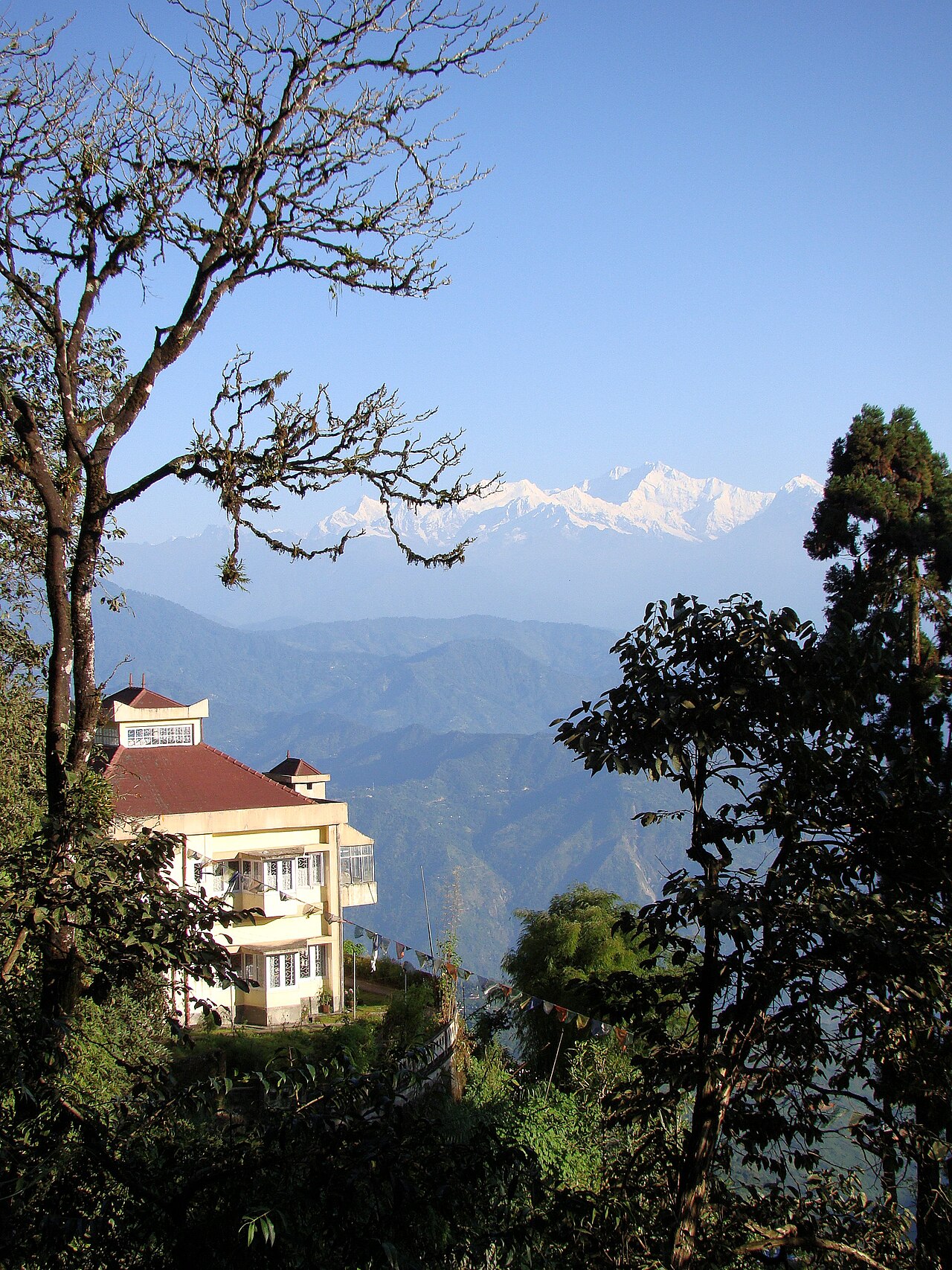
Observatory Hill rises to 2,134 metres directly above Chowrasta Square, Darjeeling town's central promenade, and holds the Mahakal Temple — a site built in 1782 by Lama Dorjey Rinzing that blends Hindu and Buddhist worship in a single compound rather than separating the two traditions. On a clear day, twelve or more Himalayan peaks above 6,000 metres are visible from the hilltop, including Kangchenjunga, with the clearest stretch of visibility typically falling between October and November. The hill takes its English name from a nineteenth-century meteorological observatory that once stood at the summit, a structure no longer standing but whose name has outlasted the building itself. Prayer flags strung between trees and prayer wheels lining the approach path give the summit a distinctly layered religious character: Hindu shrines to Shiva sit alongside Buddhist chortens and images, a physical expression of the syncretic Buddhist-Hindu practice that has defined the site since long before it carried its current name. The Bhutia Busty Monastery originally stood on this same hilltop before relocating lower down the ridge, and older devotional traditions describe the location as a Rong (Lepcha) sacred site predating both the Hindu and Buddhist structures now present.
Best time of day: 07:00 – 09:00 or 16:30 – 18:00. When the light is low and clear-weather views of Kangchenjunga and the surrounding peaks are most likely, and before or after the midday crowds from Chowrasta pass through.
Observatory Hill timings
Observatory Hill opens at 06:00 and closes at 18:00. Those hours hold on Saturday and Sunday too.
- Opening hours
- 06:00–18:00
Mon–Sun 06:00–18:00 - Closed on
- Open every day
Opening hours compiled from darjeeling.gov.in and public records, last updated . They change without notice — confirm before you travel. How we write these guides
Observatory Hill ticket price
| Ticket | Price |
|---|---|
| Indian visitors | Free |
| Foreign visitors | Free |
| Children | Free |
| Camera | Free |
No admission fee is charged as of 2026. The hill and temple complex are open to the public free of charge.
Prices compiled from darjeeling.gov.in and public records, last updated . They change without notice — confirm before you travel. How we write these guides
Best time to visit Observatory Hill
- Quiet
- Moderate
06:00 – 08:00
Early Morning PilgrimsBest time to go
Local devotees visit for morning prayers; the summit is quiet, and clear-weather mountain views are often at their best before haze builds later in the day.
Quiet09:00 – 12:00
Morning Sightseeing
Visitors combining the hill with a Chowrasta walk arrive steadily; the temple path sees a mix of pilgrims and tourists.
Moderate12:00 – 16:00
Midday
Foot traffic continues at a steady pace from day-trippers exploring the town centre; the summit rarely feels overcrowded given its open layout.
Moderate16:30 – 18:00
Evening Light
Crowds thin as the day winds down; the softer evening light over the valley draws a smaller number of photographers and evening walkers before the 18:00 close.
Quiet
History of Observatory Hill
Lama Dorjey Rinzing built the Mahakal Temple in 1782, dedicating it to Shiva in his Mahakal form, at a location that Lepcha oral tradition already held to be sacred — described in some accounts as a Long Chok site, a category of erect-stone worship location predating organised Hindu or Buddhist practice in the region. The temple's construction did not displace this older layer of meaning so much as build directly on top of it, which is part of why the summit today carries both Hindu and Buddhist elements without a clear dividing line between them.
The Bhutia Busty Monastery once stood on the same hilltop before relocating to its present lower site on the ridge, and the English name Observatory Hill dates to the colonial period, when a meteorological observatory was constructed at the summit to take advantage of its elevation and clear sightlines — a structure that has since been removed, leaving only the name in continued local and official use. The hill's role as a viewpoint over the eastern Himalaya predates any of its built structures, given as the entire reason each successive religious and scientific establishment chose the site.
Rules & etiquette at Observatory Hill
Shoes are removed before entering the temple's inner shrine areas, and a shoe-minding spot is available near the main entrance path; footwear can otherwise be worn on the open hilltop paths and viewing areas. Modest dress is expected within the temple precinct itself, though the surrounding hillside paths carry no formal dress requirement.
Dogs are common around the temple grounds, generally tolerated strays fed by temple staff and regular visitors, and are not aggressive toward tourists under normal circumstances, though visitors uncomfortable around animals should keep a reasonable distance. Because both Hindu and Buddhist worship take place within the same compound, visitors should be attentive to whichever ritual is in progress at a given shrine before approaching closely or photographing it.
Tips for visiting Observatory Hill
- 1
The walk up from Chowrasta Square takes 15 to 20 minutes on a paved but consistently uphill path, manageable for most visitors but worth pacing slowly given Darjeeling's altitude, particularly for those who have arrived from the plains within the previous day. Combining the hill with a broader Chowrasta and Mall Road walk makes practical sense, since the summit path begins directly from the square and requires no separate transport.
- 2
October and November offer the most reliable clear-sky views of the surrounding peak range from the summit; visitors travelling during the June–September monsoon should treat the mountain view as a bonus rather than the primary reason for the walk, since low cloud frequently obscures the horizon in these months regardless of time of day.
How to reach Observatory Hill
The red star is Observatory Hill; the numbered pins are the 8 nearest places in our guides, each showing its rank in its city. Tap a pin for details.
Observatory Hill, above Chowrasta Square, Darjeeling, West Bengal 734101Directions in Google Maps
From Chowrasta Square (The Mall)
0.8 km · 15–20 min walk (uphill)
Free (walking distance only; the summit path is not vehicle-accessible)
From Darjeeling railway station
₹60–₹1002 km · 8–12 min to Chowrasta, then 15–20 min walk
Taxi to Chowrasta, then on foot
From Bagdogra Airport (IXB)
₹2,200–₹2,80095 km · 3.5 hours
Private taxi to Darjeeling town, then on foot from Chowrasta
Nearest airport
From Bagdogra Airport (IXB)
approximately 95 km, 3.5 hours by road.
Nearest railway station
From Darjeeling railway station
approximately 2 km.
Observatory Hill FAQs
Is there an entry fee to visit Observatory Hill and Mahakal Temple?
No, entry is free as of 2026. The hill and temple complex are open to the public without charge, from 06:00 to 18:00 daily.
Why does the temple have both Hindu and Buddhist shrines?
The site predates both traditions as a Lepcha sacred location, and the Mahakal Temple built in 1782 by Lama Dorjey Rinzing incorporated Buddhist elements alongside its Hindu dedication to Shiva, a syncretic layout the site has retained since.
How long does it take to walk up to Observatory Hill from Chowrasta?
About 15 to 20 minutes on a paved but steadily uphill path. No vehicle access exists to the summit itself.
What can you see from the top of Observatory Hill?
Twelve or more Himalayan peaks above 6,000 metres, including Kangchenjunga, are visible on a clear day, with the most reliable visibility between October and November.
Compiled with AI assistance from official sources and public records, and published only after the checks in How we write these guides. Nobody from Traveliac has visited this place. Last updated . How we rank and check places
Places to visit near Observatory Hill
Straight-line distances from our map; times are estimates.
 #6 in Darjeeling
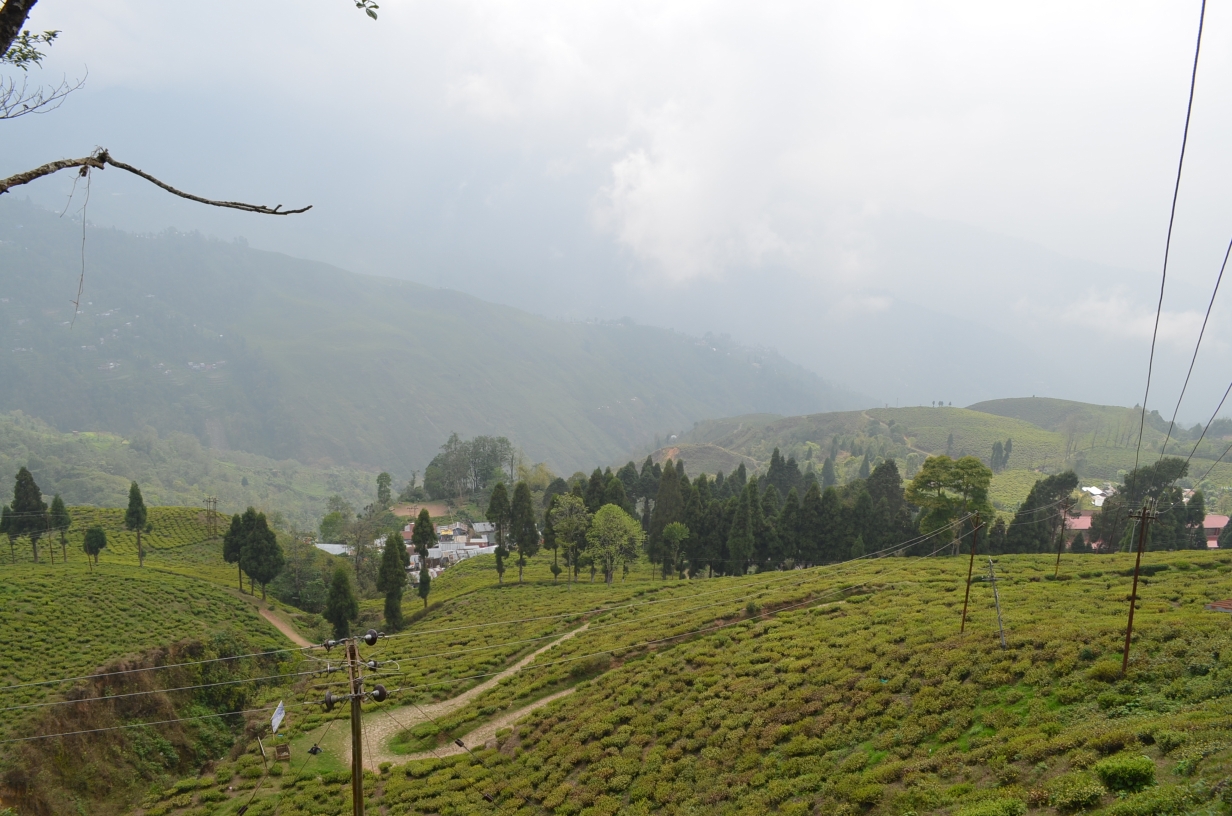
Happy Valley Tea Estate
Nature · 1.0 km · about 17 min walk
 #4 in Darjeeling
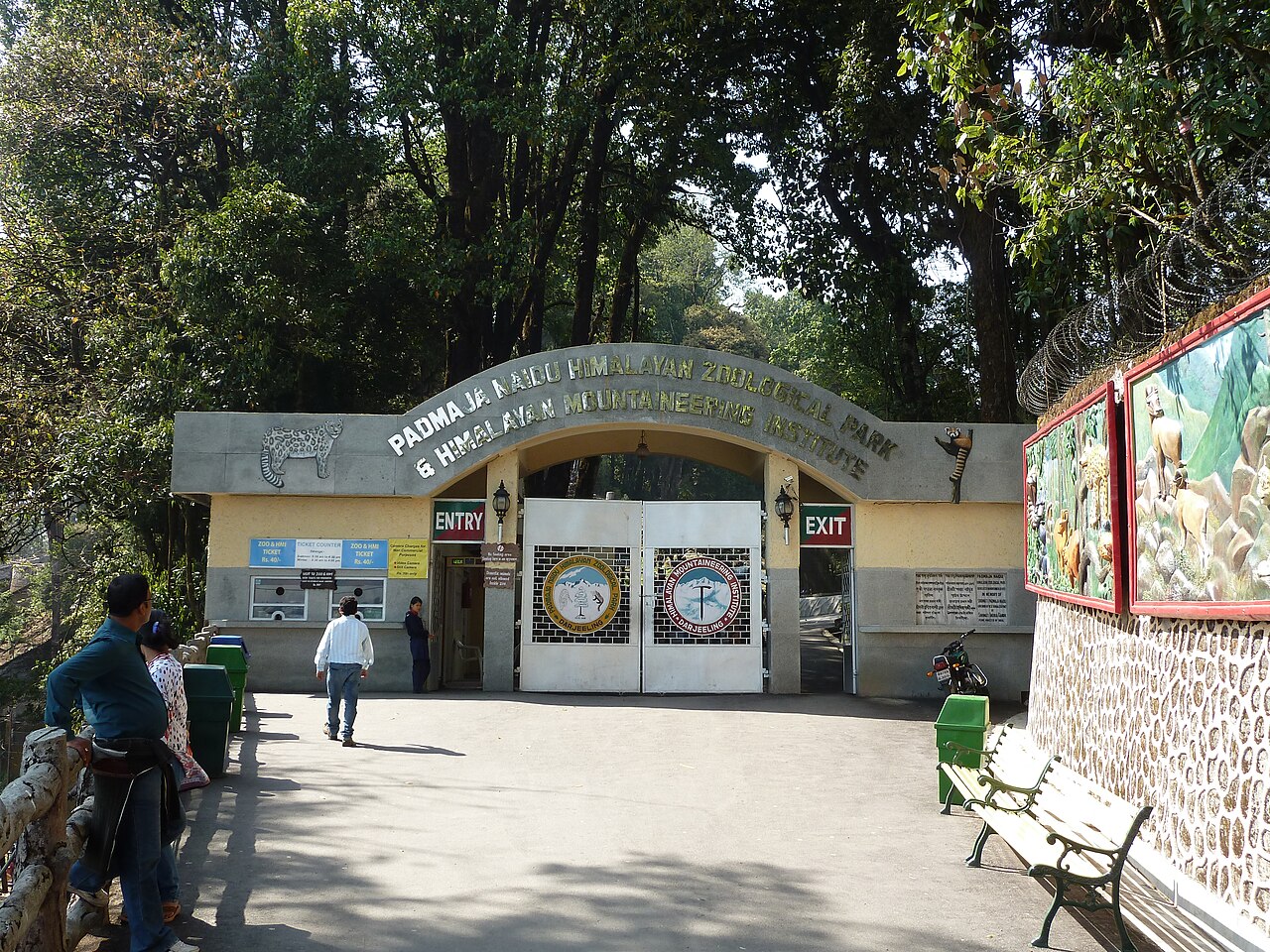
Padmaja Naidu Himalayan Zoological Park
Wildlife · 1.8 km · about 29 min walk
 #5 in Darjeeling
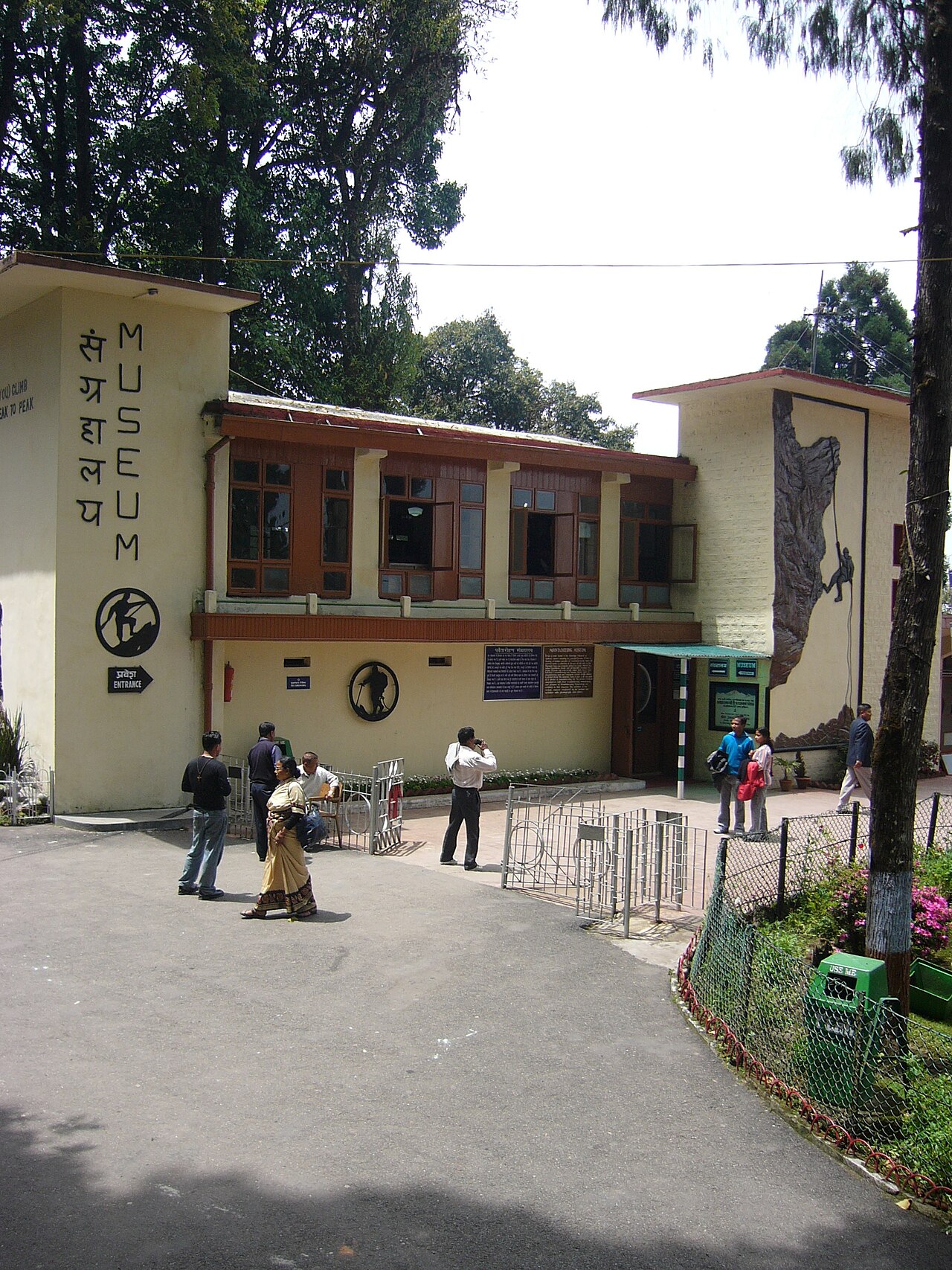
Himalayan Mountaineering Institute
Museum · 2.0 km · about 32 min walk
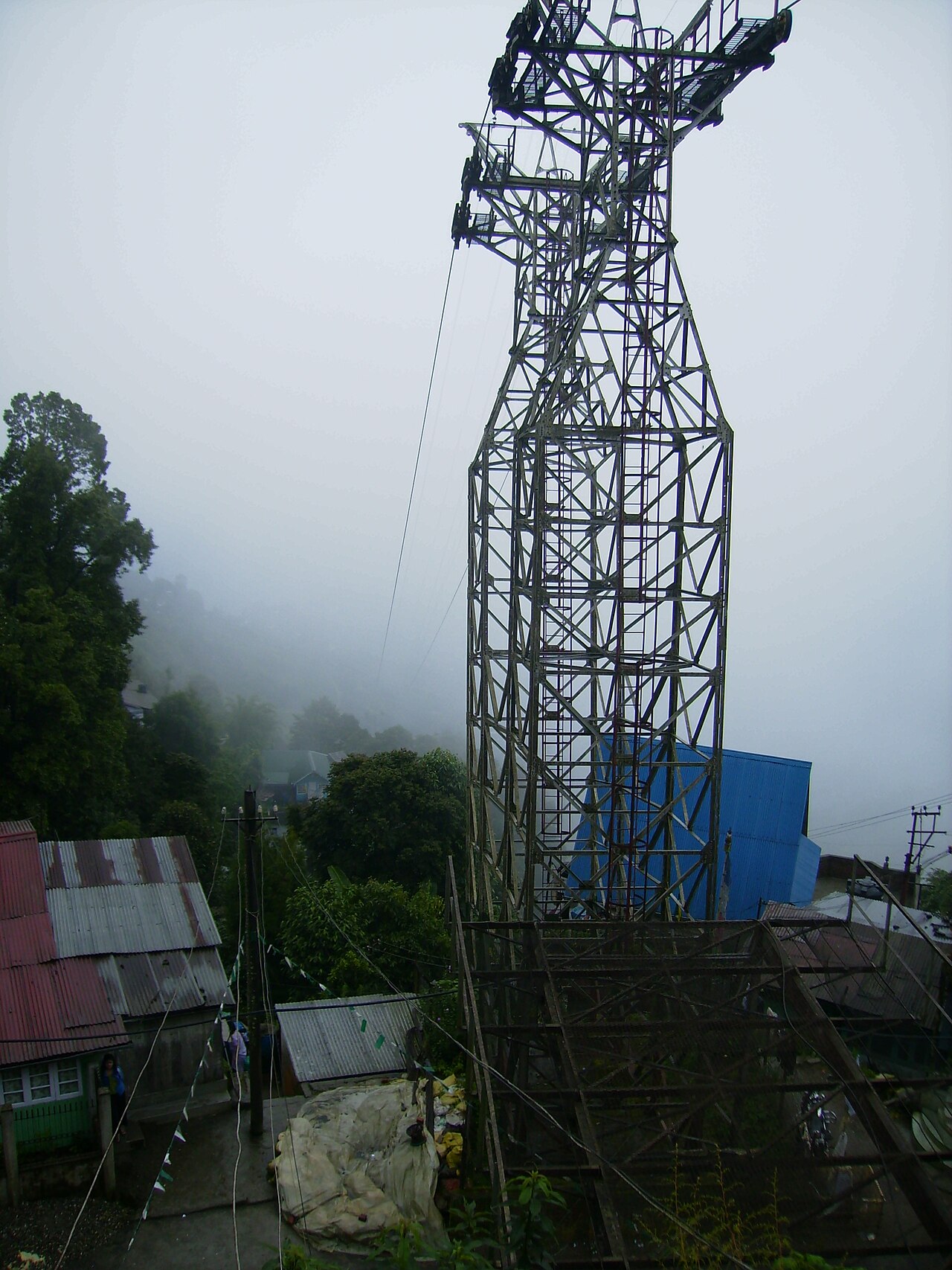 #9 in Darjeeling
Darjeeling Ropeway
Nature · 2.1 km · about 34 min walk