
Chausath Yogini Temple
#7Khajuraho ਵਿੱਚ ਘੁੰਮਣ ਵਾਲੀਆਂ 9 ਥਾਵਾਂ ਵਿੱਚੋਂKhajuraho, Madhya Pradesh
ਇਸਨੂੰ ਇਹ ਵੀ ਕਿਹਾ ਜਾਂਦਾ ਹੈ 64 Yogini Temple · Chausath Jogini Temple
ਸੰਖੇਪ ਜਵਾਬ
ਖੁੱਲ੍ਹਣ ਦਾ ਸਮਾਂ: 06:00–18:00. ਪ੍ਰਵੇਸ਼ ਮੁਫ਼ਤ ਹੈ। 30 min ਦਾ ਸਮਾਂ ਰੱਖੋ। ਸਭ ਤੋਂ ਵਧੀਆ ਸਮਾਂ: 06:30–08:00 or 17:00–18:00।
ਅੱਪਡੇਟ ਕੀਤਾ · ਤਿਆਰ ਕੀਤਾ Traveliac, AI ਦੀ ਮਦਦ ਨਾਲ · 6 ਮਿੰਟ ਦਾ ਪੜ੍ਹਨ
- ਖੁੱਲ੍ਹਣ ਦਾ ਸਮਾਂ
- 06:00–18:00
- Sunrise to sunset (approximately 06:00–18:00) daily; unrestricted access, no ticket window to observe
- ਪ੍ਰਵੇਸ਼ ਫ਼ੀਸ
- ਮੁਫ਼ਤ
- ਲੋੜੀਂਦਾ ਸਮਾਂ
- 30 min
- ਦਿਨ ਦਾ ਵਧੀਆ ਸਮਾਂ
- 06:30–08:00 or 17:00–18:00
- ਵਧੀਆ ਮਹੀਨੇ
- Oct – Mar
- ਪਤਾ
- On a granite mound approximately 500 metres southwest of the Western Group compound's main gate, near the Shivsagar tank, Khajuraho, Chhatarpur District, Madhya Pradesh 471606
Chausath Yogini Temple ਬਾਰੇ
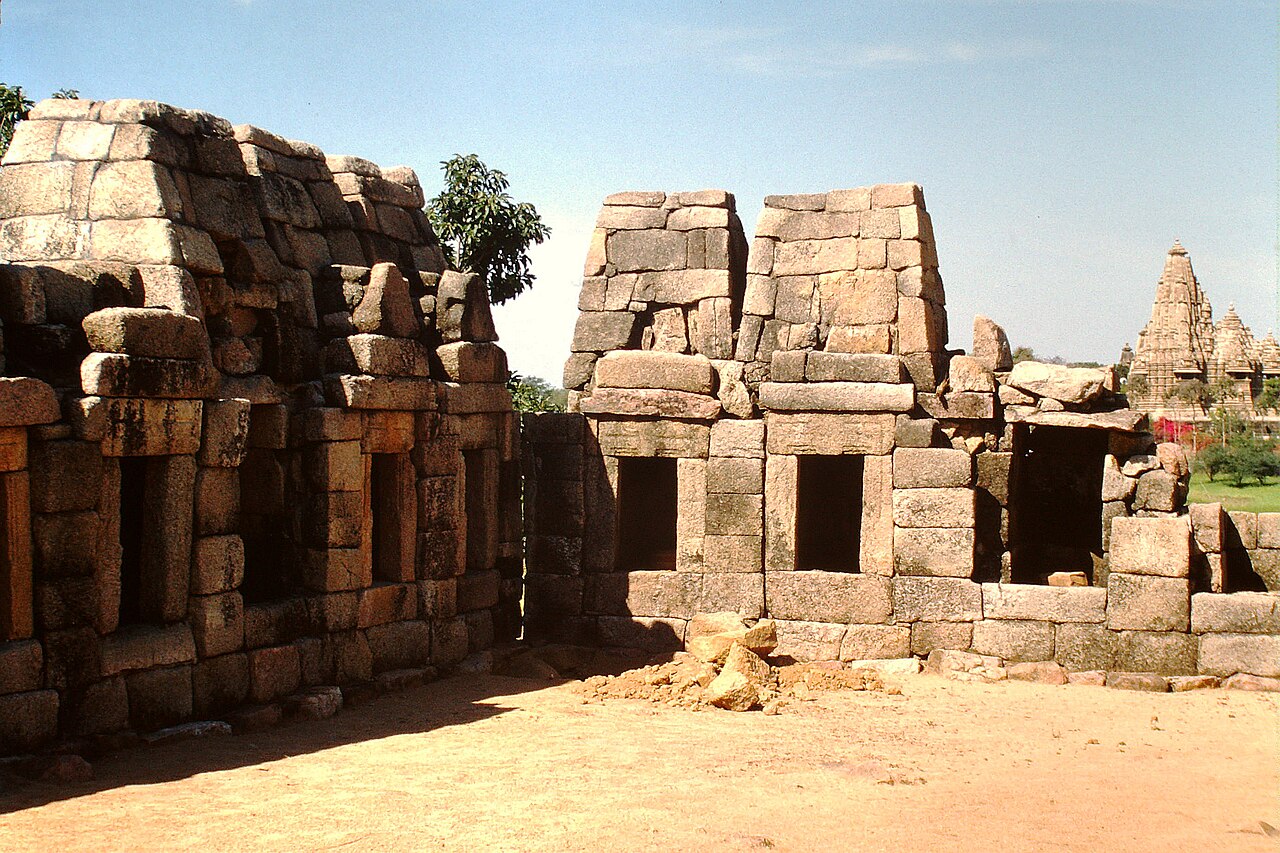
The Chausath Yogini Temple is the oldest surviving structure at Khajuraho, generally dated to around 885 CE — more than a century before the Lakshmana Temple, the earliest securely dated building in the main Chandela sandstone cluster. It is also, uniquely among the site's monuments, built of coarse granite and gneiss rubble rather than the buff-to-honey sandstone used everywhere else at Khajuraho: the only granite construction in the entire complex, standing on its own low outcrop roughly half a kilometre from the manicured lawns of the Western Group. The name refers to its original plan — 'chausath' means sixty-four in Hindi, and the temple was designed as a rectangular courtyard ringed by 64 small individual shrine cells, each intended to house an image of a yogini, a class of fierce tantric goddesses attending a central mother goddess, whose own larger shrine stood at the western end of the enclosure. Today only around 35 of the peripheral cells survive in fragmentary form, the roof is entirely gone, and most of the yogini images themselves have been lost or removed to museum collections — what remains is a genuine ruin rather than an intact monument, walked mostly by travellers who have specifically sought it out rather than by the general tour-bus circuit.
ਦਿਨ ਦਾ ਵਧੀਆ ਸਮਾਂ: 06:30–08:00 or 17:00–18:00। The ruin has no shade and no facilities, so the low sun at either end of the day is both the most comfortable and the most atmospheric time to walk the mound, particularly given how few other visitors make the detour.
Chausath Yogini Temple ਦਾ ਸਮਾਂ
- ਖੁੱਲ੍ਹਣ ਦਾ ਸਮਾਂ
- 06:00–18:00
Mon–Sun 06:00–18:00 - Sunrise to sunset (approximately 06:00–18:00) daily; unrestricted access, no ticket window to observe
- ਬੰਦ ਰਹਿੰਦਾ ਹੈ
- ਹਰ ਰੋਜ਼ ਖੁੱਲ੍ਹਾ
ਖੁੱਲ੍ਹਣ ਦਾ ਸਮਾਂ asi.nic.in ਤੇ ਜਨਤਕ ਰਿਕਾਰਡ ਤੋਂ ਤਿਆਰ ਕੀਤਾ, ਆਖ਼ਰੀ ਵਾਰ ਨੂੰ ਅੱਪਡੇਟ ਕੀਤਾ. ਇਹ ਬਿਨਾਂ ਸੂਚਨਾ ਦੇ ਬਦਲ ਸਕਦੇ ਹਨ — ਸਫ਼ਰ ਤੋਂ ਪਹਿਲਾਂ ਪੁਸ਼ਟੀ ਕਰੋ। ਅਸੀਂ ਇਹ ਗਾਈਡਾਂ ਕਿਵੇਂ ਲਿਖਦੇ ਹਾਂ
Chausath Yogini Temple ਟਿਕਟ ਕੀਮਤ
| ਟਿਕਟ | ਕੀਮਤ |
|---|---|
| ਭਾਰਤੀ ਸੈਲਾਨੀ | ਮੁਫ਼ਤ |
| ਵਿਦੇਸ਼ੀ ਸੈਲਾਨੀ | ਮੁਫ਼ਤ |
| ਬੱਚੇ | ਮੁਫ਼ਤ |
| ਕੈਮਰਾ | ਮੁਫ਼ਤ |
Free, unticketed entry — this is an ASI-protected monument but it sits outside the fenced, ticketed Western Group enclosure and has no gate, booth, or attendant. It is not covered by, nor does it require, the Western Group composite ticket. Open access during daylight hours; there is no evening illumination or Sound and Light show here.
ਕੀਮਤਾਂ asi.nic.in ਤੇ ਜਨਤਕ ਰਿਕਾਰਡ ਤੋਂ ਤਿਆਰ ਕੀਤਾ, ਆਖ਼ਰੀ ਵਾਰ ਨੂੰ ਅੱਪਡੇਟ ਕੀਤਾ. ਇਹ ਬਿਨਾਂ ਸੂਚਨਾ ਦੇ ਬਦਲ ਸਕਦੇ ਹਨ — ਸਫ਼ਰ ਤੋਂ ਪਹਿਲਾਂ ਪੁਸ਼ਟੀ ਕਰੋ। ਅਸੀਂ ਇਹ ਗਾਈਡਾਂ ਕਿਵੇਂ ਲਿਖਦੇ ਹਾਂ
Chausath Yogini Temple ਘੁੰਮਣ ਦਾ ਸਹੀ ਸਮਾਂ
- Quiet
06:00–08:00
Early morningBest time to go
Almost always empty. Low sun angle across the exposed granite rubble gives the clearest sense of the original courtyard layout.
Quiet08:00–12:00
Late morning
A handful of independent travellers who have specifically sought the site out; no tour-group traffic. Heat builds quickly on the unshaded granite surface.
Quiet12:00–15:00
Midday heat
Least advisable window given the complete absence of shade; visitation is minimal for practical rather than crowd-management reasons.
Quiet15:00–18:00
Late afternoon and dusk
The most atmospheric period. Long shadows across the ruin and a near-total absence of other visitors. No lighting after dark — leave before sunset.
Quiet
Chausath Yogini Temple ਦਾ ਇਤਿਹਾਸ
The temple is attributed by most scholars to an early Chandela ruler working in the final decades of the 9th century, predating the dynasty's major dynastic building programme by more than a generation and establishing a goddess-cult presence at the site well before the grand Shiva and Vishnu temples of the Western Group were conceived. This makes Chausath Yogini historically foundational to Khajuraho even though it draws a fraction of the visitor traffic of the temples that came after it.
Sixty-four-yogini temples form a small, distinctive genre within Indian sacred architecture, with fewer than a dozen known examples surviving across the subcontinent, including a well-preserved circular example at Bheraghat near Jabalpur and another at Ranipur-Jharial in Odisha. Most surviving yogini temples, including both of those, are circular in plan. Khajuraho's is a rare rectangular outlier within the genre, a design difference that art historians have not fully explained but that marks the temple as architecturally distinct even within its own specialised category. The yogini cult itself is associated with Kaula and Tantric traditions in which the sixty-four goddesses represent aspects or attendants of a fierce central mother goddess, often identified at this site as Kali or Mahamaya, and worship involved esoteric practices markedly different from the mainstream Shaiva and Vaishnava devotion reflected in the later Chandela temples.
The temple's granite construction — quarried from the same rocky outcrops on which it stands, rather than the sandstone transported for the later Chandela building programme — has left it considerably more weathered and structurally compromised than its sandstone neighbours, which is one reason so little of the sculptural programme survives today compared to the richly preserved carving at Kandariya Mahadeva or Lakshmana. Like the rest of the site, it lay in obscurity until the 19th-century British survey of the area brought Khajuraho back to wider attention, and it was included in the 1986 UNESCO World Heritage inscription covering the whole Khajuraho Group of Monuments.
Chausath Yogini Temple ਦੇ ਨਿਯਮ ਤੇ ਸ਼ਿਸ਼ਟਾਚਾਰ
There is no ticket booth, gate, or ASI attendant on site, which also means there is no facility of any kind — no shade structure, no seating, no restroom, no water point. Visitors should carry their own water, particularly given the exposed granite surface's heat retention in the middle of the day. The footing across the ruin is uneven rubble and broken masonry rather than the paved walkways of the Western Group compound; sturdy footwear is genuinely useful here rather than merely advisable.
Because the site is unfenced and unticketed, it is also unsupervised, and solo visitors — particularly at the quieter early morning or dusk hours recommended for the best light — should exercise ordinary caution rather than assuming the same level of on-site oversight found in the main compound. As with all Khajuraho monuments, do not climb on or touch the fragile remaining masonry of the shrine cells.
Chausath Yogini Temple ਜਾਣ ਲਈ ਸੁਝਾਅ
- 1
Chausath Yogini appears on almost no standard tour-operator itinerary, despite being arguably the single most historically important structure at Khajuraho — it establishes a goddess-cult presence at the site more than a century before the famous sandstone temples were built, and its granite construction is a genuinely unique material fact within the complex. Make the short detour deliberately rather than assuming a driver or guide will suggest it.
- 2
The walk from the Western Group's back boundary, past the Shivsagar tank, takes about 10–15 minutes on foot and is a pleasant way to decompress after the density of carved surfaces in the main compound — there is almost nothing to read here, just rubble, silhouette, and the plain fact of the site's age.
- 3
Because it is unticketed and has no fixed opening or closing procedure, it can be worked into an itinerary at any point in the day, but the early morning or late afternoon light is considerably more forgiving on the exposed granite surface, and the near-total absence of other visitors at those hours suits a site whose value is largely about historical weight rather than visual spectacle.
Chausath Yogini Temple ਤੱਕ ਕਿਵੇਂ ਪਹੁੰਚੀਏ
ਲਾਲ ਤਾਰਾ Chausath Yogini Temple ਹੈ; ਨੰਬਰ ਵਾਲੇ ਪਿਨ ਸਾਡੀਆਂ ਗਾਈਡਾਂ ਦੀਆਂ 7 ਸਭ ਤੋਂ ਨਜ਼ਦੀਕੀ ਥਾਵਾਂ ਹਨ, ਹਰ ਇੱਕ ਆਪਣੇ ਸ਼ਹਿਰ ਵਿੱਚ ਆਪਣੀ ਰੈਂਕ ਨਾਲ. ਵੇਰਵੇ ਲਈ ਪਿਨ 'ਤੇ ਟੈਪ ਕਰੋ।
On a granite mound approximately 500 metres southwest of the Western Group compound's main gate, near the Shivsagar tank, Khajuraho, Chhatarpur District, Madhya Pradesh 471606Google Maps ਵਿੱਚ ਦਿਸ਼ਾ-ਨਿਰਦੇਸ਼
Western Group Main Gate ਤੋਂ
0.5 km · 10–15 min
Free
Khajuraho Airport (HJR) ਤੋਂ
₹100–1503 km · 12–18 min
Khajuraho Railway Station ਤੋਂ
₹150–2008 km · 20–25 min
ਨਜ਼ਦੀਕੀ ਹਵਾਈ ਅੱਡਾ
Khajuraho Airport (HJR) ਤੋਂ
approximately 3 km southwest
ਨਜ਼ਦੀਕੀ ਰੇਲਵੇ ਸਟੇਸ਼ਨ
Khajuraho Railway Station ਤੋਂ
approximately 8 km southeast
Chausath Yogini Temple — ਅਕਸਰ ਪੁੱਛੇ ਜਾਂਦੇ ਸਵਾਲ
Do I need a ticket to visit the Chausath Yogini Temple?
No. Unlike the Western Group temples, Chausath Yogini is unfenced and unticketed, with no gate or attendant on site. It is freely accessible during daylight hours and is not covered by, nor does it require, the Western Group composite ticket.
Why is this temple built of granite when every other Khajuraho temple is sandstone?
Chausath Yogini predates the main Chandela sandstone building programme by more than a century, dating to around 885 CE. It was built from granite and gneiss quarried directly from the outcrop it stands on, making it the only granite construction anywhere in the Khajuraho complex — every later temple, including the Lakshmana and Kandariya Mahadeva, uses transported buff-to-honey sandstone instead.
What were the 64 shrine cells originally for?
The rectangular courtyard was ringed by 64 individual small shrine cells, each intended to house a carved image of a yogini — a class of fierce tantric goddesses attending a central mother goddess, whose own larger shrine stood at the western end of the enclosure. Roughly 35 of the peripheral cells survive today in fragmentary form; most of the original yogini images have been lost or removed to museum collections, and the temple is now roofless.
Is this the only 64-yogini temple in India?
No, but it is unusual within its own small genre. Fewer than a dozen 64-yogini temples are known to survive across India, including well-preserved circular examples at Bheraghat near Jabalpur and at Ranipur-Jharial in Odisha. Khajuraho's version is a rare rectangular plan within that genre, a design distinction that remains only partly explained by scholars.
ਅਧਿਕਾਰਤ ਸਰੋਤਾਂ ਤੇ ਜਨਤਕ ਰਿਕਾਰਡ ਤੋਂ AI ਦੀ ਮਦਦ ਨਾਲ ਤਿਆਰ ਕੀਤਾ, ਅਤੇ ਇਸ ਵਿੱਚ ਦਿੱਤੀ ਜਾਂਚ ਤੋਂ ਬਾਅਦ ਹੀ ਪ੍ਰਕਾਸ਼ਿਤ ਕੀਤਾ ਅਸੀਂ ਇਹ ਗਾਈਡਾਂ ਕਿਵੇਂ ਲਿਖਦੇ ਹਾਂ. Traveliac ਤੋਂ ਕਿਸੇ ਨੇ ਵੀ ਇਸ ਥਾਂ ਦਾ ਦੌਰਾ ਨਹੀਂ ਕੀਤਾ। ਆਖ਼ਰੀ ਵਾਰ ਨੂੰ ਅੱਪਡੇਟ ਕੀਤਾ। ਅਸੀਂ ਥਾਵਾਂ ਨੂੰ ਕਿਵੇਂ ਰੈਂਕ ਤੇ ਜਾਂਚ ਕਰਦੇ ਹਾਂ
Chausath Yogini Temple ਦੇ ਨੇੜੇ ਘੁੰਮਣ ਵਾਲੀਆਂ ਥਾਵਾਂ
ਦੂਰੀਆਂ ਸਾਡੇ ਨਕਸ਼ੇ ਤੋਂ ਸਿੱਧੀ-ਰੇਖਾ ਵਿੱਚ ਹਨ; ਸਮਾਂ ਅਨੁਮਾਨਿਤ ਹੈ।
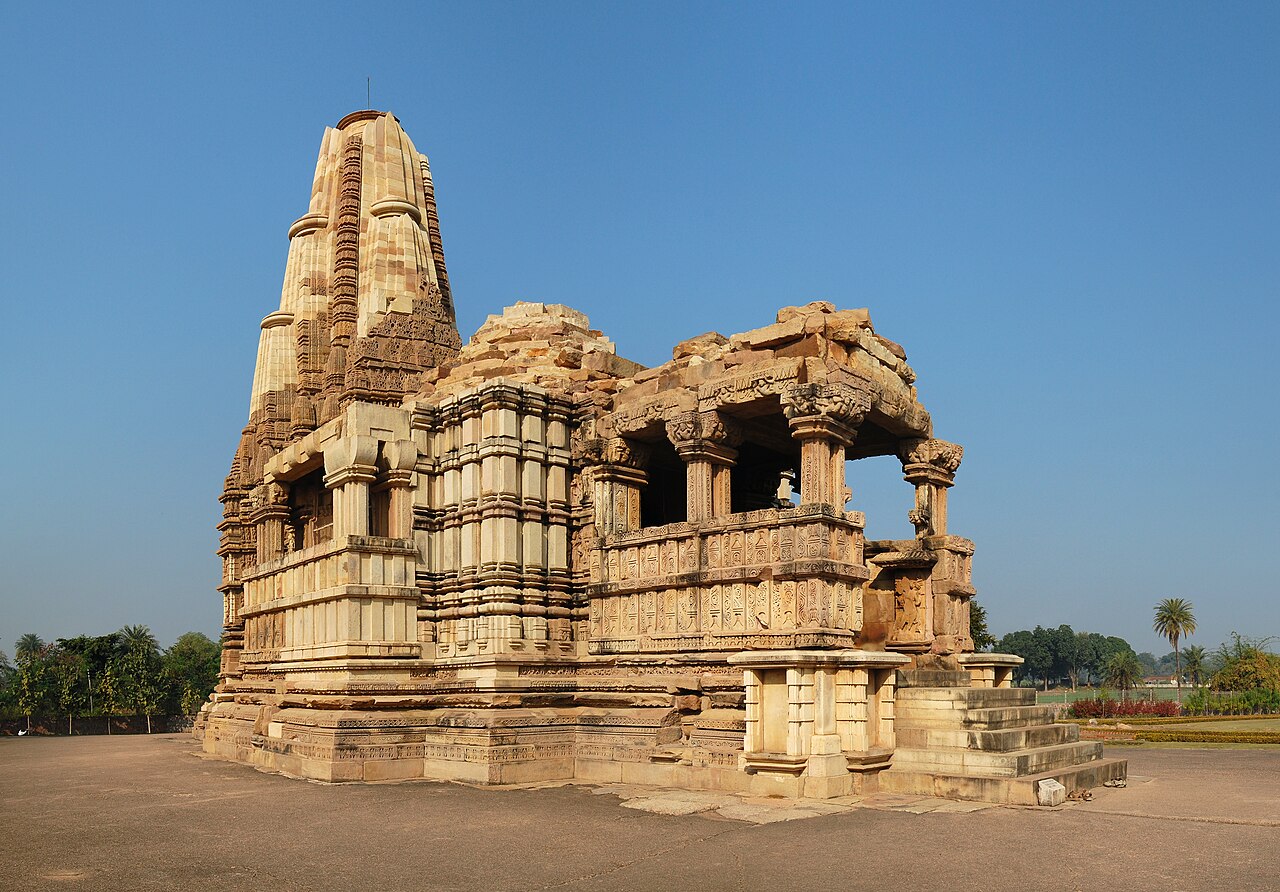 #8 in Khajurahoਮੁਫ਼ਤ ਪ੍ਰਵੇਸ਼
Duladeo Temple
ਮੰਦਰ · 400 m · about 7 min walk
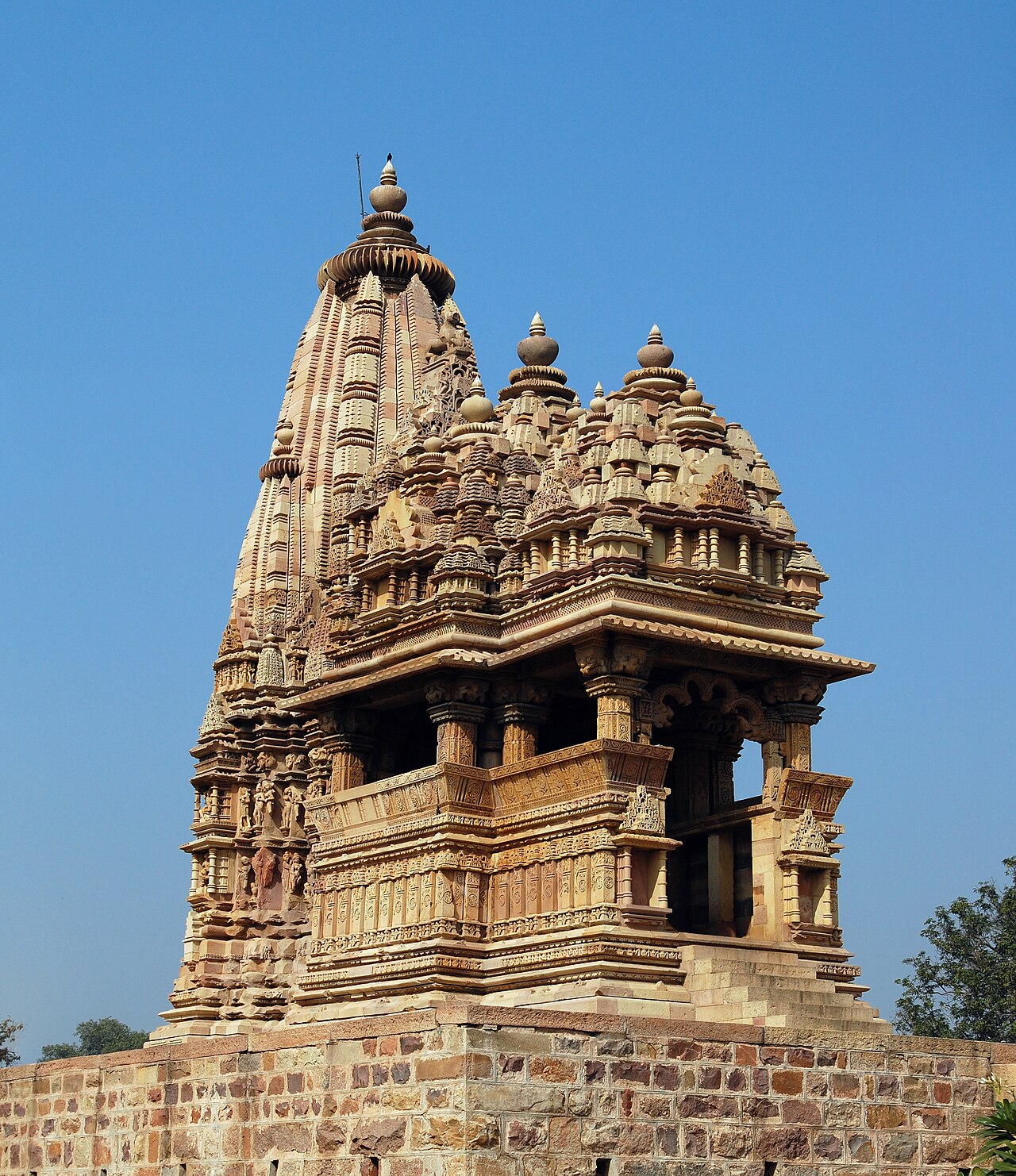 #9 in Khajurahoਮੁਫ਼ਤ ਪ੍ਰਵੇਸ਼
Javari Temple
ਮੰਦਰ · 400 m · about 7 min walk
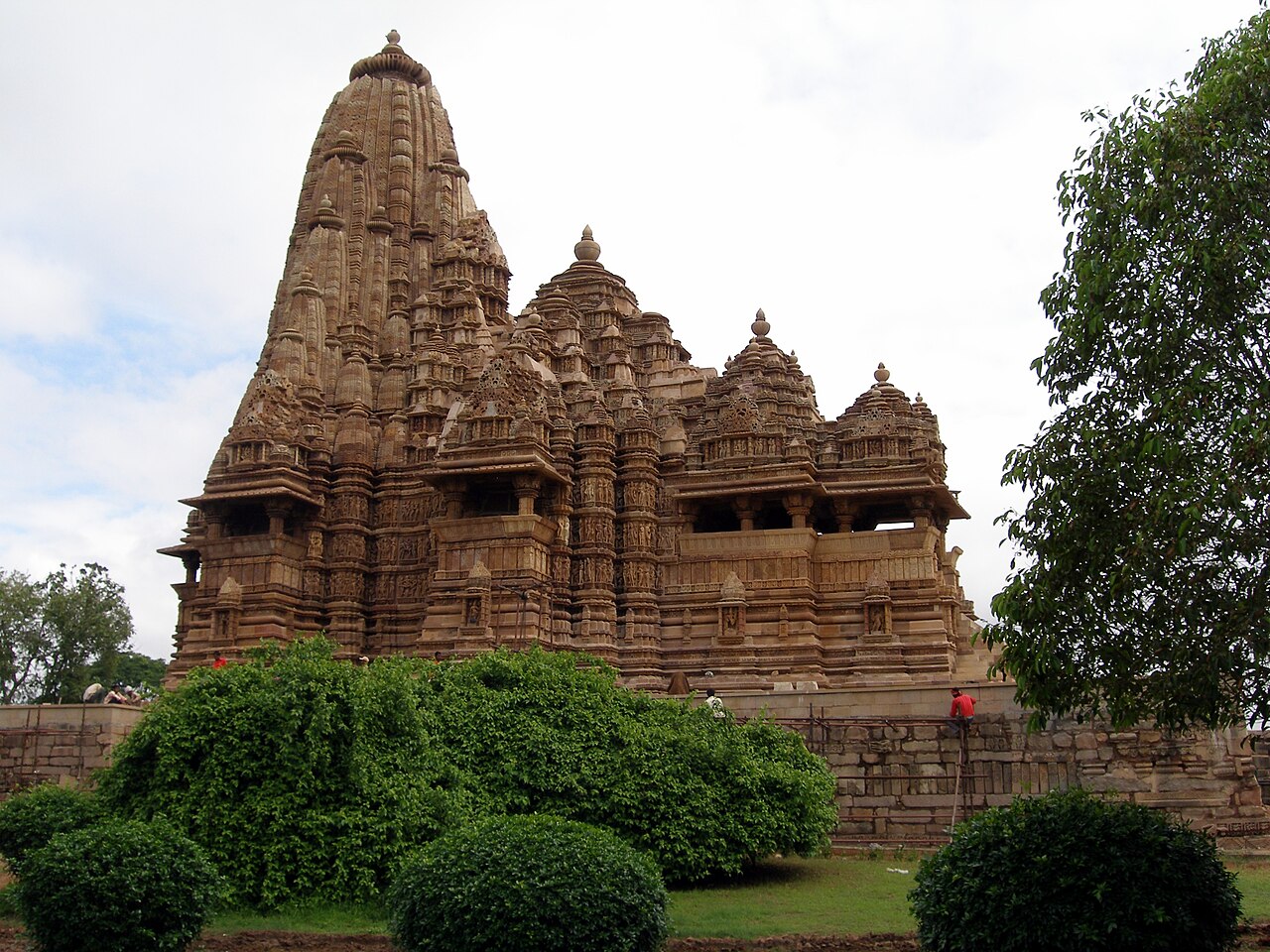 #1 in Khajuraho
Kandariya Mahadeva Temple
ਮੰਦਰ · 400 m · about 7 min walk
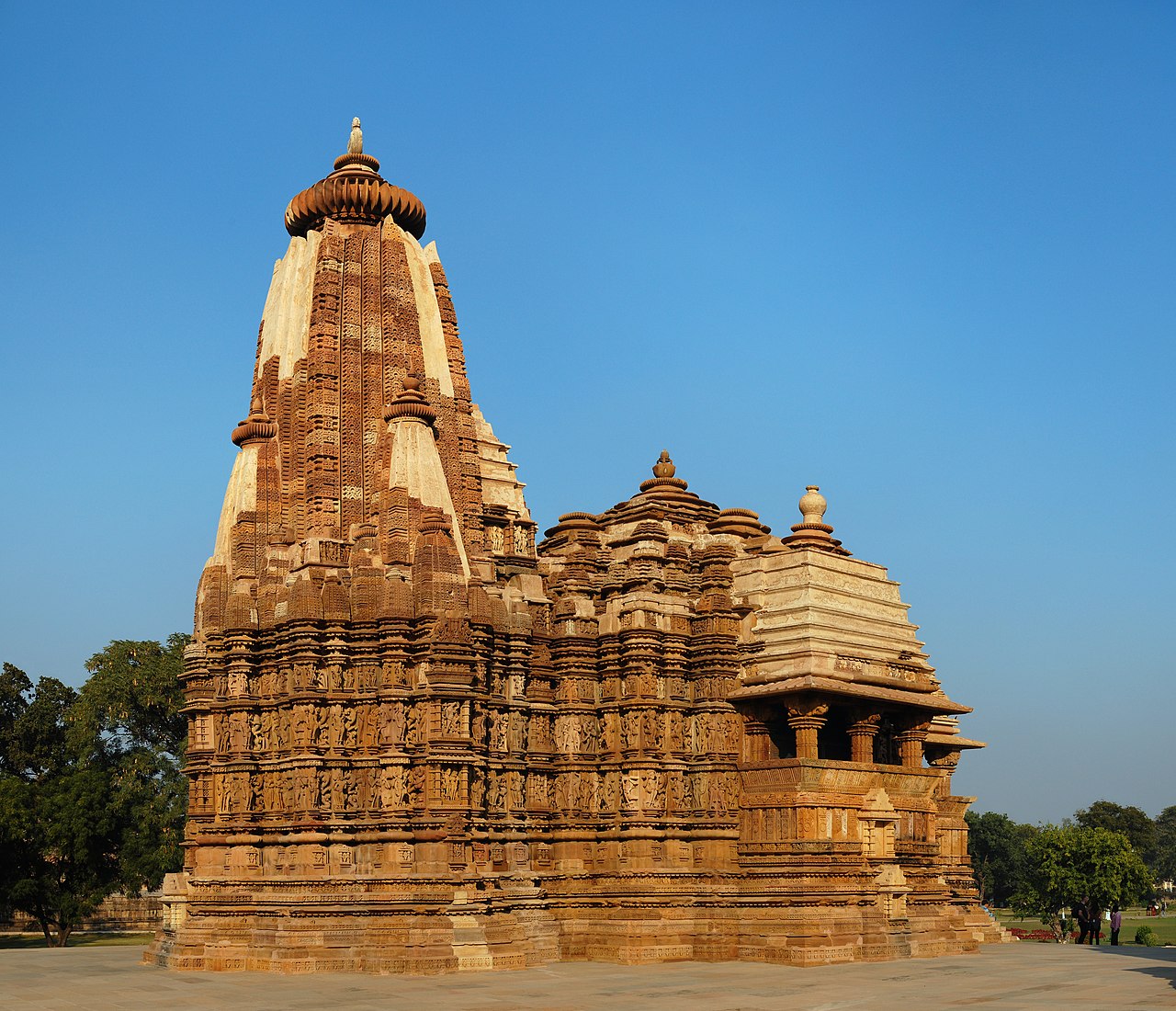 #4 in Khajuraho
Devi Jagadambi Temple
ਮੰਦਰ · 450 m · about 7 min walk