
Darling Harbour
#6of 10 places to visit in SydneySydney, New South Wales, Australia
Also known as Cockle Bay · Tumbalong
Quick answer
Opening hours: 10:00–17:00. Entry is free. Allow 3 hrs. Best time: Late afternoon into early evening.
Updated · Compiled by Traveliac, AI-assisted · 5 min read
- Opening hours
- 10:00–17:00
- Public precinct open 24 hours; individual attractions typically 09:30/10:00–17:00 or 18:00 daily
- Entry fee
- Free
- Time needed
- 3 hrs
- Best time of day
- Late afternoon into early evening
- Best months
- Mar – May, Sep – Nov
- Address
- Darling Harbour, Sydney NSW 2000, Australia
About Darling Harbour
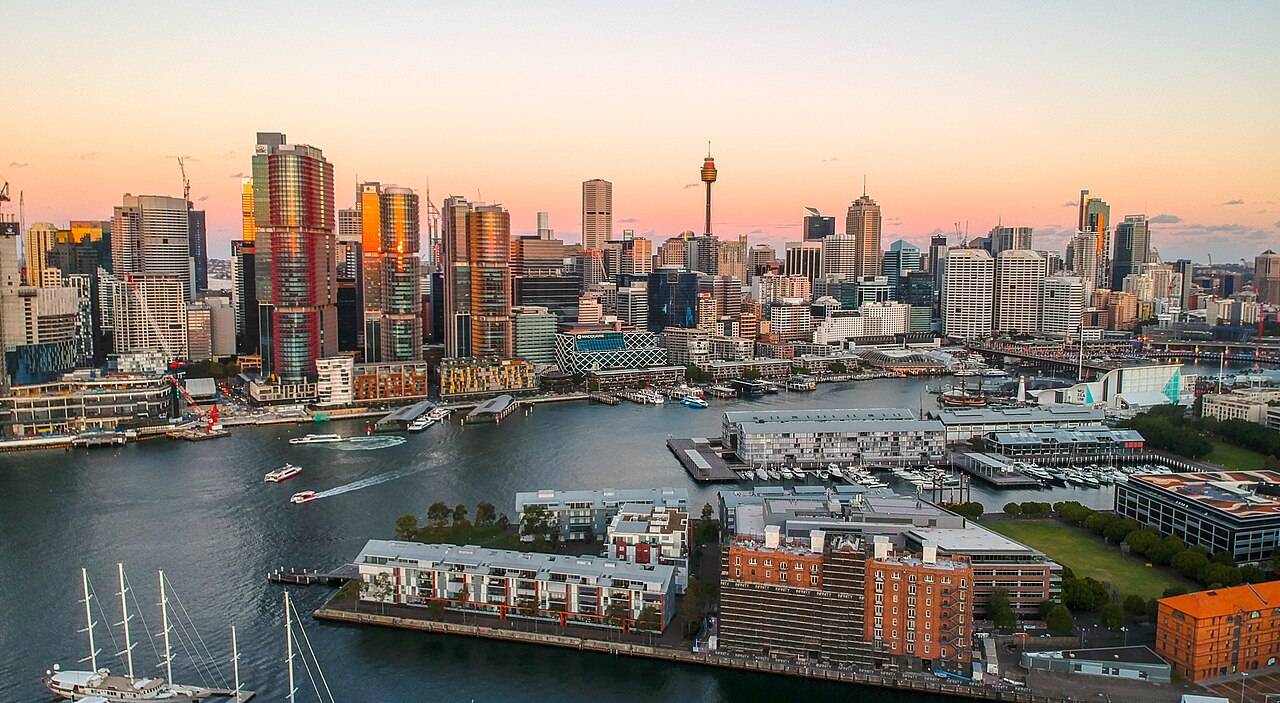
Darling Harbour occupies reclaimed and redeveloped land around Cockle Bay on the western edge of the Sydney CBD, its name honouring Governor Ralph Darling, who held office from 1825 to 1831. The Gadigal and Eora people knew the bay as Tumbalong, meaning roughly 'a place where seafood is found', a reference to the shellfish middens that gave the area its earlier colonial name, Cockle Bay. The harbour operated through the 19th and early 20th centuries as a working industrial port, home to Sydney's first steam engine in 1815 and later to wool stores, coal wharves, and rail goods yards that left the waterfront largely inaccessible to the public for over a century. A 1980s redevelopment for the Australian Bicentenary in 1988 demolished the disused rail infrastructure and rebuilt the bay as a pedestrian leisure precinct, a transformation extended by a further major redevelopment completed for the rebuilt International Convention Centre Sydney in 2016–2017.
Best time of day: Late afternoon into early evening. To see the precinct in daylight and stay for the waterfront's restaurant lighting and any scheduled fireworks after dark.
Darling Harbour timings
Darling Harbour opens at 10:00 and closes at 17:00. It keeps the same hours on Saturday and Sunday.
- Opening hours
- 10:00–17:00
Mon–Sun 10:00–17:00 - Public precinct open 24 hours; individual attractions typically 09:30/10:00–17:00 or 18:00 daily
- Closed on
- Open every day
Good to know: Extended evening hours and fireworks displays during Vivid Sydney (May–June) and New Year's Eve
Opening hours compiled from darlingharbour.com and public records, last updated . They change without notice — confirm before you travel. How we write these guides
Darling Harbour ticket price
| Ticket | Price |
|---|---|
| Standard ticket | Free |
| Concession (student / senior) | Free |
| Children | Free |
The harbourside precinct, promenade, and Chinese Garden of Friendship exterior views are free to walk. Individual attractions charge separately: SEA LIFE Sydney Aquarium and WILD LIFE Sydney Zoo each cost roughly $45–$50 AUD adult online, the Chinese Garden of Friendship around $10 AUD adult, and the Australian National Maritime Museum has free general galleries with paid fees for vessel access, as of 2026 — verify each operator's site.
Prices compiled from darlingharbour.com and public records, last updated . They change without notice — confirm before you travel. How we write these guides
Best time to visit Darling Harbour
- Quiet
- Moderate
- Busy
08:00 – 10:00
Early MorningBest time to go
Joggers and commuters crossing Pyrmont Bridge; attractions not yet open, promenade quiet.
Quiet11:00 – 15:00
Midday Family Peak
School holiday and weekend families fill SEA LIFE, WILD LIFE, and Tumbalong Park's playgrounds; queues build at aquarium entry.
Busy15:00 – 18:00
Afternoon
Attraction crowds ease; waterfront cafés and restaurants begin filling for early dinner.
Moderate18:30 – 21:00
Evening Dining
Cockle Bay and King Street Wharf restaurants at capacity; scheduled fireworks or light shows draw crowds to the water's edge on event nights.
Busy
History of Darling Harbour
Industrial use of Cockle Bay intensified through the 1800s as Sydney's port activity concentrated on its western shore, with the bay eventually hosting Australia's first iron-hulled ship assembly and its first working steamship in the 1830s and 1840s. By the mid-20th century the bay was hemmed in by rail yards, wool stores, and the elevated Darling Harbour goods line, cutting the water off almost entirely from public access and leaving the area in industrial decline by the 1970s.
The NSW Government's Darling Harbour Authority, created in 1984, demolished the derelict rail and wool infrastructure and rebuilt the precinct for the Bicentennial celebrations, opening the Sydney Convention and Exhibition Centre, the Australian National Maritime Museum, and the Chinese Garden of Friendship — a gift from Sydney's sister city Guangzhou — between 1988 and the early 1990s. Darling Harbour hosted five sports for the 2000 Sydney Olympics, using venues including the since-rebuilt exhibition centre.
A further large-scale redevelopment, completed in stages through 2016–2017, replaced the original 1988 convention and exhibition buildings with the current International Convention Centre Sydney and added Tumbalong Park's expanded public lawns and the Cockle Bay and King Street Wharf dining precincts in their present form.
Rules & etiquette at Darling Harbour
The public promenade and parkland areas have no entry restrictions or dress code, but individual attractions — SEA LIFE Aquarium, WILD LIFE Sydney Zoo, and Madame Tussauds — operate independent ticketing, hours, and bag-check policies, so combo tickets purchased in advance are the only way to guarantee same-day entry to more than one during busy periods. Alcohol consumption is restricted to licensed premises; open containers are not permitted in the public parks and promenade under City of Sydney rules.
The Chinese Garden of Friendship enforces standard quiet-garden etiquette — no picnicking, cycling, or ball games within its walls — distinct from the free public lawns immediately outside. Street performers and buskers operate under a City of Sydney permit system in the pedestrian plazas; tipping performers is customary and welcomed, unlike the broader Australian convention of not tipping in restaurants.
Fireworks and light displays during major events draw very large crowds to the harbour's edge; barrier-free viewing areas fill hours in advance on New Year's Eve specifically, and the precinct enforces bag and alcohol checks at pedestrian chokepoints on that night.
Tips for visiting Darling Harbour
- 1
Pyrmont Bridge, the pedestrian swing bridge crossing the bay's centre, is free to cross and gives the clearest single vantage point over the precinct, including the Convention Centre, Cockle Bay Wharf restaurants, and the harbour beyond. Tumbalong Park's lawns host free public events — outdoor cinema, markets, and children's play areas — on a rotating calendar published on the Darling Harbour Live site.
- 2
Combo tickets bundling SEA LIFE Aquarium, WILD LIFE Sydney Zoo, and Madame Tussauds are consistently cheaper than separate admission if visiting more than one. The Australian National Maritime Museum's main galleries are free, one of the precinct's better-value stops; access to the retired naval vessels docked outside carries a separate fee.
- 3
Cockle Bay Wharf and King Street Wharf cluster dozens of restaurants along the water, and prices run higher than equivalent food a few streets back in the CBD or Chinatown; the waterfront tables are paying for the view rather than superior food. Free Wi-Fi is available throughout the public precinct.
How to reach Darling Harbour
The red star is Darling Harbour; the numbered pins are the 8 nearest places in our guides, each showing its rank in its city. Tap a pin for details.
Darling Harbour, Sydney NSW 2000, AustraliaDirections in Google Maps
From Town Hall railway station
0.9 km · 10–12 min walk
Free (on foot)
From Central railway station
1.5 km · 10 min light rail
$3.20–$4.80 AUD Opal fare
From Circular Quay
3 km · 15–20 min ferry
$7.32 AUD Opal fare
Nearest airport
From Sydney Kingsford Smith Airport (SYD)
8 km, approximately 20–25 minutes by taxi or light rail connection.
Nearest station
From Town Hall railway station
900 m, a 10–12 minute walk, or Convention light rail stop directly within the precinct.
Darling Harbour FAQs
Is Darling Harbour free to visit?
Yes. The public promenade, Pyrmont Bridge, and Tumbalong Park lawns are free at all times. Individual attractions inside the precinct, such as SEA LIFE Aquarium and WILD LIFE Sydney Zoo, charge separate admission, typically $45–$50 AUD adult online as of 2026.
How did Darling Harbour get its name?
It is named after Governor Ralph Darling, who held office from 1825 to 1831. The Gadigal and Eora people knew the bay as Tumbalong before European settlement.
What attractions are in Darling Harbour?
SEA LIFE Sydney Aquarium, WILD LIFE Sydney Zoo, Madame Tussauds, the Australian National Maritime Museum, and the Chinese Garden of Friendship are the main paid attractions, alongside free public parkland, restaurants, and Pyrmont Bridge.
How do you get to Darling Harbour without a car?
Walk from Town Hall railway station, about 10 minutes, or take the L1 light rail from Central Station to the Convention stop, roughly 10 minutes. A ferry service also runs from Circular Quay to King Street Wharf.
Compiled with AI assistance from official sources and public records, and published only after the checks in How we write these guides. Nobody from Traveliac has visited this place. Last updated . How we rank and check places
Places to visit near Darling Harbour
Straight-line distances from our map; times are estimates.
 #7 in Sydney
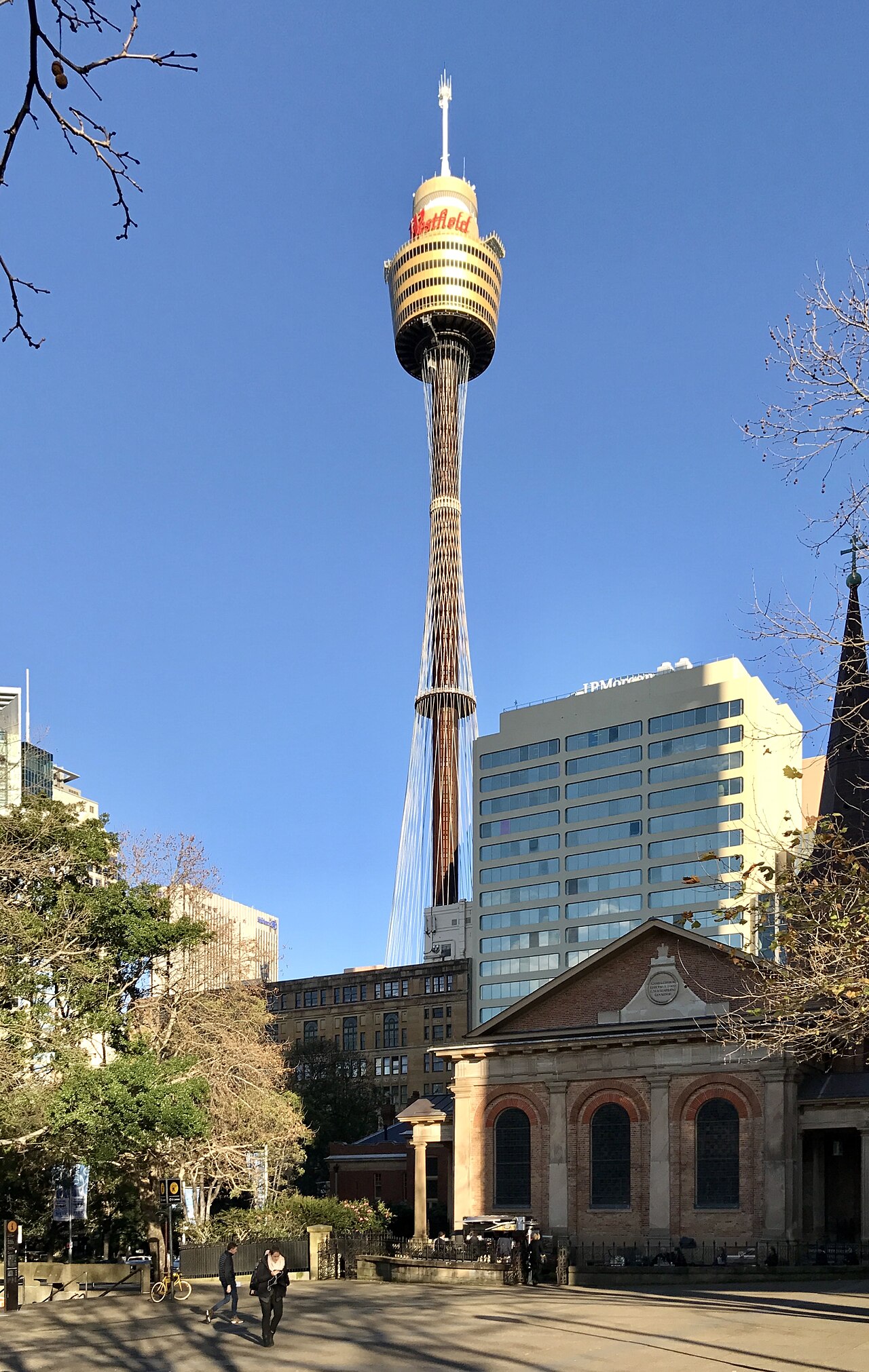
Sydney Tower Eye
Heritage · 950 m · about 15 min walk
 #2 in SydneyFree entry
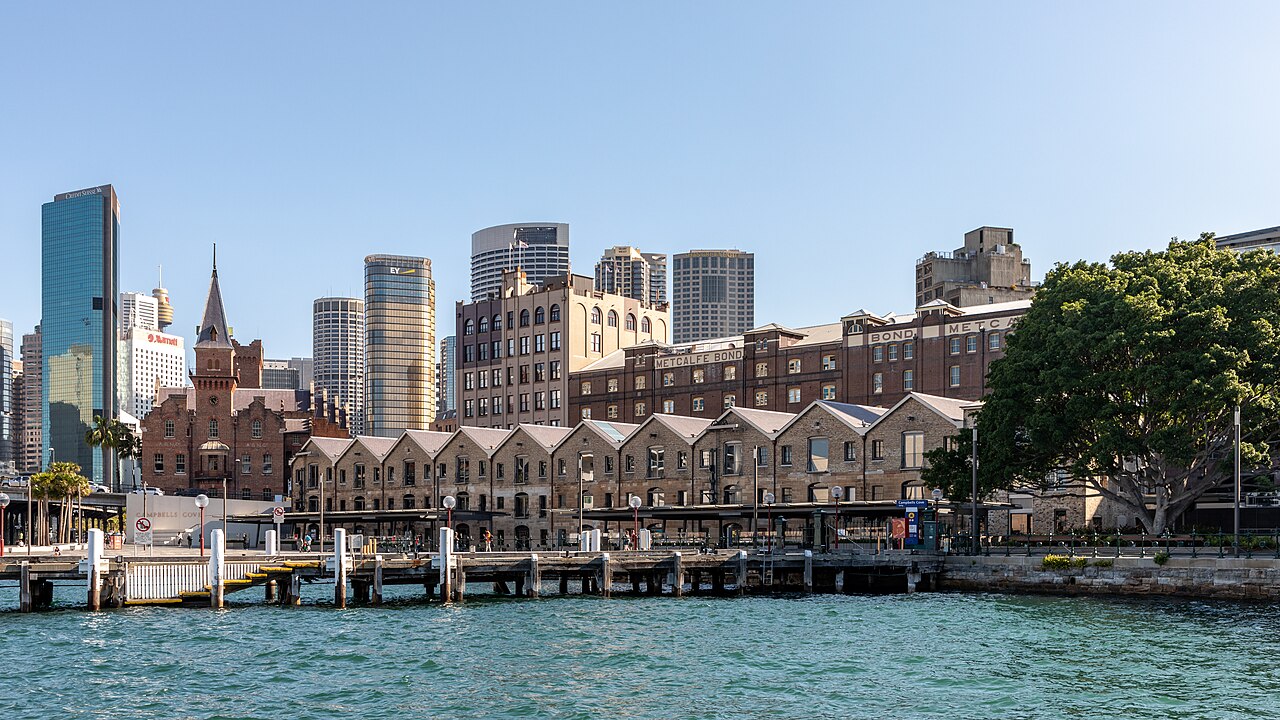
The Rocks
Heritage · 1.7 km · about 27 min walk
 #5 in SydneyFree entry
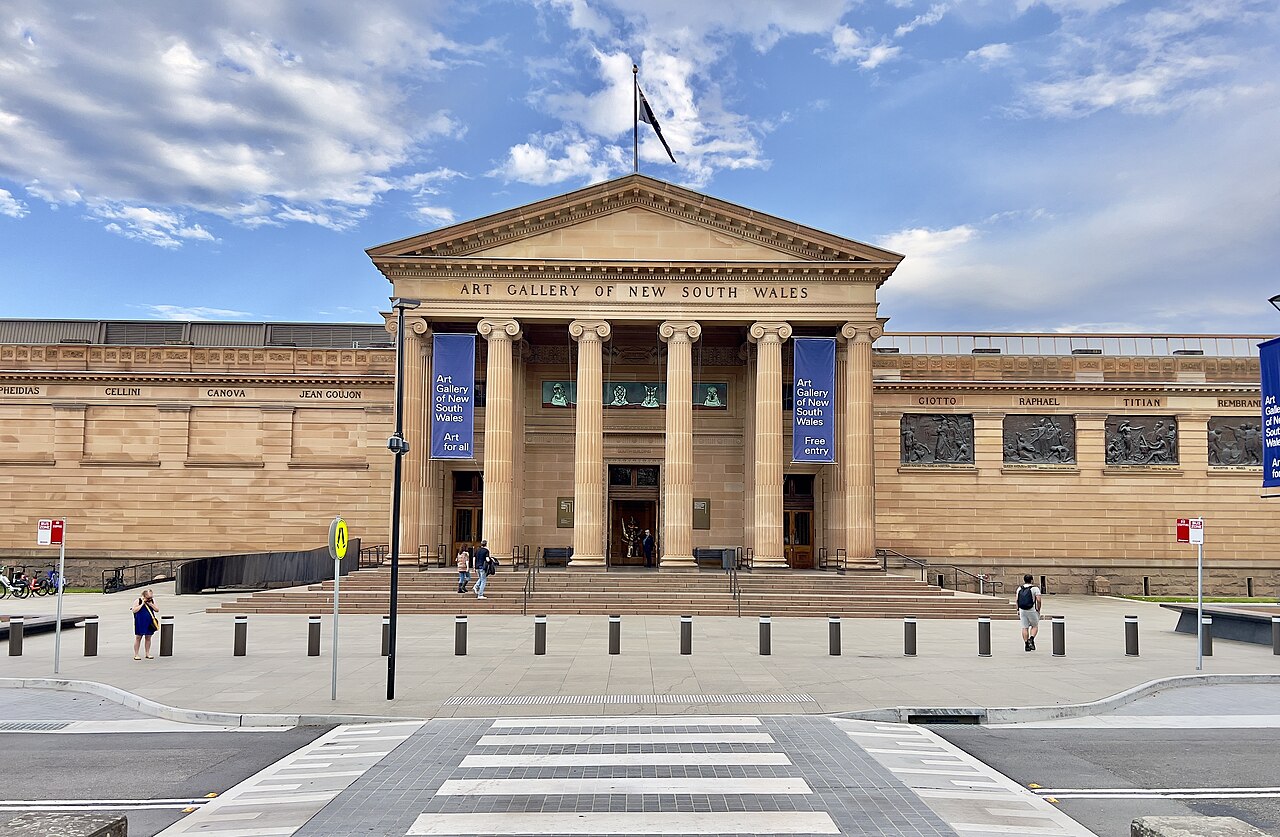
Art Gallery of New South Wales
Museum · 1.7 km · about 28 min walk
 #4 in SydneyFree entry
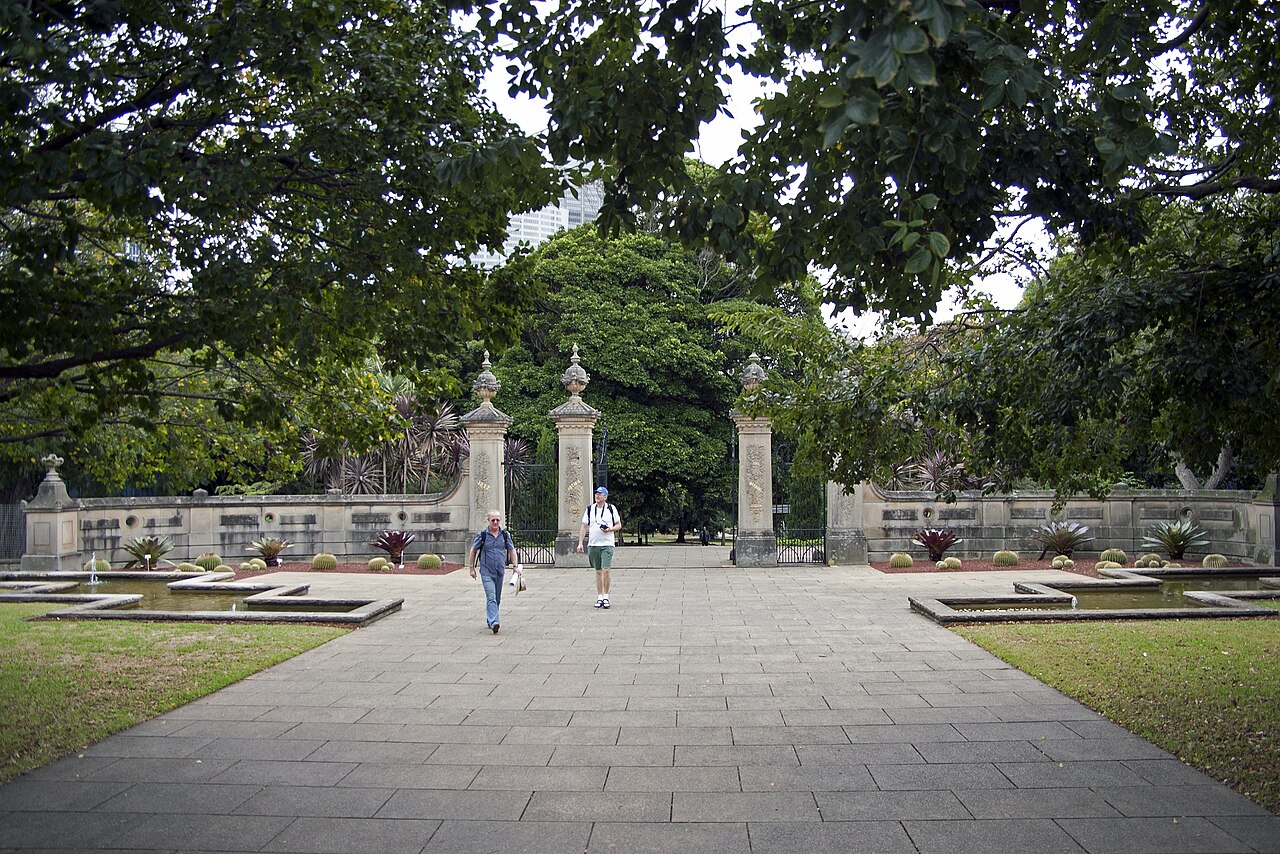
Royal Botanic Garden Sydney
Garden · 1.9 km · about 31 min walk