
Bull Temple
#5de 8 lugares para visitar en BengaluruBengaluru, Karnataka
También conocido como Dodda Basavana Gudi · Nandi Temple
Respuesta rápida
Horario: 06:00–20:00. La entrada es gratuita. Calcula 45 min. Mejor momento: 06:30 – 08:00.
Actualizado el · Redactado por Traveliac, con ayuda de IA · 4 min de lectura
- Horario
- 06:00–20:00
- Precio de entrada
- Gratis
- Tiempo necesario
- 45 min
- Mejor momento del día
- 06:30 – 08:00
- Mejores meses
- Oct – Mar
- Dirección
- Bull Temple Road, N.R. Colony, Basavanagudi, Bengaluru, Karnataka 560004
Sobre Bull Temple
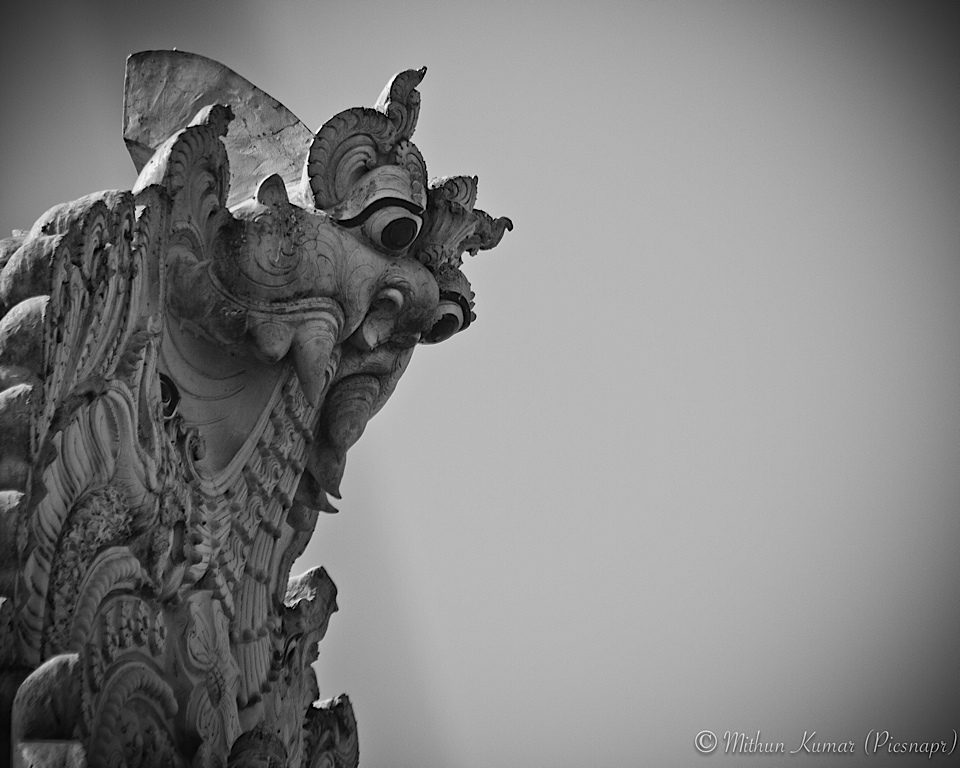
Bull Temple, known locally as Dodda Basavana Gudi, was built in 1537 CE by Kempe Gowda I, the Vijayanagara-era chieftain credited with founding Bengaluru. The temple takes its common name from the single-block granite Nandi it houses, one of the largest monolithic bull statues anywhere, reported at roughly 4.6 metres high and 6.1 metres long, though exact measurements vary slightly across sources. Centuries of devotees anointing the statue with charcoal, oil, and butter have darkened its surface to a deep black sheen, a tradition of offering that continues at the temple today under the name benne, meaning butter. The temple sits atop Bugle Rock, a granite outcrop that also gives its name to the small adjoining park, and shares its grounds with the Dodda Ganapathi Temple, whose deity is likewise carved from a single stone block. The vimana, or tower, above the main shrine was added or substantially rebuilt in the early twentieth century, carved with Saivite figures and motifs that sit visually apart from the older, plainer mandapa housing the Nandi itself.
Mejor momento del día: 06:30 – 08:00. When the temple is quietest and the granite Nandi catches soft early light through the open mandapa.
Horario de Bull Temple
Bull Temple abre a las 06:00 y cierra a las 20:00. El fin de semana no cambia nada: sábados y domingos siguen el mismo horario.
- Horario
- 06:00–20:00
Mon–Sun 06:00–20:00 - Cierra los
- Abierto todos los días
Horario recopilados de karnatakatourism.org y registros públicos, última actualización el . Pueden cambiar sin previo aviso — confírmalos antes de viajar. Cómo escribimos estas guías
Precio de entrada de Bull Temple
| Entrada | Precio |
|---|---|
| Visitantes indios | Gratis |
| Visitantes extranjeros | Gratis |
| Niños | Gratis |
| Cámara | Gratis |
Free entry for all visitors as of 2026; no ticket counter operates at the temple. No official camera fee is published, though photography inside the inner sanctum is best confirmed with temple staff on the day.
Precios recopilados de karnatakatourism.org y registros públicos, última actualización el . Pueden cambiar sin previo aviso — confírmalos antes de viajar. Cómo escribimos estas guías
Mejor época para visitar Bull Temple
- Quiet
- Moderate
- Busy
06:00 – 08:00
Early MorningBest time to go
Local devotees on their morning routine outnumber tourists. Coolest hours and best light on the granite Nandi.
Quiet08:00 – 12:00
Morning
Steady flow of worshippers and visitors; the courtyard remains comfortable to walk through without significant queuing.
Moderate12:00 – 16:00
Midday Heat
Visitor numbers drop as the open mandapa offers little shade against the midday sun.
Quiet16:00 – 20:00
Evening
Families and evening worshippers fill the precinct as temperatures cool, with the heaviest footfall in the final hour before closing.
Busy
Historia de Bull Temple
Kempe Gowda I's 1537 construction places Bull Temple among Bengaluru's oldest surviving structures, built in the architectural idiom of the declining Vijayanagara Empire rather than the Mysore Sultanate or Wadiyar styles that shaped the city's later monuments. The temple's founding legend explains both its name and its most distinctive annual event: a bull is said to have repeatedly raided the groundnut fields that once covered the surrounding land, and the temple's establishment on the site channelled that folk memory into worship of Nandi, Shiva's bull mount.
That legend still shapes local life through the Kadalekaayi Parishe, or Groundnut Fair, held annually on the last Monday and Tuesday of the Hindu month Karthika Maasa, typically falling in November or December. Farmers from around Bengaluru bring their groundnut harvest to sell directly outside the temple, a tradition that predates the city's growth into a metropolitan area and persists largely unchanged despite the urban development that now surrounds Basavanagudi on all sides. The temple has remained under continuous worship since its founding, administered today by Karnataka's state religious endowments department rather than any archaeological or heritage body.
Normas y etiqueta en Bull Temple
Shoes must be removed before entering the temple precinct, with a shoe-stand available near the entrance. Modest dress covering shoulders and knees is expected, in line with general South Indian temple practice, though no formal written dress code is posted on site.
Photography is generally tolerated in the outer courtyard and mandapa around the Nandi statue, but rules around the inner sanctum are inconsistently enforced from one visit to the next — check with temple staff rather than assuming blanket permission, particularly during active worship.
The temple draws its largest crowds during the Kadalekaayi Parishe in November or December, when the surrounding streets fill with groundnut vendors and the precinct itself becomes considerably more crowded than on an ordinary day — worth timing a visit around deliberately or avoiding, depending on preference.
Consejos para visitar Bull Temple
- 1
Pair the visit with the adjoining Dodda Ganapathi Temple and Bugle Rock Park, both immediately next to the main shrine and easily covered in the same stop. The rock itself offers a modest but genuine elevated view over the older Basavanagudi neighbourhood, distinct from Bengaluru's newer high-rise districts.
- 2
Basavanagudi's surrounding streets are worth the extra half hour, particularly the Gandhi Bazaar market a short walk away, known for flower stalls, filter coffee, and traditional South Indian breakfast spots that make a natural stop before or after the temple.
- 3
Early morning remains the best window not just for crowds but for temperature — the open mandapa around the Nandi offers little shade, and Basavanagudi's granite-paved courtyard heats up noticeably by mid-morning.
Cómo llegar a Bull Temple
Todavía no tenemos la ubicación exacta de Bull Temple; el mapa muestra los demás lugares de nuestra guía de Bengaluru. Usa la dirección de abajo o el enlace de cómo llegar.
Bull Temple Road, N.R. Colony, Basavanagudi, Bengaluru, Karnataka 560004Cómo llegar en Google Maps
Desde Kempegowda International Airport (BLR)
₹750–₹1,05038 km · 65–95 min
Prepaid cab
Desde KSR Bengaluru City Junction
₹110–₹1706.5 km · 20–25 min
Auto
Desde National College Metro Station
₹10–₹351.5 km · 15–20 min walk or short auto
Metro fare) plus ₹30–₹50 (auto
Aeropuerto más cercano
Desde Kempegowda International Airport (BLR)
approximately 38 km, 65–95 minutes by road.
Estación de tren más cercana
Desde KSR Bengaluru City Junction
approximately 6.5 km, a 20–25 minute auto ride.
Preguntas frecuentes sobre Bull Temple
How old is the Bull Temple?
It was built in 1537 CE by Kempe Gowda I, the chieftain credited with founding Bengaluru, making it one of the city's oldest surviving structures.
Is there an entry fee for Bull Temple?
No. Entry is free for all visitors, and there is no ticket counter at the temple.
Why is the Nandi statue black?
Centuries of devotees anointing the granite statue with charcoal, oil, and butter have darkened its surface. The butter-offering tradition, called benne, continues today as part of regular worship.
What is the Kadalekaayi Parishe held at Bull Temple?
It is the annual Groundnut Fair, held on the last Monday and Tuesday of the Hindu month Karthika Maasa, usually in November or December. Farmers sell their groundnut harvest directly outside the temple, continuing a tradition tied to the temple's founding legend.
Redactado con ayuda de IA a partir de fuentes oficiales y registros públicos, y publicado solo tras las comprobaciones descritas en Cómo escribimos estas guías. Nadie de Traveliac ha visitado este lugar. Última actualización el . Cómo clasificamos y verificamos los lugares
Más cosas que hacer en Bengaluru
 #1 in Bengaluru
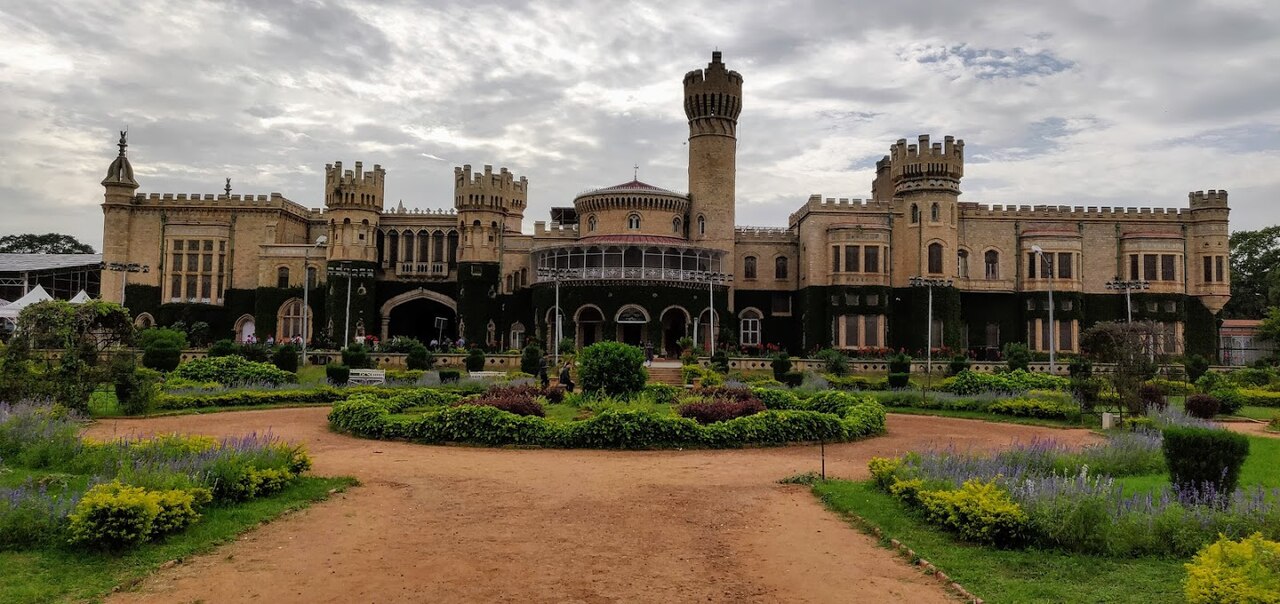
Bangalore Palace
Palacio · Bengaluru
 #2 in BengaluruEntrada gratuita
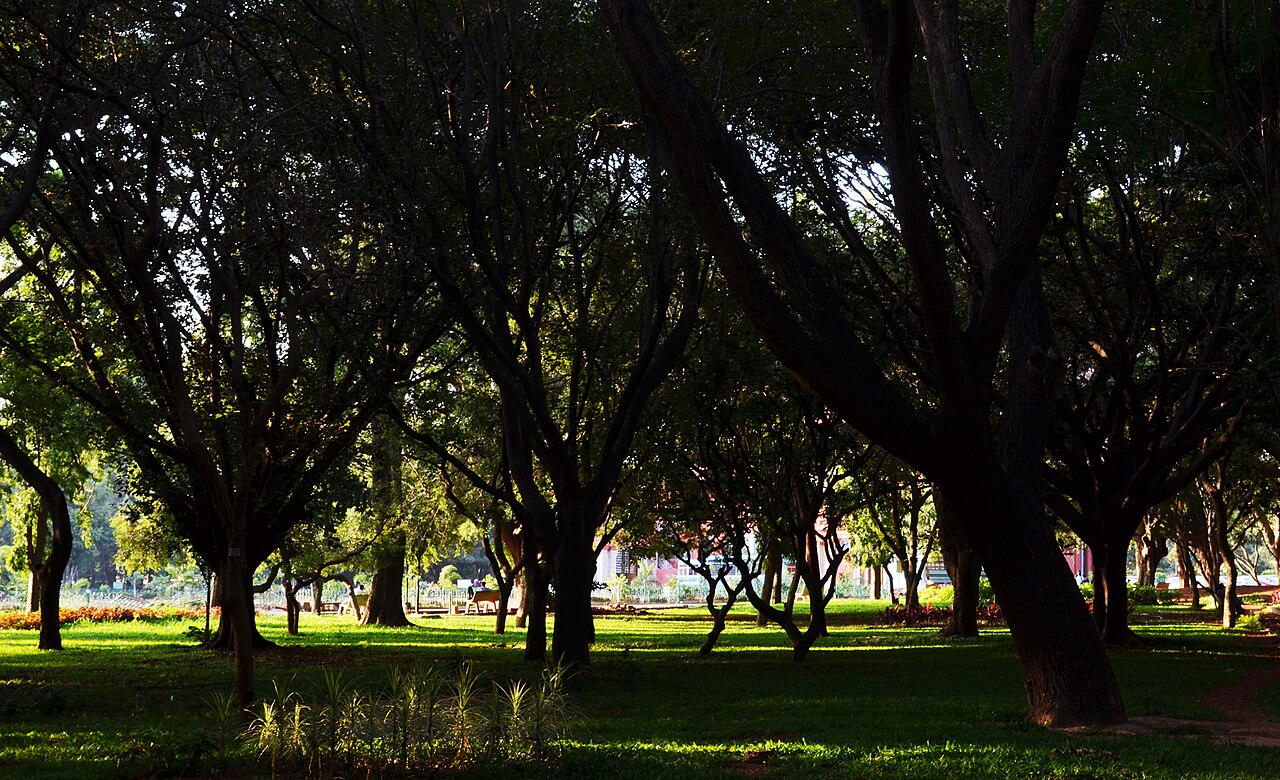
Cubbon Park
Patrimonio · Bengaluru
![Tippu Sultan Summer palace, the place where Tippu Sultan used to stay[not for longer duration], and discuss the official matters. Location: Bangalore, India](/wm/wikipedia/commons/thumb/1/13/Tippu_Sultan%27s_Summer_palace.jpg/1280px-Tippu_Sultan%27s_Summer_palace.jpg) #3 in Bengaluru
#3 in BengaluruTipu Sultan's Summer Palace
Palacio · Bengaluru
 #4 in Bengaluru
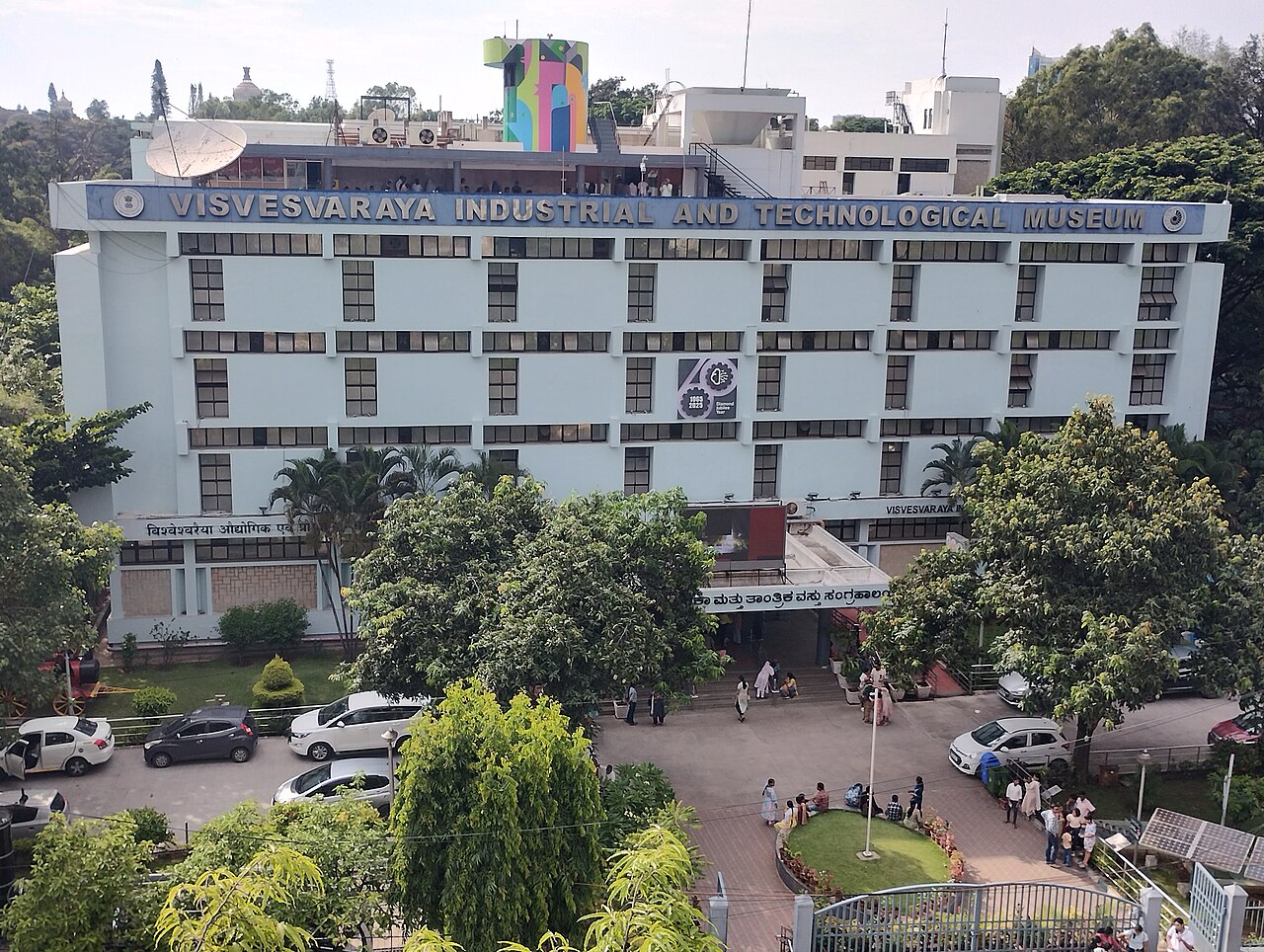
Visvesvaraya Industrial and Technological Museum
Museo · Bengaluru