
Gandhi Memorial Museum
#3sur 10 lieux à visiter à MaduraiMadurai, Tamil Nadu
Aussi appelé Gandhi Museum Madurai · Mahatma Gandhi Memorial Museum
L'essentiel
Horaires d'ouverture : 10:00–13:00 and 14:00–17:30, closed Sundays. L'entrée est gratuite. Comptez 1.5 hrs. Meilleure période : 10:00–11:30.
Mis à jour le · Rédigé par Traveliac, avec assistance IA · 5 min de lecture
- Horaires d'ouverture
- 10:00–17:30
- Closed Sundays
- Prix d'entrée
- Gratuit
- Durée nécessaire
- 1.5 hrs
- Meilleur moment de la journée
- 10:00–11:30
- Meilleurs mois
- Oct – Mar
- Adresse
- Near Tamukkam Palace, Tamukkam Ground, Madurai, Tamil Nadu 625002
À propos de Gandhi Memorial Museum
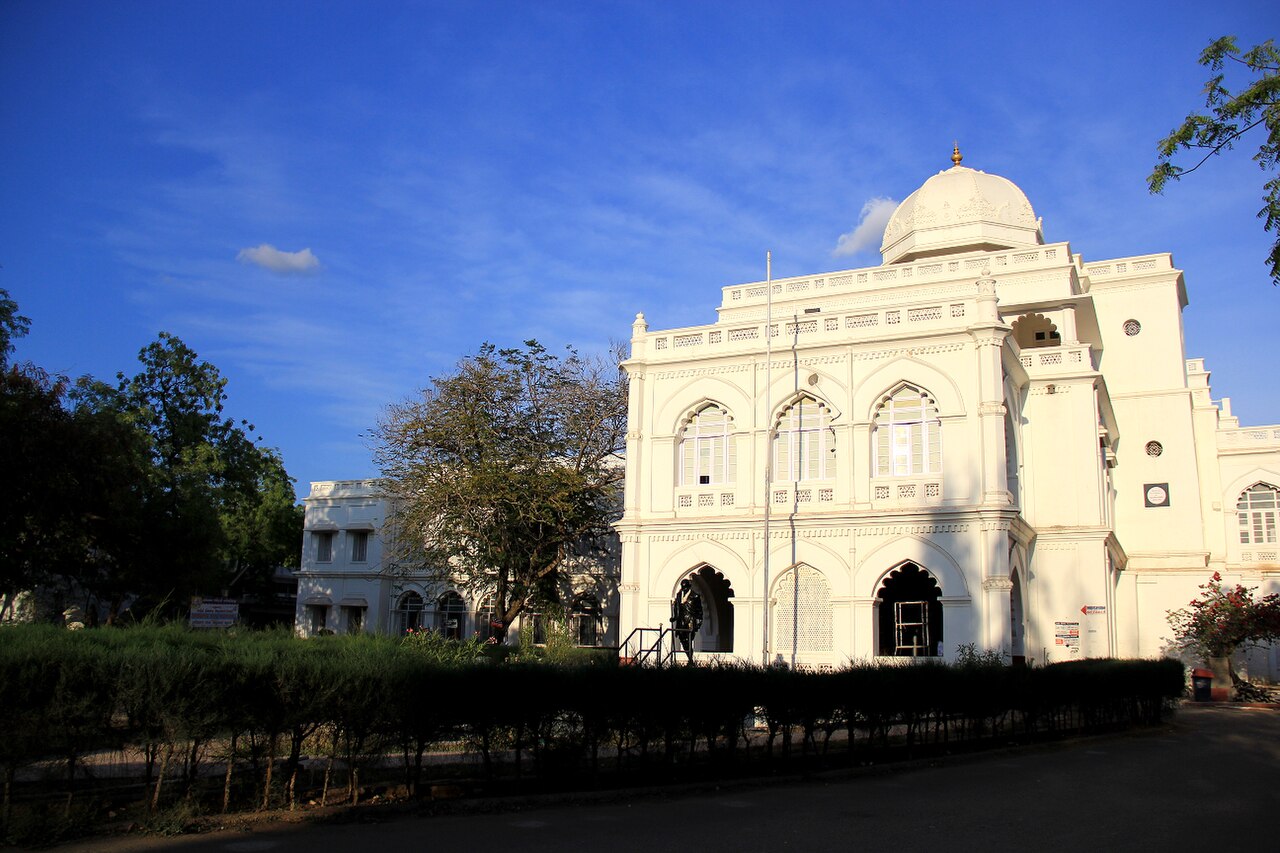
The Gandhi Memorial Museum in Madurai occupies the 17th-century Tamukkam Palace — a low-slung structure of plastered brick arcades built by the Rani Mangammal — and its most visceral exhibit is a preserved section of the dhoti Gandhi was wearing when he was shot by Nathuram Godse on 30 January 1948. The bloodstained cloth is displayed behind glass in the central gallery, and it produces, even in visitors who arrive with scepticism about memorial culture, a quality of stillness that no photographic reproduction can replicate. The museum opened in 1959, making it one of the first dedicated Gandhi museums in India, and it has accumulated over six decades a significant collection of rare photographs, correspondence facsimiles, and audio recordings. It is not a glamorous institution — the display cases are dated, the labelling sometimes faded — but its intellectual honesty, its refusal of hagiography, and the weight of its primary objects make it more affecting than many better-funded national museums.
Meilleur moment de la journée : 10:00–11:30. Shortly after opening, when the reading rooms are quietest and the exhibition galleries are uncrowded
Horaires de Gandhi Memorial Museum
- Horaires d'ouverture
- 10:00–17:30
Mon–Sat 10:00–13:00 and 14:00–17:30 Sunday Closed - Fermé le
- Sunday, National Holidays
Bon à savoir : The museum closes on Gandhi Jayanti (2 October) for internal functions, reopening in the afternoon for public commemoration events. Extended hours may apply on the anniversary of Gandhi's assassination (30 January).
Horaires d'ouverture établis à partir de sources publiques ; ce lieu n'a pas de site officiel référencé, mis à jour le . Ils peuvent changer sans préavis — vérifiez avant de partir. Comment nous rédigeons ces guides
Prix d'entrée de Gandhi Memorial Museum
| Billet | Prix |
|---|---|
| Visiteurs indiens | Free |
| Visiteurs étrangers | Free |
| Enfants | Gratuit |
| Caméra | Gratuit |
Entry and photography are free for all visitors. A small donation box is placed at the exit; contributions support the library and archive maintenance. Specialist archival access for researchers requires advance written application to the museum director.
Tarifs établis à partir de sources publiques ; ce lieu n'a pas de site officiel référencé, mis à jour le . Ils peuvent changer sans préavis — vérifiez avant de partir. Comment nous rédigeons ces guides
Meilleure période pour visiter Gandhi Memorial Museum
- Quiet
- Moderate
10:00–11:30
Morning OpeningBest time to go
The quietest window. School visits are rare before 11:00. The main galleries are effectively empty and gallery lighting is at its best.
Quiet11:30–13:00
Late Morning
School groups and occasional tour parties arrive. The core exhibits remain accessible but guided groups can congest the central dhoti gallery.
Moderate14:00–15:30
Post-Lunch Re-Opening
The fewest visitors of the day. Researchers using the library arrive in this window; galleries are effectively private.
Quiet15:30–17:30
Afternoon
General visitors finishing their Madurai itinerary drop in. Never genuinely crowded; the museum's relative obscurity ensures consistent tranquillity.
Moderate
Histoire de Gandhi Memorial Museum
The museum was established on 15 August 1959 by the Gandhi Smarak Nidhi (Gandhi Memorial Fund) on the grounds of the Tamukkam Palace, itself a structure associated with the Madurai Nayak queen Rani Mangammal (r. 1689–1706), who used it as a pleasure garden and seasonal residence. The Tamukkam buildings date to the late 17th century and represent a late Nayak period of construction using plastered brick rather than the black granite of earlier Pandyan structures. The Gandhi connection to Madurai is specific and documented: Gandhi visited the city on 21 September 1921, and it was in Madurai that he made the decision to abandon his dhoti and kurta for a simple loincloth — the khadi loincloth and shawl that became his permanent public dress — stating that he would not dress better than the poorest Indian until Indian workers could afford more. This event, which occurred at a weaving centre near the city, is considered a pivotal moment in the construction of Gandhi's political identity. The museum's permanent collection includes the Nathuram Godse trial documents, photographs of Gandhi's 1921 Madurai visit, letters exchanged between Gandhi and Tamil political figures including C. Rajagopalachari and Periyar E.V. Ramasamy, and a substantial photographic archive spanning 1890 to 1948. The Tamukkam building was gazetted as a protected monument and transferred to museum use following negotiations between the Tamil Nadu government and the Gandhi Smarak Nidhi.
Règles et étiquette à Gandhi Memorial Museum
The museum maintains a respectful, library-like atmosphere throughout its galleries; visitors are expected to speak quietly. The dhoti exhibit gallery in particular is treated by most visitors and staff with a degree of solemnity that the museum does not formally mandate but clearly expects. Photography of exhibits is permitted with personal cameras and smartphones, though flash photography is not appropriate near the textile exhibits and the bloodstained dhoti display — the museum does not post signs about this, but it should be treated as obvious conservation practice. Bags may be brought in; no locker facility is provided so leave valuables at your hotel. The library, housed in an adjacent wing, is open to researchers with advance notice — general visitors may browse but not remove materials. No food or drink in the gallery spaces. The museum's exterior garden, planted with khadi cotton and medicinal plants historically associated with Gandhi's ashram practices, is open to all visitors.
Conseils pour visiter Gandhi Memorial Museum
- 1
The museum is consistently overlooked in favour of the more photogenic temples, which makes it one of the few genuinely uncrowded cultural institutions in the city. Plan it for a morning when the temples are closed (midday), or use the Monday-Saturday hours to fill a post-lunch gap. The museum's own small bookshop sells the most comprehensive collection of Tamil-language Gandhi scholarship in the region, as well as English-language texts at prices significantly below Delhi or Mumbai museum shops — budget ₹200–₹500 for books if you have any interest in the independence period. The Tamukkam building's arcaded exterior is independently worth examining as a late Nayak architectural specimen; walk the perimeter before entering. Auto-rickshaws to the museum from the Meenakshi Temple area will quote ₹80–₹150; the correct fare is ₹60–₹100. The museum sits adjacent to the Tamukkam Ground, a large open sports field used for government functions, and parking is readily available outside.
Comment se rendre à Gandhi Memorial Museum
L'étoile rouge indique Gandhi Memorial Museum ; les repères numérotés sont les 6 lieux les plus proches de nos guides, chacun avec son classement dans sa ville. Touchez un repère pour plus de détails.
Near Tamukkam Palace, Tamukkam Ground, Madurai, Tamil Nadu 625002Itinéraire sur Google Maps
Depuis Madurai Junction Railway Station
₹80–₹1303.5 km · 12–20 min
Depuis Meenakshi Amman Temple
₹70–₹1203 km · 10–15 min
Depuis Madurai Airport
₹280–₹40011 km · 22–35 min
Depuis Periyar Bus Stand
₹10–₹153.2 km · 15–25 min
Aéroport le plus proche
Depuis Madurai Airport (IXM)
11 km
Gare la plus proche
Depuis Madurai Junction Railway Station
3.5 km
FAQ — Gandhi Memorial Museum
What is the most significant exhibit in the museum?
The bloodstained dhoti Gandhi was wearing at the moment of his assassination on 30 January 1948, displayed in a climate-controlled case in the central gallery. The exhibit is accompanied by a detailed account of the events of that evening and the recovery of his personal effects.
Why is Gandhi's museum located in Madurai specifically?
Madurai holds a specific place in Gandhi's biography: it was here in September 1921 that he publicly abandoned his dhoti and kurta for the simple loincloth that became his defining public image, as a symbolic gesture of solidarity with India's poorest textile workers. The museum commemorates this Madurai turning point.
Is there a charge for the museum?
No. Entry, photography, and access to the permanent collection are all free of charge for Indian and foreign visitors alike. A donation box at the exit supports library operations. Researchers requiring access to the archive should contact the museum director in advance.
Is the museum open on Sundays?
No. The museum is closed on Sundays and on national holidays. It operates Monday through Saturday, 10:00–13:00 and 14:00–17:30. Arriving on a Sunday is a common error among visitors who have not checked in advance.
Rédigé avec l'assistance de l'IA à partir de sources officielles et de registres publics, et publié seulement après les vérifications décrites dans Comment nous rédigeons ces guides. Personne chez Traveliac ne s'est rendu sur place. Mis à jour le . Comment nous classons et vérifions les lieux
Lieux à visiter près de Gandhi Memorial Museum
Distances à vol d'oiseau, depuis notre carte ; les durées sont estimées.
 #2 in Madurai
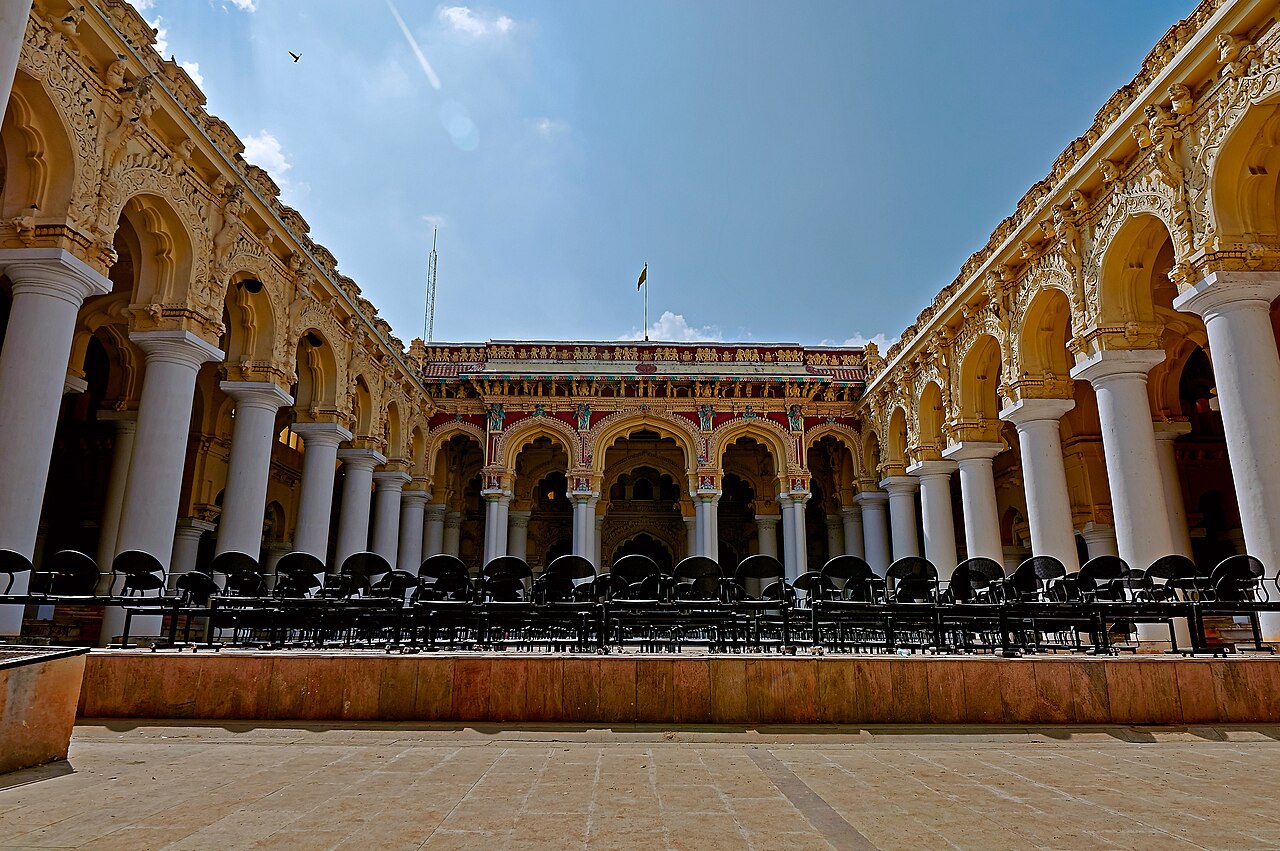
Thirumalai Nayakkar Palace
Palais · 2.3 km · about 37 min walk
 #1 in Madurai
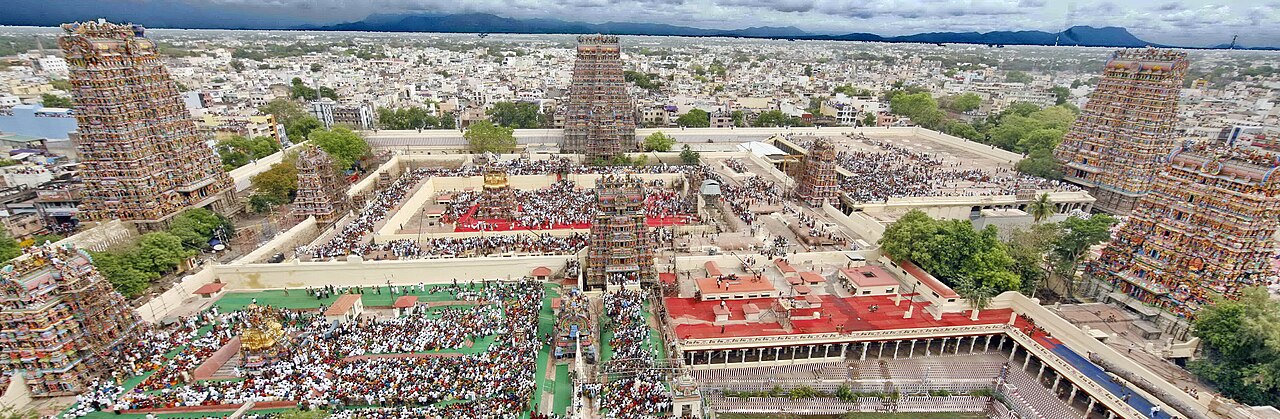
Meenakshi Amman Temple
Temple · 2.4 km · about 39 min walk
 #4 in MaduraiEntrée gratuite
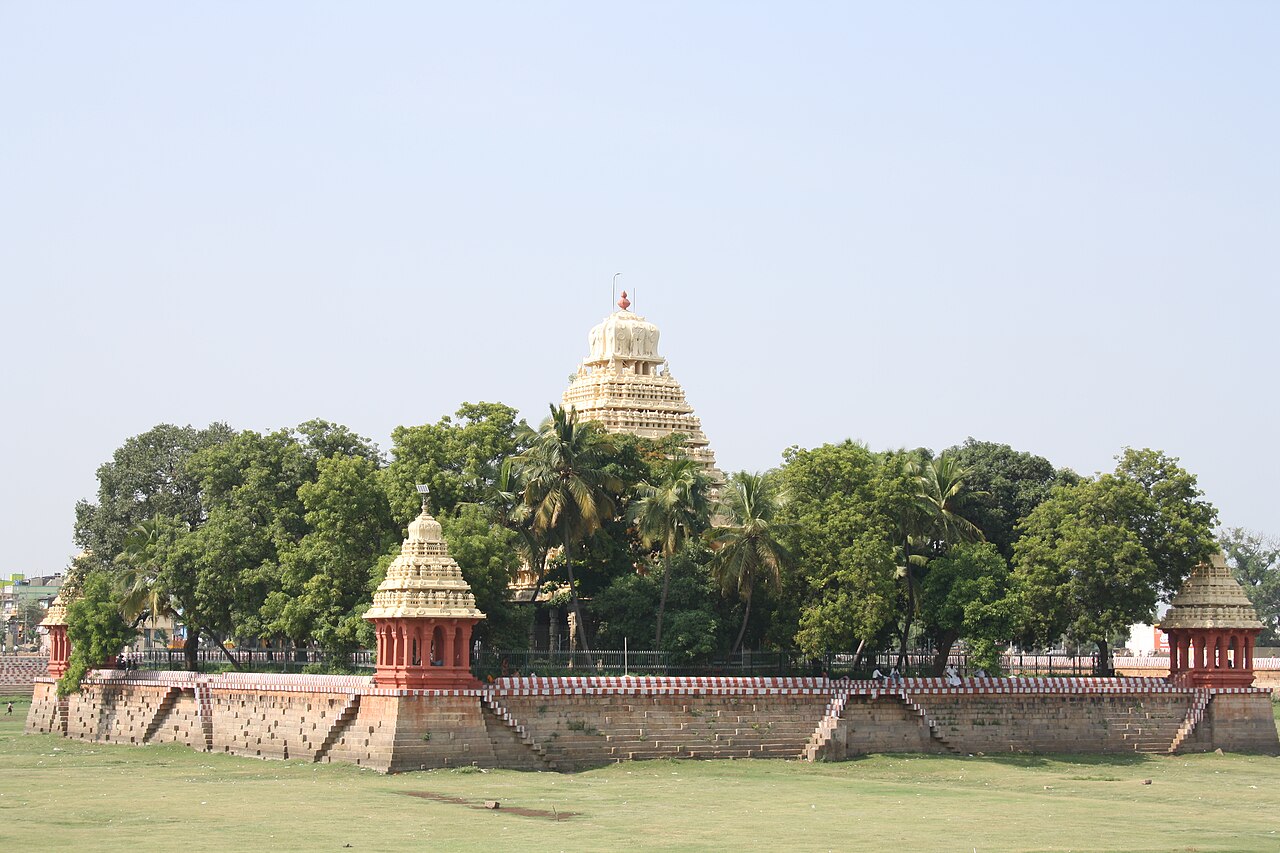
Vandiyur Mariamman Teppakulam
Temple · 2.4 km · about 39 min walk
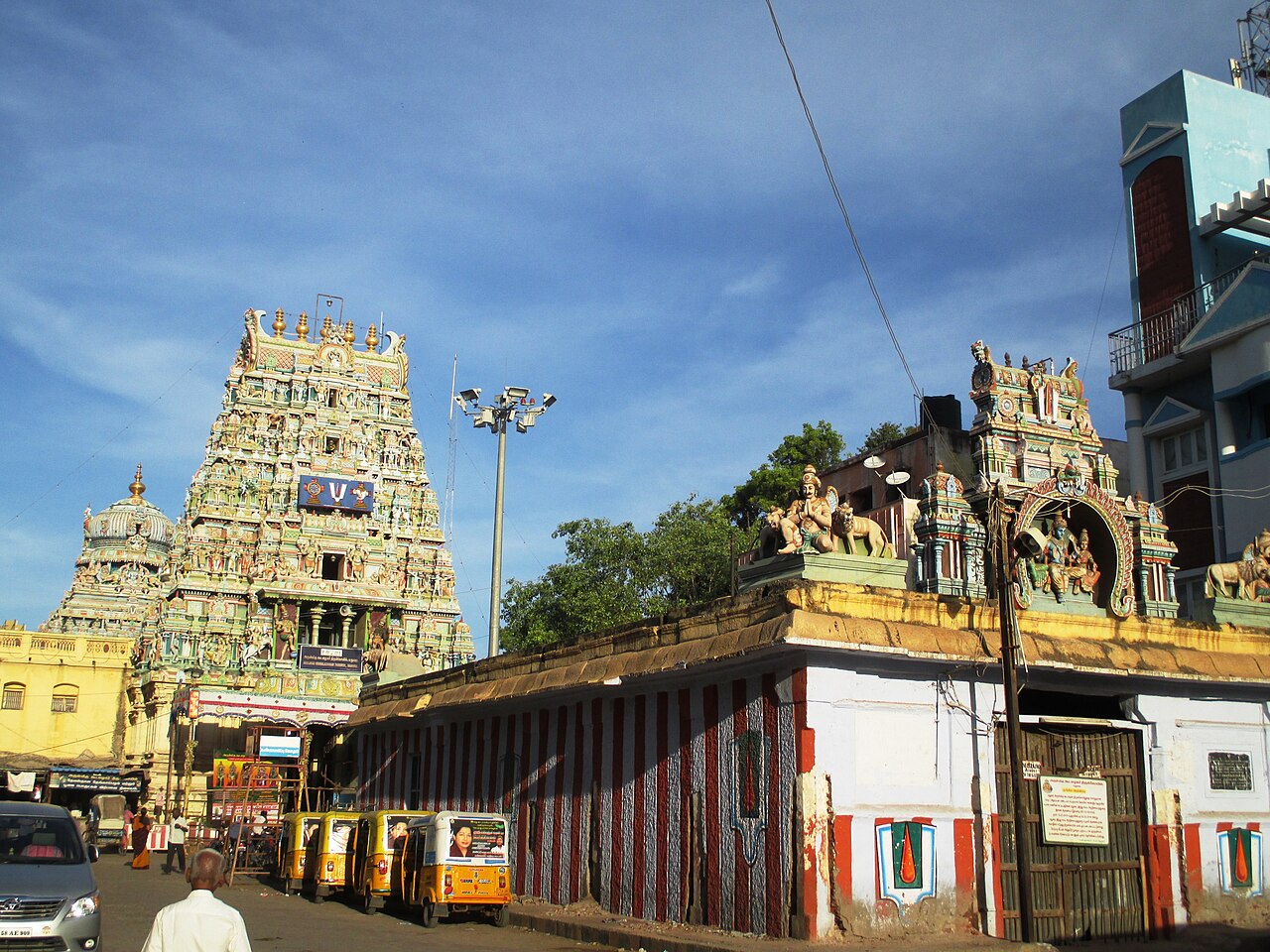 #7 in MaduraiEntrée gratuite
Koodal Azhagar Temple
Temple · 3 km · about 10 min by road