
Thiruparankundram Murugan Temple
#5sur 10 lieux à visiter à MaduraiMadurai, Tamil Nadu
Aussi appelé Sri Subramaniyaswamy Temple · Thirupparankundram · Kailasapathi Temple
L'essentiel
Horaires d'ouverture : 05:30–12:00 and 16:00–20:30. L'entrée est gratuite. Comptez 1.5 hrs. Meilleure période : 06:00–08:00.
Mis à jour le · Rédigé par Traveliac, avec assistance IA · 5 min de lecture
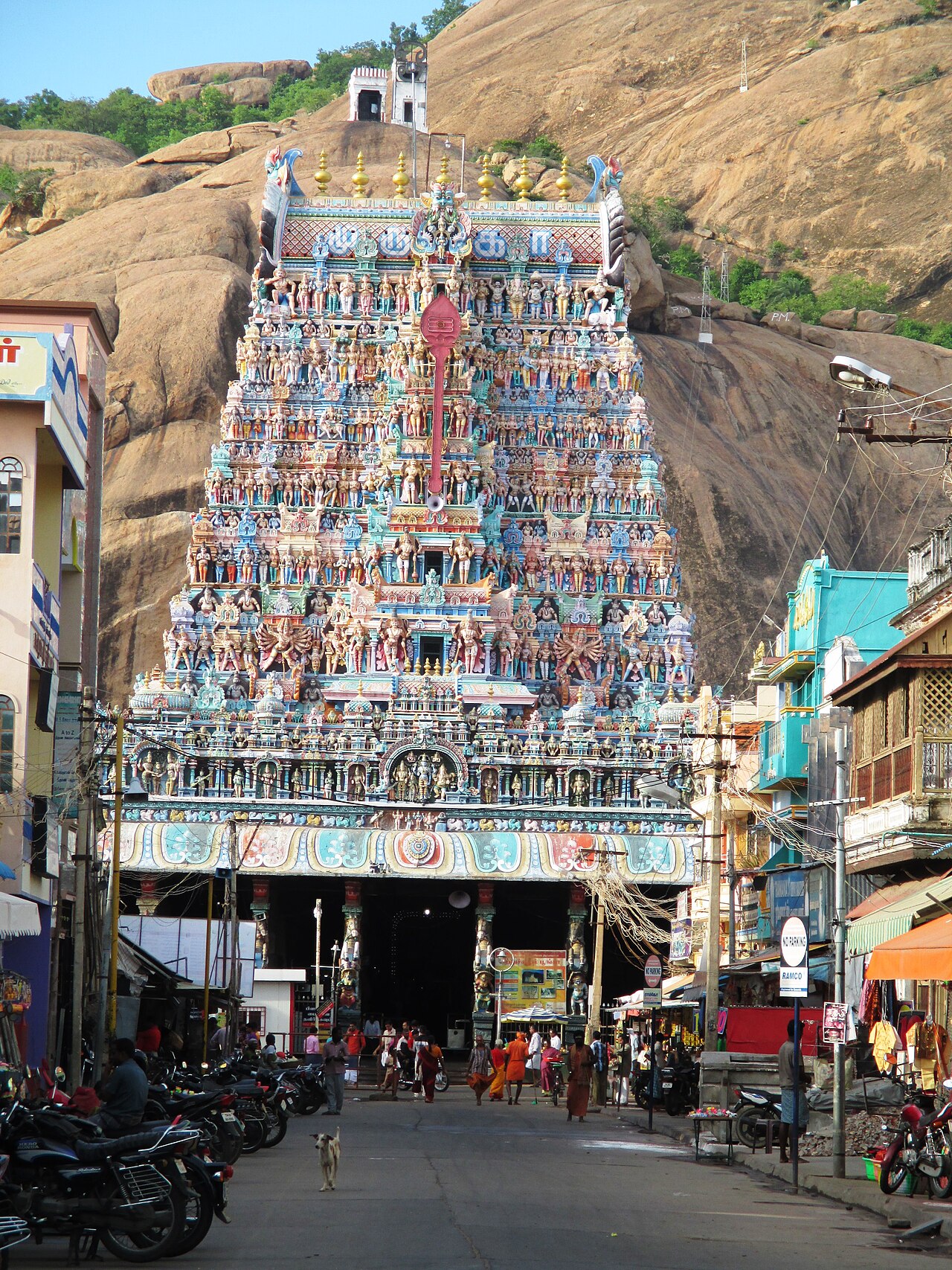
- Horaires d'ouverture
- 05:30–20:30
- Prix d'entrée
- Gratuit
- Durée nécessaire
- 1.5 hrs
- Meilleur moment de la journée
- 06:00–08:00
- Meilleurs mois
- Oct – Mar
- Adresse
- Thiruparankundram, Madurai, Tamil Nadu 625005 (8 km southwest of the city centre)
À propos de Thiruparankundram Murugan Temple
Thiruparankundram is one of the Arupadai Veedu, the six sacred abodes of Murugan recognised across Tamil Shaivite tradition, and it is distinguished from its five sister sites by construction method: the core sanctum is carved directly into a granite hillside rather than built up from a foundation, a rock-cut technique the temple shares in principle with the earlier Pandyan-era cave temples scattered across the Madurai region. Devotional tradition holds this as the site of Murugan's wedding to Deivayanai, daughter of Indra, which gives the temple a markedly celebratory character compared to the more austere shrines elsewhere in the Arupadai Veedu circuit. The hill above the temple, known locally as Skanda Malai, rises steeply behind the sanctum and has for centuries been a shared devotional landscape — its slopes host not only the Murugan shrine partway up but also, at the summit, the dargah of the Sufi saint Sikandar Badusha, a coexistence of Hindu and Islamic pilgrimage on a single granite outcrop that is unusual even by South India's standards of religious layering.
Meilleur moment de la journée : 06:00–08:00. For the cool rock-cut sanctum interior and thinnest crowds; late afternoon for the climb to the hillside viewpoint before the heat peaks.
Horaires de Thiruparankundram Murugan Temple
- Horaires d'ouverture
- 05:30–20:30
Mon–Sun 05:30–12:00 and 16:00–20:30 - Fermé le
- Ouvert tous les jours
Bon à savoir : Extended hours and additional processions apply during the Karthigai Deepam festival (November–December) and the Vaikasi Visakam festival (May–June), the temple's principal annual celebration marking Murugan's marriage to Deivayanai.
Horaires d'ouverture établis à partir de tamilnadutourism.tn.gov.in et de sources publiques, mis à jour le . Ils peuvent changer sans préavis — vérifiez avant de partir. Comment nous rédigeons ces guides
Prix d'entrée de Thiruparankundram Murugan Temple
| Billet | Prix |
|---|---|
| Visiteurs indiens | Free |
| Visiteurs étrangers | Free |
| Enfants | Gratuit |
| Caméra | Gratuit |
No admission fee for the main temple. Photography is permitted in the outer mandapams and hillside approach; the inner rock-cut sanctum, as at Meenakshi Temple, prohibits camera and phone photography. A separate small fee (roughly ₹10–₹20) applies for the optional elephant enclosure viewing area maintained by the temple trust.
Tarifs établis à partir de tamilnadutourism.tn.gov.in et de sources publiques, mis à jour le . Ils peuvent changer sans préavis — vérifiez avant de partir. Comment nous rédigeons ces guides
Meilleure période pour visiter Thiruparankundram Murugan Temple
- Quiet
- Moderate
05:30–07:30
Early Morning PujaBest time to go
Local devotees dominate; the rock-cut sanctum queue is minimal. Coolest hour for the uphill stone stairway climb.
Quiet07:30–11:30
Morning Peak
Devotee volume builds steadily, especially on Krittika star days. Outer mandapams remain comfortably navigable.
Moderate12:00–16:00
Midday Closure
Temple is closed to visitors during the standard South Indian temple midday break. Plan around this window entirely.
Quiet16:00–20:30
Evening Session
Families arrive for evening darshan as temperatures drop. The hillside setting catches pleasant cross-breezes absent from the plains temples below.
Moderate
Histoire de Thiruparankundram Murugan Temple
The rock-cut sanctum dates to the early Pandyan period, with inscriptional evidence placing significant patronage in the 8th and 9th centuries CE, making it structurally older than the current Meenakshi Temple complex, whose visible stonework is largely Nayak-era reconstruction. Subsequent Pandyan, Vijayanagara, and Nayak rulers added structural mandapams, gopurams, and subsidiary shrines around the original cave core, so that a visitor today encounters a layered building: rock-cut sanctum at the centre, built stone corridors and pillared halls accreted around it across roughly a millennium. The temple appears in the Tevaram, the canonical corpus of Tamil Shaivite devotional hymns composed by the Nayanmar saints between the 6th and 9th centuries, confirming its status as one of the Paadal Petra Sthalams — sites sanctified by inclusion in this hymnal tradition. The shared hill with the Sikandar Badusha dargah has, in recent years, become a point of periodic administrative sensitivity between the temple trust and the dargah's caretakers over access arrangements and ritual practice on the upper slopes; visitors should expect that the summit area may carry local restrictions or require separate permission depending on the current arrangement, and should follow on-site signage rather than assume open access to both shrines.
Règles et étiquette à Thiruparankundram Murugan Temple
Dress code mirrors Meenakshi Temple: men should avoid shorts, women should avoid sleeveless tops and above-knee hemlines, and dhoti rental is available near the main entrance for those turned away at the gate. Shoes are deposited at a counter near the base of the hill before the climb to the sanctum begins. The inner rock-cut garbhagriha is open to Hindu worshippers; non-Hindu visitors are welcomed into the outer mandapams and pillared halls but should expect the innermost chamber, cut directly into living rock, to be treated with the same restricted access as any working Hindu sanctum. Photography inside the rock-cut core is prohibited by temple staff enforcement, consistent with practice at Meenakshi. The climb from the entrance gate to the sanctum involves a moderate uphill stone stairway of roughly 100–120 steps; visitors with mobility concerns should budget extra time and consider the assistance of temple staff, who are generally responsive to requests.
Conseils pour visiter Thiruparankundram Murugan Temple
- 1
Combine the visit with the fact that this is the closest of the Arupadai Veedu sites to Madurai city — at 8 kilometres it requires none of the day-trip planning that Alagar Kovil or Pazhamudircholai demand, making it feasible as an early-morning add-on before a full day elsewhere. Arrive before 07:00 to experience the cave sanctum without the queue that builds by mid-morning, particularly on Krittika star days (a monthly lunar asterism sacred to Murugan) when local devotee volume noticeably increases. The temple elephant, when present, is usually stationed near the main gopuram in the morning session. Because the sanctum is carved into rock rather than built, interior temperatures stay noticeably cooler than the built stone corridors of Meenakshi Temple even in peak summer — a detail seasoned Madurai visitors use to plan a midday visit here when other sites become uncomfortably hot. Auto-rickshaws from the city centre are metered informally at ₹150–₹250 one-way; agree on a return fare if you intend to visit without a rented vehicle, since return autos from Thiruparankundram village are less reliably available than from central Madurai.
Comment se rendre à Thiruparankundram Murugan Temple
L'étoile rouge indique Thiruparankundram Murugan Temple ; les repères numérotés sont les 6 lieux les plus proches de nos guides, chacun avec son classement dans sa ville. Touchez un repère pour plus de détails.
Thiruparankundram, Madurai, Tamil Nadu 625005 (8 km southwest of the city centre)Itinéraire sur Google Maps
Depuis Madurai Airport
₹150–₹2206 km · 15–20 min
Depuis Meenakshi Amman Temple
₹150–₹2508 km · 20–25 min
Depuis Madurai Junction Railway Station
₹15–₹208 km · 30–40 min
Aéroport le plus proche
Depuis Madurai Airport (IXM)
6 km, 15–20 minutes
Gare la plus proche
Depuis Madurai Junction Railway Station
8 km, 20–25 minutes
FAQ — Thiruparankundram Murugan Temple
What makes Thiruparankundram different from the other five Arupadai Veedu sites?
Its sanctum is carved directly into a granite hillside rather than constructed from a foundation, making it a genuine rock-cut cave temple with construction dating to the 8th–9th century Pandyan period — older than the visible stonework at most of the other five sites. It is also devotionally distinct as the location associated with Murugan's marriage to Deivayanai.
Can non-Hindus enter the temple?
Non-Hindu visitors are welcomed into the outer pillared halls and mandapams, but the innermost rock-cut sanctum follows the same restriction as Meenakshi Temple's garbhagriha, reserved for Hindu worshippers. Photography inside the cave sanctum is prohibited for all visitors.
Is the hilltop dargah also open to visitors?
The hill above the temple, Skanda Malai, hosts both the Murugan shrine partway up and the dargah of Sikandar Badusha at the summit. Access arrangements to the upper slopes have periodically been subject to local administrative discussion between the temple trust and dargah caretakers; check current on-site signage rather than assuming unrestricted access to both.
How difficult is the climb to the sanctum?
The stone stairway from the entrance gate to the main sanctum runs roughly 100–120 steps at a moderate gradient. It is manageable for most visitors but should be tackled before mid-morning heat sets in; the rock-cut interior itself stays noticeably cooler than Madurai's built-stone temples even in peak summer.
Rédigé avec l'assistance de l'IA à partir de sources officielles et de registres publics, et publié seulement après les vérifications décrites dans Comment nous rédigeons ces guides. Personne chez Traveliac ne s'est rendu sur place. Mis à jour le . Comment nous classons et vérifions les lieux
Lieux à visiter près de Thiruparankundram Murugan Temple
Distances à vol d'oiseau, depuis notre carte ; les durées sont estimées.
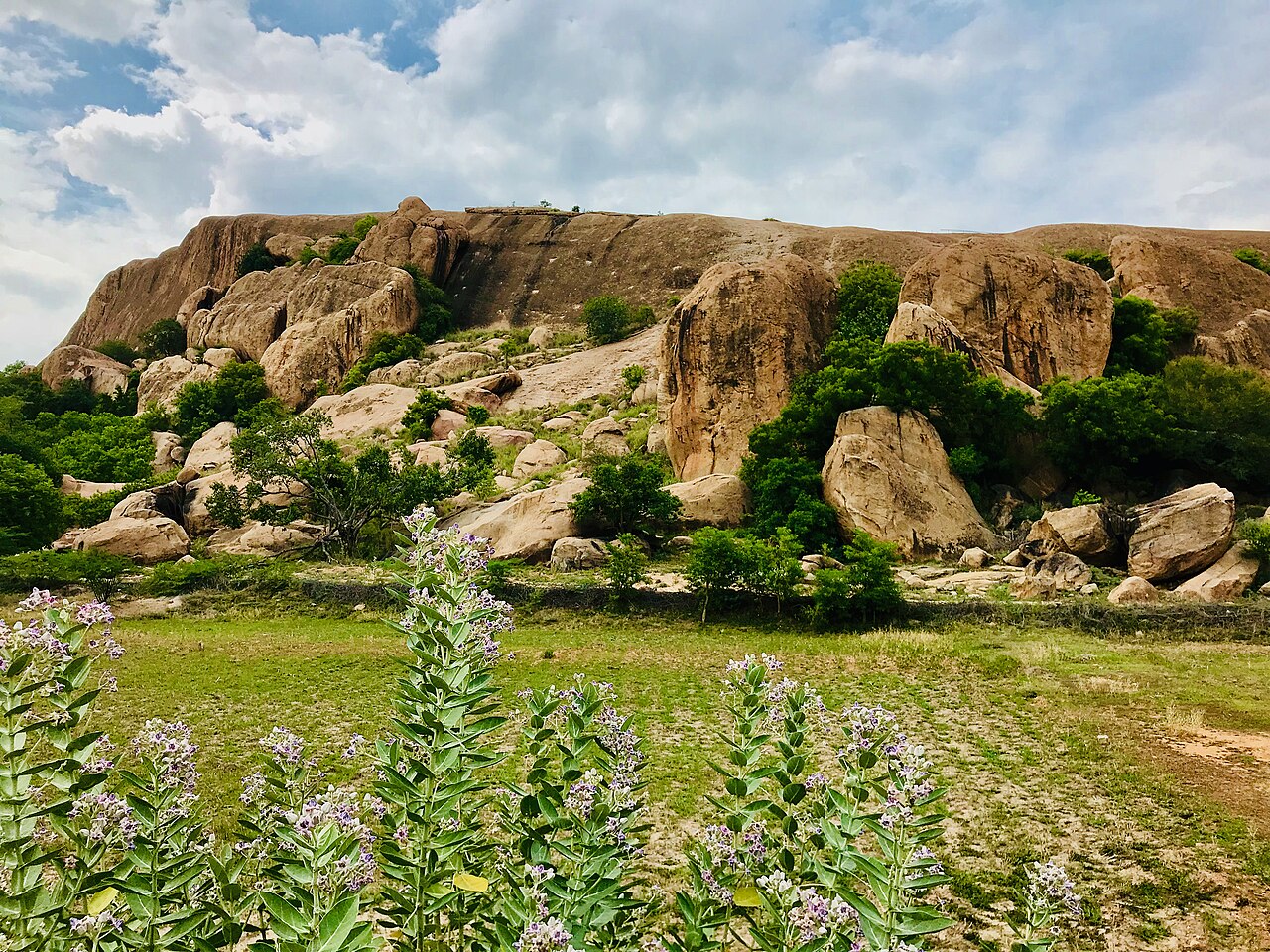 #8 in MaduraiEntrée gratuite
Samanar Hills
Patrimoine · 5 km · about 15 min by road
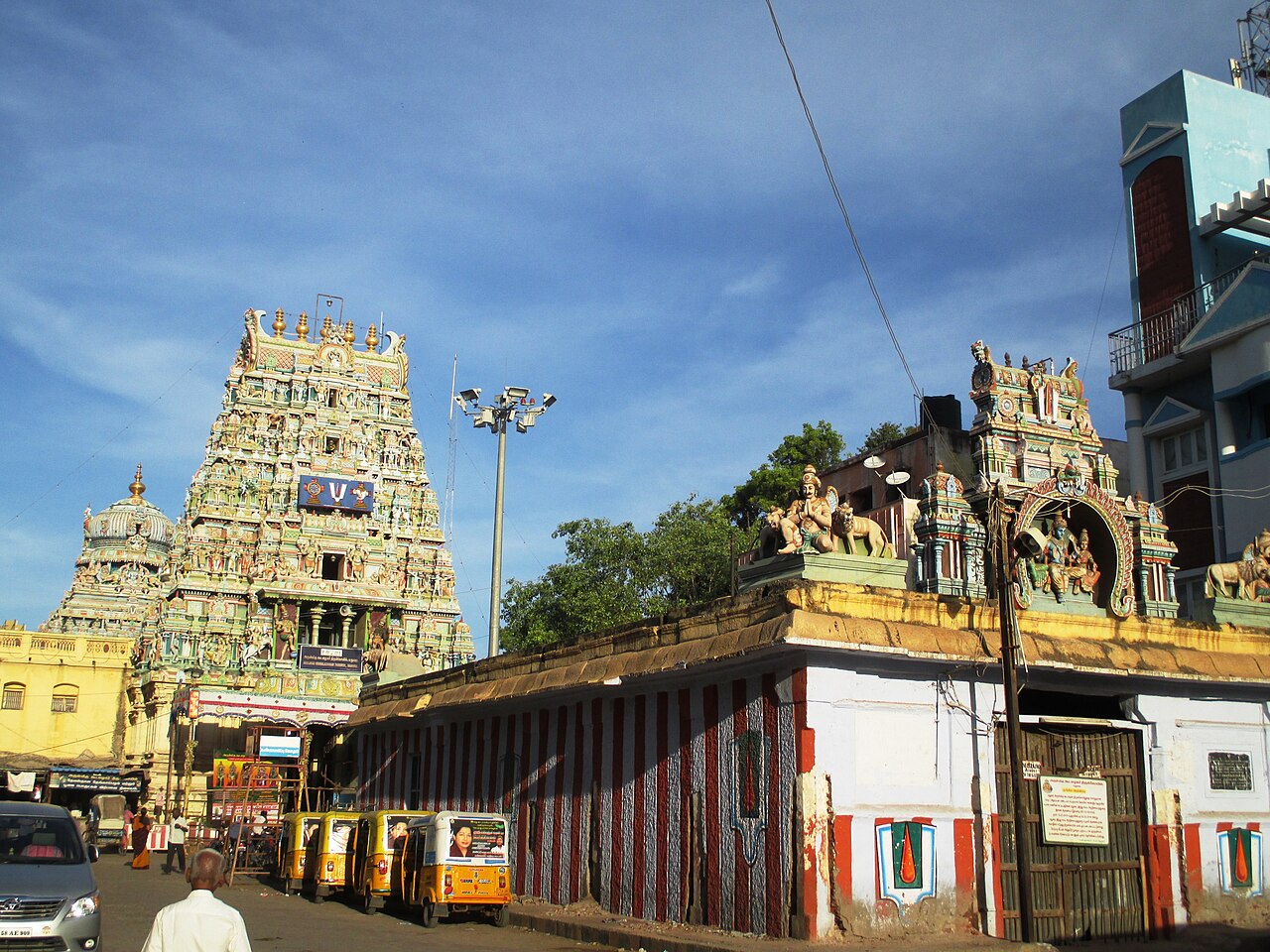 #7 in MaduraiEntrée gratuite
Koodal Azhagar Temple
Temple · 6 km · about 20 min by road
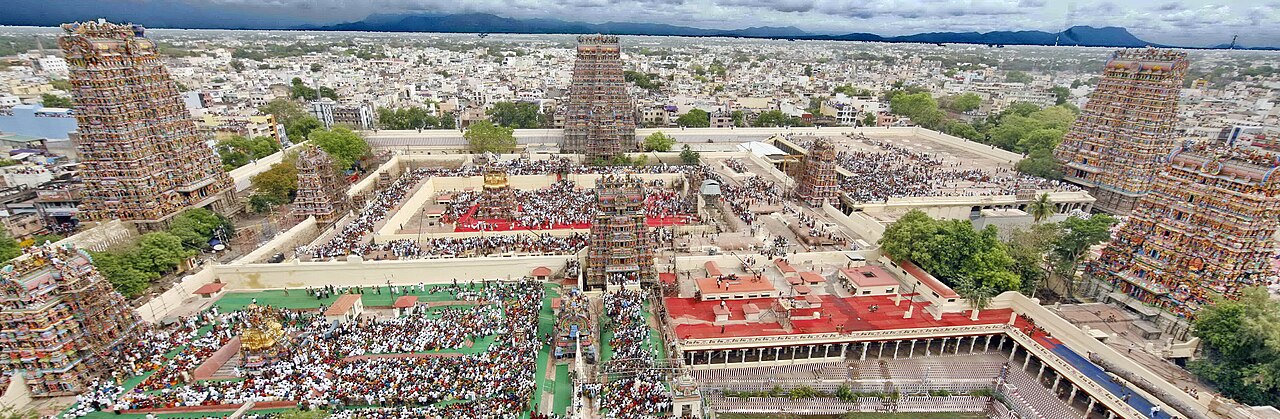 #1 in Madurai
Meenakshi Amman Temple
Temple · 7 km · about 20 min by road
 #2 in Madurai
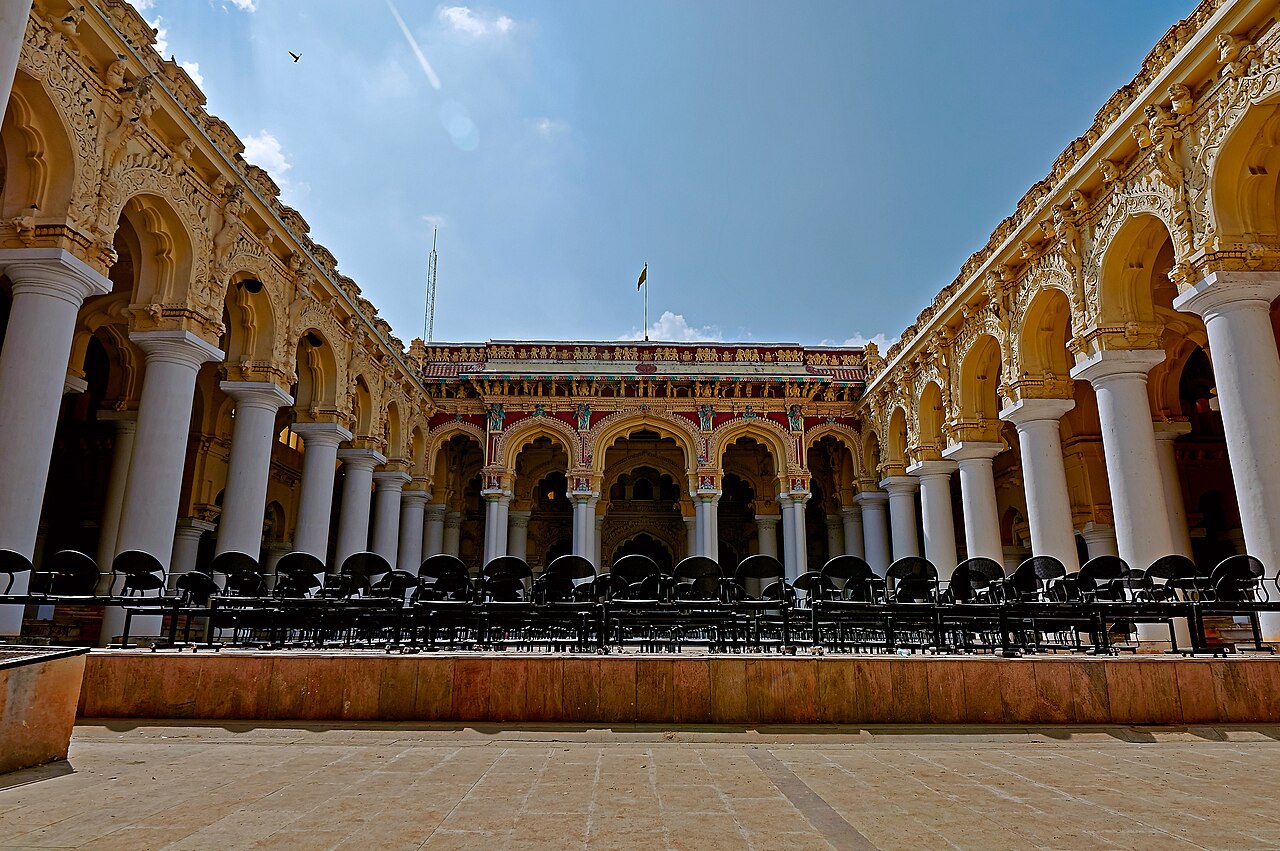
Thirumalai Nayakkar Palace
Palais · 7 km · about 20 min by road