
Goa Gajah
#6of 8 places to visit in UbudUbud, Bali, Indonesia
Also known as Elephant Cave
Quick answer
Opening hours: 08:00–18:00. Entry: IDR 50,000. Allow 1 hr. Best time: 08:00 – 09:30.
Updated · Compiled by Traveliac, AI-assisted · 4 min read
- Opening hours
- 08:00–18:00
- Entry fee
- IDR 50,000
- Ticket from
- Time needed
- 1 hr
- Best time of day
- 08:00 – 09:30
- Best months
- Apr – Jun, Sep – Oct
- Address
- Jalan Raya Goa Gajah, Bedulu, Kecamatan Blahbatuh, Kabupaten Gianyar, Bali 80581, Indonesia
About Goa Gajah
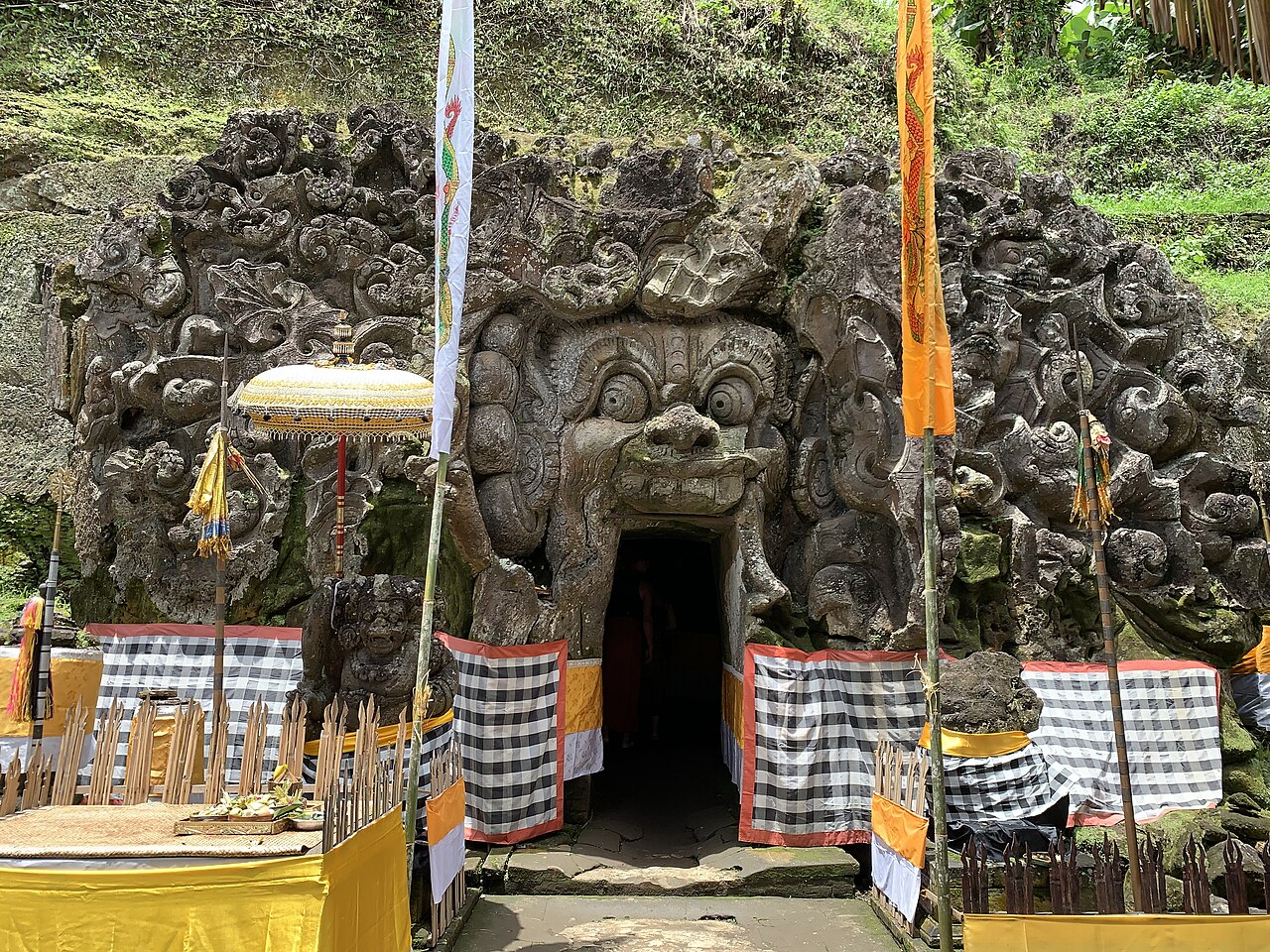
Goa Gajah takes its name, Elephant Cave, from a colonial-era misreading of the site rather than any historical elephant presence on Bali; the cave's entrance is carved directly into a rock face as a wide, fanged demon face, and scholars now generally read this as a Bhoma or Boma figure, a guardian deity, rather than an elephant-god image. The narrow T-shaped cave interior holds a small lingam shrine and a Ganesha statue, while a separate, lower courtyard reached by a stone stairway holds a bathing complex with six carved fountain figures excavated only in the 1950s.
Best time of day: 08:00 – 09:30. Shortly after opening, before tour buses arrive from the south coast and while the cave entrance courtyard is still shaded.
Goa Gajah timings
Goa Gajah opens at 08:00 and closes at 18:00. Those hours hold on Saturday and Sunday too.
- Opening hours
- 08:00–18:00
Mon–Sun 08:00–18:00 - Closed on
- Open every day
Good to know: The lower riverside courtyard and bathing pools can flood briefly during heavy wet-season downpours (November–March).
Opening hours compiled from kebudayaan.kemdikbud.go.id and public records, last updated . They change without notice — confirm before you travel. How we write these guides
Goa Gajah ticket price
| Ticket | Price |
|---|---|
| Standard ticket | IDR 50,000 |
| Concession (student / senior) | Free |
| Children | IDR 25,000 |
Reported 2026 entrance fee is approximately Rp 50,000 for adults and Rp 25,000 for children aged 5–11; under-5s are commonly admitted free. A sarong is typically included in the ticket price. Verify current rates at the entrance, as of 2026.
Prices compiled from kebudayaan.kemdikbud.go.id and public records, last updated . They change without notice — confirm before you travel. How we write these guides
Best time to visit Goa Gajah
- Quiet
- Moderate
- Very busy
08:00 – 09:30
Morning OpeningBest time to go
Cave courtyard largely clear; the shaded rock-cut entrance photographs well before direct sun hits it later in the morning.
Quiet09:30 – 13:00
Tour Bus Window
Coach groups en route between Ubud and Kintamani or Tirta Empul stop here in clusters; the narrow cave passage forms short queues.
Very busy13:00 – 15:30
Midday Heat
Crowds thin as groups move on for lunch; the lower riverside courtyard stays relatively quiet throughout the day regardless.
Moderate15:30 – 18:00
Late Afternoon
A second quiet window before closing, with softer light on the carved cave entrance.
Quiet
History of Goa Gajah
Goa Gajah dates in its earliest form to around the 11th century, built during a period of Bali's history when Hindu and Buddhist practice coexisted closely, a fact reflected in the site's mixed iconography: Shaivite lingam-yoni shrines sit inside the cave itself, while fragments of Buddhist statuary, including a damaged image resembling a Buddhist relief, were found in the surrounding grounds. The cave's rock-cut demon-face entrance is generally dated to this same early period, though its exact original function and full iconographic reading remain debated among archaeologists. The bathing pool complex in the lower courtyard, with its six stone figures each channelling water from a jar, was excavated by Dutch archaeologists only in 1954, after being buried under sediment for centuries — meaning the site visitors see today is considerably more complete than what existed through most of the 20th century.
Rules & etiquette at Goa Gajah
A sarong and sash are required throughout the temple grounds, typically included with the entrance ticket at the counter. The cave interior itself is narrow, dim, and low-ceilinged in places, with a slightly musty, damp-stone smell from centuries of monsoon seepage through the volcanic rock; visitors prone to claustrophobia may prefer to view the demon-face entrance from outside rather than walking the full T-shaped passage. The lower bathing courtyard and its stone stairway can be slippery when wet, particularly in wet-season months, and there is no handrail along parts of the older stone steps.
Tips for visiting Goa Gajah
- 1
Most visitors focus on the cave entrance and its Bhoma-face carving, but the lower riverside courtyard beyond the bathing pools is worth the extra ten minutes of walking, following a stone path down toward the Petanu River past a small waterfall and a ruined relief carving partly reclaimed by jungle. The site combines naturally with Tirta Empul, roughly 25 minutes further north by car, as a single half-day temple loop, since Goa Gajah's smaller scale and shorter visit time complements Tirta Empul's larger, more immersive bathing ritual. Vendors selling sarongs, drinks, and souvenirs line the approach path from the car park; prices here are set higher than in central Ubud and bargaining is expected. The cave passage itself is short enough — under two minutes end to end — that the wait to enter during a busy tour-bus window can exceed the time actually spent inside, which is worth factoring into how early a visit is planned.
How to reach Goa Gajah
The red star is Goa Gajah; the numbered pins are the 4 nearest places in our guides, each showing its rank in its city. Tap a pin for details.
Jalan Raya Goa Gajah, Bedulu, Kecamatan Blahbatuh, Kabupaten Gianyar, Bali 80581, IndonesiaDirections in Google Maps
From Ubud Palace
5 km · 15 min by car/scooter
Rp 40,000–60,000
From Tirta Empul Temple
18 km · 25–35 min by car
Rp 80,000–120,000
From Ngurah Rai International Airport (DPS)
30 km · 70–95 min
Rp 280,000–420,000 (prepaid airport taxi or ride-hail)
Nearest airport
From Ngurah Rai International Airport (DPS)
approximately 30 km, 70–95 minutes by road.
Nearest station
From No rail service in Bali; Goa Gajah is approximately 5 km southeast of central Ubud by road.
Goa Gajah FAQs
Why is Goa Gajah called the Elephant Cave if there are no elephants?
No, the name comes from a colonial-era misreading of the carved entrance face, which scholars now generally identify as a Bhoma or Boma guardian figure rather than an elephant deity. There is no historical evidence of elephants on Bali.
How much does it cost to enter Goa Gajah?
Approximately Rp 50,000 for adults and Rp 25,000 for children aged 5–11, as of 2026, with a sarong typically included in the ticket. Verify current pricing at the entrance.
How old is Goa Gajah?
The cave dates in its earliest form to around the 11th century, though the lower bathing pool complex with its six carved fountain figures was only excavated by archaeologists in 1954, after being buried for centuries.
Can Goa Gajah be combined with Tirta Empul in one trip?
Yes, the two sites pair naturally into a half-day temple loop, with Tirta Empul roughly 25–35 minutes further north by car from Goa Gajah. Goa Gajah's shorter visit time makes it a logical first stop.
Compiled with AI assistance from official sources and public records, and published only after the checks in How we write these guides. Nobody from Traveliac has visited this place. Last updated . How we rank and check places
Places to visit near Goa Gajah
Straight-line distances from our map; times are estimates.
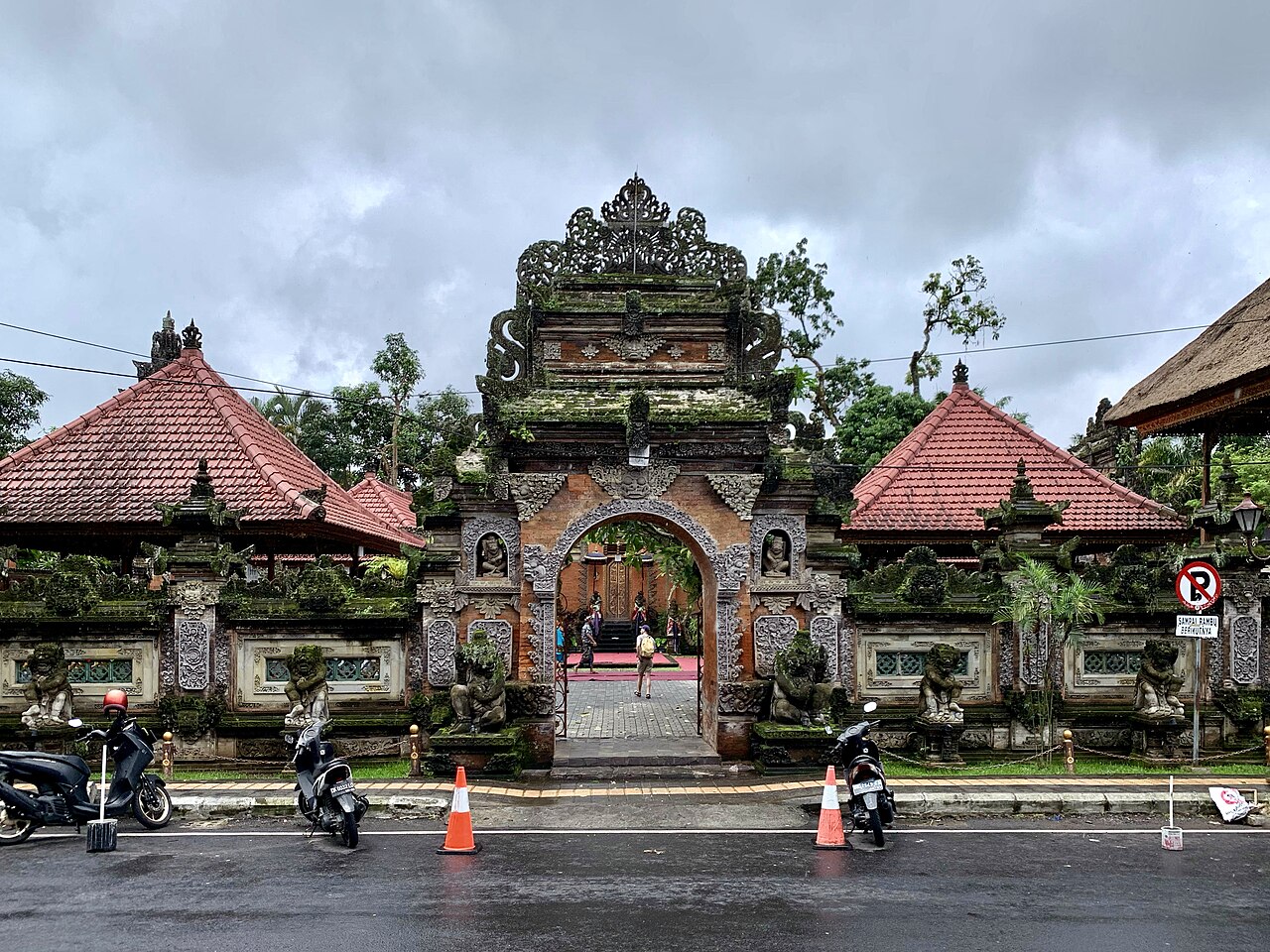 #1 in UbudFree entry
Ubud Palace
Palace · 3 km · about 10 min by road
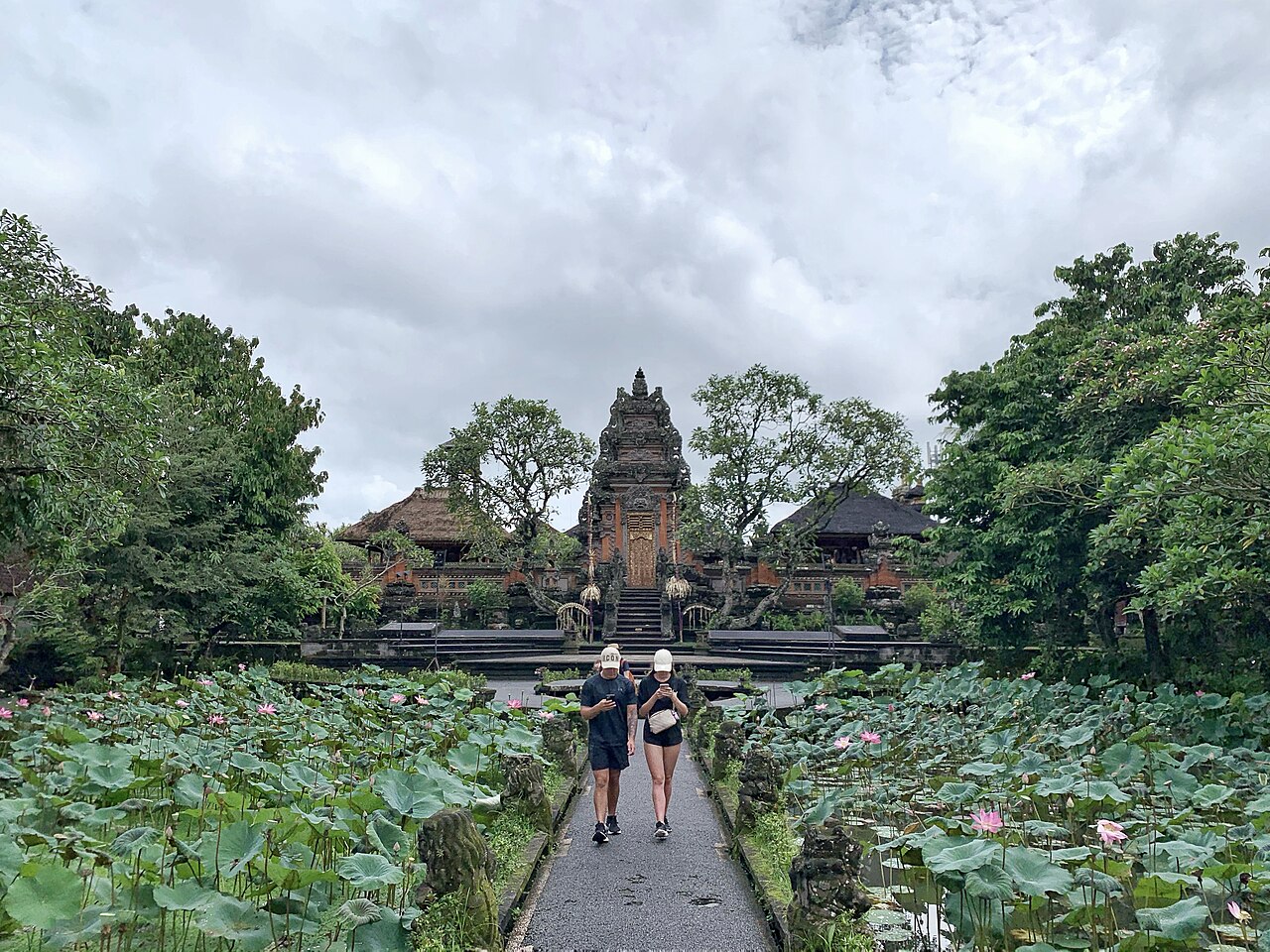 #3 in UbudFree entry
Pura Taman Saraswati
Temple · 3 km · about 10 min by road
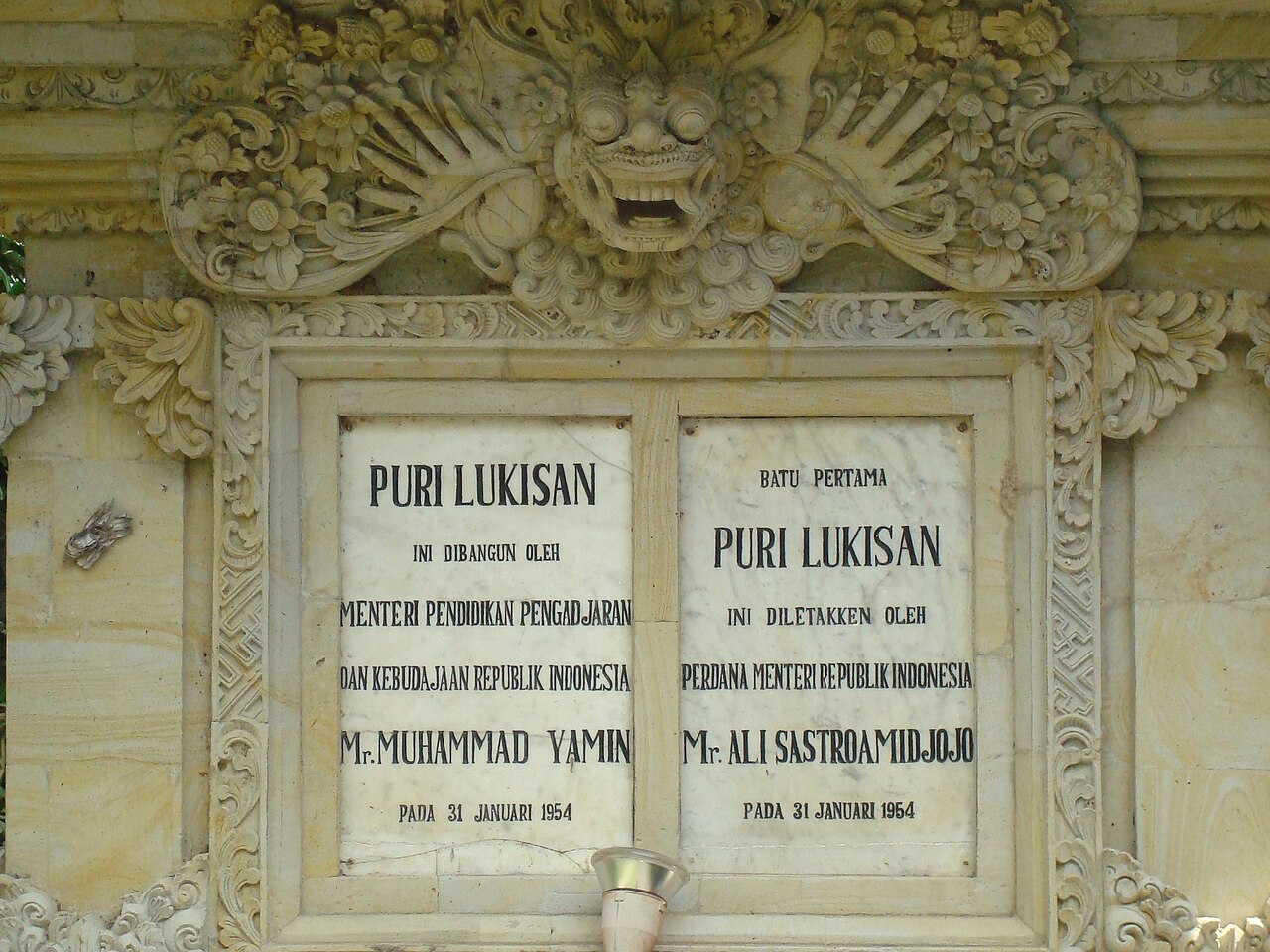 #4 in Ubud
Museum Puri Lukisan
Museum · 4 km · about 10 min by road
 #8 in Ubud
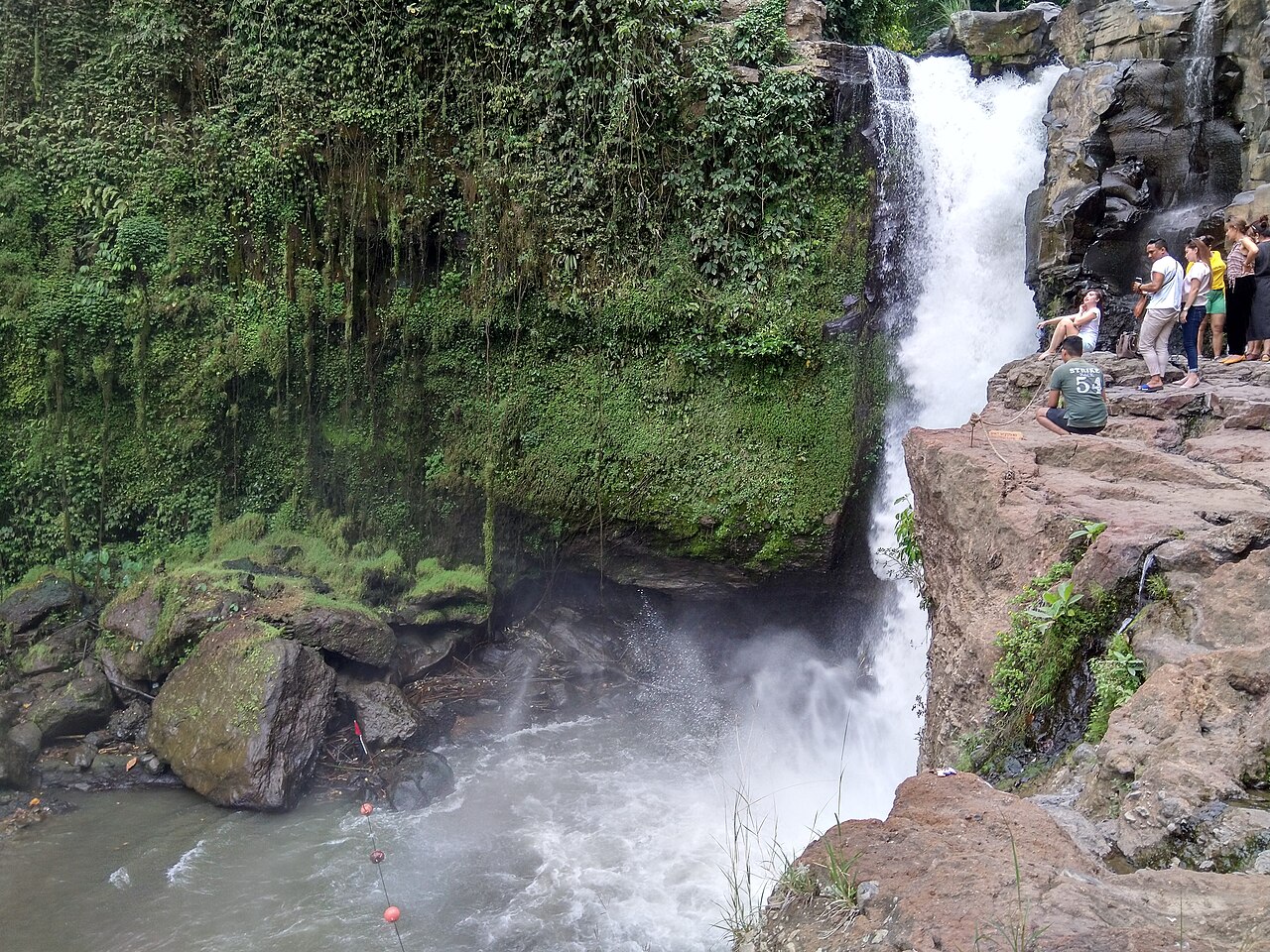
Tegenungan Waterfall
Waterfall · 6 km · about 20 min by road