
England travel guide
Top 10 Places to Visit in London
Also known as Greater London · The Big Smoke
London sits on the tidal River Thames in southeast England, and its 32 boroughs plus the City of London cover roughly 1,570 square kilometres, making it one of the largest urban areas in Western Europe by footprint.
Updated ·Compiled by Traveliac, AI-assisted ·How we rank
- Best time
- May – Jul, Sep
- Time needed
- About 4 days
- 21 hours of sightseeing
- Fly into
- London City Airport (LCY)
- Nearest station
- Tower Hill Underground station (Circle
- Free to enter
- 4 of 10
Top things to do in London
Ranked on five published criteria- 1
Temple
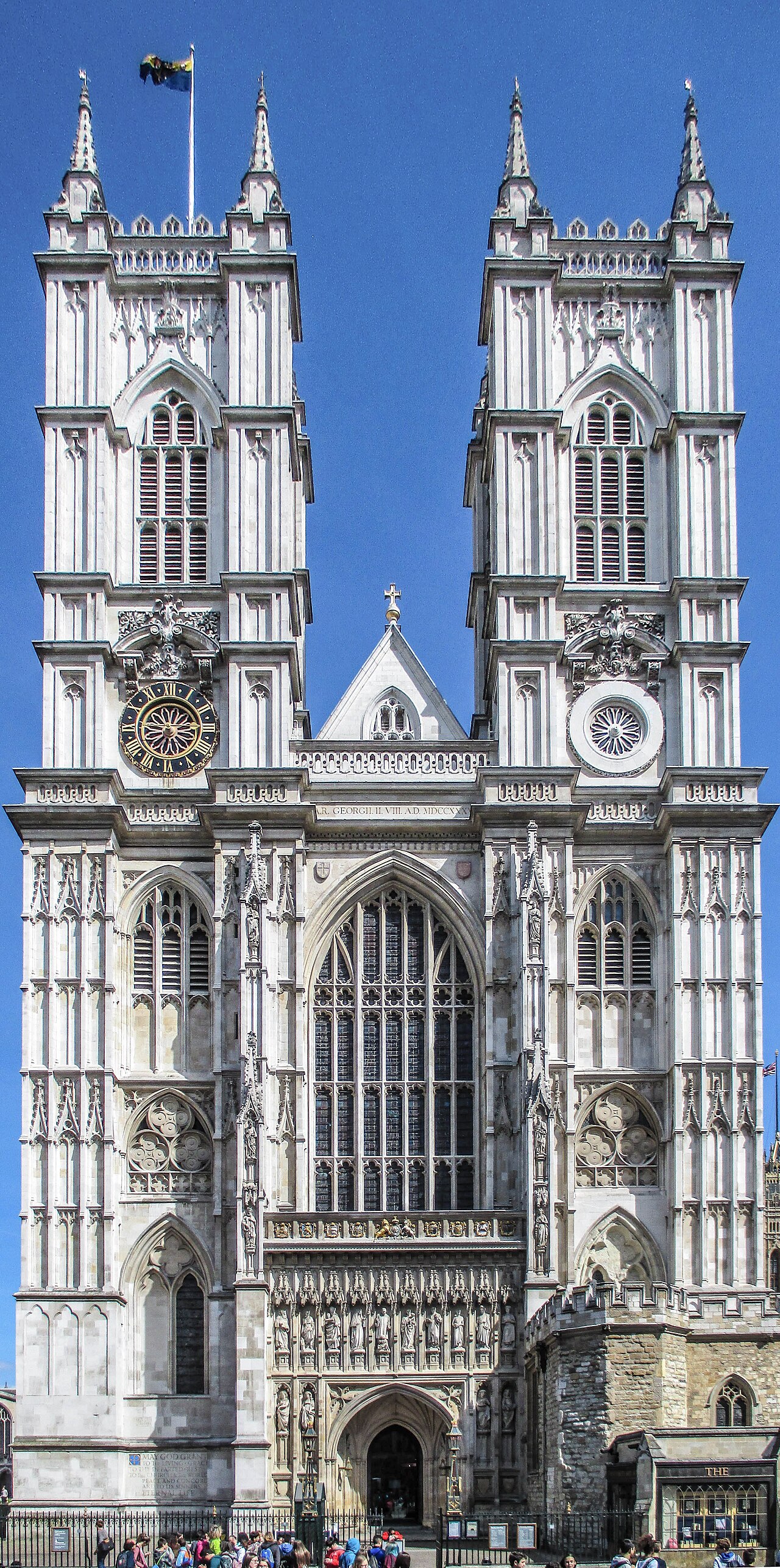
Westminster Abbey
Westminster Abbey has hosted every English and British coronation since William the Conqueror's in 1066, with the sole exceptions of Edward V and…
1.5 hrs£31
 2
2Palace
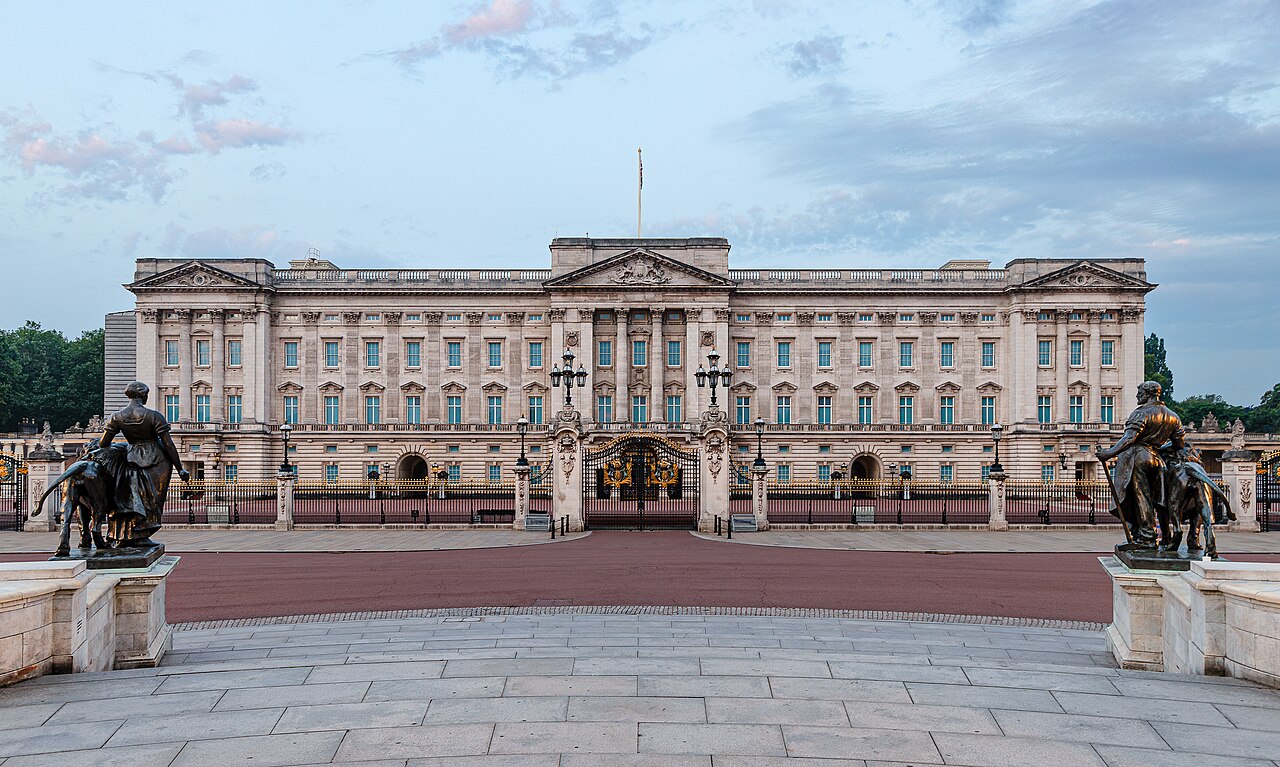
Buckingham Palace
Buckingham Palace has 775 rooms, including 19 State Rooms open to visitors during the summer opening, and has served as the official London residence…
2 hrs£33
 3Free entry
Museum
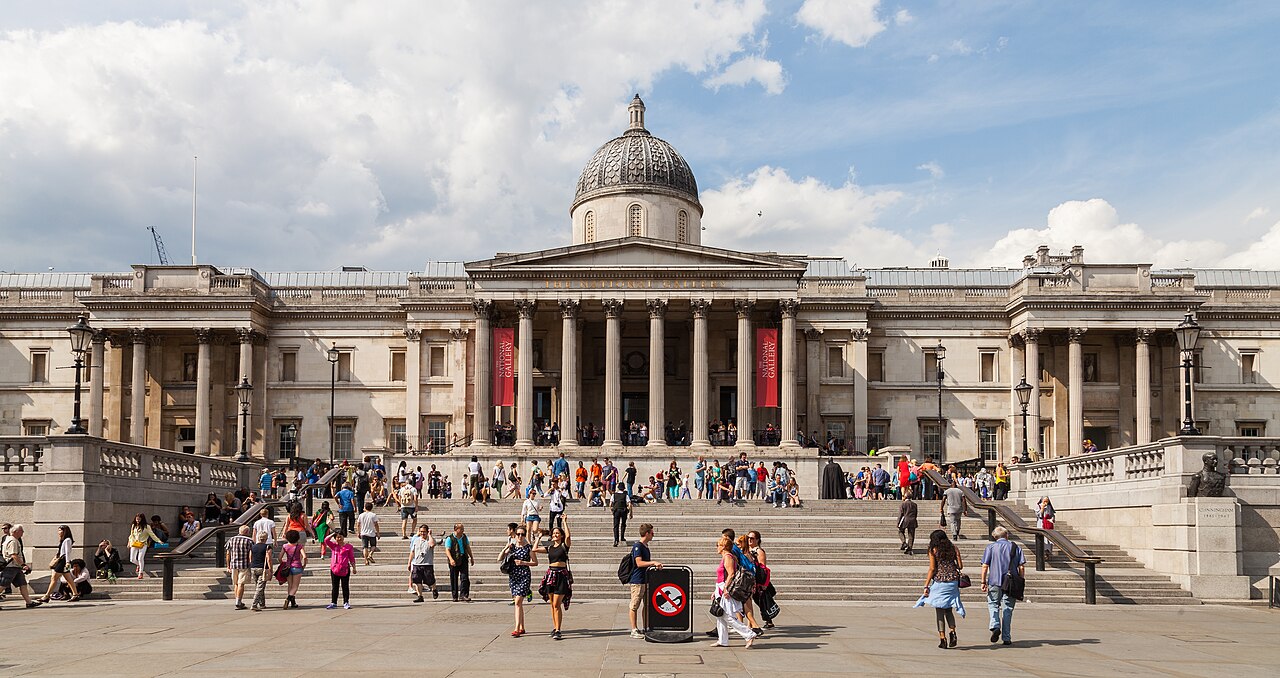
National Gallery
The National Gallery holds around 2,300 paintings spanning the mid-13th century to 1900, displayed free of charge across 66 rooms facing Trafalgar…
2.5 hrs
 4
4Heritage
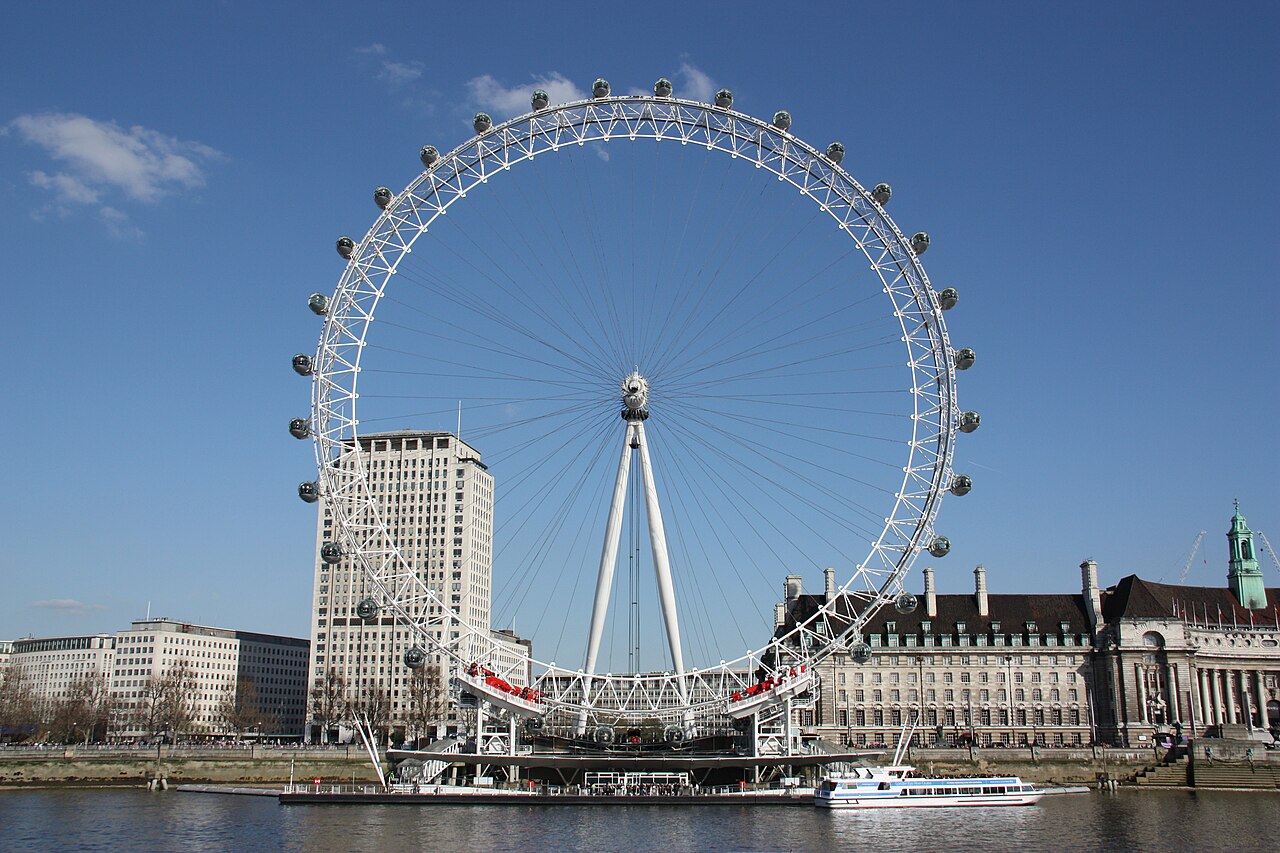
London Eye
The London Eye stands 135 metres tall on the South Bank of the Thames, opposite the Houses of Parliament, and carries passengers in 32 sealed glass…
30 min£39
 5
5Church
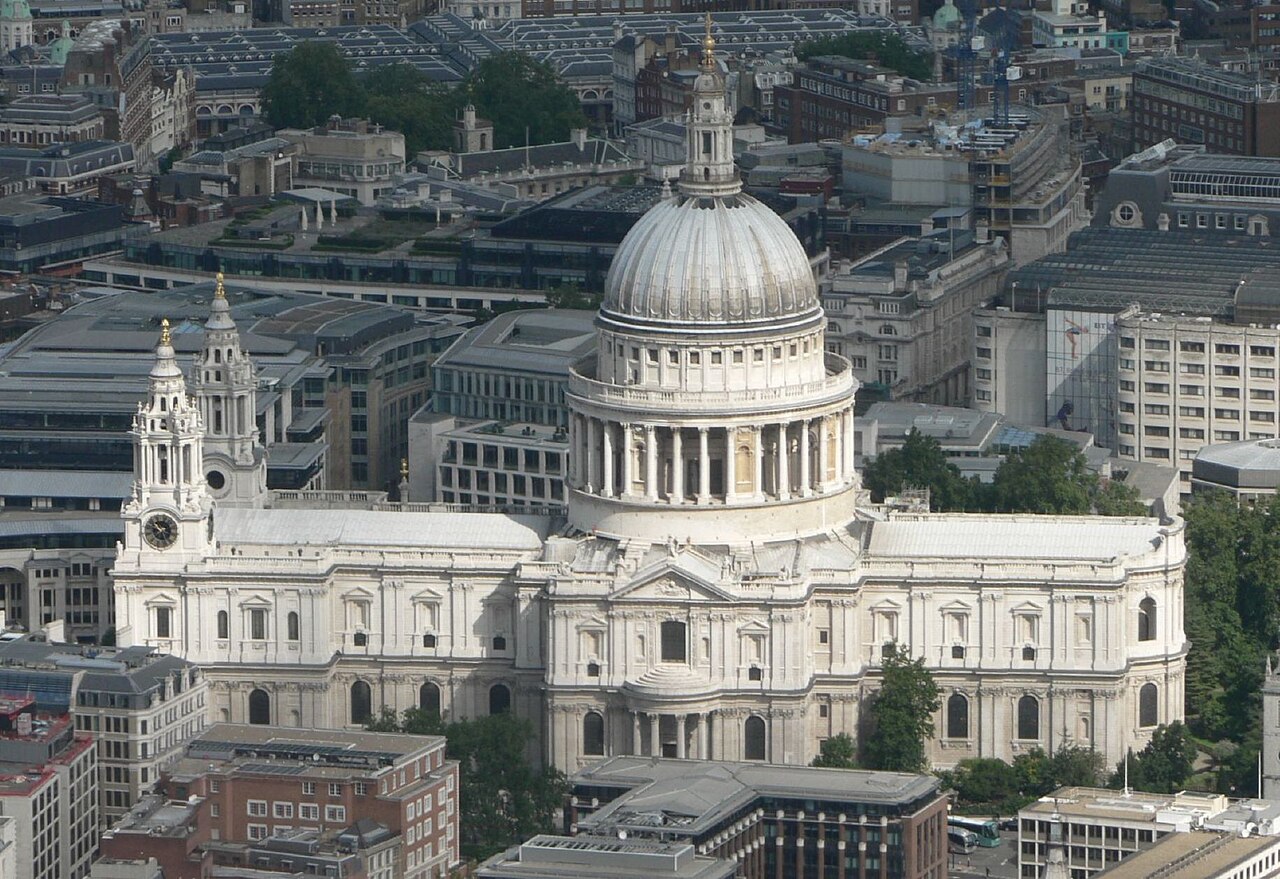
St Paul's Cathedral
St Paul's Cathedral rises 111 metres to the cross atop its dome, completed in 1710 under the sole direction of architect Sir Christopher Wren over 35…
2 hrs£27
 6
6Museum
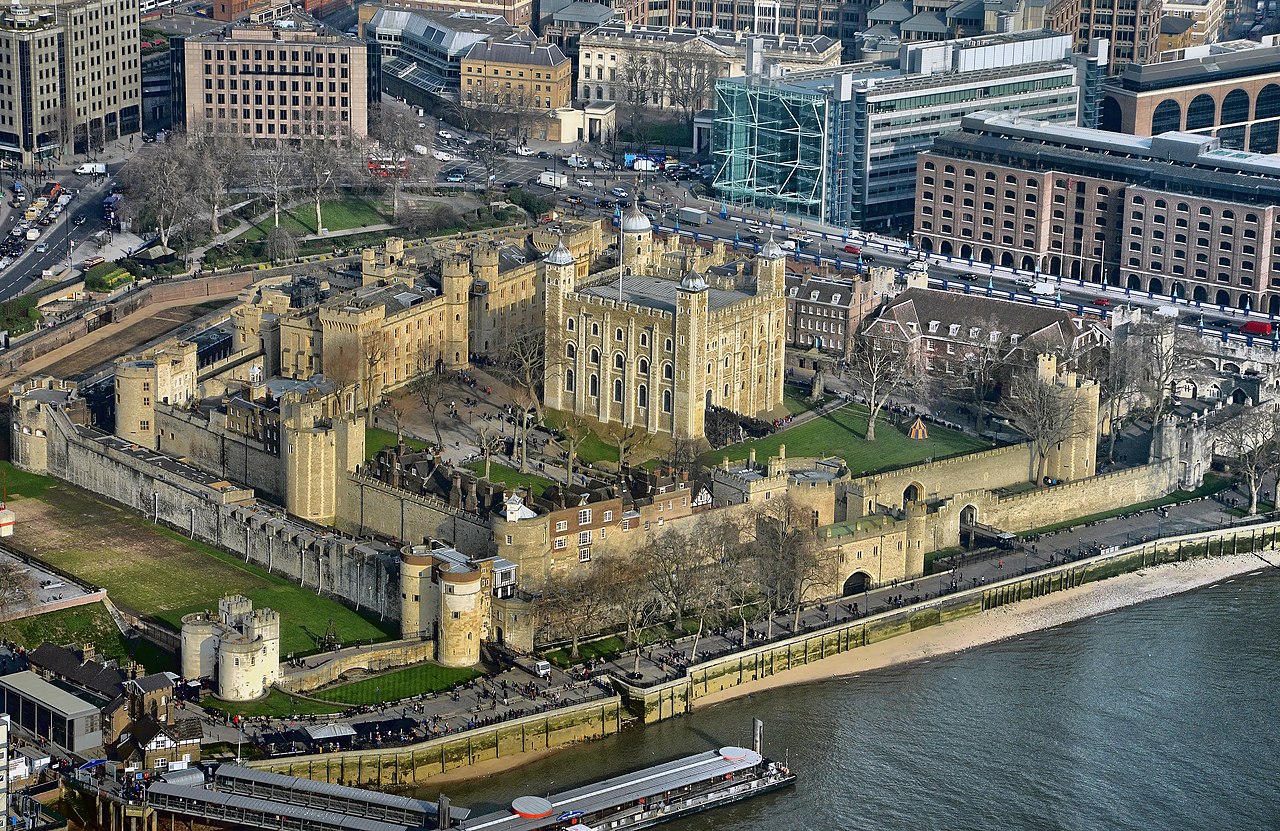
Tower of London
The Tower of London has stood on the north bank of the Thames since 1078, when William the Conqueror began the White Tower as both a royal residence…
3 hrs£37
 7
7Heritage
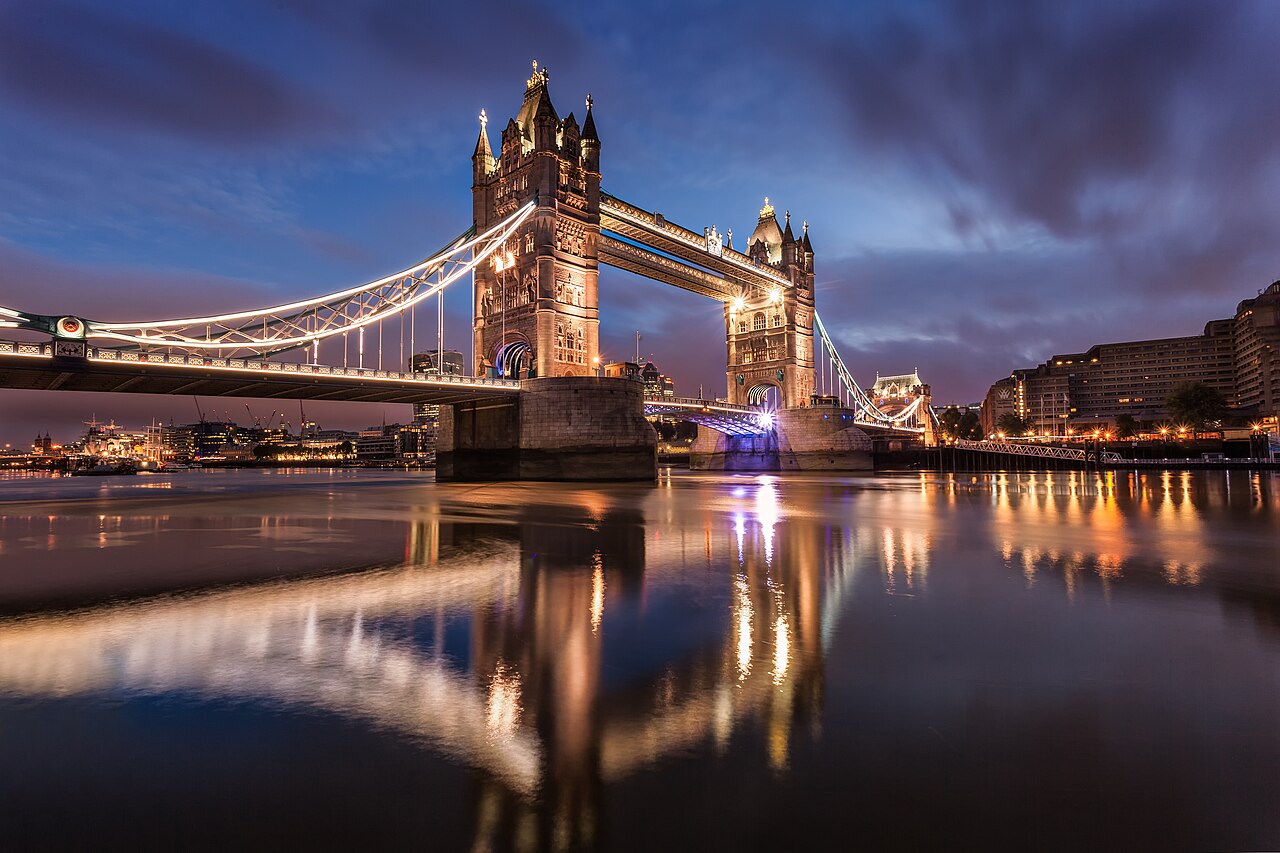
Tower Bridge
Tower Bridge spans the Thames with two 65-metre-high towers built from a steel frame clad in Cornish granite and Portland stone, chosen specifically…
1.5 hrs£18
 8Free entry
Museum
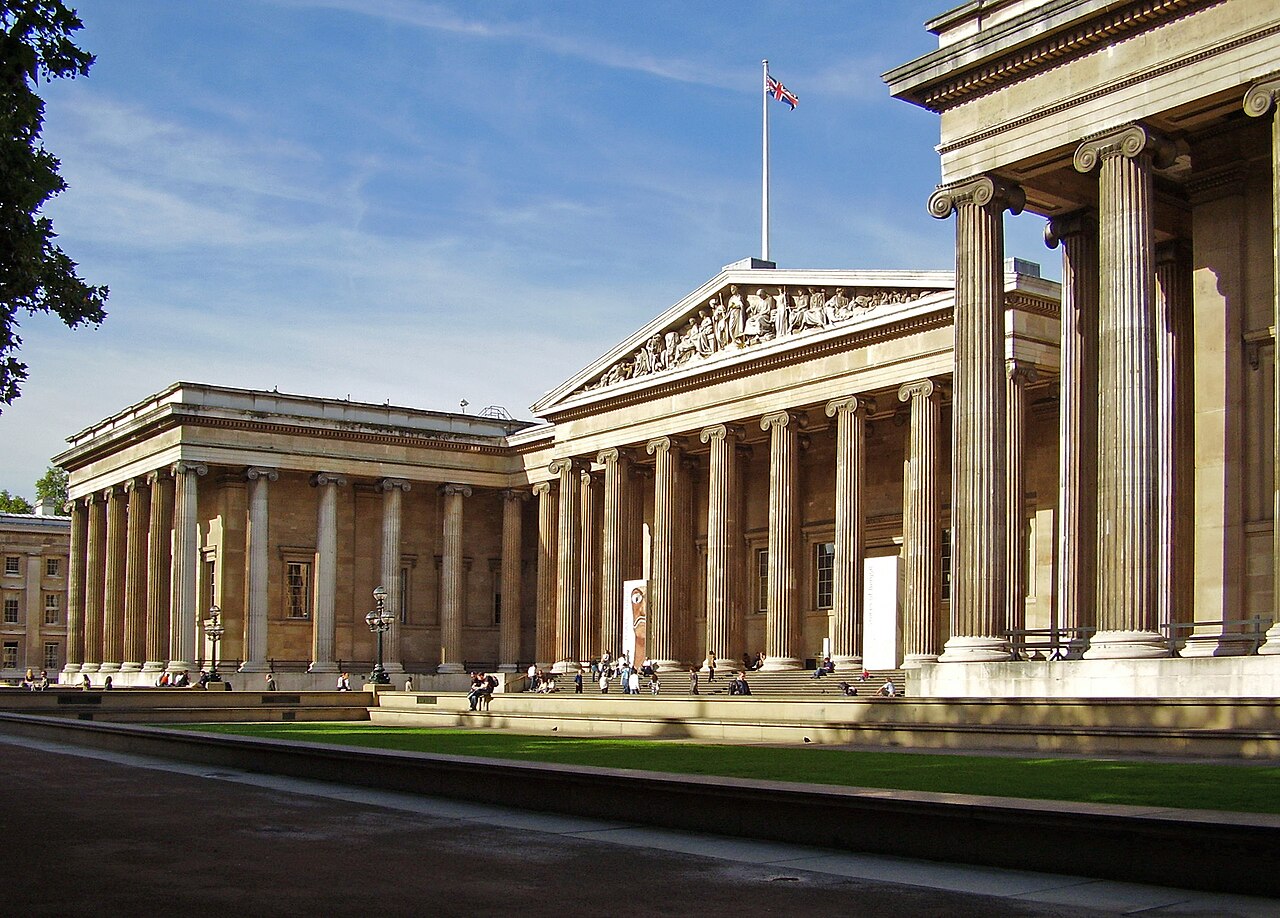
British Museum
The British Museum holds around 8 million objects spanning two million years of human history, of which only about 80,000 are on public display at…
3 hrs
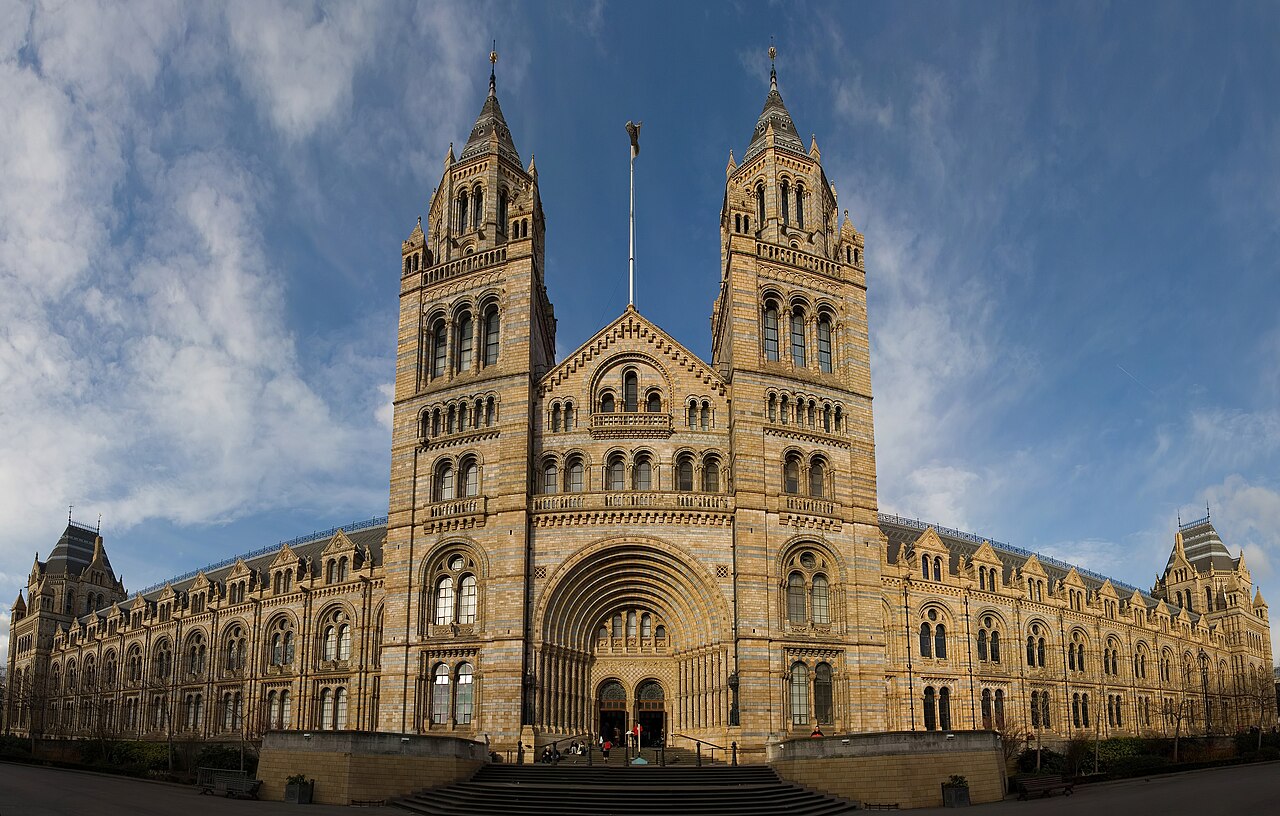 9Free entry
Museum
Natural History Museum
The Natural History Museum holds around 80 million specimens across botany, entomology, mineralogy, palaeontology, and zoology, displayed inside a…
2.5 hrs
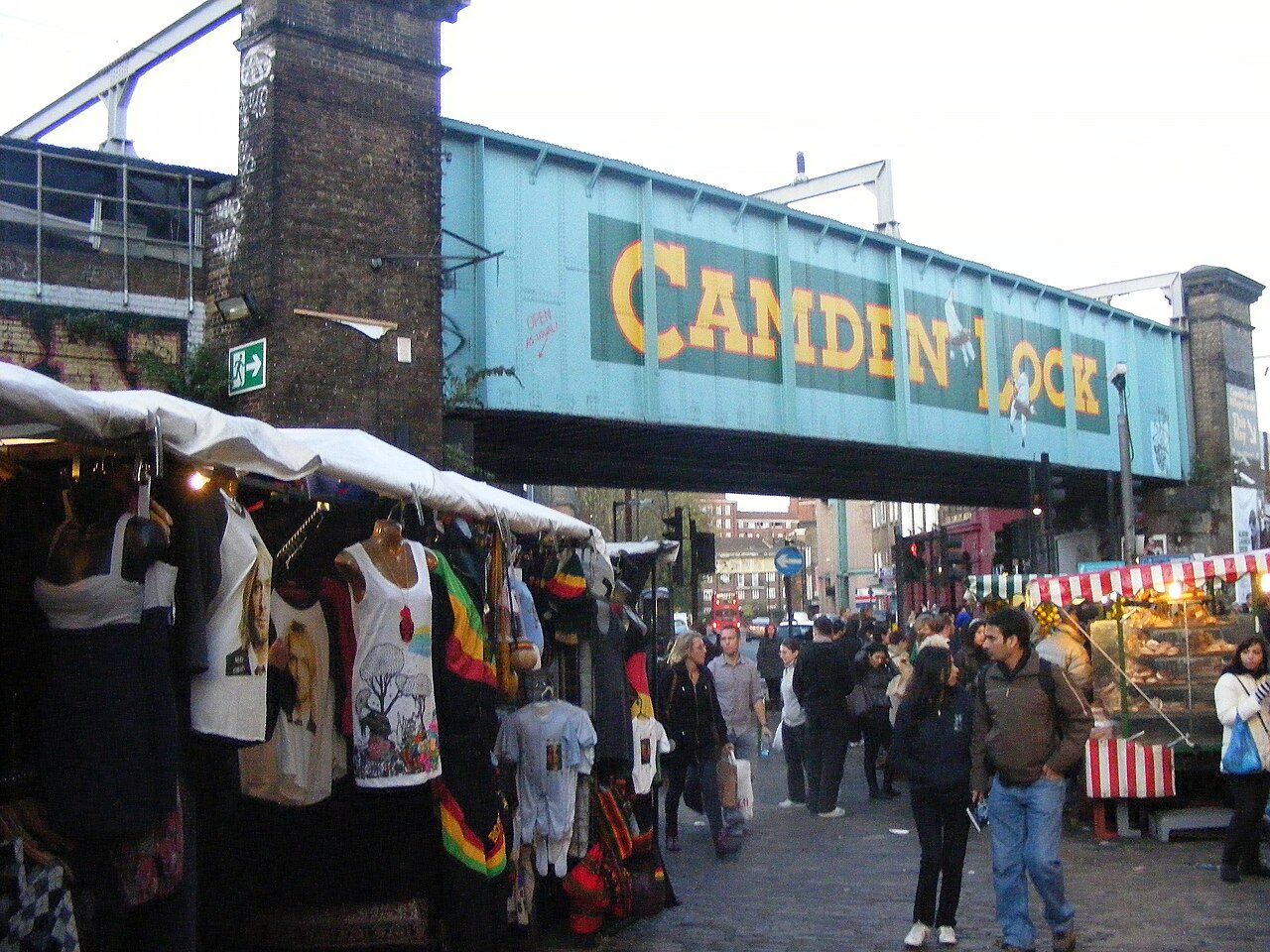 10Free entry
Market
Camden Market
Camden Market operates across several linked sites along the Regent's Canal in north London, collectively drawing an estimated 100,000 visitors on a…
2.5 hrs
Map of places to visit in London
Numbers match the ranking; the top 3 are orange. Tap a pin for its guide.
Day trips from London
Worth a day out if you have one to spare, nearest first.
34 km · 1h
Windsor Castle
The oldest and largest occupied castle in the world, a working royal residence with the State Apartments and St George's Chapel open on non-ceremonial days.
90 km · 1h 40m
Oxford
Medieval university city of honey-coloured stone colleges, the Bodleian Library, and the Ashmolean Museum, reachable by direct train from Paddington in under an hour.
105 km · 1h 50m
Cambridge
Rival university city to Oxford, known for punting on the River Cam and the King's College Chapel fan-vaulted ceiling, under an hour by direct train from King's Cross.
185 km · 2h 30m
Bath
Georgian crescent architecture built over a Roman-era thermal spa complex, a UNESCO World Heritage city reachable by direct train from Paddington.
About London
The city has no single planned centre in the way Jaipur or Paris does — it grew by absorbing formerly separate settlements (Westminster, the City of London, Southwark, Camden) that still function as distinct districts with their own character, so a visitor's mental map is really a string of neighbourhoods linked by the Underground rather than one continuous downtown. The Roman settlement of Londinium, founded around 47-50 CE, occupied roughly the footprint of today's City of London (the 'Square Mile'), and the street pattern in that district still traces medieval lanes despite the Great Fire of 1666 and the Blitz of 1940-41 having each levelled large sections.
The Underground (the Tube, opened 1863, the world's first metro system) and the Overground/National Rail network reach every attraction covered here; an Oyster card or contactless bank card capped at daily/weekly fare limits is the standard way to pay, and single paper tickets cost substantially more. Heathrow (LHR) is the primary international gateway, connected to central London by the Elizabeth line and the Heathrow Express; Gatwick, Stansted, Luton, and City airports serve secondary and budget routes. Weather is temperate and wet year-round, with no dry season; May to September gives the longest daylight and the best odds of sunshine for the parks and river, while November to February brings short days but Christmas lights, quieter museum queues, and lower hotel rates. Many major museums (British Museum, National Gallery, Natural History Museum) are free to enter for their permanent collections, a legacy of 19th- and early-20th-century public funding policy that persists today.
London travel FAQs
How many days do you need in London?
Plan about 4 days for London. Its top attractions take roughly 21 hours of sightseeing in total, so 4 days covers the highlights without rushing — you can move faster if you are short on time.
What is the best time to visit London?
The best time to visit London is May – Jul, Sep.
Is London cheap or expensive to visit?
Entry to London's top attractions ranges from £18 to £39, and 4 of the top 10 are free to enter. Prices are the latest checked on each place's page; always confirm current rates on the official website.
What is London famous for?
London is best known for its top sights, including Westminster Abbey, Buckingham Palace and National Gallery. The full ranked list of things to do is on this page.
How much time should you spend at Westminster Abbey?
Allow about 1.5 hrs for Westminster Abbey.
Spotted something wrong, or a place we missed?
Tell us and an editor will check it against official sources and fix the page.