Naggar Castle
#3من أصل 6 مكانًا للزيارة في ManaliManali, Himachal Pradesh
يُعرف أيضًا باسم Naggar Fort · Naggar Rajwara
إجابة سريعة
ساعات العمل: 10:00–17:00, last entry 16:30. رسوم الدخول: ₹50 للهنود · ₹100 للأجانب. خصّص 1.5 hrs. أفضل وقت: 10:00–12:00.
آخر تحديث · أعدّه Traveliac، بمساعدة الذكاء الاصطناعي · 5 دقيقة قراءة
- ساعات العمل
- 10:00–17:00
- The Roerich Art Gallery on the same site keeps the same hours, with last entry at 16:30.
- رسوم الدخول
- ₹50 للهنود
- التذكرة تبدأ من
- الوقت اللازم
- 1.5 hrs
- أفضل وقت في اليوم
- 10:00–12:00
- أفضل الأشهر
- Mar – Jun, Sep – Oct
- العنوان
- Naggar, Kullu district, Himachal Pradesh 175130, 21km from Manali on the left-bank Manali-Naggar-Kullu road
عن Naggar Castle
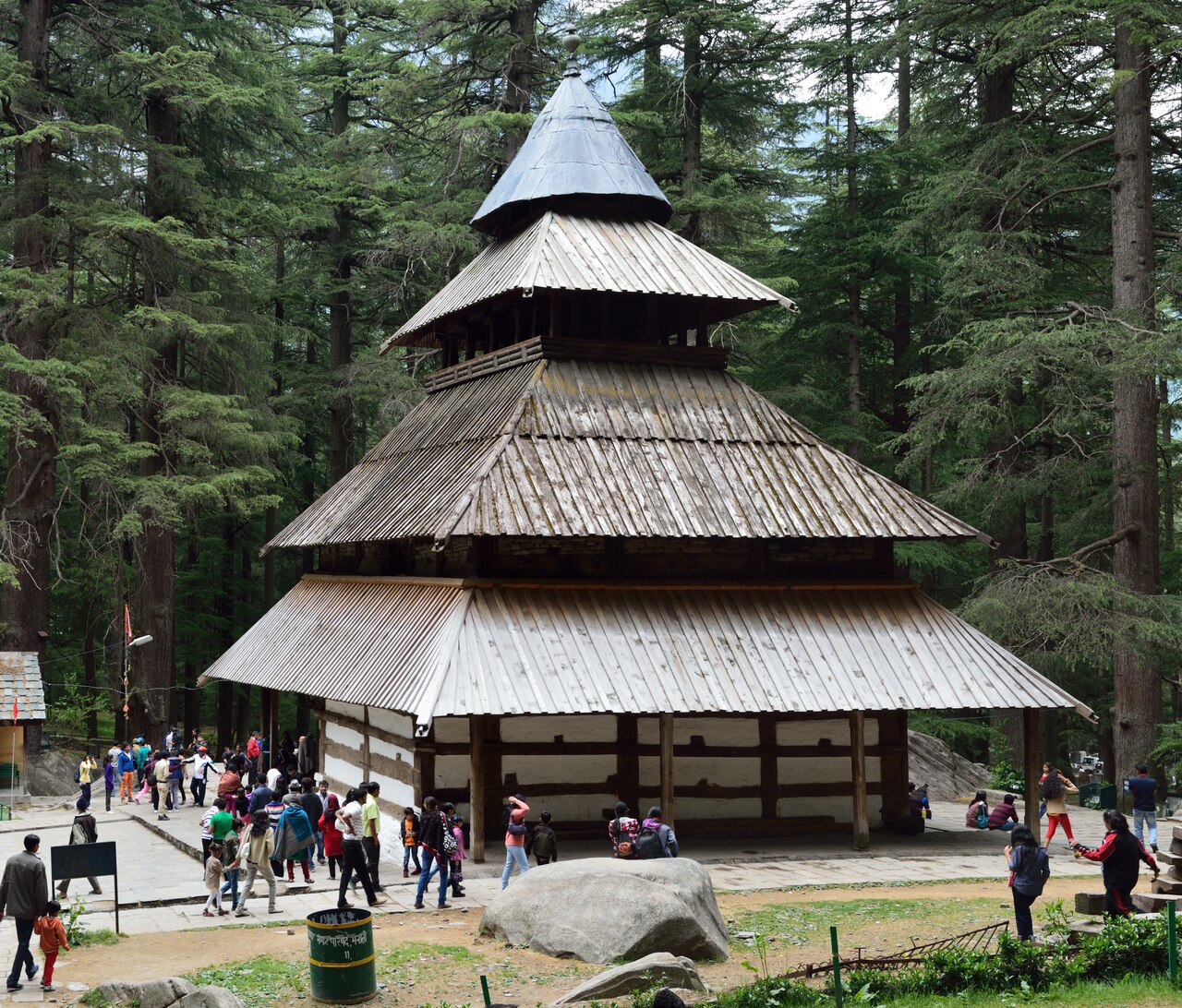
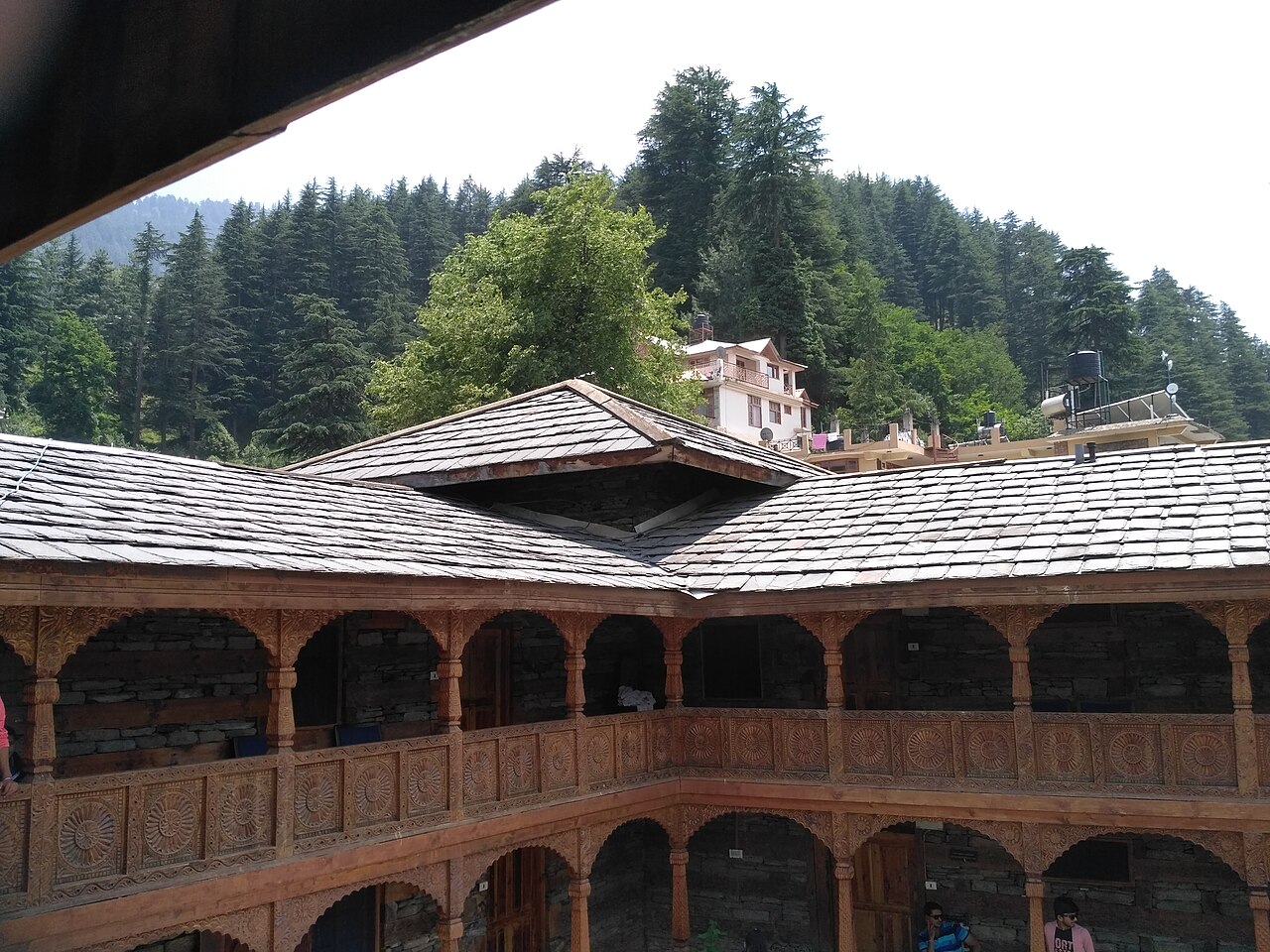
Naggar Castle occupies a shelf of high ground on the true left bank of the Beas — the quieter side of the valley, opposite the main Manali–Kullu highway — and was, from the 15th century until the mid-17th, the seat of the Kullu rajas before the capital shifted downriver to Sultanpur (present-day Kullu town). The castle is built in kath-kuni technique: alternating courses of dry-stacked local stone and squared deodar timber beams, interlocked without mortar or nails, a construction method developed across the western Himalaya specifically to absorb seismic shock — the timber layers flex where solid masonry would crack. The result, after roughly five centuries and multiple recorded earthquakes including the severe 1905 Kangra event, is a structure still substantially standing on its original footprint, now operated as a heritage hotel by the Himachal Pradesh Tourism Development Corporation with a public museum wing open to day visitors.
أفضل وقت في اليوم: 10:00–12:00. For the clearest morning light across the valley from the castle's south-facing terrace, before afternoon haze typically builds over the Beas.
مواعيد Naggar Castle
يفتح Naggar Castle في 10:00 ويغلق في 17:00. وتظل المواعيد نفسها يومَي السبت والأحد.
- ساعات العمل
- 10:00–17:00
Mon–Sun 10:00–17:00 - The Roerich Art Gallery on the same site keeps the same hours, with last entry at 16:30.
- يُغلق يوم
- مفتوح كل يوم
تم جمع ساعات العمل من hptdc.com والسجلات العامة، وآخر تحديث في . قد تتغيّر دون إشعار مسبق — تأكد منها قبل السفر. كيف نكتب هذه الأدلة
سعر تذكرة Naggar Castle
| التذكرة | السعر |
|---|---|
| الزوار الهنود | ₹50 |
| الزوار الأجانب | ₹100 |
| الأطفال | مجاني |
| الكاميرا | مجاني |
Entry fee applies to non-guest visitors touring the castle's museum rooms and courtyard; guests staying at the HPTDC heritage hotel inside the castle do not pay separately to access common areas. The adjoining Nicholas Roerich Art Gallery and Urusvati Himalayan Folk Art Museum charge a separate combined ticket, approximately ₹100 Indian / ₹200 foreign — confirm current pricing at the gate, as HPTDC revises rates periodically.
تم جمع الأسعار من hptdc.com والسجلات العامة، وآخر تحديث في . قد تتغيّر دون إشعار مسبق — تأكد منها قبل السفر. كيف نكتب هذه الأدلة
أفضل وقت لزيارة Naggar Castle
- Quiet
- Moderate
10:00–12:00
Morning openingBest time to go
Museum and gallery open for the day. Visitor numbers are light and the castle terrace offers the clearest valley views before afternoon haze builds.
Quiet12:00–14:30
Midday
Day-trip visitors combining Naggar with a Manali–Kullu circuit arrive. The HPTDC restaurant does its main lunch service.
Moderate14:30–16:00
Afternoon
Steady but unhurried visitor flow through the museum rooms and Roerich Gallery. Village lanes remain quiet regardless of castle visitor numbers.
Moderate16:00–17:00
Closing window
Last-entry visitors move through quickly before the 17:00 close. Good light for exterior photography of the timber-and-stone facade.
Quiet
تاريخ Naggar Castle
Local tradition attributes the castle's construction to Raja Sidh Singh of the Kullu dynasty in the 15th century, though as with much of the region's early history the precise founding date rests more on court genealogy and oral record than on a single dated inscription. Naggar functioned as the Kullu rajas' primary seat for roughly two centuries, during which the valley's characteristic wooden-temple architecture — visible in the small Jagti Patt shrine within the castle courtyard, built around a large stone slab that local legend claims was dragged uphill by villagers under a deity's command — developed alongside the court's patronage.
The capital's relocation downriver to Sultanpur in the mid-17th century left Naggar Castle in reduced use, and the British subsequently occupied and repurposed it as an administrative building during the colonial period, adding a stone stairway and some structural reinforcement.
The estate's most internationally notable later resident was Nicholas Roerich, the Russian painter, philosopher, and explorer, who settled in Naggar in 1928 after extensive Central Asian expeditions and lived there until his death in 1947. His house, a short walk uphill from the castle, is preserved as the Roerich Art Gallery, displaying his large body of Himalayan landscape paintings — vivid, almost mineral-toned depictions of the surrounding peaks — alongside works by his son Svetoslav. The adjacent Urusvati Himalayan Folk Art Museum, founded by Roerich as a research institute for Himalayan studies, holds a smaller collection of regional artefacts and botanical and ethnographic material.
القواعد والآداب في Naggar Castle
The castle functions simultaneously as a paying heritage hotel and a day-visit museum, so day-trippers should stay within the marked public areas — the courtyard, the Jagti Patt shrine, the museum rooms, and the terrace — rather than wandering into guest room corridors. Photography is generally permitted in public areas; ask at the reception desk about restrictions inside specific museum rooms, since older wooden interiors are sometimes protected from flash photography.
At the Roerich Gallery, photography of the paintings themselves is typically restricted or prohibited to protect copyright and the condition of the canvases; check current gallery policy at the entrance rather than assuming.
The steep stone stairways within the castle, original to its centuries-old construction, have uneven, worn steps and limited handrail coverage — visitors with mobility concerns should take them slowly, and the upper museum levels are not wheelchair accessible.
نصائح لزيارة Naggar Castle
- 1
Naggar rewards visitors willing to treat it as a half-day rather than a quick stop: the castle courtyard and museum take perhaps 45 minutes, but the combination with the Roerich Gallery, the Urusvati Museum, and a walk through Naggar village's own kath-kuni houses easily fills two to three hours. The village itself, largely bypassed by the main Manali–Kullu highway traffic on the opposite riverbank, retains a noticeably calmer pace than either Manali or Kullu town.
- 2
The drive from Manali along the left-bank road passes through a string of orchard villages — Jagatsukh, Prini, Nasogi — and is scenic enough to justify itself independent of the Naggar stop; allow closer to an hour rather than the bare 45 minutes the distance alone suggests, since the road is narrower and slower than the main highway.
- 3
HPTDC's heritage hotel inside the castle serves lunch to non-guests in its restaurant, set within a genuinely atmospheric wood-panelled dining room — a reasonable, unhurried lunch stop if timed around the museum visit. Combine Naggar with a visit to Old Manali's opposite-bank quiet or extend onward to the Parvati Valley (Manikaran, Kasol) since the left-bank road continues toward Bhuntar, making a Manali–Naggar–Bhuntar loop feasible in a single, longer day.
كيفية الوصول إلى Naggar Castle
النجمة الحمراء تمثّل Naggar Castle؛ والدبابيس المرقّمة هي أقرب 1 أماكن في أدلتنا، ويظهر على كل منها ترتيبه في مدينته. اضغط على أي دبوس لمزيد من التفاصيل.
Naggar, Kullu district, Himachal Pradesh 175130, 21km from Manali on the left-bank Manali-Naggar-Kullu roadالاتجاهات في خرائط Google
من Manali Mall Road
₹600–90021 km · 45–55 min
One way; ₹1,000–1,400 return with waiting time
من Kullu Town
₹40–6022 km · 40–50 min
Bus); ₹400–600 (private taxi
من Bhuntar Airport (Kullu-Manali Airport)
₹900–1,30030 km · 55–65 min
أقرب مطار
من Bhuntar Airport (Kullu-Manali Airport), 30km
أقرب محطة قطار
من Joginder Nagar Narrow Gauge Railway Station, 150km; Chandigarh Junction, 295km
الأسئلة الشائعة عن Naggar Castle
Can visitors who are not hotel guests enter Naggar Castle?
Yes. The castle operates as an HPTDC heritage hotel but keeps its courtyard, the Jagti Patt shrine, and a museum wing open to paying day visitors (₹50 Indian / ₹100 foreign, subject to revision) between 10:00 and 17:00. Guest rooms and private corridors are off-limits to non-guests.
What is kath-kuni architecture and why does Naggar Castle matter for it?
Kath-kuni is a western Himalayan building technique alternating courses of dry-stacked stone with squared deodar timber beams, locked together without mortar or nails. The timber layers flex during seismic activity, letting the structure absorb shock that would crack solid masonry. Naggar Castle is one of the largest and best-preserved surviving examples, having withstood multiple regional earthquakes including the severe 1905 Kangra earthquake.
Is the Nicholas Roerich Art Gallery included in the Naggar Castle ticket?
No, it requires a separate ticket, typically around ₹100 Indian / ₹200 foreign, subject to change. The gallery is a short uphill walk from the castle and displays the Himalayan landscape paintings of Russian artist Nicholas Roerich, who lived in Naggar from 1928 until his death in 1947.
How long should I plan for a Naggar Castle visit from Manali?
The castle and museum alone take about 45 minutes to an hour. Combined with the Roerich Gallery, the Urusvati Museum, and a walk through Naggar village, budget two to three hours on site, plus roughly 45 minutes to an hour of driving each way from Manali via the left-bank road.
أُعدّ بمساعدة الذكاء الاصطناعي من مصادر رسمية وسجلات عامة، ونُشر فقط بعد عمليات التحقق الموضحة في كيف نكتب هذه الأدلة. لم يزر أحد من فريق Traveliac هذا المكان شخصيًا. آخر تحديث في . كيف نصنّف الأماكن ونتحقق منها
أماكن للزيارة قرب Naggar Castle
المسافات خط مستقيم حسب خريطتنا؛ الأوقات تقديرية.