Rohtang Pass
#2of 6 places to visit in ManaliManali, Himachal Pradesh
Also known as Rohtang La · Bhrigu-Tunga Pass
Quick answer
Opening hours: 09:00–17:00, closed Tuesdays. Entry is free. Allow 1.5 hrs. Best time: Depart Manali by 07:00.
Updated · Compiled by Traveliac, AI-assisted · 6 min read
- Opening hours
- 09:00–17:00
- Closed Tuesdays
- Entry fee
- Free
- Time needed
- 1.5 hrs
- Best time of day
- Depart Manali by 07:00
- Best months
- Mar – Jun, Sep – Oct
- Address
- Rohtang La, Manali-Keylong Highway (NH-003), Himachal Pradesh, 3,978m ASL
About Rohtang Pass
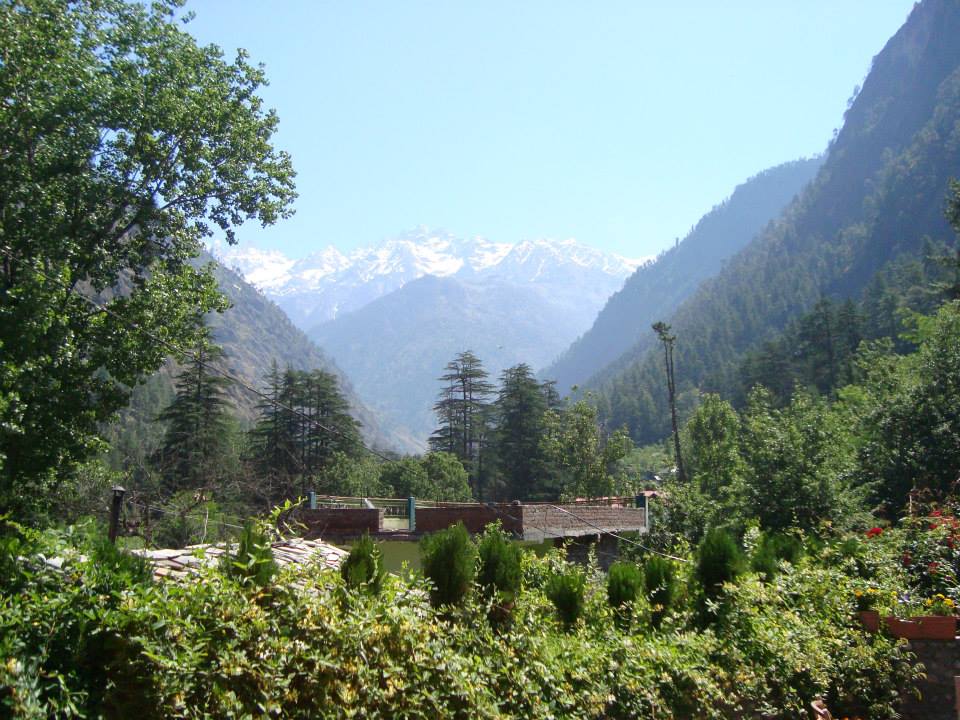
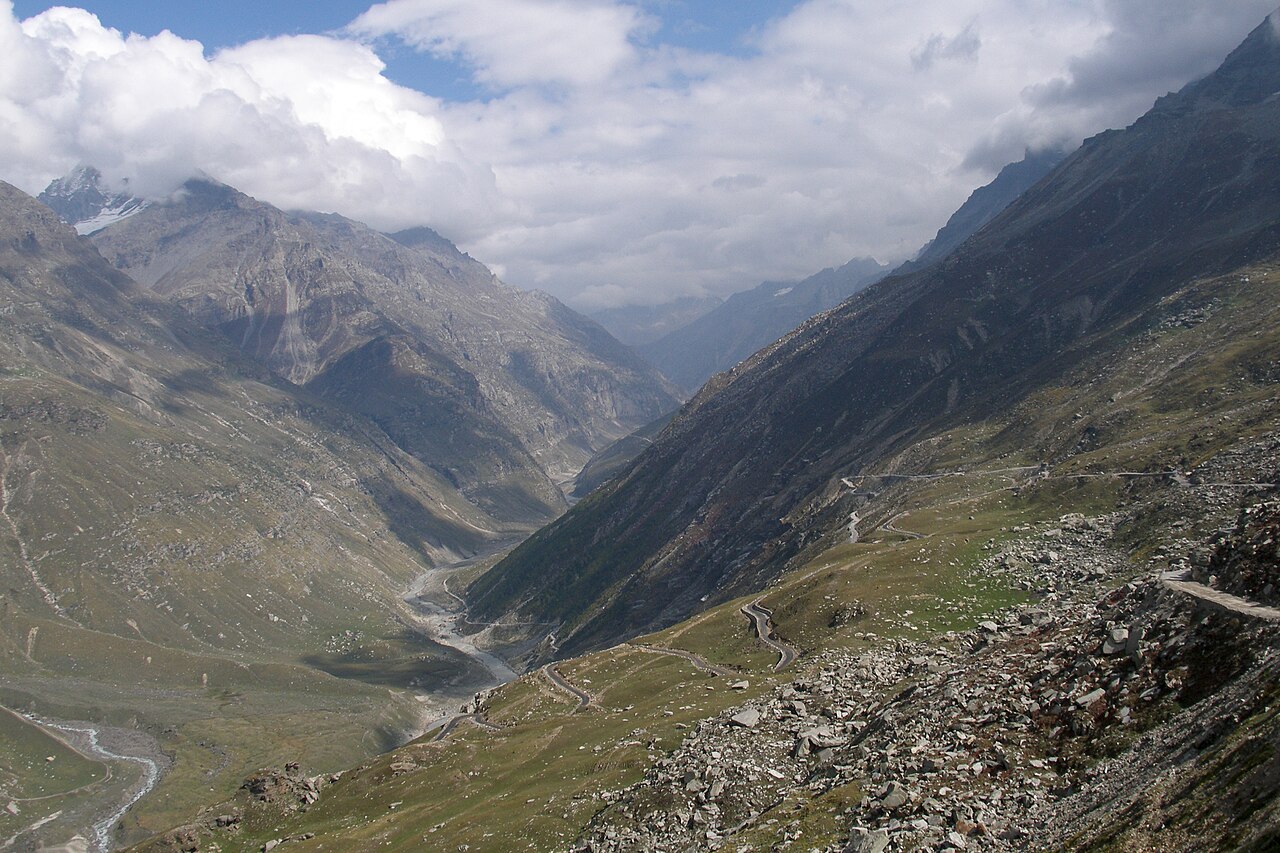
At 3,978 metres above sea level, Rohtang La is a high point on the main Himalayan watershed separating the Kullu Valley — green, forested, monsoon-fed — from the Lahaul plateau, which is grey-brown, treeless, and receives almost no rainfall. The pass is not a dramatic peak but a broad, wind-scoured saddle of broken shale and gravel, permanently cold even in July when the plains are 45°C. On a clear morning in September, the view north reveals the Lahaul Valley as a series of arid terraced gorges dropping into the Chandra River, while south, the Beas Valley is a ribbon of green descending toward Kullu. In between: nothing but altitude, wind, and the distant white smear of the Shigri Glacier. The road surface at the summit is gravel and broken tarmac, frequently cut by seasonal streams. BRO signage marks the pass with a concrete arch, and the mandatory chai-and-Maggi stall is operational from sunrise to mid-afternoon.
Best time of day: Depart Manali by 07:00. To arrive at the pass before 10:00. Post-noon conditions deteriorate rapidly: wind-driven cloud obscures the views, temperature drops sharply, and the returning traffic creates dangerous road conditions on the single-track descent. Clearest conditions typically occur June (pre-monsoon) and September–October.
Rohtang Pass timings
Rohtang Pass opens at 09:00 and closes at 17:00. The weekend is no different: Saturday and Sunday follow the same times.
- Opening hours
- 09:00–17:00
Monday 09:00–17:00 Tuesday Closed Wed–Sun 09:00–17:00 - Typically 09:00–17:00 (daylight travel only; BRO checkpoints enforce this)
- Closed on
- Tuesday (BRO maintenance day — pass is closed to tourist traffic every Tuesday)
Good to know: Open approximately June to October, subject to snowfall and road clearing by the Border Roads Organisation (BRO). The exact opening date varies by year — typically mid-May to early June after BRO completes snow-clearing operations. Closes permanently for the tourist season with the first heavy snowfall of November, usually between late October and mid-November. The Atal Tunnel (8.8km, at base of pass) provides year-round Lahaul access but does not replace the pass experience.
Opening hours compiled from public records; this place lists no official website, last updated . They change without notice — confirm before you travel. How we write these guides
Rohtang Pass ticket price
| Ticket | Price |
|---|---|
| Indian visitors | Free |
| Foreign visitors | Free |
| Children | Free |
| Camera | Free |
Entry to Rohtang Pass itself is free. However, a mandatory Environmental Fee (Green Tax) permit of ₹550 per non-commercial vehicle (₹700 for SUVs/MUVs) must be obtained in advance from the HRTC online portal (rohtangpermit.hp.gov.in) or through authorised taxi operators. Only 1,200 permits are issued per day in total (all vehicle types combined). Commercial taxis carrying tourists may apply in batches through their operators. Permits are date-specific and non-transferable. Motorcycles require a separate permit at ₹100. HRTC public buses do not require individual passenger permits.
Prices compiled from public records; this place lists no official website, last updated . They change without notice — confirm before you travel. How we write these guides
Best time to visit Rohtang Pass
- Quiet
- Moderate
- Busy
- Very busy
07:00–09:30
Pre-crowd windowBest time to go
Early vehicles reach the pass before the main convoy from Manali. The permit checkpoint at Gulaba processes early departures quickly. Dawn light on the Lahaul side is exceptional for photography.
Quiet09:30–12:00
Main visitor wave
The bulk of permitted vehicles arrive at the pass. The roadside stalls and chai shops become very busy. Snow activities (if snow present) attract queues.
Busy12:00–14:30
Peak and cloud buildup
Maximum vehicle density. Afternoon clouds typically obscure the views. The road south begins to jam with returning traffic. This is the least pleasant time to be at the summit.
Very busy14:30–17:00
Descent window
BRO enforces a hard departure from the pass by 17:00. Most vehicles are already heading back. The checkpost at Gulaba confirms all vehicles have cleared before nightfall.
Moderate
History of Rohtang Pass
Rohtang La — the name means 'pile of corpses' in the local Kullui dialect, a grim reference to the travellers who died crossing it in winter — has served as the primary trans-Himalayan crossing between the Kullu Valley and Lahaul-Spiti for at least a thousand years. The pass sits on the old trade route connecting the Kullu Valley (a significant wool and grain market) with Lahaul (which produced dried apricots, salt obtained from Tibetan trade, and medicinal herbs). Caravans of Lahaulis and Tibetan merchants crossed Rohtang seasonally with ponies and yaks, timing their crossings for June and September to avoid the worst of the monsoon clouds and the early autumn snowfall.
The British Survey of India mapped the pass in the 1840s during extensive trigonometric surveying of the Western Himalaya. The Great Trigonometric Survey's 'A' series triangulation stations placed at high Himalayan vantages included positions near Rohtang, and the pass was used as an approach route by surveyors working the Lahaul and Spiti circuits. The motorable road over Rohtang was constructed by the Border Roads Organisation in the 1960s as part of the strategic Manali-Leh Highway (now NH-003), which connects the Kullu Valley to Ladakh via Keylong, Sarchu, and Leh. This road holds strategic importance as the primary summer land link to Ladakh before the Zoji La route in the east. The Atal Tunnel, inaugurated in October 2020 after seventeen years of construction through the Pir Panjal range, now bypasses Rohtang at a lower elevation and provides year-round Lahaul access, significantly reducing the strategic dependency on the pass. Nevertheless, the Manali-Leh Highway over the pass remains the higher, more scenic, and more demanding route and is preferred by motorcyclists, adventurers, and those heading directly for Spiti via Gramphoo rather than Lahaul.
Rules & etiquette at Rohtang Pass
The permit system for Rohtang Pass is enforced through vehicle registration. Only vehicles with a valid, date-stamped online permit from rohtangpermit.hp.gov.in are allowed beyond the Gulaba checkpoint (approximately 22km from Manali). Permits must be printed or displayed digitally on the driver's phone. The checkpoint is staffed by Himachal police and HRTC officials; vehicles without permits are turned back. Permits must be applied for at least 48 hours in advance; same-day permits are not available. The 1,200 vehicle daily quota fills quickly for weekends and public holidays in June — book 3–5 days ahead for these periods.
The pass is closed every Tuesday for BRO maintenance (road repair, drainage work). This is non-negotiable and no exceptions are granted. Plan your Manali itinerary around this closure. The BRO also enforces a no-overtaking rule on the narrow switchbacks between Marhi and the summit; violations cause accidents and the single-track road has no room for error.
Altitude sickness is the most serious practical concern. Rohtang is at 3,978m — over a vertical kilometre above Manali (2,050m). Visitors who arrive in Manali from the plains on one day and attempt Rohtang the next frequently experience Acute Mountain Sickness (AMS): severe headache, nausea, vomiting, and fatigue. Spending two nights in Manali at altitude before ascending is strongly recommended. Diamox (acetazolamide) 125mg twice daily, begun 24 hours before ascent and continued through the day at altitude, is effective prophylaxis for most people; consult a doctor before using. If symptoms of AMS appear at the pass — confusion, inability to walk straight, blue lips — descend immediately without waiting.
Tips for visiting Rohtang Pass
- 1
Book the permit online the moment your travel dates are confirmed. The government portal (rohtangpermit.hp.gov.in) is functional but slow, particularly on mobile. Have your vehicle registration number, state permit details (your taxi driver's union permit or private vehicle RC), and ID ready. Taxi operators in Manali will typically manage the permit for you as part of the fare, but verify this is included before payment. The permit fee (₹550 for non-commercial vehicles, ₹700 for SUVs) is paid online by card.
- 2
Clothing: even in July, the summit temperature is 5–10°C with significant windchill on exposed days. Pack a windproof outer layer and gloves regardless of how warm Manali feels when you leave at dawn. A down jacket is overkill in June but appropriate in October.
- 3
The return journey is often more unpleasant than the ascent: the road is choked with returning vehicles from 13:00 onwards, the sun is behind the ridge and the valley in shadow, and altitude-related headaches tend to worsen through the day. Consider carrying Paracetamol (500–1000mg) for headache management; avoid ibuprofen at altitude as it can cause gastric bleeding in some individuals. Drinking 3–4 litres of water through the day significantly reduces headache risk.
- 4
For photographers: the south-facing view (looking back toward Kullu Valley) is best in morning light; the north-facing view into Lahaul is better in early afternoon once the direct sun hits the valley floor. The dramatic cloud formations that often build over the Lahaul plateau from noon onward can produce exceptional sky conditions. Bring a UV filter for the lens — UV radiation at 4,000m is significantly higher than at sea level. Cost of a private taxi Manali to Rohtang and back: ₹2,500–3,500 depending on vehicle class.
How to reach Rohtang Pass
The red star is Rohtang Pass. Tap a pin for details.
Rohtang La, Manali-Keylong Highway (NH-003), Himachal Pradesh, 3,978m ASLDirections in Google Maps
From Manali Mall Road
₹2,500–3,50051 km · 90–120 min
Return (includes driver waiting time; confirm permit inclusion
From Manali HRTC Bus Stand
₹350–50051 km · 120 min
Per person (book at HRTC counter, Mall Road
From Solang Valley
₹800–1,20037 km · 60 min
Additional from Solang (combined Solang-Rohtang taxi packages available ₹3,000–4,000
Nearest airport
From Bhuntar Airport (Kullu-Manali Airport), 78km south (drive time approximately 2.5 hours via Manali)
Nearest railway station
From Joginder Nagar Narrow Gauge Railway Station, 192km; Chandigarh Junction, 335km
Rohtang Pass FAQs
What happens if the Rohtang permit is fully booked for my travel date?
The 1,200 daily vehicle quota sells out quickly for weekends and June peak season. If your preferred date is full, check for cancellation slots (they appear irregularly on the portal) or shift your visit to a weekday. Alternatively, take the HRTC public bus, which operates on a separate quota. The Atal Tunnel provides Lahaul access without a permit if Rohtang is not essential to your itinerary.
Is Rohtang Pass safe for people with heart conditions or asthma?
People with pre-existing cardiac conditions, severe asthma, or a history of high-altitude illness should consult their doctor before attempting Rohtang. The altitude of 3,978m means significantly reduced oxygen partial pressure — approximately 61% of sea-level oxygen. Light asthma is generally manageable with an inhaler on hand; severe asthma or any cardiac condition warrants medical advice specific to your case.
Can I ride a motorcycle to Rohtang Pass?
Yes. Motorcycles require a separate permit (₹100, same online portal) and are subject to the same Tuesday closure and 17:00 departure rules. The road surface between Marhi and the summit is broken and gravel-patchy; at minimum 350cc engine displacement is recommended. Carry basic puncture repair tools as roadside mechanics are unavailable above Marhi.
Does the Atal Tunnel make Rohtang Pass redundant?
For functional Lahaul access, largely yes — the 8.8km Atal Tunnel (at approximately 3,000m) bypasses the pass entirely and operates year-round. But the pass itself offers a qualitatively different experience: the panoramic watershed views, the dramatic landscape shift between Kullu and Lahaul visible only from the summit, and the high-altitude crossing that the tunnel cannot replicate. They serve different purposes.
Compiled with AI assistance from official sources and public records, and published only after the checks in How we write these guides. Nobody from Traveliac has visited this place. Last updated . How we rank and check places
Places to visit near Rohtang Pass
Straight-line distances from our map; times are estimates.