Kasol
#6of 6 places to visit in ManaliManali, Himachal Pradesh
Also known as Mini Israel · Kasol Village
Quick answer
Opening hours: 08:00–23:00. Entry is free. Allow 3 hrs. Best time: Morning.
Updated · Compiled by Traveliac, AI-assisted · 5 min read
- Opening hours
- 08:00–23:00
- Accessible at all hours; cafés typically operate 08:00–23:00.
- Entry fee
- Free
- Time needed
- 3 hrs
- Best time of day
- Morning
- Best months
- Mar – Jun, Sep – Oct
- Address
- Kasol, Parvati Valley, Kullu district, Himachal Pradesh 175105 — approximately 75km from Manali via Bhuntar
About Kasol
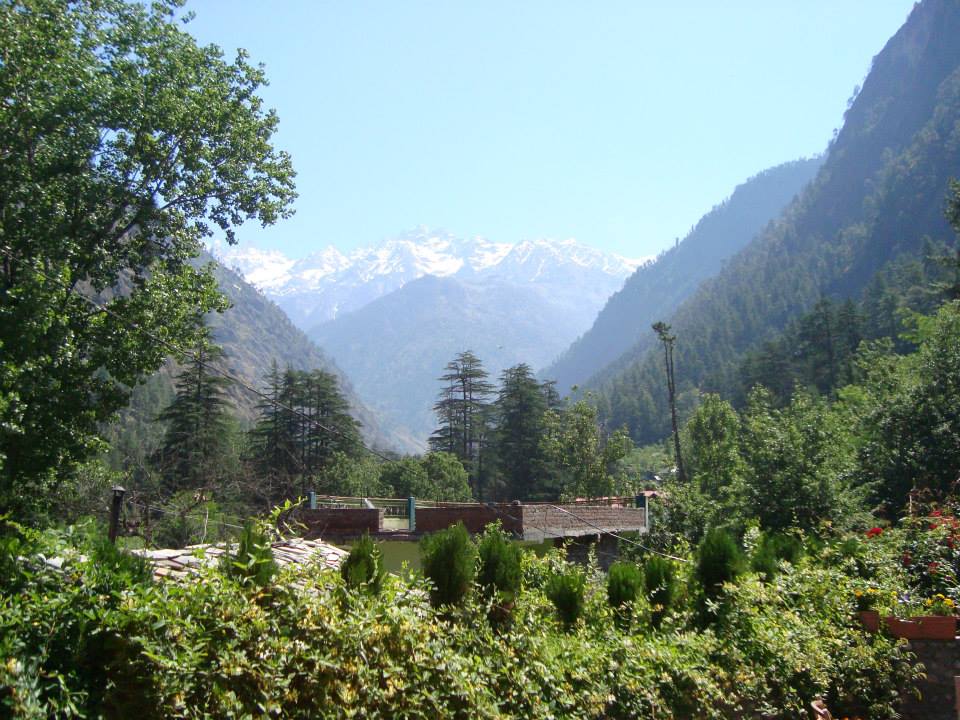
Kasol sits on the banks of the Parvati River a few kilometres before Manikaran, in a stretch of the valley narrow enough that the river, the single access road, and the village's one commercial lane all occupy roughly the same 200-metre-wide shelf of flat ground. What was a modest transit village on the Manikaran pilgrimage route through the 1990s has become the most recognisable backpacker settlement in Himachal Pradesh after Old Manali, driven substantially by a long-standing wave of Israeli travellers — many arriving directly after military service — whose presence is visible in Hebrew signage, hummus-and-shakshuka menus, and a trance-and-reggae soundtrack that plays from riverside cafés into the evening. The valley's cannabis, grown wild and long processed locally into charas, is a significant part of the village's informal reputation, openly discussed and touted despite its illegality.
Best time of day: Morning. 08:00–11:00 for a quiet walk along the Parvati riverbank before the village's day-trip traffic from Bhuntar and Kullu builds; evening (18:00–20:00) for the café scene.
Kasol timings
Kasol opens at 08:00 and closes at 23:00. The weekend is no different: Saturday and Sunday follow the same times.
- Opening hours
- 08:00–23:00
Mon–Sun 08:00–23:00 - Accessible at all hours; cafés typically operate 08:00–23:00.
- Closed on
- Open every day
Good to know: Open year-round, though winter (December–February) sees a marked drop in visitor numbers and some seasonal guesthouses close. The Parvati Valley road can be disrupted by monsoon landslides between July and September.
Opening hours compiled from hptdc.com and public records, last updated . They change without notice — confirm before you travel. How we write these guides
Kasol ticket price
| Ticket | Price |
|---|---|
| Indian visitors | Free |
| Foreign visitors | Free |
| Children | Free |
| Camera | Free |
Kasol is an inhabited village with no entry fee or ticketed attraction of its own. Guesthouse and café prices are noticeably higher in peak season (May–June, and the Israeli holiday periods around Passover and the autumn High Holidays) than the Manali average.
Prices compiled from hptdc.com and public records, last updated . They change without notice — confirm before you travel. How we write these guides
Best time to visit Kasol
- Quiet
- Moderate
- Busy
08:00–10:30
Quiet morningBest time to go
The riverbank and main lane are calm; overnight guests are the main visible population. Best light for photographing the river against the gorge walls.
Quiet10:30–15:00
Day-trip arrivals
Taxis from Bhuntar and Kullu bring day visitors and travellers passing through en route to Manikaran or the Kheerganga trailhead at Barshaini.
Moderate15:00–19:00
Late afternoon
Cafés fill for late lunch and early dinner. The main bazaar lane is at its busiest with a mix of day-trippers and overnight guests.
Busy19:00–23:00
Evening
Day-trippers have largely left; the remaining crowd is overnight guests settling into the café and guesthouse scene for the evening.
Moderate
History of Kasol
Kasol's earlier identity was straightforwardly as a stopover on the route to Manikaran, a few kilometres upstream, and to the trekking routes beyond it toward Kheerganga and the high Parvati Valley. Its transformation into a dedicated backpacker hub tracks closely with Old Manali's own — an influx of long-stay foreign travellers from the 1990s onward, drawn by cheap guesthouses, the valley's cannabis cultivation, and word-of-mouth reputation on the broader South Asia backpacker circuit.
The specific Israeli character of Kasol's tourist economy is well documented and dates to the same period, reinforced by direct flight connections and organised trekking-and-recovery circuits that route young Israeli travellers, often immediately post-army-service, through Dharamshala, Kasol, and onward into the high Parvati Valley villages of Tosh and Kalga. This has given Kasol a genuinely distinct commercial character among Himachal's tourist towns — informal Hebrew classes, kosher-adjacent kitchens, and a visible seasonal population shift tied to the Jewish calendar rather than the Indian one.
The valley's cannabis economy predates this tourism boom by generations, tied to a wild-growing plant well suited to the Parvati Valley's altitude and soil, historically processed into charas by local Himachali communities for both traditional and commercial use. Kasol's tourist-facing reputation for casual drug use sits directly on top of this older local economy, a fact often glossed over in backpacker-trail retellings.
Rules & etiquette at Kasol
As at Old Manali and Vashisht, cannabis is illegal in India regardless of how openly it circulates in Kasol's cafés and lanes; possession carries genuine legal risk including for foreign nationals, and India's narcotics law does not treat small personal quantities with the leniency common in some Western jurisdictions. Decline offers plainly.
The nearby village of Malana, reachable by a separate side trek from the Parvati Valley road rather than directly from Kasol, maintains its own distinct customary law system and strict rules against outsiders touching village buildings, residents, or their possessions — a matter of real cultural sensitivity rather than tourist folklore, and violations have led to genuine local tension. If visiting Malana, follow posted guidance exactly.
The Parvati riverbank in Kasol is not a swimming beach — the current is fast and cold even in summer, fed by snowmelt, and drownings have occurred among visitors underestimating it. Wading at clearly shallow, calm points is common; swimming in the main channel is not advisable.
Tips for visiting Kasol
- 1
Kasol works best as a base for one or two nights rather than a single day-trip stop, particularly if combining a visit to Manikaran (4km further, a short and easy add-on) with time in Kasol's own café scene and a short walk along the river. The village's two informal zones — 'Old Kasol' across a footbridge, quieter and more residential, and the main bazaar side with the bulk of cafés and guesthouses — are worth distinguishing when picking accommodation; Old Kasol is noticeably calmer at night.
- 2
The village functions as the practical gateway to the Kheerganga trek (a moderate 1–2 day trek to a high-altitude meadow and hot spring above Barshaini village, itself a short drive further up the valley from Kasol) and to the more remote villages of Tosh and Kalga, both reachable by local shared taxi and short additional treks. If planning any of these onward treks, Kasol is the last point with reliable ATMs, a real pharmacy, and full mobile network coverage — carry cash and supplies accordingly beyond this point.
- 3
Food quality in Kasol's cafés is genuinely a cut above the average Indian hill-station tourist strip, reflecting the sustained backpacker demand; Israeli, Italian, and Tibetan menus are all reasonably represented. Prices run noticeably higher than Manali's own backpacker cafés, a function of the valley's more concentrated, less price-competitive tourist economy.
How to reach Kasol
The red star is Kasol. Tap a pin for details.
Kasol, Parvati Valley, Kullu district, Himachal Pradesh 175105 — approximately 75km from Manali via BhuntarDirections in Google Maps
From Manali Mall Road
₹2,800–3,80075 km · 140–170 min
Return
From Manikaran Sahib
₹30–504 km · 12–15 min
Per person shared; ₹200–300 private
From Bhuntar Airport (Kullu-Manali Airport)
₹1,400–2,00042 km · 75–90 min
Nearest airport
From Bhuntar Airport (Kullu-Manali Airport), 42km
Nearest railway station
From Joginder Nagar Narrow Gauge Railway Station, 132km; Chandigarh Junction, 268km
Kasol FAQs
Why is Kasol called 'Mini Israel'?
The nickname reflects the sustained presence of Israeli backpackers in the village since the 1990s, many travelling directly after compulsory military service. Hebrew-language cafe signage, Israeli food menus, and a visible seasonal population tied to the Jewish calendar are the most obvious signs of this, though Kasol's visitor base is broader and increasingly domestic Indian as well.
Is Kasol a good base for visiting Manikaran and the Kheerganga trek?
Yes, both are logical add-ons. Manikaran is a short 4km, 12–15 minute drive further up the valley. Kheerganga's trailhead is at Barshaini, a further short drive beyond Manikaran; Kasol is the last village with reliable ATMs and full mobile coverage before that trek, so plan supplies accordingly.
Is Malana village visited from Kasol, and what should I know before going?
Malana is reachable via a separate side road and trek from the Parvati Valley rather than directly from Kasol itself. The village maintains its own strict customary rules, including prohibitions on outsiders touching buildings, residents, or belongings. These rules reflect genuine local governance, not tourist marketing, and should be followed precisely.
Is drug use in Kasol actually legal or just tolerated?
It is not legal. Cannabis cultivation, possession, and sale remain criminal offences under Indian narcotics law regardless of how visibly it circulates in Kasol's cafés and lanes. Enforcement does occur, including against foreign nationals, and India's law does not extend lenient treatment for small personal quantities in the way some other countries do.
Compiled with AI assistance from official sources and public records, and published only after the checks in How we write these guides. Nobody from Traveliac has visited this place. Last updated . How we rank and check places
Places to visit near Kasol
Straight-line distances from our map; times are estimates.