
Cubbon Park
#2von 8 Orten zum Besuchen in BengaluruBengaluru, Karnataka
Auch bekannt als Sri Chamarajendra Park · Meade's Park
Kurz gesagt
Öffnungszeiten: 05:00–08:00. Der Eintritt ist kostenlos. Plane 1.5 hrs ein. Beste Zeit: 05:30 – 08:00.
Aktualisiert am · Erstellt von Traveliac, KI-unterstützt · 5 Min. Lesezeit
- Öffnungszeiten
- 05:00–08:00
- Open to pedestrians at all hours; internal roads are closed to motor vehicles 05:00 – 08:00 daily and, per some reports, through Sunday for a car-free walking and cycling window.
- Eintrittspreis
- Kostenlos
- Benötigte Zeit
- 1.5 hrs
- Beste Tageszeit
- 05:30 – 08:00
- Beste Monate
- Oct – Mar
- Adresse
- Kasturba Road, Sampangi Rama Nagara, Bengaluru, Karnataka 560001
Über Cubbon Park
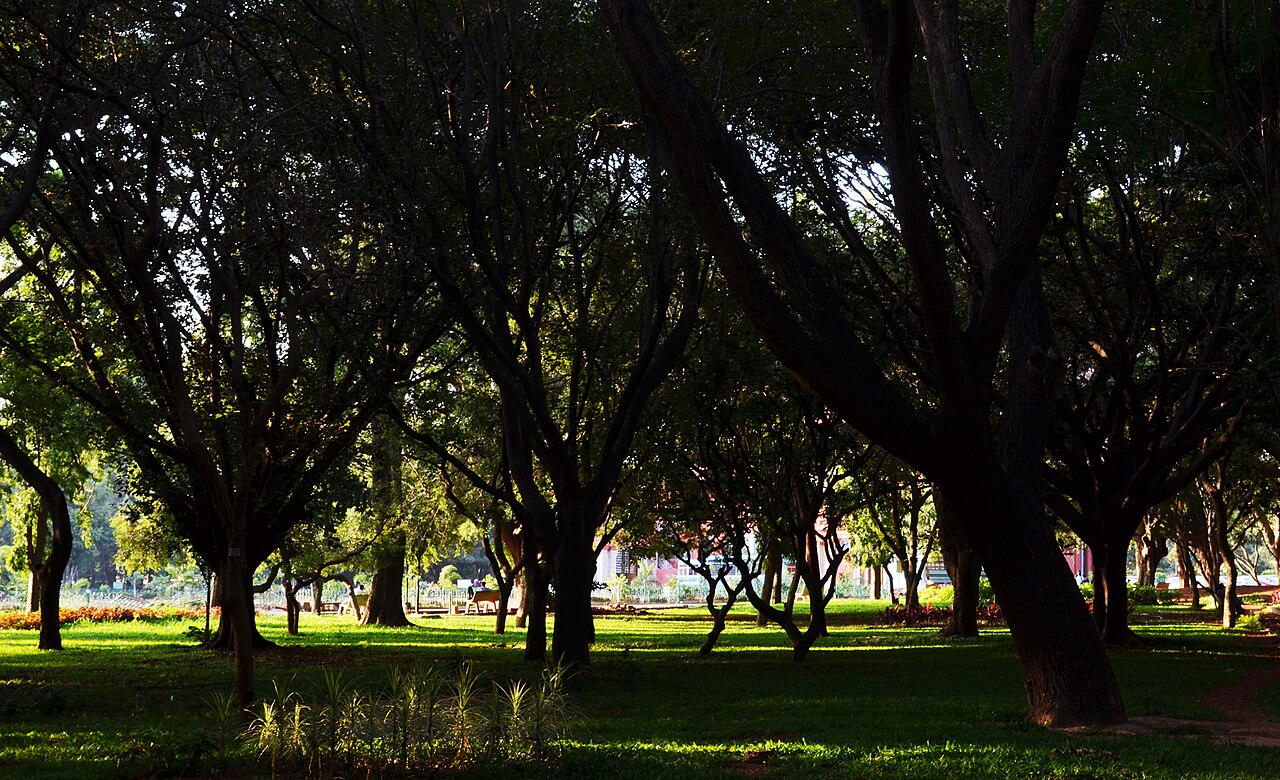
Cubbon Park spreads across 300 acres in the middle of Bengaluru, laid out in 1870 by Major General Richard Sankey, then chief engineer of Mysore State, on a plot first known as Meade's Park after acting commissioner John Meade. The park was renamed Sri Chamarajendra Park in 1927 in honour of the Mysore maharaja, though Cubbon Park — after Sir Mark Cubbon, the longest-serving British commissioner of Mysore — remains the name everyone in the city actually uses. Roughly 6,000 trees spanning close to a hundred species grow across the grounds, from silver oak and gulmohar avenues to stands of bamboo and mahogany planted during Sankey's original layout. The park doubles as an open-air museum of Bengaluru's colonial-era civic architecture. Attara Kacheri, a red neoclassical building completed in 1864, now houses the Karnataka High Court at the park's northern boundary. The Seshadri Iyer Memorial Hall, built in 1915, holds the State Central Library, and the octagonal bandstand near the Government Museum still hosts occasional public performances. None of these buildings requires a separate approach — all sit inside or immediately beside the park's own paths.
Beste Tageszeit: 05:30 – 08:00. When the internal roads are vehicle-free and joggers, yoga groups, and cyclists have the avenues to themselves.
Öffnungszeiten von Cubbon Park
Cubbon Park öffnet um 05:00 und schließt um 08:00. Samstags und sonntags gelten dieselben Zeiten.
- Öffnungszeiten
- 05:00–08:00
Mon–Sun 05:00–08:00 - Open to pedestrians at all hours; internal roads are closed to motor vehicles 05:00 – 08:00 daily and, per some reports, through Sunday for a car-free walking and cycling window.
- Geschlossen an
- Täglich geöffnet
Öffnungszeiten zusammengestellt aus horticulturedir.karnataka.gov.in und öffentlichen Quellen, zuletzt aktualisiert am . Sie können sich ohne Vorankündigung ändern — vor der Reise bitte bestätigen. Wie wir diese Reiseführer schreiben
Eintrittspreis für Cubbon Park
| Ticket | Preis |
|---|---|
| Indische Besucher | Kostenlos |
| Ausländische Besucher | Kostenlos |
| Kinder | Kostenlos |
| Kamera | Kostenlos |
No entry fee. Cubbon Park is an open, unwalled public park crossed by city roads, so there is no ticket gate; the surrounding Government Museum, Venkatappa Art Gallery, and Visvesvaraya Museum charge their own separate entry fees. Commercial photography, filming, and drone use require separate permission from the Horticulture Department, as of 2026.
Preise zusammengestellt aus horticulturedir.karnataka.gov.in und öffentlichen Quellen, zuletzt aktualisiert am . Sie können sich ohne Vorankündigung ändern — vor der Reise bitte bestätigen. Wie wir diese Reiseführer schreiben
Beste Reisezeit für Cubbon Park
- Quiet
- Moderate
- Busy
05:00 – 08:00
Vehicle-Free Morning
Roads close to cars; regular joggers, cyclists, and yoga groups fill the avenues. Quietest light for photography of the bandstand and Attara Kacheri façade.
Moderate08:00 – 12:00
Late MorningBest time to go
Office traffic picks up on the surrounding roads but foot traffic inside the park thins out. Museum-goers begin arriving toward the southern cluster.
Quiet12:00 – 16:00
Midday Lull
Heat keeps casual visitors away; shaded benches under the mahogany and rain-tree avenues stay in use by office workers on lunch breaks.
Quiet16:00 – 19:00
Evening Peak
Families, students, and couples fill the lawns and paths as temperatures drop. Weekend evenings draw the year's heaviest footfall, especially near the bandstand.
Busy
Geschichte von Cubbon Park
Richard Sankey's 1870 layout took an existing patch of open ground beside the Residency and turned it into a formal English-style park, with curving carriage roads and lawns designed for the horse-drawn traffic of Bengaluru's colonial administrative quarter. The choice of site was deliberate: the park sits adjacent to Attara Kacheri and the old Public Offices, placing recreation directly next to the machinery of Mysore state government, a spatial relationship that survives today with the Karnataka High Court and Vidhana Soudha both within walking distance of the park's paths.
The 1927 renaming to Sri Chamarajendra Park, after the Mysore maharaja Chamarajendra Wadiyar, never displaced the original name in everyday use, and both names appear on official signage and documents to this day. Over the twentieth century the park absorbed the Government Museum (1876), the Venkatappa Art Gallery, and eventually the Visvesvaraya Industrial and Technological Museum (1962) along its southern flank, turning what began as an ornamental garden into Bengaluru's densest single cluster of public cultural institutions. The Department of Horticulture, which also manages Lalbagh, has run the grounds since the transition to state administration after independence.
Regeln & Etikette in Cubbon Park
Cubbon Park's internal roads close to motor vehicles daily between 05:00 and 08:00, reserving the avenues for walkers, joggers, and cyclists; pedestrian access itself is unrestricted at all hours since the park has no perimeter wall or gate. Municipal rules introduced in recent years prohibit climbing trees, ball games, and skating on the paved paths, and BBMP notices have specifically restricted public displays of affection on park benches — a rule that draws regular local news coverage.
Commercial photography, film and television shoots, modeling portfolios, and pre-wedding shoots require advance written permission from the Horticulture Department; casual visitors taking phone photos face no restriction. Drone flights are not permitted without separate clearance given the park's proximity to Vidhana Soudha and the High Court, both sensitive government sites.
The Government Museum, Venkatappa Art Gallery, and Visvesvaraya Museum inside the park's grounds each keep independent opening hours and charge their own admission — budget for these as separate stops rather than assuming the park's free entry extends to them.
Tipps für den Besuch von Cubbon Park
- 1
Enter from the Cubbon Park Metro station on the Purple Line for the most direct approach — this drops visitors within a short walk of the bandstand, State Central Library, and Government Museum cluster without needing an auto through surrounding traffic.
- 2
The 05:00–08:00 vehicle-free window is the single best reason to visit early: traffic noise recedes almost entirely, and the wide avenues under silver oak and rain trees are at their most walkable. Runners and cyclists treat this window as a fixture of the city's morning routine.
- 3
Budget a full morning for the museums inside the park — the Government Museum, Venkatappa Art Gallery, and Visvesvaraya Industrial and Technological Museum sit within a few hundred metres of each other along the southern edge, and each merits 45–60 minutes. Vidhana Soudha, best viewed from the Ambedkar Veedhi side, is a five-minute walk from the northern paths and is illuminated on Sunday evenings.
Anreise nach Cubbon Park
Der rote Stern zeigt Cubbon Park; die nummerierten Markierungen sind die 5 nächstgelegenen Orte aus unseren Reiseführern, jeweils mit ihrem Rang in der eigenen Stadt. Für Details auf eine Markierung tippen.
Kasturba Road, Sampangi Rama Nagara, Bengaluru, Karnataka 560001Route in Google Maps
Ab Kempegowda International Airport (BLR)
₹700–₹1,00034 km · 60–90 min
Prepaid cab
Ab KSR Bengaluru City Junction
₹80–₹1303 km · 10–15 min
Auto
Ab Cubbon Park Metro Station
₹10–₹400.3 km · 5 min walk
Metro fare depending on origin
Nächster Flughafen
Ab Kempegowda International Airport (BLR)
approximately 34 km, 60–90 minutes by road.
Nächster Bahnhof
Ab KSR Bengaluru City Junction
approximately 3 km; Cubbon Park Metro Station (Purple Line) sits directly at the park's northern edge.
Häufige Fragen zu Cubbon Park
Is there an entry fee for Cubbon Park?
No. Cubbon Park has no gate or entry ticket; it is an open public park crossed by city roads. The museums inside its grounds, including the Visvesvaraya Industrial and Technological Museum and the Government Museum, each charge their own separate admission.
Why is Cubbon Park also called Sri Chamarajendra Park?
The park was officially renamed in 1927 in honour of Chamarajendra Wadiyar, Maharaja of Mysore. The original name, after British commissioner Sir Mark Cubbon, never fell out of everyday use and appears alongside the official name on park signage.
When are the roads inside Cubbon Park closed to traffic?
Daily between 05:00 and 08:00, the internal roads close to motor vehicles for walkers, joggers, and cyclists. Pedestrian access to the park itself is unrestricted at all other hours since there is no perimeter gate.
Can I visit Vidhana Soudha from Cubbon Park?
Yes, in the sense of viewing it. Vidhana Soudha borders the park along Dr. Ambedkar Veedhi and is a five-minute walk from the northern paths, making the park the best vantage point for photographing the building, particularly during its Sunday evening illumination.
Mit KI-Unterstützung aus offiziellen Quellen und öffentlichen Aufzeichnungen erstellt und erst nach den Prüfungen veröffentlicht, die beschrieben sind unter Wie wir diese Reiseführer schreiben. Niemand von Traveliac war persönlich vor Ort. Zuletzt aktualisiert am . Wie wir Orte bewerten und prüfen
Orte in der Nähe von Cubbon Park
Luftlinien-Entfernungen laut unserer Karte; Zeiten sind Schätzwerte.
 #4 in Bengaluru
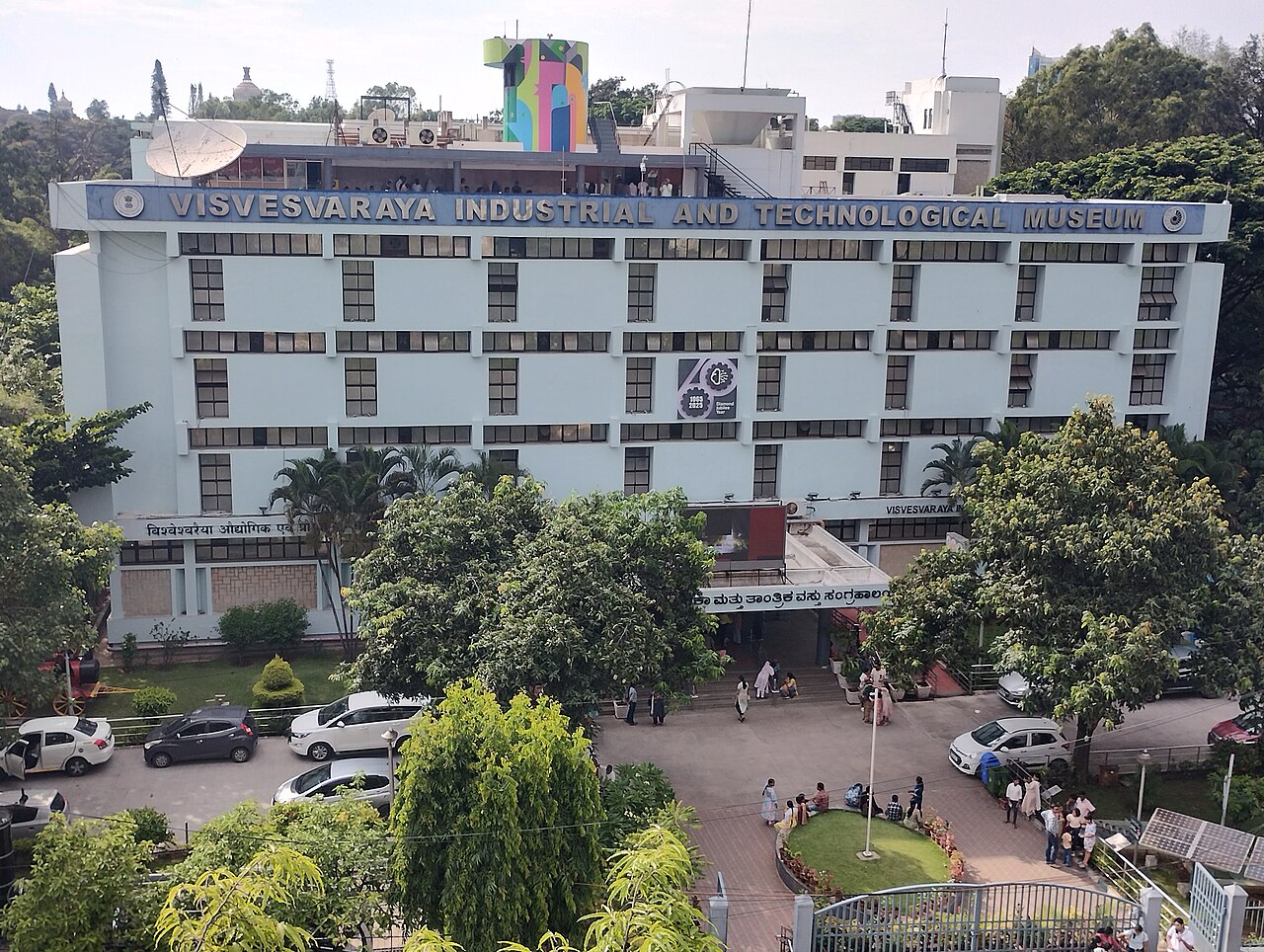
Visvesvaraya Industrial and Technological Museum
Museum · 350 m · about 5 min walk
 #1 in Bengaluru
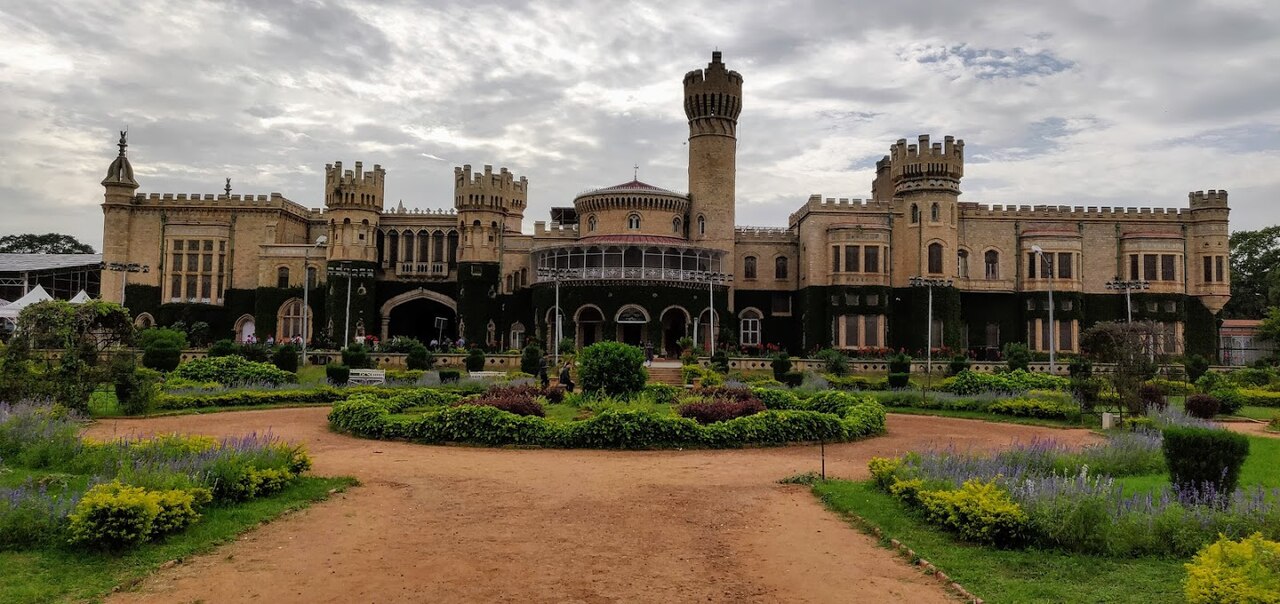
Bangalore Palace
Palast · 3 km · about 10 min by road
![Tippu Sultan Summer palace, the place where Tippu Sultan used to stay[not for longer duration], and discuss the official matters. Location: Bangalore, India](/wm/wikipedia/commons/thumb/1/13/Tippu_Sultan%27s_Summer_palace.jpg/1280px-Tippu_Sultan%27s_Summer_palace.jpg) #3 in Bengaluru
#3 in BengaluruTipu Sultan's Summer Palace
Palast · 3 km · about 10 min by road
 #6 in BengaluruFreier Eintritt
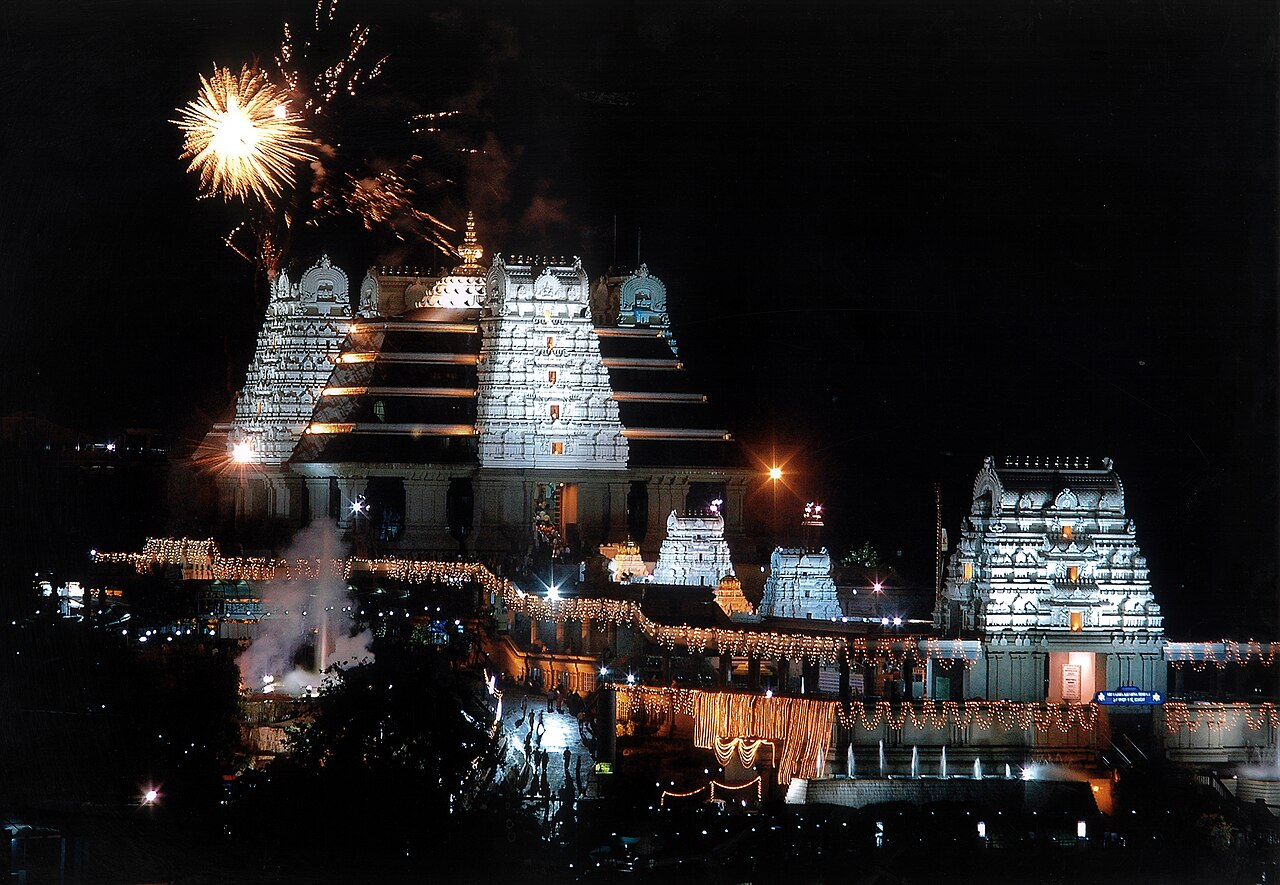
ISKCON Bangalore
Tempel · 6 km · about 20 min by road