
Dakshineswar Kali Temple
#9of 10 places to visit in KolkataKolkata, West Bengal
Also known as Dakshineswar Kali Bari · Kali Temple of Rani Rashmoni
Quick answer
Opening hours: 06:30–12:30 and 15:30–20:30. Entry is free. Allow 1.5 hrs. Best time: 06:30 – 08:00.
Updated · Compiled by Traveliac, AI-assisted · 5 min read
- Opening hours
- 06:30–20:30
- 06:30 – 12:30 and 15:30 – 20:30 daily (evening closing shifts to 19:30 October–March)
- Entry fee
- Free
- Time needed
- 1.5 hrs
- Best time of day
- 06:30 – 08:00
- Best months
- Oct – Mar
- Address
- Dakshineswar Kali Bari, B.T. Road, Dakshineswar, Kolkata, West Bengal 700076
About Dakshineswar Kali Temple
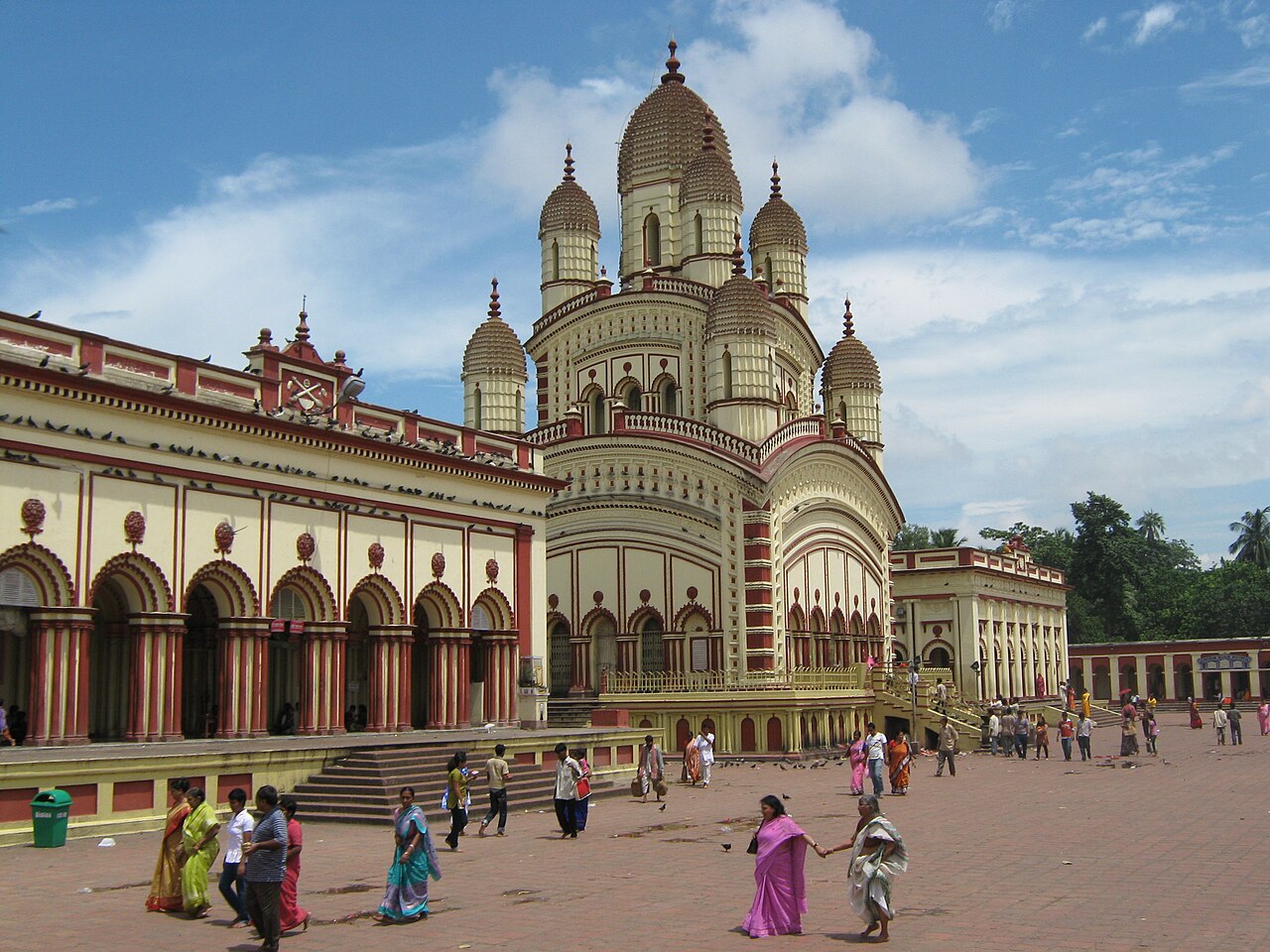
Dakshineswar Kali Temple was consecrated on 31 May 1855 by Rani Rashmoni, a Bengali zamindar and philanthropist who built the complex after a dream instructed her to install the goddess Bhavatarini — a form of Kali — on the eastern bank of the Hooghly. The nine-spired main temple, raised on a high plinth in the navaratna style of Bengal temple architecture, is ringed by twelve smaller shrines to Shiva along the riverfront, each built to a matching design so that no single shrine outranks the others in scale. The complex owes its global reputation less to its architecture than to one of its priests: Sri Ramakrishna Paramahamsa served here from 1855 until his death in 1886, and his years of meditation before the Bhavatarini idol are what drew Swami Vivekananda and, later, pilgrims from across the world to a riverside temple that would otherwise be one of many Kali shrines in Bengal.
Best time of day: 06:30 – 08:00. Immediately after the mangal aarti, when the queue for the main sanctum is shortest and the Hooghly-facing courtyard is still cool.
Dakshineswar Kali Temple timings
Dakshineswar Kali Temple is open 06:30–12:30 and 15:30–20:30. It keeps the same hours on Saturday and Sunday.
- Opening hours
- 06:30–20:30
Mon–Sun 06:30–12:30 and 15:30–20:30 - 06:30 – 12:30 and 15:30 – 20:30 daily (evening closing shifts to 19:30 October–March)
- Closed on
- Open every day
Good to know: Bhog (lunch offering) darshan is suspended between 12:30 and 15:30 while the idol is dressed and the midday offering is prepared; queues re-form roughly 30 minutes before the afternoon reopening.
Opening hours compiled from dakshineswarkalitemple.org and public records, last updated . They change without notice — confirm before you travel. How we write these guides
Dakshineswar Kali Temple ticket price
| Ticket | Price |
|---|---|
| Indian visitors | Free |
| Foreign visitors | Free |
| Children | Free |
| Camera | Free |
Darshan is free for all visitors and no camera fee is charged, though photography is prohibited inside the sanctum housing the Bhavatarini idol. A paid priority-darshan counter exists during major festivals to reduce queue time; as of 2026, verify at the counter for the current festival-season surcharge.
Prices compiled from dakshineswarkalitemple.org and public records, last updated . They change without notice — confirm before you travel. How we write these guides
Best time to visit Dakshineswar Kali Temple
- Quiet
- Moderate
- Busy
06:30 – 08:00
Mangal Aarti AftermathBest time to go
Shortest queue of the day, immediately after the morning aarti. Local devotees dominate; the ghats are quiet enough for unhurried photography.
Quiet08:00 – 12:00
Morning Pilgrimage Peak
Tour groups and day-trippers from Kolkata arrive in volume; the sanctum queue can exceed 45 minutes on Tuesdays and Saturdays.
Busy12:30 – 15:30
Midday Closure
Sanctum closed for bhog preparation. Courtyard and shrines remain accessible; a good window for the riverside ghat rather than the main temple.
Quiet16:00 – 19:00
Evening Darshan
Steady but manageable crowds ahead of the evening aarti; river breeze off the Hooghly makes this the most comfortable sanctum queue of the day.
Moderate
History of Dakshineswar Kali Temple
Rani Rashmoni, widow of zamindar Babu Rajchandra Das, commissioned the temple after Kali reportedly appeared to her in a dream demanding a temple on the Hooghly's bank along with an assurance that worship would continue uninterrupted. Contemporary accounts note that Rashmoni, though wealthy, belonged to a caste the era's Brahmin orthodoxy considered too low to have appointed a priest for a Kali temple, and she resolved the impasse by nominally deeding the land to Ramakrishna's elder brother Ramkumar Chattopadhyay, who accepted the priesthood in 1855. Sri Ramakrishna joined his brother shortly after and, following Ramkumar's death in 1856, took over the daily worship himself. It was at Dakshineswar that Ramakrishna practised the disciplines of Tantra, Vaishnavism, Islam, and Christianity in turn, concluding — in the account his disciples later recorded — that all paths converge on the same divine reality, a teaching that became the doctrinal core of the Ramakrishna Mission founded decades later by his disciple Narendranath Datta, who took the monastic name Swami Vivekananda. The temple complex, built at a reported cost equivalent to several hundred thousand rupees of the 1850s, has remained under continuous worship since consecration, administered today by a trust descended from Rani Rashmoni's family estate.
Rules & etiquette at Dakshineswar Kali Temple
Dakshineswar Kali Temple requires footwear to be deposited at the free shoe stalls near the main gate before entering the courtyard; the stone paving underfoot gets uncomfortably hot by late morning in summer, so a change of socks is a practical precaution rather than an affectation. Modest dress is expected throughout — shoulders and knees covered — and leather belts or wallets should stay outside the inner sanctum rather than risk confiscation at the entrance. Photography and mobile phone cameras are prohibited inside the sanctum housing the Bhavatarini idol, though the courtyard, the twelve Shiva shrines, and the Hooghly-facing ghats can be freely photographed. The queue for darshan moves in a single-file corridor with metal barriers; pushing ahead is common on festival days but firmly discouraged by the volunteer marshals, and unofficial guides offering to fast-track entry for a fee operate near the main gate and should be politely declined in favour of the temple's own priority counter.
Tips for visiting Dakshineswar Kali Temple
- 1
The temple's own bathing ghat on the Hooghly, a short walk south of the main courtyard, is where Ramakrishna performed his own ritual bathing, and it remains functional today; watching the early risers wade in at sunrise gives a better sense of the site's living devotional life than the crowded main sanctum does. Combine the visit with Belur Math, the headquarters of the Ramakrishna Mission directly across the river — a passenger ferry from the temple's own jetty crosses in under fifteen minutes and is considerably faster than the 12-kilometre road route via Bally Bridge. Tuesdays and Saturdays draw the heaviest local crowds, since these are considered especially auspicious for Kali worship in Bengali tradition; a weekday morning visit before 08:00 avoids the worst of the queue. Street stalls lining the approach road sell flowers, vermilion, and prasad sweets at fixed, modest prices, and bargaining is neither expected nor necessary.
How to reach Dakshineswar Kali Temple
The red star is Dakshineswar Kali Temple; the numbered pins are the 7 nearest places in our guides, each showing its rank in its city. Tap a pin for details.
Dakshineswar Kali Bari, B.T. Road, Dakshineswar, Kolkata, West Bengal 700076Directions in Google Maps
From Dakshineswar Metro Station (Blue Line)
₹20–₹300.4 km · 5–7 min walk
Metro fare from Esplanade
From Belur Math
₹10–₹201.5 km · 12–15 min by boat
Per crossing
From Netaji Subhas Chandra Bose International Airport
₹300–₹45012 km · 30–45 min
App cab or prepaid taxi
Nearest airport
From Netaji Subhas Chandra Bose International Airport (CCU)
12 km, approximately 30–45 minutes via VIP Road.
Nearest railway station
From Dakshineswar railway station (Sealdah main line)
500 m; Dakshineswar Metro station (Blue Line extension) – 400 m.
Dakshineswar Kali Temple FAQs
Is there an entry fee for Dakshineswar Kali Temple?
No. Darshan is free for all visitors, including foreign nationals, with no camera fee charged for the courtyard and shrines. Photography is prohibited only inside the main sanctum.
Why is Dakshineswar associated with Sri Ramakrishna and Swami Vivekananda?
Sri Ramakrishna Paramahamsa served as the temple's priest from 1855 until 1886, and his years of meditation before the Bhavatarini idol here shaped the teachings later carried forward by his disciple Swami Vivekananda, who founded the Ramakrishna Mission. The temple is considered the spiritual origin point of that movement.
Is the temple closed at any point during the day?
Yes. The sanctum closes daily between 12:30 and roughly 15:30 while the Bhavatarini idol is dressed and the midday bhog offering is prepared. The outer courtyard and riverside shrines remain open.
Can Dakshineswar and Belur Math be visited in the same trip?
Yes, easily. A passenger ferry departs from the temple's own jetty and crosses the Hooghly to Belur Math in 12–15 minutes, far faster than the 12-kilometre road route via Bally Bridge.
Compiled with AI assistance from official sources and public records, and published only after the checks in How we write these guides. Nobody from Traveliac has visited this place. Last updated . How we rank and check places
Places to visit near Dakshineswar Kali Temple
Straight-line distances from our map; times are estimates.
 #10 in KolkataFree entry
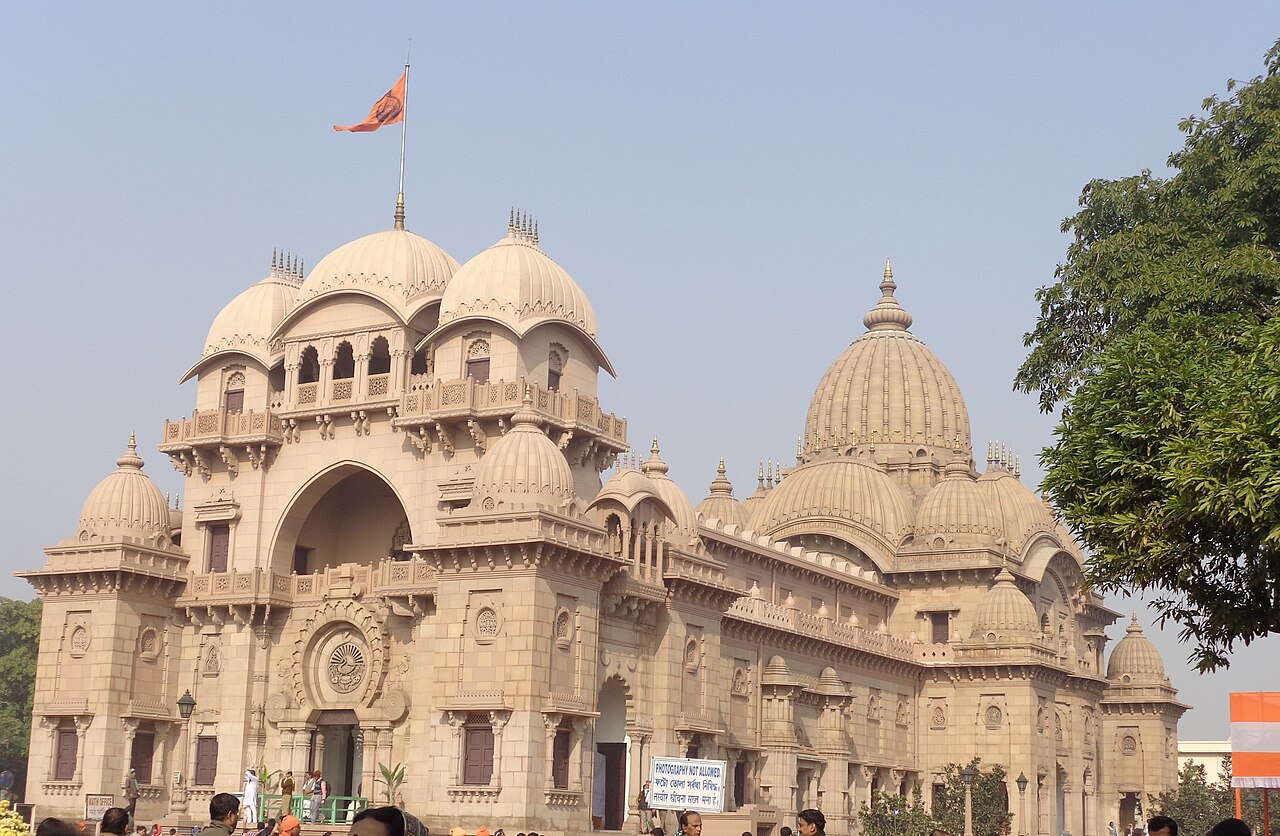
Belur Math
Buddhist site · 3 km · about 10 min by road
 #8 in KolkataFree entry
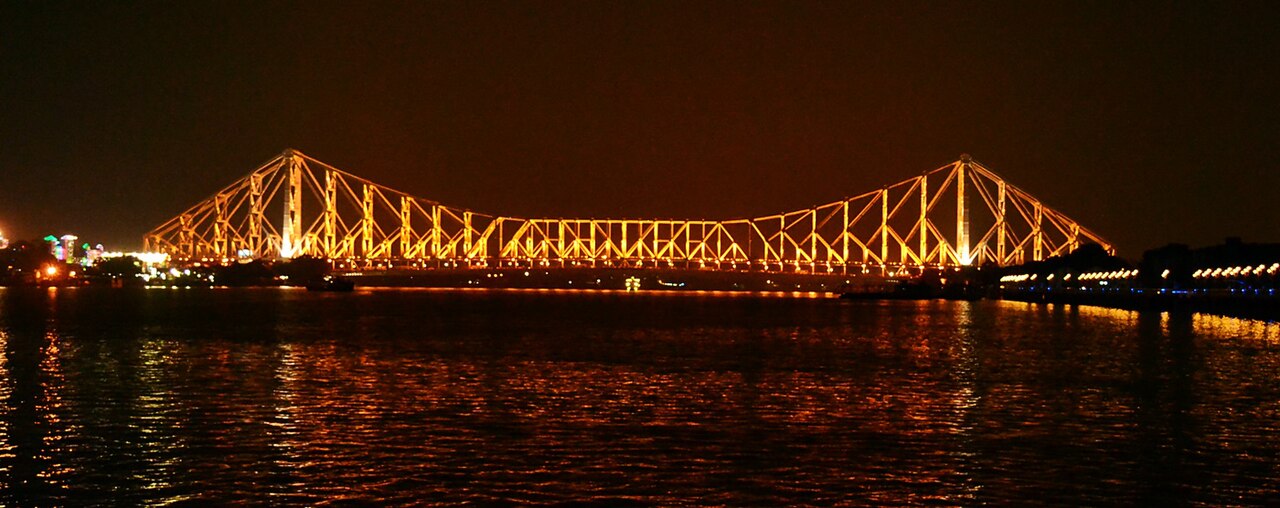
Howrah Bridge
Heritage · 8 km · about 25 min by road
 #5 in KolkataFree entry
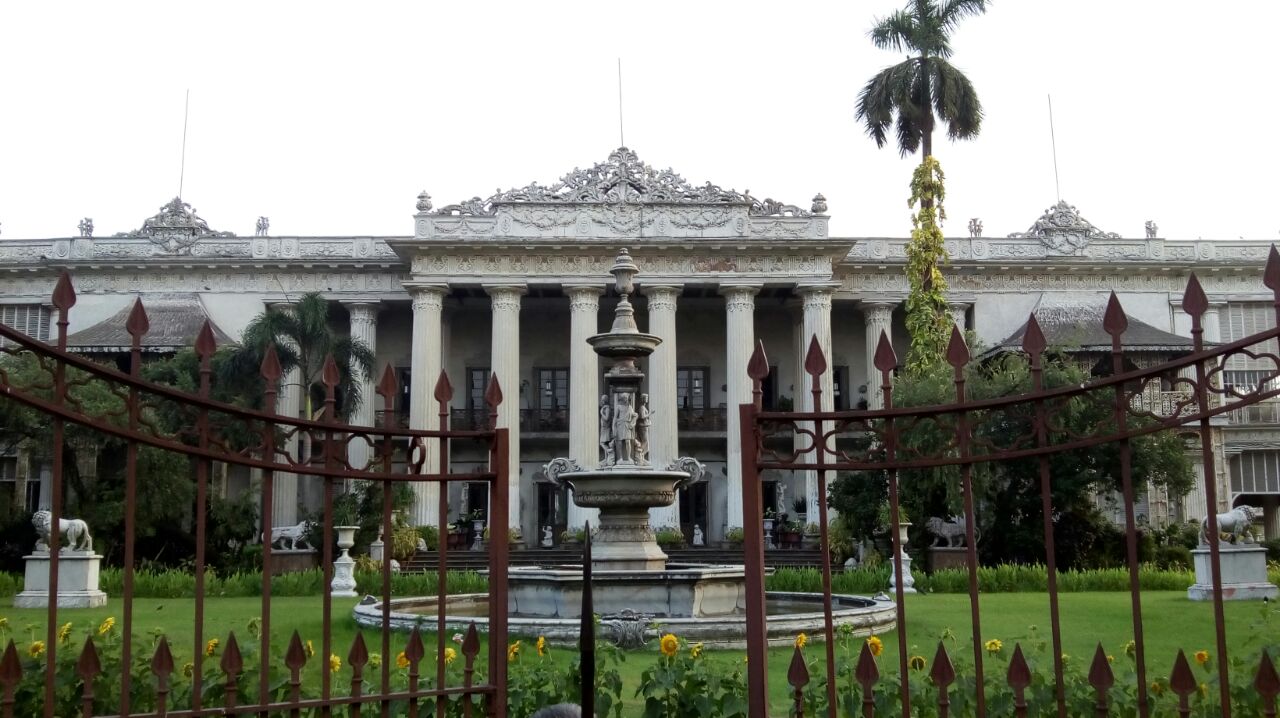
Marble Palace
Palace · 8 km · about 25 min by road
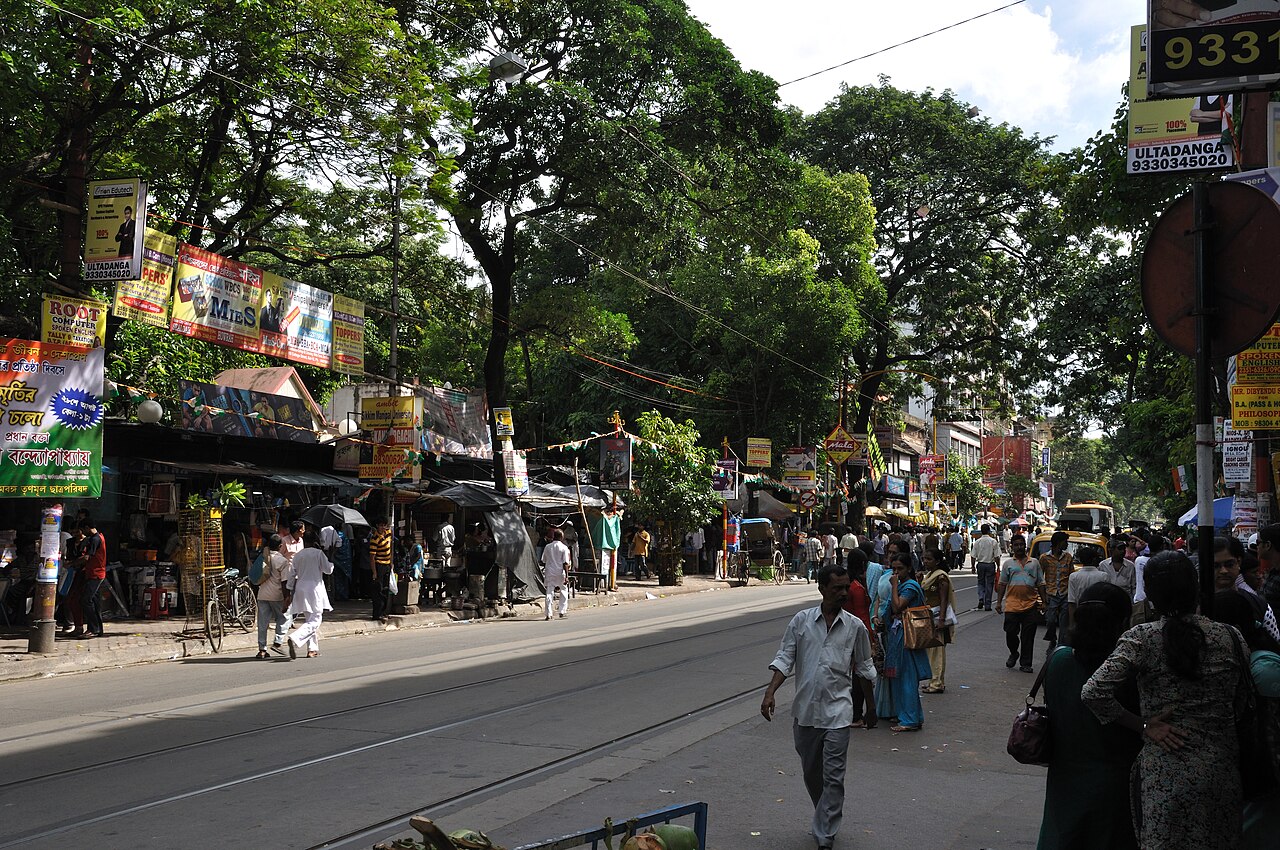 #6 in KolkataFree entry
College Street
Heritage · 9 km · about 30 min by road