
Devaraja Market
#3of 8 places to visit in MysuruMysuru, Karnataka
Also known as Dodda Market · Devaraj Market
Quick answer
Opening hours: 06:00–20:30. Entry is free. Allow 1 hr. Best time: 06:00–08:00.
Updated · Compiled by Traveliac, AI-assisted · 4 min read
- Opening hours
- 06:00–20:30
- 06:00–20:30 daily, though flower and produce stalls are open by 05:30 and many begin closing by 20:00
- Entry fee
- Free
- Time needed
- 1 hr
- Best time of day
- 06:00–08:00
- Best months
- Oct – Mar
- Address
- Sayaji Rao Road, Mysuru, Karnataka 570001
About Devaraja Market
Devaraja Market has traded on the same Sayaji Rao Road site since 1886, when Dewan Poornaiah's canal — built to carry drinking water to Mysore Palace — ran directly beneath the market floor and gave the structure its original wooden-rafter, stone-masonry construction. A 2017 count put the number of shops inside at 1,122, arranged along three covered interior aisles with open vendor stalls spilling into the surrounding lanes, and the market still draws an estimated 8,000 to 10,000 visitors on an ordinary day. Photographs from the 1890s show a near-identical footprint, though the roofline has been patched and rebuilt many times since. The market takes its current name from Dodda Devaraja Wadeyar, honoured in a 1925 renaming; locals still call it Devaraja Market or simply the Dodda (big) market.
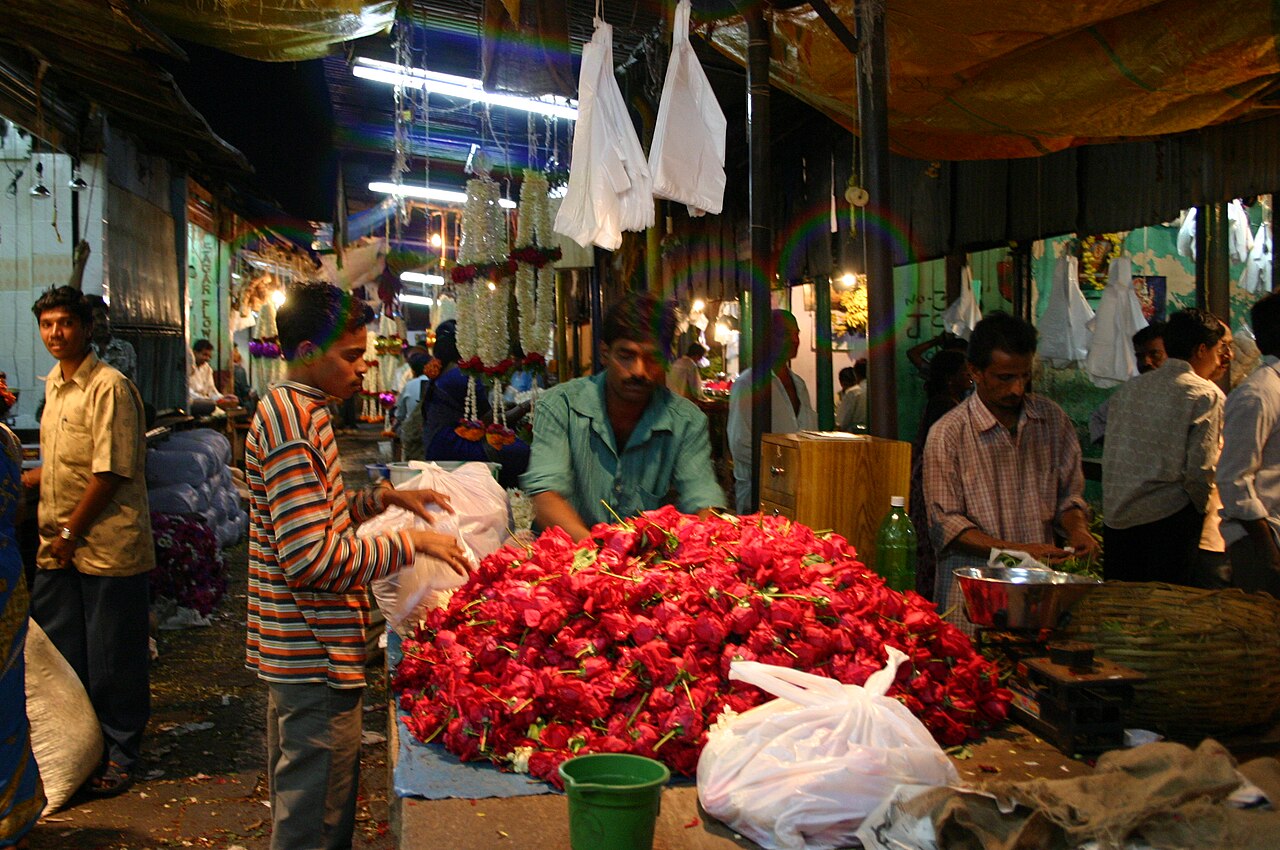
Best time of day: 06:00–08:00. When the flower wholesalers unload jasmine and marigold by the sackload and the aisles are still walkable before the day's shopping crowd arrives.
Devaraja Market timings
Devaraja Market opens at 06:00 and closes at 20:30. Those hours hold on Saturday and Sunday too.
- Opening hours
- 06:00–20:30
Mon–Sun 06:00–20:30 - 06:00–20:30 daily, though flower and produce stalls are open by 05:30 and many begin closing by 20:00
- Closed on
- Open every day
Opening hours compiled from karnatakatourism.org and public records, last updated . They change without notice — confirm before you travel. How we write these guides
Devaraja Market ticket price
| Ticket | Price |
|---|---|
| Indian visitors | Free |
| Foreign visitors | Free |
| Children | Free |
| Camera | Free |
No entrance fee. Vendors price flowers, produce, silk, and sandalwood goods individually, and bargaining is standard for anything that is not fresh food.
Prices compiled from karnatakatourism.org and public records, last updated . They change without notice — confirm before you travel. How we write these guides
Best time to visit Devaraja Market
- Moderate
- Busy
05:30–08:00
Wholesale OpeningBest time to go
Flower and vegetable wholesalers unload for the day; aisles are busy with trade buyers rather than tourists, and the light is best for photography.
Moderate08:00–11:00
Morning Shopping
Local shoppers fill the aisles for the day's produce; this is the market at its most textured but also its most congested.
Busy11:00–16:00
Midday Lull
Foot traffic eases through the hottest hours; some stalls close for a lunch break and reopen by mid-afternoon.
Moderate16:00–20:00
Evening Trade
A second wave of local shoppers arrives after work hours; flower turnover picks up again ahead of evening temple visits.
Busy
History of Devaraja Market
A weekly market operated on this ground as early as 1828, during the reign of the Wodeyar dynasty, before the permanent covered structure went up in 1886. The building's placement directly over the Dewan Poornaiah canal was practical rather than decorative: the canal supplied drinking water to Mysore Palace, and the market's stone foundations doubled as a channel cover.
Fire has repeatedly damaged the market — roughly 150 shops burned in 1981, another 195 in 1990, and 30 more in 1999 — and in August 2016 the market's north entrance gate collapsed outright, prompting a long-running municipal debate over full demolition versus restoration that has not fully resolved as of 2026. Colonial-era administrative records referred to the site chiefly by its produce-exchange function rather than by name, suggesting the Devaraja identity now inseparable from the market attached itself gradually rather than through any single decree. Visitors should expect scaffolding, partial closures, or diverted aisles in the affected sections without much advance signage.
Rules & etiquette at Devaraja Market
Bargaining is expected for silk, sandalwood products, and souvenirs, though fresh produce and flowers are typically sold at a fixed, low, cash price with little room to negotiate. The flower and fish sections have wet, uneven floors year-round, so closed shoes serve better than sandals.
Sandalwood oil sold cheap by aisle vendors is almost always diluted or synthetic — genuine Mysore sandalwood is tightly regulated and priced accordingly, and a bottle offered at a tourist-friendly discount is a reliable sign it is not the real product. Pickpocketing risk rises in the narrowest aisles during the Saturday and Sunday morning rush, a fact locals mention matter-of-factly rather than as a deterrent.
Tips for visiting Devaraja Market
- 1
The flower market at the Sayaji Rao Road end is the single best photograph opportunity, particularly between 06:30 and 08:00 when garland-makers work in the open air. Devaraja Market sits roughly ten minutes on foot from Mysore Palace, making a Palace-to-market-to-Jaganmohan-Palace loop a workable single morning.
- 2
The Dufferin Clock Tower, visible from the market's south gate, is a useful landmark for arranging an auto-rickshaw pickup, since the market's internal lanes are unnamed and easy to get turned around in. Cash is the practical currency here; card and UPI acceptance is inconsistent stall to stall, and early risers should carry small denominations, since few vendors keep change for a ₹500 note before the day's trade has properly started.
How to reach Devaraja Market
The red star is Devaraja Market; the numbered pins are the 6 nearest places in our guides, each showing its rank in its city. Tap a pin for details.
Sayaji Rao Road, Mysuru, Karnataka 570001Directions in Google Maps
From Mysore Palace
1 km · 10–12 min walk
Free on foot; ₹30–₹40 by auto-rickshaw
From Mysuru Junction Railway Station (MYS)
₹40–₹601.7 km · 5–10 min
Auto-rickshaw, negotiated
From Mysore Airport / Mandakalli (MYQ)
₹250–₹35010 km · 20–25 min
Prepaid cab
Nearest airport
From Mysore Airport / Mandakalli (MYQ)
10 km, 20–25 minutes.
Nearest railway station
From Mysuru Junction (MYS)
1.7 km, 5–10 minutes.
Devaraja Market FAQs
Is there an entry fee for Devaraja Market?
No, the market is free to enter and walk through. Money changes hands only at individual stalls for whatever is purchased.
Is bargaining expected at Devaraja Market?
Yes, for silk, sandalwood goods, and souvenirs, where opening prices are typically inflated for visitors. Fresh produce and flowers are usually sold at a fixed low price with little negotiating room.
Is the sandalwood oil sold in the market genuine?
Rarely at the prices quoted to tourists. Authentic Mysore sandalwood oil is tightly regulated and priced well above what casual aisle vendors typically charge, so a cheap bottle is almost certainly diluted or synthetic.
Is the whole market currently open, given the 2016 gate collapse?
Mostly yes, but expect some scaffolding or diverted aisles. The market's north entrance gate collapsed in August 2016, and a municipal decision between restoration and demolition of the affected section has not fully resolved as of 2026.
Compiled with AI assistance from official sources and public records, and published only after the checks in How we write these guides. Nobody from Traveliac has visited this place. Last updated . How we rank and check places
Places to visit near Devaraja Market
Straight-line distances from our map; times are estimates.
 #2 in Mysuru
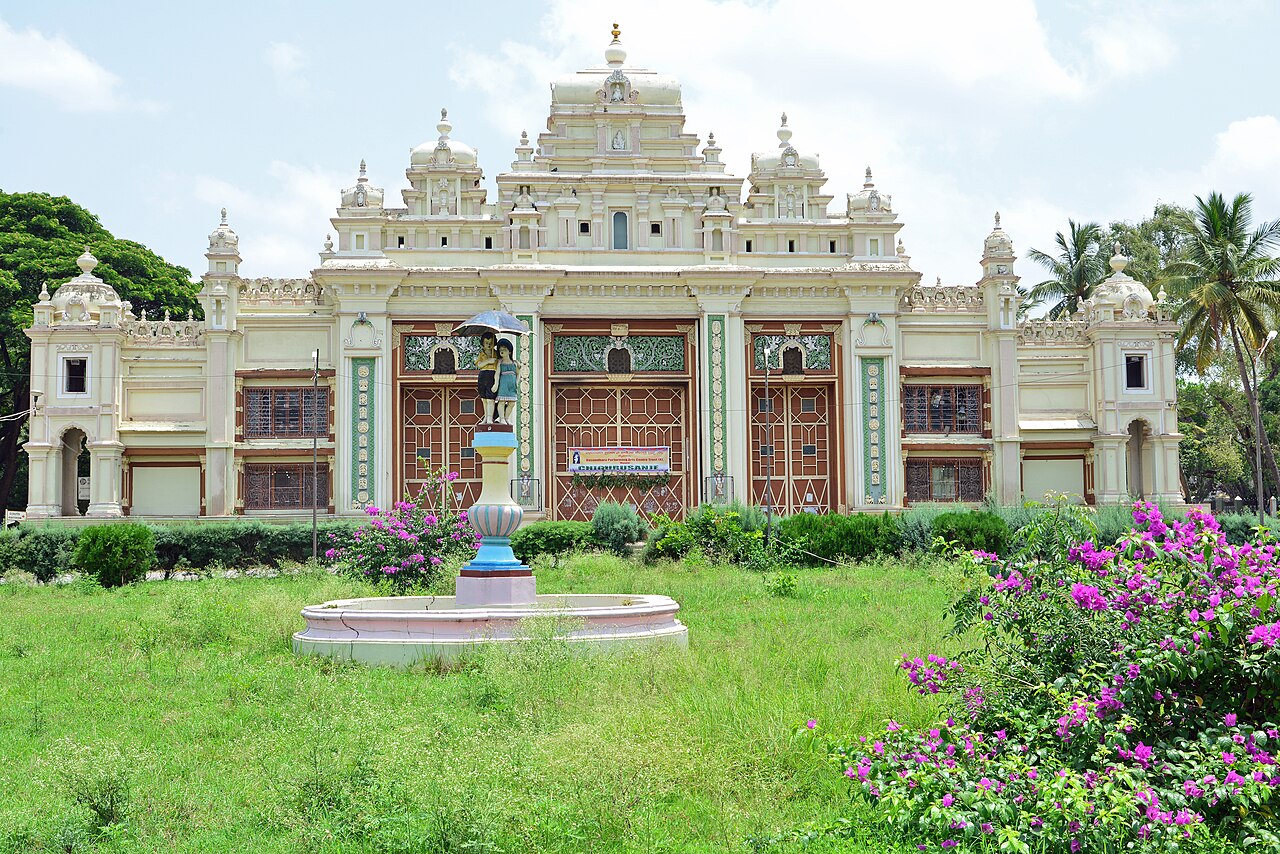
Jaganmohan Palace & Art Gallery
Palace · 550 m · about 9 min walk
 #1 in Mysuru
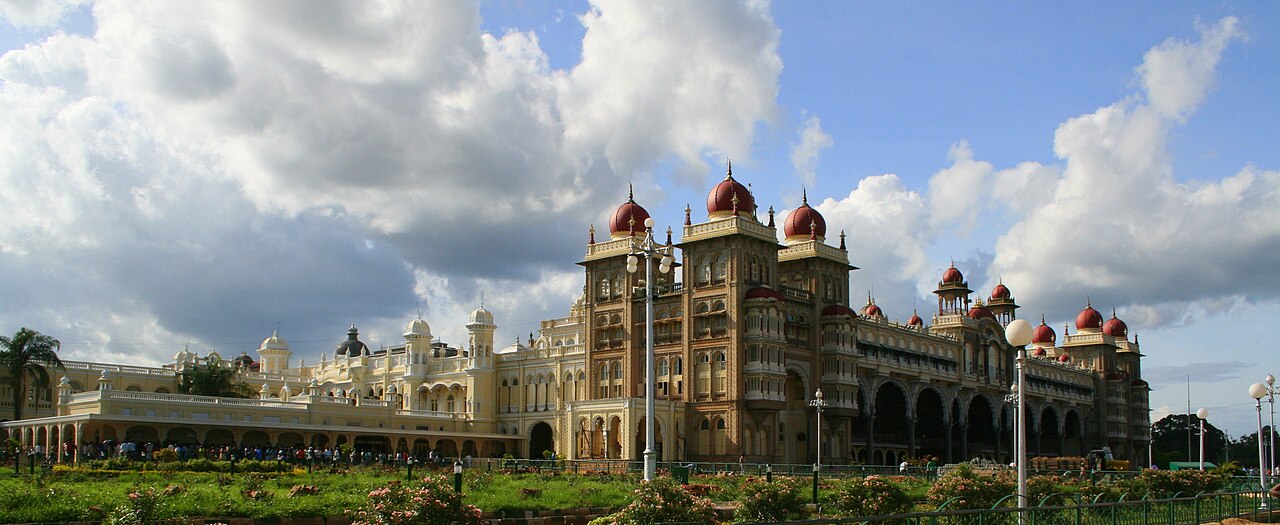
Mysore Palace
Palace · 850 m · about 14 min walk
 #4 in Mysuru
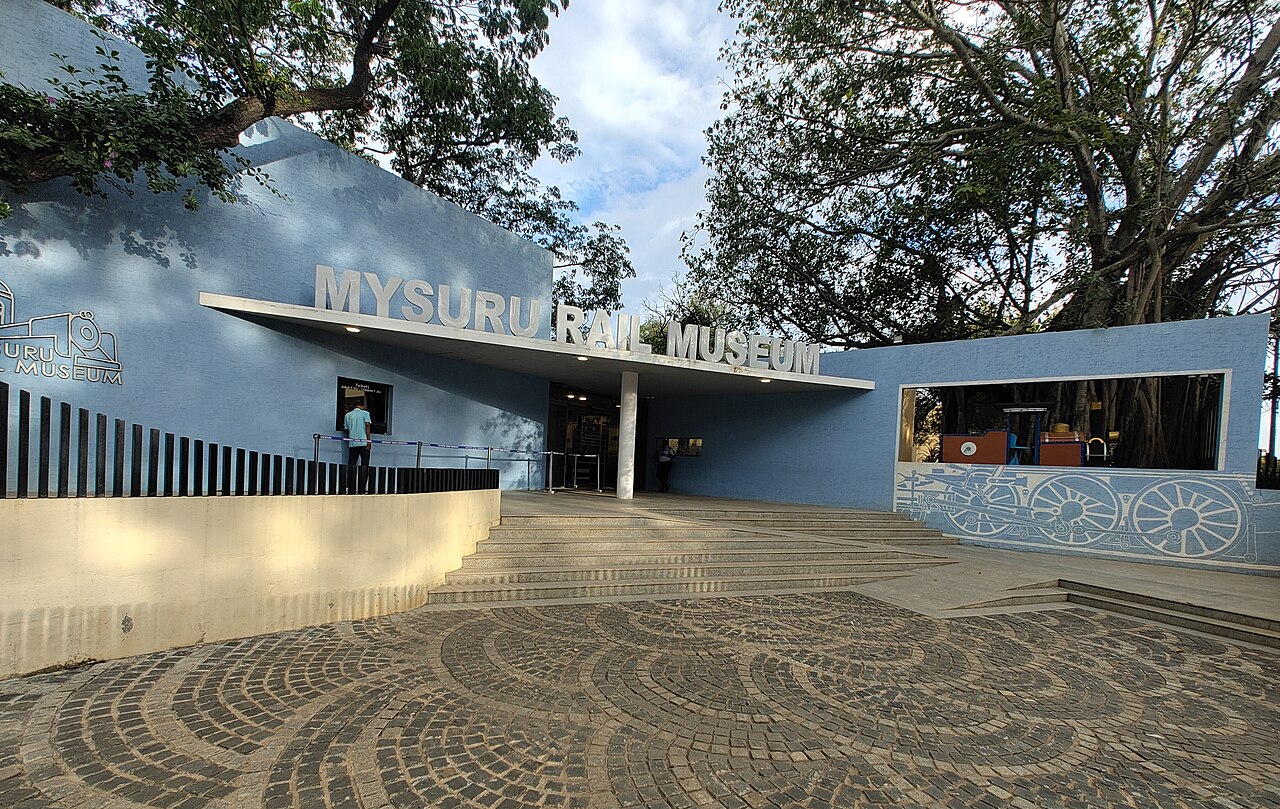
Rail Museum, Mysuru
Museum · 1.1 km · about 18 min walk
 #5 in Mysuru
Sri Chamarajendra Zoological Gardens
Wildlife · 2.1 km · about 33 min walk