
Mysore Palace
#1of 8 places to visit in MysuruMysuru, Karnataka
Also known as Amba Vilas Palace · Mysuru Palace · Maharaja's Palace
Quick answer
Opening hours: 10:00–17:30, last entry 17:00. Entry: ₹150 Indian · ₹1,000 foreign. Allow 2 hrs. Best time: 10:00–11:00 or 19:00–20:00.
Updated · Compiled by Traveliac, AI-assisted · 5 min read
- Opening hours
- 10:00–17:30
- Entry fee
- ₹150 Indian
- Ticket from
- Time needed
- 2 hrs
- Best time of day
- 10:00–11:00 or 19:00–20:00
- Best months
- Oct – Mar
- Address
- Sayyaji Rao Road, Agrahara, Mysuru, Karnataka 570001
About Mysore Palace
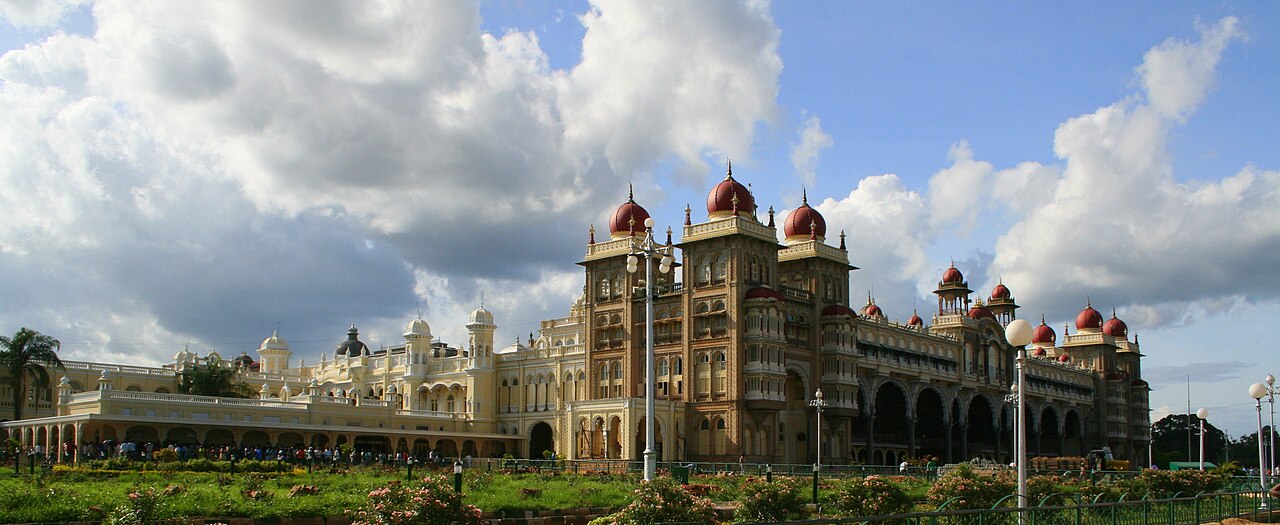
Mysore Palace charges ₹150 for Indian nationals and ₹1,000 for foreign nationals as of 2026, for entry between 10:00 and 17:30 every day of the year. The three-storey Indo-Saracenic building on Sayyaji Rao Road is not the Wadiyar dynasty's original residence — a wooden palace on the same footprint burned down in 1896 during a royal wedding, and the grey-granite structure that replaced it was designed by the English architect Henry Irwin and built between 1897 and 1912. Deep pink marble domes cap the corner towers, set against the flatter grey of the granite masonry below, and the contrast is engineered for spectacle: nearly 97,000 incandescent bulbs outline every arch and cupola for the palace's Sunday and Dasara-season illumination. Inside, the first-floor Durbar Hall carries a stained-glass ceiling in a peacock motif, and the adjoining Kalyana Mantapa, the marriage pavilion, sits beneath a similarly glazed dome above a floor of Belgian and Italian tiles set in a repeating geometric grid.
Best time of day: 10:00–11:00 or 19:00–20:00. For the interior circuit, before tour-bus groups from Bengaluru and Ooty fill the Jaya Maarthaanda queue; 19:00–20:00 on a Sunday for the illuminated exterior, visible free from Old Fort Road without a ticket.
Mysore Palace timings
Mysore Palace opens at 10:00 and closes at 17:30. Those hours hold on Saturday and Sunday too.
- Opening hours
- 10:00–17:30
Mon–Sun 10:00–17:30 - Closed on
- Open every day
Good to know: Sound and light show, 45 minutes, excluding Sundays and government holidays: Kannada 19:00–20:00 Monday–Wednesday and 20:15–21:15 Saturday (₹100 adult / ₹40 child); English 19:00–20:00 Thursday–Saturday (₹120 adult / ₹50 child). Exterior illumination with roughly 97,000 bulbs runs 19:00–20:00 every Sunday and public holiday, and nightly through the Dasara festival in September–October.
Opening hours compiled from mysorepalace.karnataka.gov.in and public records, last updated . They change without notice — confirm before you travel. How we write these guides
Mysore Palace ticket price
| Ticket | Price |
|---|---|
| Indian visitors | ₹150 |
| Foreign visitors | ₹1,000 |
| Children | ₹70 |
| Camera | Free |
Children under 10 years enter free. Camera and video photography are prohibited throughout the interior galleries, so no indoor camera fee applies. Sources disagree on the foreign-national rate — the palace's own ticketing portal lists ₹1,000 as of 2026, while several travel aggregators cite ₹300 — so confirm the current rate at the Jaya Maarthaanda counter or online before budgeting a family visit.
Prices compiled from mysorepalace.karnataka.gov.in and public records, last updated . They change without notice — confirm before you travel. How we write these guides
Best time to visit Mysore Palace
- Quiet
- Moderate
- Very busy
10:00–11:00
Morning OpeningBest time to go
Ticket counters have just opened; interior queue at Jaya Maarthaanda gate typically runs under 15 minutes before coach groups arrive.
Quiet11:00–14:00
Tour Bus Window
Coaches from Bengaluru, Ooty, and Coorg converge on the car park; Durbar Hall and the golden throne pavilion see the densest foot traffic of the day.
Very busy14:00–17:00
Afternoon Decline
Coach groups depart for onward drives; family and independent visitors move through at a steadier pace with shorter waits at photo points.
Moderate19:00–20:00 (Sun & holidays)
Illumination
Interior closed; crowds gather outside the Old Fort Road railing for the lit exterior, dispersing within the hour as the bulbs switch off.
Quiet
History of Mysore Palace
Krishnaraja Wadiyar IV was eleven years old when fire destroyed the previous wooden palace in 1896, so the regent Maharani Kempananjammani Vani Vilas Sannidhana commissioned Henry Irwin's replacement while the boy king remained a minor under British Resident oversight. Irwin, who had already built the Indo-Saracenic Viceregal Lodge at Shimla, mixed Hindu, Islamic, Rajput, and Gothic elements deliberately: the arched colonnades read as Mughal, the domed corner towers as Rajput, and the iron roof trusses spanning the Durbar Hall, shipped from Glasgow, as unmistakably Victorian engineering. Construction ran from 1897 to 1912 and drew on the Mysore state treasury rather than colonial grants.
Wadiyar rule ended in 1950 when the kingdom acceded to the Indian Union, and Jayachamarajendra Wadiyar converted the palace into a public monument and the ceremonial centre of the annual Dasara festival, a role it still holds. The Mysore Palace Board, a state government body, now manages daily operations, though the royal family retains private apartments in a separate wing away from the visitor route. The palace's jewel-encrusted golden throne, dismantled and stored the rest of the year, is reassembled and displayed only during the ten-day Dasara celebrations each September or October.
Rules & etiquette at Mysore Palace
Footwear comes off at the Gombe Thotti entrance before the interior circuit begins, and a staffed counter charges ₹5 per pair to mind shoes rather than leaving them on open racks. Photography and video recording are banned throughout the interior galleries, including the Durbar Hall and the golden throne pavilion; guards check phones at several points along the one-way route, and enforcement is stricter than the palace's posted signage implies.
The Jaya Maarthaanda gate on the east side is the only tourist entrance. Visitors who arrive instead at the Varaha or Balarama gates, used for staff movement and Dasara processions, are redirected on a ten-minute walk back around the outer wall. Licensed guides carry a laminated Department of Tourism card and charge ₹300–₹500 for an hour; they gather near the ticket counter rather than working the queue itself, and unlicensed touts offering to “skip the line” outside the outer wall should be ignored.
Tips for visiting Mysore Palace
- 1
Sunday evening is the only regular chance to see the palace lit by its full complement of bulbs outside the Dasara season, and the exterior floodlighting is visible free of charge from Old Fort Road, no ticket required. Booking online through the palace's own portal avoids the counter queue, which regularly runs past 40 minutes between 10:30 and 13:00 once coach groups arrive.
- 2
Jaganmohan Palace stands 700 metres north along Sayyaji Rao Road, and Devaraja Market is a further ten-minute walk beyond it, making a single walkable morning circuit of palace, gallery, and market. During the Dasara festival in September or October, ticketed hours and the route of the jumbo savari elephant procession both change with little public notice, so check the palace's official portal in the preceding week rather than a travel agent's printed schedule.
How to reach Mysore Palace
The red star is Mysore Palace; the numbered pins are the 6 nearest places in our guides, each showing its rank in its city. Tap a pin for details.
Sayyaji Rao Road, Agrahara, Mysuru, Karnataka 570001Directions in Google Maps
From Mysuru Junction Railway Station (MYS)
₹40–₹701.9 km · 5–10 min
Auto-rickshaw, negotiated); ₹150–₹200 (app cab
From Mysore Airport / Mandakalli (MYQ)
₹250–₹35010 km · 20–25 min
Prepaid cab, on the days flights operate
From Mysuru City Bus Stand (Suburban)
₹30–₹501.5 km · 5–8 min
Auto-rickshaw); a 15-minute walk costs nothing
Nearest airport
From Mysore Airport / Mandakalli (MYQ)
10 km, but scheduled commercial service has been intermittent for several years; most travellers fly into Kempegowda International Airport, Bengaluru (BLR), roughly 170 km, 3.5–4 hours by road.
Nearest railway station
From Mysuru Junction (MYS)
1.9 km, 5–10 minutes by auto-rickshaw.
Mysore Palace FAQs
Is photography allowed inside Mysore Palace?
No. Cameras, phones, and video recording are prohibited throughout the interior galleries as of 2026, including the Durbar Hall and the golden throne pavilion. Photography of the exterior facade and courtyards is permitted, and the illuminated exterior can be photographed freely from outside the ticketed area on Sunday evenings.
Which gate should visitors use to enter Mysore Palace?
The Jaya Maarthaanda gate on the east side is the sole tourist entrance. The Varaha and Balarama gates on the south and west are used for staff and Dasara processions, and visitors who arrive there are redirected around the outer wall, adding about ten minutes to the visit.
When is Mysore Palace illuminated with all its lights?
Every Sunday and public holiday from 19:00 to 20:00 as of 2026, and nightly throughout the Dasara festival in September or October. On other evenings the palace exterior is unlit after dusk.
Can visitors see the golden throne year-round?
No. The jewel-encrusted golden throne is dismantled and stored for most of the year and is reassembled for public and royal viewing only during the ten-day Dasara festival each September or October, when it is displayed in the Durbar Hall.
Compiled with AI assistance from official sources and public records, and published only after the checks in How we write these guides. Nobody from Traveliac has visited this place. Last updated . How we rank and check places
Places to visit near Mysore Palace
Straight-line distances from our map; times are estimates.
 #2 in Mysuru
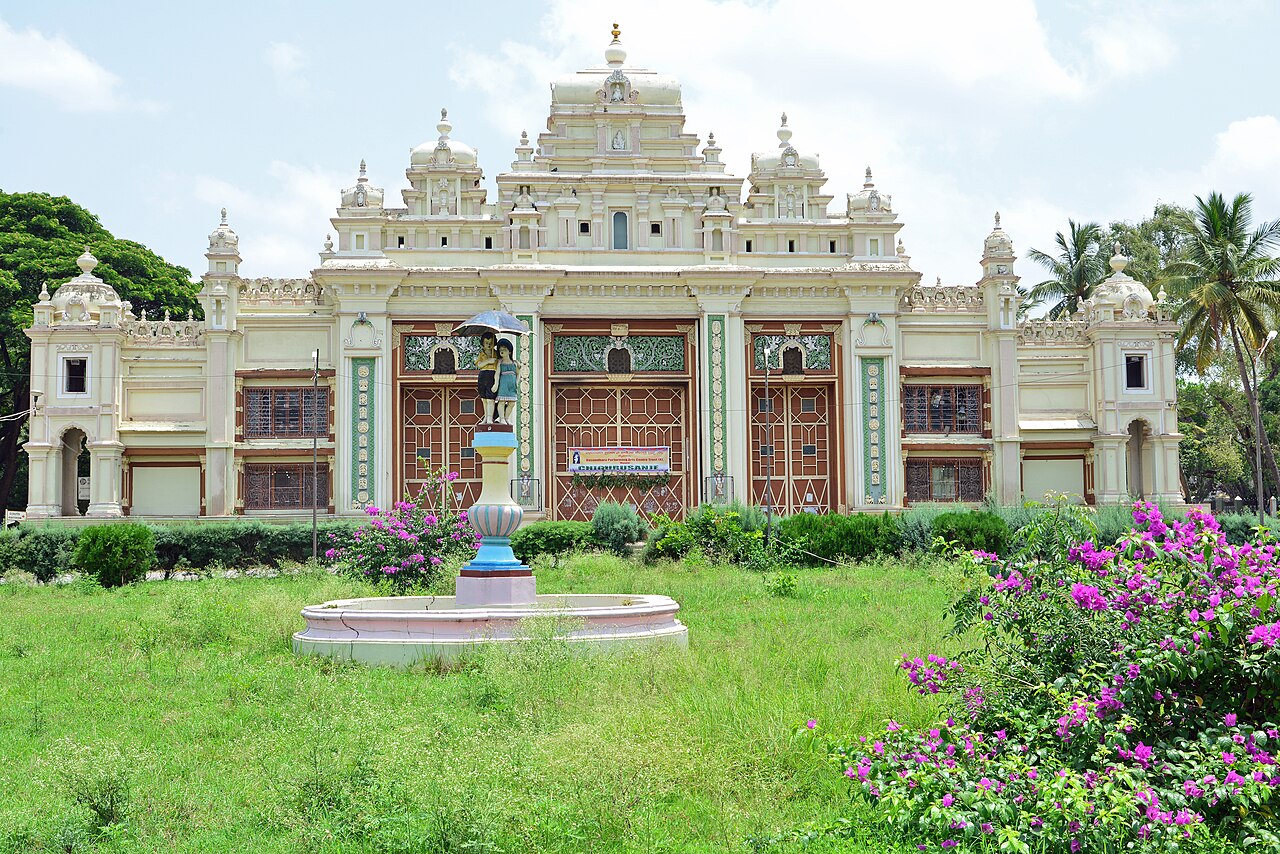
Jaganmohan Palace & Art Gallery
Palace · 600 m · about 10 min walk
 #3 in MysuruFree entry
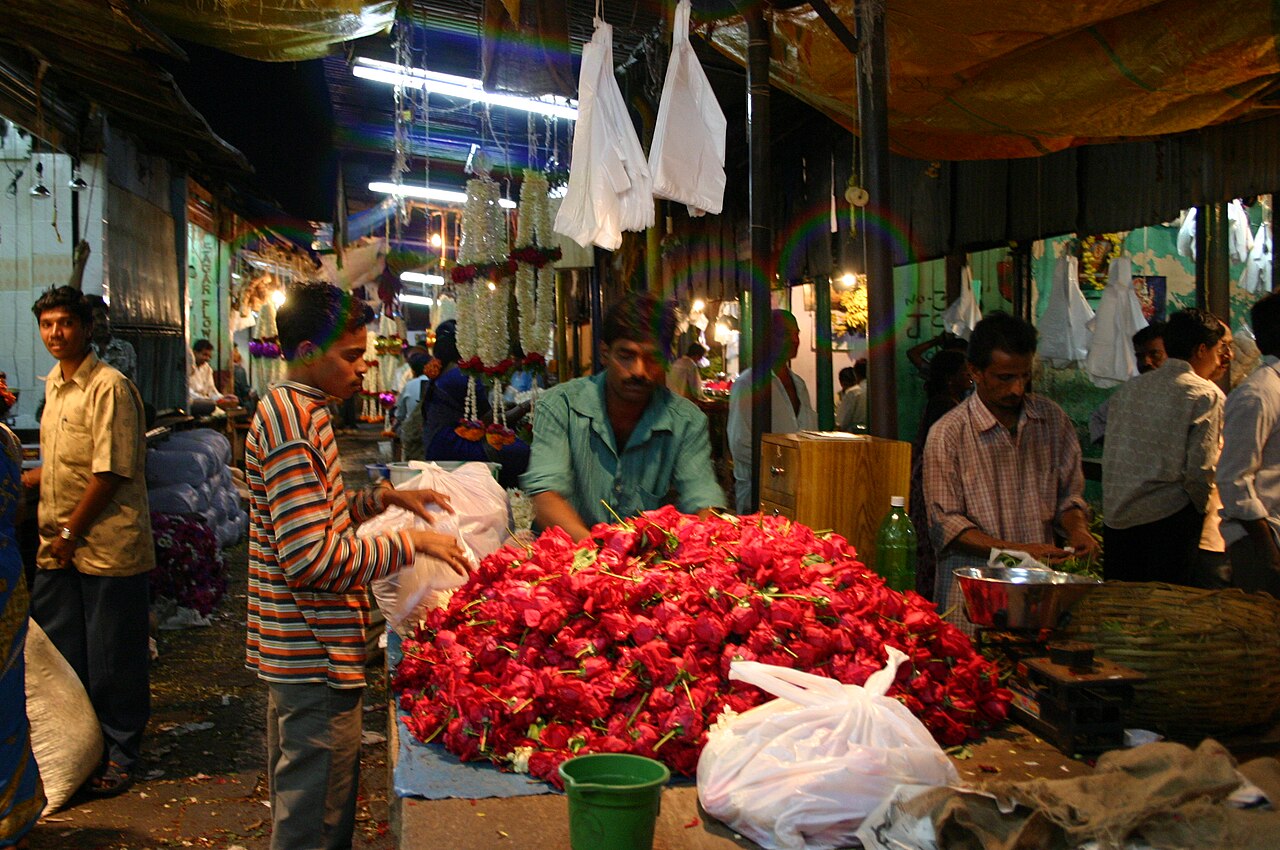
Devaraja Market
Market · 850 m · about 14 min walk
 #5 in Mysuru
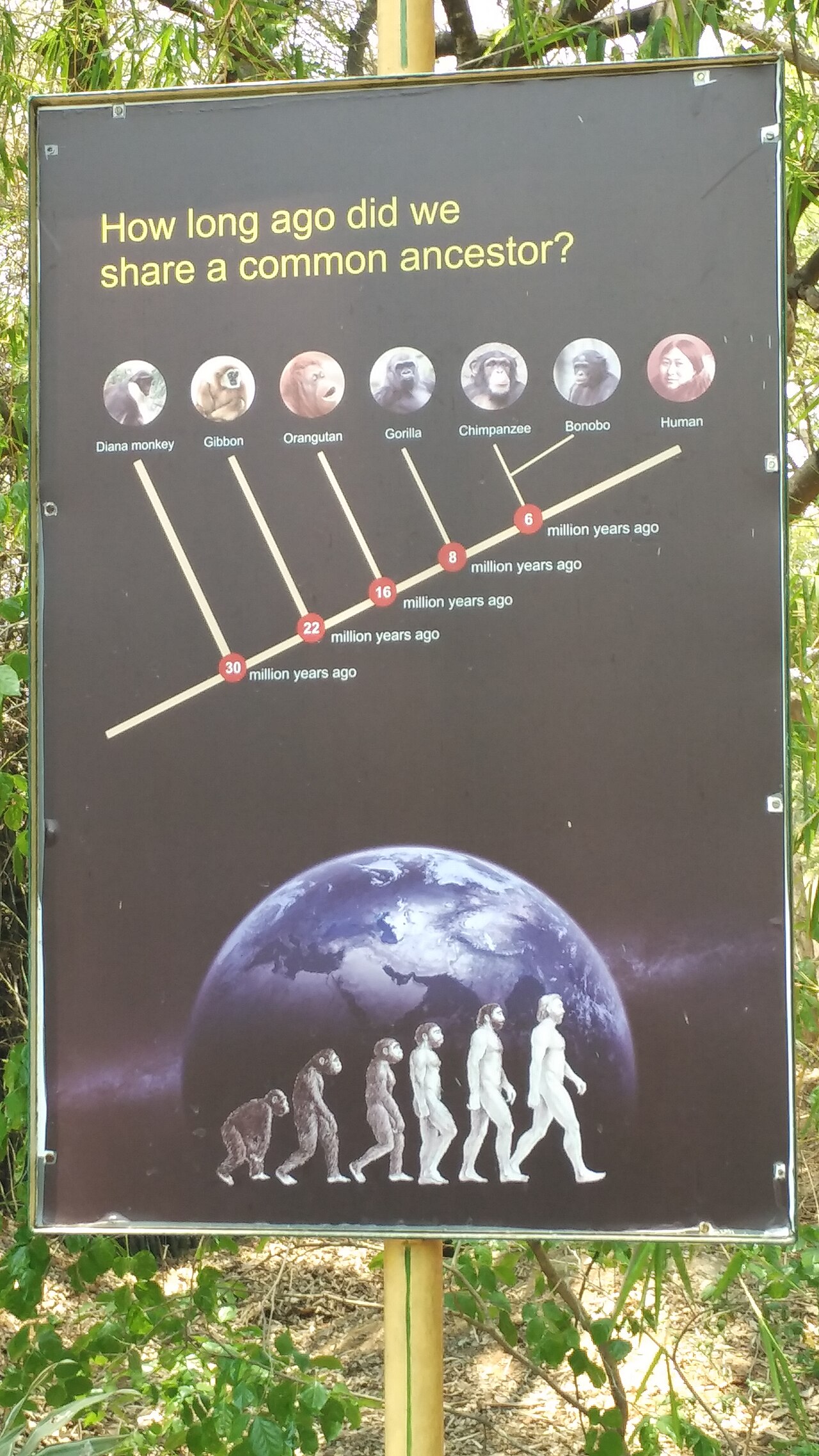
Sri Chamarajendra Zoological Gardens
Wildlife · 1.5 km · about 24 min walk
 #4 in Mysuru
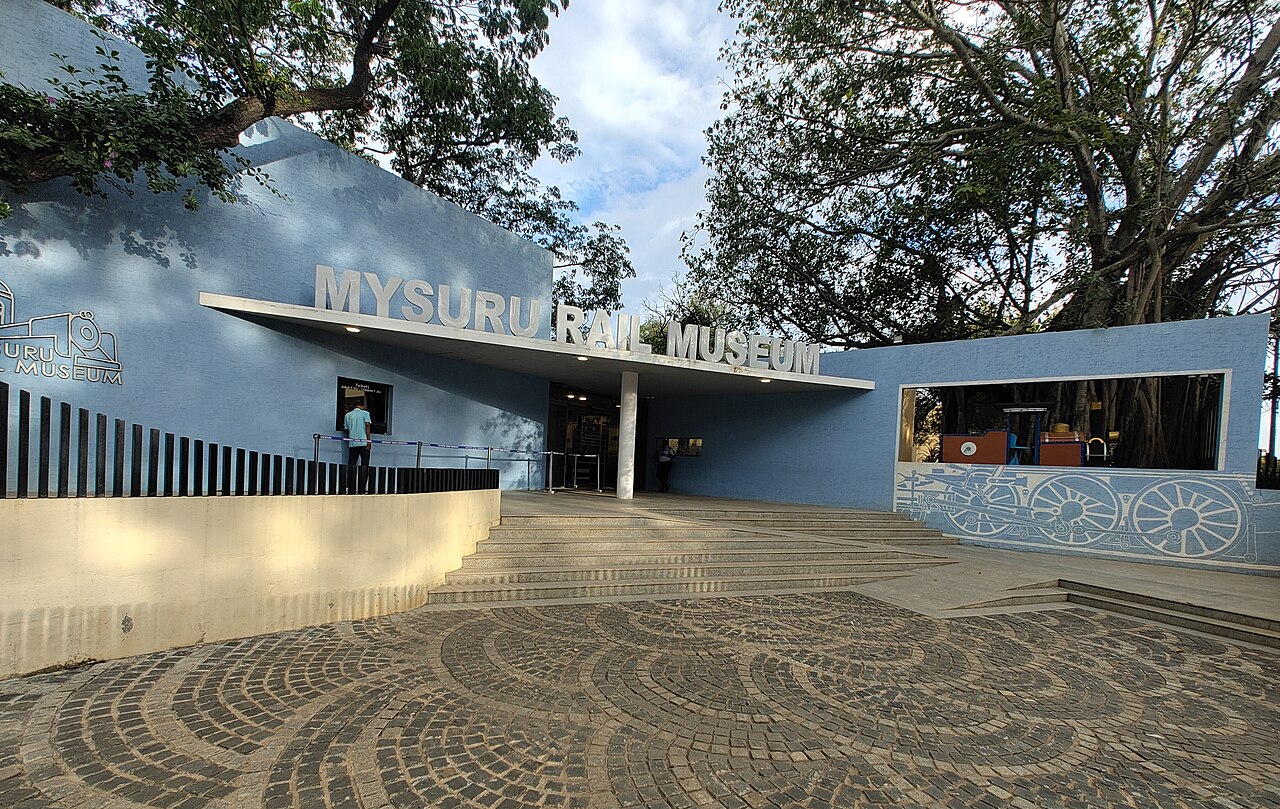
Rail Museum, Mysuru
Museum · 1.8 km · about 30 min walk