
Jaganmohan Palace & Art Gallery
#2of 8 places to visit in MysuruMysuru, Karnataka
Also known as Sri Jayachamarajendra Art Gallery · Jaganmohana Palace
Quick answer
Opening hours: 10:00–17:30. Entry: ₹20. Allow 1 hr. Best time: 10:00–12:00.
Updated · Compiled by Traveliac, AI-assisted · 4 min read
- Opening hours
- 10:00–17:30
- Entry fee
- ₹20
- Ticket from
- Time needed
- 1 hr
- Best time of day
- 10:00–12:00
- Best months
- Oct – Mar
- Address
- Jaganmohan Palace Road, Mysuru, Karnataka 570001
About Jaganmohan Palace & Art Gallery
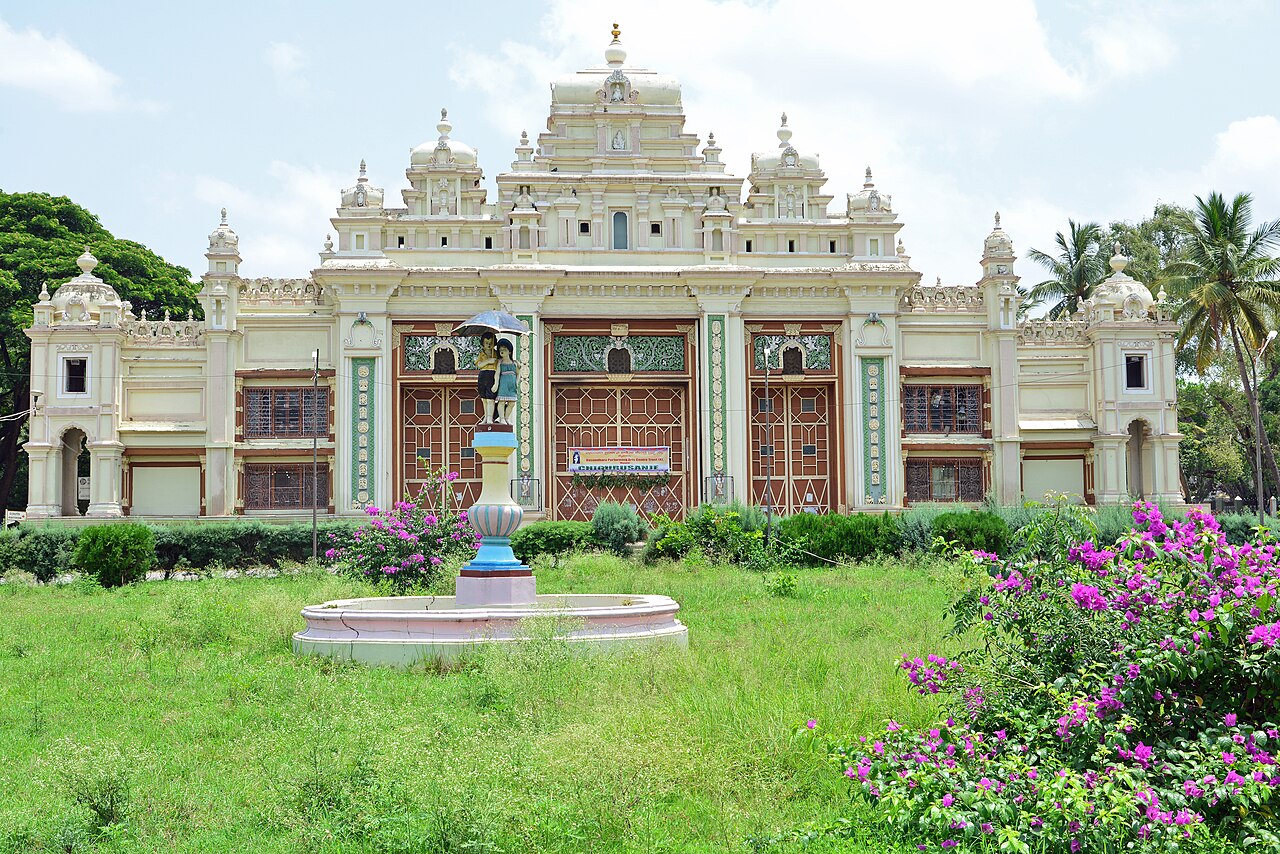
Jaganmohan Palace charges ₹20 for Indian adults and ₹10 for children aged five to ten as of 2026, for a collection that runs past 2,000 paintings across the Mysore, Rajput, Mughal, and Shantiniketan schools. Mummadi Krishnaraja Wodeyar built the brick-and-mortar structure in 1861 as a secondary royal residence, long before it held a single canvas, and its main facade — added in 1900 for durbar functions — carries three arched entrances with miniature temple motifs carved into the entablature above them. Teak-framed doors depicting the ten avatars of Vishnu mark the principal entrance, a detail easy to miss while queuing for tickets. The gallery inside occupies the palace's original durbar and residential halls, so paintings hang against carved wooden ceilings and inlaid floors rather than the white-cube walls of a purpose-built museum.
Best time of day: 10:00–12:00. On a weekday, when school groups have not yet arrived and gallery attendants have time to point out the trick-perspective paintings on request.
Jaganmohan Palace & Art Gallery timings
Jaganmohan Palace & Art Gallery opens at 10:00 and closes at 17:30. It keeps the same hours on Saturday and Sunday.
- Opening hours
- 10:00–17:30
Mon–Sun 10:00–17:30 - Closed on
- Open every day
Opening hours compiled from mysore.nic.in and public records, last updated . They change without notice — confirm before you travel. How we write these guides
Jaganmohan Palace & Art Gallery ticket price
| Ticket | Price |
|---|---|
| Indian visitors | ₹20 |
| Foreign visitors | ₹20 |
| Children | ₹10 |
| Camera | Free |
The Mysuru district administration lists ₹20 for adults and ₹10 for children aged five to ten as of 2026, while some travel sites quote a higher ₹75/₹35 tier; the gap likely reflects an unposted revision, so verify the current rate at the ticket window before entering. Photography is generally restricted inside the painting galleries to protect the canvases from flash damage.
Prices compiled from mysore.nic.in and public records, last updated . They change without notice — confirm before you travel. How we write these guides
Best time to visit Jaganmohan Palace & Art Gallery
- Quiet
- Moderate
10:00–12:00
Morning QuietBest time to go
Independent visitors and small family groups move through the galleries at an unhurried pace; attendants have time for questions.
Quiet12:00–14:00
School Group Window
Weekday school excursions arrive by bus, filling the older wooden-floored rooms and raising noise levels near the entrance hall.
Moderate14:00–16:00
Afternoon Lull
Crowds thin after school groups depart; the heat outside pushes a steady trickle of visitors in from the main palace queue next door.
Quiet16:00–17:30
Pre-Closing
Visitors who finish the main Mysore Palace circuit late in the day arrive for a quick pass before the 17:30 closing time.
Moderate
History of Jaganmohan Palace & Art Gallery
Krishnaraja Wadiyar III's court began construction on Jaganmohan Palace in 1856 and completed it in 1861, giving the Wadiyar family a second residence independent of the main palace complex. The building's importance rose sharply in 1897, when fire had just destroyed the old wooden Mysore Palace: for the following fifteen years, while Henry Irwin's replacement palace was under construction, Jaganmohan Palace served as the primary royal residence and durbar hall.
Krishnaraja Wadiyar IV converted the palace into a public art gallery in 1915, opening the family's painting collection — heavy with works by Raja Ravi Varma and Mysore-school court painters — to visitors for the first time. Jayachamarajendra Wadiyar placed the palace under a public trust in 1950 as princely rule ended nationwide, enlarged the collection in 1955, and the gallery was renamed in his honour in 1980, four years after his death. The gallery's Raja Ravi Varma holdings rank among the largest such collections in South India outside Kerala, a fact regularly overshadowed by the far more visited Mysore Palace next door.
Rules & etiquette at Jaganmohan Palace & Art Gallery
Photography is restricted inside the painting halls to protect pigments and varnish from repeated flash exposure; attendants intervene quickly if a phone camera comes out near the Ravi Varma canvases. Bags larger than a small daypack are held at a counter near the entrance rather than carried through the galleries.
Visitors are asked not to touch frames or glass-fronted display cases, a rule enforced more casually here than at the Mysore Palace next door, and school groups on weekday mornings can make the older wooden-floored rooms noisy and congested for anyone trying to read the gallery labels. Flash restrictions apply equally to camera phones and dedicated cameras, and attendants do not distinguish between the two when enforcing the rule.
Tips for visiting Jaganmohan Palace & Art Gallery
- 1
Jaganmohan Palace sits 700 metres south of Mysore Palace along Sayyaji Rao Road, making it a natural add-on to a palace visit rather than a separate trip. The collection's best-known pieces are a set of optical-illusion paintings whose subjects appear to follow the viewer across the room and a musical-instrument exhibit once used by the royal household — both worth asking a gallery attendant to point out, since labelling is sparse.
- 2
The building's indoor galleries make it a useful stop during Mysuru's hottest midday hours, when the open courtyards of the main palace grow uncomfortable. Visits run shorter here than at the main palace — 45 to 60 minutes covers the core rooms — so it pairs well as a second stop after breakfast rather than a full outing on its own.
How to reach Jaganmohan Palace & Art Gallery
The red star is Jaganmohan Palace & Art Gallery; the numbered pins are the 6 nearest places in our guides, each showing its rank in its city. Tap a pin for details.
Jaganmohan Palace Road, Mysuru, Karnataka 570001Directions in Google Maps
From Mysore Palace (Jaya Maarthaanda gate)
0.7 km · 8–10 min walk
Free on foot; ₹30–₹40 by auto-rickshaw
From Mysuru Junction Railway Station (MYS)
₹50–₹802 km · 8–12 min
Auto-rickshaw, negotiated
From Mysore Airport / Mandakalli (MYQ)
₹300–₹40014.5 km · 25–30 min
Prepaid cab
Nearest airport
From Mysore Airport / Mandakalli (MYQ)
14.5 km, 25–30 minutes.
Nearest railway station
From Mysuru Junction (MYS)
2 km, 8–12 minutes by auto-rickshaw.
Jaganmohan Palace & Art Gallery FAQs
Is Jaganmohan Palace the same building as Mysore Palace?
No. Jaganmohan Palace is a separate, older structure built in 1861 by Mummadi Krishnaraja Wodeyar, standing about 700 metres south of the main Mysore Palace on Sayyaji Rao Road. It served briefly as the royal residence between 1897 and 1912 while the main palace was rebuilt after a fire.
What does the Sri Jayachamarajendra Art Gallery collection contain?
The gallery holds more than 2,000 paintings spanning the Mysore, Rajput, Mughal, and Shantiniketan (Bengal) schools, including a substantial set of works by Raja Ravi Varma. Krishnaraja Wadiyar IV converted the palace into a public gallery in 1915.
Is photography allowed inside the art gallery?
No, photography is generally restricted inside the painting halls as of 2026 to protect the canvases from flash exposure. Attendants intervene if a camera or phone is raised near the artworks.
How much time should a visit take?
45 to 60 minutes covers the core galleries and the trick-perspective paintings that most visitors come to see. The building is smaller and quicker to tour than the adjacent Mysore Palace.
Compiled with AI assistance from official sources and public records, and published only after the checks in How we write these guides. Nobody from Traveliac has visited this place. Last updated . How we rank and check places
Places to visit near Jaganmohan Palace & Art Gallery
Straight-line distances from our map; times are estimates.
 #3 in MysuruFree entry
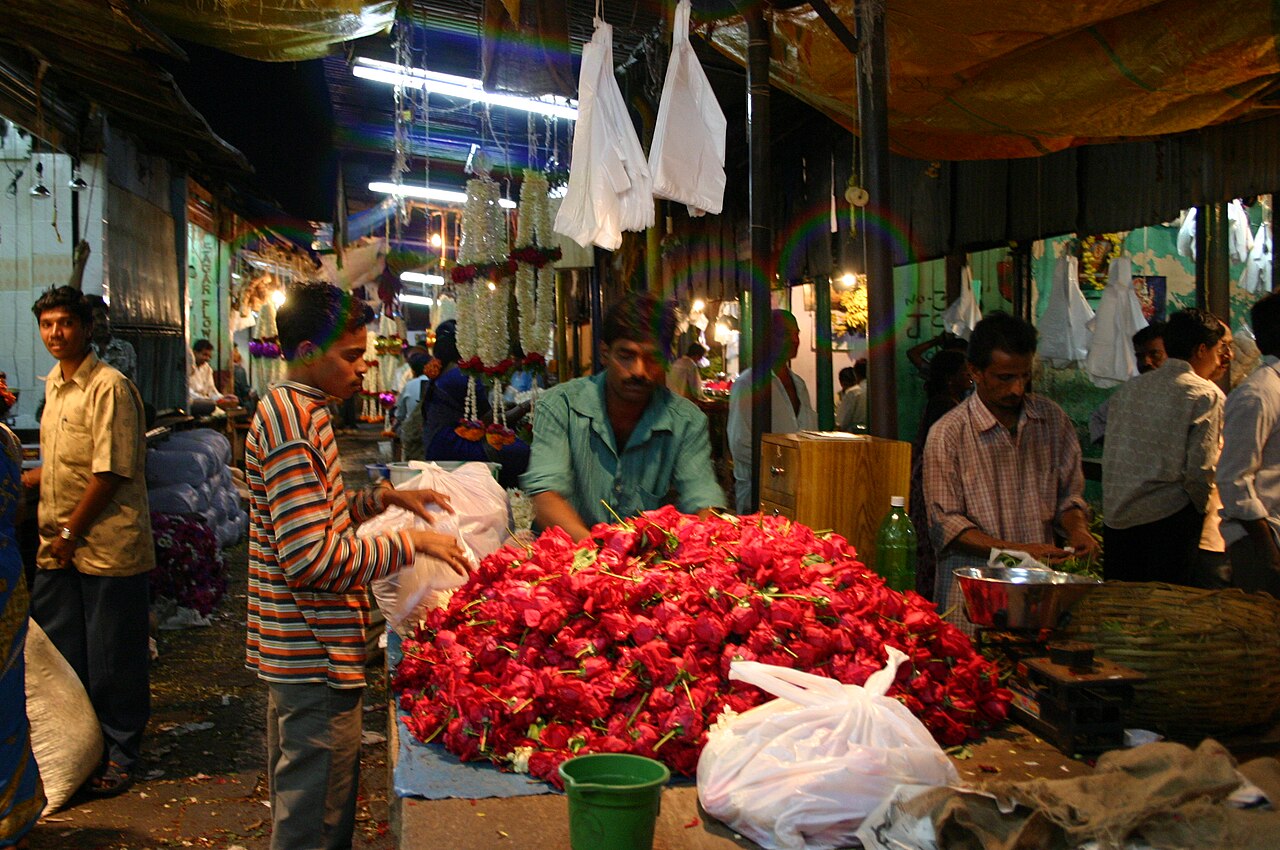
Devaraja Market
Market · 550 m · about 9 min walk
 #1 in Mysuru
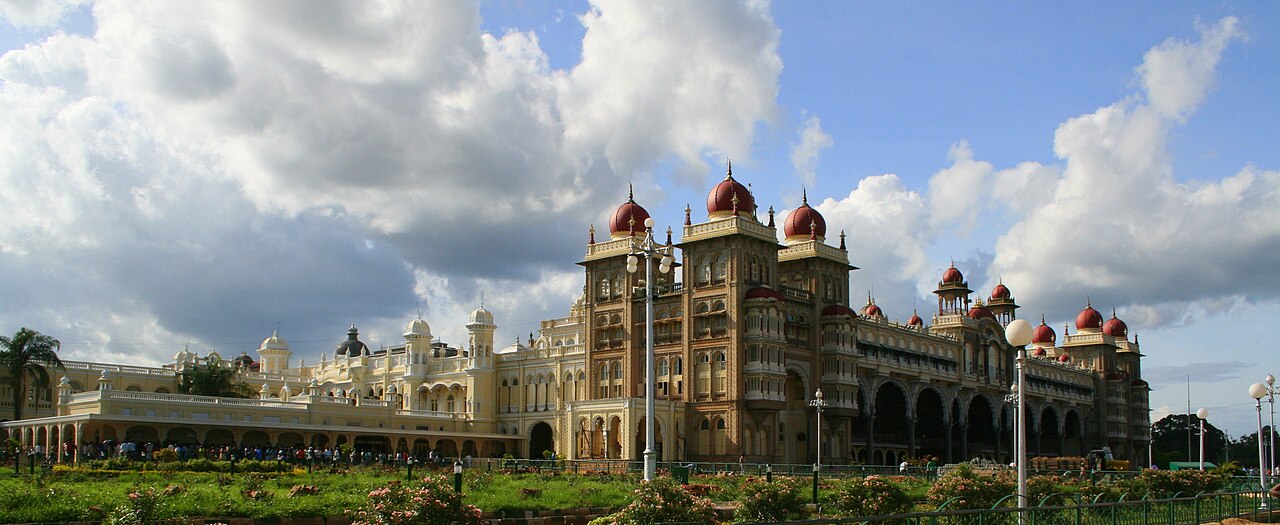
Mysore Palace
Palace · 600 m · about 10 min walk
 #4 in Mysuru
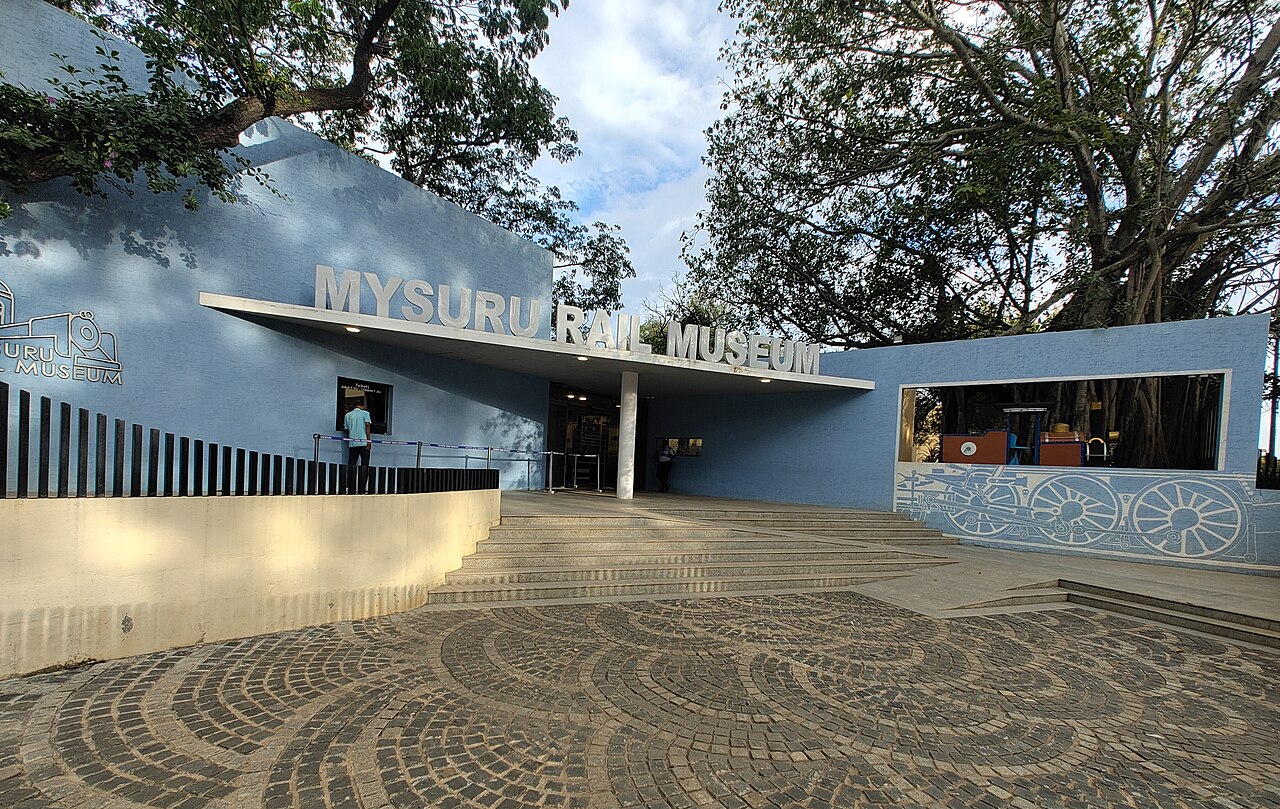
Rail Museum, Mysuru
Museum · 1.3 km · about 21 min walk
 #5 in Mysuru
Sri Chamarajendra Zoological Gardens
Wildlife · 2.1 km · about 33 min walk