
Seoul Capital Area travel guide
Top 10 Places to Visit in Seoul
Also known as Hanyang
Seoul covers 605 square kilometres on both banks of the Han River and holds about 9.6 million people, and King Taejo of Joseon made it the capital in 1394 under the name Hanyang.
Updated ·Compiled by Traveliac, AI-assisted ·How we rank
- Best time
- Apr – Jun, Sep – Oct
- Time needed
- About 3 days
- 17 hours of sightseeing
- Fly into
- Incheon International Airport (ICN)
- Nearest station
- Anguk Station (Line 3)
- Free to enter
- 6 of 10
Top things to do in Seoul
Ranked on five published criteria- 1
Palace
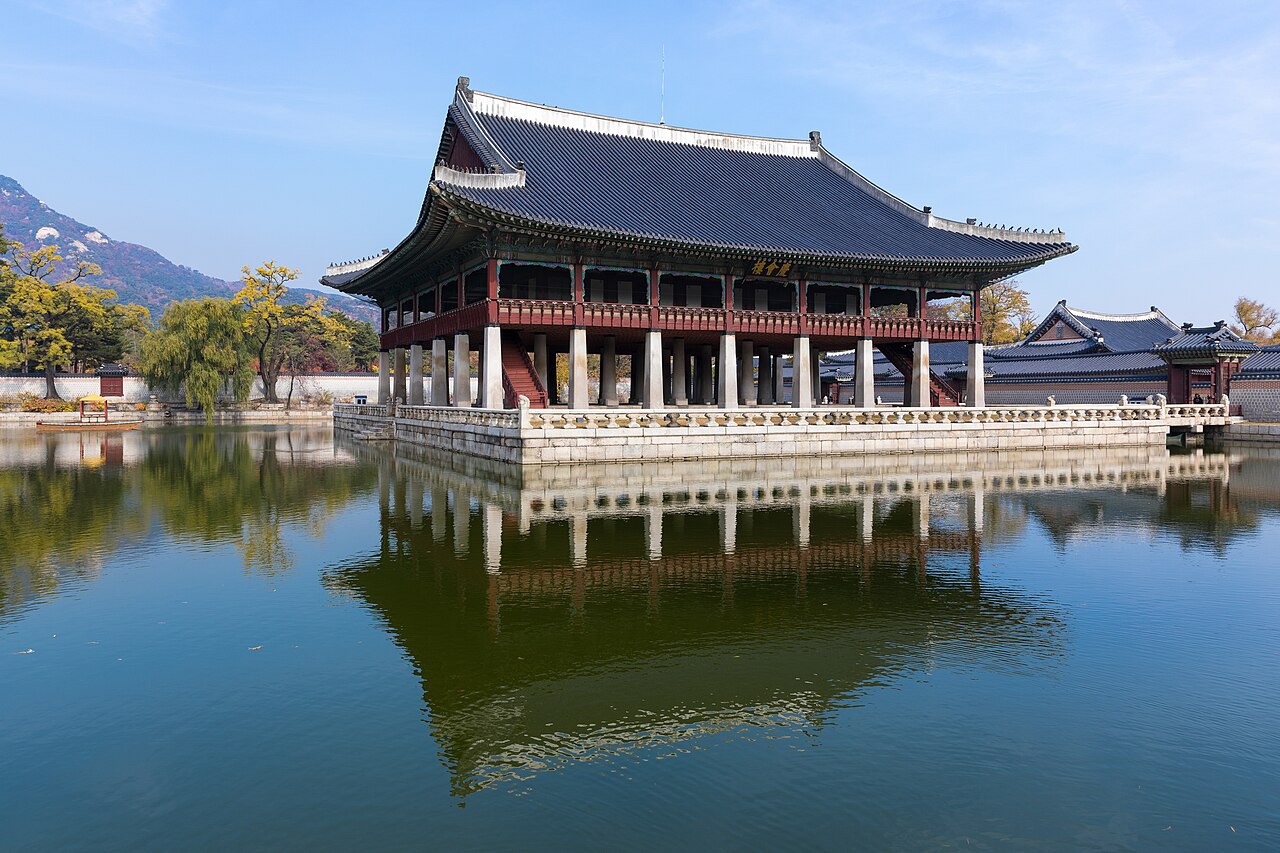
Gyeongbokgung Palace
Gyeongbokgung Palace charges KRW 3,000 for adults and is closed every Tuesday, as of 2026.
2 hrs₩3,000
 2Free entry
Heritage
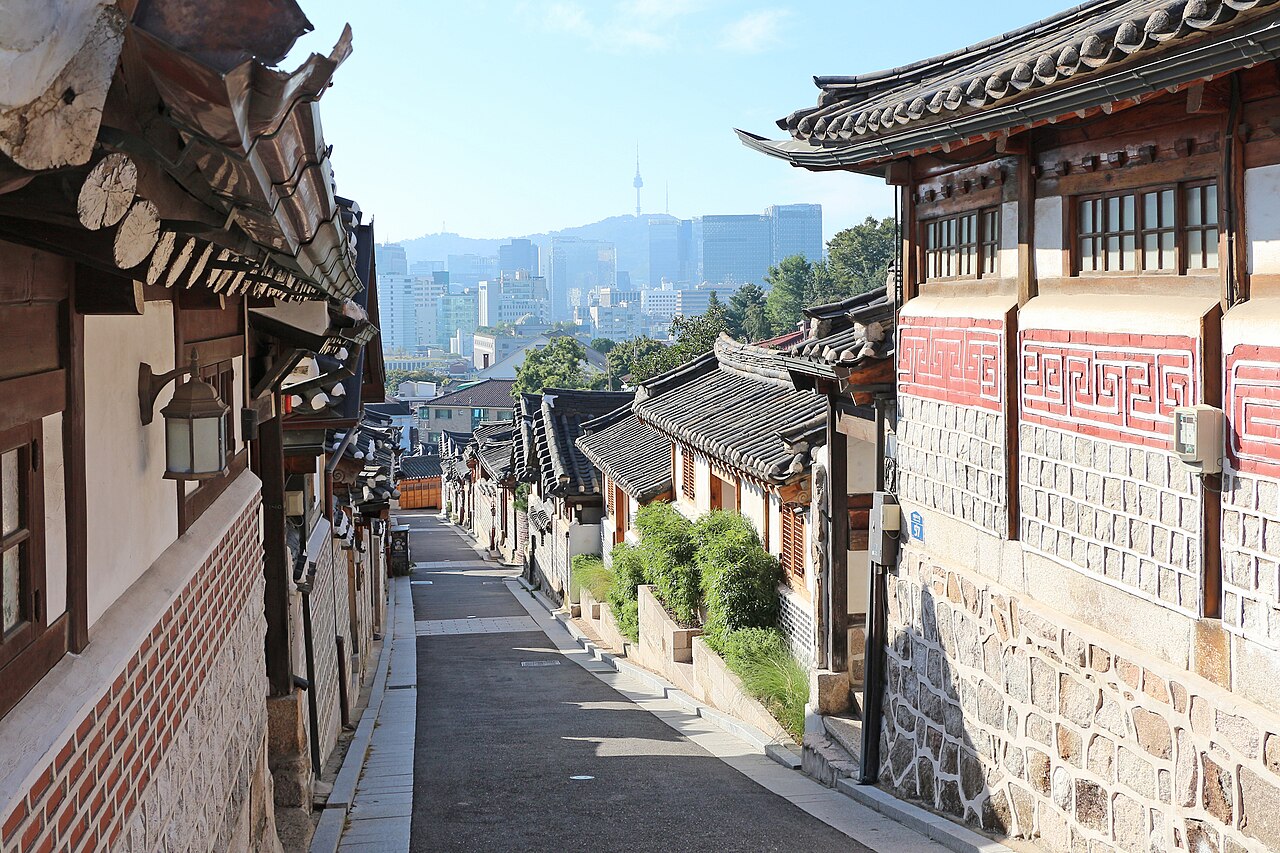
Bukchon Hanok Village
Bukchon Hanok Village has no admission fee but tourists may only walk its core lane, Bukchon-ro 11-gil, between 10:00 and 17:00, and a KRW 100,000…
1.5 hrs
 3
3Palace
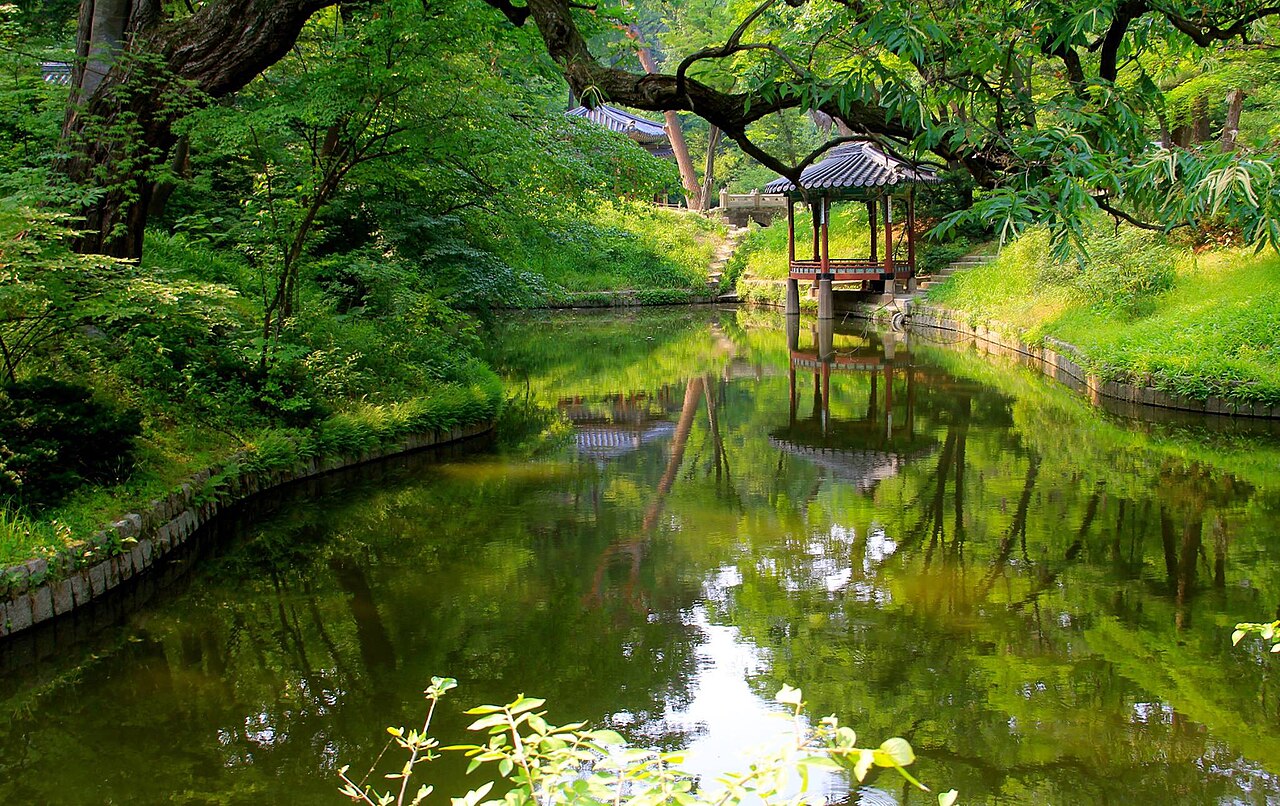
Changdeokgung Palace and Huwon Secret Garden
Changdeokgung Palace charges KRW 3,000 for adults and a further KRW 5,000 for the Huwon Secret Garden, as of 2026, and is closed on Mondays.
3 hrs₩3,000
 4Free entry
Market
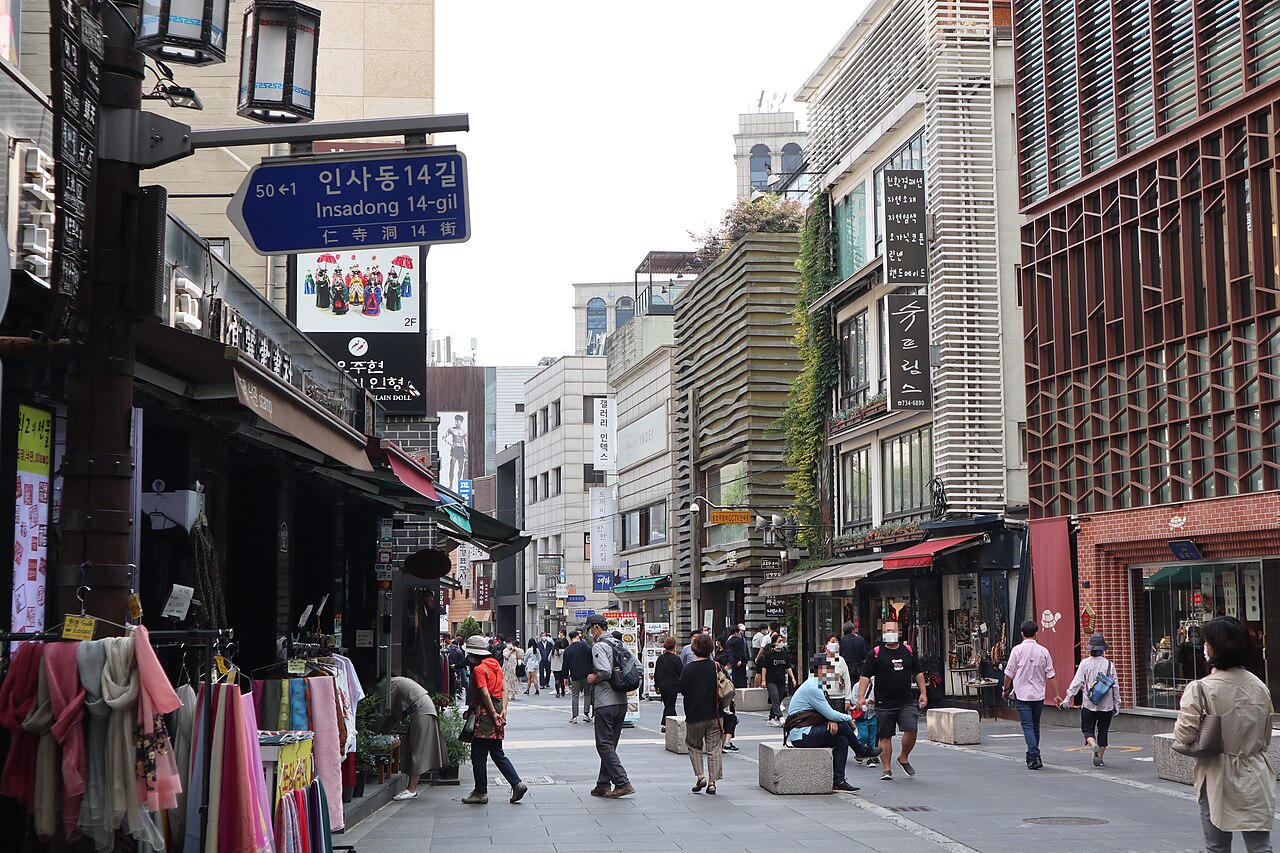
Insadong
Insadong is free to walk, as of 2026, and centres on Insadong-gil, a street of about 700 metres running from Anguk Station south toward Jongno.
2 hrs
 5Free entry
Buddhist site
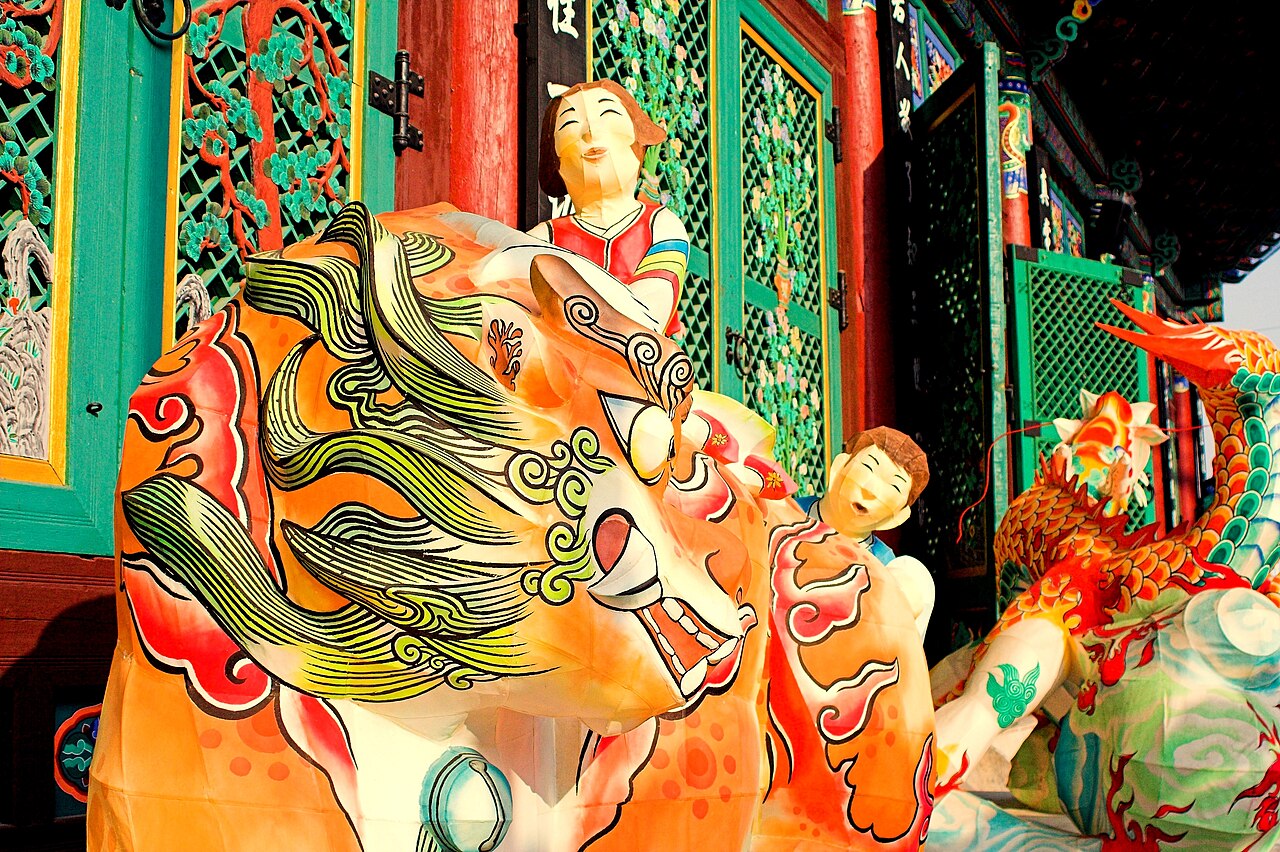
Jogyesa Temple
Jogyesa Temple is free to enter, as of 2026, and is the head temple of the Jogye Order, the largest school of Korean Buddhism.
45 min
 6Free entry
Market
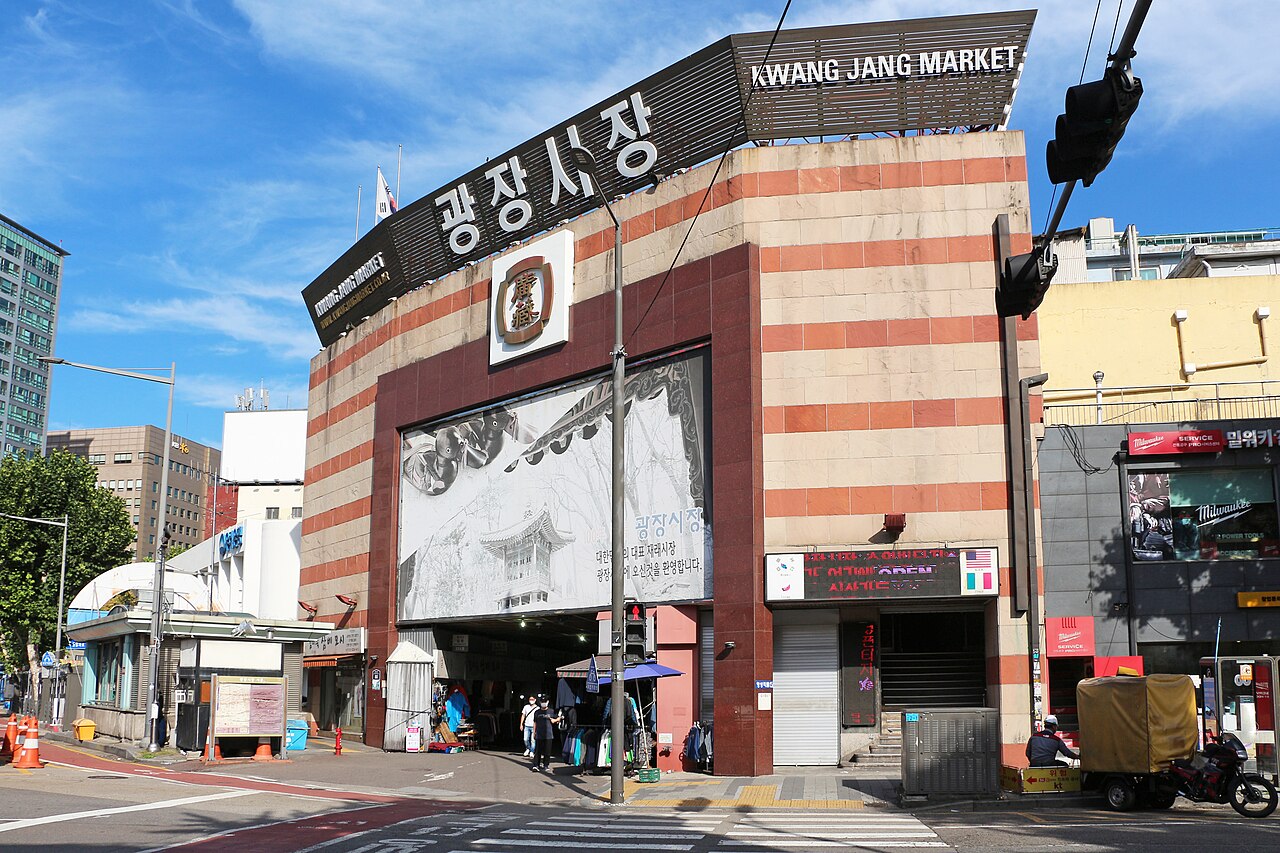
Gwangjang Market
Gwangjang Market has no admission fee, as of 2026, and is often described as the first permanent daily market in Korea.
1.5 hrs
 7Free entry
Nature
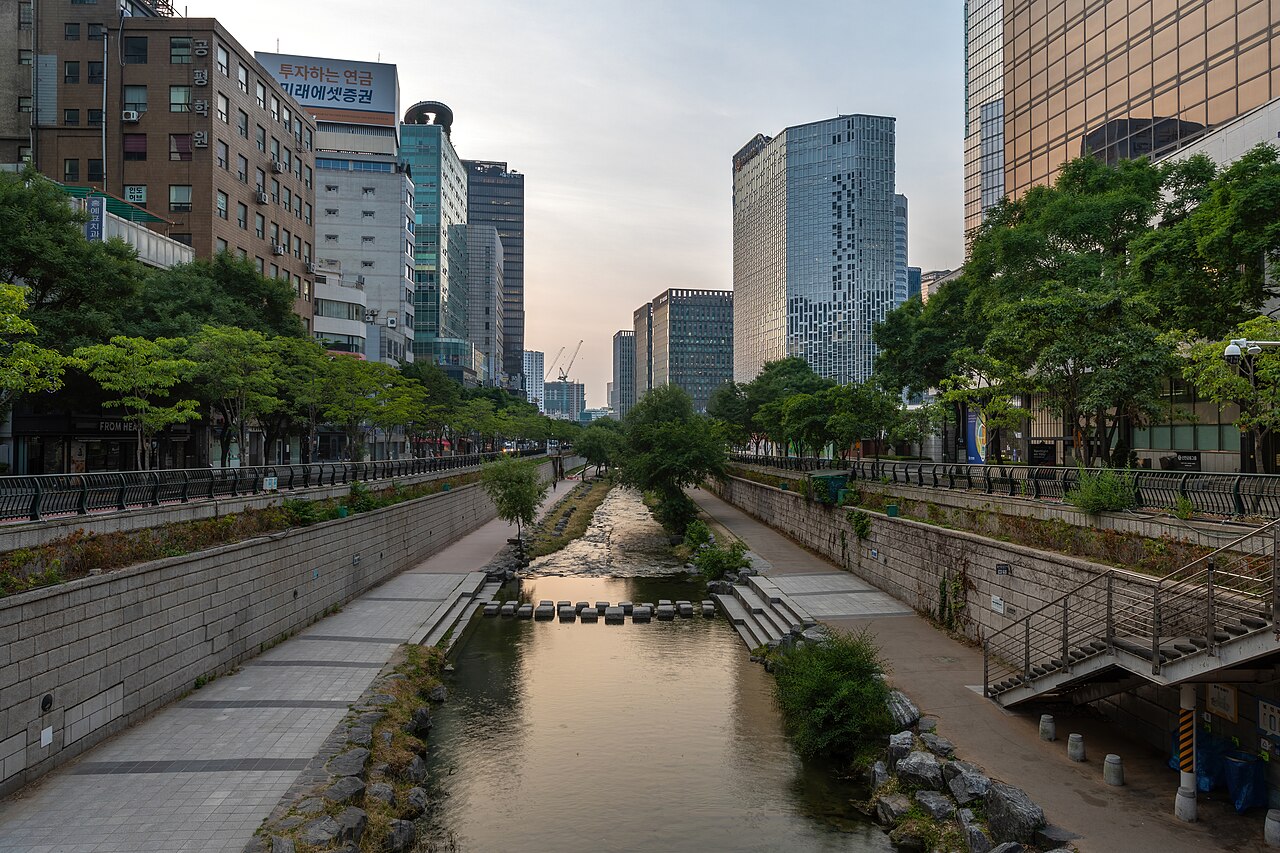
Cheonggyecheon Stream
Cheonggyecheon Stream has no admission fee, as of 2026, and runs 10.9 kilometres through central Seoul beside a walkway set several metres below…
1 hr
 8Free entry
Heritage
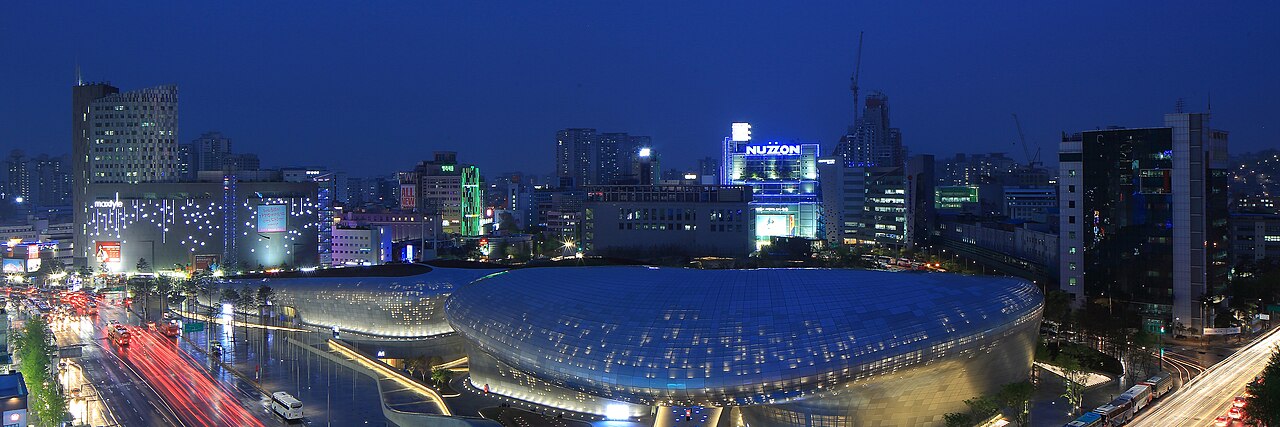
Dongdaemun Design Plaza
Dongdaemun Design Plaza has free outdoor access, as of 2026, and opened on 21 March 2014 as an 86,574.7 square-metre cultural complex designed by…
1.5 hrs
 9
9Heritage
N Seoul Tower
N Seoul Tower charges KRW 29,000 for an adult observatory ticket, as of 2026, and stands 236 metres tall on top of Namsan, with the operator quoting…
2 hrs₩29,000
 10
10Heritage
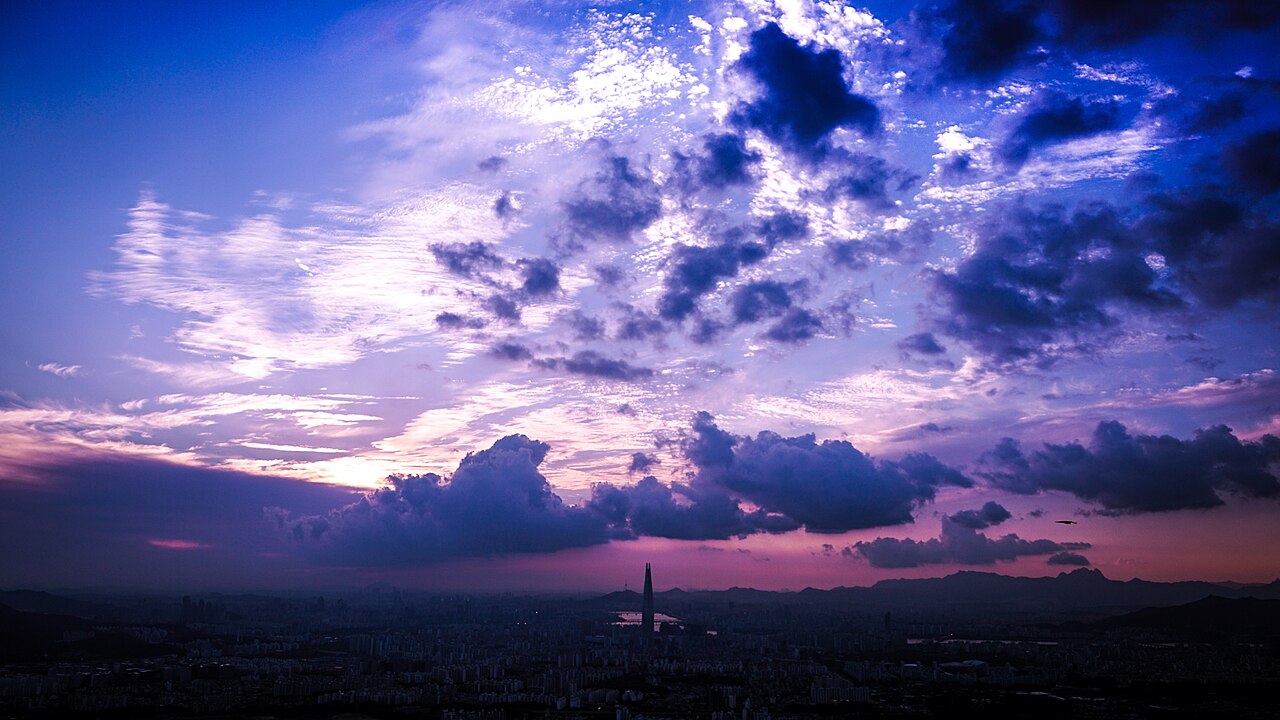
Lotte World Tower and Seoul Sky
Seoul Sky at Lotte World Tower charges KRW 31,000 for an adult ticket, as of 2026, and occupies floors 117 to 123 of a 123-storey tower that rises…
2 hrs₩31,000
Map of places to visit in Seoul
Numbers match the ranking; the top 3 are orange. Tap a pin for its guide. 2 places have no map position yet.
Day trips from Seoul
Worth a day out if you have one to spare, nearest first.
25 km · 40m-1h
Namhansanseong Fortress (Gwangju, Gyeonggi)
A UNESCO World Heritage mountain fortress (listed 2014) of stone walls and gates on the south-eastern edge of the metropolis, a hiking-friendly half-day trip with views across the Han River valley.
30 km · 45m-1h; about 1h by subway Line 1
Suwon Hwaseong Fortress (Suwon)
A UNESCO-listed fortress of about 5.74 km of walls built between 1794 and 1796 by King Jeongjo, with four gates and the Hwaseong Haenggung detached palace, reachable on Line 1 to Suwon Station.
40 km · 45m-1h; about 1h by subway Line 1
Incheon Chinatown and Songdo
A port district on Line 1 whose Chinatown dates to the 1880s port opening and is widely credited as the home of Korean jjajangmyeon noodles, paired with a walk through the planned waterfront city of Songdo.
50 km · 1h-1h30m
Demilitarized Zone (Imjingak and Third Tunnel, Paju)
The 250 km long, roughly 4 km wide buffer zone created by the 1953 armistice; guided tours from Seoul visit Imjingak, an infiltration tunnel and an observation post, and tours to the Joint Security Area at Panmunjom need advance booking and a passport, so verify current availability.
About Seoul
The historic core lies north of the river in Jongno-gu and Jung-gu, where the palaces of Gyeongbokgung and Changdeokgung, the Bukchon hanok lanes, Insadong and the restored Cheonggyecheon stream all sit within a few kilometres of each other. South of the river, Gangnam and Jamsil hold the modern business districts, and Lotte World Tower rises 555 metres over Songpa-gu. The Korean War left Seoul heavily damaged, and its rapid rebuilding, then the 1988 Olympic Games, produced the dense, high-rise city seen today.
The subway is the practical way to move: the network runs 24 lines across the metropolitan area, with a base fare of about KRW 1,550 using a T-money card, and most sights sit within a 10-minute walk of a station. Incheon International Airport lies about 48 km west and connects to Seoul Station by AREX rail in roughly 45 minutes on the express, while Gimpo Airport handles most domestic flights and some regional routes. Seoul is easiest to enjoy in April to early June and late September to October, when temperatures are mild and skies are clearer. July brings the rainy monsoon and heat, and January is cold, with average highs of about 2 degrees Celsius. Chuseok (24-26 September in 2026) and Seollal close many shops, while palaces and museums keep to their own closing days: Gyeongbokgung shuts on Tuesday and Changdeokgung on Monday.
Seoul travel FAQs
How many days do you need in Seoul?
Plan about 3 days for Seoul. Its top attractions take roughly 17 hours of sightseeing in total, so 3 days covers the highlights without rushing — you can move faster if you are short on time.
What is the best time to visit Seoul?
The best time to visit Seoul is Apr – Jun, Sep – Oct.
Is Seoul cheap or expensive to visit?
Entry to Seoul's top attractions ranges from ₩3,000 to ₩31,000, and 6 of the top 10 are free to enter. Prices are the latest checked on each place's page; always confirm current rates on the official website.
What is Seoul famous for?
Seoul is best known for its top sights, including Gyeongbokgung Palace, Bukchon Hanok Village and Changdeokgung Palace and Huwon Secret Garden. The full ranked list of things to do is on this page.
How much time should you spend at Gyeongbokgung Palace?
Allow about 2 hrs for Gyeongbokgung Palace.
Spotted something wrong, or a place we missed?
Tell us and an editor will check it against official sources and fix the page.