
Gwangjang Market
#6of 10 places to visit in SeoulSeoul, Seoul Capital Area, South Korea
Also known as Kwangjang Market · 광장시장 · Gwangjang Sijang
Quick answer
Opening hours: Varies by season or area, closed Sundays. Entry is free. Allow 1.5 hrs. Best time: 11:00-13:00.
Updated · Compiled by Traveliac, AI-assisted · 4 min read
- Opening hours
- Hours vary
- Closed Sundays
- Entry fee
- Free
- Time needed
- 1.5 hrs
- Best time of day
- 11:00-13:00
- Best months
- Apr – Jun, Sep – Oct
- Address
- 88 Changgyeonggung-ro, Jongno-gu, Seoul 03195, South Korea
About Gwangjang Market
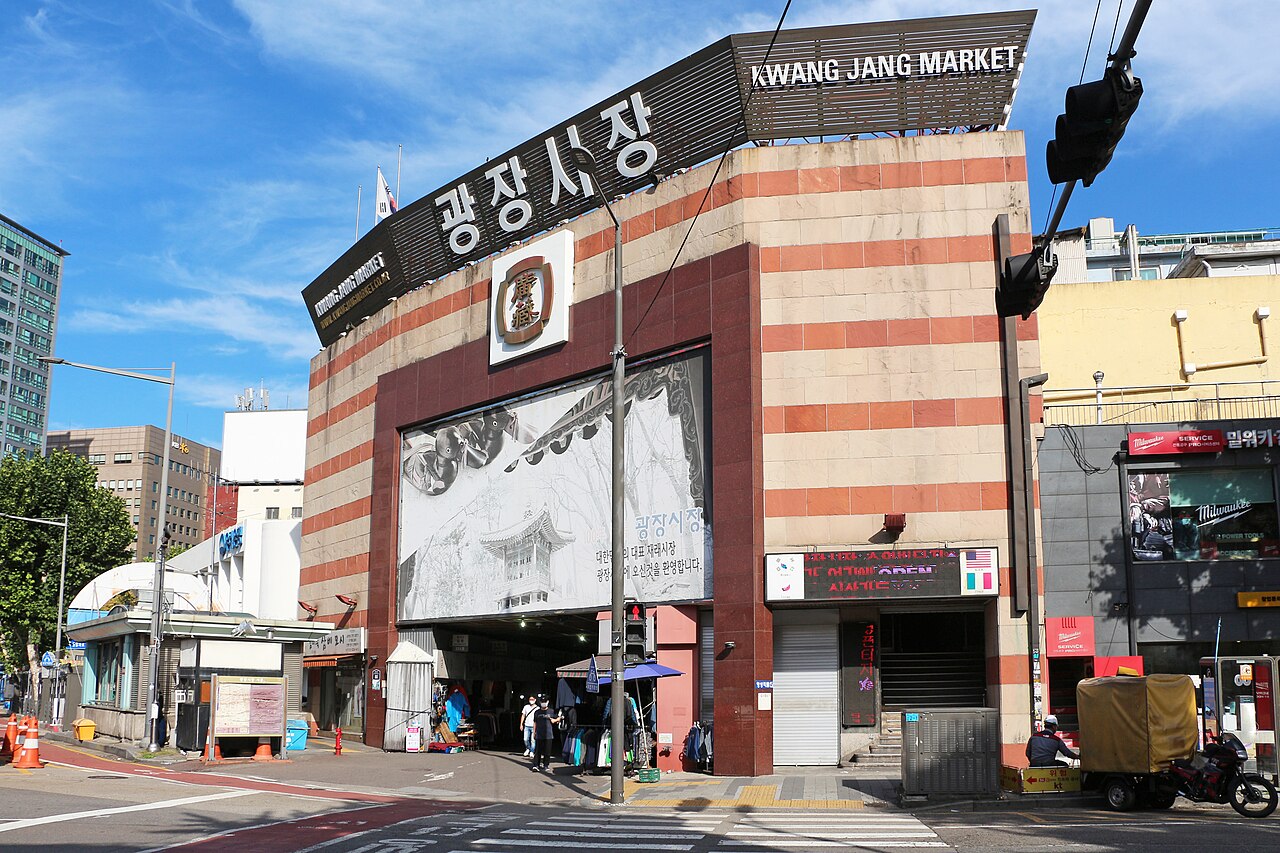
Gwangjang Market has no admission fee, as of 2026, and is often described as the first permanent daily market in Korea. Korean investors formed the Gwangjang Corporation on 5 July 1905, and the market took its present name in 1960. The covered lanes run to tens of thousands of square metres and hold thousands of small shops: bolts of silk and hanbok fabric, bedding, second-hand clothing, and rows of counter-style food stalls where cooks fry mung bean pancakes on flat griddles. Most foreign visitors come for the food.
Best time of day: 11:00-13:00. On a weekday for a full menu and fresh batches at the bindaetteok stalls; after 19:00 for the evening atmosphere, when seating is easier to find than at lunch.
Gwangjang Market timings
- Opening hours
- Hours vary
Mon–Sat Varies by season or area Sunday Closed - Food stalls generally run from about 09:00 to 22:00 or 23:00 daily, while textile, hanbok and clothing shops trade roughly 09:00-18:00 and many close on Sundays. Hours vary by stall and are not published by a single operator, so verify locally.
- Closed on
- Sundays for many textile and clothing shops; food stalls mostly stay open
Good to know: Many stalls close for Seollal (Lunar New Year) and Chuseok holidays; Chuseok in 2026 runs 24-26 September, so plan around those days.
Opening hours compiled from english.visitseoul.net and public records, last updated . They change without notice — confirm before you travel. How we write these guides
Gwangjang Market ticket price
| Ticket | Price |
|---|---|
| Standard ticket | Free |
| Concession (student / senior) | Free |
| Children | Free |
Gwangjang Market has no admission fee, as of 2026. Food prices are set by each stall; typical street-food portions such as bindaetteok (mung bean pancake) or mayak gimbap (mini rolls) cost roughly KRW 4,000 to KRW 10,000, and raw beef (yukhoe) or a full seated meal costs more (verify menu prices before ordering). Cash is still welcome at small stalls, though many now take cards.
Prices compiled from english.visitseoul.net and public records, last updated . They change without notice — confirm before you travel. How we write these guides
Best time to visit Gwangjang Market
- Quiet
- Moderate
- Busy
- Very busy
09:00 - 11:00
Setting UpBest time to go
Shops open and stalls start frying; food selection is limited, but lanes are walkable and stallholders are relaxed.
Quiet11:00 - 14:00
Lunch Rush
Office workers and tour groups fill the bindaetteok alley; expect queues at popular stalls and shared seating.
Very busy14:00 - 18:00
Afternoon Lull
Lunch crowds drain away; easier seating and quicker service, though some smaller stalls slow down before the evening.
Moderate18:00 - 22:00
Evening Eating
Dinner and drinks crowds fill the alleys; makgeolli and pancakes are popular, and the atmosphere is livelier but noisier.
Busy
History of Gwangjang Market
Gwangjang Market was founded in 1905 by Korean businessmen in response to Japanese control of nearby markets, and its operating company was set up on 5 July that year. It became the first permanent market open every day of the week in Seoul, which distinguished it from rotating traditional markets.
Gwangjang Market grew as a textile and fabric wholesale centre, and its second-floor bolt-cloth alleys still supply hanbok makers and bedding suppliers. The market was renamed Gwangjang in 1960. Its modern fame came after food television, including a Netflix street-food series and Korean variety shows, showcased the stalls, and many stallholders now keep English or Japanese menus.
Rules & etiquette at Gwangjang Market
Gwangjang Market has two habits that catch first-timers out. First, seating at food stalls is shared, and you are expected to order from the stall whose stool you use. Second, prices are per plate and rarely negotiable, so check the menu or ask before ordering to avoid the tourist-price surprise that occasionally follows a wave of visitors.
Gwangjang Market does not expect tips. Shoes stay on, and you pay at the stall or the cash box beside it. Keep bags in front of you in the narrow lanes, where pickpocket reports rise in the crowd, and avoid photographing customers' faces or the raw-meat preparation without asking first. Raw beef dishes should be eaten only at busy, high-turnover stalls.
Tips for visiting Gwangjang Market
- 1
Gwangjang Market's best-known dish is bindaetteok, mung bean pancake fried in oil until crisp at the edges; stalls near the main crossing draw the longest queues, but the smaller stalls in the side lanes often serve the same dish with shorter waits. Mayak gimbap (mini seaweed rolls with a soy-mustard dip), yukhoe, sundae (blood sausage), tteokbokki and kalguksu (knife-cut noodles) are other staples. Expect a light meal at one stall to cost roughly KRW 10,000-20,000 per person, as of 2026.
- 2
Gwangjang Market gets loud and busy by 12:00 on weekdays and much of the weekend, so go at 11:00 or after 19:00 to find seats. Bring small notes, though many stalls accept cards. Do not confuse the food alley with the textile floors; the upper levels sell fabric and hanbok and close earlier, and there is far less English signage. Walk on to the Cheonggyecheon stream, a few minutes south, or Dongdaemun Design Plaza to the east, for a cooling-off stroll after eating.
How to reach Gwangjang Market
The red star is Gwangjang Market; the numbered pins are the 7 nearest places in our guides, each showing its rank in its city. Tap a pin for details.
88 Changgyeonggung-ro, Jongno-gu, Seoul 03195, South KoreaDirections in Google Maps
From Incheon International Airport (ICN)
65 km · 80-95 min
KRW 4,750-5,000 all-stop AREX plus KRW 1,550-1,650 subway (as of 2026, verify)
From Seoul Station
4 km · 10-14 min plus 3 min walk
KRW 1,550-1,650 with a T-money card (as of 2026, verify)
From Myeongdong
3 km · 15-25 min
KRW 1,550-1,650 by subway (as of 2026, verify)
Nearest airport
From Incheon International Airport (ICN)
about 65 km, 45 minutes by AREX express to Seoul Station plus 30 minutes by subway.
Nearest station
From Jongno 5-ga Station (Line 1), Exits 7 or 8; Euljiro 4-ga Station (Lines 2 and 5) is the alternative on the south side.
Gwangjang Market FAQs
Is Gwangjang Market free to enter?
Yes. Gwangjang Market has no admission fee, as of 2026, and visitors pay only for food and goods at individual stalls.
What should I eat at Gwangjang Market?
Bindaetteok (mung bean pancake) and mayak gimbap (mini seaweed rolls) are the standard first orders. Yukhoe (raw beef), sundae, tteokbokki and kalguksu are common additions.
Does Gwangjang Market accept credit cards?
Many stalls do, but not all. Bring some Korean won in cash, as small stalls in the narrow lanes may accept only cash or add a card surcharge.
What is the best time to visit Gwangjang Market?
11:00 on a weekday or after 19:00. Lunchtime between 12:00 and 14:00 is the busiest, and queues at popular stalls can be long.
Compiled with AI assistance from official sources and public records, and published only after the checks in How we write these guides. Nobody from Traveliac has visited this place. Last updated . How we rank and check places
Places to visit near Gwangjang Market
Straight-line distances from our map; times are estimates.
 #7 in SeoulFree entry
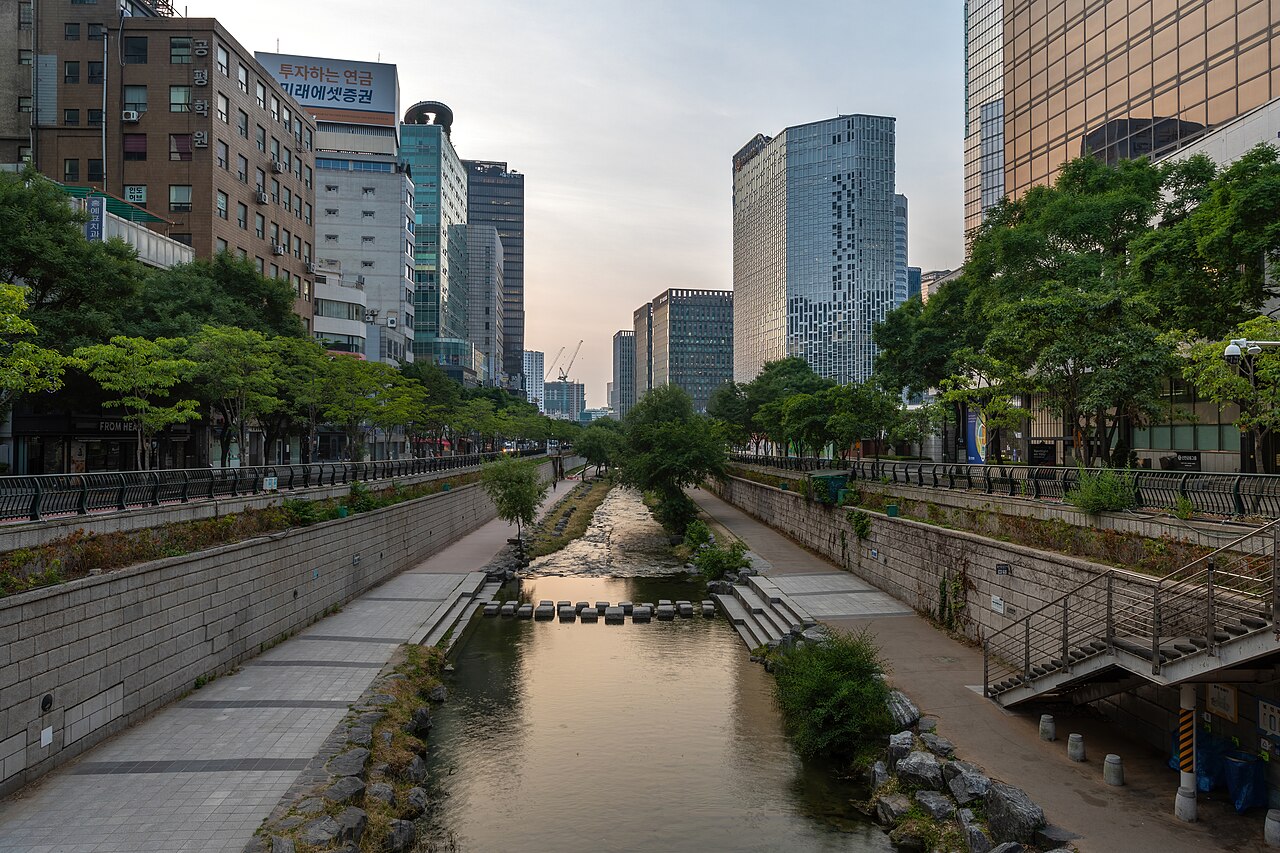
Cheonggyecheon Stream
Nature · 650 m · about 11 min walk
 #8 in SeoulFree entry
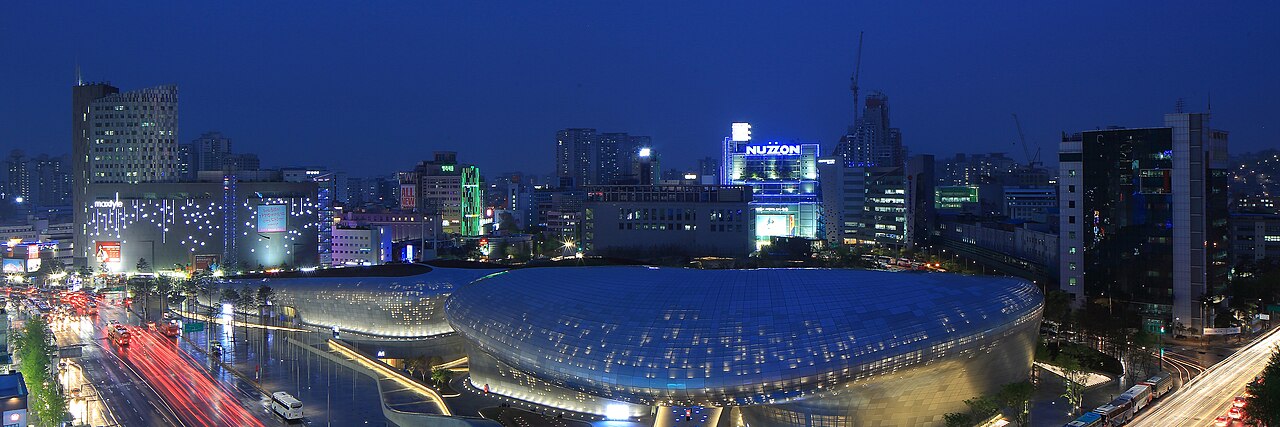
Dongdaemun Design Plaza
Heritage · 1000 m · about 16 min walk
 #4 in SeoulFree entry
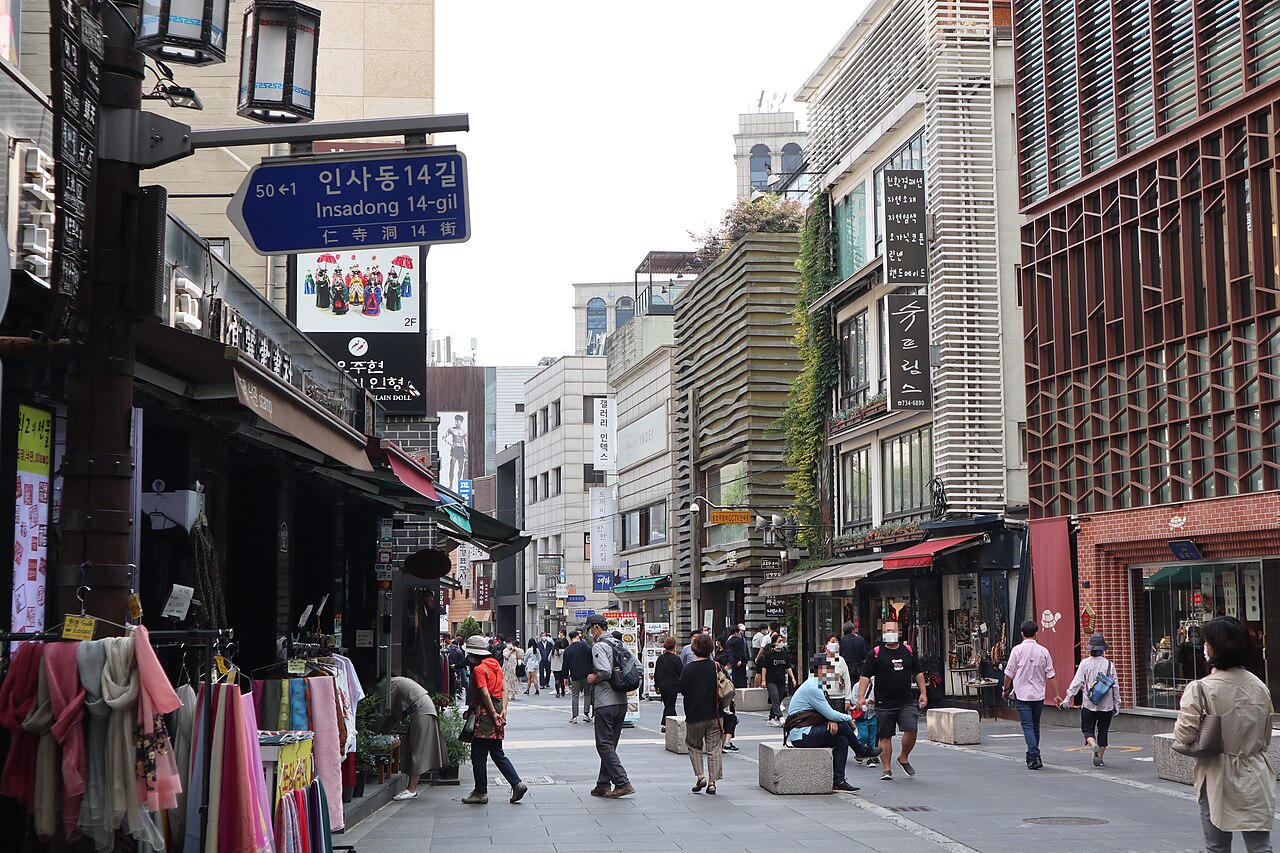
Insadong
Market · 1.2 km · about 19 min walk
 #3 in Seoul
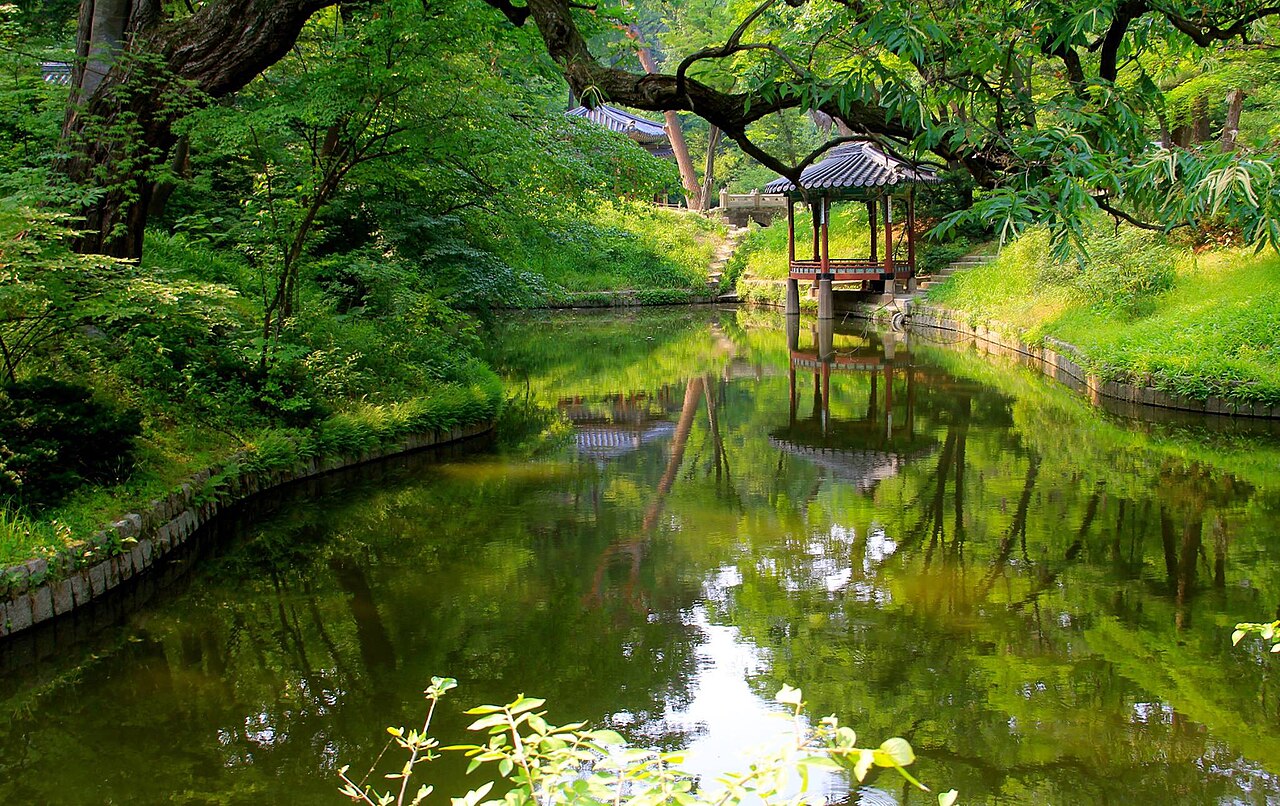
Changdeokgung Palace and Huwon Secret Garden
Palace · 1.3 km · about 21 min walk